Top 5 Natural Monuments around Vistula Lagoon
Best natural monuments around Vistula Lagoon include a diverse range of natural features. The Vistula Lagoon is a significant brackish water body on the Baltic Sea, characterized by its unique landscapes. This region encompasses pristine forests, large linear dunes, and wide sandy beaches. It serves as an important habitat for various bird species and offers unique geological formations.
Best natural monuments around Vistula Lagoon
- The most popular natural monuments is Polish-Russian Border at Piaski, a beach that marks the…
Last updated: June 23, 2026
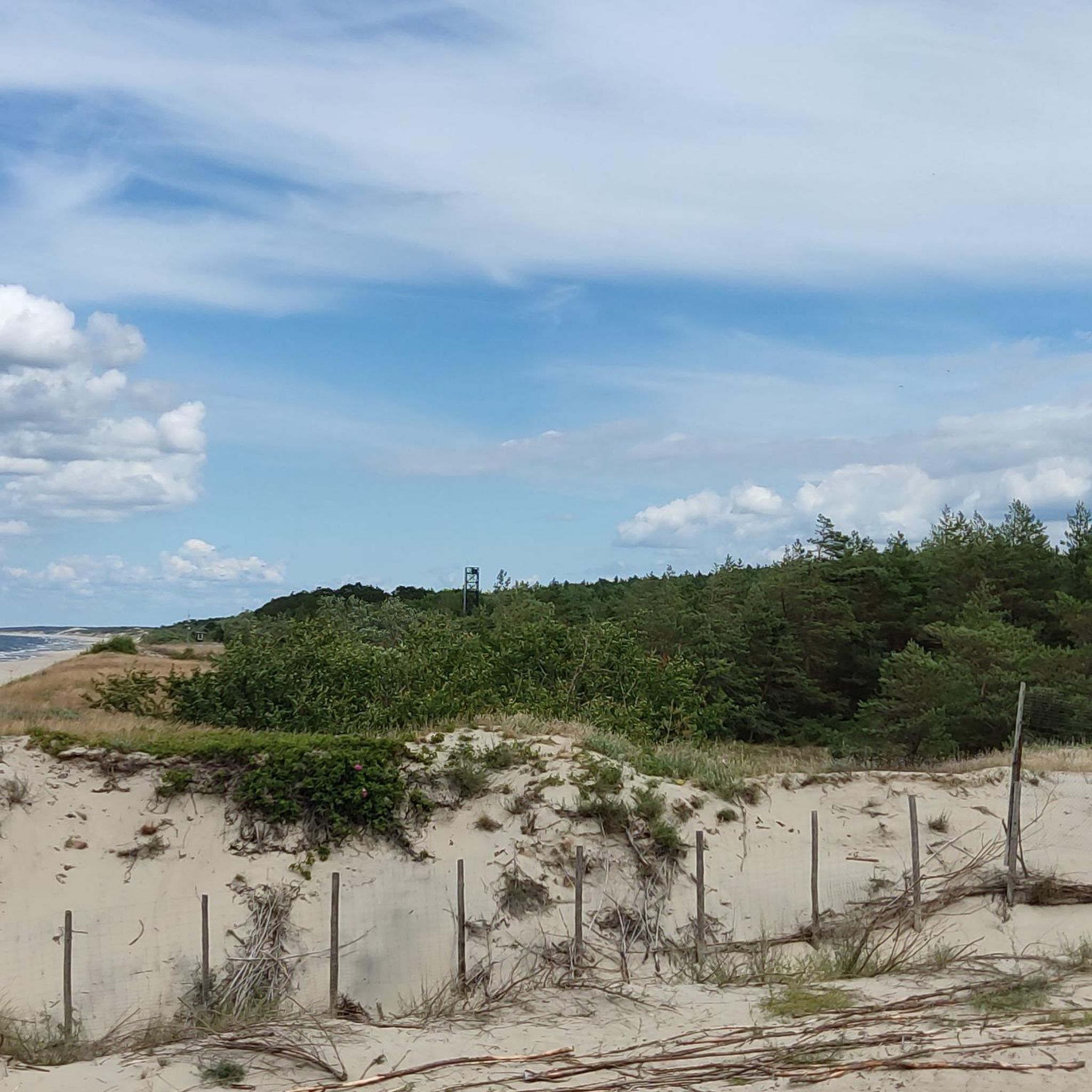
Polish-Russian Border at Piaski
Highlight • Beach
Translated by Google •
Tip by

Vistula Spit Beach
Highlight • Beach
Translated by Google •
Tip by

Sign up now to discover places like this
Get recommendations on the best single tracks, peaks, & plenty of other exciting outdoor places.
Sign up for free
Mouth of the Królewiecka Vistula River
Highlight • River
Translated by Google •
Tip by

Ornithological Observation Tower on Pirat Hill
Highlight • Viewpoint
Translated by Google •
Tip by

Cliff Above the Vistula Lagoon
Highlight (Segment) • Viewpoint
Translated by Google •
Tip by

Sign up for free to discover even more natural monuments around Vistula Lagoon.
Sign up for free
Already have an account?
Start today with a free account
Your next adventure awaits.
Login or Signup
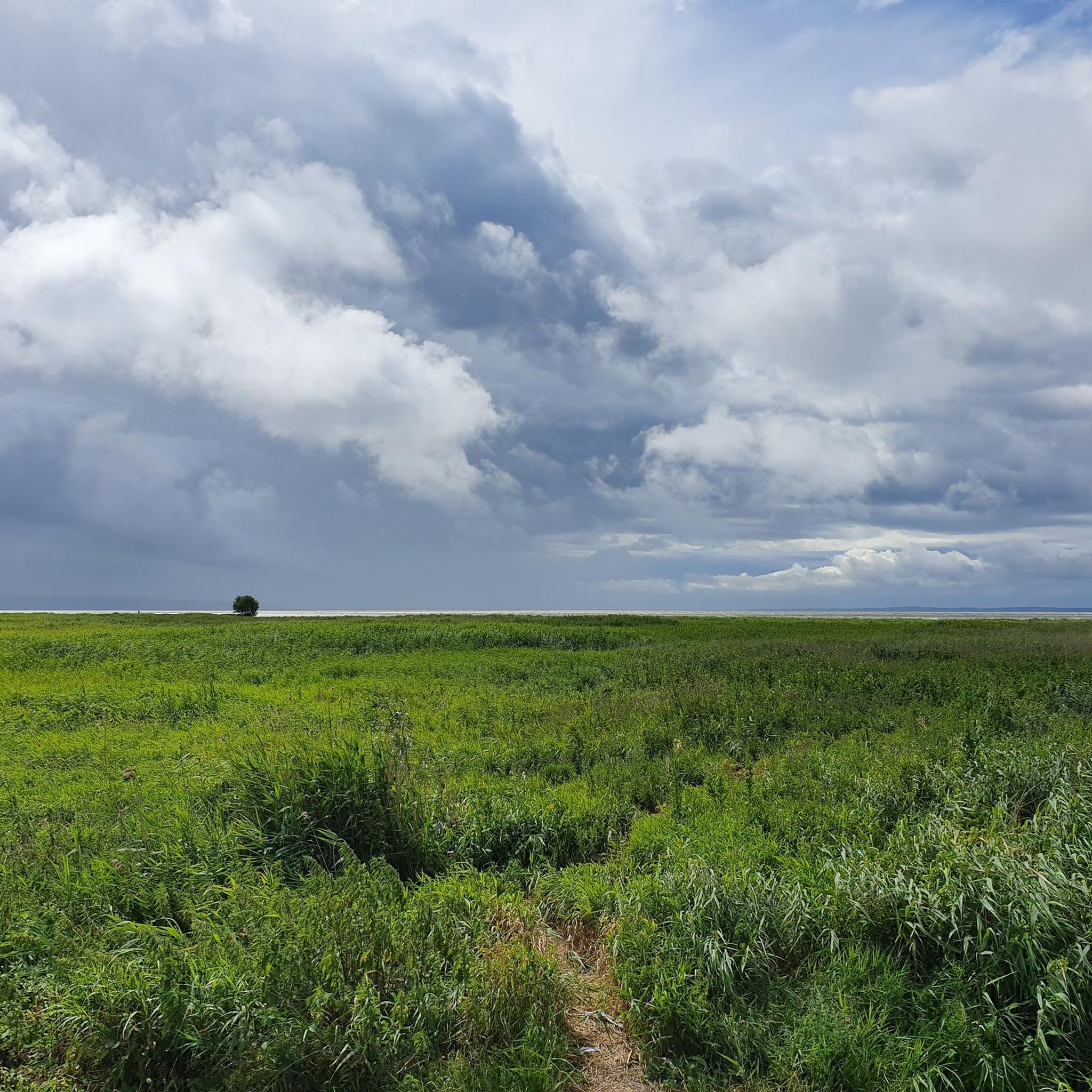
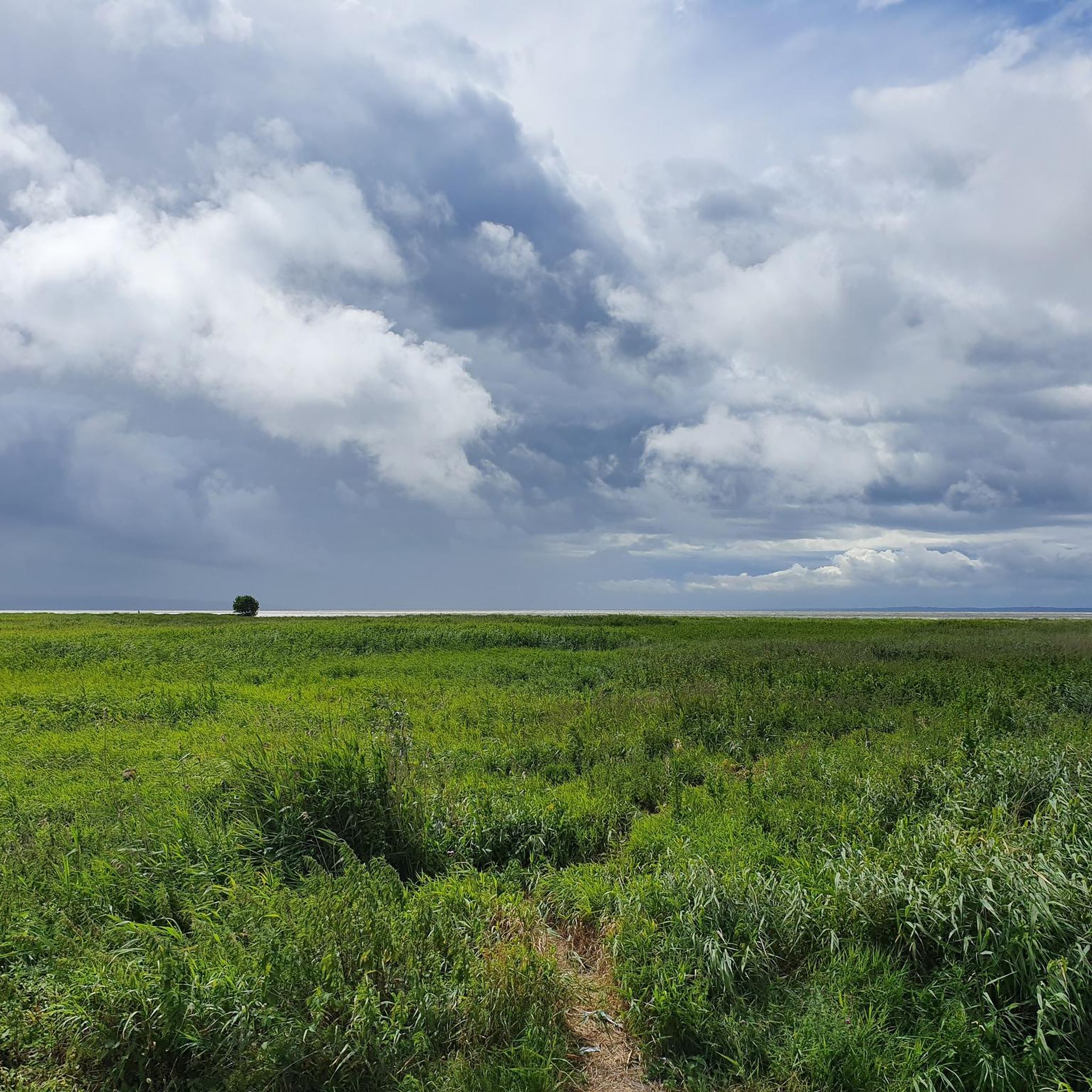

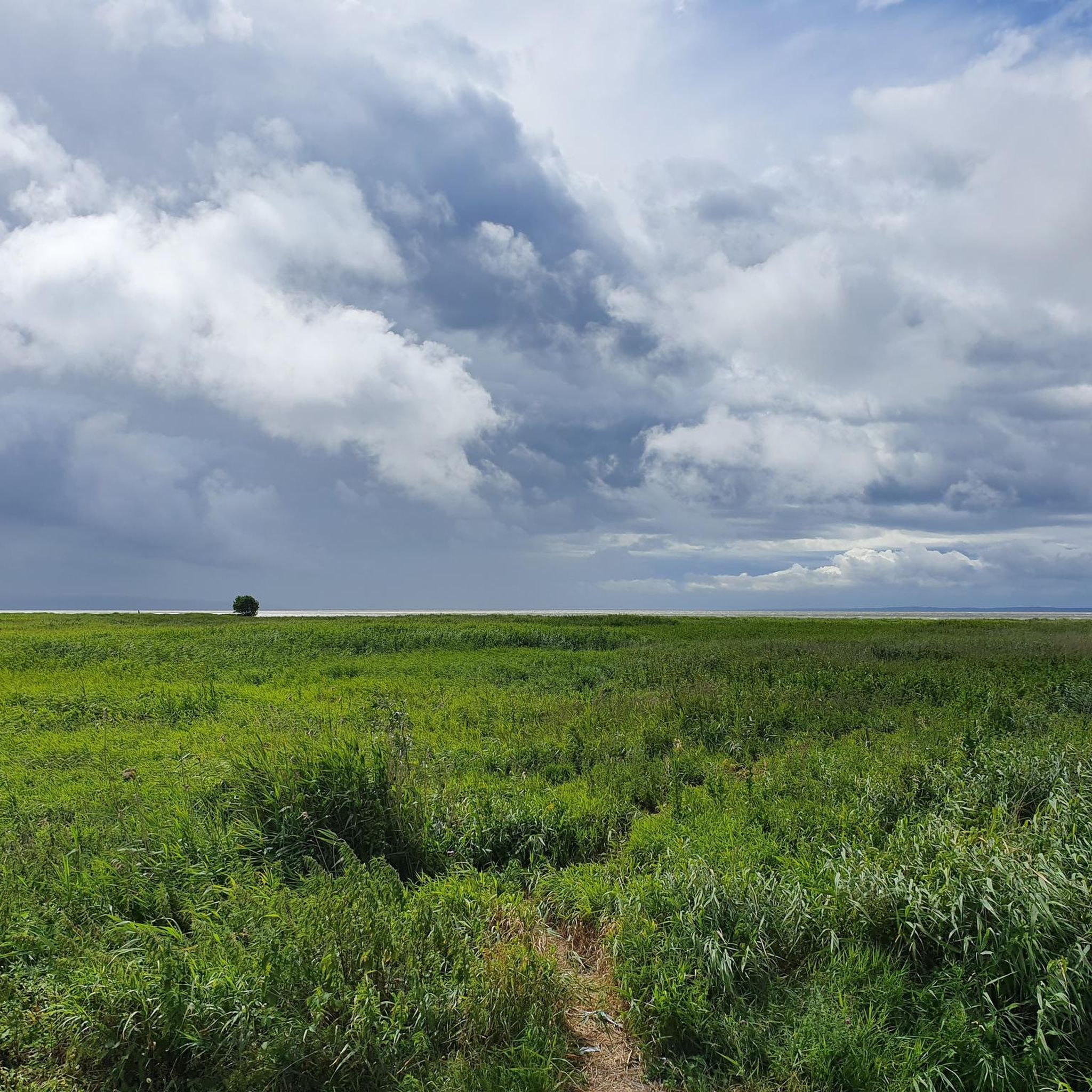
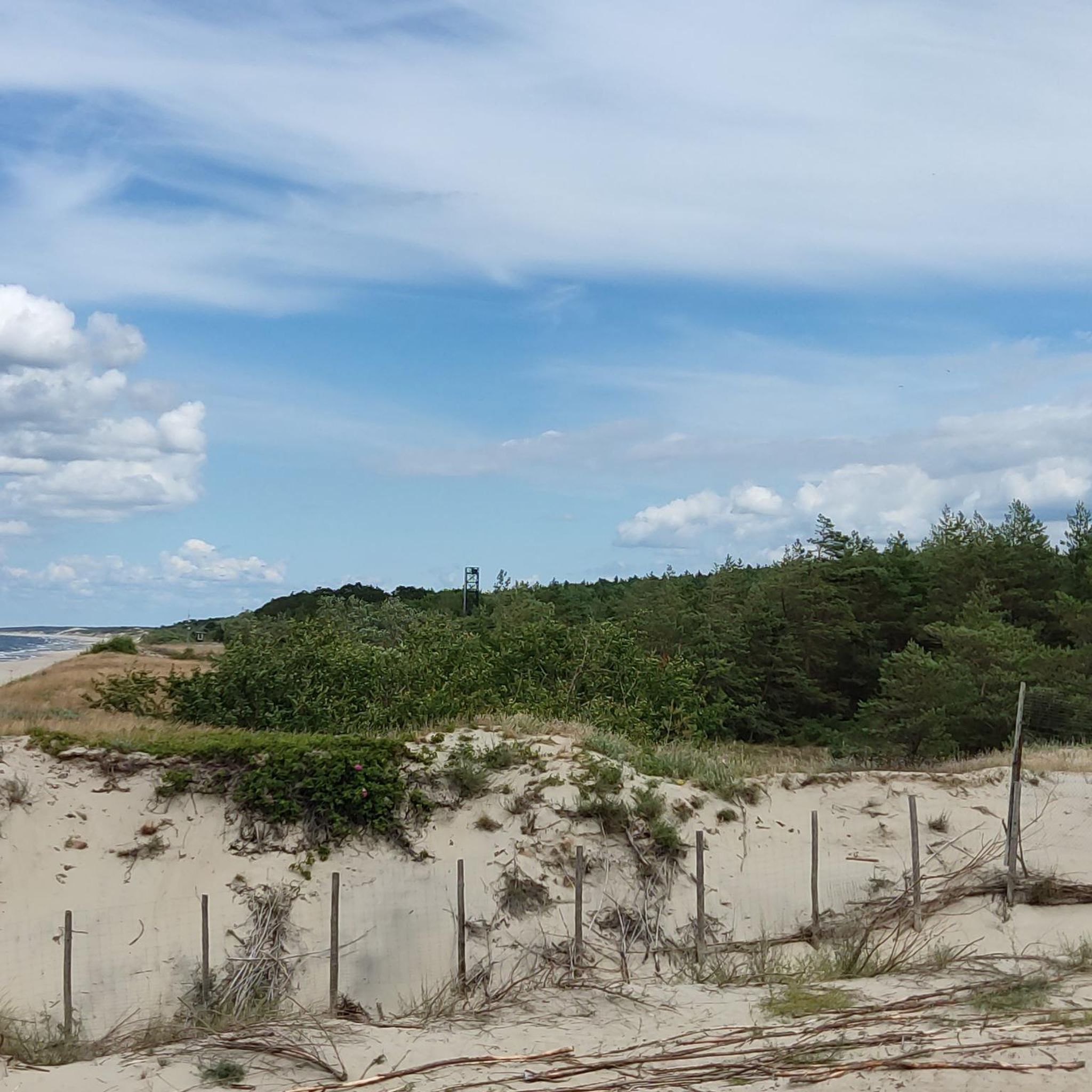
Tips from the Community

A slightly different hike: at the border, Polish police officers make sure you don't accidentally climb over the fence. We took the forest path back to the beach...not so easy to walk on the sand.
0
0

Pirat Mountain is a hill located halfway between Krynica Morska and Piaski, on the Vistula Spit. On Pirat Mountain there is an observation tower, which is used by both tourists and scientists to observe birds. The Vistula Spit is an important migration route for birds in Europe, and from the tower you can admire this phenomenon, especially intensive in spring and autumn. The tower offers a view of the Vistula Lagoon and the Bay of Gdańsk.
2
0

Interesting tower and nice views in the summer on the cliffs of the Vistula Bay
1
0

from the tower there is a beautiful view of the Baltic Sea and the Vistula Lagoon, especially at sunrise
1
0

The concrete slab surface is a challenge for sitting. Watch out for bitterns near grazing cows.
0
0

From here it goes no further
2
0
Beautiful long beaches. The sand is so fine that it squeaks when you walk :)
1
0

A really great tour right on the Baltic Sea
3
1
Frequently Asked Questions
What unique natural features can I expect to see around the Vistula Lagoon?
The Vistula Lagoon area is characterized by a diverse range of natural features. You'll find pristine forests, large linear dunes, and wide sandy beaches, particularly within the Vistula Spit Landscape Park. The region is also a significant brackish water body on the Baltic Sea, offering unique geological formations and crucial habitats for various bird species.
Where are the best places for birdwatching in the Vistula Lagoon area?
The Vistula Lagoon is one of Northern Europe's most important bird habitats. Key birdwatching spots include the Cormorant and Grey Heron Reserve in Kąty Rybackie, home to Poland's largest cormorant breeding colony. The Mewia Łacha Reserve, part of the Vistula River Mouth Sanctuary, is excellent for wetland birds and sea swallows. The Elbląg Bay Nature Reserve also protects waterfowl in the shallow southern part of the lagoon. You can also observe birds from the Ornithological Observation Tower on Pirat Hill.
Are there any ancient forests or remarkable trees to visit?
Yes, the region boasts ancient forest ecosystems. The Kadyny Forest (Kadynski Las) reserve protects 200-year-old beech and oak trees, including one of Poland's oldest oaks, estimated to be a thousand years old. The Beeches of Elbląg Upland reserve also features a 100-year-old beech forest. Additionally, in Krynica Morska, you can find Benek, a memorial oak tree planted in 1959.
Where can I find the best panoramic views of the Vistula Lagoon and Baltic Sea?
For breathtaking panoramic views, head to Wielbłądzi Garb (Camel's Hump), the highest dune on the Vistula Spit, reaching 49 meters above sea level. From its top, you can see both the Baltic Sea and the Vistula Lagoon. Another excellent spot is the Ornithological Observation Tower on Pirat Hill, which offers views of both bodies of water.
Can I see grey seals in the Vistula Lagoon region?
Yes, the Mewia Łacha Reserve, located at the mouth of the Vistula River, is notable as the only place in Poland where grey seals can be observed year-round. It's a significant site for their conservation and offers a unique opportunity to spot them in their natural habitat.
What is the Aestian Island and why is it significant?
The Aestian Island is a new, man-made island covering 200 hectares, created from dredged sediment from the Vistula Spit Canal. It has inadvertently become a vital sanctuary for hundreds of bird species, particularly marsh birds, and is rapidly developing into an important ecological destination for eco-tourists and birdwatchers.
Are there family-friendly natural monuments suitable for children?
Many natural monuments in the Vistula Lagoon area are suitable for families. The Vistula Spit Beach offers fine sand for walks and play. The Ornithological Observation Tower on Pirat Hill provides an engaging experience for observing birds. Even the Polish-Russian Border at Piaski can be an interesting geographical point for older children.
What outdoor activities can I do near these natural monuments?
The Vistula Lagoon area offers various outdoor activities, particularly hiking. You can find easy hikes like the 'Vistula Spit Beach – Old Winch on the Beach loop from Piaski' or the 'Hiking loop from Piaski'. For more challenging options, consider the 'Old Winch on the Beach loop from Krynica Morska'. There are also running trails, such as the 'View from Wielbłądzi Garb loop from Krynica Morska'. You can explore more options in the Easy hikes around Vistula Lagoon, Hiking around Vistula Lagoon, and Running Trails around Vistula Lagoon guides.
What do visitors enjoy most about the natural monuments around Vistula Lagoon?
Visitors frequently praise the beautiful, long beaches with fine sand, such as the Vistula Spit Beach. The panoramic views from spots like the Ornithological Observation Tower on Pirat Hill are also highly appreciated. Many enjoy the unique experience of reaching the Polish-Russian Border at Piaski, marking the end of the EU border.
What is the best time of year to visit the Vistula Lagoon for natural monuments?
The Vistula Lagoon is particularly rewarding for nature enthusiasts during spring and autumn. These seasons are ideal for birdwatching, as countless migratory birds pass through or seek refuge in the various reserves. Winter also offers opportunities to observe northern species. Summer is excellent for enjoying the beaches and forests, though it can be busier.
Are there any unique geological formations to explore?
Yes, the Vistula Spit itself is a unique geological formation, created thousands of years ago by the interaction of sand, wind, and the sea. The highest dune on the Spit, Wielbłądzi Garb (Camel's Hump), is a significant geological feature offering impressive views.
Can I visit the Vistula River Mouth Sanctuary?
Yes, the Vistula River Mouth Sanctuary, which includes areas like Mewia Łacha, is a Natura 2000 network site. It's an important bird habitat, shaped by hydrological processes and human engineering. It comprises diverse habitats like backwaters, swamps, shoals, islands, dunes, and forests, making it a paradise for birdwatchers, especially during migration periods.
Most popular routes around Vistula Lagoon
Most popular attractions around Vistula Lagoon

Get inspired with the komoot mobile app


Explore more
Extend your search for the best caves by checking out these guides of the top ones around Vistula Lagoon:
