Top 11 Natural Monuments around Lake Michigan
Best natural monuments around Lake Michigan include diverse landscapes shaped by glacial activity, featuring extensive coastlines and unique geological formations. The region is characterized by towering sand dunes, expansive beaches, and varied ecosystems such as forests and marshes. These natural areas offer opportunities to observe wildlife and experience the distinct natural beauty of the Great Lakes. The shoreline extends across multiple states, providing a range of natural features for exploration.
Best natural monuments around Lake Michigan
- The most popular natural…
Last updated: July 6, 2026
Milton L Olive III Park
Highlight • Monument
Tip by

Montrose Beach Dunes Natural Area
Highlight • Natural Monument
Tip by

Sign up now to discover places like this
Get recommendations on the best single tracks, peaks, & plenty of other exciting outdoor places.
Sign up for free
Bill Jarvis Migratory Bird Sanctuary
Highlight • Natural Monument
Tip by

Kohler-Andrae State Park
Highlight • Beach
Tip by

Ice Age Trail — Eastern Terminus
Highlight • Trail
Tip by
Sign up for free to discover even more natural monuments around Lake Michigan.
Sign up for free
Already have an account?
Start today with a free account
Your next adventure awaits.
Login or Signup

Other adventures around Lake Michigan

Tips from the Community

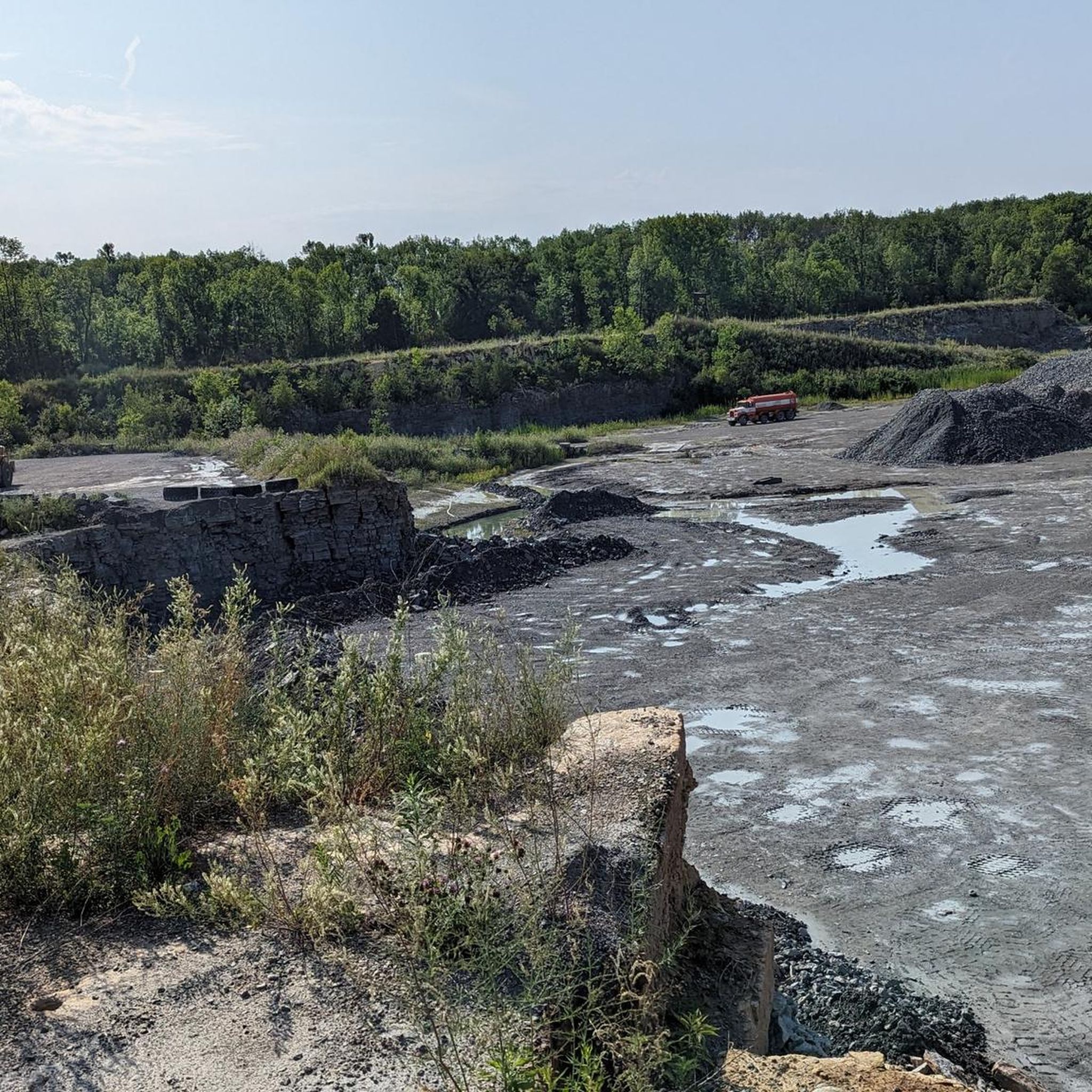
The eastern terminus trailhead of the Ice Age Trail is situated near the old ski hill overlook in Potawatomi State Park. There is a small sign marking the official start (or end) of the 1,200-mile journey, tucked into a quiet, wooded area with nearby parking. From this point, the trail winds westward, with a 2.8-mile segment through beautiful forest and shoreline.
0
0


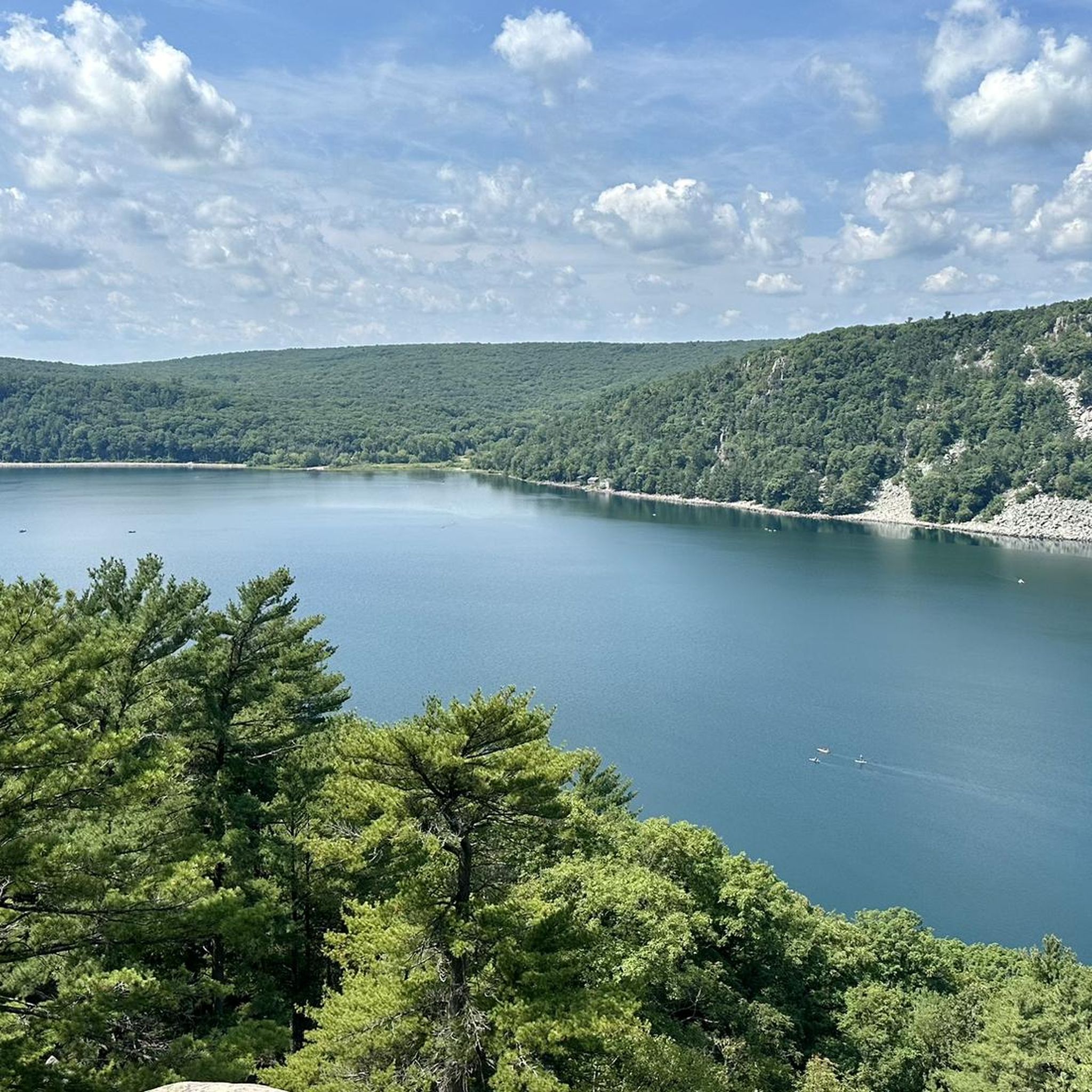
Technically this is 2 separate state parks, Terry Andrae State Park, established in 1927, and John Michael Kohler State Park, established in 1966. However, these days they are managed as one park, and together they cover nearly 1,000 acres along the shore of Lake Michigan. The main highlight of the park is the 2 miles of sand dunes and beaches along the shore. In addition to the beach, visitors can also enjoy hiking, biking, and camping in the summer and sledding, XC skiing, and snowshoeing in the winter.
0
0

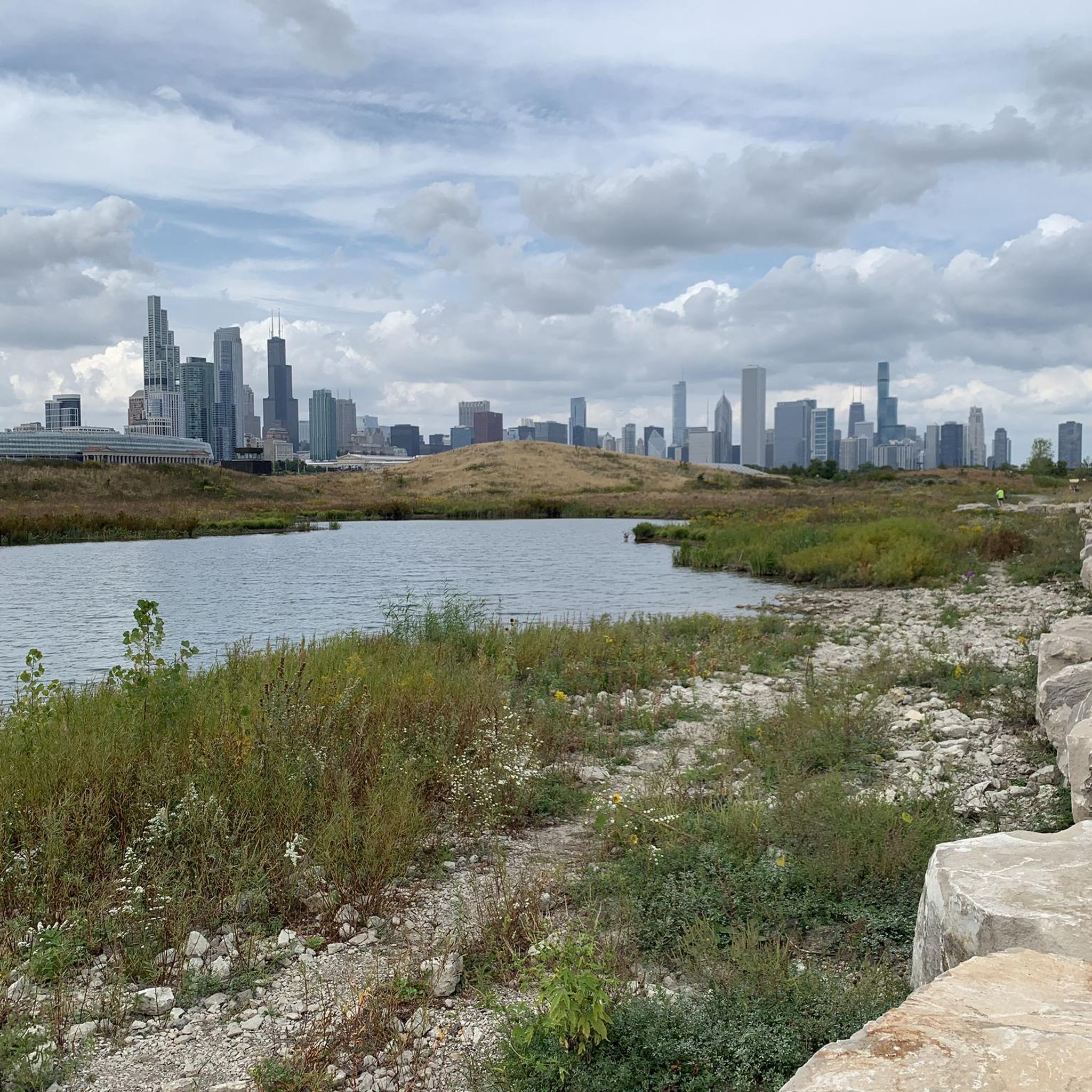
Milton Lee Olive Park, a 10-acre sanctuary on a 61-acre peninsula, honors the first African American Medal of Honor recipient from Vietnam, Milton L. Olive III. Designed by Dan Kiley in 1965, the park boasts open lawns, tree-lined alées, and a waterfront deck framing city views. Five fountains dot the landscape, creating a serene setting near Navy Pier. A poignant monument, "Hymn to Water," pays tribute to Olive, offering visitors a tranquil escape with panoramic city vistas.
0
0
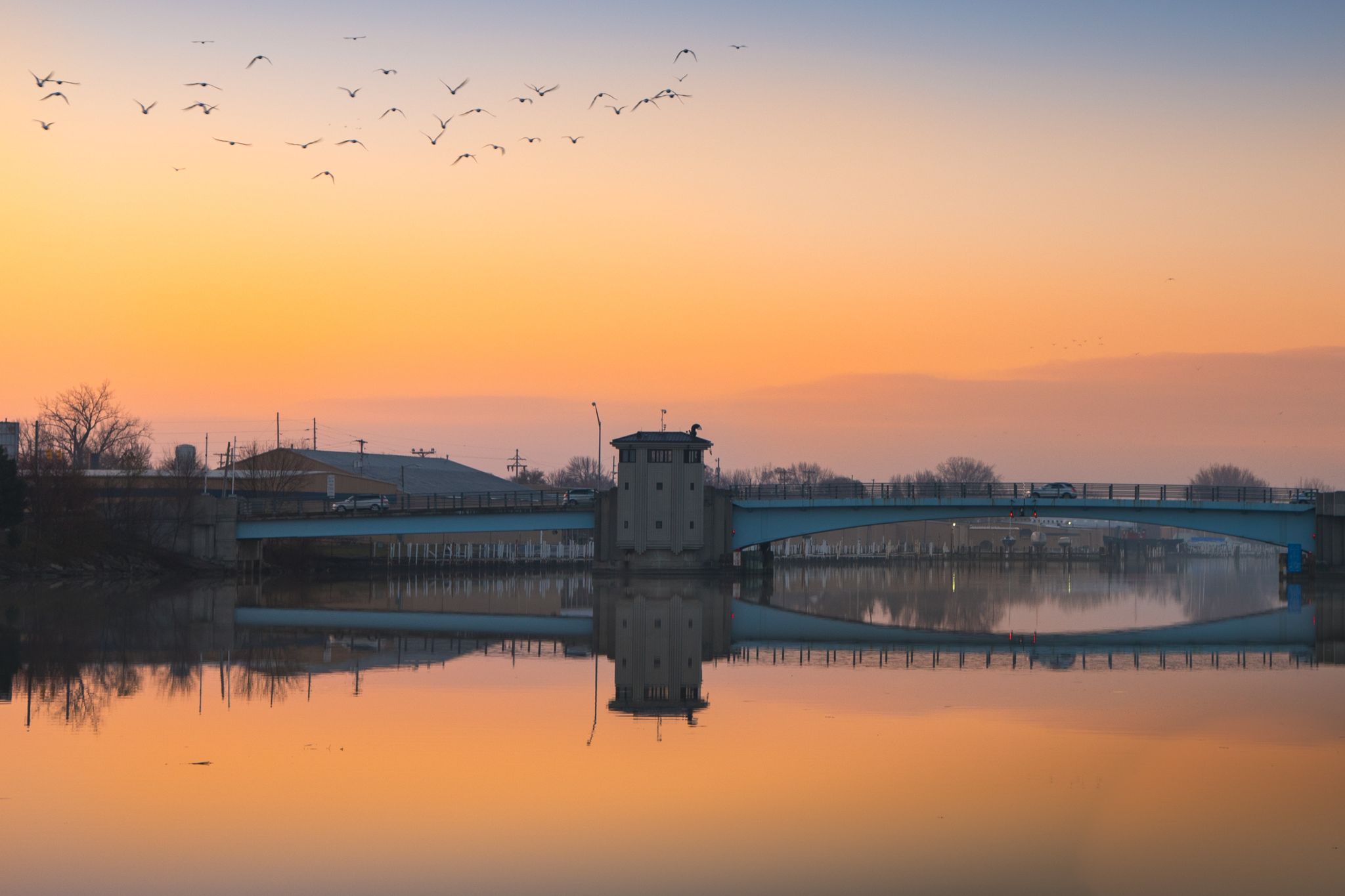
The Bill Jarvis Migratory Bird Sanctuary is a peaceful haven for over 150 different species of birds. The sanctuary was saved from demolition in the 1960s, and it was restored and maintained by volunteers led by the passionate bird-watcher Bill Jarvis. While the sanctuary's core is protected by a fence, you can enjoy the shade of mature trees and the vibrant colors of native flowers along a path that circles the barrier, making it an excellent spot for a peaceful jog or stroll. There is a bird viewing platform on the east side of the sanctuary, which is a popular spot to observe these migratory birds during their nesting season in the summer.
0
0

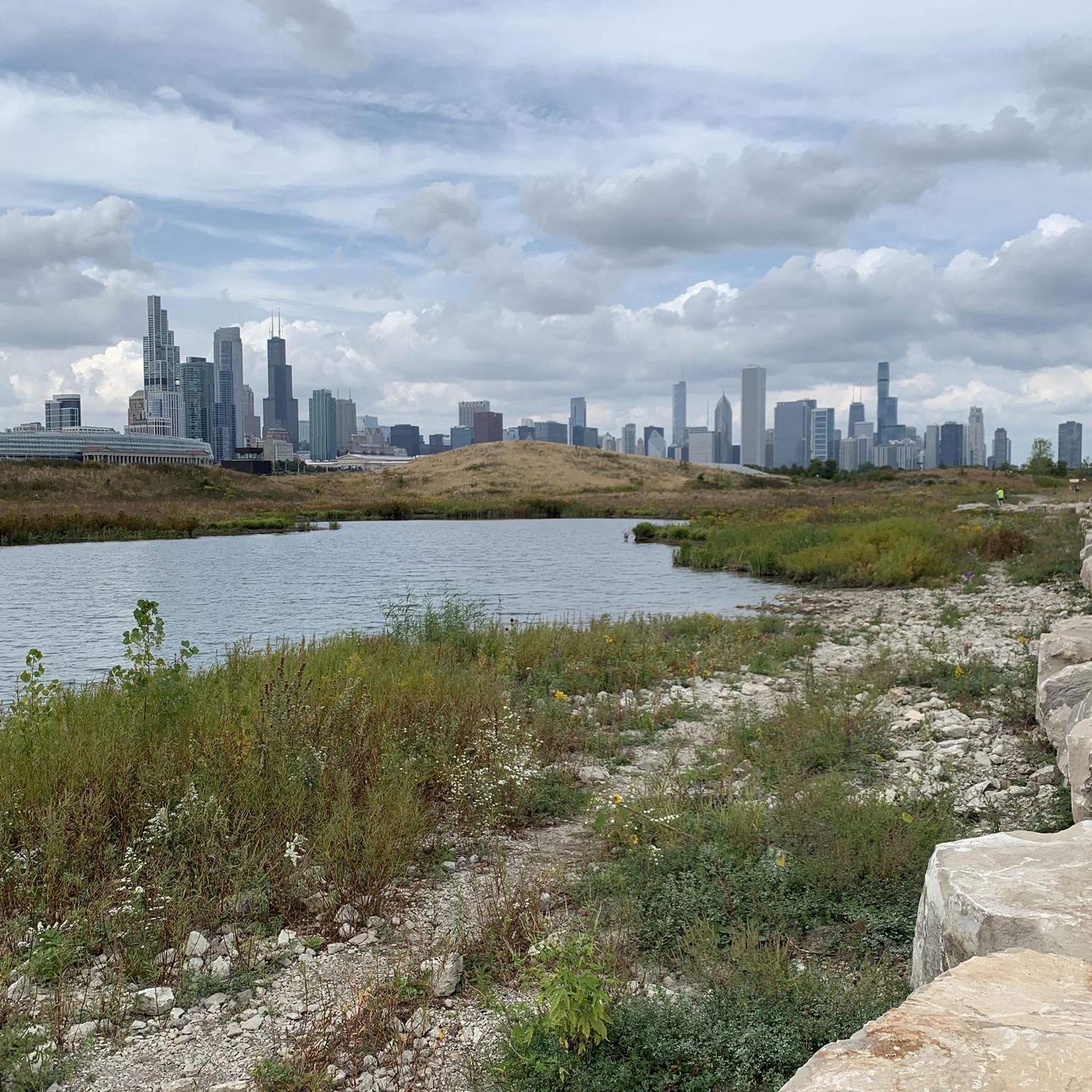
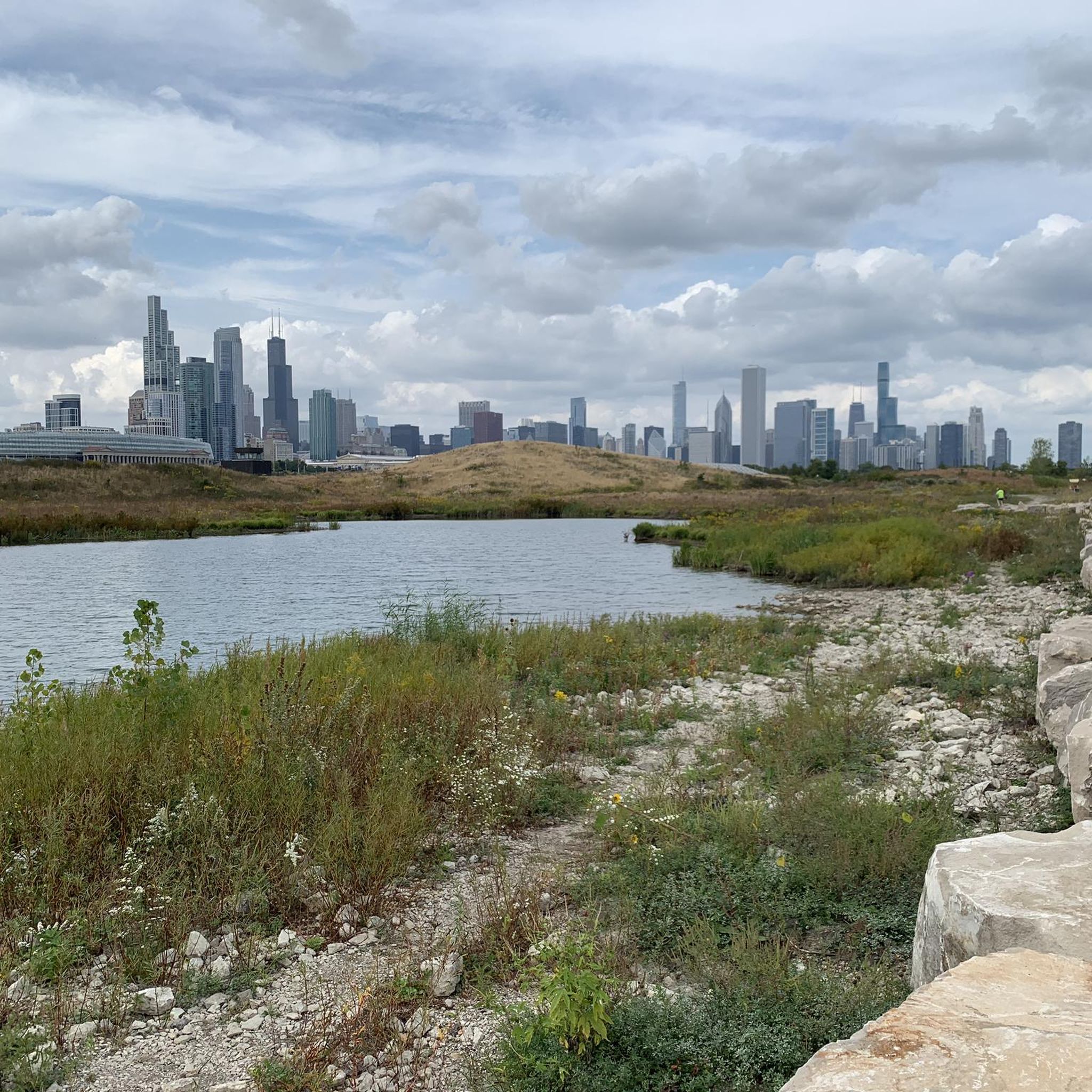
This area was originally a landfill, but over time, nature has reclaimed it. The site now features a beach, foredune, and globally rare panne habitat, contributing to the presence of various plant species in the area. Additionally, there are scenic views of Lake Michigan in this vicinity.
1
0

The park commemorates Milton L. Olive, III, a Vietnam vet who was the first African American to receive a Medal of Honor, as well as a Chicago native. The park was designated to Olive in 1966 in a service presided by President Lyndon B Johnson. Today, the park stretches 10 acres on a 61-acre peninsula. Stretching into Lake Michigan, it covers the grounds of the Jardine Water Purification Plant. The park features a fenced entrance flanked by a wide alée of honey locust trees. The trees lead to the water and frame the city view beyond. The path features a wide cantilevered deck at its midpoint, highlighted by black granite benches that extend over the lake. Looking northwest, these panoramic waterfront views of the city are some of the best around. Five fountains make up the main body of the park. Their stepped, aerating, circular designs are connected by diagonal walks, surrounded by stretches of green lawn. Swanky high rises on Lake Shore Drive offer great views of the park’s complex landscape from above. https://www.chicagotraveler.com/parks/milton-lee-olive-park/
1
0
Montrose Beach Dunes is a natural area located on the eastern end of Montrose Beach within Lincoln Park. The area was originally formed by landfill and has since been shaped by natural processes. In 2001, the Chicago Park District stopped grooming the area to encourage dune formation. As a result, the site now contains beach, foredune, and globally rare panne habitat, which support numerous state threatened or endangered plant species. The size of the natural area changes annually depending on lake levels. Montrose Beach Dunes is an important area for foraging, migrating, and resident shorebirds, including the federally endangered Great Lakes piping plover, which first nested at the site in 2019. In total, over 300 bird species have been recorded at Montrose Beach Dunes and the adjacent Montrose Point Bird Sanctuary. https://www.chicagoparkdistrict.com/parks-facilities/lincoln-park-montrose-beach-dunes-natural-area
1
0
Frequently Asked Questions
What unique natural features can I explore around Lake Michigan?
Lake Michigan is renowned for its diverse natural features, including towering sand dunes, expansive beaches, and unique ecosystems. You can explore the immense sand dunes at places like Sleeping Bear Dunes National Lakeshore, some reaching over 500 feet above the lake, or the high dunes of Indiana Dunes National Park. The region also features pristine beaches, lush forests, and rare habitats like the panne habitat at Montrose Beach Dunes Natural Area.
Are there any natural monuments around Lake Michigan that are particularly good for birdwatching?
Yes, Lake Michigan offers excellent opportunities for birdwatching. The Bill Jarvis Migratory Bird Sanctuary is a peaceful haven where you can observe over 150 different species of birds from a dedicated viewing platform. Additionally, the Montrose Beach Dunes Natural Area is an important site for foraging, migrating, and resident shorebirds, with over 300 bird species recorded there, including the federally endangered Great Lakes piping plover.
What are some of the best places for hiking near Lake Michigan's natural monuments?
Many natural monuments around Lake Michigan offer fantastic hiking opportunities. Sleeping Bear Dunes National Lakeshore features over 20 miles of trails, including the challenging Dune Climb. Indiana Dunes National Park has rugged trails through wooded dunes, and Mackinac Island State Park boasts 70 miles of trails. For more specific routes, you can find numerous options in the Running Trails around Lake Michigan guide, which includes routes like the Lakefront Trail.
Are there family-friendly natural monuments to visit around Lake Michigan?
Absolutely! Many natural monuments are great for families. Kohler-Andrae State Park offers 2 miles of sand dunes and beaches, perfect for family outings, along with hiking and camping. Indiana Dunes National Park allows families to hike through dunes, relax on beaches, and swim. The Montrose Beach Dunes Natural Area and Bill Jarvis Migratory Bird Sanctuary are also considered family-friendly, offering gentle paths and wildlife viewing.
Can I go cycling near the natural monuments of Lake Michigan?
Yes, cycling is a popular activity. Mackinac Island State Park is car-free and offers 70 miles of trails for biking. For road cycling, explore routes like the Oak Leaf Trail or the Little Traverse Wheelway, detailed in the Road Cycling Routes around Lake Michigan guide. If you prefer off-road adventures, the Gravel biking around Lake Michigan guide features routes such as the North Branch Trail.
What geological formations are prominent around Lake Michigan?
The region is rich in geological formations primarily shaped by glacial activity. The most prominent are the vast sand dunes, such as those found at Sleeping Bear Dunes National Lakeshore and Indiana Dunes National Park, which were formed over millions of years. Mackinac Island State Park features legendary limestone formations like Arch Rock, an immense natural archway, and Sugar Loaf, a 75-foot-high rock formation.
Are there any natural monuments that offer historical or cultural significance?
While primarily natural, some areas have historical context. Sleeping Bear Dunes National Lakeshore includes historic lighthouses, coastal villages, and farmsteads. Milton L Olive III Park, though a man-made monument, is a significant site honoring the first African American Medal of Honor recipient from Vietnam, offering a serene escape with panoramic city views and a poignant monument.
What is the best time of year to visit the natural monuments around Lake Michigan?
The best time to visit largely depends on your preferred activities. Summer (June-August) is ideal for swimming, beach activities, and enjoying the warm weather, though it can be crowded. Spring (April-May) and Fall (September-October) offer cooler temperatures, beautiful foliage (especially in fall), and fewer crowds, making them excellent for hiking and birdwatching. Winter provides opportunities for snowshoeing and cross-country skiing in some parks like Kohler-Andrae State Park.
Are there any natural monuments around Lake Michigan that are dog-friendly?
Many natural areas around Lake Michigan welcome dogs, often on leash. For example, the Ice Age Trail — Eastern Terminus is noted as dog-friendly. Always check specific park regulations before visiting, as rules can vary regarding pets on beaches, trails, or in certain habitats to protect wildlife.
Where can I find impressive sand dunes along Lake Michigan?
Lake Michigan is famous for its sand dunes. The most prominent are at Sleeping Bear Dunes National Lakeshore in Michigan, known for its towering dunes and the challenging Dune Climb. Indiana Dunes National Park also features significant high dunes along the shoreline. Other notable dune areas include Warren Dunes State Park and Saugatuck Dunes State Park, both offering extensive dune landscapes and trails.
What kind of wildlife can I expect to see at these natural monuments?
The diverse ecosystems around Lake Michigan support a variety of wildlife. Birdwatchers will be particularly delighted, with over 300 species recorded at Montrose Beach Dunes Natural Area and 150 species at the Bill Jarvis Migratory Bird Sanctuary. Indiana Dunes National Park is home to over 350 species of birds and more than 90 endangered plant species. You might also spot small mammals and various aquatic life in the lake and surrounding wetlands.
Most popular routes around Lake Michigan
Most popular attractions around Lake Michigan

Get inspired with the komoot mobile app


Explore more
Extend your search for the best caves by checking out these guides of the top ones around Lake Michigan:
