Top 8 Natural Monuments around Campo de Daroca
Best natural monuments around Campo de Daroca showcase a diverse landscape in Zaragoza, Spain. The region features unique hydrological formations, significant wetlands, and dramatic river gorges. These areas provide important habitats for various flora and fauna, including migratory birds. Visitors can explore a range of natural environments, from unique springs to extensive lagoons and ancient forests.
Best natural monuments around Campo de Daroca
- The most popular natural monuments is Aguallueve de Anento, a waterfall that is a unique spring…
Last updated: May 9, 2026
Aguallueve de Anento
Highlight • Waterfall
The Aguallueve is a spring that continuously falls in the …
Translated by Google •
Tip by

Reguera Observatory (Gallocanta Lagoon)
Highlight • Viewpoint
Translated by Google •
Tip by

Sign up now to discover places like this
Get recommendations on the best single tracks, peaks, & plenty of other exciting outdoor places.
Sign up for free
Gallocanta Lagoon
Highlight • Lake
Translated by Google •
Tip by

Anento Village and Red Rock Cliffs
Highlight • Settlement
Tip by

Gorges of the Piedra River
Highlight • Gorge
Translated by Google •
Tip by

Gallocanta Boardwalk and Crane Monument
Highlight • Monument
Translated by Google •
Tip by
View of the Hoces del Río Piedra from Mirador del Reconquillo
Highlight • Viewpoint
Translated by Google •
Tip by
Start today with a free account
Your next adventure awaits.
Login or Signup
Popular around Campo de Daroca
The paradise of the cranes - Gallocanta Ring
Path of the Templars — Path of the True Cross (GR 250)
A journey through mediaeval Spain – El Camino del Cid (GR 160)
Landscapes of water and rock – Spain’s Jalón and Jiloca Trail (GR 24)
An epic getaway – Santander-Mediterráneo Nature Trail
The Three Taifas by gravel bike – El Camino del Cid
El Camino del Cid – The Three Taifas on MTB
The Way of El Cid by bike – The Three Taifas
Bike tour into the Spanish Middle Ages - the Camino del Cid
Road Cycling Routes around Campo de Daroca
Other adventures around Campo de Daroca


Tips from the Community

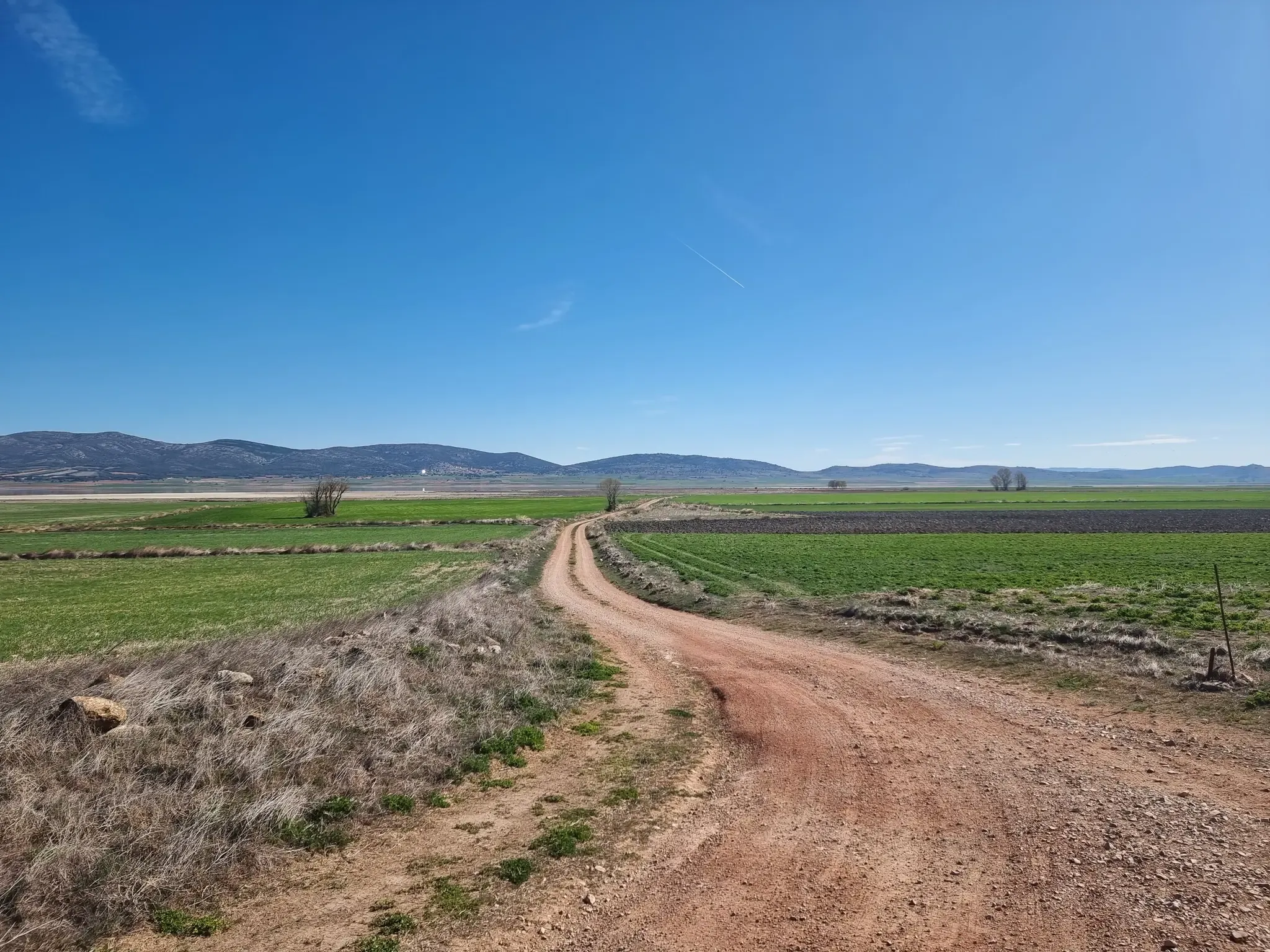
Gallocanta Lagoon, located between Zaragoza and Teruel, is the largest natural lagoon on the Iberian Peninsula and a unique area due to its high salinity. Declared a nature reserve in 2006, it is one of the most important birdwatching spots in Spain, with more than 220 recorded species. Every autumn and spring, thousands of cranes stop here on their migrations, offering an unforgettable spectacle. The area is rich in trails and viewpoints, so it is recommended to bring binoculars and comfortable shoes to enjoy the wildlife and scenery at a leisurely pace.
2
0

The Gallocanta Lagoon Lookout, with several posts around the lagoon, serves as an observation point for migratory and native birds.
0
0

The Mirador del Reconquillo in Torralba de los Frailes is a spectacular viewpoint offering breathtaking views of the Piedra River gorges. From the viewpoint, you can observe the Piedra River winding through limestone cliffs.
2
0
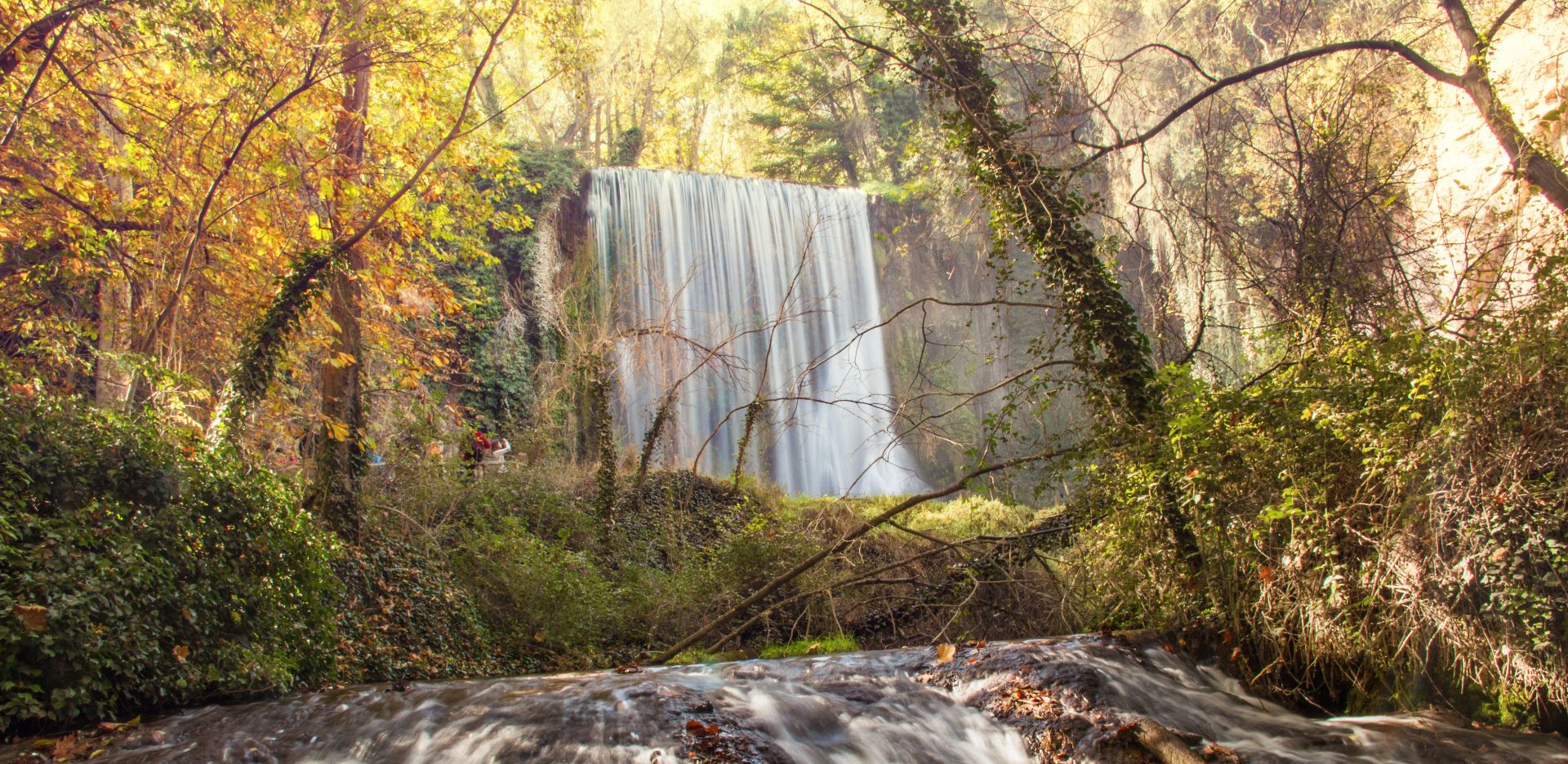
The Aguallueve de Anento is a beautiful spring located in the picturesque town of Anento, in the province of Zaragoza. The Aguallueve is a spring that continuously falls in the form of drops of water, creating a spectacular relief with walls of stone and moss, and small caves hidden inside. It is a limestone formation where several springs have created an impressive karst relief.
5
0
The Aguallueve de Anento is a beautiful spring located in the picturesque town of Anento, in the province of Zaragoza. The Aguallueve is a spring that continuously falls in the form of drops of water, creating a spectacular relief with walls of stone and moss, and small caves hidden inside. It is a limestone formation where several springs have created an impressive karst relief.
7
0

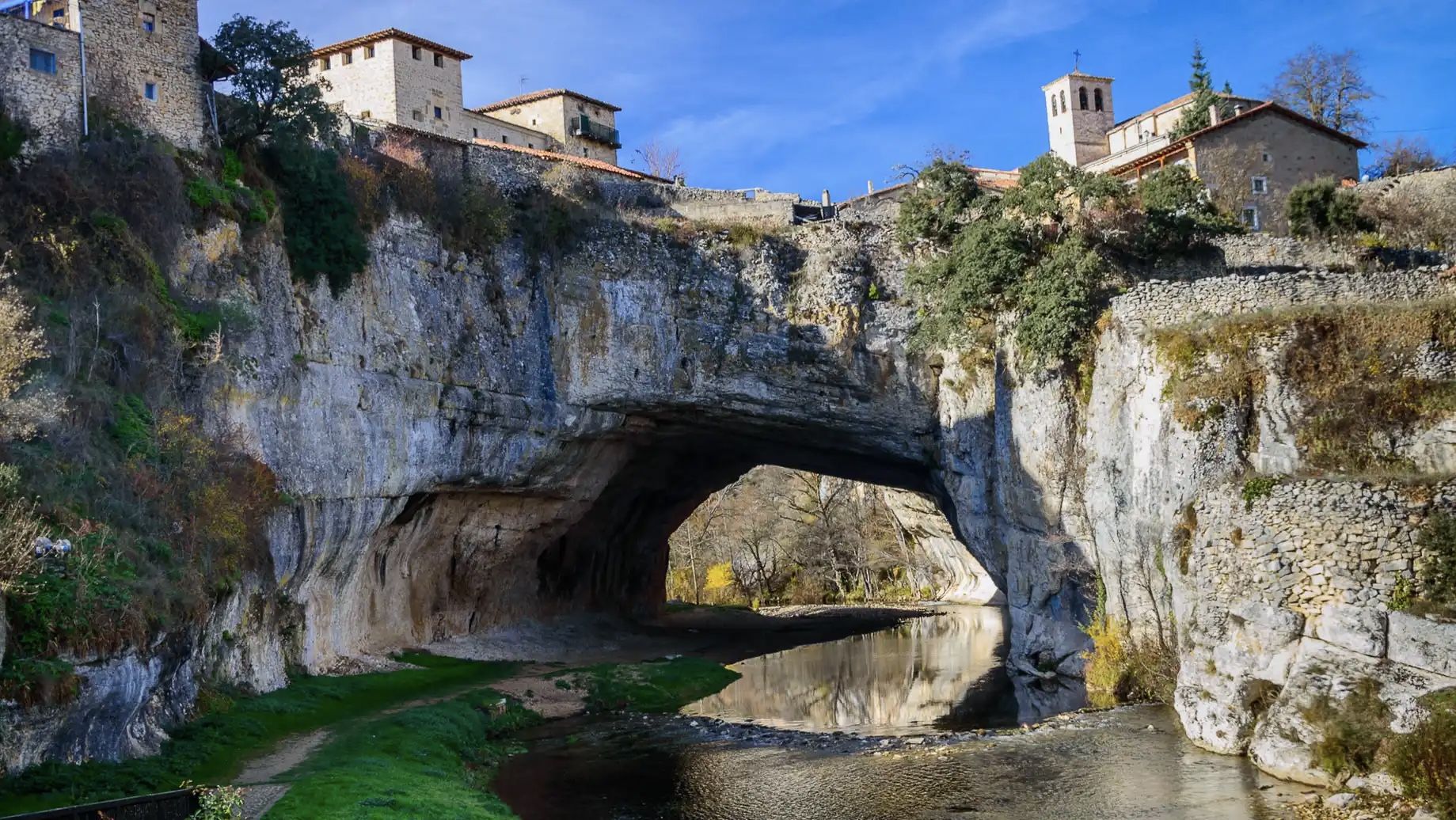
Very close to the town of Torralba de los Frailes, the Piedra River flows through spectacular meanders, whose rock walls form whimsical shapes and a paradise for birds of prey.
0
0

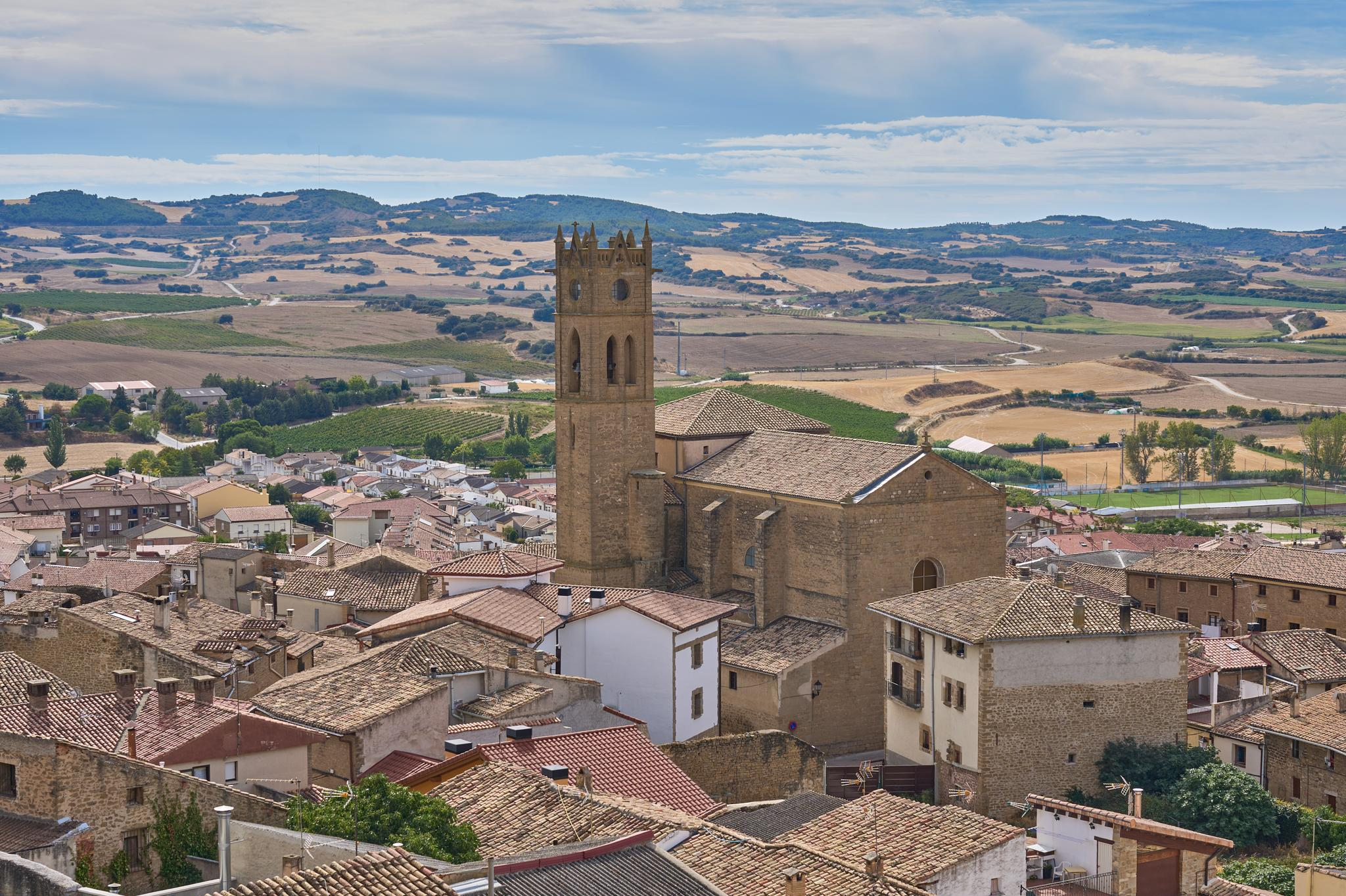
Stroll around and take the walk to the Aguallueve pond spring
0
0

Calamocha, has a lot of very good routes, for mbt and road
0
0
Frequently Asked Questions
What unique natural features can I explore in Campo de Daroca?
The Campo de Daroca region offers a diverse range of natural features. You can discover the unique hydrological formations of Aguallueve de Anento, where water continuously falls in drops creating impressive limestone formations. The region also features the vast Gallocanta Lagoon, one of Europe's largest saltwater lagoons, and the dramatic Gorges of the Piedra River with its spectacular canyons.
Are there family-friendly natural monuments in Campo de Daroca?
Yes, several natural monuments are suitable for families. Aguallueve de Anento is a unique and engaging spot for all ages. The Gallocanta Lagoon and its associated viewpoints like the Reguera Observatory and Gallocanta Boardwalk and Crane Monument are excellent for family birdwatching and easy walks.
What is the best time of year to visit the natural monuments in Campo de Daroca?
The best time to visit depends on your interests. For birdwatching, especially to see the common cranes, autumn and winter (October to February) are ideal at Gallocanta Lagoon. For hiking and enjoying the unique geological formations like Aguallueve de Anento or the Gorges of the Piedra River, spring and early autumn offer pleasant temperatures and lush landscapes.
What kind of wildlife can I expect to see at the natural monuments?
The region is particularly rich in birdlife. The Gallocanta Lagoon is a crucial stopover for migratory birds, especially common cranes, with over 220 recorded species including avocets, black-winged stilts, and flamingos. The Gorges of the Piedra River are known as a paradise for birds of prey. The Pinsapar de Horcajo and Pinar de Daroca also provide habitats for various flora and fauna.
Are there hiking trails near these natural monuments?
Yes, there are numerous hiking opportunities. You can find trails around the Gallocanta Lagoon, ideal for observing birds. A circular route of about 3 kilometers leads to Aguallueve de Anento. The Hoces del Río Piedra also offer routes with dramatic landscapes and viewpoints. For more detailed routes, explore the running trails around Campo de Daroca.
What cycling opportunities are available near the natural monuments?
The trails surrounding the Gallocanta Lagoon are excellent for gravel or mountain biking. You can find various routes, including a 'Natural Reserve of the Laguna de Gallocanta — gravel circular' and an 'Aguallueve de Anento and Vía Verde Loop from Daroca'. Discover more options in the cycling guide for Campo de Daroca.
What do visitors enjoy most about the natural monuments in Campo de Daroca?
Visitors frequently highlight the unique geological formations, such as the continuously dripping water at Aguallueve de Anento, and the spectacular birdwatching opportunities at Gallocanta Lagoon. The stunning landscapes, especially the sunsets over the lagoon, and the chance to observe migratory cranes are also highly appreciated.
Are there any specific viewpoints recommended for scenic views?
Absolutely. The Reguera Observatory offers privileged views of the Gallocanta Lagoon from above, and the Mirador del Reconquillo provides panoramic views of the Hoces del Río Piedra. Don't forget binoculars for birdwatching at the lagoon!
What is the Pinsapar de Horcajo?
The Pinsapar de Horcajo is a unique Spanish fir forest located about 6 kilometers from Horcajo. It presents an unusual, almost Nordic forest scene in the Campo de Daroca region. Although it originated from reforestation, it shows significant natural regeneration and is a testament to successful ecological restoration, offering a rich diversity of flora.
Is there a pine forest in the area for walks?
Yes, the Pinar de Daroca is a well-maintained pine forest considered part of the local natural heritage. It provides a pleasant natural setting ideal for walks and enjoying the local environment, offering a habitat for various flora and fauna, including different bird species. Parts of the route of the walls of Daroca also traverse this pine forest.
What is the significance of the Gallocanta Lagoon for birds?
The Gallocanta Lagoon is a wetland of international importance, recognized as a Wildlife Refuge and a Special Protection Area for birds. It serves as a crucial stopover point for the common crane during its annual migration, with over 30,000 cranes using the lagoon for rest and wintering. It's one of Europe's most important bird havens.
Are there any specific monuments related to the cranes at Gallocanta?
Yes, at the Gallocanta Boardwalk, you'll find a monument dedicated to the crane. This area also provides access to one of the best bird observatories, allowing visitors to witness the impressive numbers of cranes that gather there during migration seasons.
Most popular routes around Campo de Daroca
Most popular attractions around Campo de Daroca

Get inspired with the komoot mobile app


Didn’t find what you were looking for?
Find even more amazing natural monuments around Campo de Daroca by checking out the top Highlights region by region:
Explore more
Extend your search for the best caves by checking out these guides of the top ones around Campo de Daroca:
