Top 5 Castles around Serrania De Montalban
Castles around Serrania De Montalban offer a journey through historical sites in a region characterized by its mountainous terrain and river valleys. The area features 5 castles, including the notable Montalbán, which preserves remains of medieval walls and a castle. These historical structures are often found in settings that combine cultural heritage with natural landscapes, such as the banks of the Martín River or surrounded by the Oriche mountain range. The region provides opportunities to explore historical architecture and the…
Last updated: July 6, 2026
Montalbán
Highlight • Settlement
Translated by Google •
Tip by

Monforte de Moyuela
Highlight • Settlement
Translated by Google •
Tip by
Sign up now to discover places like this
Get recommendations on the best single tracks, peaks, & plenty of other exciting outdoor places.
Sign up for free
Huesa del Común
Highlight • Settlement
Translated by Google •
Tip by
Segura de los Baños
Highlight • Settlement
Translated by Google •
Tip by

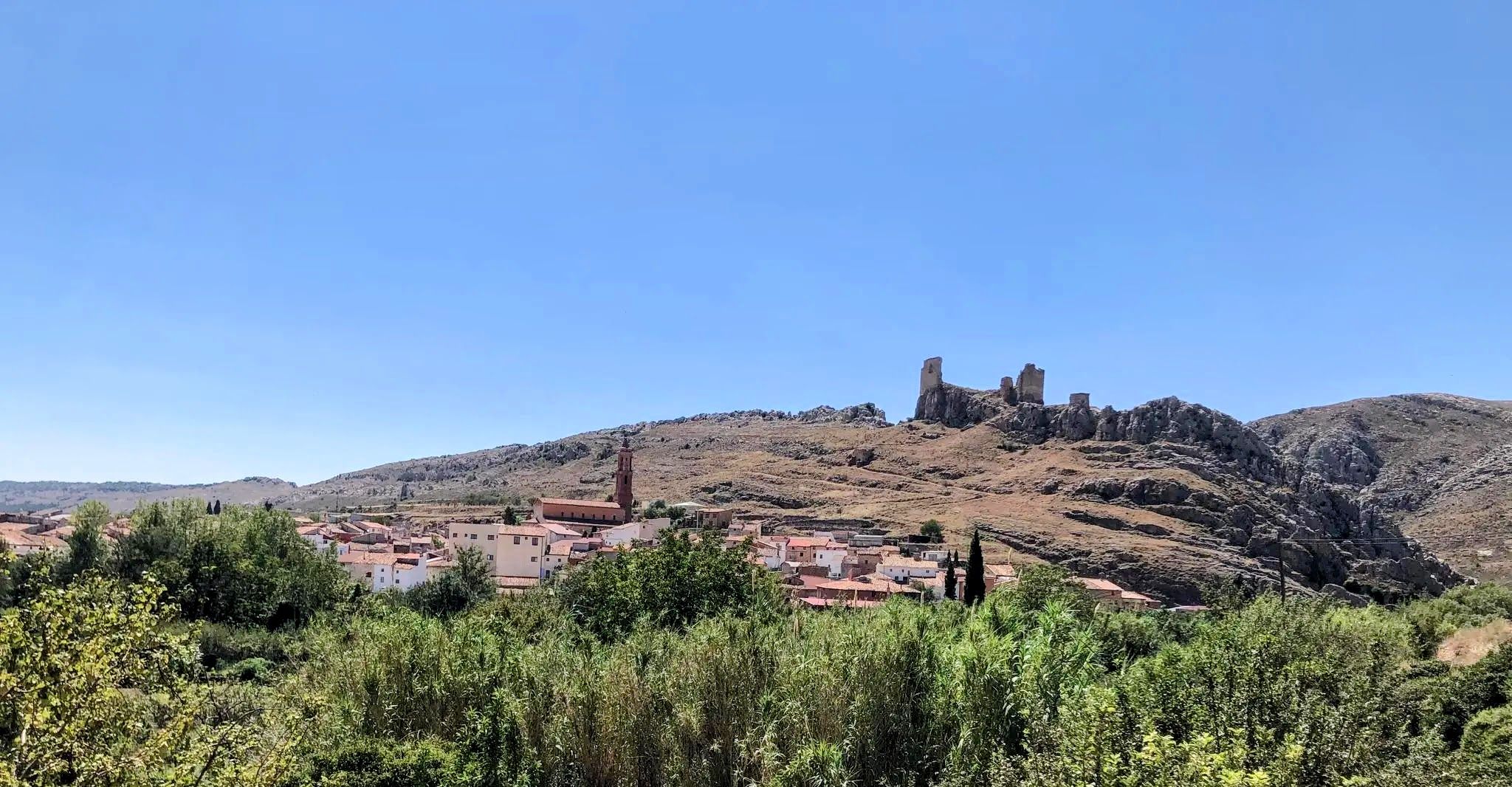
View of Hoz de la Vieja and the castle
Highlight • Viewpoint
Translated by Google •
Tip by

Start today with a free account
Your next adventure awaits.
Login or Signup
Popular around Serrania De Montalban
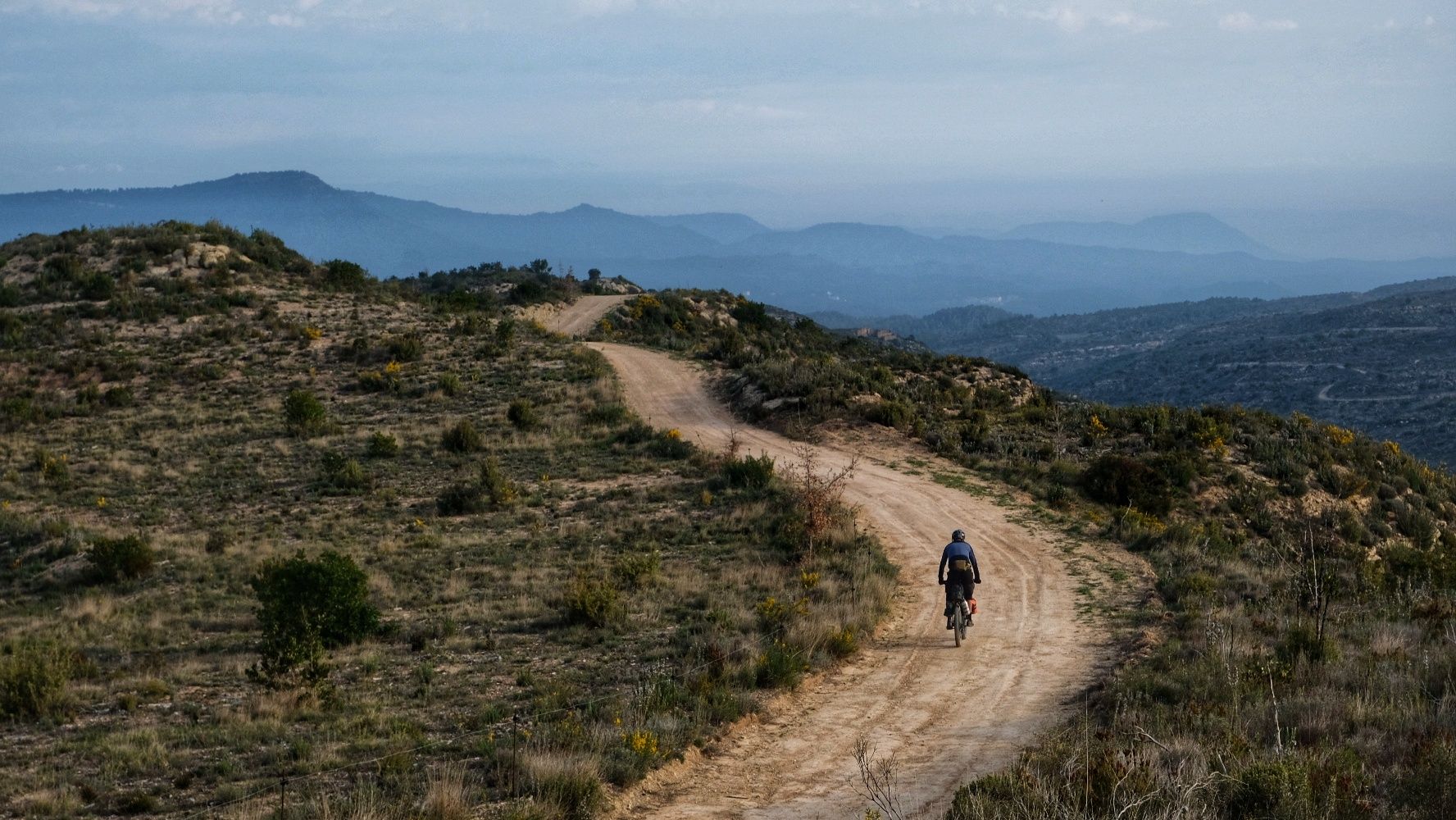
European Divide Trail — 7,600 km across the continent
In the footsteps of El Cid - Ring of Montalbán
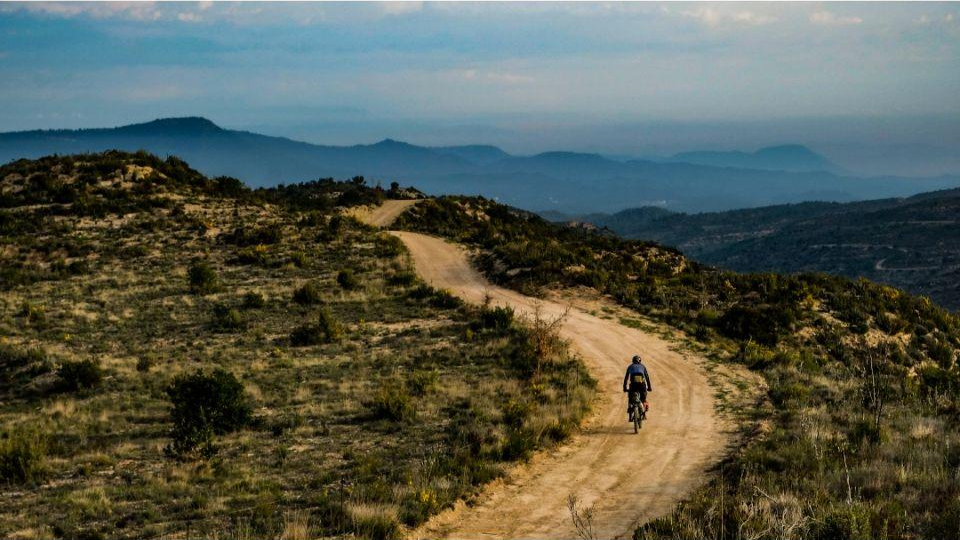
European Divide Trail across the Iberian Peninsula – north
MTB Trails around Serrania De Montalban
Road Cycling Routes around Serrania De Montalban
Hiking around Serrania De Montalban
Cycling around Serrania De Montalban
Running Trails around Serrania De Montalban
Gravel biking around Serrania De Montalban
Other adventures around Serrania De Montalban


Tips from the Community

Montalbán, a historic town and cultural capital of the Cuencas Mineras (Municipal Mining Basins), stands out for its rich heritage and its location on the banks of the Martín River. Its old town preserves remains of medieval walls and gateways, as well as the Church of Santiago Apóstol, a magnificent example of Aragonese Gothic-Mudejar architecture. Visitors can also explore the remains of the castle and a network of cellars and underground passages. As part of the Martín River Cultural Park, it offers cultural and nature routes that combine history and geology, ideal for cyclists looking to discover unique landscapes and towns full of character.
1
0
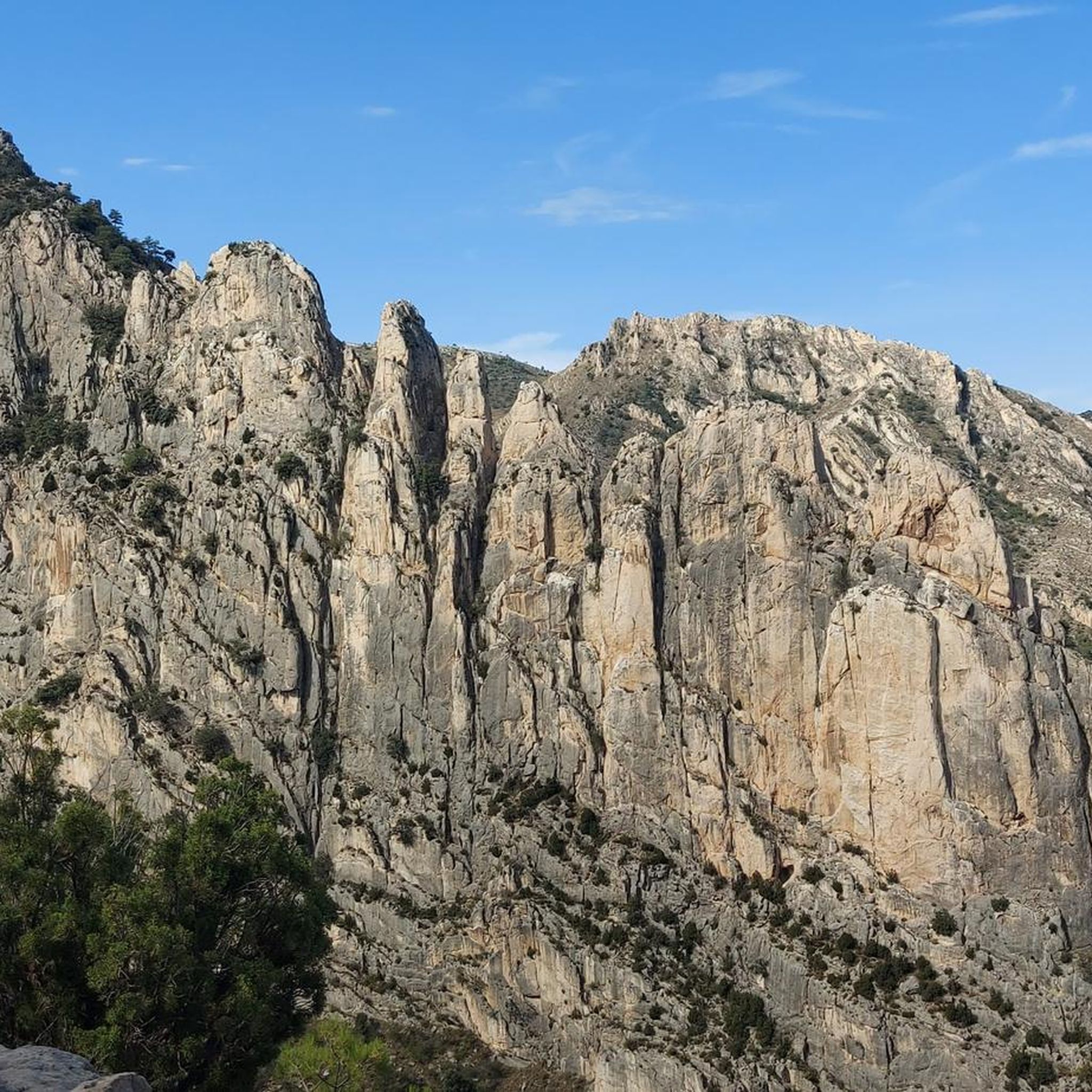
Huesa del Común is a small town in the Cuencas Mineras region, located in a spectacular setting next to the Aguasvivas River, which forms a limestone canyon ideal for climbing and via ferrata. The remains of the Peñaflor Castle, of Muslim origin, rise on a rocky outcrop, and a late medieval bridge stands out in the town center. The town is also known for its pottery-making tradition, vestiges of which can still be seen in the Las Ollerías neighborhood.
1
0
Monforte de Moyuela is a small village in the Jiloca region of Teruel, located at an altitude of over 1,000 meters and surrounded by the Oriche mountain range. It preserves remains of its 12th-century castle and a Roman dam, as well as several chapels and the parish church of La Asunción, rebuilt in the 19th century after the Carlist Wars. The town is part of the Route of El Cid, which makes it even more attractive for those cycling along historic, less-traveled paths. The terrain is mountainous, and it's advisable to bring good equipment and plenty of water, as services are limited in the area.
1
0

We are in a beautiful Teruel town located in the Cuencas Mineras region with about 81 inhabitants in 2020. Do you dare to discover the reason for the town's name? It is a curious story.
1
0

The name of the town seems to come from the pre-Roman root sik-, sek-, with the meaning of source or river,3 while the surname "de los Baños" alludes to the hot springs near the source of the Aguasvivas river.
0
0
Frequently Asked Questions
What are the most historically significant castles in the Serrania De Montalban region?
The region is rich in history, with several castles offering a glimpse into the past. The settlement of Montalbán itself features remains of a castle and medieval walls, alongside the impressive Aragonese Gothic-Mudejar Church of Santiago Apóstol. Further afield, Huesa del Común hosts the remains of Peñaflor Castle, which has Muslim origins and is perched on a rocky outcrop. Additionally, Monforte de Moyuela preserves remnants of its 12th-century castle and a Roman dam.
Are there any family-friendly castles to visit in Serrania De Montalban?
Yes, the settlement of Montalbán is noted as family-friendly. It offers not only the remains of a castle but also a network of cellars and underground passages that can be an exciting exploration for families. The town is also part of the Martín River Cultural Park, providing cultural and nature routes suitable for various ages.
What kind of natural features can I expect to see around the castles?
The castles in Serrania De Montalban are often integrated into beautiful natural landscapes. For instance, Montalbán is situated on the banks of the Martín River, offering scenic views. Huesa del Común is located next to the Aguasvivas River, which has carved a limestone canyon. Monforte de Moyuela is surrounded by the Oriche mountain range, providing a mountainous backdrop.
Where can I find the best viewpoints of castles in the region?
For stunning panoramic views, consider visiting the View of Hoz de la Vieja and the castle. This viewpoint offers excellent perspectives of a Teruel town and its castle, allowing you to appreciate the historical structures within their natural setting.
Are there hiking trails near the castles in Serrania De Montalban?
Yes, the region offers several hiking opportunities. You can explore trails like the Guadalope River Trail: Hoz Mala Section or the Rio Martin Trail from Montalban to Penas Royas (GR 262). For more details and route options, visit the Hiking around Serrania De Montalban guide.
What cycling opportunities are available near the castles?
Cyclists can enjoy both gravel biking and mountain biking trails in the vicinity of the castles. Routes like the 'View of Utrillas – View of the Cueva de la Hiedra loop' are available for gravel biking, while mountain bikers can tackle the 'Sierra de Majalinos Route'. For comprehensive route information, check out the Gravel biking around Serrania De Montalban guide and the MTB Trails around Serrania De Montalban guide.
What is the best time to visit the castles in Serrania De Montalban?
The region's mountainous terrain suggests that spring and autumn would be ideal for visiting, offering pleasant temperatures for exploring the outdoor sites and trails. Summers can be hot, and winters might bring colder weather, especially in higher altitude areas like Monforte de Moyuela, which is over 1,000 meters high.
What unique cultural aspects can I discover in the castle towns?
Beyond the castles themselves, towns like Montalbán are cultural capitals, preserving medieval walls and showcasing Aragonese Gothic-Mudejar architecture in its churches. Huesa del Común is known for its pottery-making tradition, with vestiges still visible in the Las Ollerías neighborhood. Monforte de Moyuela is part of the historic Route of El Cid, adding another layer of cultural interest.
Are there any castles with Templar connections in the broader Montalbán area?
While the castles specifically within the Serrania De Montalban guide are diverse, the broader region of Montalbán is famously associated with the Castillo de Montalbán in Toledo, which is widely believed to have been built by the Templars in the 13th century on the site of an earlier Arab fortress. This castle played a crucial role during the Reconquista and is known for its robust architecture and strategic location.
What should I know about services and facilities when visiting these remote castle areas?
When planning a visit to some of the more remote castle locations, such as Monforte de Moyuela, it's advisable to be prepared. Services in these areas can be limited, so bringing good equipment and plenty of water is recommended, especially if you plan to explore the mountainous terrain.
Can I explore underground passages or cellars at any of the castles?
Yes, in the settlement of Montalbán, visitors can explore not only the remains of the castle but also a fascinating network of cellars and underground passages, adding an adventurous element to your visit.
Are there any castles that are particularly well-preserved or offer extensive architectural details?
The broader Montalbán area is home to the Castillo de Montalbán, which is considered one of the most robust and extensive castles in the province of Toledo. It features impressive defensive structures, including a wide moat, battlements, arrow slits, and distinctive pentagonal albarrana towers over 18 meters high, showcasing remarkable medieval military architecture.
Most popular routes around Serrania De Montalban
Most popular attractions around Serrania De Montalban

Get inspired with the komoot mobile app


Explore more
Looking for the best castles somewhere else? Discover other guides around Serrania De Montalban:
