Top 7 Natural Monuments around Monegros
Best natural monuments around Monegros are found in this semi-desert landscape in northeastern Spain. The region is characterized by its arid beauty, distinctive geological formations, and remarkable biodiversity. Monegros is a distinctive European ecosystem, a sub-desert steppe landscape formed by aridity, wind, and erosion. It is designated as a Special Protection Area for Birds and a Site of Community Interest, boasting more than 5,400 documented biological species.
Best natural monuments around Monegros
- The most popular natural monuments is Tozal de…
Last updated: August 30, 2026
Tozal de la Cobeta
Highlight • Natural Monument
On windy days …
Translated by Google •
Tip by

El Pilón (Sierra de Sena Summit)
Highlight • Summit
Translated by Google •
Tip by
Sign up now to discover places like this
Get recommendations on the best single tracks, peaks, & plenty of other exciting outdoor places.
Sign up for free
Tozales de Monegros
Highlight • Natural Monument
Translated by Google •
Tip by

Bujal Viewpoint
Highlight • Viewpoint
We will arrive at this viewpoint, where we find amazing views of the ravine.
Translated by Google •
Tip by

Enebro Peak
Highlight • Viewpoint
Translated by Google •
Tip by
Bird Observatory at Laguna de Sariñena
Highlight • Viewpoint
Translated by Google •
Tip by

Start today with a free account
Your next adventure awaits.
Login or Signup

Other adventures around Monegros

Tips from the Community

VERY BEAUTIFUL PANORAMIC VIEWS
0
0

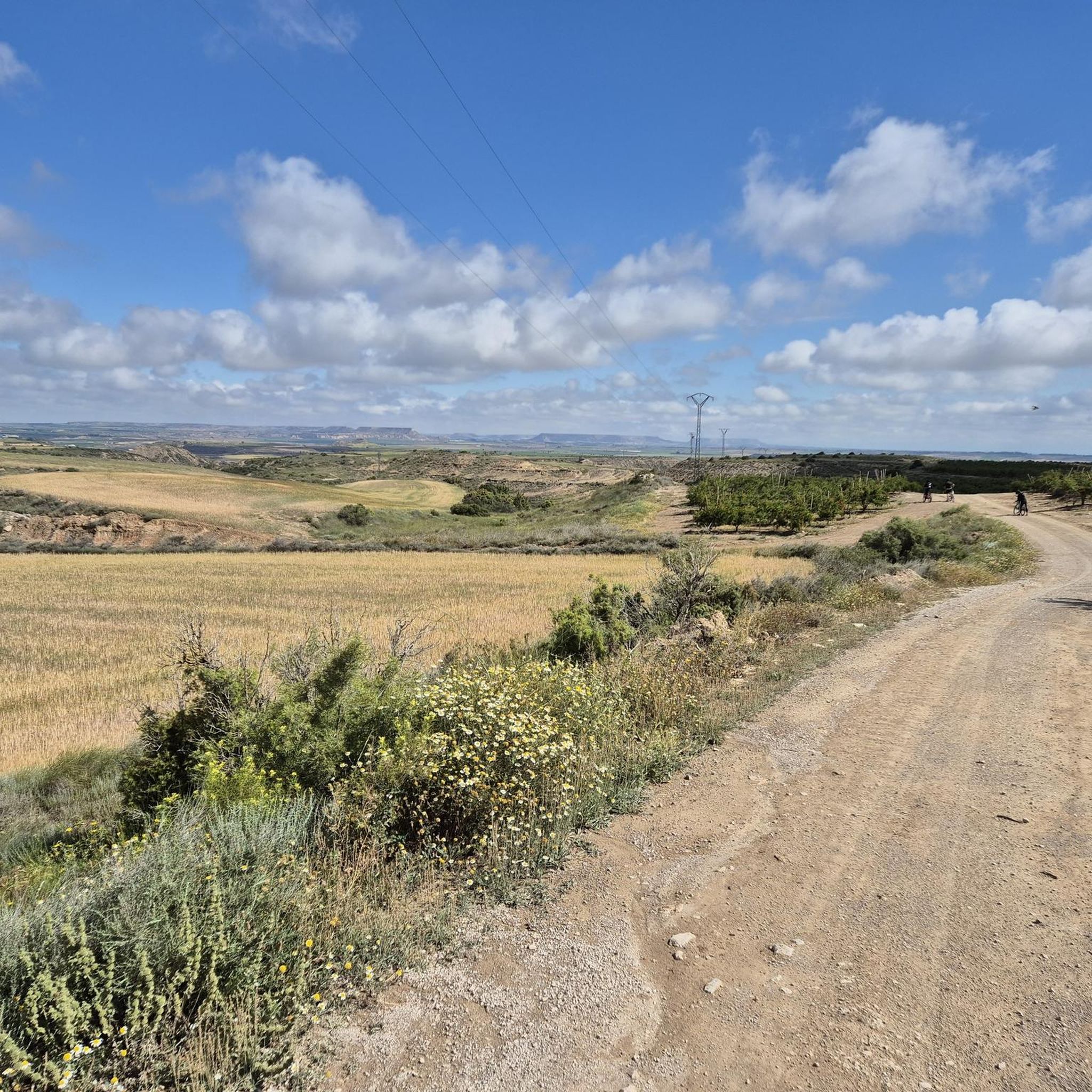
This is where the Ruta de los Miradores really begins – a wonderful mountain road for MTB and gravel bikes.
0
0

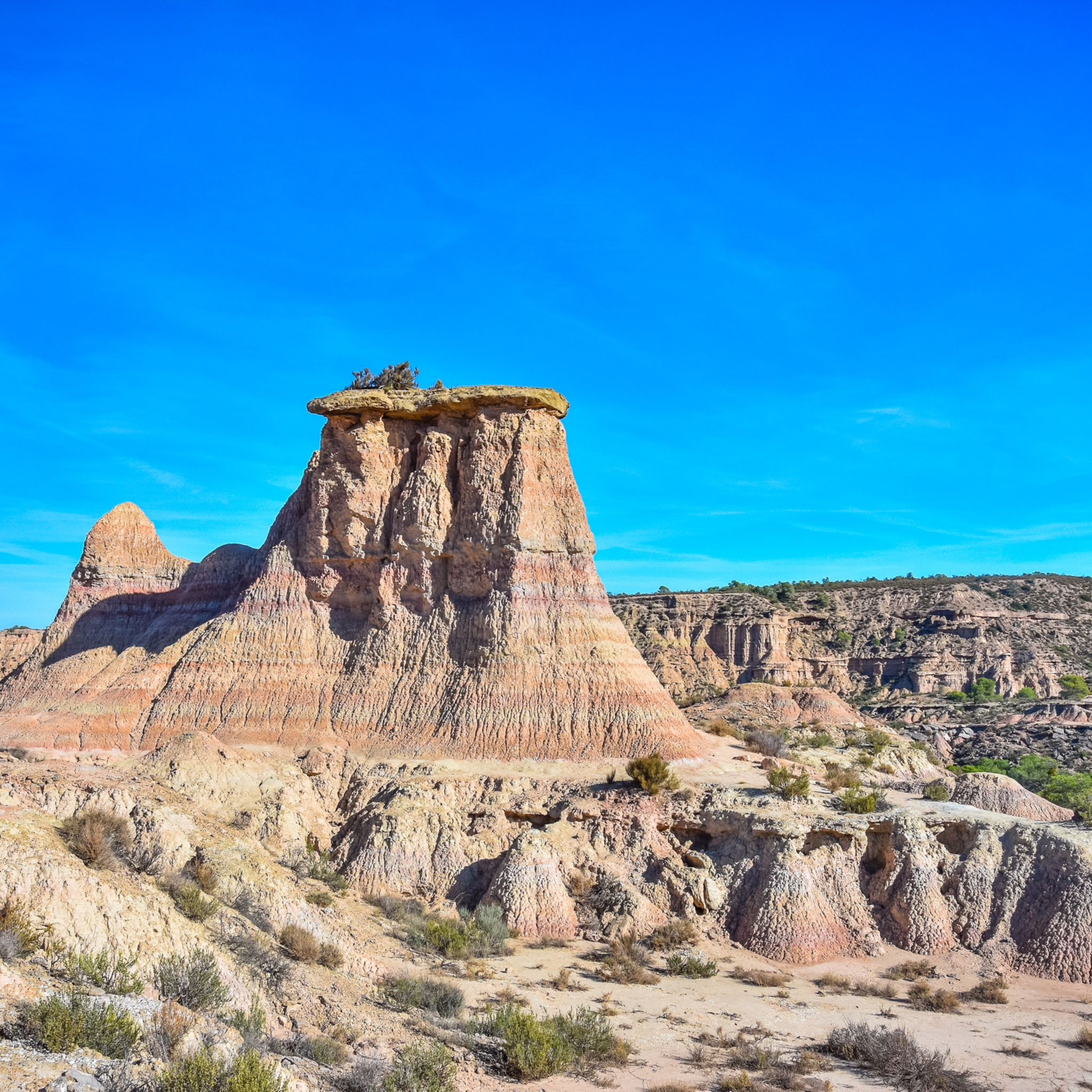
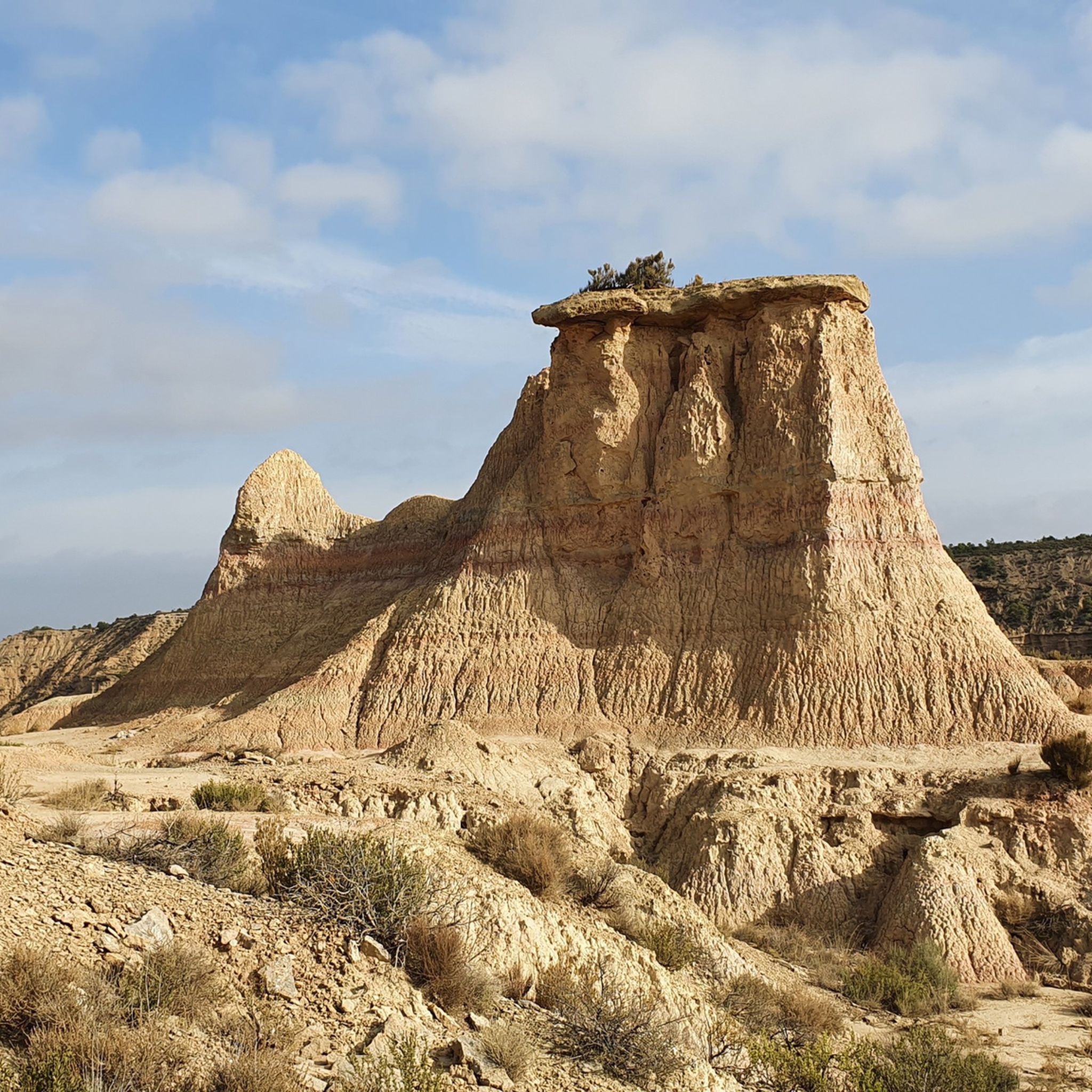
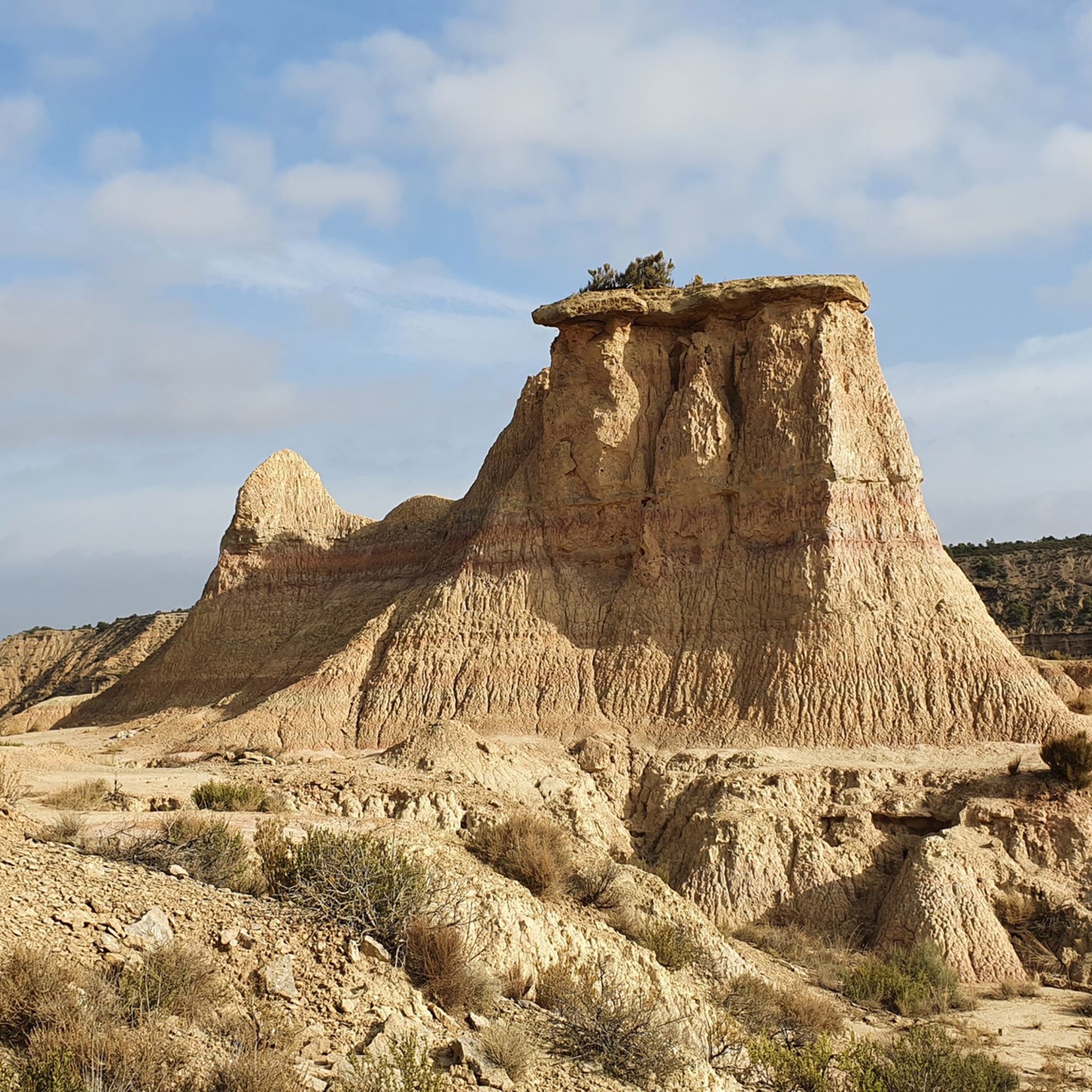
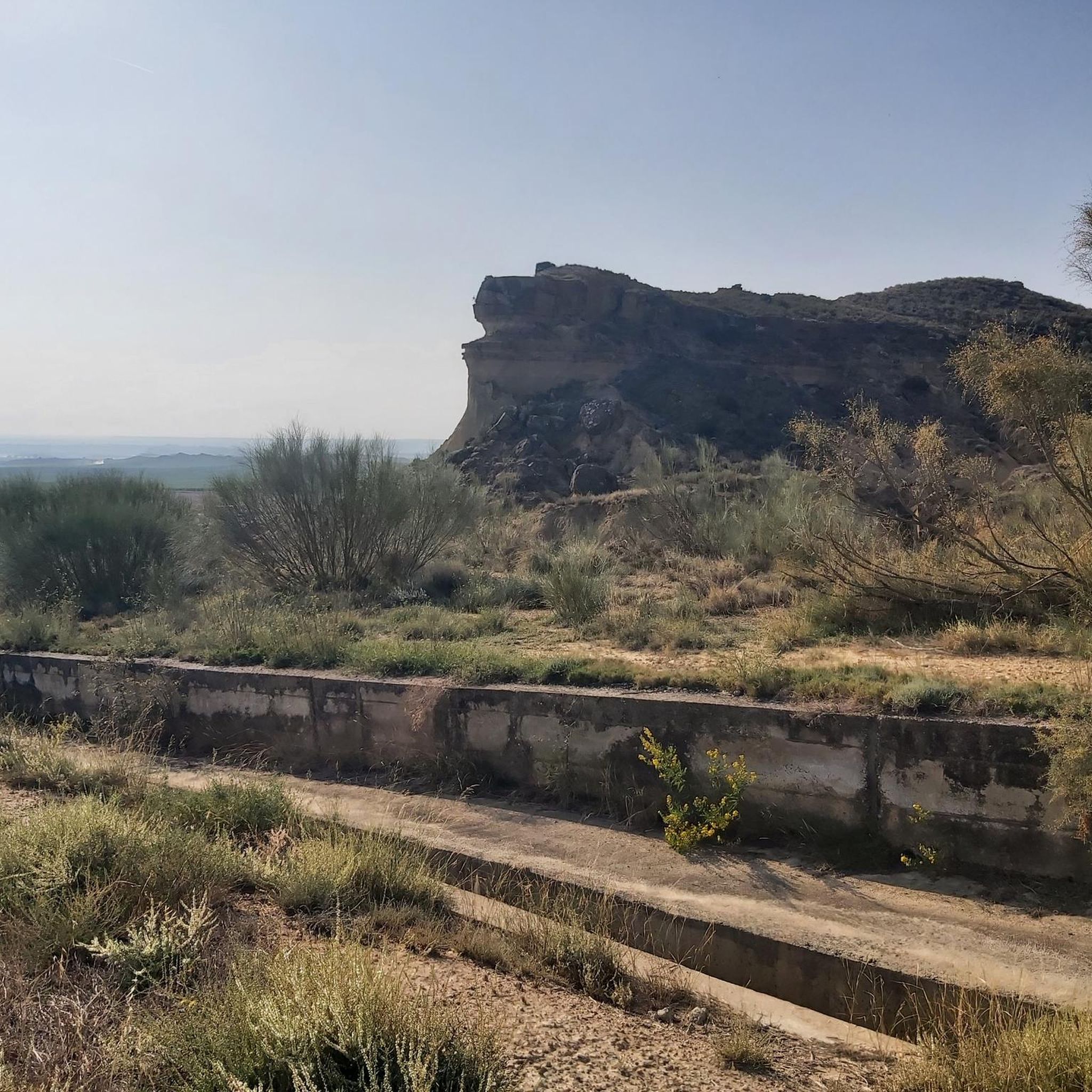
The erosion of rainwater has created real sculptures such as the pedestal-shaped Tozal de la Cobeta
6
0

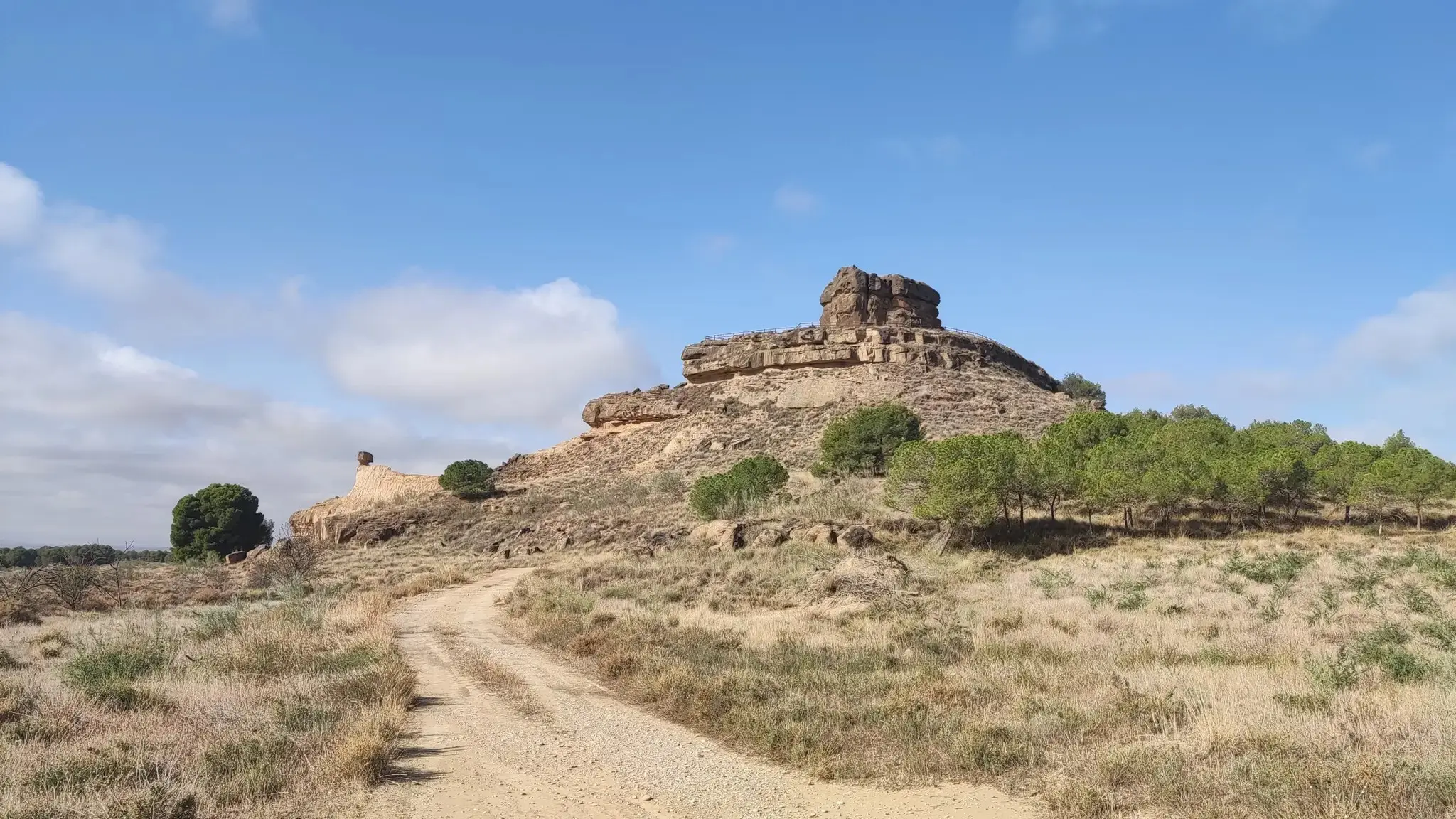
A prominent elevation in the Cinca Medio landscape, between Monzón and Almunia de San Juan, with a rounded shape and vegetation of scrub and pine trees. It is a strategic point with excellent panoramic views of the Cinca Valley, the Carrodilla Mountains, and the Monegros plain. Popular for MTB and gravel routes, thanks to its wide trails, gentle climbs, and connecting rural roads, it is an ideal natural viewpoint and landmark for routes in the area.
1
0
A natural viewpoint on a hill near Monzón offers excellent views of the Cinca River valley, the agricultural plain, and, on clear days, the Pyrenees. This is an ideal spot to stop, take photos, or rest during a mountain bike or gravel ride through the Cinca Medio. This peaceful setting is accessible via rural trails and connected to other points of interest such as the La Maza Refuge, Cabezo de Rodén, and Laguna de la Mediana.
0
0
Cycling or walking here is like crossing the heart of the Monegros landscape: arid terrain, ochre colors, and that solitary atmosphere that makes this region so special. On windy days (like during the Orbea Monegros 2025), this area becomes even more epic: the dust, the air, and the contours of the terrain make you feel like you're on another planet.
7
0
It's a small stone monolith that marks one of the highest points of the route, and although it's not very large, everyone who passes by instantly recognizes it. After kilometers of open slopes and wind (sometimes very strong), reaching the Pilón is like a symbol that you've overcome most of your hard work. Many take the opportunity to make a brief stop, take a quick photo, and catch their breath before continuing.
5
0

Spectacular scenery in April
3
0
Frequently Asked Questions
What unique geological formations can I explore in Monegros?
The Monegros region is renowned for its distinctive geological formations, shaped by centuries of erosion. You can explore the intriguing, multi-colored rock formations known as Tozales de Monegros, which include Tozal Colasico, Tozal Solitario, and Tozales de los Pedregales. Another notable formation is Tozal de la Cobeta, a pedestal-like structure sculpted by rainwater, offering an immersive experience into the arid landscape.
Are there good viewpoints to appreciate the Monegros landscape?
Yes, Monegros offers several excellent viewpoints. Enebro Peak provides extensive panoramic views of the Cinca Valley, the Sierra de la Carrodilla, and the Monegros plain. Another fantastic spot is the Bujal Viewpoint, which offers breathtaking vistas of the spectacular Bujal ravine.
What is the best time of year to visit the natural monuments in Monegros?
The Monegros region, being a semi-desert landscape, experiences hot summers. Visiting during spring (March to May) or autumn (September to November) is generally recommended. During these seasons, temperatures are milder, making outdoor activities like hiking and cycling more enjoyable, and you can better appreciate the unique arid beauty and wildlife without extreme heat.
What kind of wildlife can I expect to see in Monegros?
Monegros is a designated Special Protection Area for Birds and a Site of Community Interest, boasting rich biodiversity. The Bird Observatory at Laguna de Sariñena is an prime location for observing waterfowl, with over 200 bird species recorded and approximately 12,000 migratory birds overwintering there. The expansive plains also support various endemic species adapted to the sub-desert steppe environment.
Are there family-friendly natural monuments or activities in Monegros?
Yes, the Bird Observatory at Laguna de Sariñena is considered family-friendly, offering an accessible way to observe diverse birdlife. The lagoon is one of Spain's largest salty lagoons and provides an educational and engaging experience for all ages, especially during sunrise or sunset.
What hiking opportunities are available near the natural monuments?
The Monegros region offers various hiking opportunities. For example, you can explore trails around the Sierra de Alcubierre, which includes routes like the 'Caves of San Caprasio from the Hermitage of the Virgin of Sabina' or the 'Summit and radar of Monte Oscuro'. There's also an easy 'Laguna de Sariñena Loop' for a more relaxed walk. You can find more details on hiking routes in the Hiking around Monegros guide.
Can I go cycling or mountain biking near these natural monuments?
Absolutely. The Monegros landscape, with its wide tracks and rural paths, is popular for cycling and mountain biking. Enebro Peak, for instance, is a favored destination for MTB and gravel routes. You can discover various cycling routes, including the 'Vuelta al Monegros' or 'Monegros, the Spanish Western' gravel route, by checking the Cycling around Monegros guide.
What is special about El Pilón (Sierra de Sena Summit)?
El Pilón (Sierra de Sena Summit) is marked by a small stone monolith and represents one of the highest points along popular routes. Reaching it is often seen as a symbolic achievement for visitors, offering a moment to pause, take photos, and enjoy the sense of accomplishment before continuing their journey through the Monegros landscape.
Are there any historical or cultural sites integrated with the natural monuments?
While primarily natural, the region does have some historical elements. The San Caprasio Caves, carved into the rock, were restored in the 1950s and are open to walkers and those seeking spiritual retreats. Local lore suggests these caves were once utilized by the bandit known as 'Cucaracha,' adding a touch of local history to the natural setting.
How long should I plan for a visit to the natural monuments in Monegros?
The duration of your visit depends on how many sites you wish to explore and your chosen activities. For a focused visit to one or two key natural monuments like Tozal de la Cobeta or Tozales de Monegros, a half-day might suffice. If you plan to combine sightseeing with hiking or cycling, or wish to visit multiple locations including the Laguna de Sariñena, a full day or even a weekend would allow for a more comprehensive experience.
What makes the Monegros region's ecosystem unique?
The Monegros region is a distinctive European ecosystem, characterized by its sub-desert steppe landscape. This unique environment is formed by aridity, wind, erosion, and endorheism (internal drainage), creating expansive, untamed plains, sparse vegetation, and rocky outcrops. It boasts an exceptionally rich biodiversity with over 5,400 documented biological species, many of which are endemic and of significant scientific interest.
Most popular routes around Monegros
Most popular attractions around Monegros

Get inspired with the komoot mobile app


Didn’t find what you were looking for?
Find even more amazing natural monuments around Monegros by checking out the top Highlights region by region:
Explore more
Extend your search for the best caves by checking out these guides of the top ones around Monegros:
