Top 7 Natural Monuments around Las Marismas
Natural monuments around Las Marismas are primarily found within the expansive coastal marshes along the Guadalquivir estuary in Andalusia, Spain. This region, encompassing parts of Seville, Huelva, and Cádiz, is known for its diverse ecosystems and significant biodiversity. The area features extensive marshlands, sand dunes, and ancient forests, providing habitats for numerous species. These natural formations offer insights into the region's geological history and ecological importance.
Best natural monuments around Las Marismas
- The most popular natural monuments is Guadiamar Green Corridor Protected Landscape, a trail that is more than 60 km long and serves as an ecological corridor. This site also reminds visitors of the 1998 environmental disaster when a mining dam burst, causing a polluting spill in the area.
- Another must-see spot is Laguna Dehesa de Abajo Viewpoint, a viewpoint. Visitors can observe the lagoon from this lookout, which is a suitable place to see various bird species, including ducks, flamingos, and bee-eaters.
- Visitors also love Hut with views of the lagoon, a viewpoint. This location offers multiple perspectives of the Dehesa de Abajo Lagoon, accessible via a path from the visitor center.
- Las Marismas is known for its diverse natural monuments, including extensive marshlands, significant viewpoints, and protected trails. The region offers a variety of natural features to explore, from ecological corridors to bird-rich lagoons.
- The natural monuments around Las Marismas are appreciated by the komoot community, with 11 upvotes and 11 photos shared by visitors.
Last updated: July 6, 2026
Dehesa de Abajo Visitor Center (Puebla del Río)
Highlight • Rest Area
Translated by Google •
Tip by

Guadiamar Green Corridor Protected Landscape
Highlight • Trail
Translated by Google •
Tip by

Sign up now to discover places like this
Get recommendations on the best single tracks, peaks, & plenty of other exciting outdoor places.
Sign up for free
Hut with views of the lagoon
Highlight • Viewpoint
Translated by Google •
Tip by
Laguna Dehesa de Abajo Viewpoint
Highlight • Viewpoint
Translated by Google •
Tip by
La Cañada de los Pájaros
Highlight • Lake
Translated by Google •
Tip by
Start today with a free account
Your next adventure awaits.
Login or Signup



Other adventures around Las Marismas

Tips from the Community

This is the visitor center for this area called Dehesa de Abajo. There is information and a bar/restaurant to stop at after or before going around the Laguna Dehesa de Abajo.
0
0
Lookout from where you can observe the lagoon, where depending on the year if you can find more or less water. Perfect place to stop when passing by!
0
0
This is the visitor center for this area called Dehesa de Abajo. There is information and a bar/restaurant to make a stop after or before the walk!!
1
0
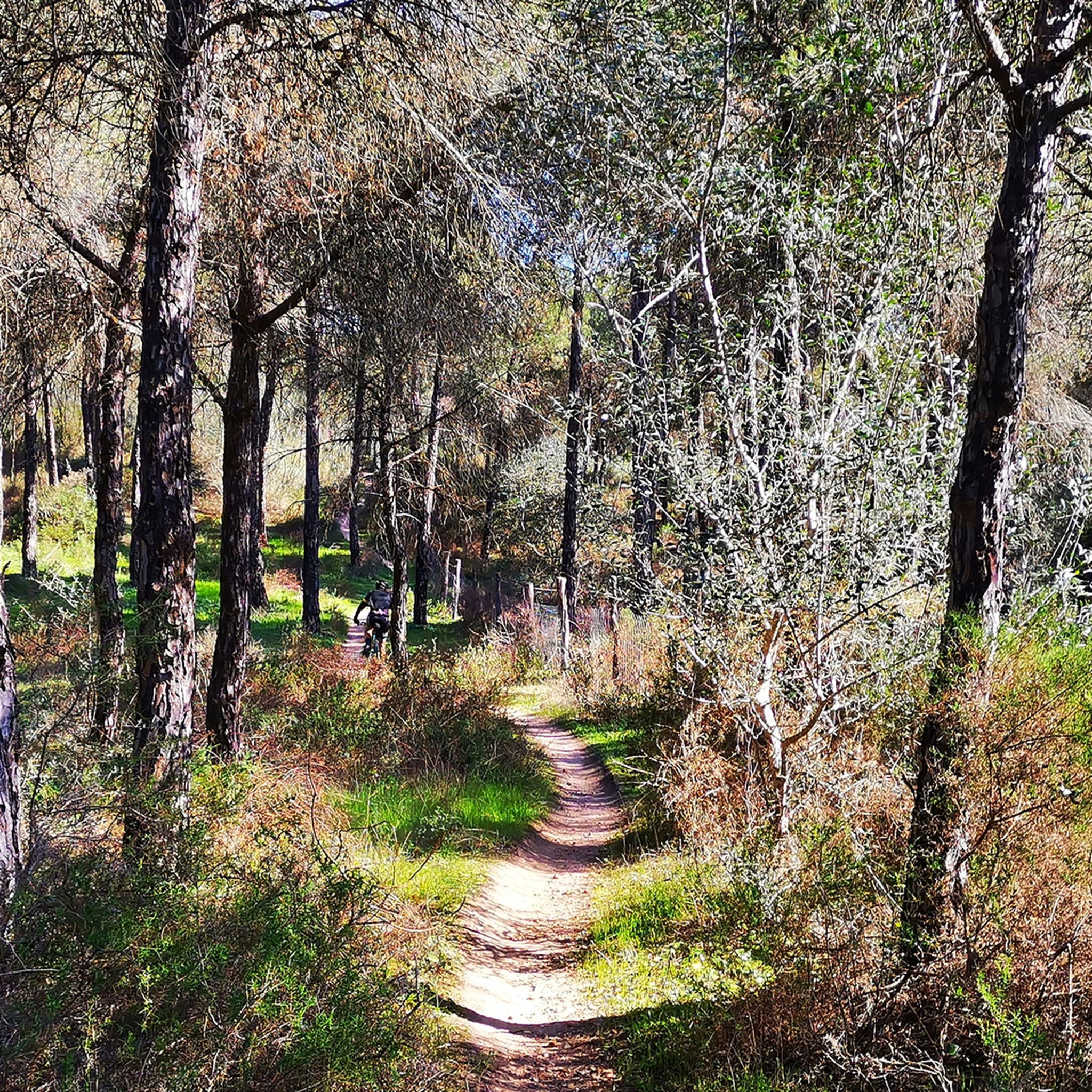
There are two small houses overlooking the Dehesa de Abajo Lagoon and from where you can see the lagoon from various points of view. To get there, you must take the path that leaves from the visitor center that bears the same name as the lagoon
1
0
Lookout from where you can observe the lagoon, where depending on the year if you can find more or less water. Perfect space to see many birds in a quiet and green space!
1
0

It is a site that was formerly used as a garbage dump (an abandoned gravel pit), converted into a paradise for birds, in a protected wetland with high biodiversity. In 1991 the space was declared a Concerted Nature Reserve by the Ministry of the Environment.
2
0

This lagoon is a good place to see many different types of birds, including ducks, flamingos, bitterns, bee-eaters, and more.
0
0
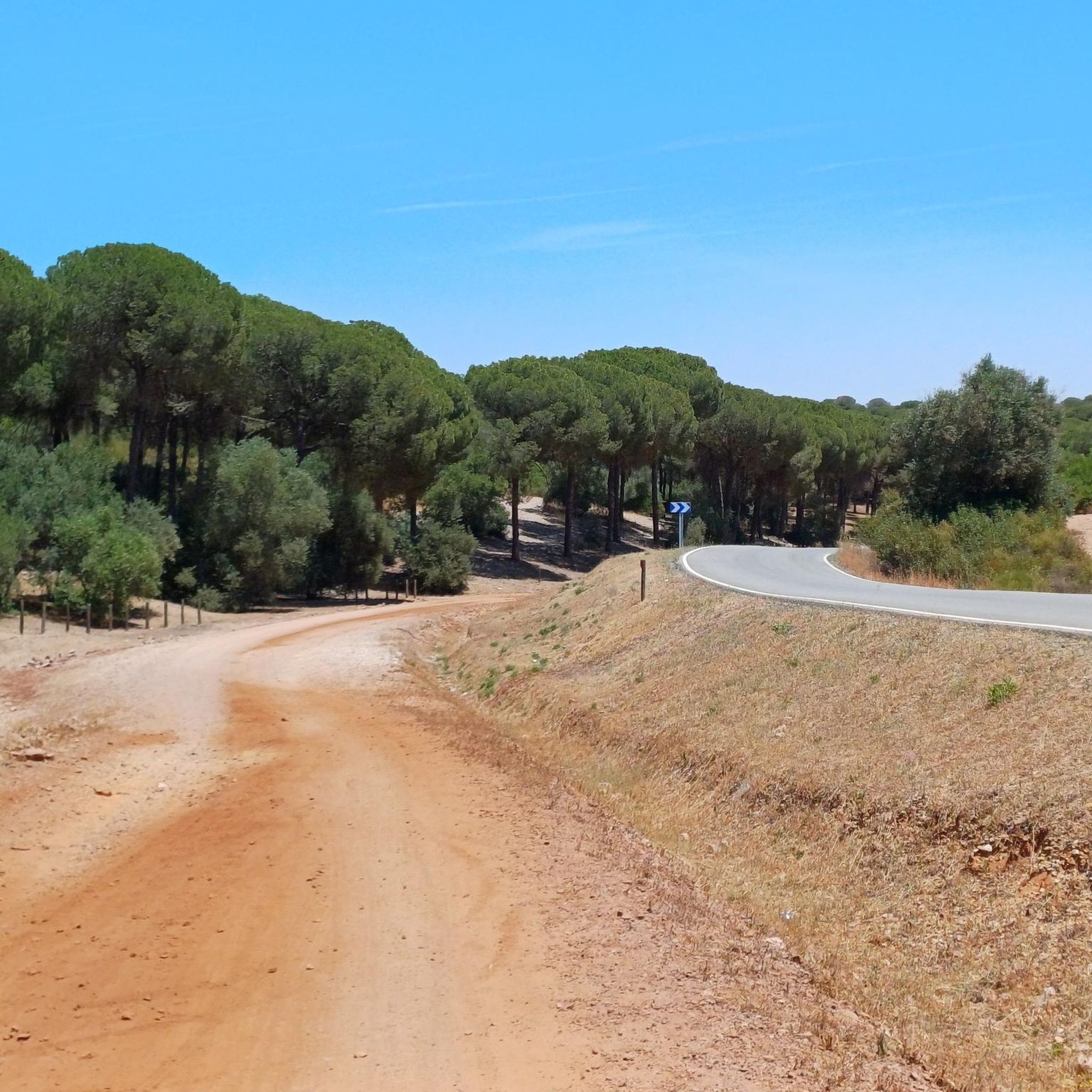
The marked Guadiamar trail is more than 60 km long, it is an ecological corridor that joins Sierra Morena and Doñana. But this site also reminds us of one of the biggest environmental disasters in Europe - when in 1998 the Aznalcóllar mining dam burst and caused a polluting spill in this area.
2
0
Frequently Asked Questions
What kind of natural features can I expect to see in the natural monuments around Las Marismas?
The natural monuments around Las Marismas showcase diverse features, including extensive marshlands, significant viewpoints over lagoons, and protected ecological corridors. You can explore areas like the Guadiamar Green Corridor Protected Landscape, which is a long ecological trail, and various lagoons such as the Laguna Dehesa de Abajo, known for its birdlife. The region also features unique geological formations like the Acantilado del Asperillo, a towering sandstone cliff.
Are there specific viewpoints to observe wildlife in Las Marismas?
Yes, several viewpoints offer excellent opportunities for wildlife observation. The Laguna Dehesa de Abajo Viewpoint is a prime spot to see various bird species, including ducks, flamingos, and bee-eaters. Another great location is the Hut with views of the lagoon, which provides multiple perspectives of the Dehesa de Abajo Lagoon, accessible from the visitor center.
What is the significance of the Guadiamar Green Corridor Protected Landscape?
The Guadiamar Green Corridor Protected Landscape is a vital ecological corridor, stretching over 60 km, connecting Sierra Morena and Doñana. It's not only important for its natural value but also serves as a reminder of the 1998 environmental disaster when a mining dam burst, causing a polluting spill in the area, highlighting the region's resilience and recovery efforts.
Are the natural monuments around Las Marismas suitable for families?
Many natural monuments in Las Marismas are family-friendly. For instance, the Dehesa de Abajo Visitor Center provides information and amenities, making it a good starting point. Viewpoints like the Hut with views of the lagoon and Laguna Dehesa de Abajo Viewpoint are easily accessible and offer engaging birdwatching opportunities for all ages. Additionally, La Cañada de los Pájaros is a protected wetland that has been converted into a bird paradise, suitable for family visits.
When is the best time to visit the natural monuments in Las Marismas for birdwatching?
The Las Marismas region, including areas like Doñana National Park and Marismas del Odiel, is a crucial stopover for migratory birds. Therefore, the best time for birdwatching is typically during the migration seasons: autumn (September to November) and spring (March to May). Winter also offers excellent opportunities to observe large numbers of overwintering waterfowl.
What outdoor activities can I do near these natural monuments?
The area around Las Marismas offers various outdoor activities. You can find numerous routes for gravel biking, such as the 'Cafeteria Camping Dehesa Nueva – Camping Aznalcázar loop' or the 'Corredor del Pudio – Green Corridor of Seville loop'. For hikers, there are easy trails like the 'Laguna Dehesa de Abajo Viewpoint loop'. Running trails are also available, including the 'Laguna Dehesa de Abajo — circular by the Natural Reserve Dehesa de Abajo'. You can explore more options in the Gravel biking around Las Marismas, Easy hikes around Las Marismas, and Running Trails around Las Marismas guides.
Are there facilities like visitor centers or cafes near the natural monuments?
Yes, the Dehesa de Abajo Visitor Center (Puebla del Río) is a key facility in the area. It provides information about the natural monuments and features a bar/restaurant, making it a convenient stop before or after exploring the Laguna Dehesa de Abajo. Marismas del Odiel Natural Area also has the Anastasio Senra Visitor Centre.
What is the Acantilado del Asperillo, and why is it notable?
The Acantilado del Asperillo (Asperillo Cliff) is a unique natural monument located within the Doñana Natural Site, between Matalascañas and Mazagón. It is the highest cliff of its type in Europe, formed by the sedimentation of wind-blown sands and other materials over thousands of years. Its distinct layers offer a fascinating geological record, showcasing the powerful forces of nature.
Are there any historical or cultural sites integrated with the natural monuments?
Yes, the region's natural monuments often have cultural significance. For example, the Acebuches del Rocío (Wild Olives of El Rocío) are ancient wild olive trees in El Rocío village, intertwined with local legends about the Virgen de las Rocinas. Marismas del Odiel Natural Area also holds historical remains from Roman and Islamic periods, including fish-salting pools and an archaeological site on Saltés Island, reflecting traditional activities like salt extraction and fishing.
What makes Doñana National Park a significant natural monument?
Doñana National Park is a UNESCO World Heritage Site and one of Europe's most important wetland reserves. It's renowned for its diverse biotopes, including marshlands, sand dunes, and pristine beaches, and its exceptional wildlife. It serves as a crucial habitat for over 500,000 waterfowl annually and is a last stronghold for critically endangered species like the Iberian Lynx and the Iberian Imperial Eagle. Its moving sand dunes are also a striking geological feature. You can learn more about its global significance on the UNESCO website.
What is Marismas del Odiel Natural Area known for?
Marismas del Odiel Natural Area, a UNESCO Biosphere Reserve and Ramsar site, is known for being one of Spain's largest expanses of marshland. It's a dynamic environment where freshwater and saltwater mix, creating a rich ecosystem. It's a vital sanctuary for over 250 species of migratory birds, including flamingos and spoonbills, and hosts one of Southern Europe's largest chameleon colonies. The area also has historical and cultural significance with ancient remains and traditional activities.
Can I find easy walking trails within the natural monuments of Las Marismas?
Absolutely. Many areas within the natural monuments offer easy walking trails suitable for a relaxed exploration. For example, the path leading from the Dehesa de Abajo Visitor Center to the Hut with views of the lagoon is an accessible option. You can find more easy routes in the Easy hikes around Las Marismas guide, such as the 'Laguna Dehesa de Abajo Viewpoint loop'.
Most popular routes around Las Marismas
Most popular attractions around Las Marismas

Get inspired with the komoot mobile app


Didn’t find what you were looking for?
Find even more amazing natural monuments around Las Marismas by checking out the top Highlights region by region:
Explore more
Extend your search for the best caves by checking out these guides of the top ones around Las Marismas:
