Top 18 Natural Monuments around Campiña Baja
Natural monuments around Campiña Baja showcase a diverse landscape, from significant wetlands to geological formations and historical sites reclaimed by nature. This region, while not always administratively defined for natural monuments, features unique natural heritage. Visitors can explore a variety of natural features, including endorheic lagoons, ancient springs, and former mining sites. These areas provide opportunities to observe rich biodiversity and geological marvels.
Best natural monuments around Campiña Baja
- The most popular natural monuments is Arroyo Bejarano, a river…
Last updated: May 9, 2026
Baños de Popea Waterfalls
Highlight • Waterfall
Translated by Google •
Tip by

Elephant Fountain
Highlight • Monument
Translated by Google •
Tip by

Sign up now to discover places like this
Get recommendations on the best single tracks, peaks, & plenty of other exciting outdoor places.
Sign up for free
Victoria Gardens
Highlight • Natural Monument
Translated by Google •
Tip by
First Spring of the Bejarano Stream
Highlight • River
Translated by Google •
Tip by

Alcubilla Spring
Highlight • Natural Monument
Translated by Google •
Tip by

Cuesta de los Pobres
Highlight (Segment) • Trail
Translated by Google •
Tip by

Arroyo Bejarano
Highlight • River
Translated by Google •
Tip by
Los Villares Periurban Park
Highlight • Forest
Translated by Google •
Tip by

Roman Mine and Pools
Highlight • Cave
Translated by Google •
Tip by

Piedra Horadada
Highlight • Natural Monument
Translated by Google •
Tip by

Sign up for free to discover even more natural monuments around Campiña Baja.
Sign up for free
Already have an account?
Start today with a free account
Your next adventure awaits.
Login or Signup
Popular around Campiña Baja
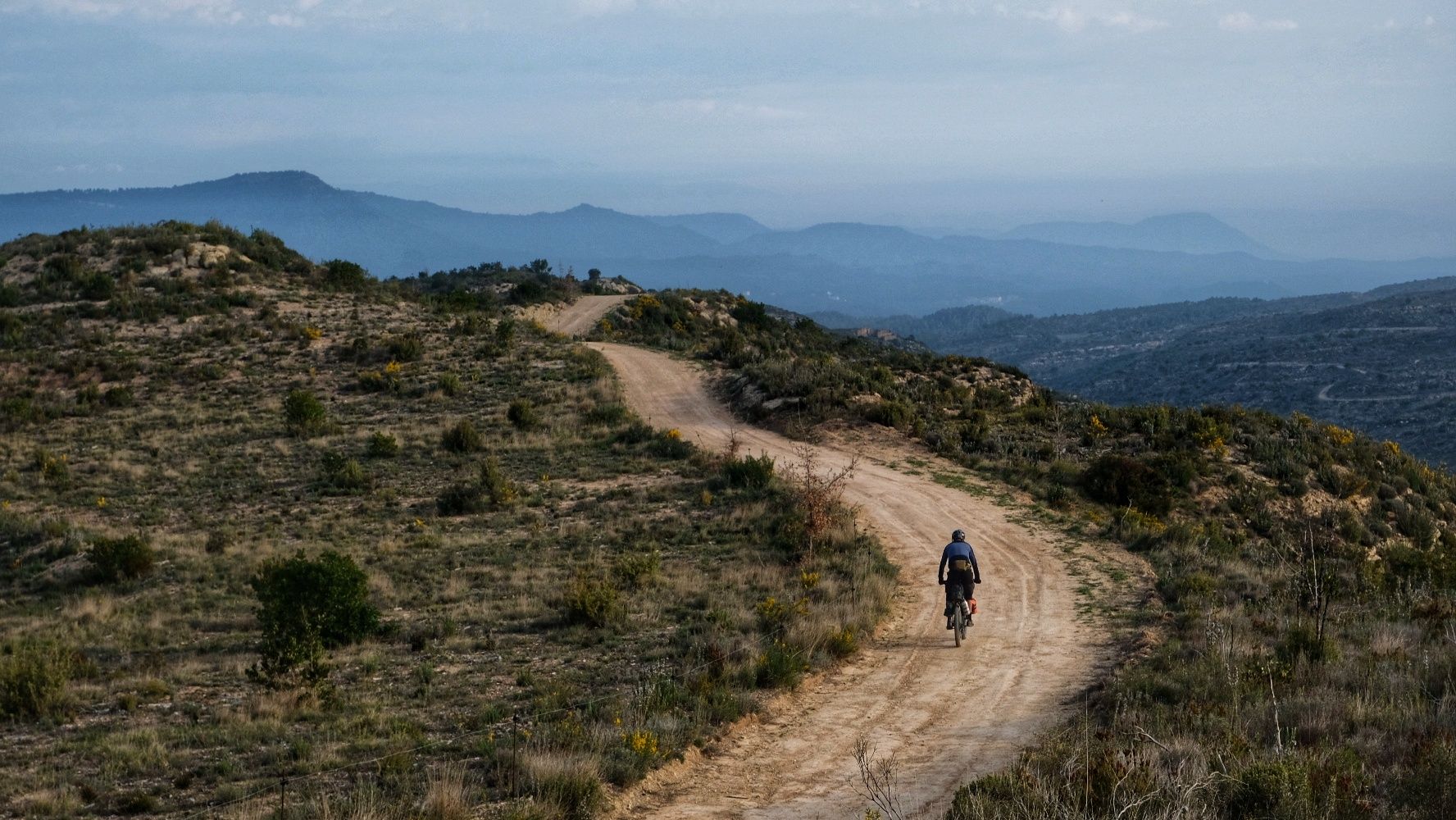
European Divide Trail — 7,600 km across the continent
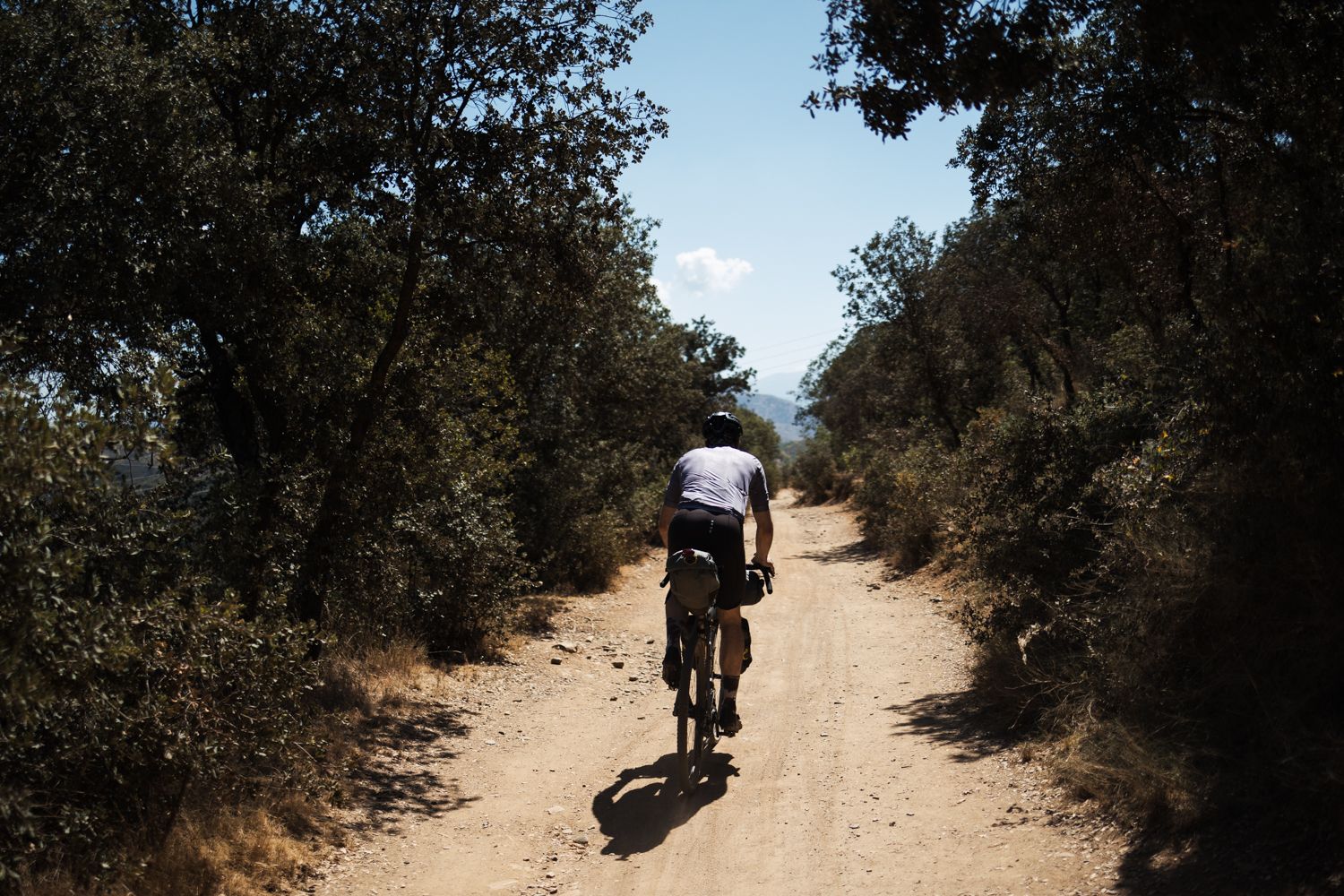
Mozarabic Way to Santiago – Gravel between two worlds
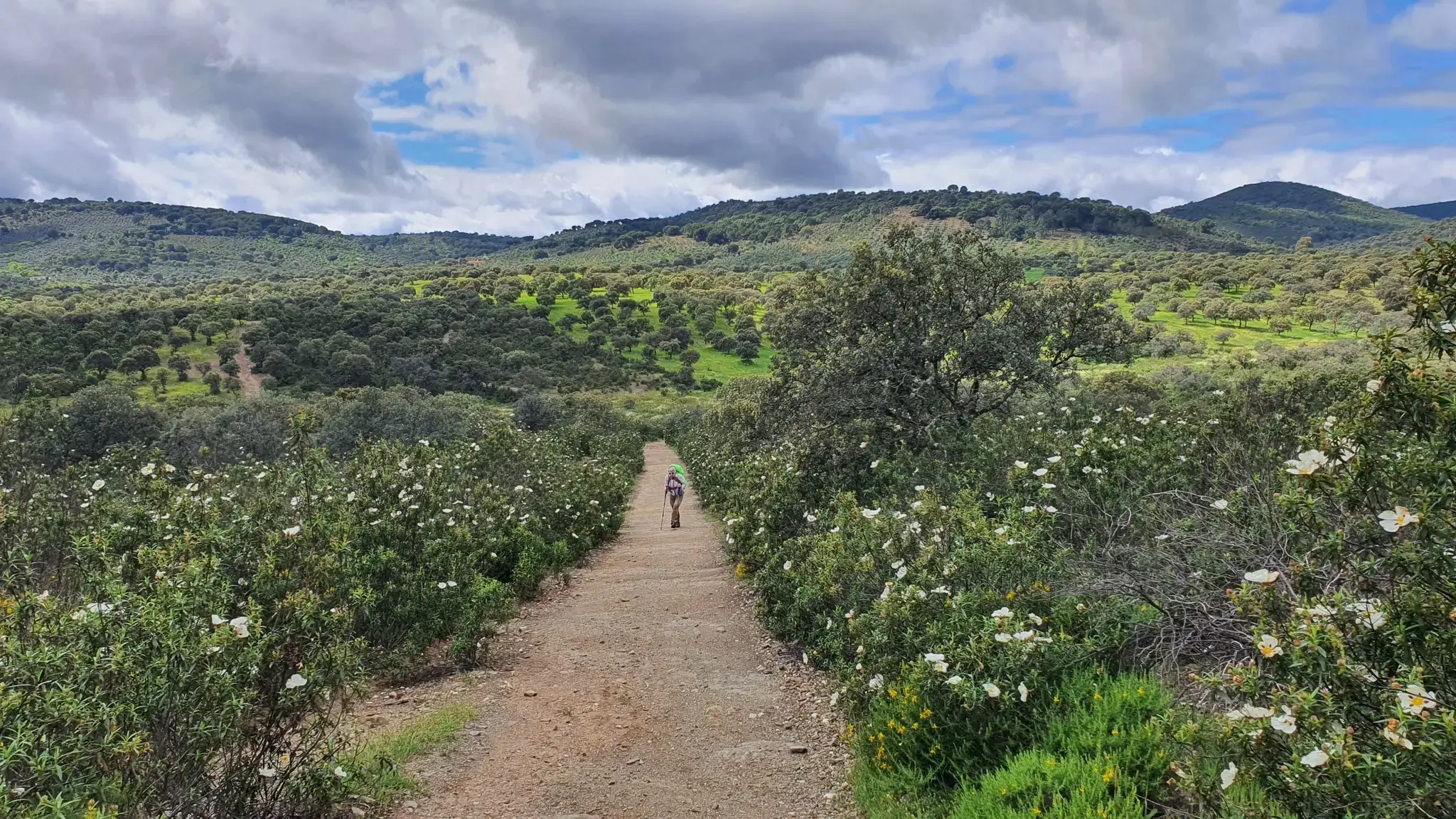
Pastures, Pedroches and farmhouses — Cañada Real Soriana (GR 40)
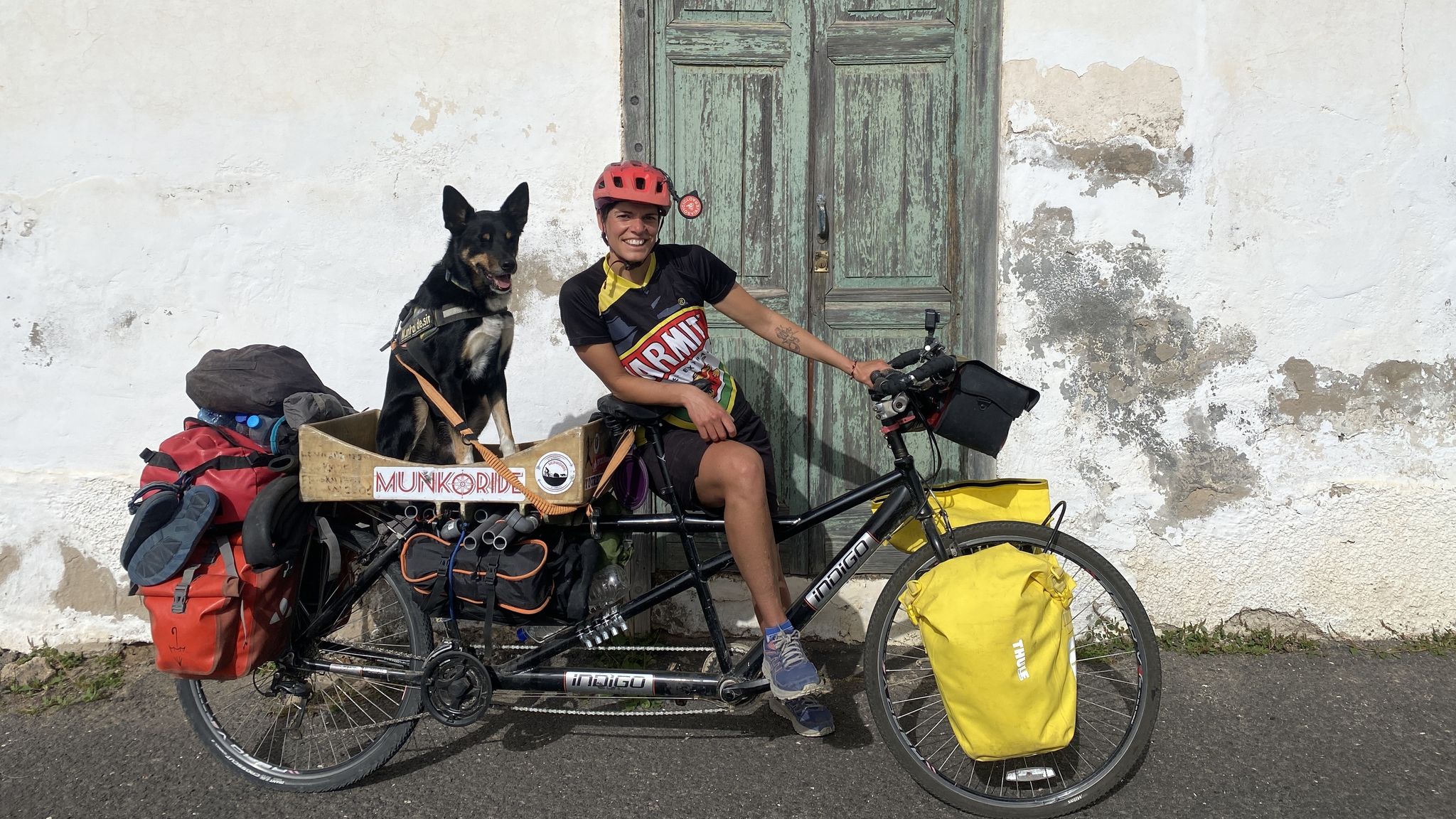
A winter getaway along the greenways of Andalusia in Spain
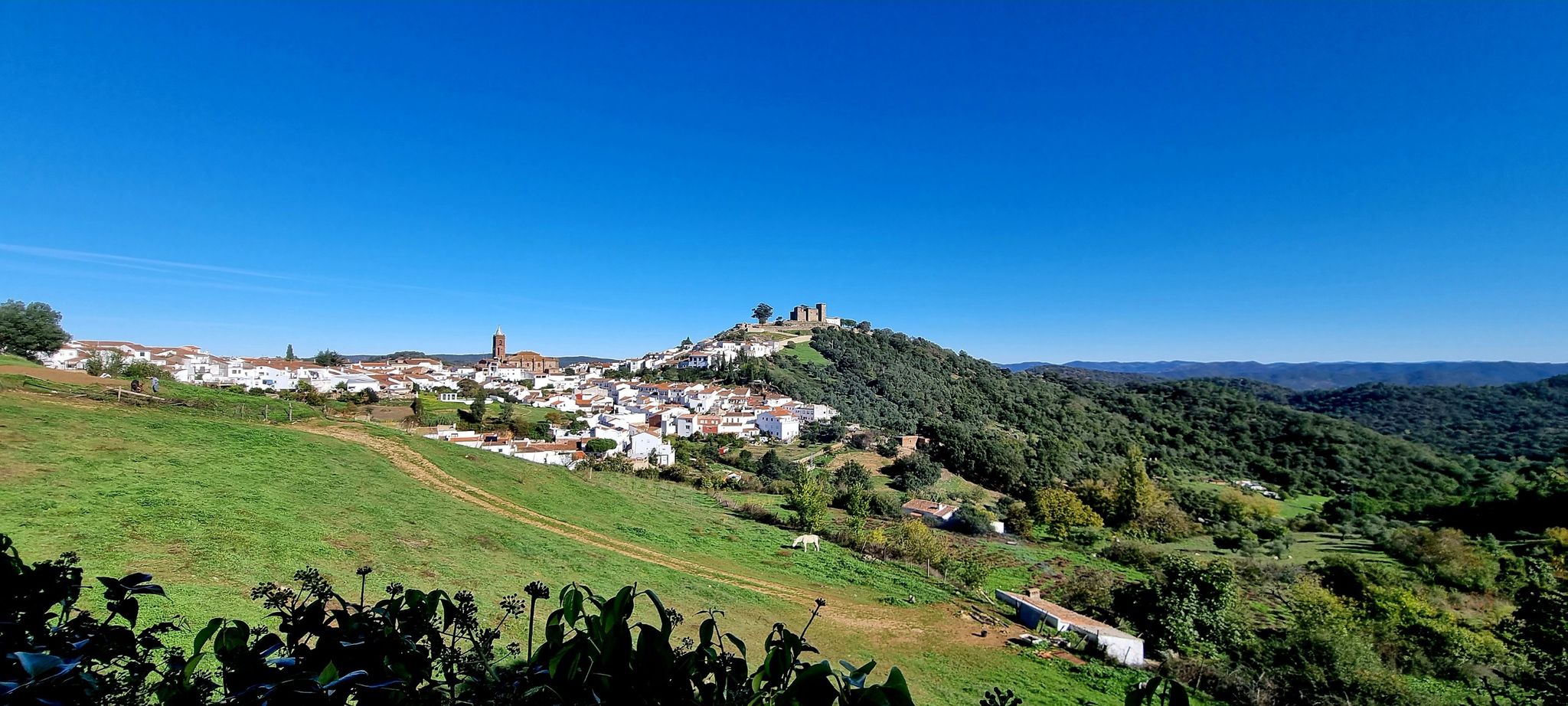
European Divide Trail across the Iberian Peninsula – south
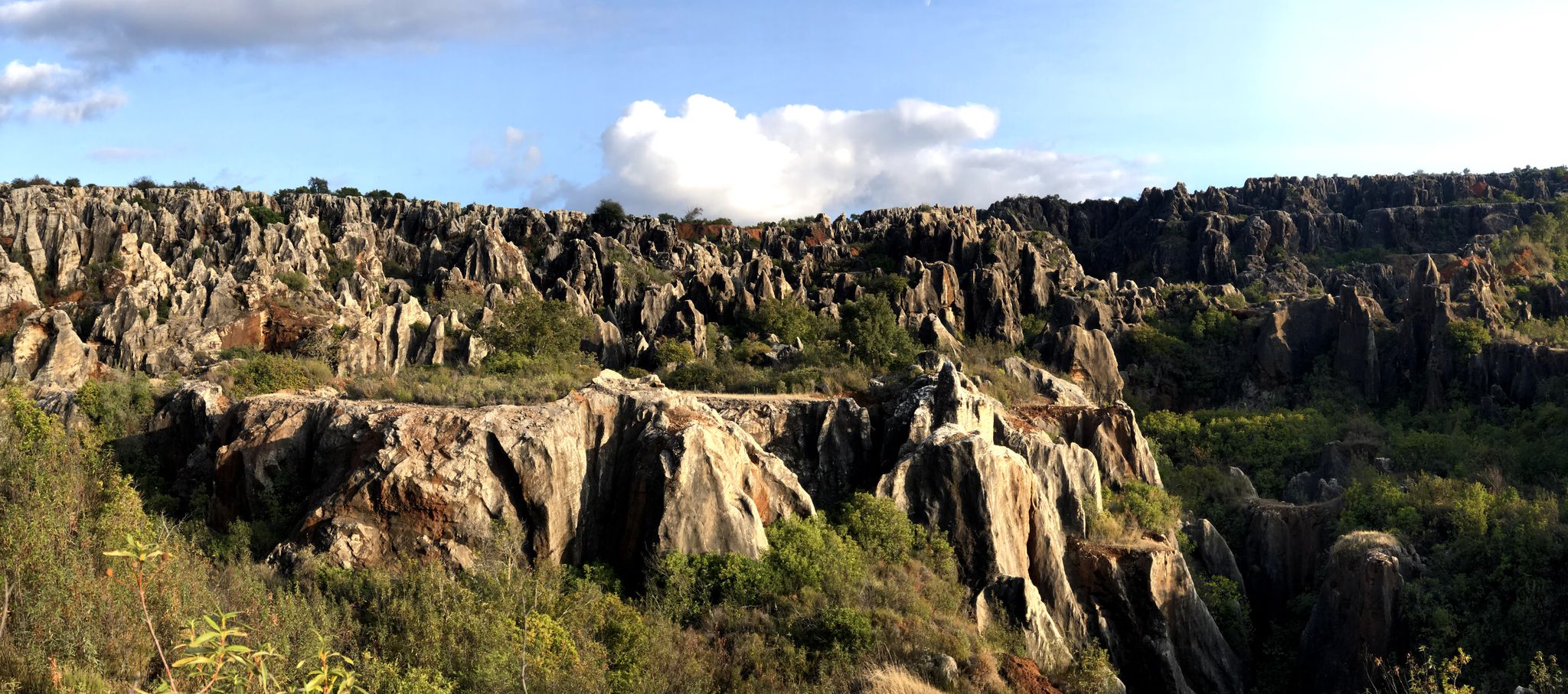
Cycling among the mysterious faults – Sierra Morena (GR 48)
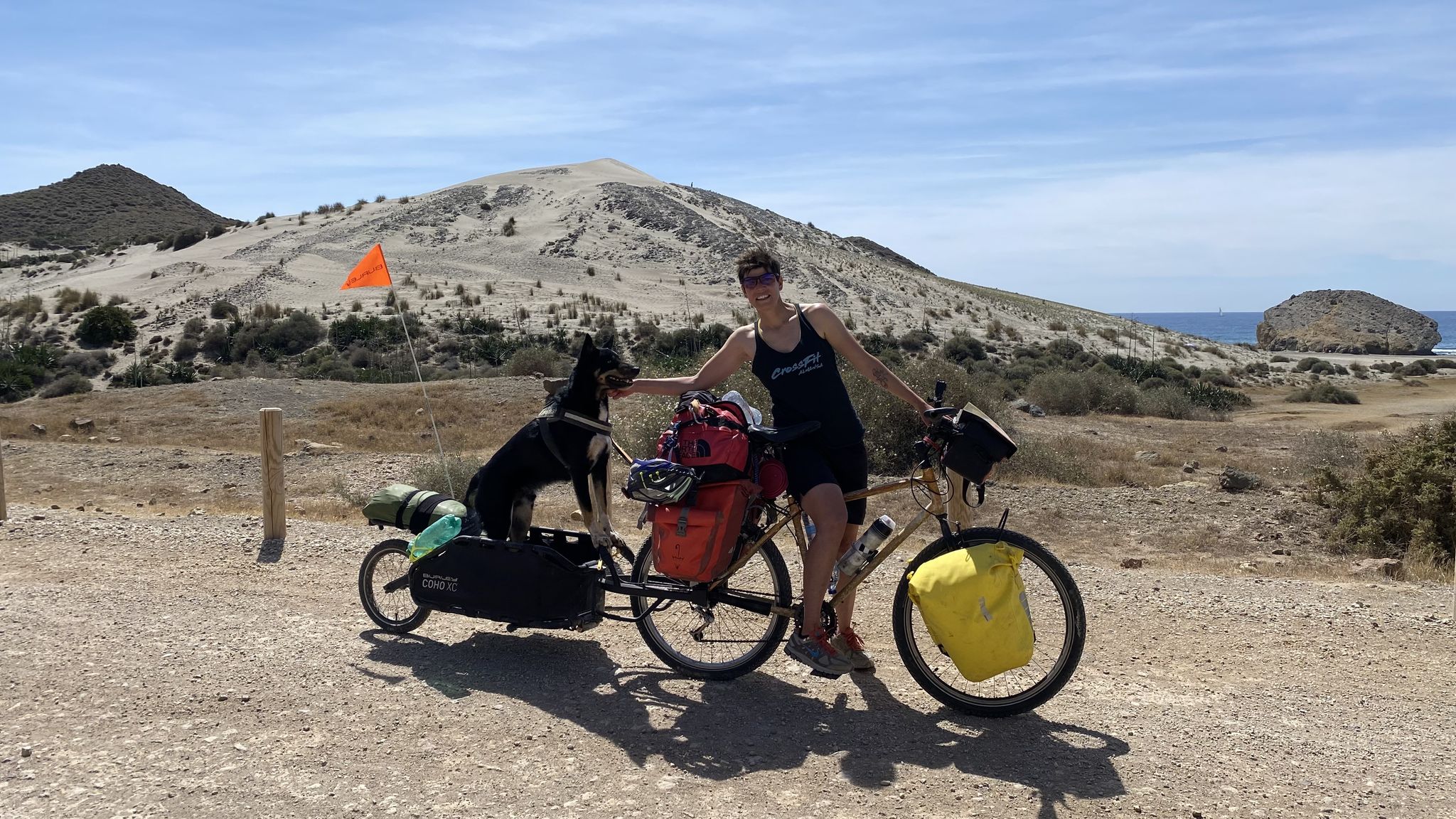
Let’s head south – cycle in Andalusia with me and my dog
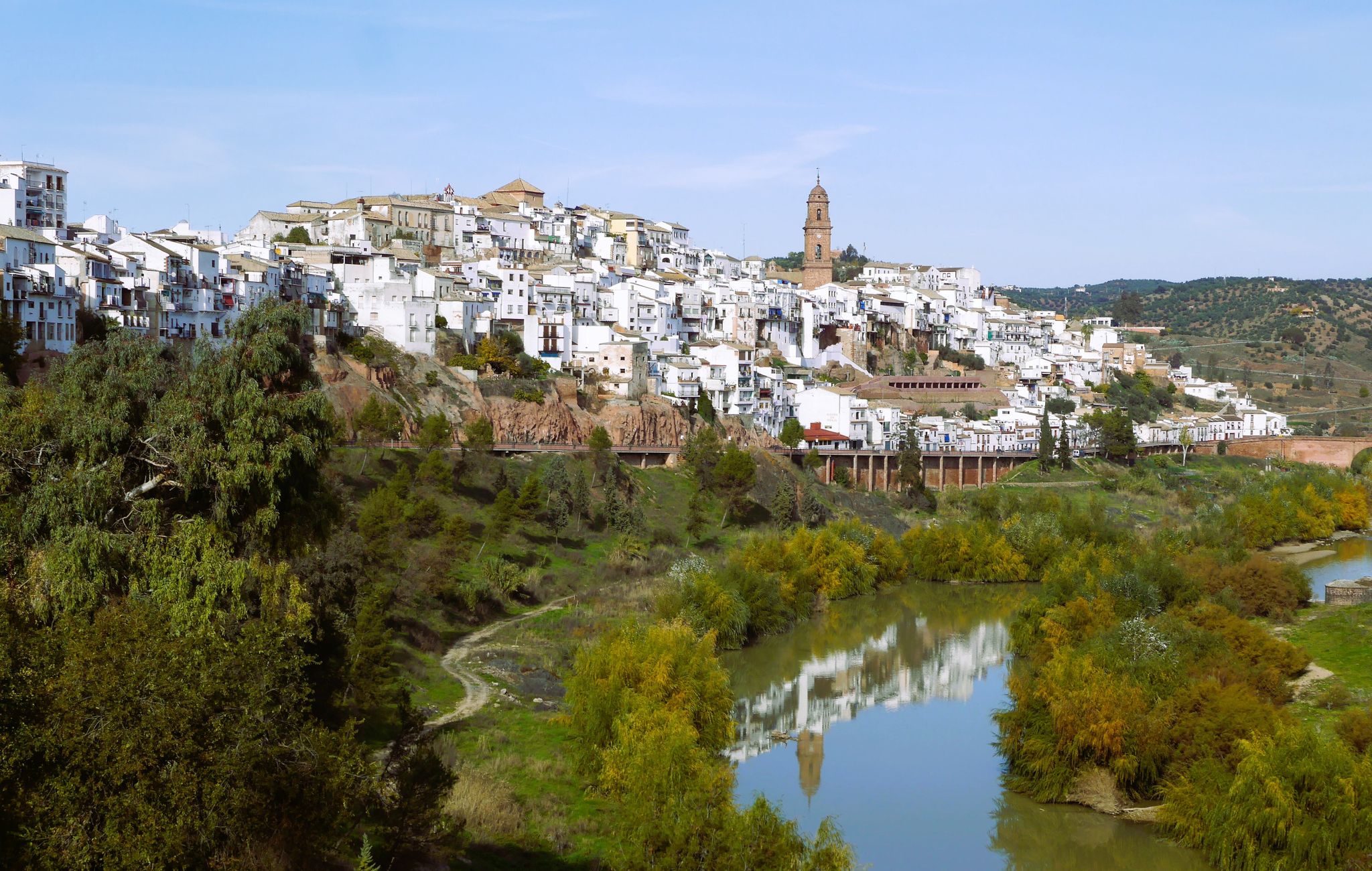
Hike the glorious countryside of Cordoba and Jaen – Sierra Morena (GR 48)
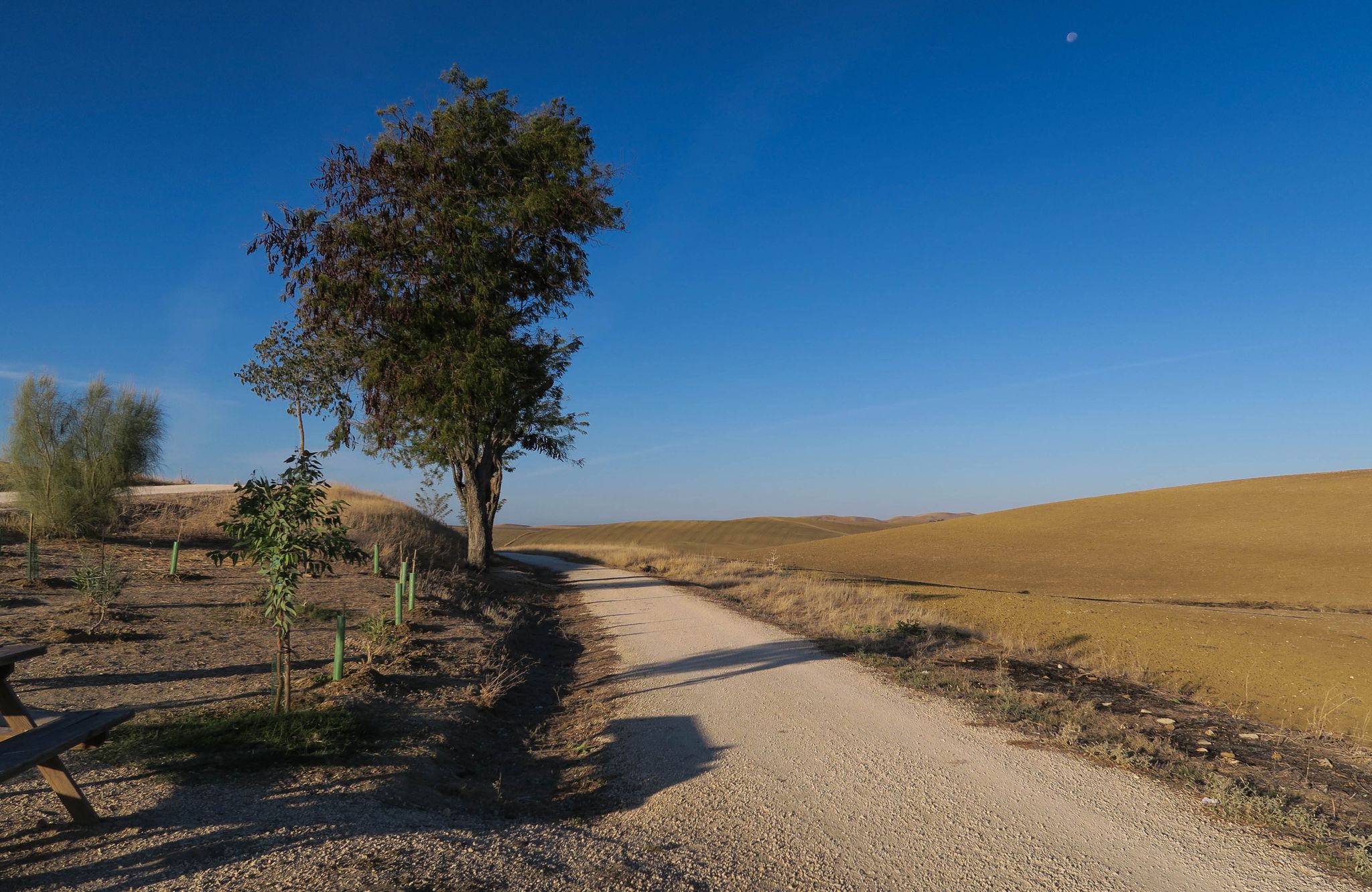
Cycle through the countryside of Spain’s Cordoba – Via Verde de la Campiña
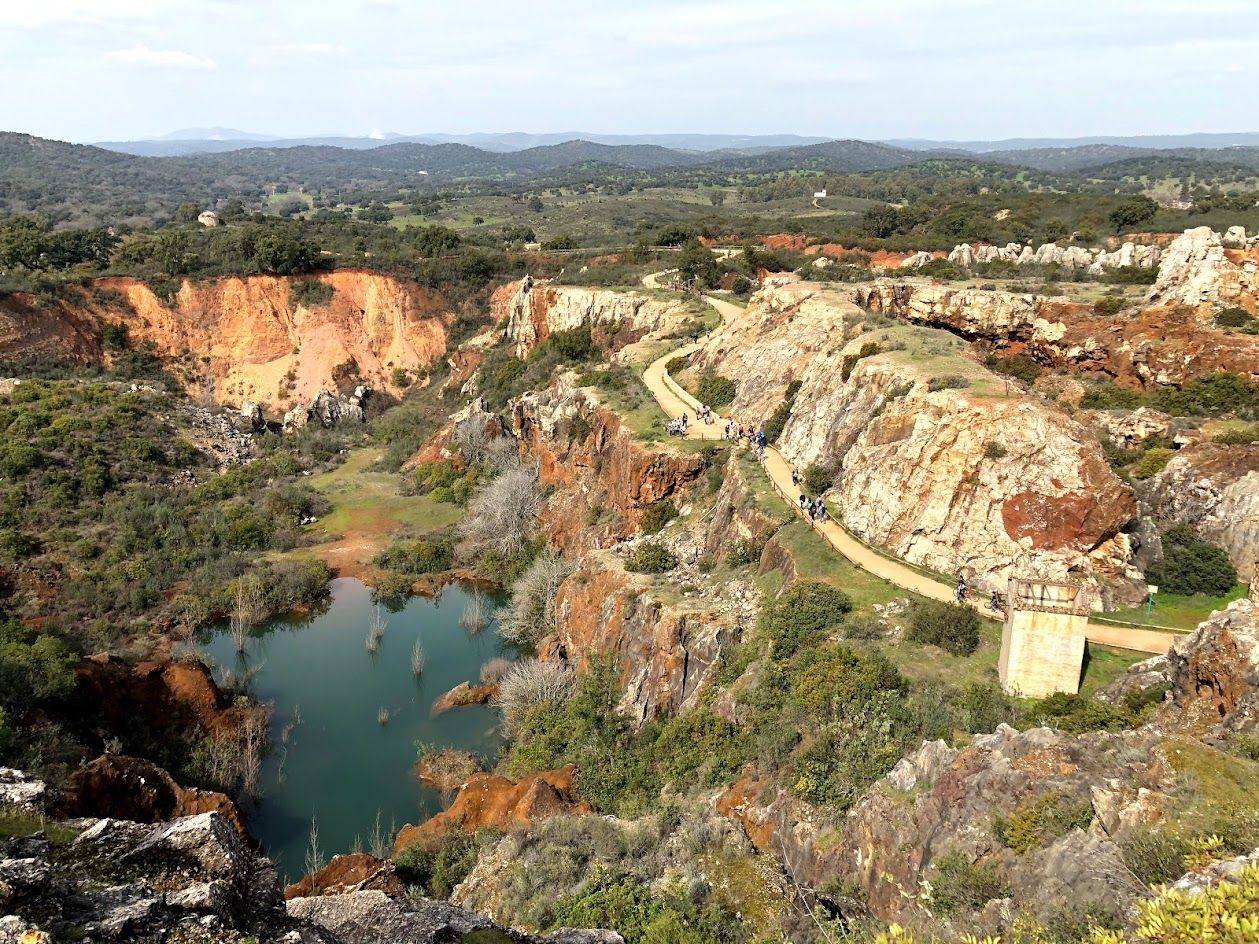
Journey through Spain’s Sierra Morena — Cordoba to Seville by bike
Other adventures around Campiña Baja


Tips from the Community


The Villares Peri-Urban Park is nestled in the heart of the Sierra Morena Mountains. This peaceful spot is a place where walking and cycling along its trails make it a truly special experience. It also has barbecue grills where you can spend some quality time recharging your batteries.
1
0

Located on the Caño Escaravita estate, just beyond the outlying neighborhood of Santa María de Trassierra. We found it in the western Sierra peri-urban district, next to the crossroads leading to the Ermitas and the Mirador de las Niñas, about fifteen kilometers from Córdoba. This is a zoomorphic water fountain on a pedestal from the Caliphate period, dating back to the 10th century. The sculpture represents a small elephant. Made of gray limestone from the Sierra Morena, it served as a support for the spout. The fountain is made up of three components: a water collection basin, a masonry pillar attached to it on its north side (which leads to a masonry irrigation ditch), and a rectangular pool located to the west of the canal. https://amedinacordoba.com/fuente-del-elefante/
1
0
The Baths of Poppaea are a natural stretch of small waterfalls alternating with small pools that follow the course of the Molino stream, near the mouth of the Guadiato River. This area was visited by Christopher Columbus. Its name comes from the place where the Cordoba poets of the Cántico Group used to visit, as during the Franco regime it was a safe place, away from the scrutiny of this intellectual group, as well as the homosexuality of some of them. One day, three members of the group, Pablo García Baena, Juan Bernier, and Ricardo Molina, were walking when they saw some girls bathing in the stream. The latter exclaimed, "Look, like Poppaea in the bath," referring to the Roman Empress Poppaea Sabina, a prominent figure at the time due to the film The Sign of the Cross (1932), in which actress Claudette Colbert appeared bathing in donkey's milk, just as the Empress did. The girls told the residents of Trassierra about this incident, and from then on, the story spread and became known as the Baths of Poppea. https://es.wikipedia.org/wiki/Ba%C3%B1os_de_Popea
2
0
A waterfall known as the "first spring of the Bejarano," whose water flow has always been active. There are few remains of an ancient structure from which the water flows: the aquifer catchment. The Romans knew how to harness this important spring, unique in these mountains, due to the large amount of water it provides every season (estimated at 20,000 to 35,000 m3/day). (Source: https://www.conocetusfuentes.com/ficha_detalle.php?id_fuente=10057)
1
0

I like to do the shorter and steeper climb here and the softer and longer descent through Reventon.
1
0

The gardens were created in the 19th century on the site of a former monastery, the Convento de la Victoria, from which they take their name. The aim was to create a public space that would serve as a place of recreation for citizens. Over time, the gardens have been redesigned several times to adapt them to the growing city and the needs of the population. Today, the Jardines de la Victoria combine traditional elements with modern design elements. A striking building in the gardens is the Pavilion of Córdoba - Kiosko de la Música, which was originally used for cultural events such as concerts and exhibitions. In addition to their function as a recreational space, the gardens have been the setting for numerous cultural and social events. The gardens combine extensive lawns, palm trees, cypresses, and flowerbeds that reflect the Mediterranean climate. Shady paths, water fountains, and benches invite you to linger. An ideal place for a relaxing rest.
7
0

A closed gate prevents you from continuing along this route.
1
0
Frequently Asked Questions
What are some of the most unique natural monuments to visit in the Campiña Baja region?
Beyond the well-known spots, the Campiña Baja region offers truly unique natural monuments. Don't miss Laguna de la Quinta, part of the Lagunas de la Campiña complex, which is a vital sanctuary for aquatic birds, including endangered species like the White-headed Duck. Another extraordinary site is Mina La Jayona, a former iron ore mine reclaimed by nature, showcasing spectacular geological formations and a unique microclimate that supports lush ferns and diverse fauna, including bats.
Are there any natural monuments with historical significance in Campiña Baja?
Yes, several natural monuments in the region have strong historical ties. The Elephant Fountain, for instance, is a man-made monument that was once part of the Roman Aqua Vetus aqueduct, supplying water to Medina Azahara. Similarly, the First Spring of the Bejarano Stream features ancient structures indicating how the Romans harnessed this significant water source. The Roman Mine and Pools also offers a glimpse into the region's ancient mining past.
What kind of wildlife can I expect to see at the natural monuments?
The natural monuments in Campiña Baja are rich in biodiversity. The Laguna de la Quinta is a prime birdwatching spot, home to flamingos, royal herons, common moorhens, and the endangered White-headed Duck. Mina La Jayona provides shelter for various species of bats, small mammals, reptiles, and insects, as well as rupicolous birds nesting in its rock crevices.
Are there family-friendly natural monuments or trails in the Campiña Baja area?
Absolutely! Many natural monuments in Campiña Baja are suitable for families. The First Spring of the Bejarano Stream is easily accessible and set in a beautiful environment. Alcubilla Spring and Los Villares Periurban Park also offer family-friendly environments with facilities and trails. The Arroyo Bejarano area is also known for its beautiful environment and lush vegetation, suitable for family outings.
What outdoor activities can I do near the natural monuments in Campiña Baja?
The region offers a variety of outdoor activities. You can find numerous trails for road cycling, mountain biking, and running. For example, explore road cycling routes like the 'Las Ermitas and Cerro Muriano Loop from Córdoba', or mountain biking trails such as the 'Guadalmellato Canal and La Campiñuela Loop'. Running enthusiasts can enjoy routes like the 'Guadalquivir Mills Trail'. You can find more details and routes on the Road Cycling, MTB Trails, and Running Trails guides for Campiña Baja.
Are there any challenging hiking trails or viewpoints among the natural monuments?
Yes, for those seeking a challenge and rewarding views, the Cuesta de los Pobres offers a challenging trail with excellent viewpoints. It's known for its steeper climbs and impressive vistas. Additionally, several natural monuments like Piedra Horadada and Victoria Gardens also serve as viewpoints, providing scenic perspectives of the surrounding landscape.
What is the best time of year to visit the natural monuments in Campiña Baja?
While specific seasonal tips for each monument vary, generally, spring and autumn offer the most pleasant weather for exploring the natural monuments in Campiña Baja. These seasons provide milder temperatures, ideal for hiking and enjoying the outdoors. Spring also brings lush vegetation and active wildlife, especially for birdwatching at the lagoons. Summers can be very hot, and winters can be cooler and wetter, though still suitable for visits if prepared.
Are there any waterfalls among the natural monuments in Campiña Baja?
Yes, the region is known for its water features. The Baños de Popea Waterfalls are a notable natural monument featuring beautiful cascades. Additionally, the First Spring of the Bejarano Stream also boasts an active waterfall, making it a picturesque spot to visit.
What facilities are available at the natural monuments?
Facilities vary by location. For example, Victoria Gardens and Los Villares Periurban Park are known to have facilities, which can include amenities like restrooms, picnic areas, or visitor centers. For specific details on each monument, it's advisable to check local information or visitor guides.
How long should I plan for a visit to a natural monument?
The duration of your visit depends on the specific natural monument and your interests. For smaller sites like the Elephant Fountain or Alcubilla Spring, an hour or two might suffice. Larger areas like Mina La Jayona, with its guided tours and extensive geological features, or the birdwatching opportunities at Laguna de la Quinta, could easily fill half a day or more, especially if you plan to explore nearby trails.
What do visitors enjoy most about the natural monuments in Campiña Baja?
Visitors frequently appreciate the diverse natural beauty, from lush river environments like Arroyo Bejarano to the unique geological formations of Mina La Jayona. The historical elements, such as Roman-era structures at the First Spring of the Bejarano Stream, also add a fascinating layer to the experience. Many enjoy the tranquility, the opportunities for nature photography, and the chance to observe local wildlife.
Most popular routes around Campiña Baja
Most popular attractions around Campiña Baja

Get inspired with the komoot mobile app


Didn’t find what you were looking for?
Find even more amazing natural monuments around Campiña Baja by checking out the top Highlights region by region:
Explore more
Extend your search for the best caves by checking out these guides of the top ones around Campiña Baja:
