Top 6 Natural Monuments around Rioja Baja
Best natural monuments around Rioja Baja offer diverse landscapes and unique geological features within the sub-region of La Rioja, Spain. This area is characterized by its smooth, rounded mountain terrain, dense forests, and rivers that have carved out canyons and gorges. The region features significant biological, scenic, and paleontological value, including dinosaur footprints. These sites provide opportunities for outdoor activities and exploration of natural landmarks.
Best natural monuments around Rioja Baja
- The most popular natural monuments is Peña Isasa,…
Last updated: June 23, 2026
Peña Isasa
Highlight • Summit
Translated by Google •
Tip by

Autol and its Picuezos
Highlight • Natural Monument
Translated by Google •
Tip by

Sign up now to discover places like this
Get recommendations on the best single tracks, peaks, & plenty of other exciting outdoor places.
Sign up for free
Sotos del Ebro Nature Reserve in Alfaro
Highlight • River
Translated by Google •
Tip by

Cuevas del Ajedrezado of Santa Eulalia Somera
Highlight • Cave
Translated by Google •
Tip by

Red Cliffs of Herce
Highlight • Natural Monument
Translated by Google •
Tip by
View of El Picuezo and La Picueza
Highlight • Natural Monument
Translated by Google •
Tip by

Start today with a free account
Your next adventure awaits.
Login or Signup
Popular around Rioja Baja
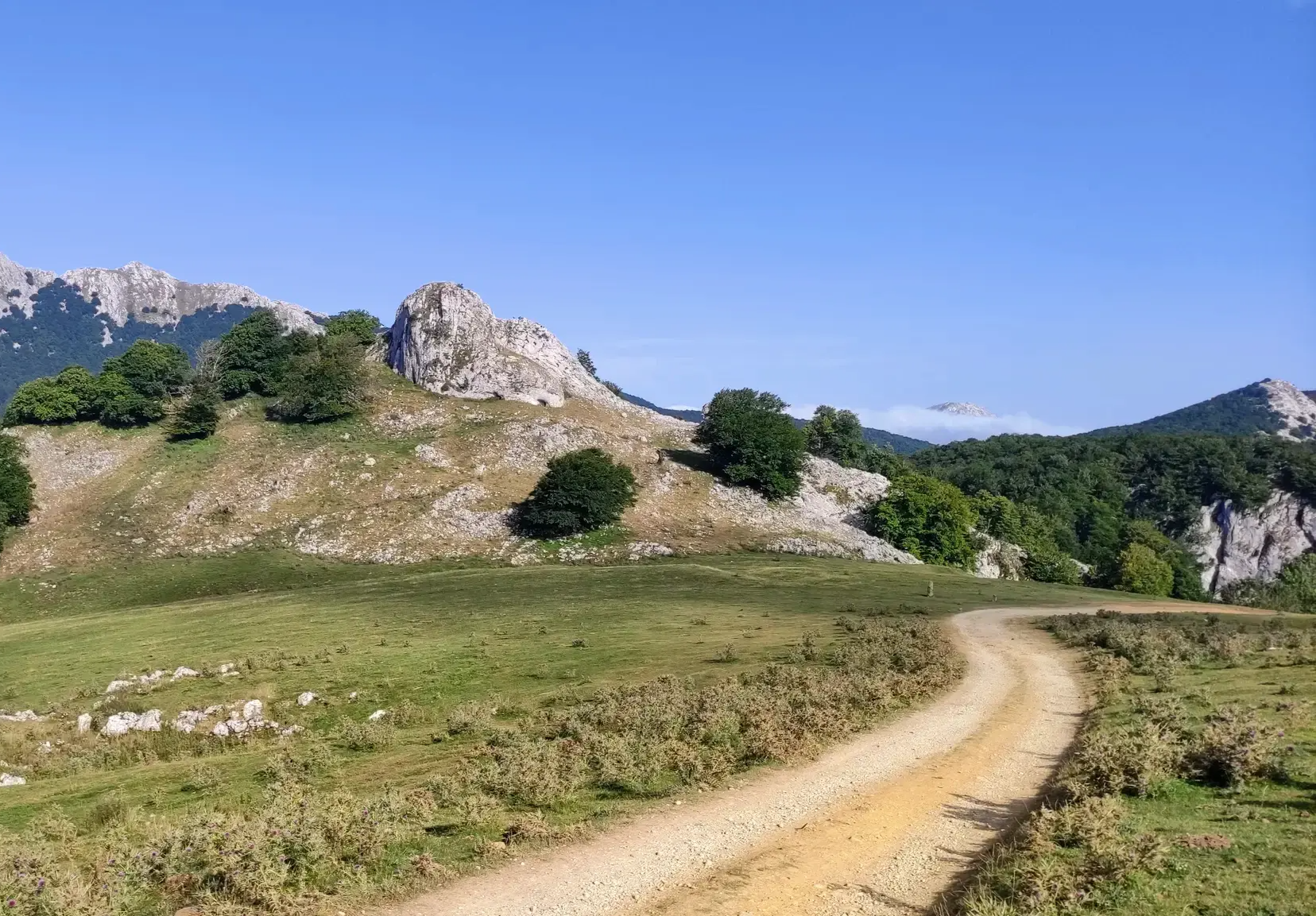
The Ignatian Way - In the footsteps of Ignatius of Loyola
Zazpiak Bat Packing – a cycling adventure in the Basque Country
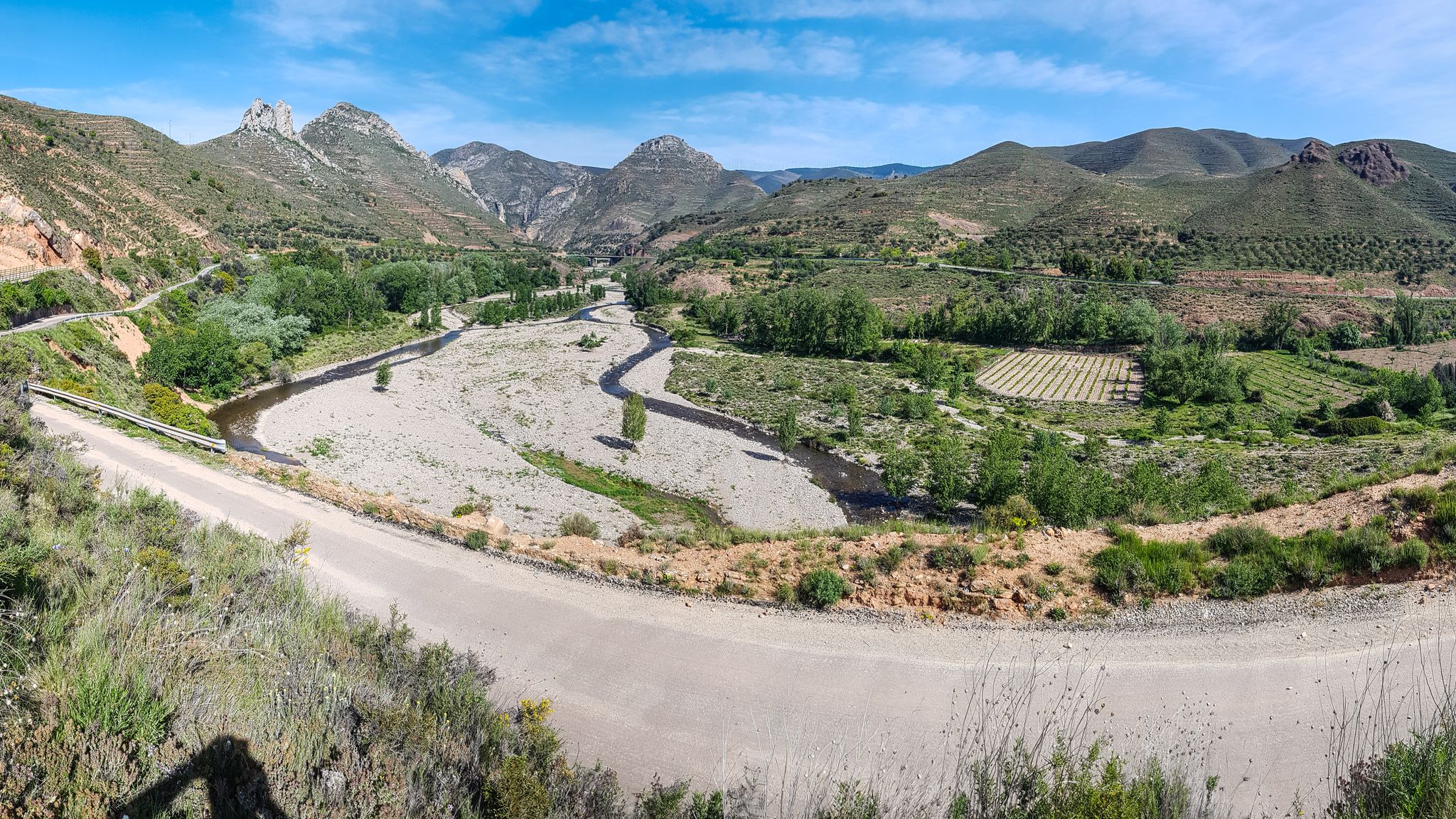
Orchards and karst peaks in La Rioja – Cidacos Greenway
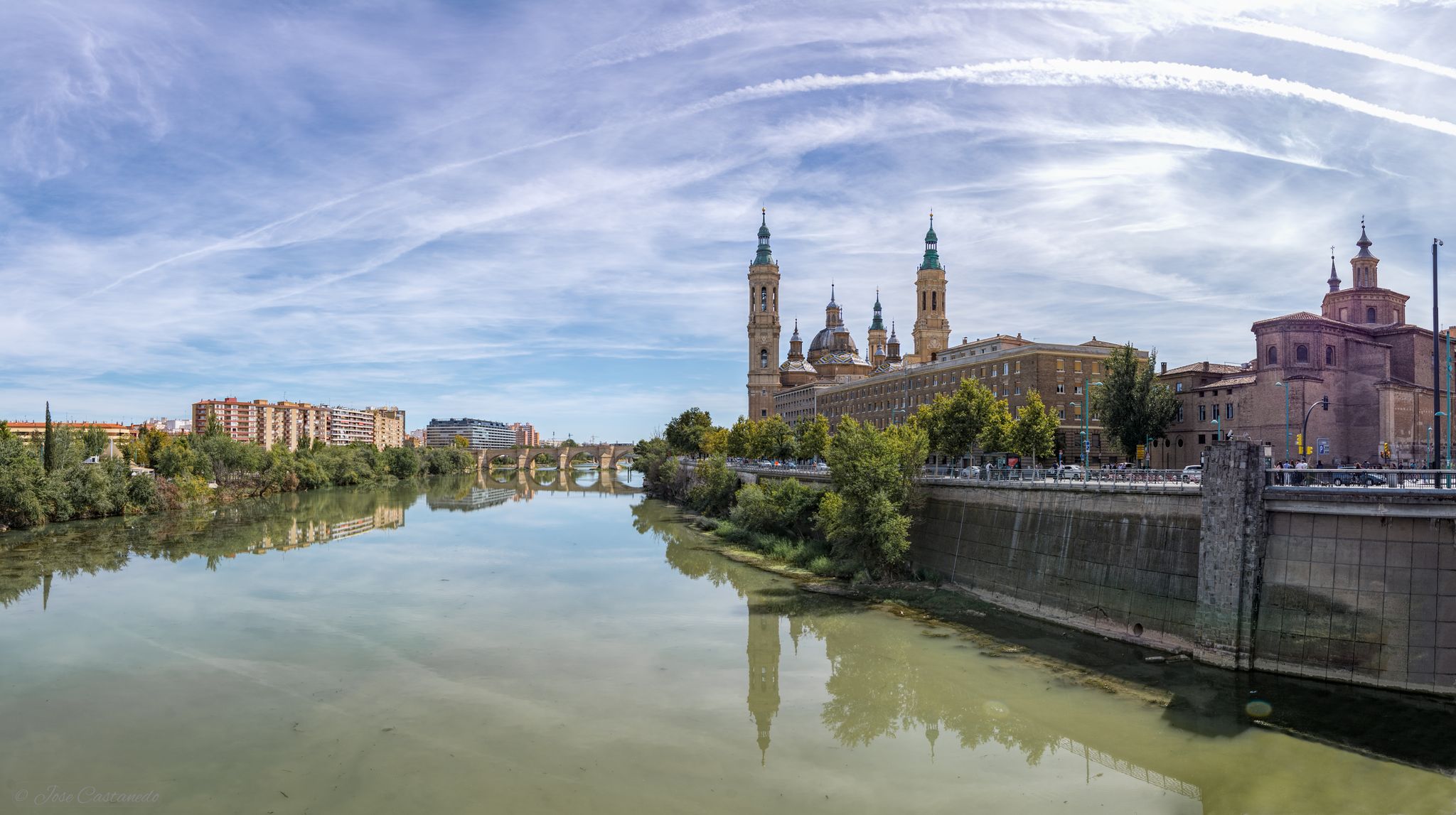
A river getaway – Ebro Natural Trail (GR 99)
Passes and dinosaur footprints – Spain’s Sierras Riojanas (GR 93)
Spain's great river by bike – the Ebro Nature Trail
Between valleys and mountains – Mymerak gravel routes
An adventure on quiet roads – MyMerac Rioja
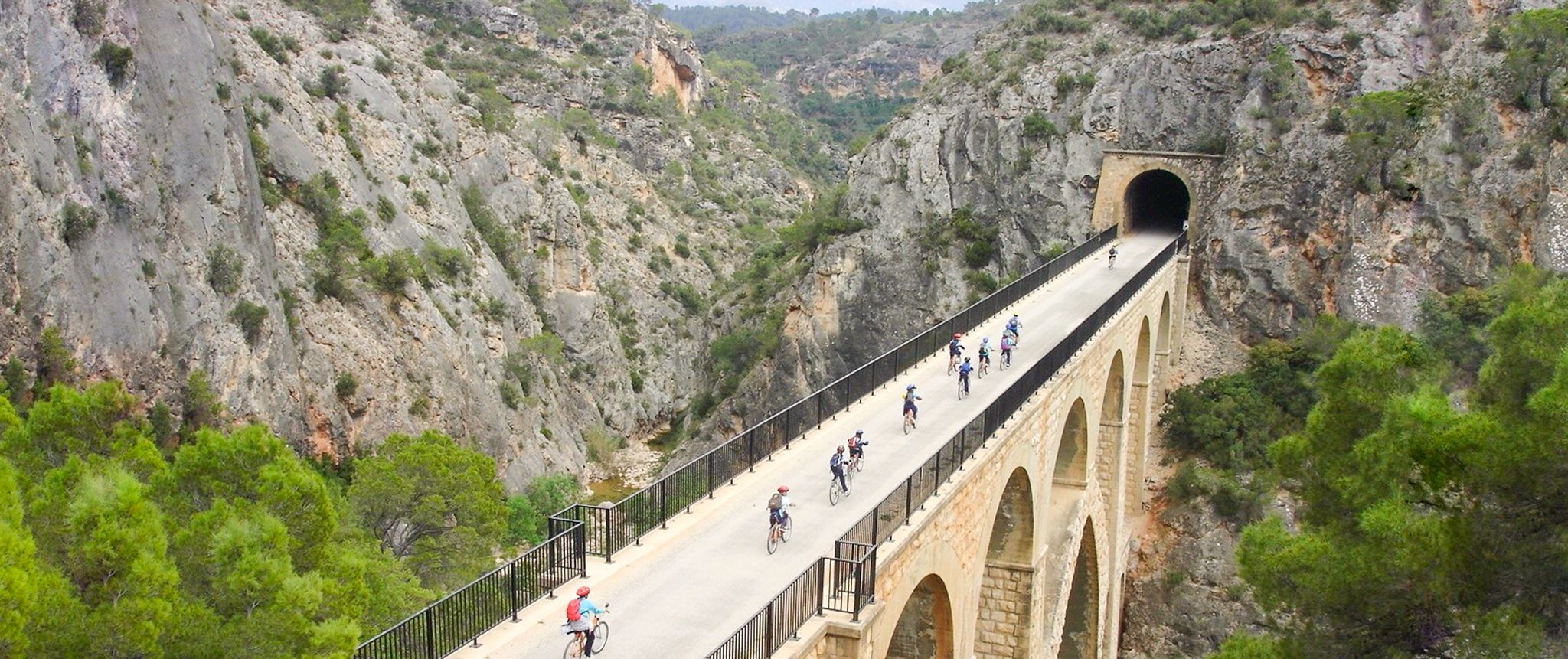
Vías Verdes – traffic-free cycling along railway history in Spain
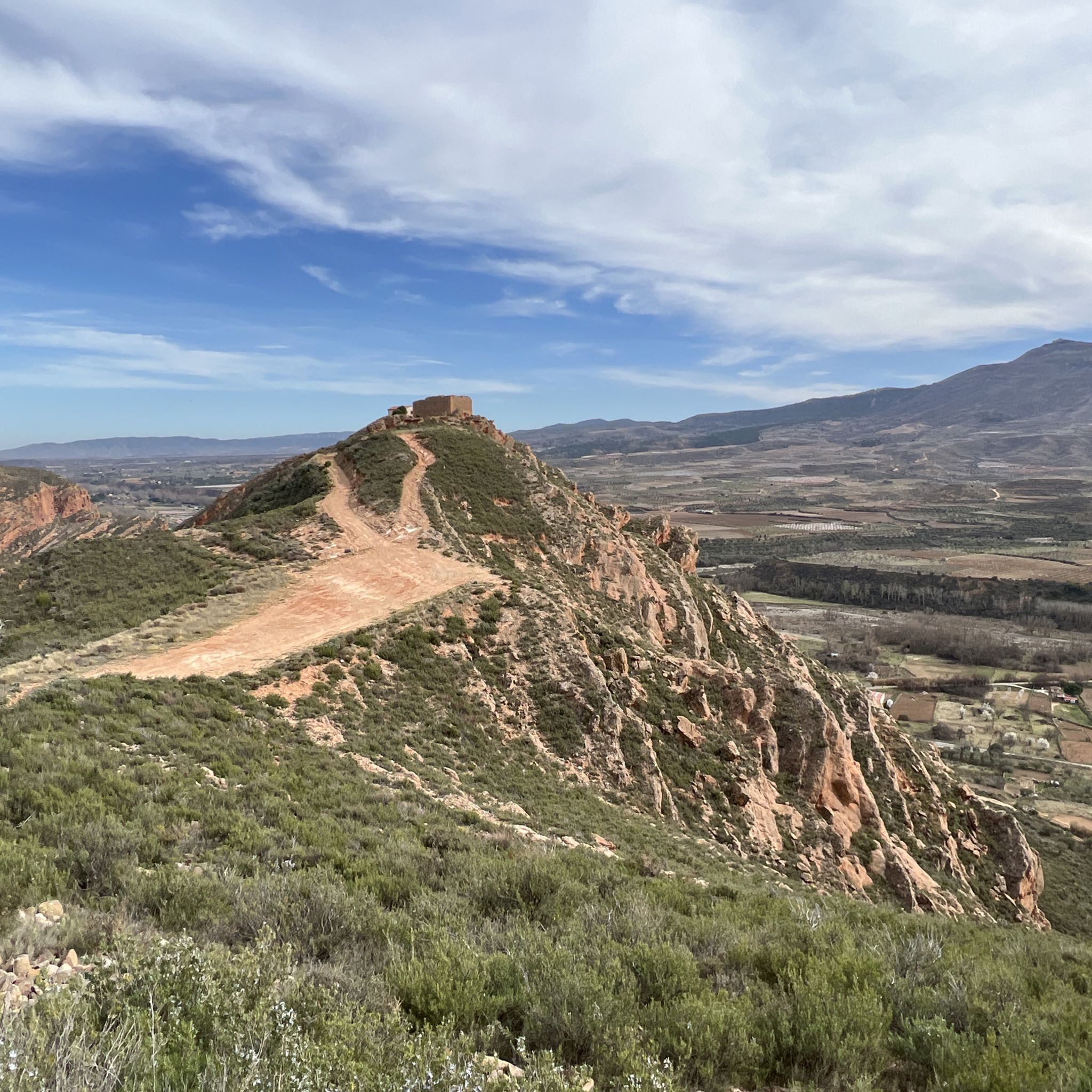
Hiking around Rioja Baja
Other adventures around Rioja Baja


Tips from the Community

Famous for its Cuevas del Ajedrezado caves, the LR-115 highway passes through Santa Eulalia Somera and Santa Eulalia Bajera with the impressive sheer rock as a guide.
0
0
Riding through the valley of the Cidacos River between the mountains of Bergasa and Cabimonteros with its dominant red rock towering above you.
0
0

On this path on the banks of the Río Ebro, there are good views of the river as a whole, a quiet space for walking and close to Alfaro. The area is a Sotos del Ebro Nature Reserve.
0
0


Spectacular rock monoliths, one approximately 45 meters high and the other about 30 meters, located in Autol. A real gem of nature that is definitely worth a visit!
2
0
The Picuezo and the Picueza are a set of geological formations very characteristic of the town or Autol, due to the sediments brought by the river that over the years have scratched the are and these towers have remained elevated above the rest.
0
1

La Peña Isasa (1,474 m) is seen by many and few pass by, it is a limestone bastion that is well visible from the entire region of La Rioja Baja.
11
0

Summit belonging to the Iberian Riojan system. It is very accessible since a track leaves you practically at its top, but it has many trails in its vicinity that make this peak a place to spend a nice day of hiking, trail running, mountain biking...
1
0
Frequently Asked Questions
What are some of the most popular natural monuments to visit in Rioja Baja?
Among the most appreciated natural monuments in Rioja Baja are Peña Isasa, a prominent limestone summit offering extensive views, and Autol and its Picuezos, known for its unique, washed-out rock formations resembling mud castles. Another favorite is the Sotos del Ebro Nature Reserve in Alfaro, a tranquil river area with forests perfect for walking.
Are there any natural monuments in Rioja Baja that are particularly family-friendly?
Yes, several natural monuments are great for families. Autol and its Picuezos offers fascinating geological formations that children often find intriguing. The Sotos del Ebro Nature Reserve in Alfaro provides quiet, accessible paths along the river. Additionally, while not a traditional natural monument, the El Barranco Perdido Paleo Adventure Park in Enciso, located in an area rich with dinosaur footprints, offers interactive and recreational experiences for all ages.
What unique geological features can I expect to see in Rioja Baja's natural monuments?
Rioja Baja is rich in diverse geological formations. You can witness the striking limestone bastion of Peña Isasa, the surreal mud-castle-like rock formations of Autol and its Picuezos, and the impressive Red Cliffs of Herce towering above the Cidacos River valley. The region also features caves, such as the Cuevas del Ajedrezado of Santa Eulalia Somera, and canyons carved by rivers within the Biosphere Reserve of the Leza, Jubera, Cidacos, and Alhama River Valleys.
What outdoor activities can I do near the natural monuments in Rioja Baja?
The natural monuments in Rioja Baja are excellent starting points for various outdoor activities. You can find numerous routes for gravel biking, road cycling, and running. For example, there are challenging gravel routes like the "Gravel route of upper Cidacos" and the "Ocón and Jubera valleys – Mymerak gravel routes." Road cyclists can enjoy the "Cidacos and Préjano Greenways Loop," while runners might explore the "Monte de Vico Loop." You can find more details on these and other routes in the respective guides: Gravel biking around Rioja Baja, Road Cycling Routes around Rioja Baja, and Running Trails around Rioja Baja.
Are there any natural parks or larger protected areas in Rioja Baja?
Yes, Rioja Baja is home to significant protected natural areas. The **Sierra de Cebollera Natural Park**, located south of Logroño, is the only designated natural park in La Rioja, featuring dense forests, glacial reliefs, and rich biodiversity. Additionally, the **Biosphere Reserve of the Leza, Jubera, Cidacos, and Alhama River Valleys** is recognized for its biological, scenic, and cultural value, with rivers carving out impressive canyons and providing habitats for birds of prey.
What is the best time of year to visit the natural monuments in Rioja Baja?
The best time to visit depends on your preferred activities. Autumn is particularly beautiful in areas like the Sierra de Cebollera Natural Park, when the foliage displays vibrant colors. Spring offers pleasant temperatures for hiking and cycling, with blooming flora. Summer is ideal for enjoying water-related activities or exploring higher elevations, though it can be hot in lower valleys. Winter can bring snow to the mountains, offering a different kind of scenic beauty.
Can I go birdwatching near the natural monuments?
Absolutely. The Biosphere Reserve of the Leza, Jubera, Cidacos, and Alhama River Valleys is an excellent area for birdwatching. The canyons and rock beds carved by the rivers provide ideal nesting sites for communities of birds of prey, most notably Griffon vultures. The Peñas de Leza and Jubera are designated Special Bird Protection Areas (ZEPA), making them prime locations for observing avian wildlife.
Are there any historical or paleontological sites combined with natural beauty?
Yes, the region uniquely blends natural beauty with historical and paleontological significance. The Biosphere Reserve of the Leza, Jubera, Cidacos, and Alhama River Valleys features not only stunning natural landscapes but also paleontological sites with dinosaur footprints and archaeological remains. The El Barranco Perdido Paleo Adventure Park in Enciso is specifically dedicated to showcasing the region's dinosaur heritage through interactive exhibits.
What kind of views can I expect from Peña Isasa?
Peña Isasa, a limestone bastion reaching 1,474 meters, offers extensive and commanding views across the entire Rioja Baja region. Its prominence makes it a significant landmark, and from its summit, visitors can enjoy panoramic vistas of the surrounding Iberian Riojan system.
What makes the Sotos del Ebro Nature Reserve in Alfaro special?
The Sotos del Ebro Nature Reserve in Alfaro is a tranquil river area characterized by its forests along the Ebro River. It provides a peaceful space for walking and offers beautiful views of the river. It's a designated nature reserve, highlighting its ecological importance and making it a great spot for nature observation and relaxation.
Are there any natural monuments featuring caves in Rioja Baja?
Yes, the Cuevas del Ajedrezado of Santa Eulalia Somera are a notable natural monument in the region. These caves are famous and can be seen with the impressive sheer rock as a guide along the LR-115 highway, offering a glimpse into the geological history of the area.
What are the Red Cliffs of Herce known for?
The Red Cliffs of Herce are a striking natural monument known for their dominant red rock formations. These cliffs tower above you as you travel through the valley of the Cidacos River, between the mountains of Bergasa and Cabimonteros, creating a dramatic and picturesque landscape.
Most popular routes around Rioja Baja
Most popular attractions around Rioja Baja

Get inspired with the komoot mobile app


Didn’t find what you were looking for?
Find even more amazing natural monuments around Rioja Baja by checking out the top Highlights region by region:
Explore more
Extend your search for the best caves by checking out these guides of the top ones around Rioja Baja:
