Top 19 Natural Monuments around Rioja Alavesa
Best natural monuments around Rioja Alavesa include a diverse landscape shaped by the Sierra de Cantabria and Toloño mountain ranges to the north and the Ebro River to the south. This region is characterized by its viticulture and a blend of natural features and ancient human presence. The terrain offers varied ecosystems and panoramic views across vineyards and valleys. These natural sites provide insight into the geological and historical context of Rioja Alavesa.
Best natural monuments around Rioja Alavesa
- The…
Last updated: July 6, 2026
Dolmen of the Witch's Hut
Highlight • Historical Site
Translated by Google •
Tip by

Laguna Prao de la Paul
Highlight • Lake
Translated by Google •
Tip by

Sign up now to discover places like this
Get recommendations on the best single tracks, peaks, & plenty of other exciting outdoor places.
Sign up for free
Puerto del Toro
Highlight • Mountain Pass
Translated by Google •
Tip by

Castle Rock
Highlight • Summit
Translated by Google •
Tip by

Bonete de San Tirso
Highlight • Summit
Translated by Google •
Tip by
Cruz del Castillo (1,431 m)
Highlight • Summit
Translated by Google •
Tip by

Cliffs of Lapuebla de Labarca
Highlight • Gorge
Translated by Google •
Tip by

Laguna Carralogroño
Highlight • Lake
Translated by Google •
Tip by
Larrasa Peak (1,454 m)
Highlight • Summit
Translated by Google •
Tip by
San Cristobal
Highlight • Summit
Translated by Google •
Tip by
Sign up for free to discover even more natural monuments around Rioja Alavesa.
Sign up for free
Already have an account?
Start today with a free account
Your next adventure awaits.
Login or Signup
Popular around Rioja Alavesa
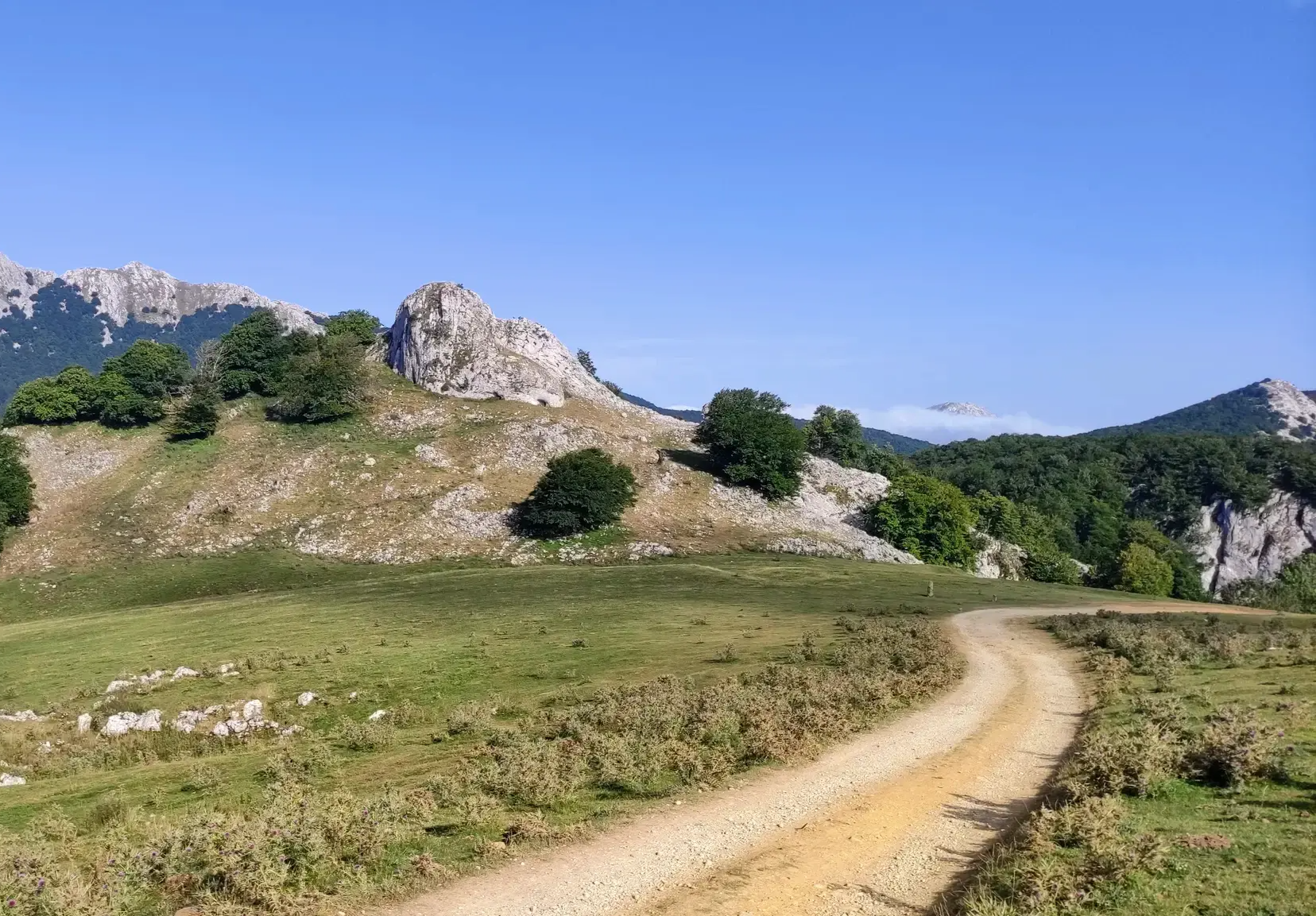
The Ignatian Way - In the footsteps of Ignatius of Loyola
Zazpiak Bat Packing – a cycling adventure in the Basque Country
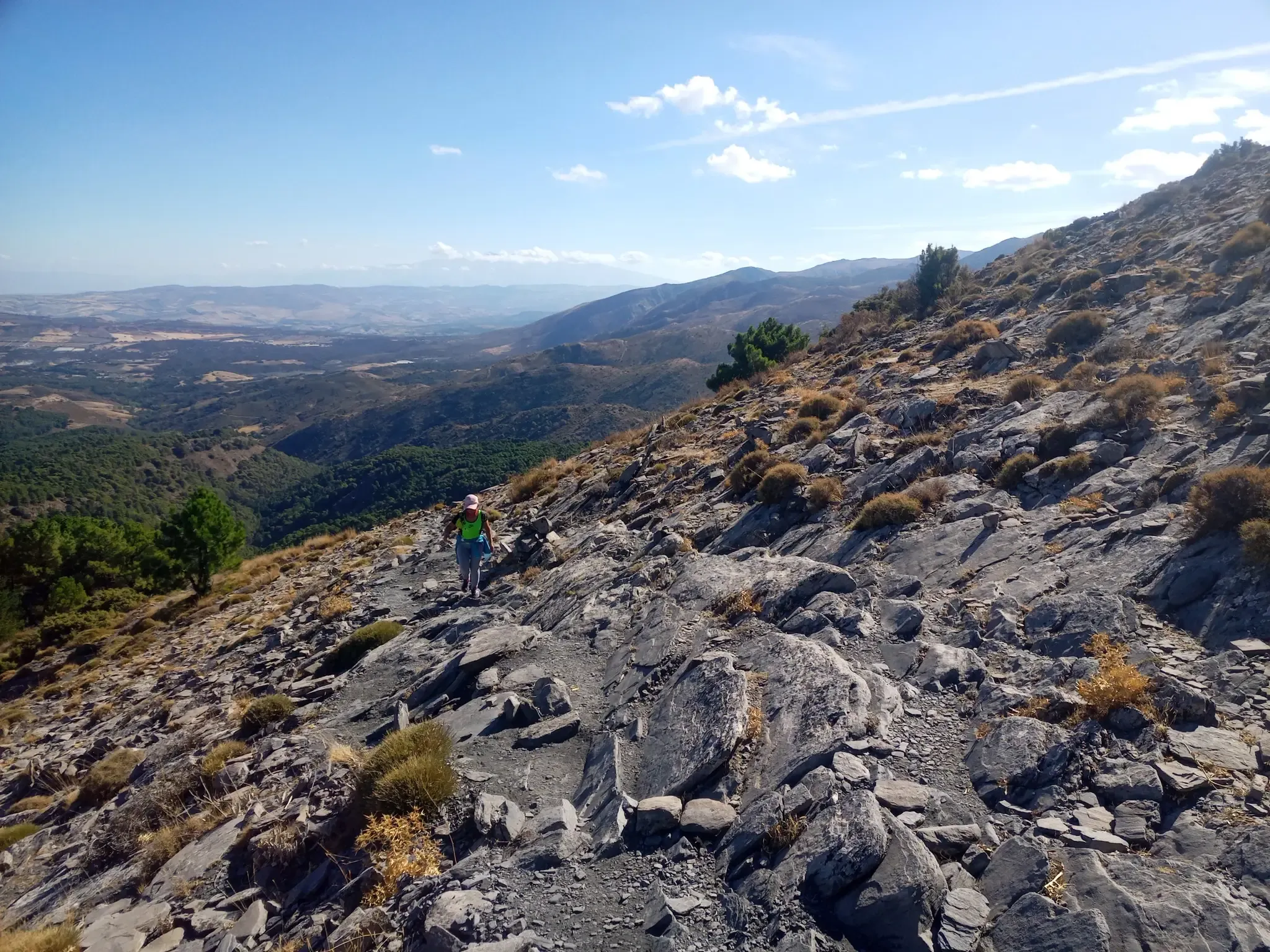
12 hiking gems throughout Spain
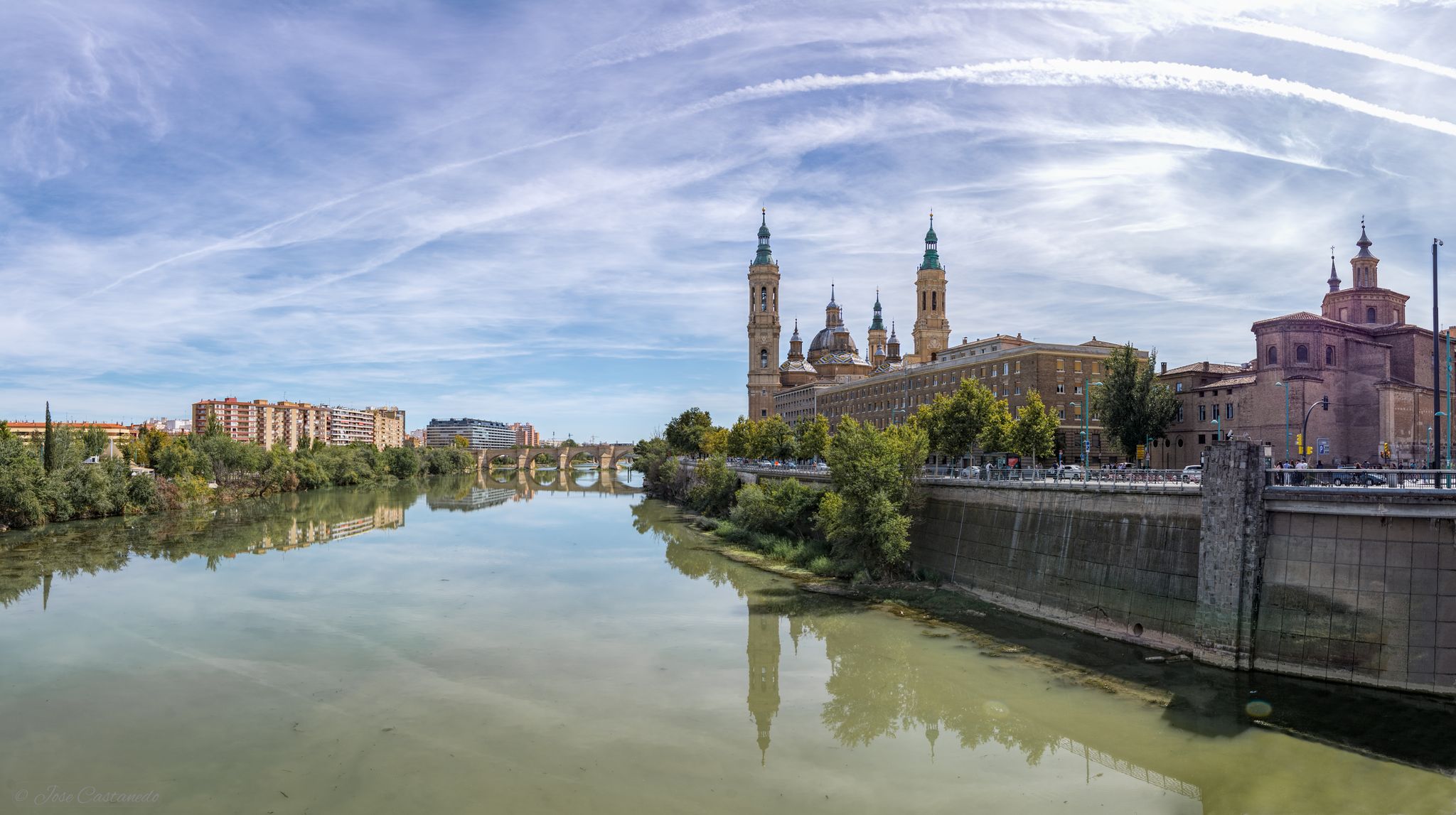
A river getaway – Ebro Natural Trail (GR 99)
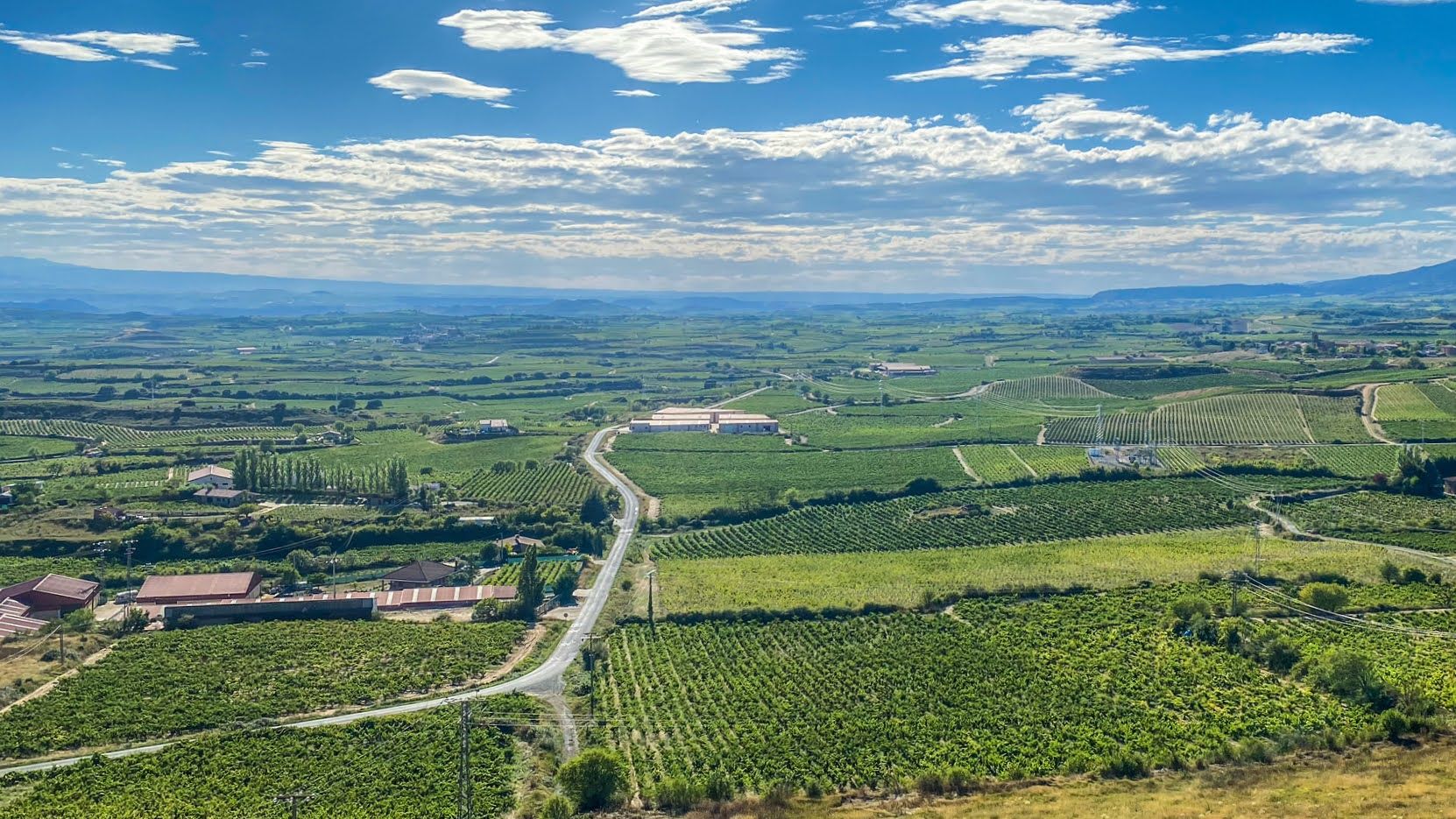
Endless asphalt between La Rioja’s vineyards – Spain’s Ruta del Vino
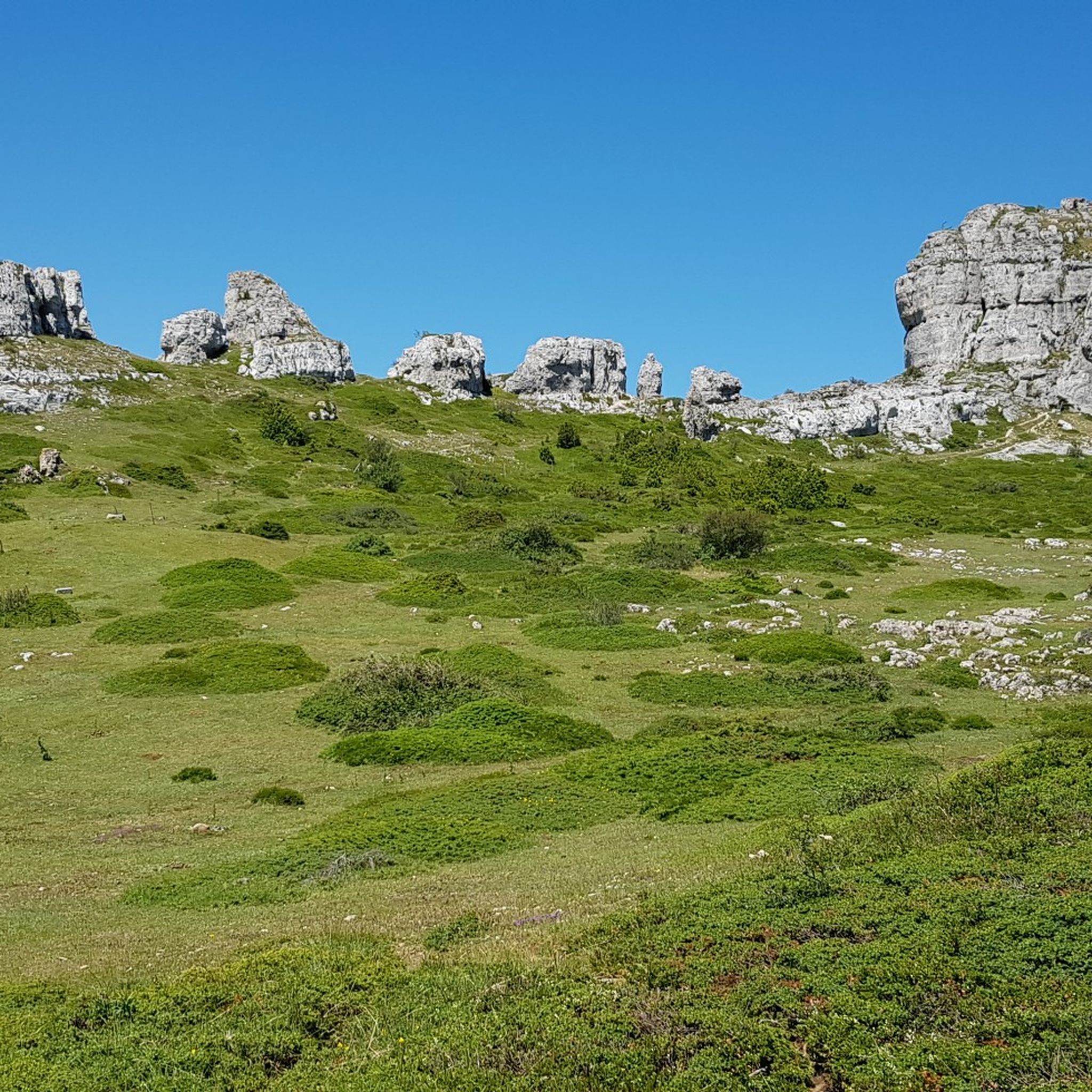
Hiking around Rioja Alavesa
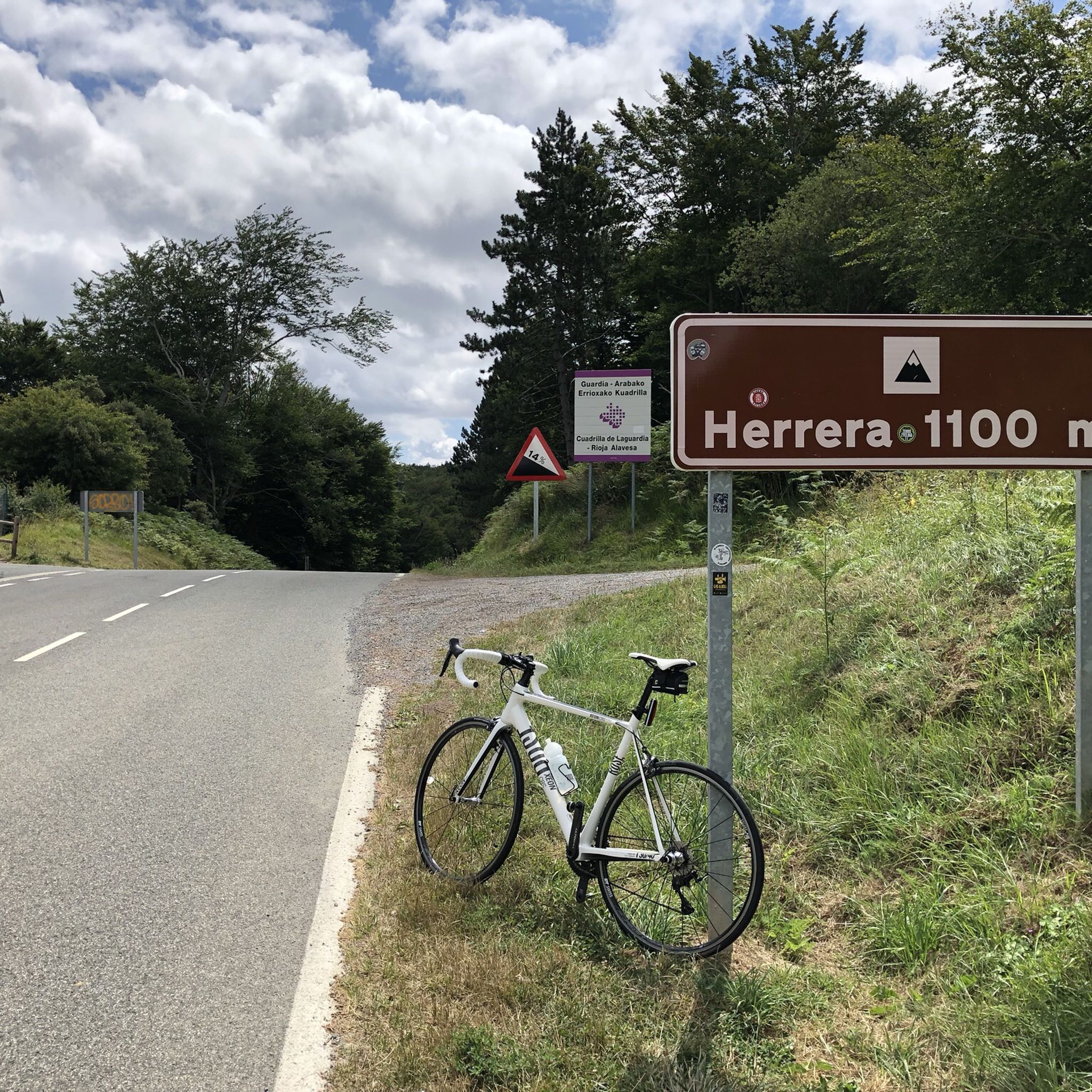
Road Cycling Routes around Rioja Alavesa
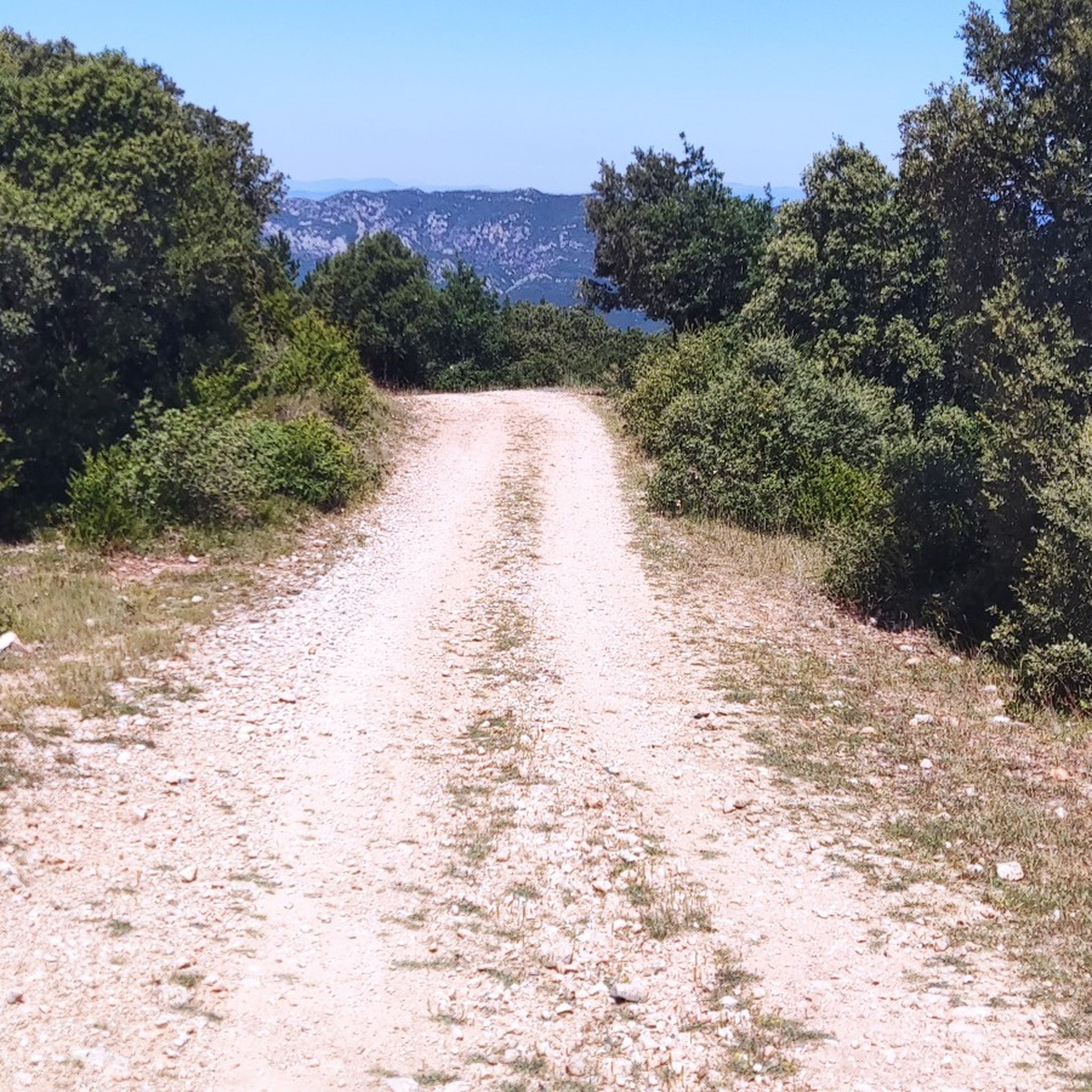
Cycling around Rioja Alavesa
MTB Trails around Rioja Alavesa
Running Trails around Rioja Alavesa
Other adventures around Rioja Alavesa


Tips from the Community

Dolmen in very good condition
0
0

Mythical place through a very fun trail from Elvillar
4
0

The lagoon is completely dried out and overgrown, and seems to have been that way for some time.
1
0

I advise reaching it from the south side, from Laguardia, in winter, and from the north side, from Lagrán, in the summer.
3
0

In the surroundings of Lapuebla de Labarca, the river has cut the land and created some beautiful cuts where all the substrates are exposed as stacked sheets.
1
0

Megalithic Tomb Monument. Discovered in 1935. It's worth the detour! Especially with the village of Elvillar in the background and the holm oak, a nice photo motif.
0
0
If you are interested in an "alpine" hike, you should definitely take the summit path from Puerto de Toro.
1
0

Summit with spectacular views but you have to earn them since to reach the highest part you have to make a small climb.
1
0
Frequently Asked Questions
What natural features define the landscape of Rioja Alavesa?
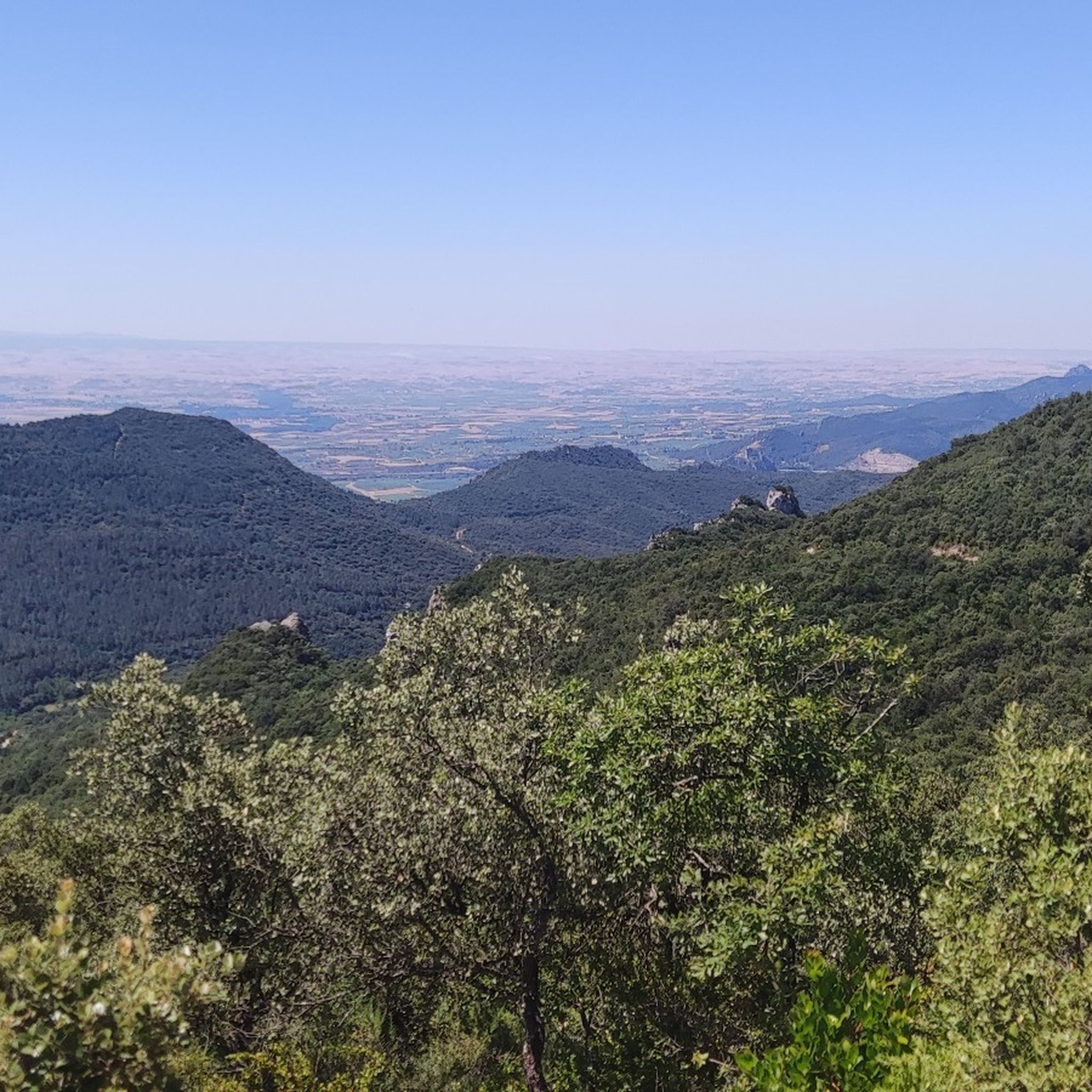
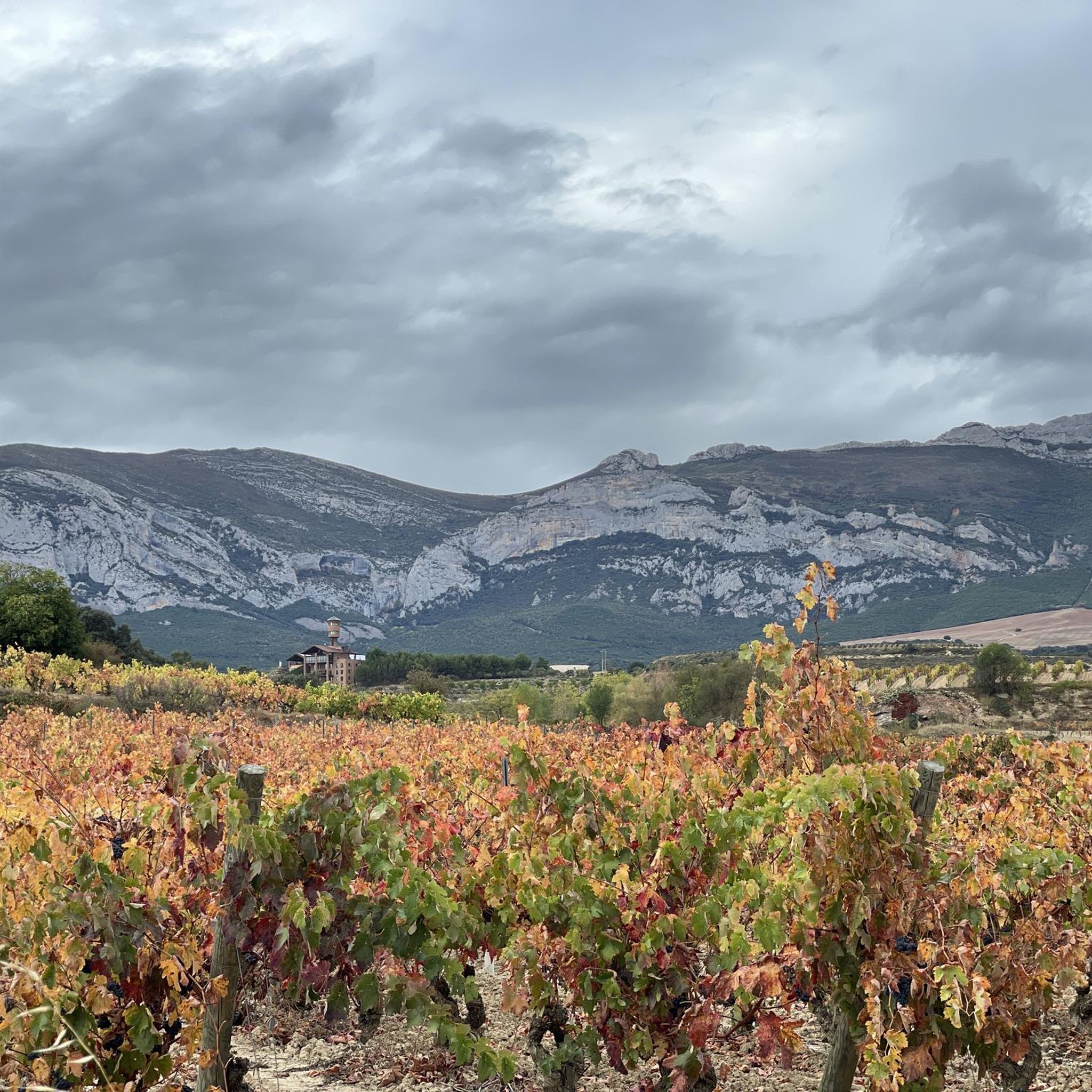
The landscape of Rioja Alavesa is dramatically shaped by the Sierra de Cantabria and Toloño mountain ranges to the north, providing a protective climate for vineyards, and the Ebro River to the south. This creates a diverse environment featuring rugged mountains, fertile river plains, and extensive vineyards that are a natural and cultural landmark in themselves.
Are there any significant lakes or water features among the natural monuments in Rioja Alavesa?
Yes, Rioja Alavesa features several notable lakes. You can visit Laguna Prao de la Paul and Laguna Carralogroño, both offering serene natural settings. Additionally, the region is influenced by the Ebro River, and you can explore features like the Cliffs of Lapuebla de Labarca, which are part of its course.
What kind of historical natural monuments can I find in Rioja Alavesa?
Rioja Alavesa is home to ancient megalithic structures that are deeply integrated into the natural landscape. The most prominent is the Dolmen of the Witch's Hut near Elvillar, one of the largest and best-preserved dolmens in the Basque Country. These sites offer a tangible link to the region's prehistoric environment and human presence.
What are some of the best viewpoints for panoramic scenery in Rioja Alavesa?
For breathtaking panoramic views, consider visiting several summits and passes. The Cruz del Castillo (1,431 m) offers extensive views in all four directions. The Puerto del Toro mountain pass, at 1,195 meters, also provides great vistas, especially if you take the summit path. The Balcony of Rioja Alavesa (Balcón de la Rioja) on the Herrera mountain pass is another popular spot for expansive views of the vineyards and surrounding landscapes.
Are there family-friendly natural monuments or activities in Rioja Alavesa?
Yes, several natural monuments are suitable for families. The lakes like Laguna Prao de la Paul and Laguna Carralogroño are generally family-friendly. The Dolmen of the Witch's Hut is also listed as family-friendly, offering an engaging historical and natural experience. For easy walks, you can explore the easy hikes around Rioja Alavesa, many of which pass through vineyards.
What outdoor activities can I do near the natural monuments in Rioja Alavesa?
The region offers a variety of outdoor activities. You can enjoy hiking, with options ranging from easy vineyard strolls to more challenging mountain trails in the Sierra de Cantabria. For specific hiking routes, explore the waterfall hikes or easy hikes around Rioja Alavesa. Mountain biking is also popular, with numerous MTB trails around Rioja Alavesa that allow you to explore the diverse terrain.
What is the best time of year to visit the natural monuments in Rioja Alavesa?
The natural monuments in Rioja Alavesa are beautiful year-round, but each season offers a different experience. Spring brings lush greenery and blooming wildflowers, while summer (before the September harvest) showcases the vineyards at their most vibrant. Autumn is spectacular with the changing colors of the vines. The protective Sierra de Cantabria creates favorable microclimates, making many outdoor activities enjoyable for much of the year.
Are there challenging hikes or climbs to natural monuments in the region?
Yes, for those seeking a challenge, Rioja Alavesa offers several demanding routes. Summits like Castle Rock and Larrasa Peak (1,454 m) require some climbing to reach the highest points, rewarding visitors with spectacular views. The Bonete de San Tirso is another steep peak known for its distinctive shape and challenging ascent.
What do visitors particularly enjoy about the natural monuments in Rioja Alavesa?
Visitors frequently praise the stunning scenery and the unique blend of nature and culture. The panoramic views from mountain summits and passes are highly appreciated. Many also enjoy the historical significance of sites like the dolmens and the opportunity to immerse themselves in the 'seas of vineyards,' which are a defining feature of the region. The diverse outdoor activities, from hiking to cycling, also contribute to a memorable experience.
Can I find information about the unique ecosystems and geology of Rioja Alavesa?
The region's unique ecosystems are a direct result of its geology and climate. The Sierra de Cantabria and Toloño ranges create ideal microclimates, while the diverse geology, influenced by the Cantabrian Range and the Ebro Basin, supports a rich variety of flora and fauna. The vineyards themselves represent a harmonious blend of human cultivation and natural environment, showcasing how the land's characteristics contribute to the quality of its renowned wines.
Are there any natural monuments that are less known but worth discovering in Rioja Alavesa?
While many visitors focus on the prominent peaks and dolmens, exploring the vast vineyard landscapes themselves can reveal hidden gems, such as ancient cave wine presses. The smaller lakes like Laguna Prao de la Paul and Laguna Carralogroño offer tranquil natural settings away from more crowded spots. Even lesser-known summits like San Cristobal can offer rewarding views and a sense of discovery.
Most popular routes around Rioja Alavesa
Most popular attractions around Rioja Alavesa

Get inspired with the komoot mobile app


Didn’t find what you were looking for?
Find even more amazing natural monuments around Rioja Alavesa by checking out the top Highlights region by region:
Explore more
Extend your search for the best caves by checking out these guides of the top ones around Rioja Alavesa:
