Top 20 Natural Monuments around Campo De Cartagena
Best natural monuments around Campo De Cartagena showcase a diverse landscape with significant ecological value. This region in Murcia, Spain, features over 18,500 hectares of protected nature, combining cultural heritage with natural beauty. The area is characterized by unique geological formations, pristine coastlines, and rich biodiversity. Visitors can explore a variety of natural spaces, from coastal parks to unique rock formations and salt flats.
Best natural monuments around Campo De Cartagena
- The most popular natural monument is Salt Flats and…
Last updated: August 16, 2026
Mud Baths at Villananitos Beach
Highlight • Beach
Translated by Google •
Tip by

Plaza de San Francisco
Highlight • Settlement
Translated by Google •
Tip by
Sign up now to discover places like this
Get recommendations on the best single tracks, peaks, & plenty of other exciting outdoor places.
Sign up for free
Marchamalo Salt Flats
Highlight • Natural Monument
At the end …
Translated by Google •
Tip by

Calblanque, Monte de las Cenizas and Peña del Águila Regional Park
Highlight • Natural Monument
Translated by Google •
Tip by

Salt Flats and Sand Dunes of San Pedro del Pinatar
Highlight • Natural Monument
Translated by Google •
Tip by

Peñas Blancas Summit
Highlight • Summit
Translated by Google •
Tip by
Peña del Águila Trail
Highlight • Trail
Translated by Google •
Tip by

El Molinete Archaeological Park
Highlight • Historical Site
Translated by Google •
Tip by
Calblanque Beach
Highlight • Beach
Translated by Google •
Tip by
Fuente del Cañar
Highlight • Natural Monument
Translated by Google •
Tip by

Sign up for free to discover even more natural monuments around Campo De Cartagena.
Sign up for free
Already have an account?
Start today with a free account
Your next adventure awaits.
Login or Signup
Popular around Campo De Cartagena
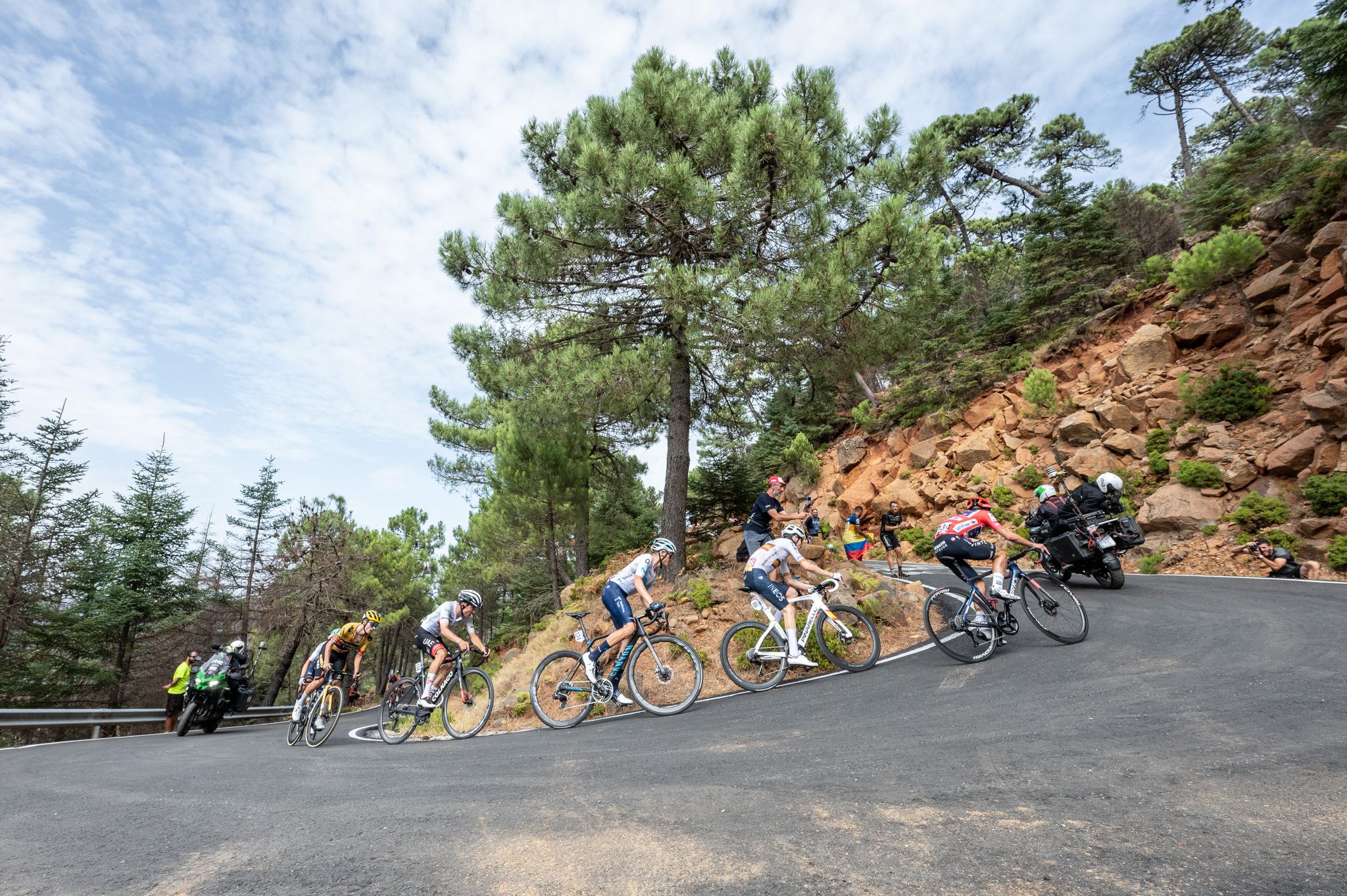
La Vuelta 26 — All Official Stages
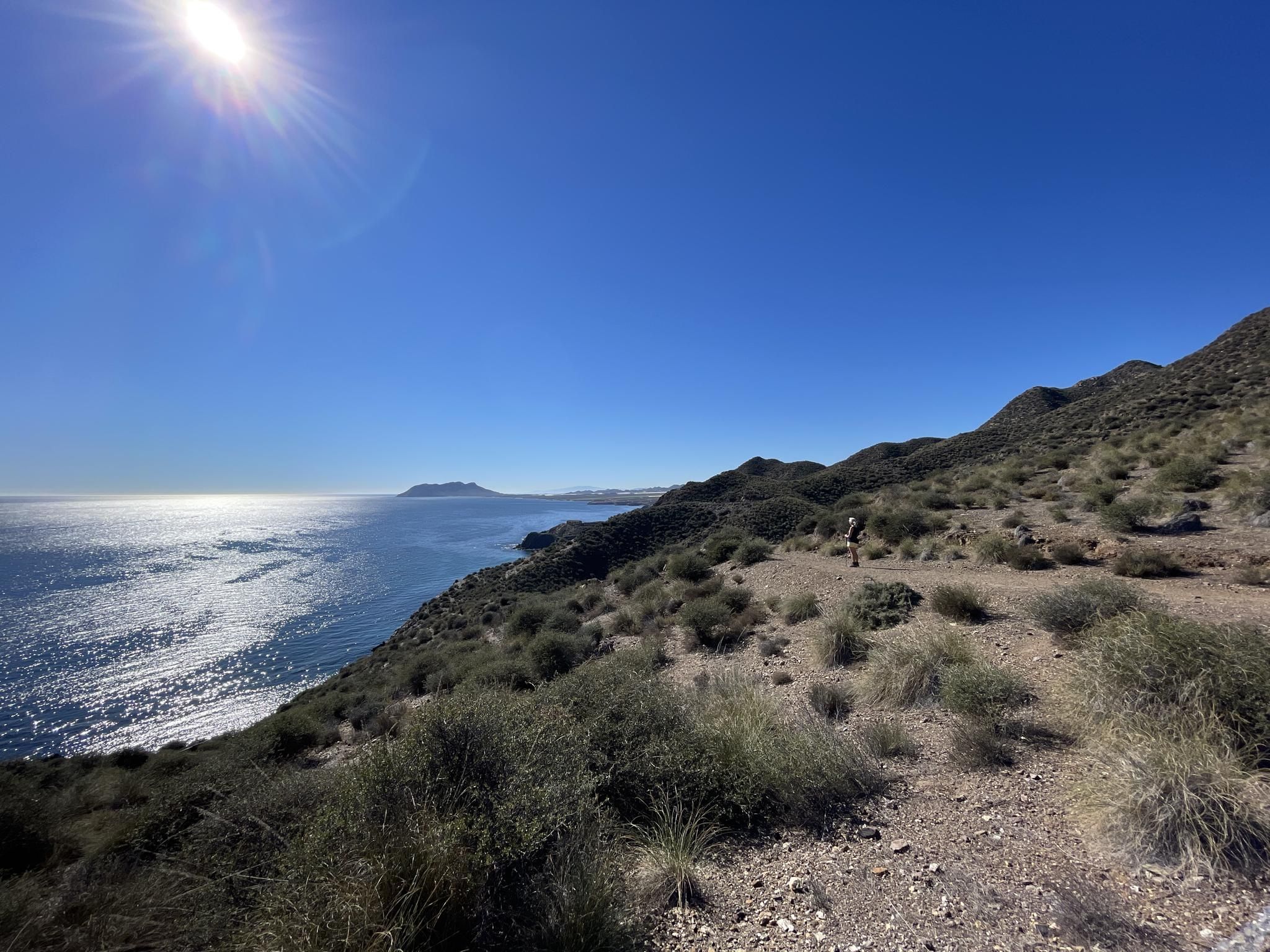
Mediterranean industry and nature – hike the GR 92 in Murcia
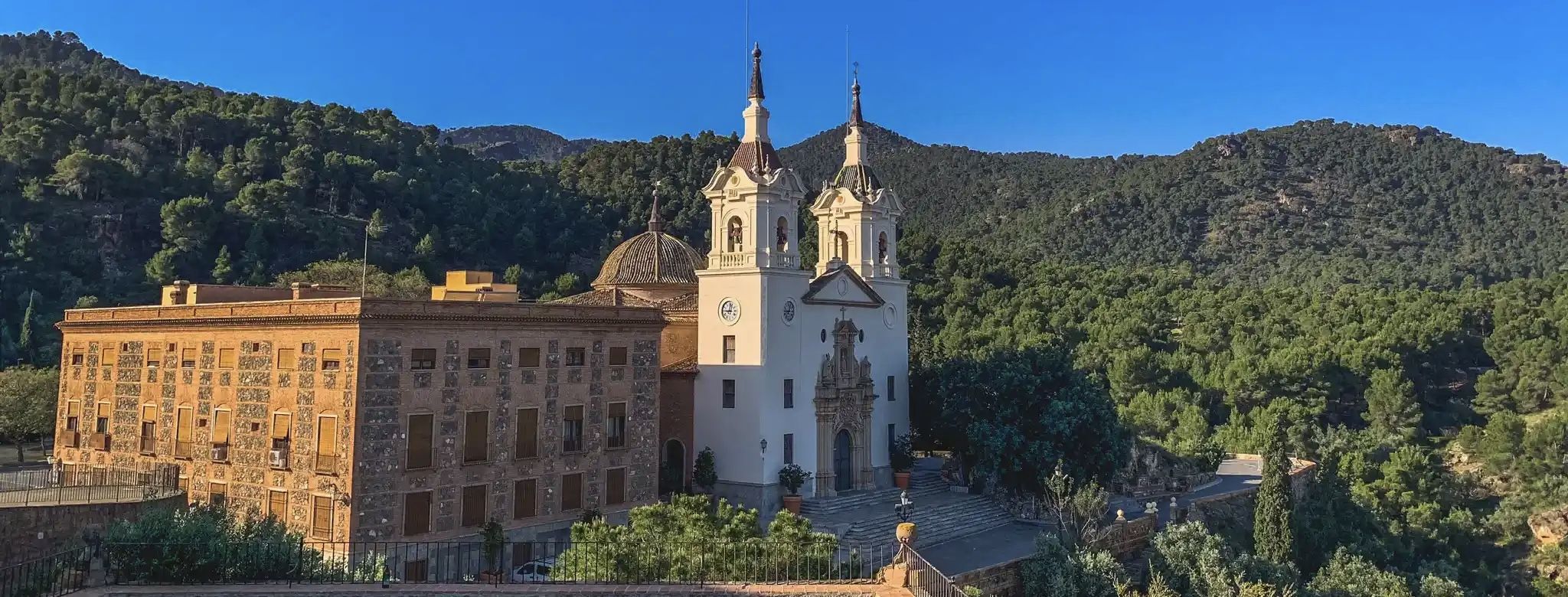
A ride through the "Huerta de Europa" – Transmurciana on MTB
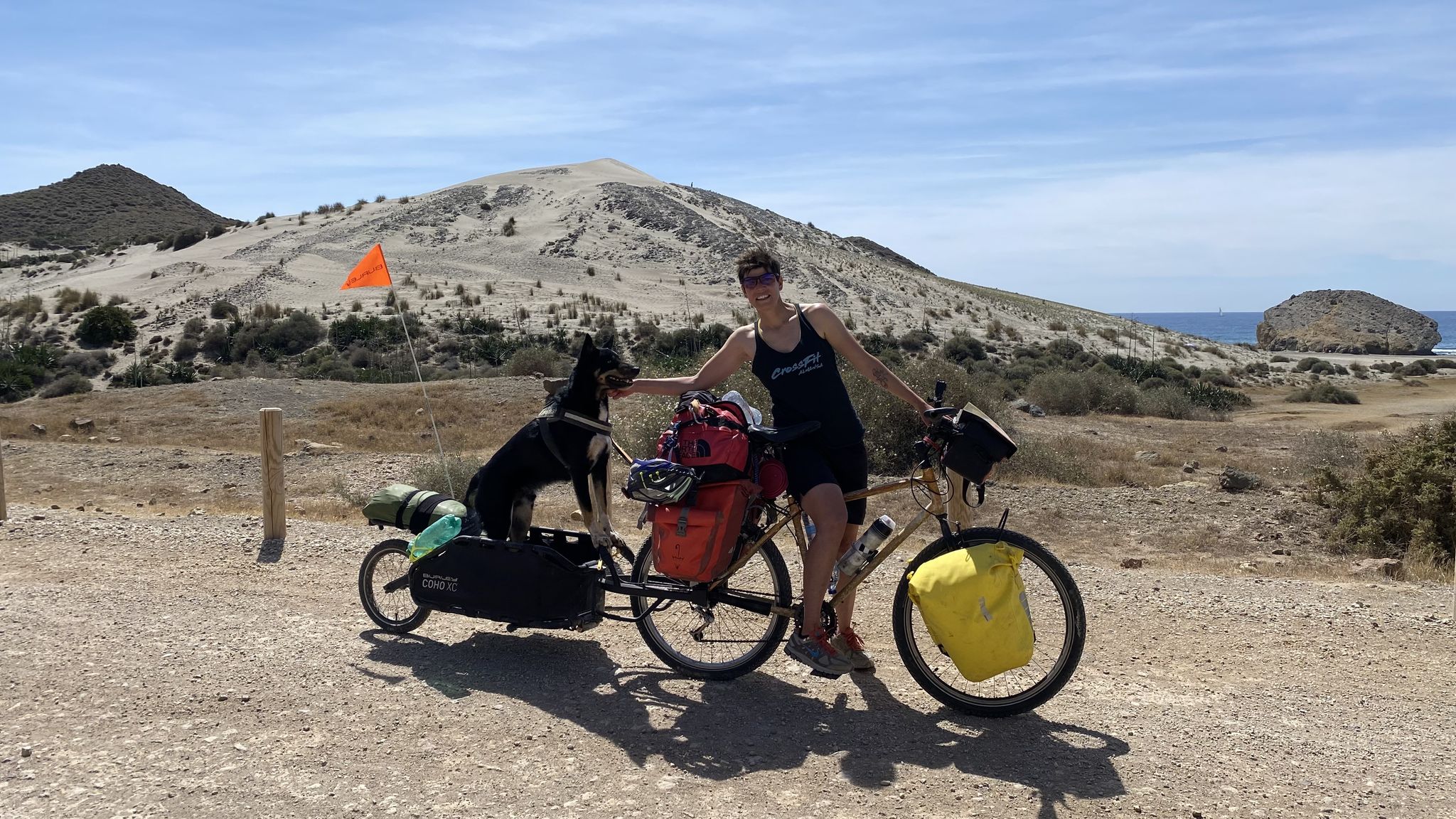
Let’s head south – cycle in Andalusia with me and my dog
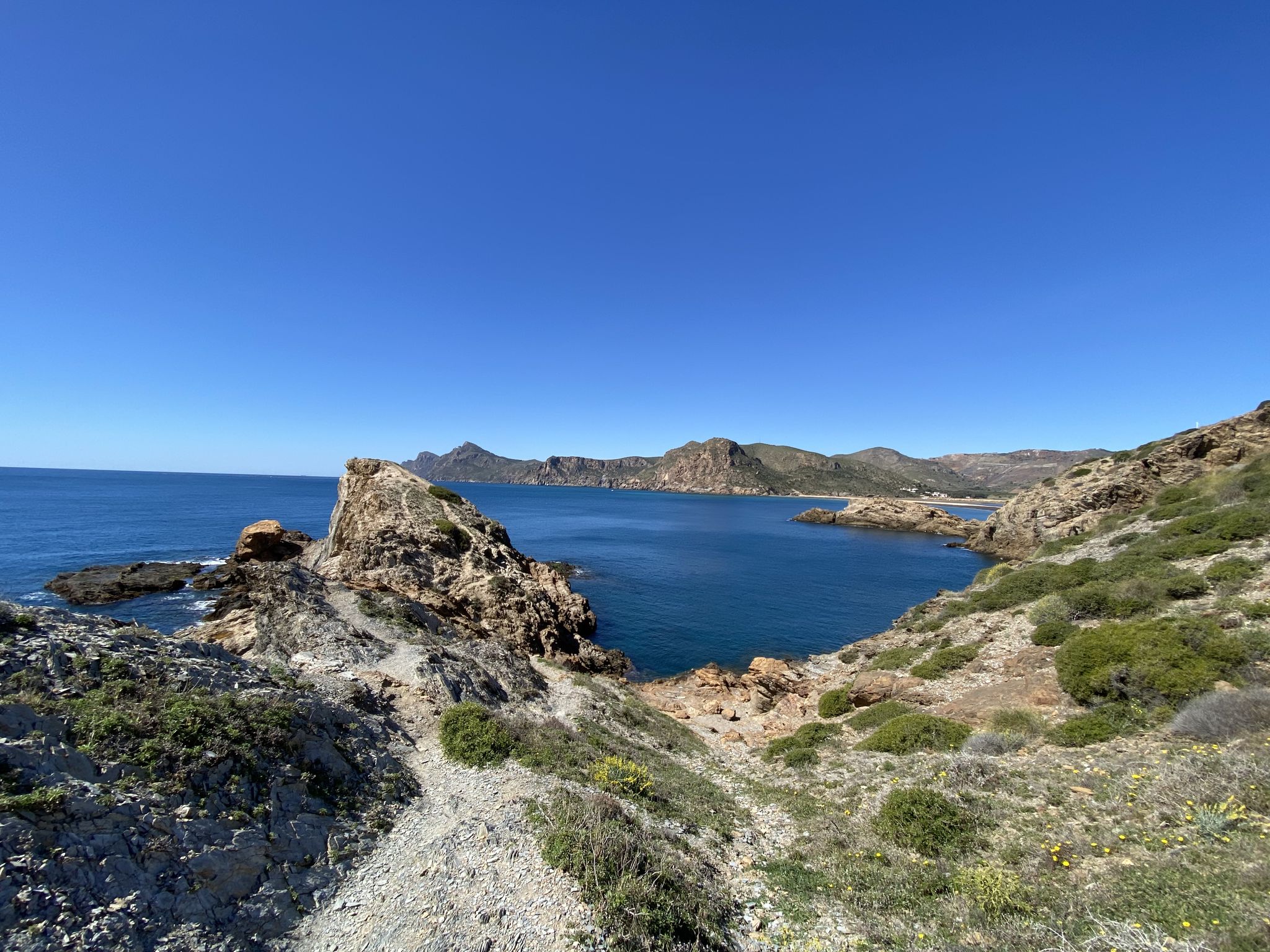
Walk among volcanoes and cliffs – Cape Palos and Calblanque
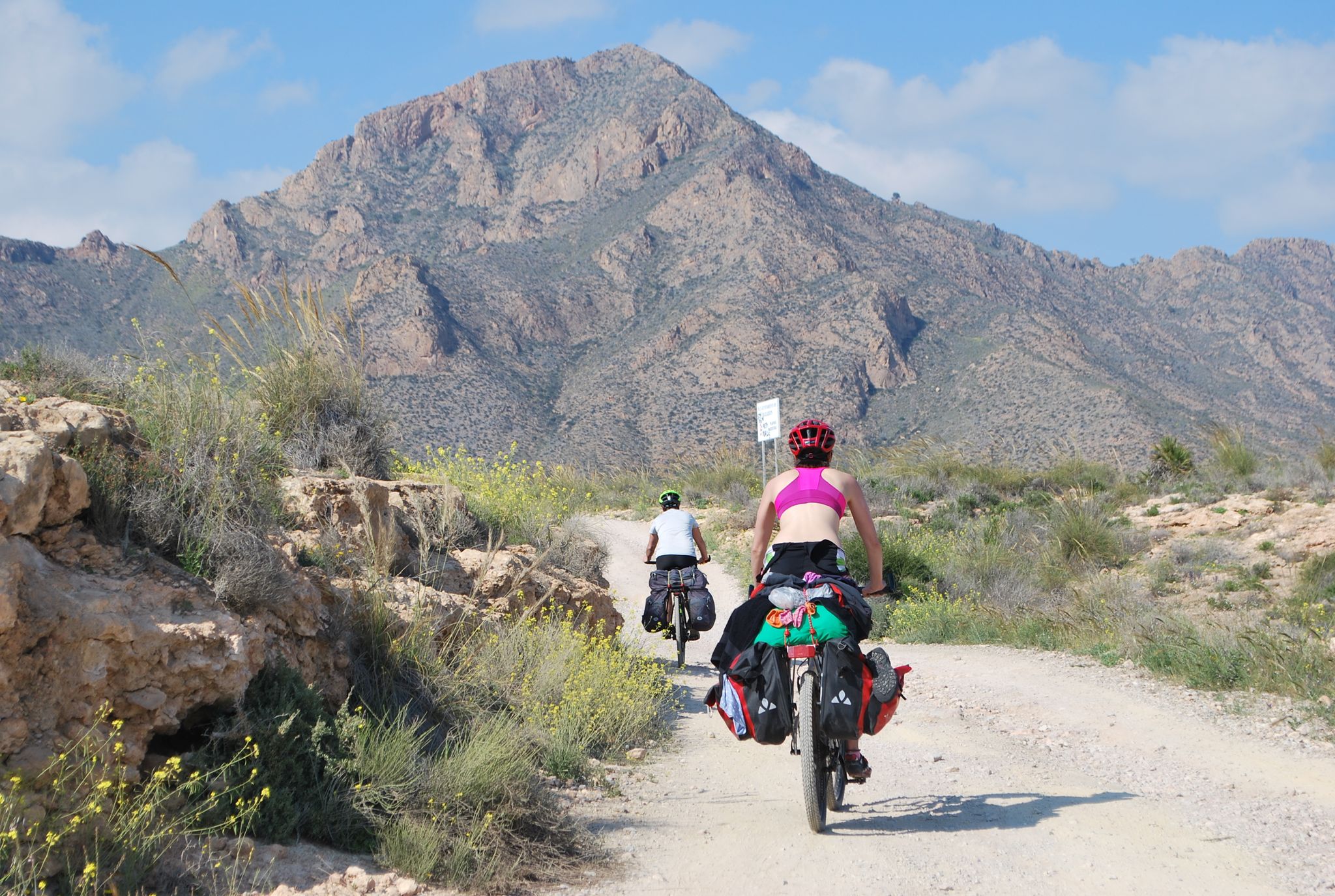
Mediterranean coastal paradise – EuroVelo 8 in Spain
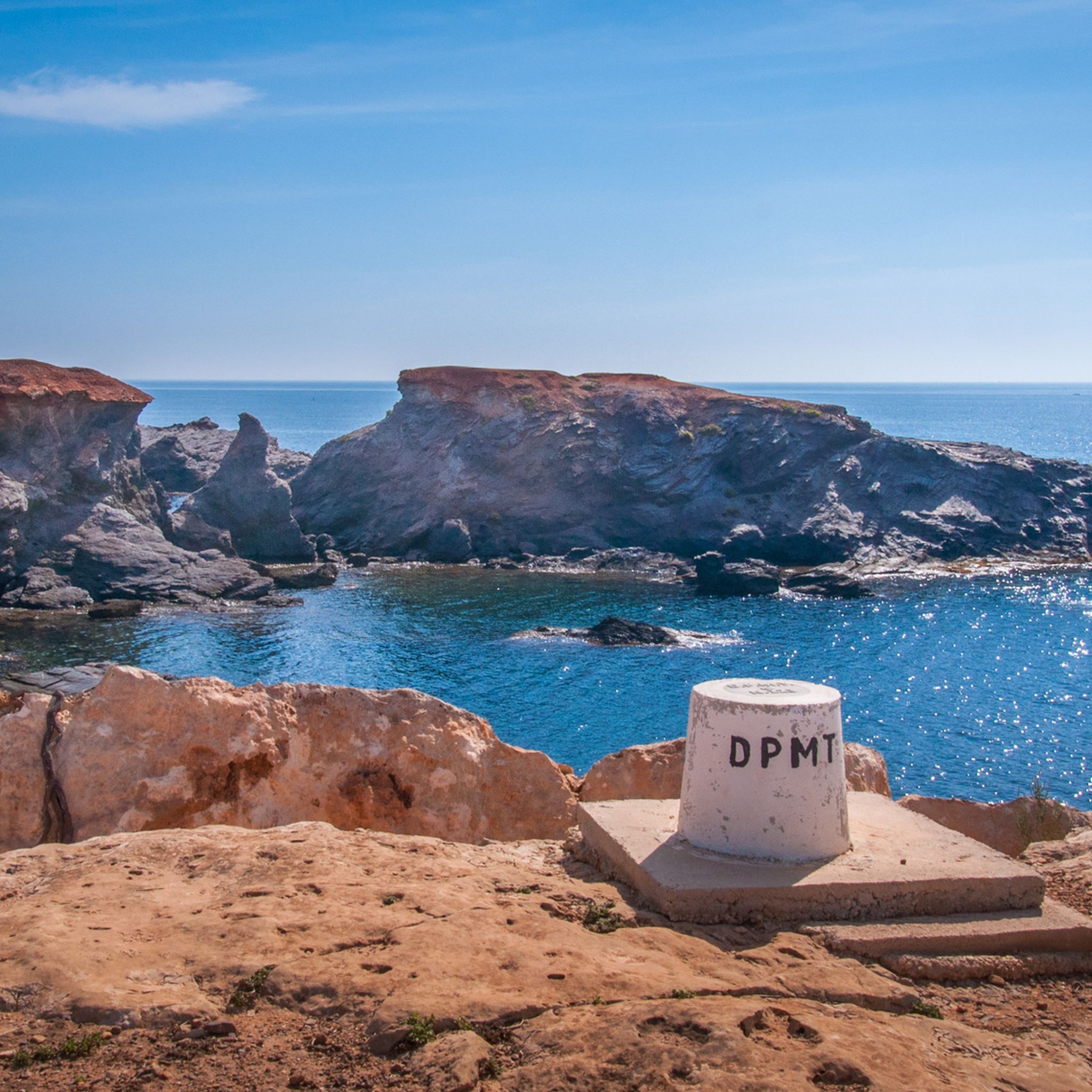
Hiking around Campo De Cartagena
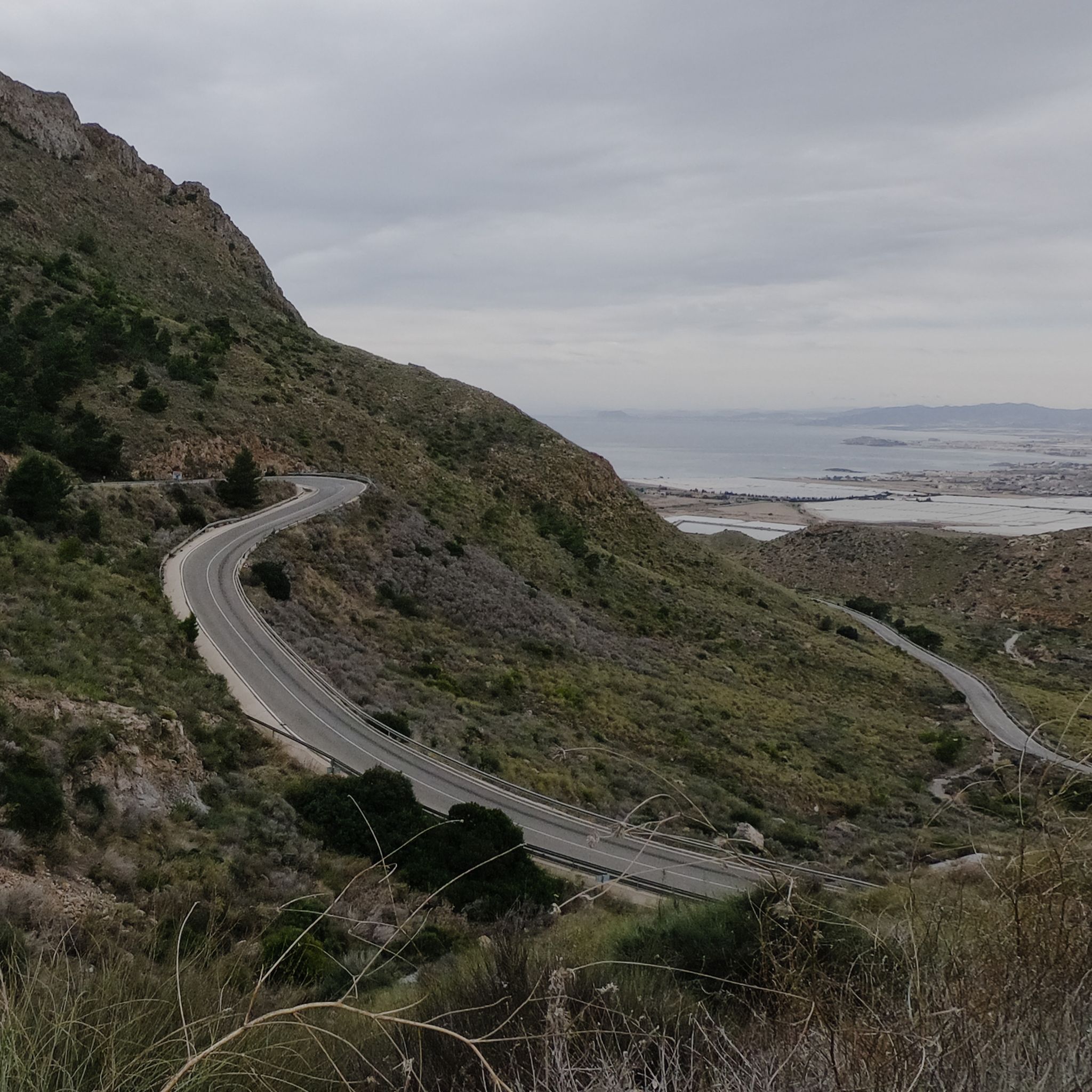
Road Cycling Routes around Campo De Cartagena
Running Trails around Campo De Cartagena
Cycling around Campo De Cartagena
Other adventures around Campo De Cartagena


Tips from the Community

The park is beautiful but also the views of the city and surroundings.
0
0
A nice square near the station. With a friendly and good terrace / cafetería
1
0


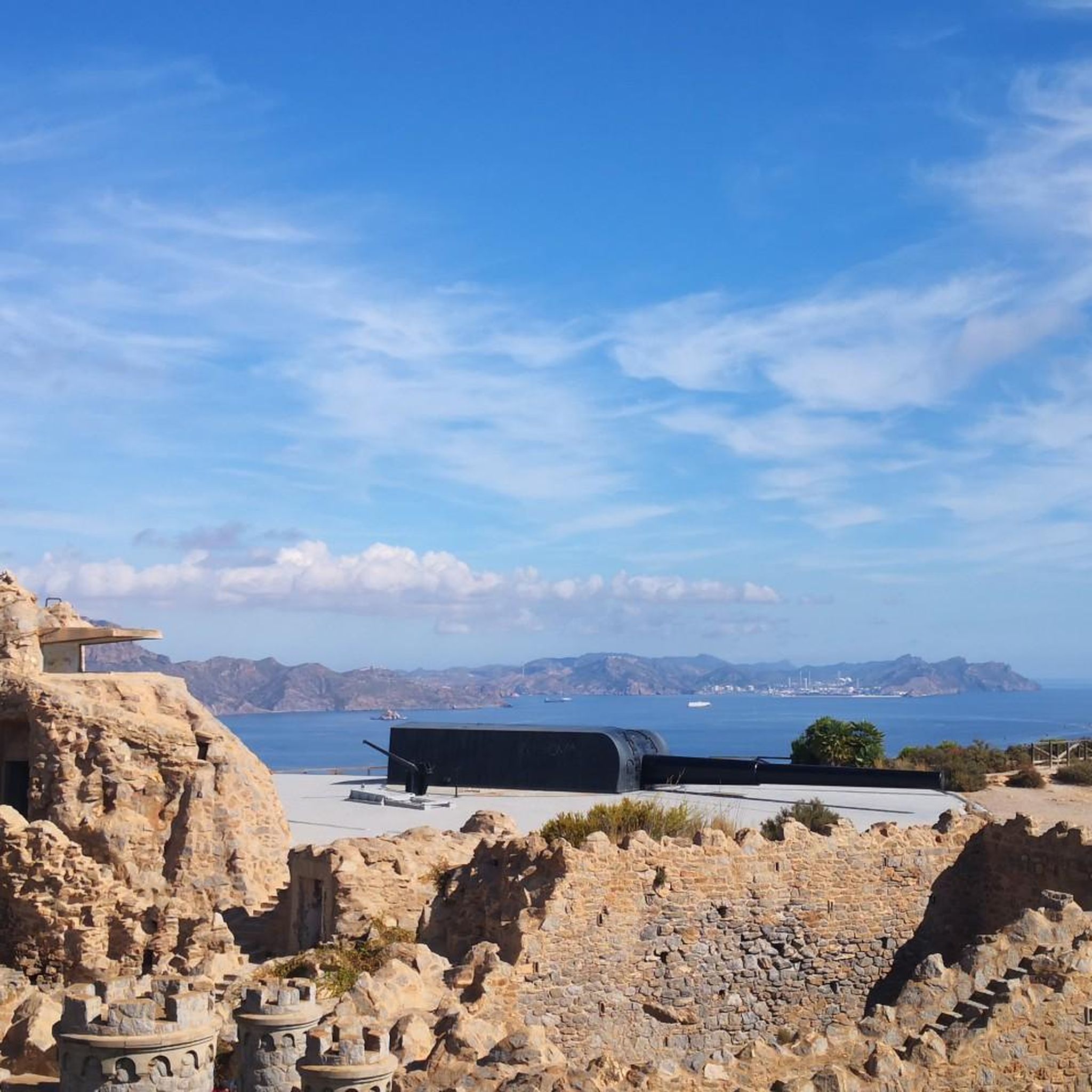
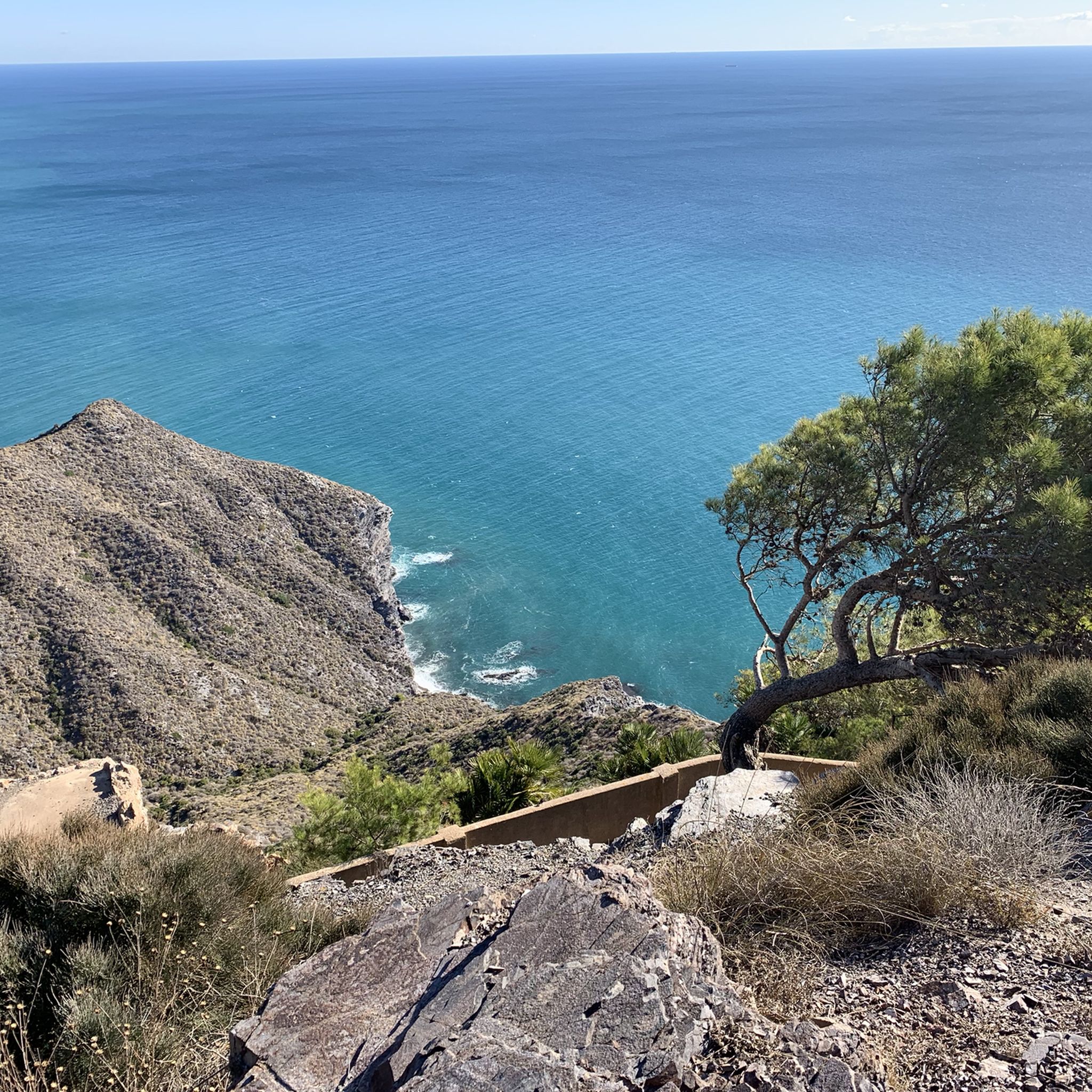
The Calblanque Regional Park is a coastal destination in the Region of Murcia, which has been a protected natural area since 1987 and a nature reserve since 1992. It covers an area of 2,400 hectares and has 13 kilometres of coastline. From the bay of Cala Reona, in Cabo de Palos, to the mining town of Portmán, you can enjoy the very well-preserved environment of Calblanque, a combination of beautiful coves, dunes, sandy areas, salt flats and cliffs. The wildlife reserve of the Parque Natural de Calblanque includes rock formations that run parallel to the sea and descend gently to the flattest area: the Salinas del Rasall. The pristine waters and the spectacular seabed, a favourite of divers, make Calblanque "a paradise at sea with the wildest, most natural side of the Murcian coastline". This nature reserve represents one of the last unspoilt areas along the Mediterranean coast. Its enormous natural wealth is based on the arid mountains, the long, ochre and golden beaches, as well as the solitary coves, the formation of the fossil dunes, the white salt lakes and the mountain ranges, which contrast with the blue sea. There are no facilities here (apart from a few toilets in the visitor centre) so don't forget to pack a picnic! To access the Calblanque Regional Park, take the motorway to La Manga, exit 10 and be ready to enjoy this Murcian gem.
0
0

The mud of the ponds is the result of centuries of action of the sun and the very salty water of the Mar Menor. The result is a mud that, when applied to the skin, has great therapeutic value for all types of ailments: rheumatism, arthritis, gout, skin pathologies, rehabilitation after fractures, throat, etc. The ideal complement to the treatment is to take a bath in the mineralized water of the Mar Menor.
4
0

Playa Calblanque is part of the Calblanque, Monte de las Cenizas y Peña del Águila Natural Park. This beach offers natural beauty, with fine, golden sand and crystal clear waters. The surrounding area is characterized by impressive cliffs, dunes and a diverse flora and fauna. There are numerous paths in the area that allow you to reach the beach and explore the impressive landscape.
0
0

Outdoor mud therapy area. The mud of the Salinas is characterized by long exposure to the sun and the salty water from the Mar Menor. The result is a clay mud that is applied to the skin and is said to have great therapeutic value for all kinds of ailments. Rheumatism and arthritis are among them. In addition, on the opposite side you can take a bath in the mineralized water of the Mar Menor. There are thalassotherapy and spa centers in the area.
1
0

Go early morning it heats up in the afternoon and walkers increase.
1
0
Frequently Asked Questions
What unique natural features can I explore in Campo de Cartagena?
Campo de Cartagena offers a diverse range of natural features. You can discover unique geological formations like the Marchamalo Salt Flats, which also have a rich history of salt production. The region is also known for its pristine coastlines, including the extensive Calblanque, Monte de las Cenizas and Peña del Águila Regional Park, featuring dunes, sandy areas, and cliffs.
Are there family-friendly natural monuments to visit in the area?
Yes, several natural monuments in Campo de Cartagena are suitable for families. The Salt Flats and Sand Dunes of San Pedro del Pinatar offer easy routes for cycling or hiking. Calblanque Beach is another family-friendly option, known for its clean, accessible public beach.
What kind of wildlife can I expect to see in Campo de Cartagena's natural areas?
The natural monuments in Campo de Cartagena are rich in biodiversity. At the Marchamalo Salt Flats, you can spot native birds and the fartet, an endemic fish. The Parque Regional de Calblanque is home to significant flora and fauna, including the Spanish tooth carp. The Sierra de la Muela, Cabo Tiñoso y Roldán Nature Reserve is a Special Protection Area for birds like the peregrine falcon and eagle-owl.
Are there any historical or cultural sites integrated with the natural monuments?
Yes, the region blends natural beauty with cultural heritage. The Marchamalo Salt Flats showcase old salt-era constructions, reflecting its past as a significant salt production area. Additionally, the El Molinete Archaeological Park offers a historical perspective alongside natural views.
What outdoor activities can I do near the natural monuments?
Campo de Cartagena offers various outdoor activities. You can find numerous routes for mountain biking, running, and road cycling. For example, explore the region's natural beauty on MTB trails, enjoy scenic running routes, or take a road cycling tour through areas like the Calblanque Park.
Are there easy walking routes available at the natural monuments?
Yes, there are several easy walking options. The path around the Salt Flats and Sand Dunes of San Pedro del Pinatar is a wonderful route without difficulty, ideal for enjoying the views and sea air. The coastal path near the Mud Baths at Villananitos Beach is also easy to navigate.
What is the best time of year to visit the natural monuments in Campo de Cartagena?
The Campo de Cartagena region, with its arid mountains and coastal areas, is generally pleasant to visit outside of the peak summer heat. Spring and autumn offer mild temperatures, making them ideal for hiking, cycling, and exploring the natural landscapes without extreme heat.
Are there any natural monuments with good viewpoints?
Many natural monuments in the region offer excellent viewpoints. Peñas Blancas Summit provides panoramic views. The Peña del Águila Trail, located within the Calblanque Regional Park, also offers scenic vistas of the surrounding natural beauty.
Can I find wheelchair-accessible paths at any of the natural monuments?
Yes, some areas offer improved accessibility. The Mud Baths at Villananitos Beach have a bike path along the coast that enhances accessibility to the area. Additionally, Plaza de San Francisco, while a settlement, is integrated into the pedestrian area of Cartagena and is wheelchair accessible.
What do visitors enjoy most about the natural monuments in Campo de Cartagena?
Visitors frequently praise the pristine and wild nature of the region. The spectacular seabed and untouched coastline of Calblanque are often highlighted as a 'paradise at sea.' The unique rock formations of Las Gredas de Bolnuevo are also noted for their visually striking appearance, often described as 'mushrooms,' making them an enchanting place to visit.
Are there any specific natural monuments known for their geological formations?
Absolutely. The Calblanque, Monte de las Cenizas and Peña del Águila Regional Park features fossilized dune formations. Another prominent example is Las Gredas de Bolnuevo, famous for its unique sandstone formations sculpted by wind and water erosion, creating distinctive profiles.
Most popular routes around Campo De Cartagena
Most popular attractions around Campo De Cartagena

Get inspired with the komoot mobile app


Didn’t find what you were looking for?
Find even more amazing natural monuments around Campo De Cartagena by checking out the top Highlights region by region:
Explore more
Extend your search for the best caves by checking out these guides of the top ones around Campo De Cartagena:
