Top 12 Natural Monuments around Os Ancares
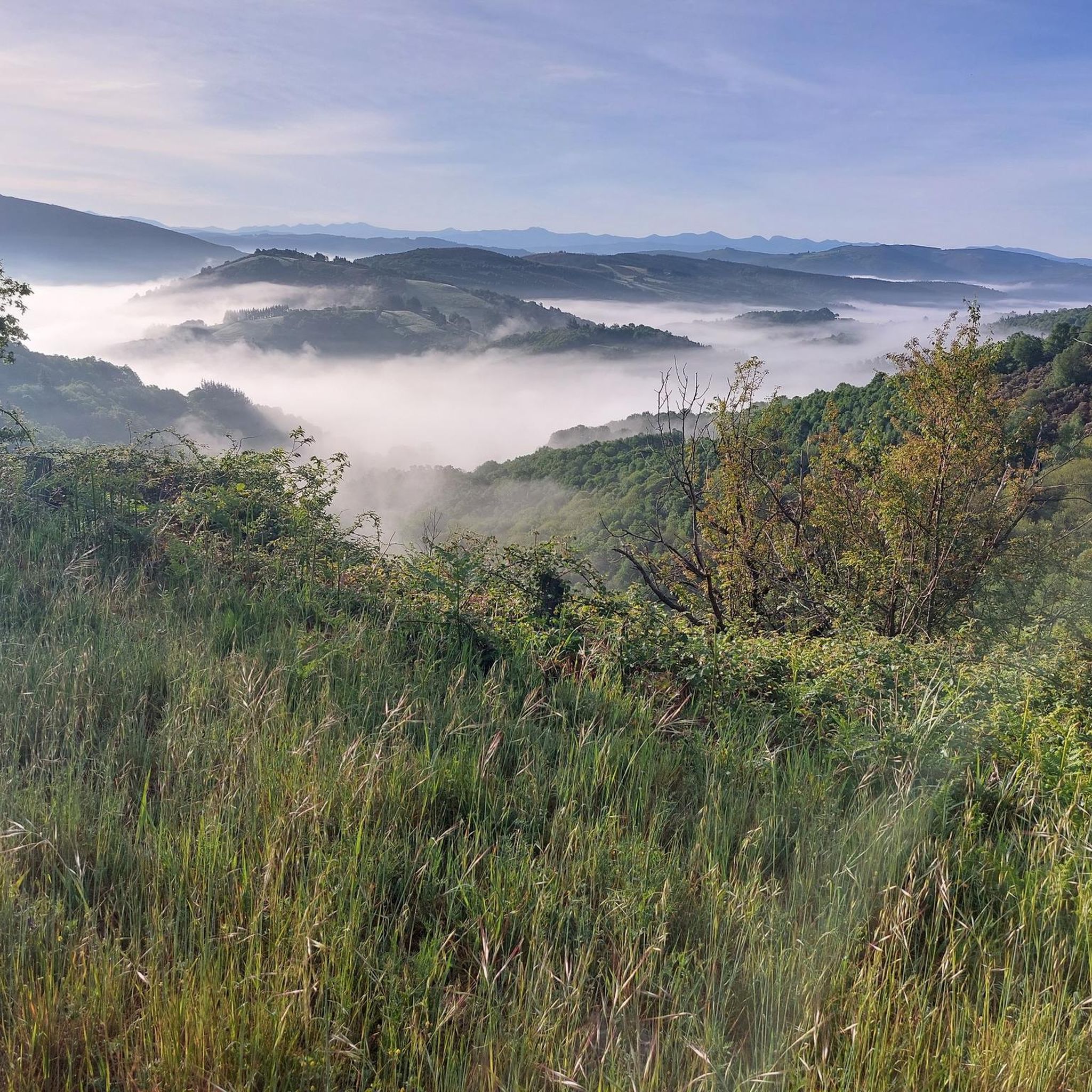
Natural monuments around Os Ancares showcase a mountainous region in northwestern Spain, recognized as a UNESCO Biosphere Reserve. This area is characterized by mountains sculpted by glacial and fluvial morphology, deep valleys, and diverse vegetation. It serves as a crucial habitat for various wildlife, including endangered species. The region's ecological significance and impressive landscapes make it a notable destination for nature exploration.
Best natural monuments around Os Ancares
- The most popular natural monument is Ancient Chestnut Tree in Ramil,…
Last updated: May 9, 2026
Ancient Chestnut Tree in Ramil
Highlight • Natural Monument
Translated by Google •
Tip by

Montouto Hospital and Dolmen
Highlight • Historical Site
Translated by Google •
Tip by

Sign up now to discover places like this
Get recommendations on the best single tracks, peaks, & plenty of other exciting outdoor places.
Sign up for free
Pico dos Tres Bispos
Highlight • Summit
Translated by Google •
Tip by

The three peaks of Cebreiro
Highlight (Segment) • Mountain Pass
In the …
Translated by Google •
Tip by

Pico Mostallar
Highlight • Summit
Translated by Google •
Tip by
Os Grobos Forest
Highlight • Forest
It …
Translated by Google •
Tip by
Seimeira de Vilagocende Waterfall
Highlight • Waterfall
Translated by Google •
Tip by

Stone Bridge Over the Neira River at Os Mazos
Highlight • Bridge
Translated by Google •
Tip by

Pedras Apañadas Summit
Highlight (Segment) • Summit
Translated by Google •
Tip by
Queixoiro Waterfalls
Highlight • Waterfall
Translated by Google •
Tip by
Sign up for free to discover even more natural monuments around Os Ancares.
Sign up for free
Already have an account?
Start today with a free account
Your next adventure awaits.
Login or Signup
Popular around Os Ancares
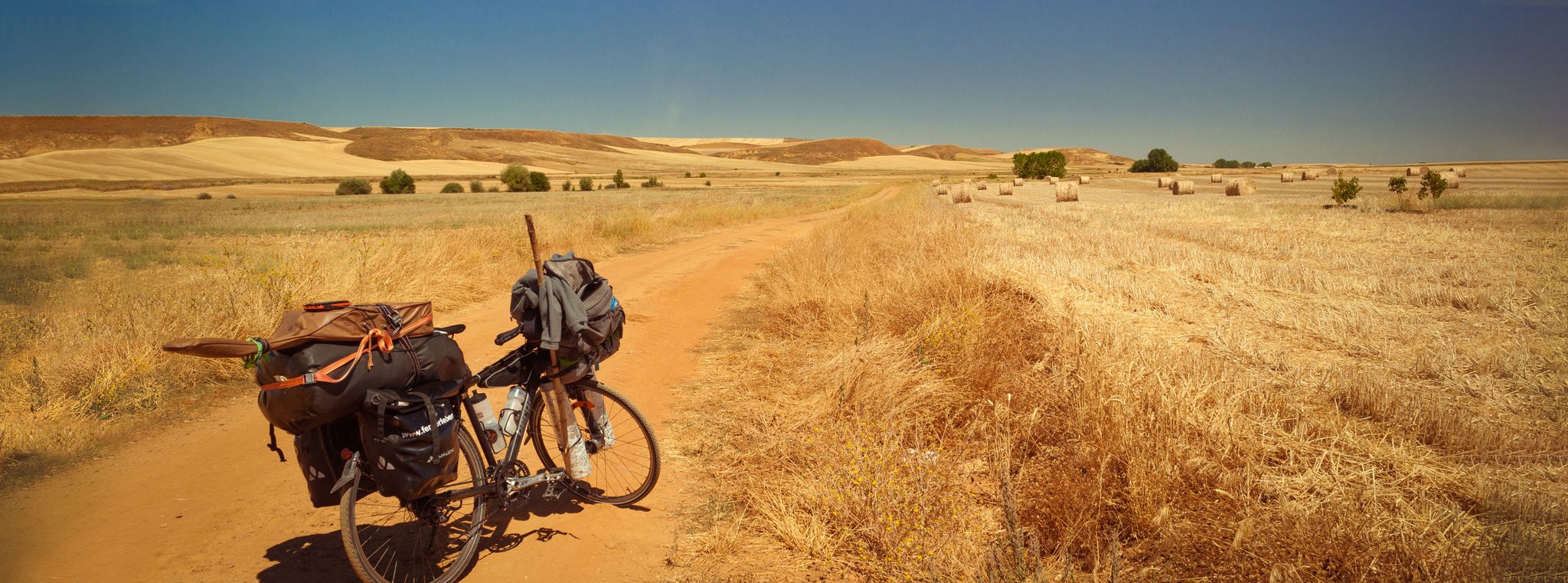
Camino Francés and Camino Finisterre – Cycling pilgrimages in Spain
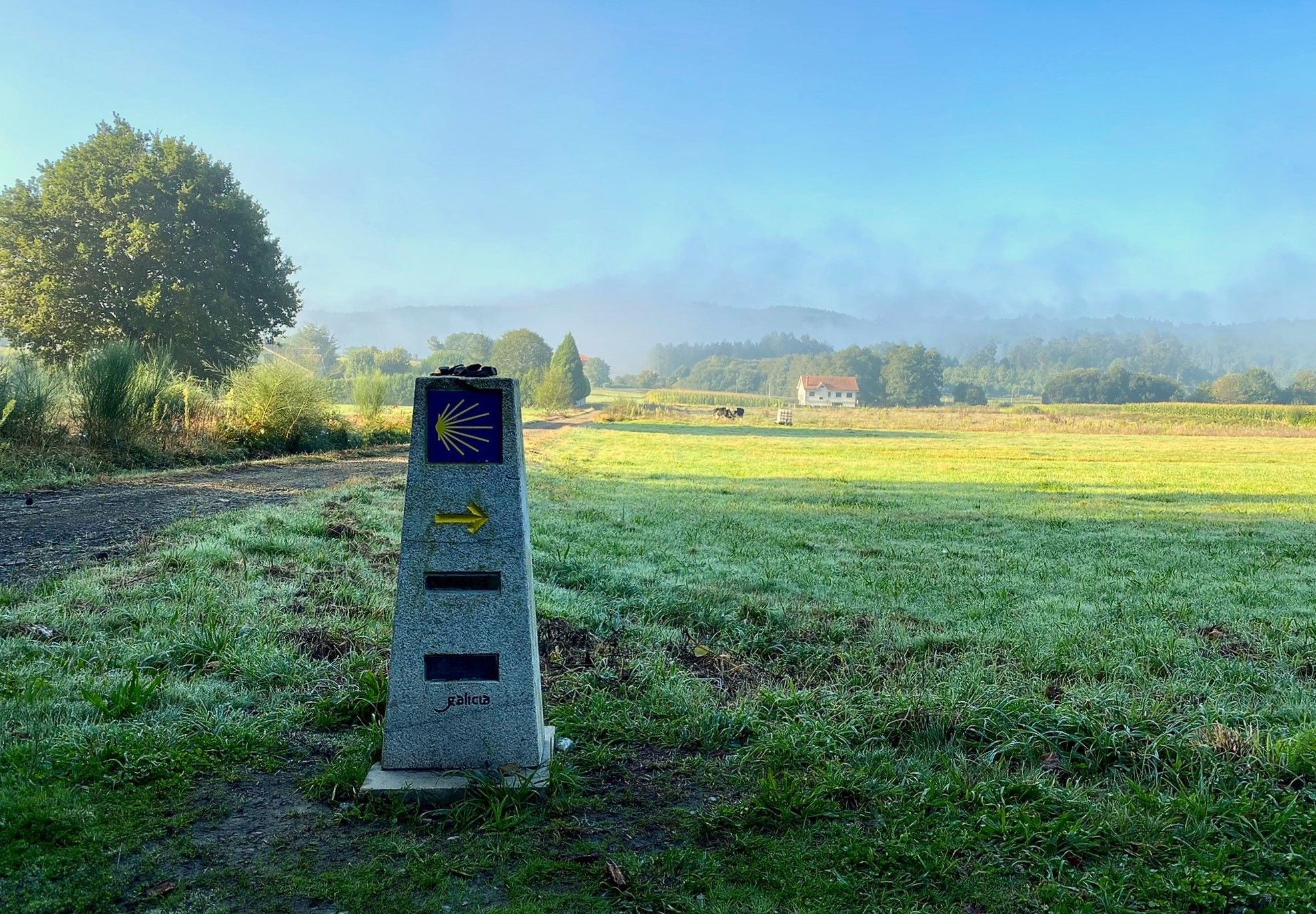
A pilgrimage on foot – Spain’s Primitive Way
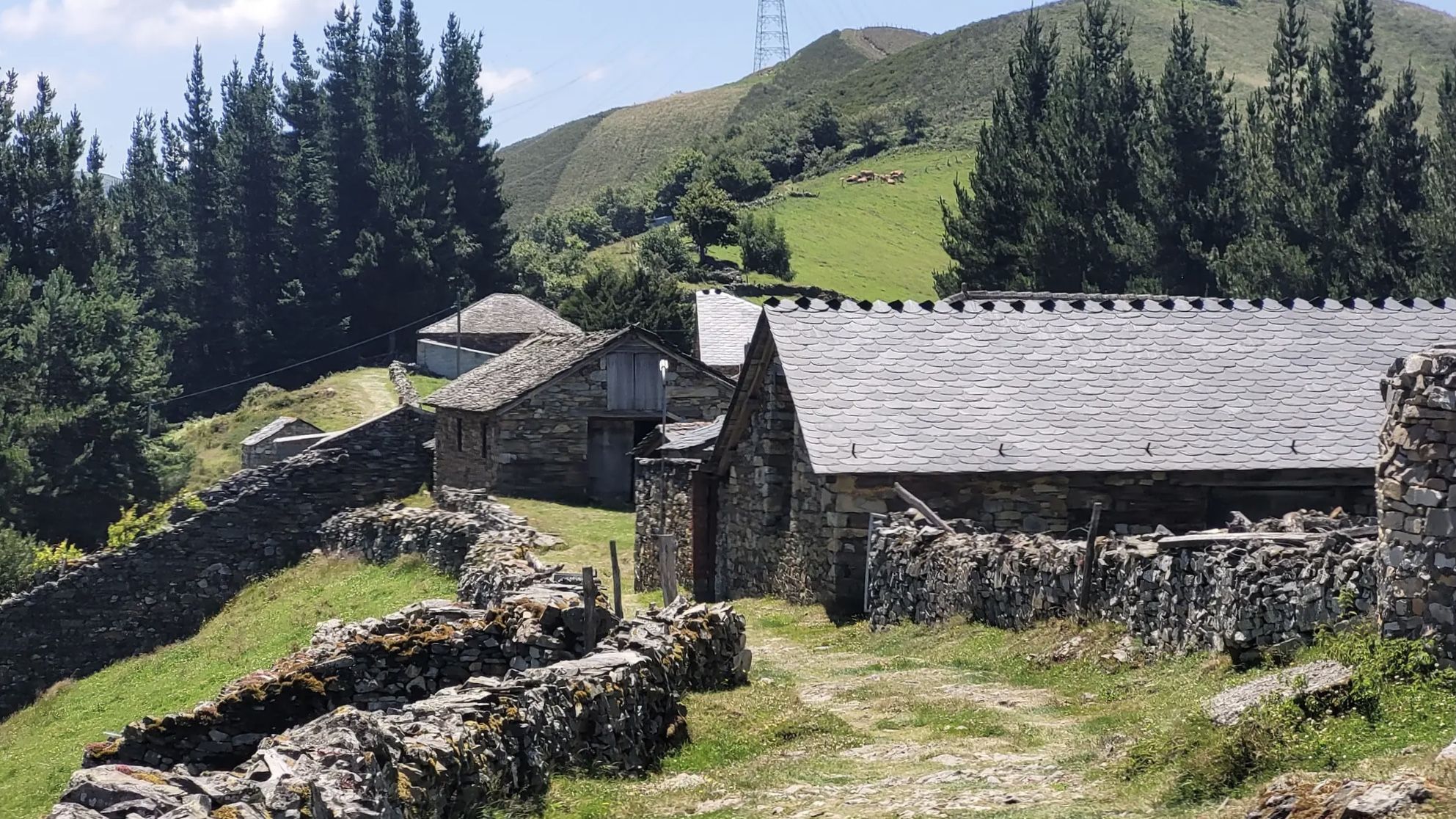
The Camino Primitivo — From Oviedo to Santiago through history
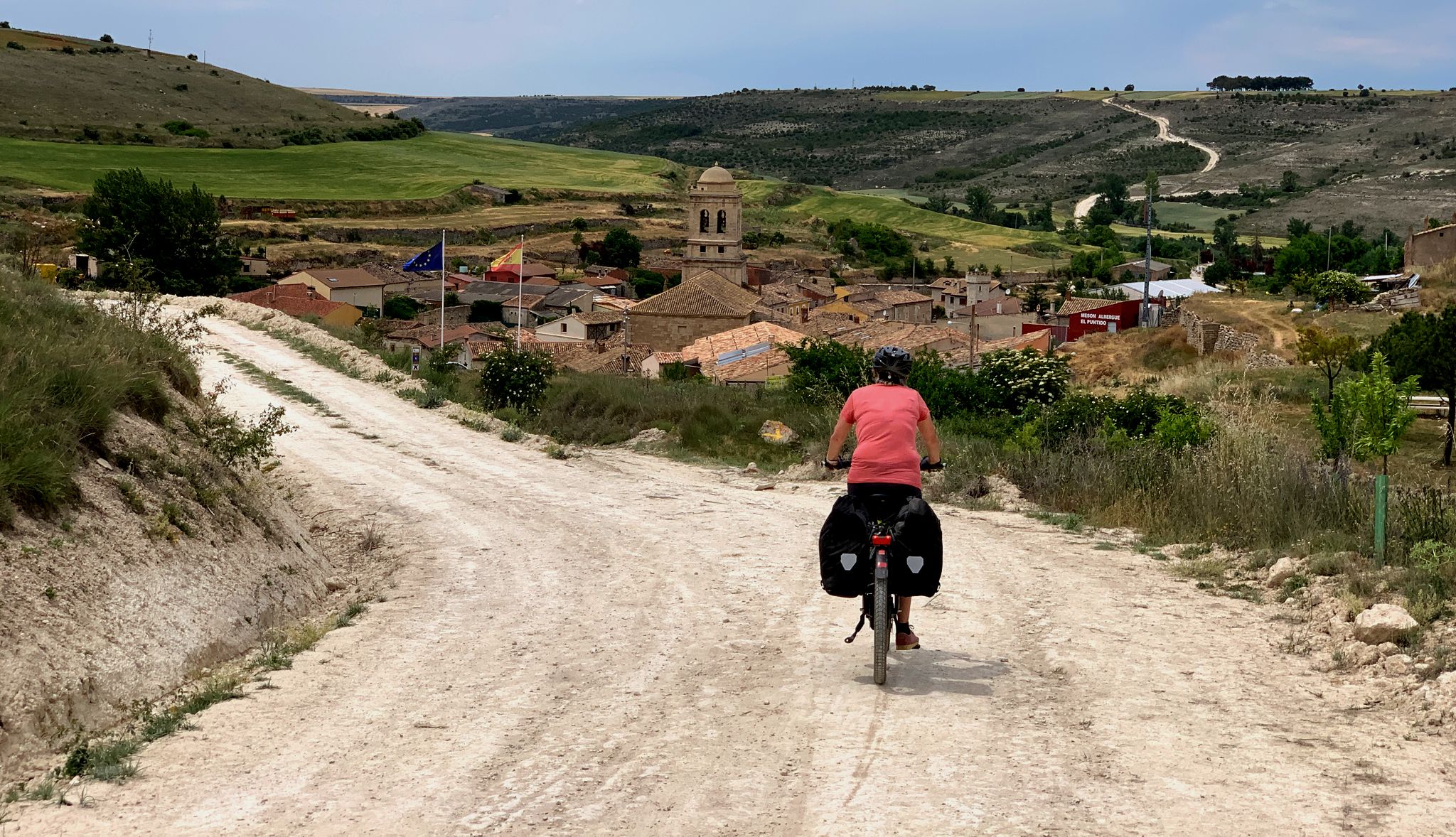
The Pilgrim Route — EuroVelo 3 through Spain
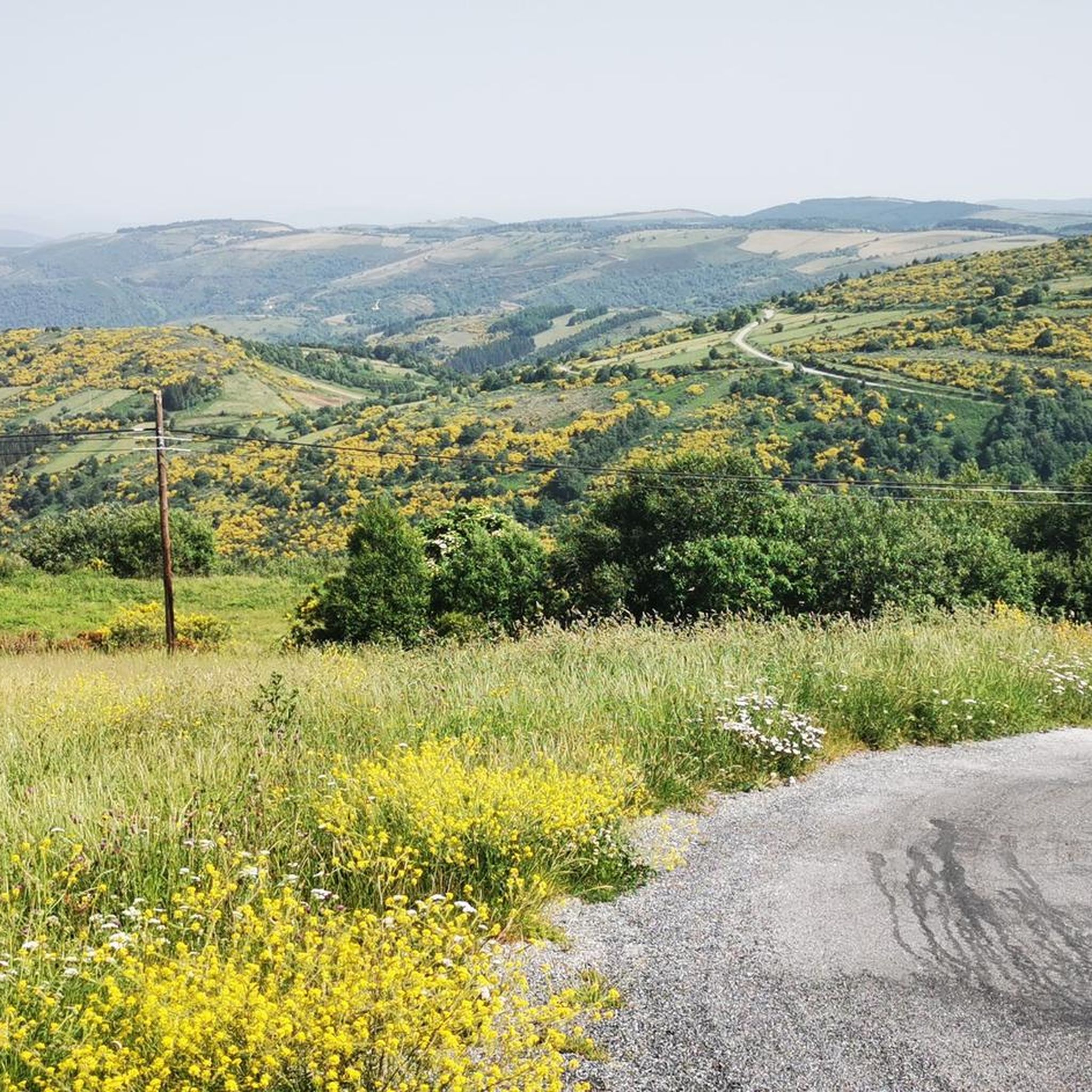
MTB Trails around Os Ancares
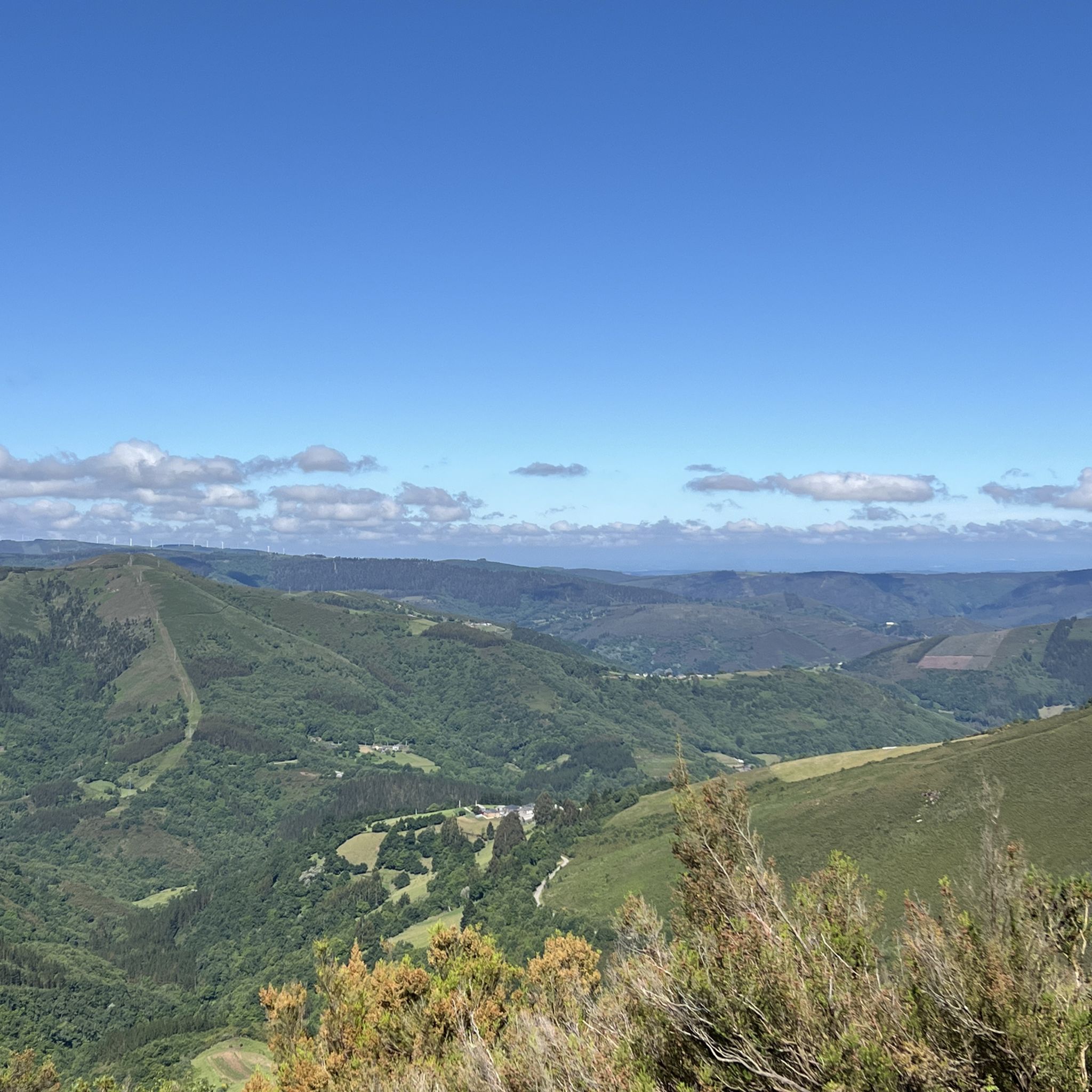
Hiking around Os Ancares
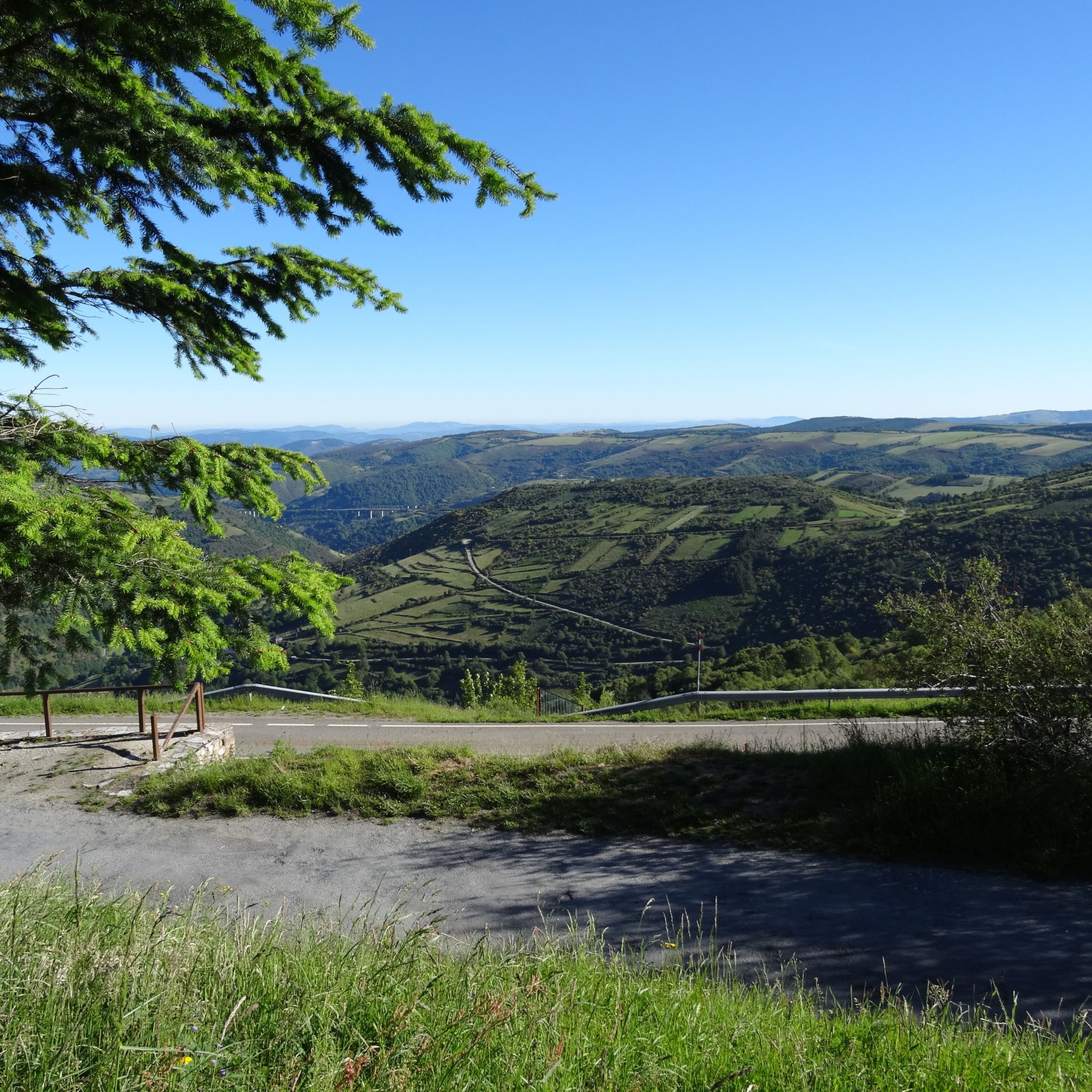
Road Cycling Routes around Os Ancares
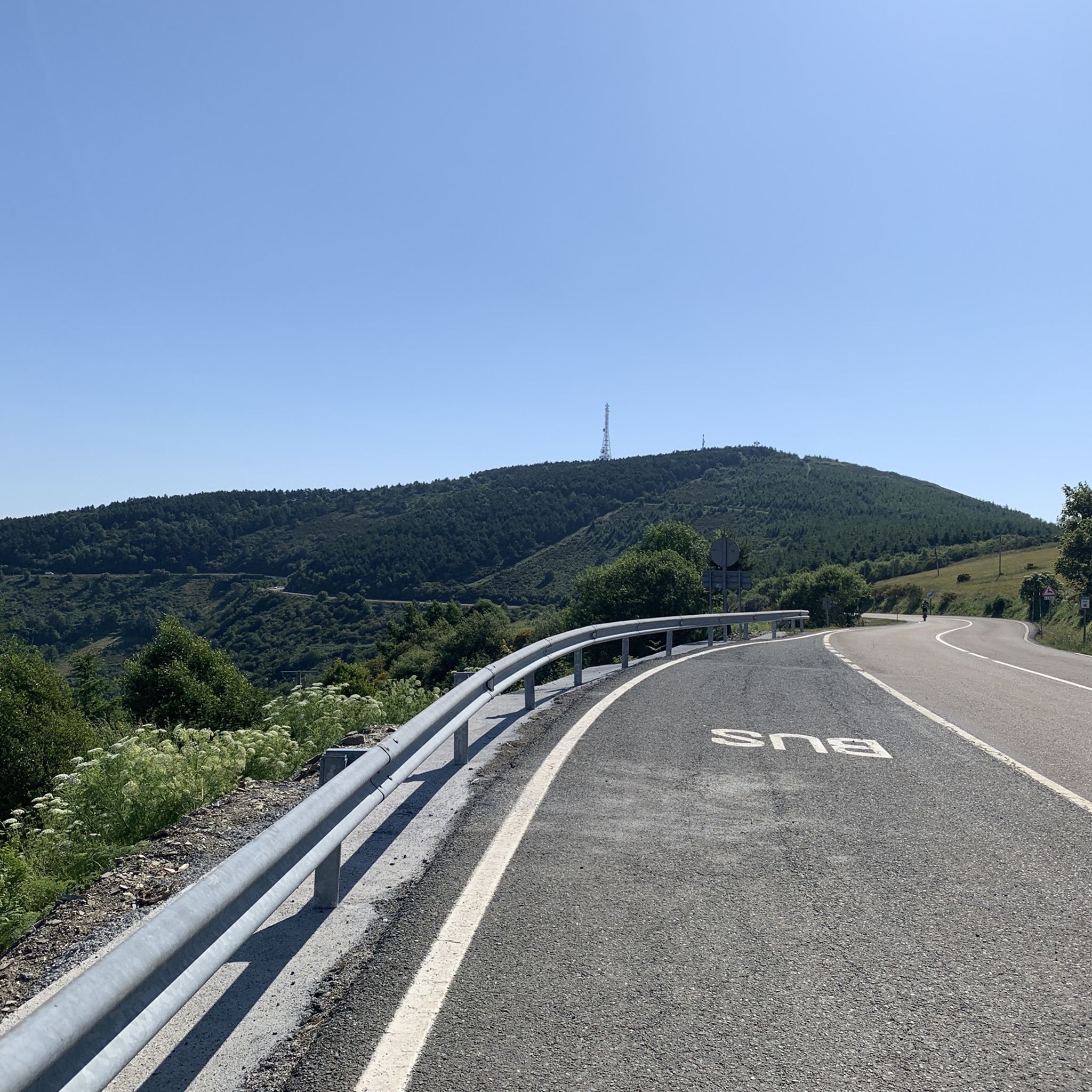
Cycling around Os Ancares
Running Trails around Os Ancares

Gravel biking around Os Ancares
Other adventures around Os Ancares


Tips from the Community

The Os Grobos Forest, located between the municipalities of Becerreá and As Nogais (Lugo), is one of Galicia's most magical and secret corners, ideal for nature and fantasy lovers. It is a karst landscape with limestone rock formations shaped by moisture and the passage of time, covered in moss and surrounded by chestnut trees, oaks, ferns, and ivy.
3
0

In the small village of Ramil at the foot of the Camino, just before Triacastela, stands one of Galicia's most beautiful century-old chestnut trees. Its trunk spans 8.5 meters and, with its hollow spaces and thick branches that seem to embrace the tree, resembles an X-ray of time.
0
1

Large deciduous tree that is common in the mountains of Galicia. The fruits are covered with a green rind with thorns, the "erize". The season for harvesting chestnuts is November, and in Triacastela and throughout Galicia in general it is celebrated with a festival called "magesto". The main use of the chestnut tree is to obtain its wood and use its fruit as food for the population in general and as food for livestock.
1
0

Once here, it is advisable to follow the route downriver. You can go back up to the official route 1 km later, or even extend the route to 6-7 km reaching Airixín and the Pena do Inferno river beach.
1
0

This impressive tree is over 800 years old. A true natural monument.
2
0

Fantastic ancient tree at entrance to Triacastela
4
0
This emblematic chestnut tree, which is located in the middle of the Jacobean route, specifically on the French Way, is more than 800 years old. It has become an iconic place that many pilgrims want to remember by taking photos.
13
0

Good place for a dip!
0
0
Frequently Asked Questions
What are some unique natural monuments to explore in Os Ancares?
Os Ancares offers a variety of unique natural monuments. You can visit the ancient Ancient Chestnut Tree in Ramil, which is over 800 years old and a significant landmark on the Camino de Santiago. For impressive views, consider Pico dos Tres Bispos, a summit offering extensive panoramas over the Serra dos Ancares. Another notable spot is Os Grobos Forest, known for its magical karst landscape and ancient trees.
Are there natural monuments in Os Ancares suitable for families?
Yes, the Ancient Chestnut Tree in Ramil is considered family-friendly and is an easy stop along the Camino de Santiago. Its impressive size and age make it a fascinating sight for all ages. Many of the forest trails, while varying in difficulty, also offer opportunities for family walks, allowing children to experience nature.
What kind of wildlife can I expect to see in the natural monuments of Os Ancares?
Os Ancares is a UNESCO Biosphere Reserve and a National Game Reserve, making it rich in wildlife. The region is a crucial habitat for endangered species like the Cantabrian brown bear and the capercaillie. You might also spot Iberian wolf, chamois, roe deer, and various eagles. The diverse forests and valleys provide excellent opportunities for wildlife observation, especially in less crowded areas.
What are the best viewpoints among the natural monuments in Os Ancares?
For breathtaking panoramic views, Pico dos Tres Bispos (1,794 meters) offers extensive vistas over the Serra dos Ancares. Pico Mostallar, at 1,935 meters, is the highest peak in Los Ancares and provides equally stunning scenery. These summits are ideal for experiencing the rugged beauty of the region.
Are there historical or cultural sites integrated with the natural monuments?
Yes, the Montouto Hospital and Dolmen is a significant site. It includes the remains of a 14th-century hospital that served pilgrims on the Primitive Way, alongside the As Pedras Dereitas dolmen, which dates back to the Neolithic period. This location beautifully blends natural formations with ancient human history.
What outdoor activities can I do near the natural monuments in Os Ancares?
The region around Os Ancares is excellent for various outdoor activities. You can find numerous hiking trails, including challenging routes to summits like Pico O Mostallar. There are also options for gravel biking and road cycling, with routes exploring the mountainous terrain. For detailed routes and guides, check out the Hiking around Os Ancares, Gravel biking around Os Ancares, and Road Cycling Routes around Os Ancares guides.
What is the best time of year to visit the natural monuments of Os Ancares?
The best time to visit Os Ancares generally depends on your preferred activity. Spring and autumn offer pleasant temperatures for hiking and exploring the forests, with vibrant foliage or blooming wildflowers. Summer is ideal for higher-altitude treks, though it can be busier. Winter brings snow to the peaks, offering a different, more challenging experience for experienced adventurers.
Are there any waterfalls or rivers to see among the natural monuments?
Yes, Os Ancares features several beautiful waterfalls and rivers. The Seimeira de Vilagocende Waterfall is a notable natural monument, offering a picturesque spot. You can also find the Queixoiro Waterfalls, which are nestled within forested areas. The region's valleys are often carved by rivers like the Ser and Rao, providing scenic riverine landscapes.
What kind of geological formations can be found in Os Ancares?
Os Ancares is characterized by mountains sculpted by glacial and fluvial morphology, creating deep valleys and rugged terrain. The Os Grobos Forest, for example, is known for its karst landscape with limestone rock formations shaped by moisture and time, covered in moss. These formations contribute to the unique and diverse ecosystems of the region.
What do visitors enjoy most about the natural monuments in Os Ancares?
Visitors frequently appreciate the pristine nature and unspoiled wilderness of Os Ancares. The ancient Ancient Chestnut Tree in Ramil is a popular stop for pilgrims, offering a tangible connection to history. The challenging hikes to summits like Pico dos Tres Bispos are highly rated for their rewarding panoramic views. The region's diverse ecosystems and opportunities for wildlife watching also draw many nature enthusiasts.
Are there less crowded natural spots to discover in Os Ancares?
Given its status as a UNESCO Biosphere Reserve, much of Os Ancares retains a sense of untouched wilderness. While popular highlights exist, exploring the extensive forests and numerous small valleys often leads to isolated and tranquil spots. The region's vastness allows for discovery of less frequented trails and viewpoints, especially outside of peak season.
What is the typical difficulty of hiking trails around the natural monuments?
Hiking difficulties vary significantly. While some natural monuments like the Ancient Chestnut Tree in Ramil are easily accessible, many trails leading to summits such as Pico dos Tres Bispos or Pico Mostallar are considered challenging due to steep ascents and rugged terrain. There are also intermediate options, such as those found in Os Grobos Forest. Always check specific route details before heading out.
Most popular routes around Os Ancares
Most popular attractions around Os Ancares

Get inspired with the komoot mobile app


Didn’t find what you were looking for?
Find even more amazing natural monuments around Os Ancares by checking out the top Highlights region by region:
Explore more
Extend your search for the best caves by checking out these guides of the top ones around Os Ancares:
