Top 8 Natural Monuments around Pla De L'Estany
Natural monuments around Pla De L'Estany showcase a diverse landscape characterized by karstic formations, significant water bodies, and ancient geological features. This region in Catalonia, Spain, is home to the largest natural lake in Catalonia, fed by subterranean aquifers. The area's natural heritage includes unique geological structures and sites of archaeological importance, reflecting a long history of human presence. Its varied terrain offers opportunities to explore natural landmarks and viewpoints.
Best natural monuments around Pla De L'Estany
- The most popular…
Last updated: May 9, 2026
Lake Banyoles
Highlight • Lake
Translated by Google •
Tip by

Rector's Spring
Highlight • Natural Monument
Translated by Google •
Tip by

Sign up now to discover places like this
Get recommendations on the best single tracks, peaks, & plenty of other exciting outdoor places.
Sign up for free
Travertine Formations at Les Estunes
Highlight • Natural Monument
Translated by Google •
Tip by

Camp de Baix Spring
Highlight • Natural Monument
Translated by Google •
Tip by
La Caseta de Fusta bathing area, Lake Banyoles
Highlight • Beach
Translated by Google •
Tip by

Vilar Fountain
Highlight • Monument
Translated by Google •
Tip by
Fluvià River Dam
Highlight • Structure
Translated by Google •
Tip by
Las Estunas
Highlight • Gorge
You can enter the largest ones and walk through them from beginning to …
Translated by Google •
Tip by

Dolmen of Turó de Sant Dalmau
Highlight • Historical Site
Translated by Google •
Tip by
Start today with a free account
Your next adventure awaits.
Login or Signup
Popular around Pla De L'Estany
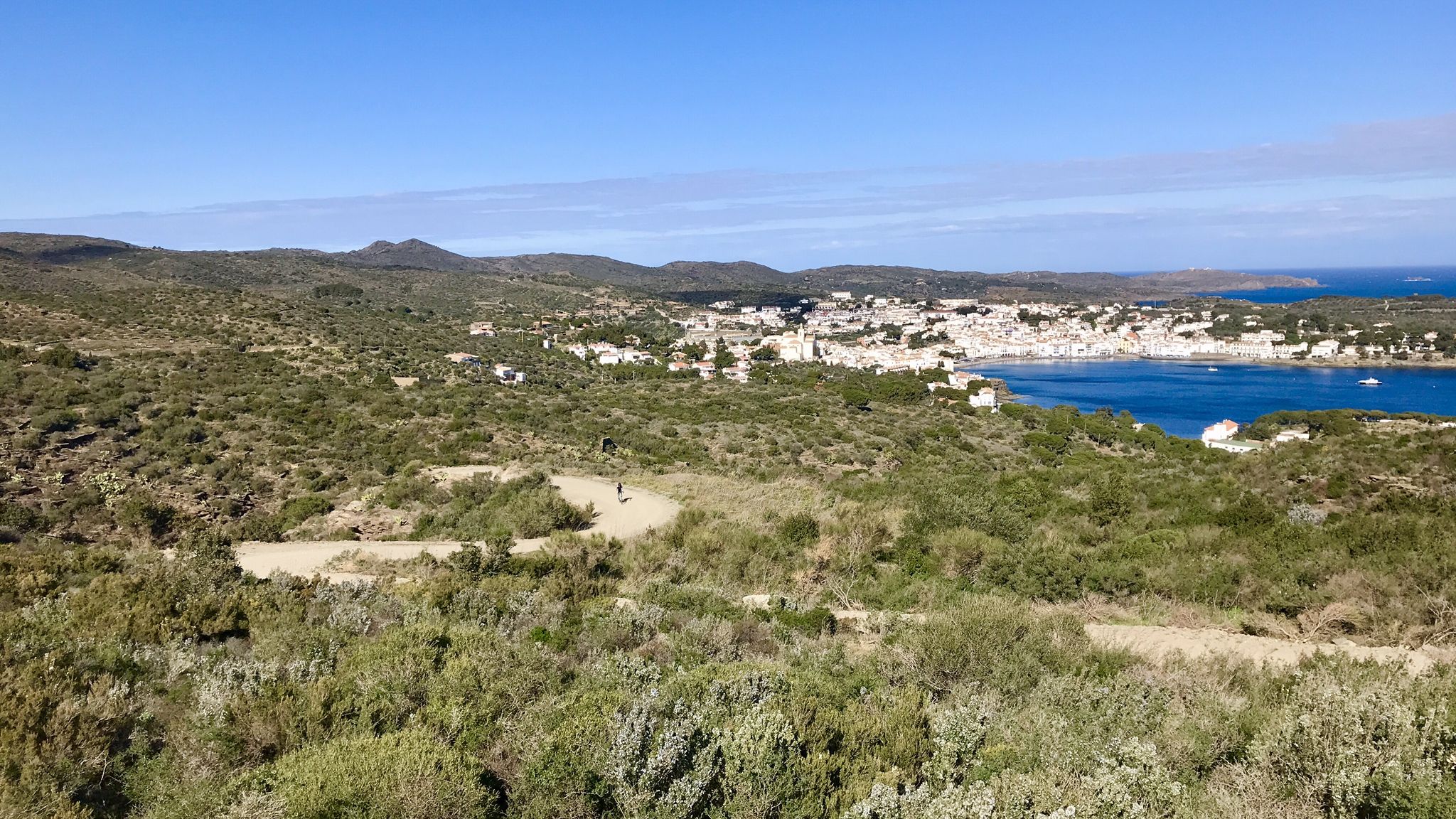
Garrotxa, Olot and Cap de Creus – gravel paradise in Spain
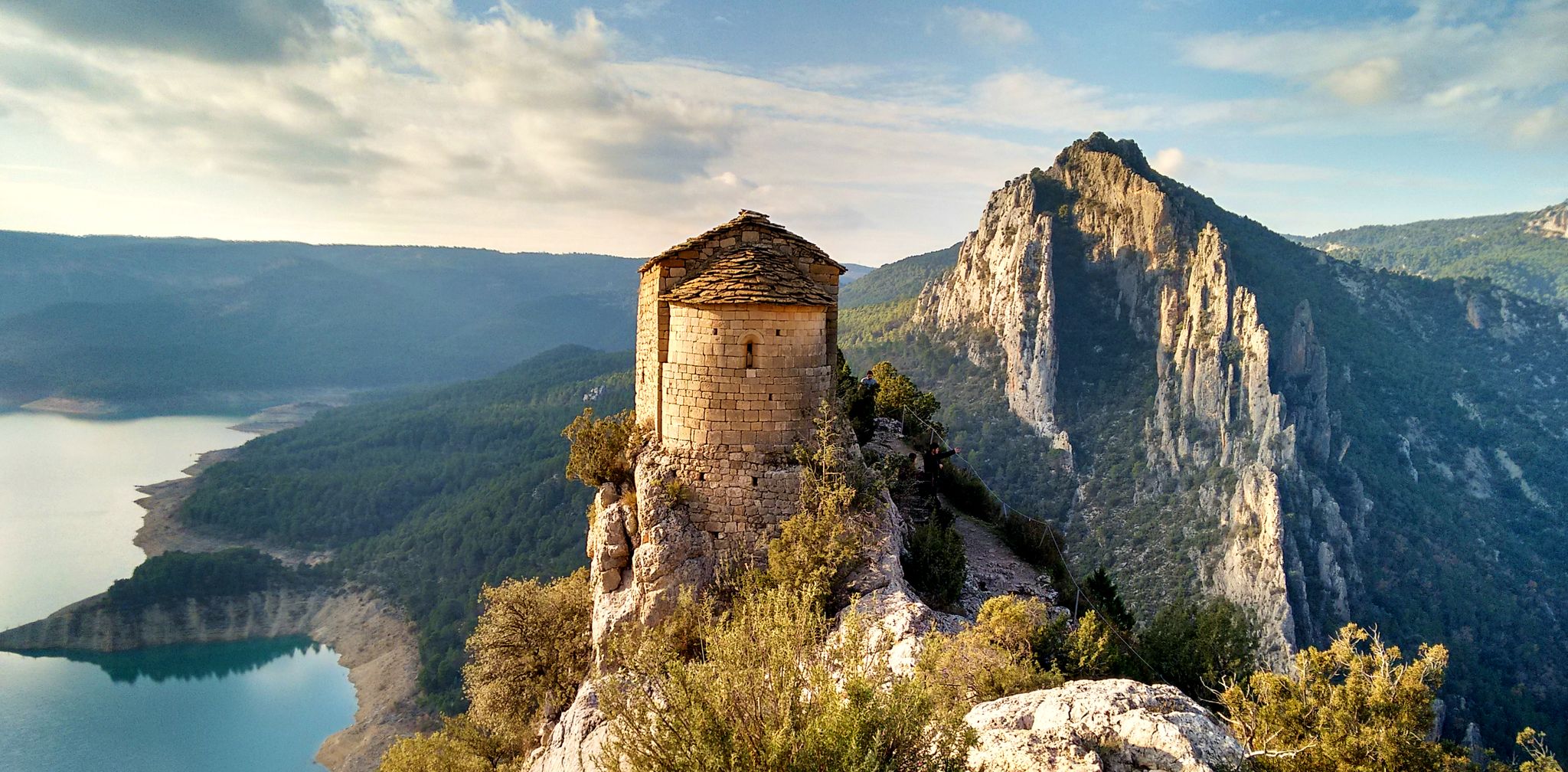
From the Mediterranean to the Pre-Pyrenees – Historical Path in Catalonia (GR 1)
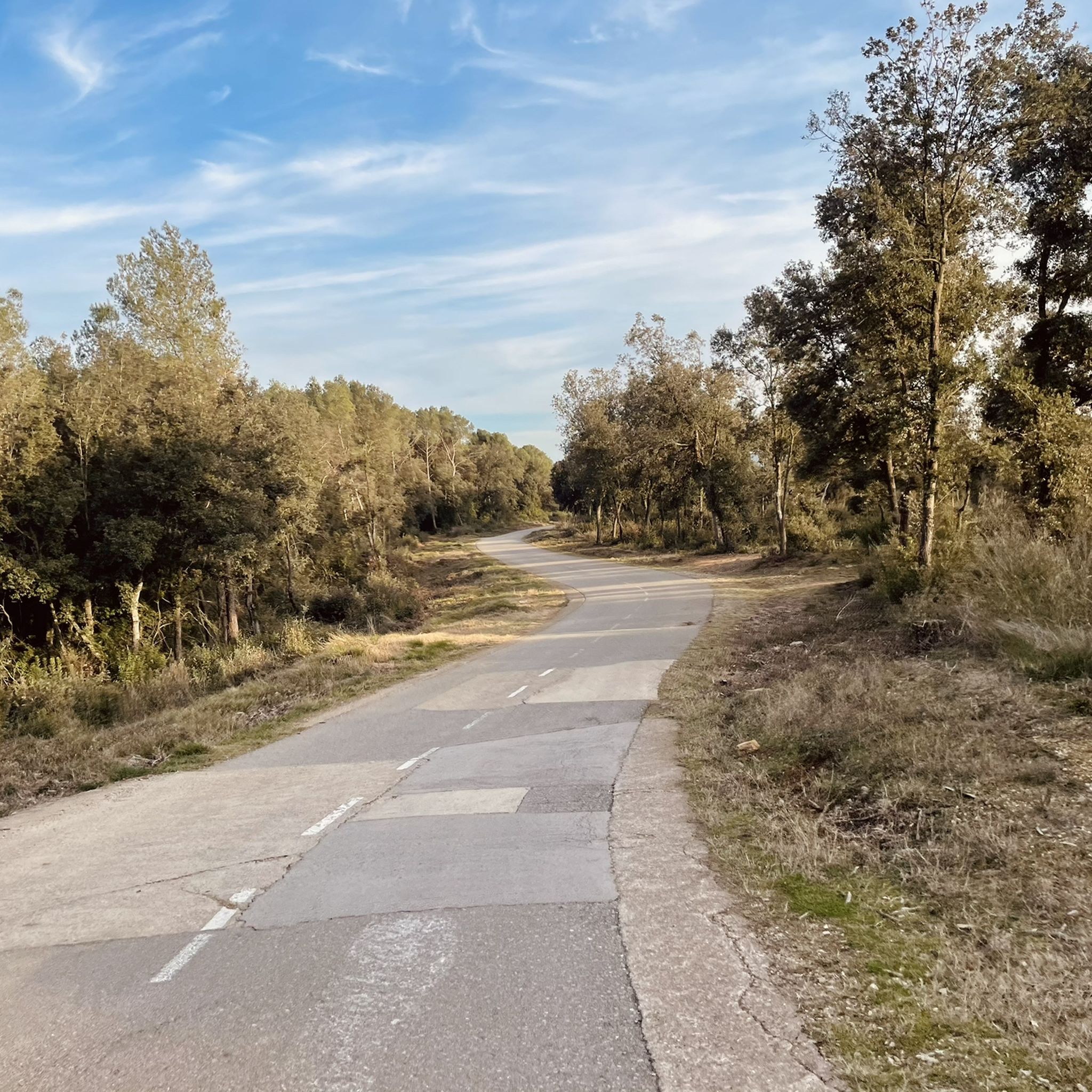
Road Cycling Routes around Pla De L'Estany
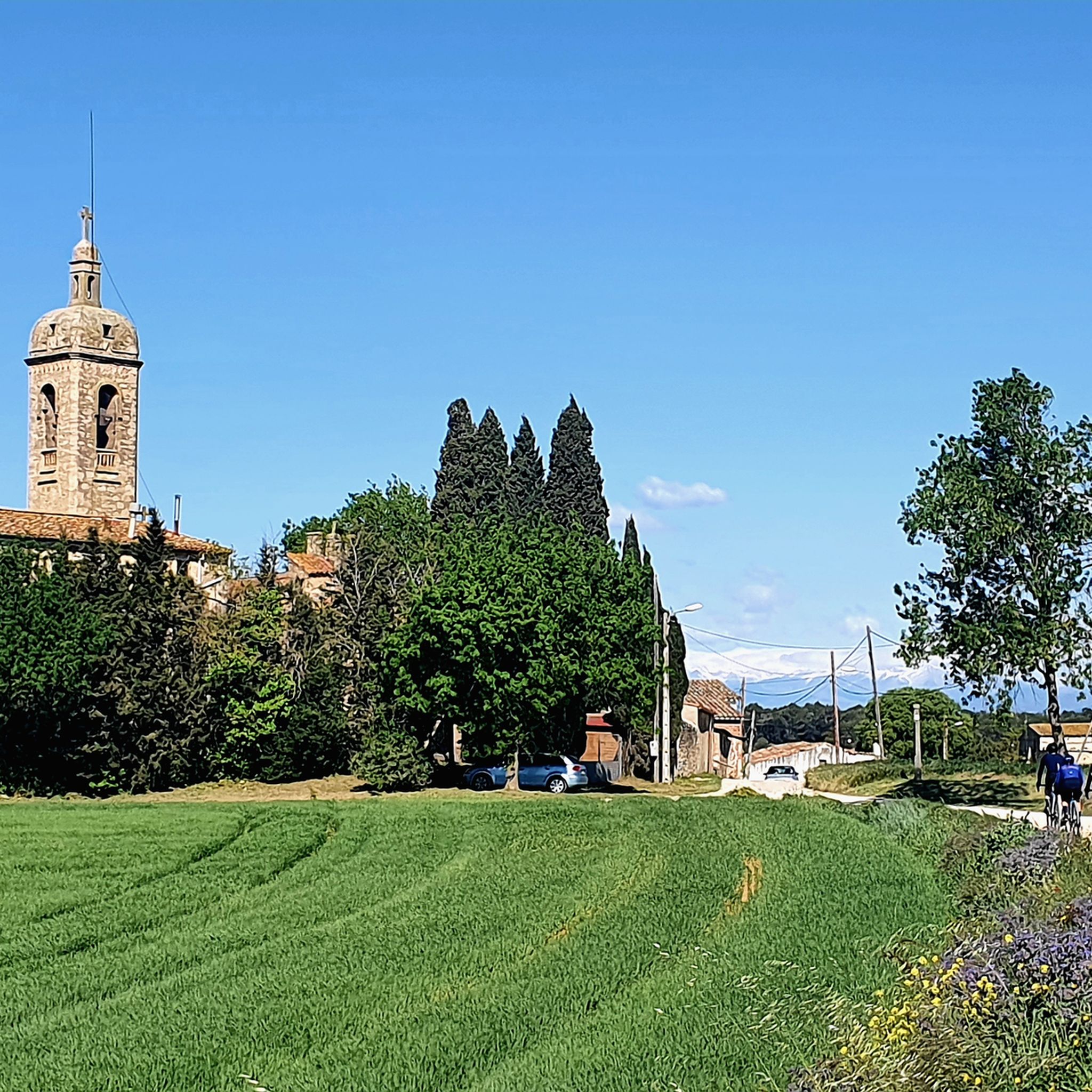
Cycling around Pla De L'Estany
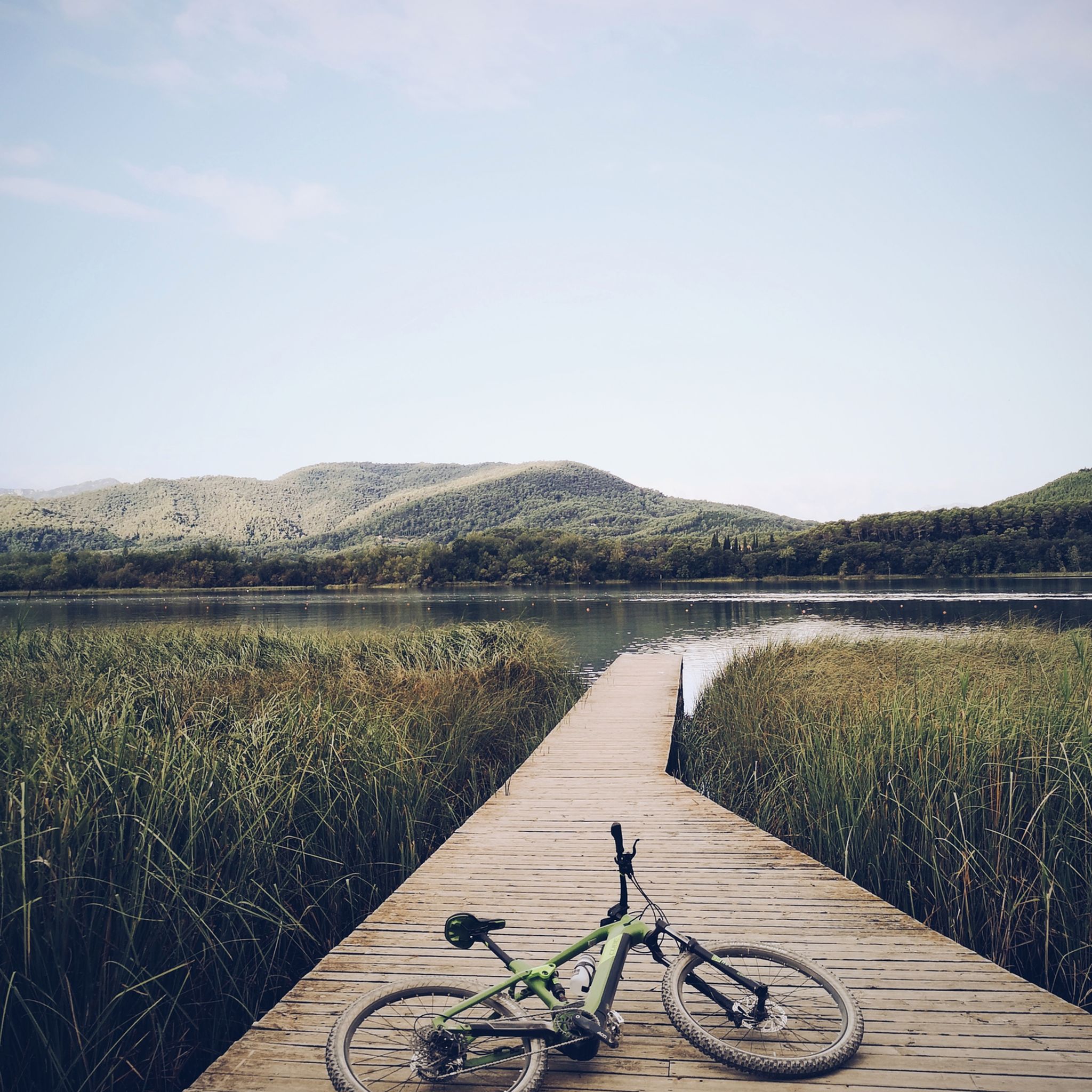
MTB Trails around Pla De L'Estany
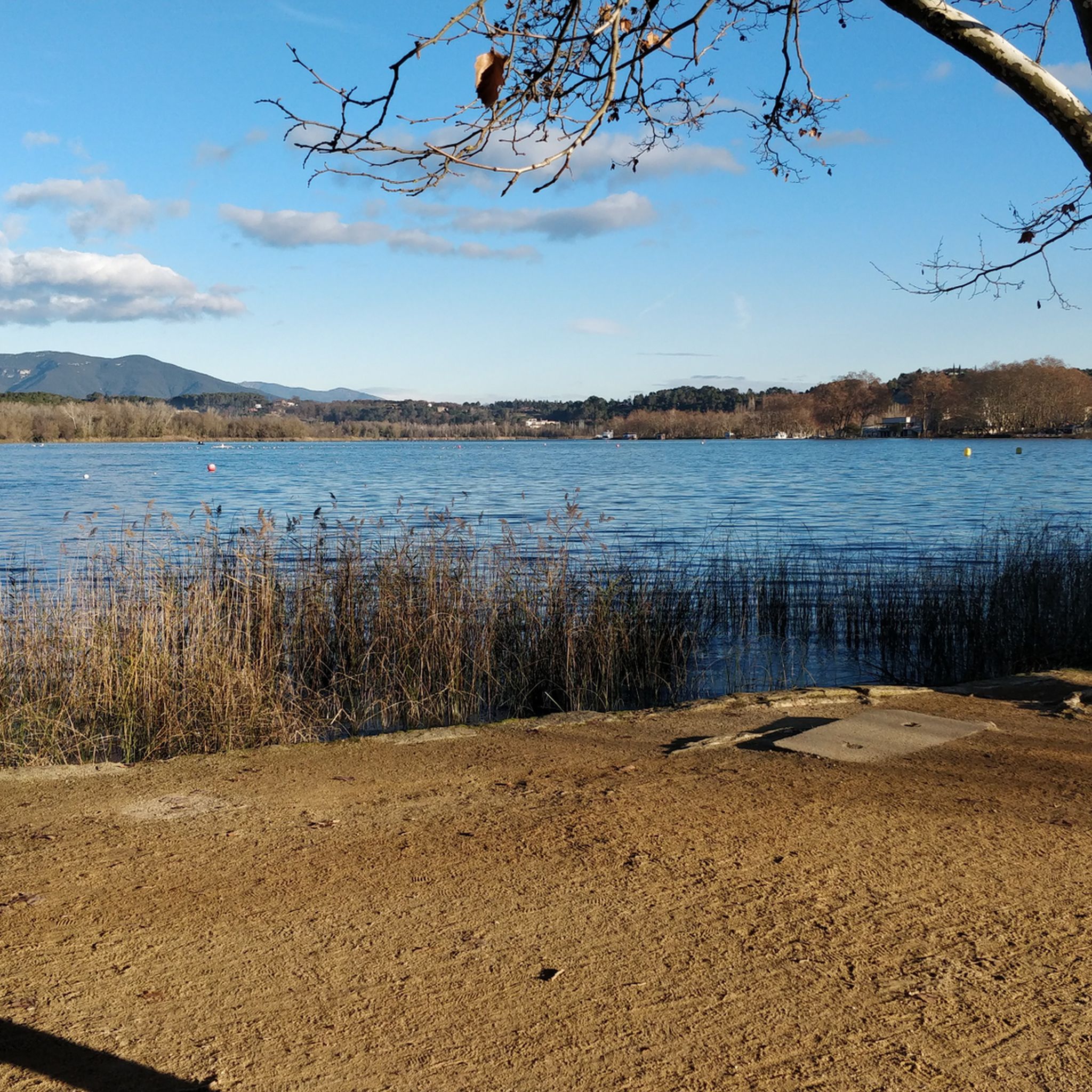
Hiking around Pla De L'Estany
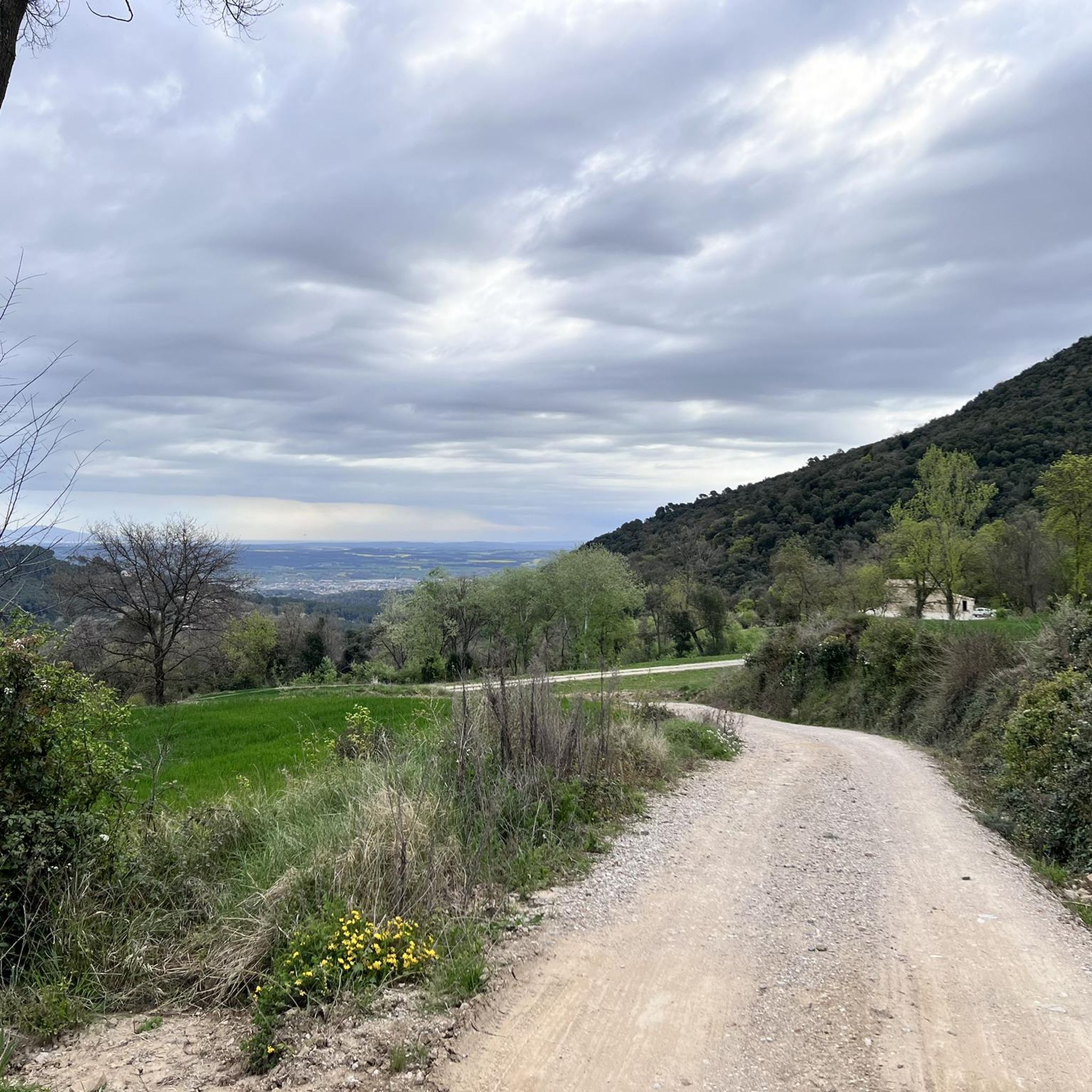
Running Trails around Pla De L'Estany

Gravel biking around Pla De L'Estany


Tips from the Community

The Estunes are a set of deep cracks and underground galleries of natural origin formed by water. You can enter the largest ones and walk through them from beginning to end. With the flashlight of your phone it will be enough to see in the darkest places.
1
0

Beautiful
0
1

The Vilar fountain... Fantastic and curious shape of the fountain ⛲... A door 🚪 that gives water 💧
0
1


Lots of cafes to choose from but I recommend Aquarium!
3
0

Best place to be. Wonderful mute in teh hole village
1
1
A few meters before the geodesic point of the Puig de Sant Dalmau, next to a house in ruins you can see the base of the Dolmen of Sant Dalmau, from 3 thousand BC.
2
0
Frequently Asked Questions
What are some of the most popular natural monuments to visit in Pla De L'Estany?
Visitors frequently enjoy the region's unique karstic formations and significant water bodies. Highly recommended are the expansive Lake Banyoles, the largest natural lake in Catalonia, and the fascinating Travertine Formations at Les Estunes, known for its natural labyrinth of fissures and caves. Another notable site is the Fluvià River Dam, which ensures a consistent water presence in the river.
Are there family-friendly natural monuments in Pla De L'Estany?
Yes, several natural monuments are suitable for families. Lake Banyoles is an excellent choice, offering flat trails for walking and cycling, and designated swimming areas like La Caseta de Fusta bathing area. The Rector's Spring is also considered family-friendly, providing a pleasant natural spot.
What kind of outdoor activities can I do near these natural monuments?
The Pla De L'Estany region offers a variety of outdoor activities. You can enjoy gravel biking on routes like the 'Gravel tour from Banyoles' or 'Medieval Bridge of Sords – Lake Banyoles loop'. For road cycling, consider the challenging 'Rocacorba and circular by Mieres - Banyoles' or the easier 'Circular Lake Banyoles & Palol de Revardit'. Hiking is also popular, with options like the 'Salt del Timbarro' waterfall hikes. You can find more details on these activities in the gravel biking, road cycling, and waterfall hiking guides for the area.
What unique geological features can be found in Pla De L'Estany?
Pla De L'Estany is renowned for its unique karstic complex, considered the largest on the Iberian Peninsula. This geological activity has created the vast Lake Banyoles, fed by subterranean aquifers. Another highlight is the Travertine Formations at Les Estunes, where ancient earthquakes and karstic processes have formed a natural labyrinth of fissures, caves, and passageways within the travertine rock.
Are there any historical or archaeological sites among the natural monuments?
While primarily natural, some sites have significant historical connections. The Prehistoric Caves of Serinyà, though not listed as a highlight in this guide, are a crucial archaeological site in the region, offering insights into early human life. Additionally, Les Estunes is historically significant as an 1887 discovery there led to finding one of Catalonia's oldest Neanderthal remains. The Dolmen of Turó de Sant Dalmau is another historical site that is also considered a natural monument.
What is the best time to visit the natural monuments in Pla De L'Estany?
The region's natural monuments can be enjoyed year-round, but specific times offer different experiences. Spring and autumn provide pleasant temperatures for hiking and cycling, with lush landscapes. Summer is ideal for water activities at Lake Banyoles, including swimming at designated areas like La Caseta de Fusta bathing area. Some springs, like Camp de Baix Spring, may have more water during wetter seasons.
Are there any natural springs or water features to explore?
Yes, Pla De L'Estany is known for its springs and water features. The Lake Banyoles itself is fed by natural springs. You can also visit specific springs like the Rector's Spring and the Camp de Baix Spring. The Fluvià River Dam also highlights the region's water management and natural flow.
What kind of wildlife can I expect to see around Pla De L'Estany's natural monuments?
The diverse ecosystems around Pla De L'Estany support a variety of wildlife. Lake Banyoles is particularly rich in biodiversity, home to over 100 different bird species, including mallards and grey herons, as well as native and introduced fish. The Muntanyes de Rocacorba area, part of the Catalan Transversal Range, features diverse natural systems with Mediterranean forest and middle mountain wildlife, including various bird species and mammals.
Are there any specific viewpoints offering panoramic views?
While not explicitly listed as a highlight in this guide, the Muntanyes de Rocacorba (Rocacorba Mountains) are known for offering spectacular panoramic views from their summit, Puigsou. Near the top, you'll also find the sanctuary of Mare de Déu de Rocacorba, built on a distinctive rock formation. The area around Lake Banyoles also provides picturesque views, especially along its surrounding trails.
What do visitors enjoy most about the natural monuments in Pla De L'Estany?
Visitors particularly appreciate the serene beauty and recreational opportunities. Many enjoy cycling around Lake Banyoles, which is a classic cycling destination. The option to swim in the lake at approved areas like La Caseta de Fusta bathing area is also a highlight. The unique geological formations, such as the labyrinthine Travertine Formations at Les Estunes, also captivate visitors with their natural wonder and local folklore.
Are there any natural monuments that are particularly good for hiking or walking?
Yes, the region offers several natural monuments ideal for hiking and walking. The flat trails around Lake Banyoles are perfect for leisurely walks or cycling. For a more adventurous experience, the Travertine Formations at Les Estunes offer a unique exploration through its natural labyrinth and dense vegetation. The Muntanyes de Rocacorba also provide challenging hiking routes with rewarding views.
Most popular routes around Pla De L'Estany
Most popular attractions around Pla De L'Estany

Get inspired with the komoot mobile app


Didn’t find what you were looking for?
Find even more amazing natural monuments around Pla De L'Estany by checking out the top Highlights region by region:
Explore more
Extend your search for the best caves by checking out these guides of the top ones around Pla De L'Estany:
