Top 20 Natural Monuments around Campo De Calatrava
Natural monuments around Campo De Calatrava are characterized by a unique volcanic landscape, featuring over 300 volcanoes and 30 volcanic lagoons. This region in Spain showcases remarkable geological and ecological features, resulting from ancient volcanic activity that created diverse landforms like pyroclastic cones, maars, and lava flows. The area's distinct geological heritage makes it a significant destination for nature enthusiasts. It has recently been recognized as a UNESCO Global Geopark.
Best natural monuments around Campo De Calatrava
- The most popular…
Last updated: October 10, 2026
Laguna del Prado
Highlight • Lake
Translated by Google •
Tip by

Alarcos Archaeological Park
Highlight • Historical Site
Translated by Google •
Tip by

Sign up now to discover places like this
Get recommendations on the best single tracks, peaks, & plenty of other exciting outdoor places.
Pozuelo de Calatrava
Highlight • Settlement
Translated by Google •
Tip by
Old dam of the Guadiana River
Highlight • River
Translated by Google •
Tip by
Hervideros Baños del Barranco
Highlight • Natural Monument
Translated by Google •
Tip by
Mortero on the Poblete Greenway
Highlight • Volcano
Translated by Google •
Tip by
La Posadilla Viewpoint
Highlight • Viewpoint
Translated by Google •
Tip by
Atalaya Forest Park
Highlight • Forest
Translated by Google •
Tip by
Ascent to the Shepherd's Cave
Highlight • Cave
Translated by Google •
Tip by
San Isidro Hermitage and Maares Viewpoint
Highlight • Religious Site
Translated by Google •
Tip by
Sign up for free to discover even more natural monuments around Campo De Calatrava.
Already have an account?
Start today with a free account
Your next adventure awaits.
Popular around Campo De Calatrava
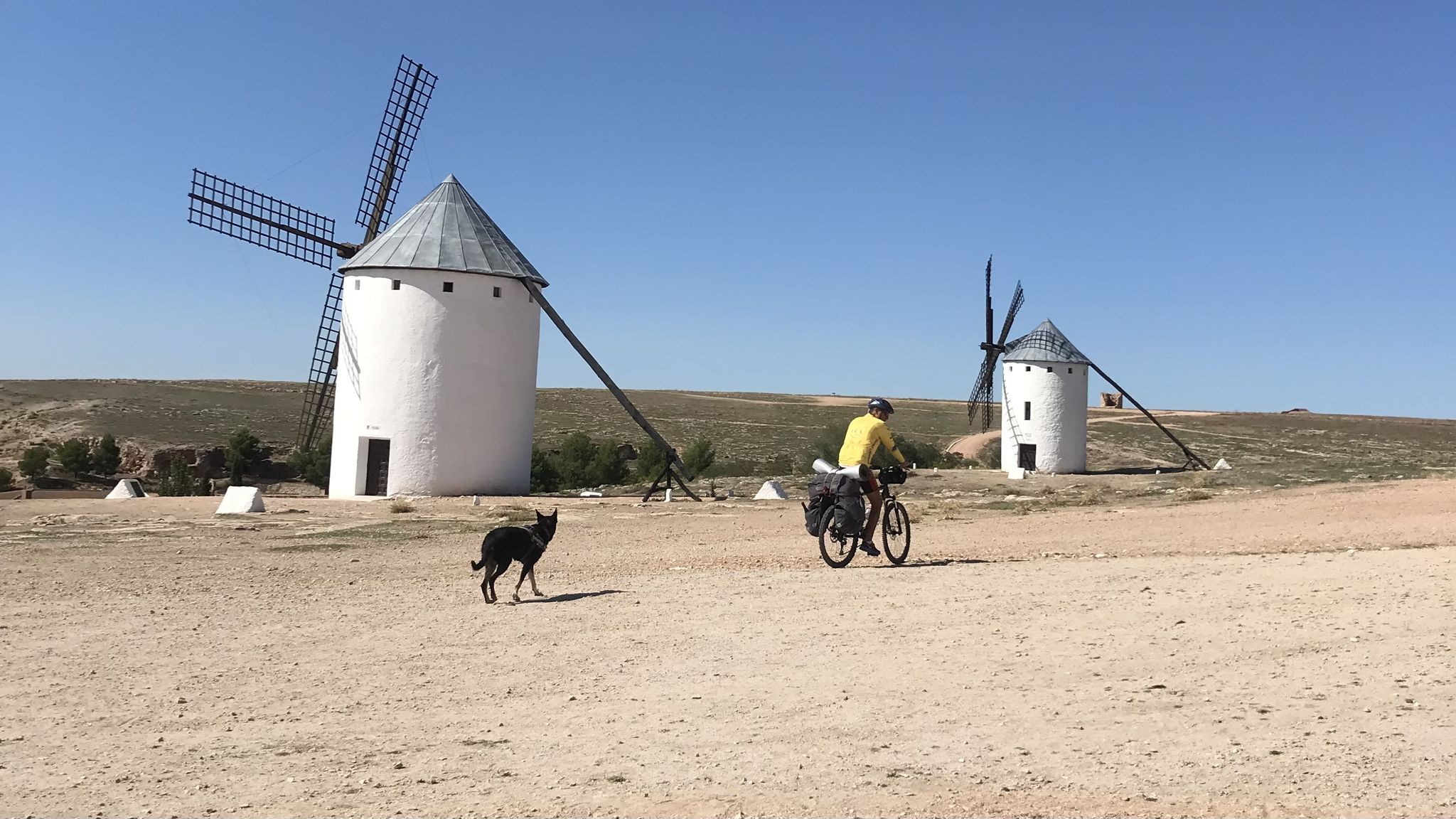
Don Quixote's route – The knight of the sorry face
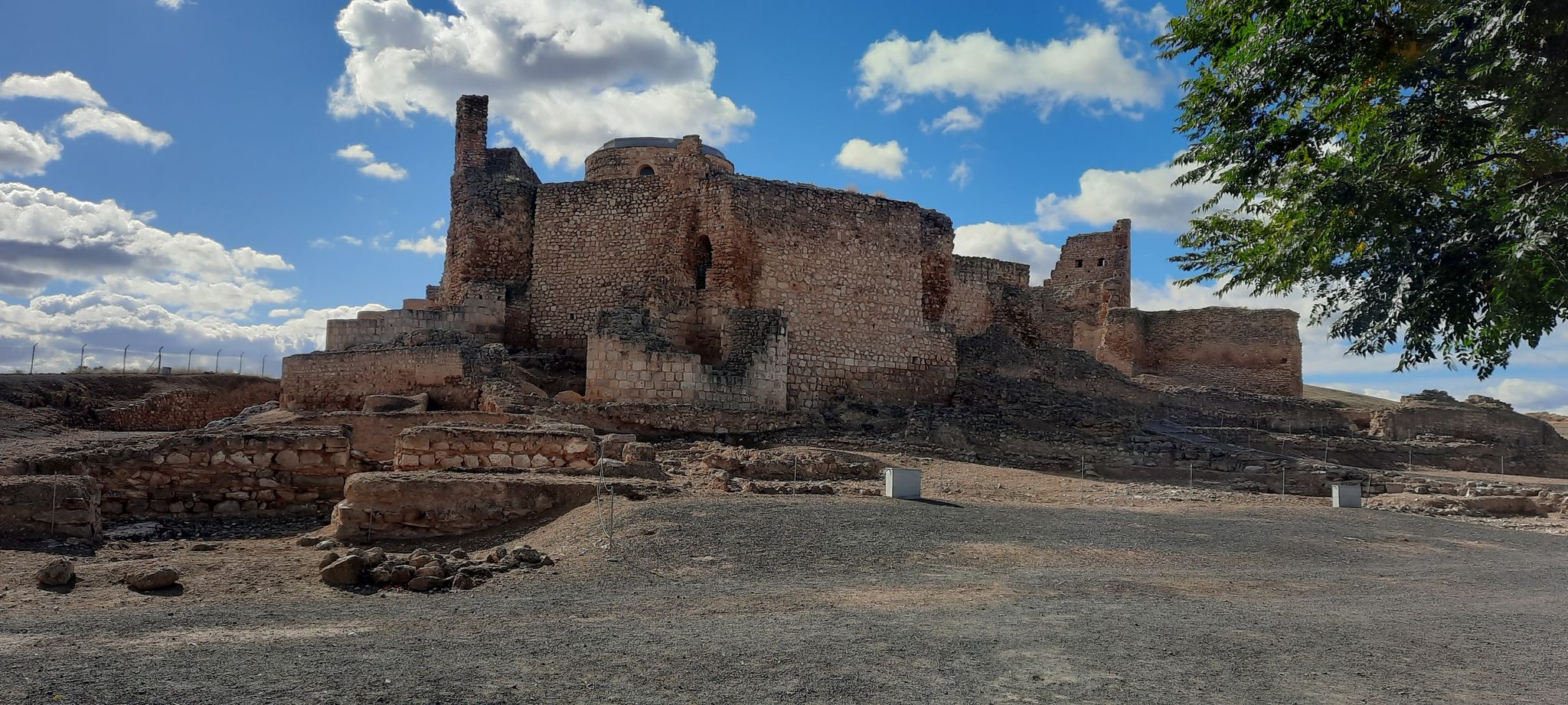
Old volcanoes and castles – bikepacking through Campo de Calatrava
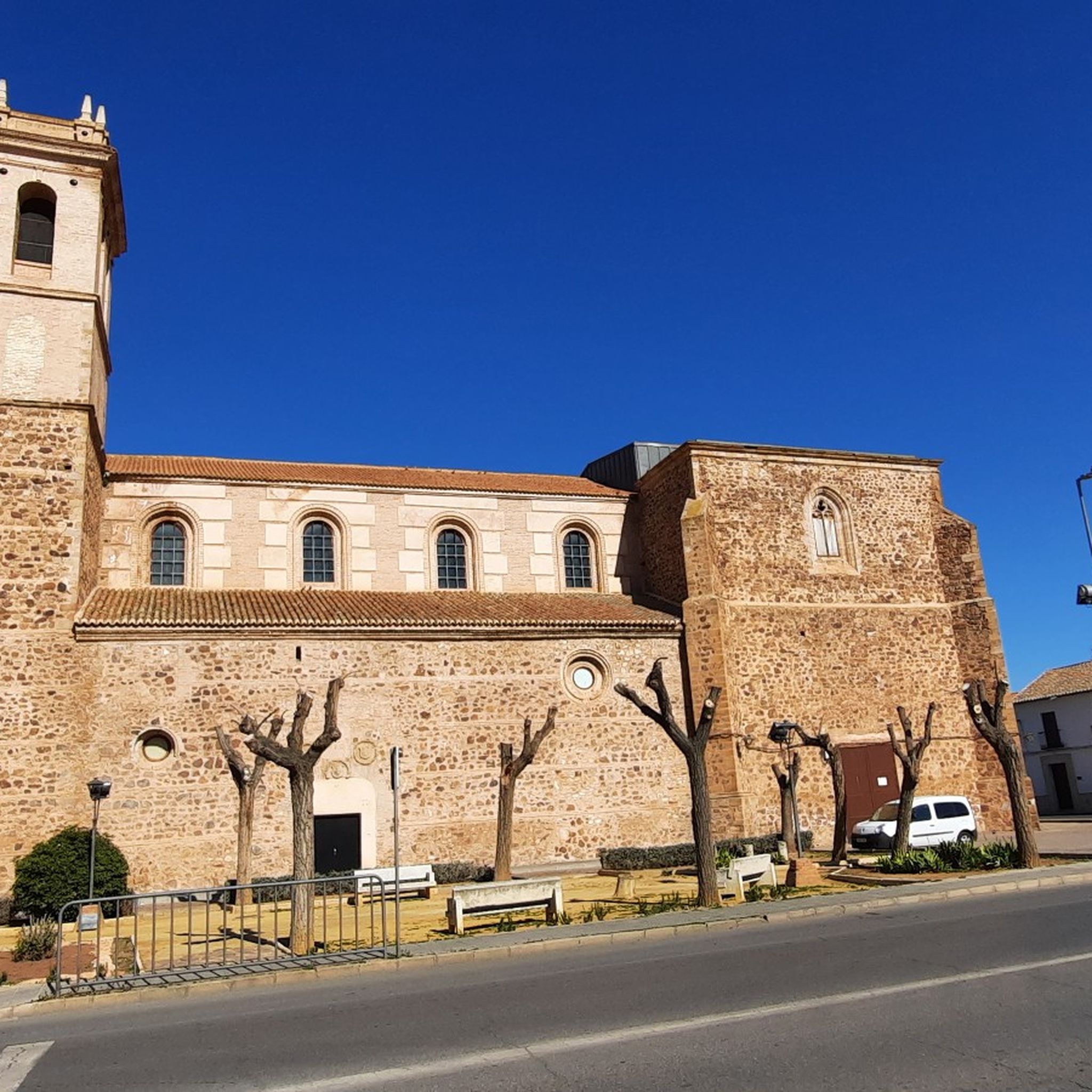
Road Cycling Routes around Campo De Calatrava
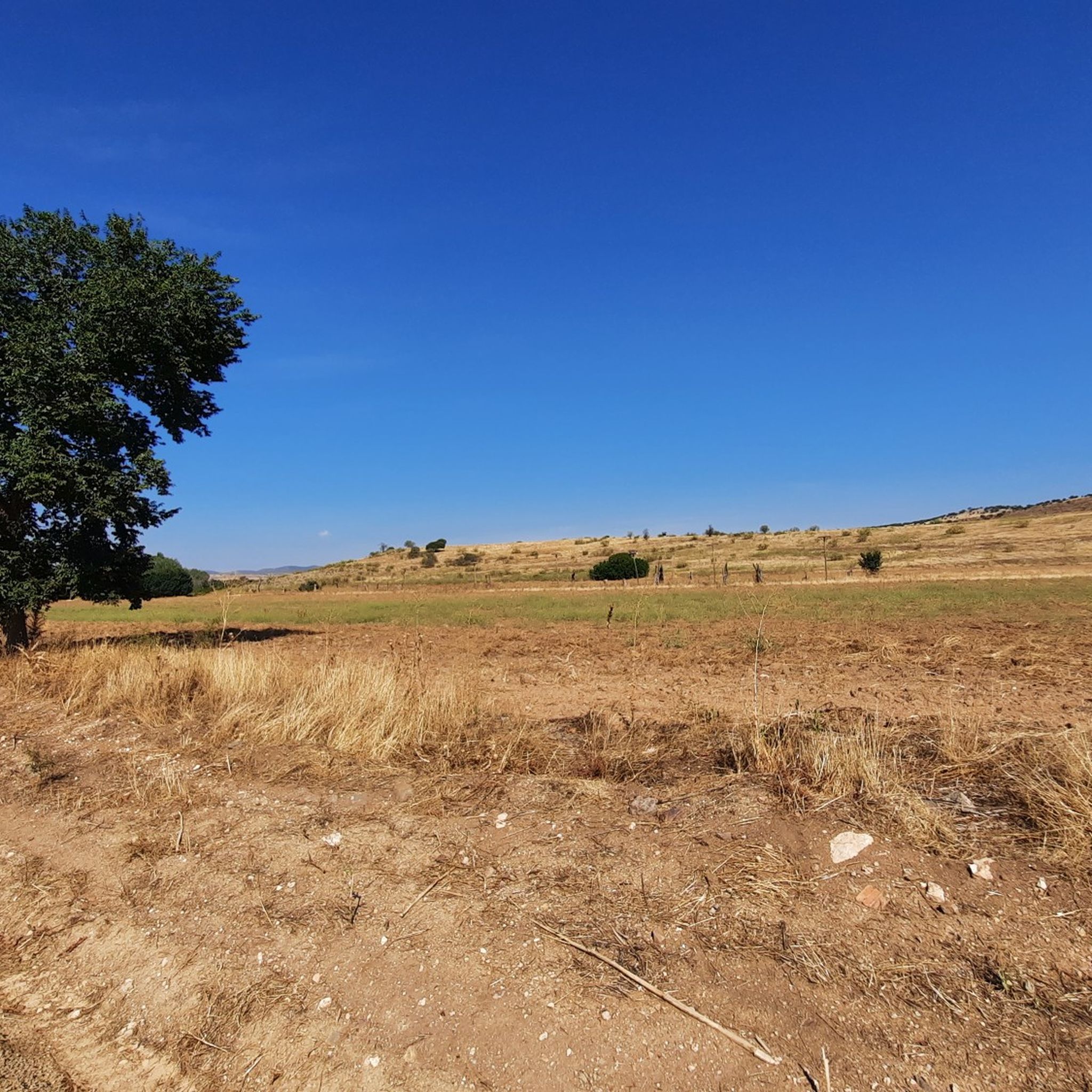
MTB Trails around Campo De Calatrava
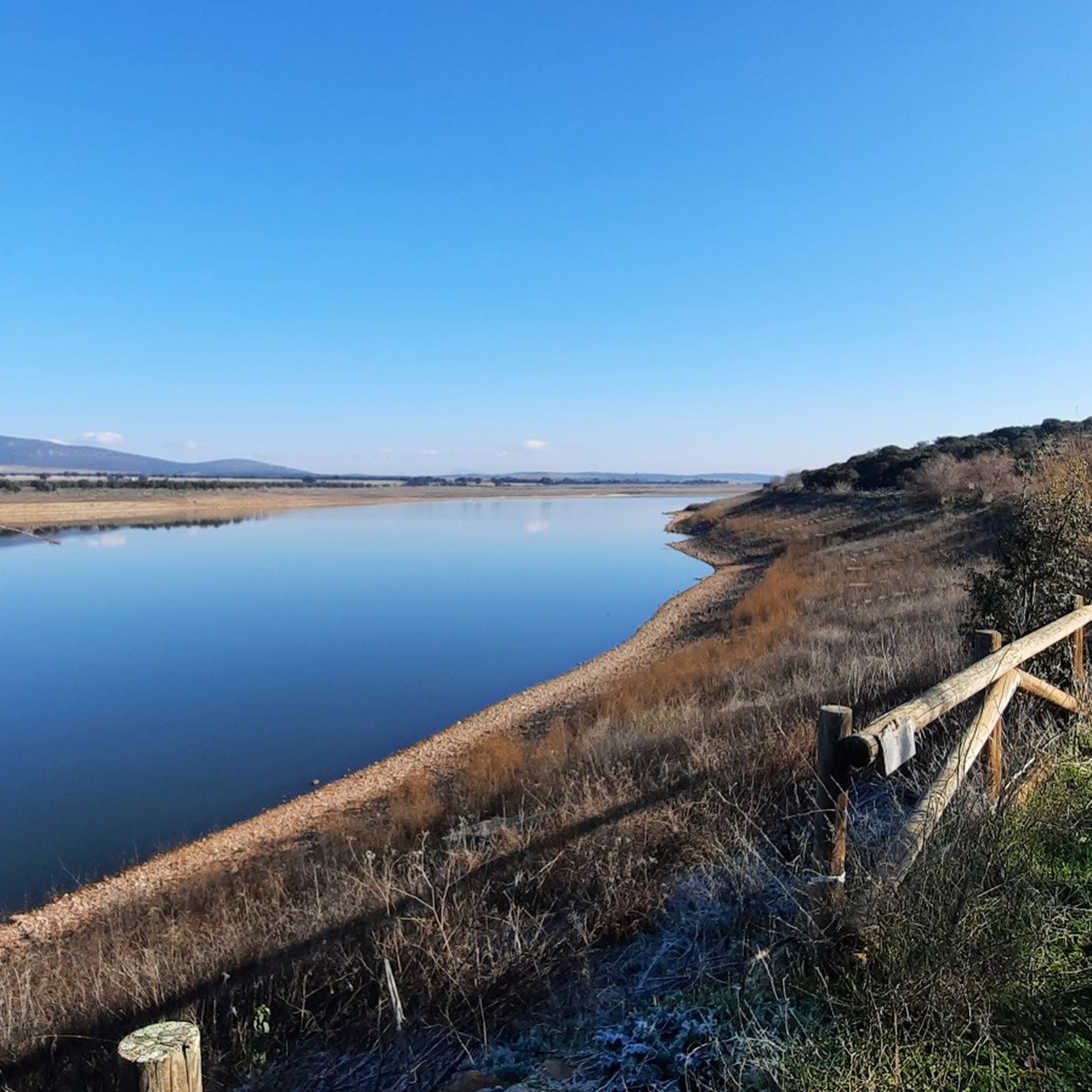
Cycling around Campo De Calatrava
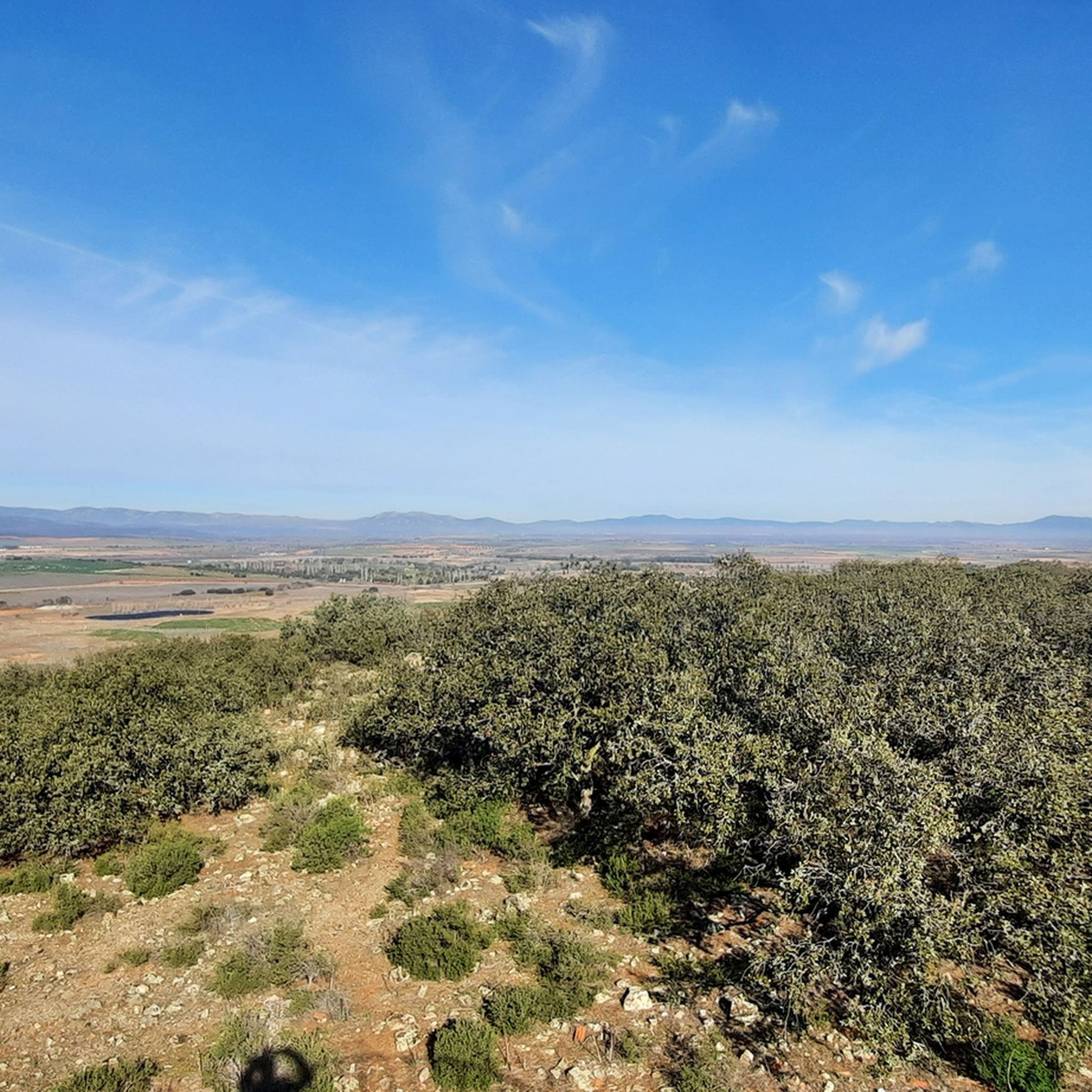
Hiking around Campo De Calatrava
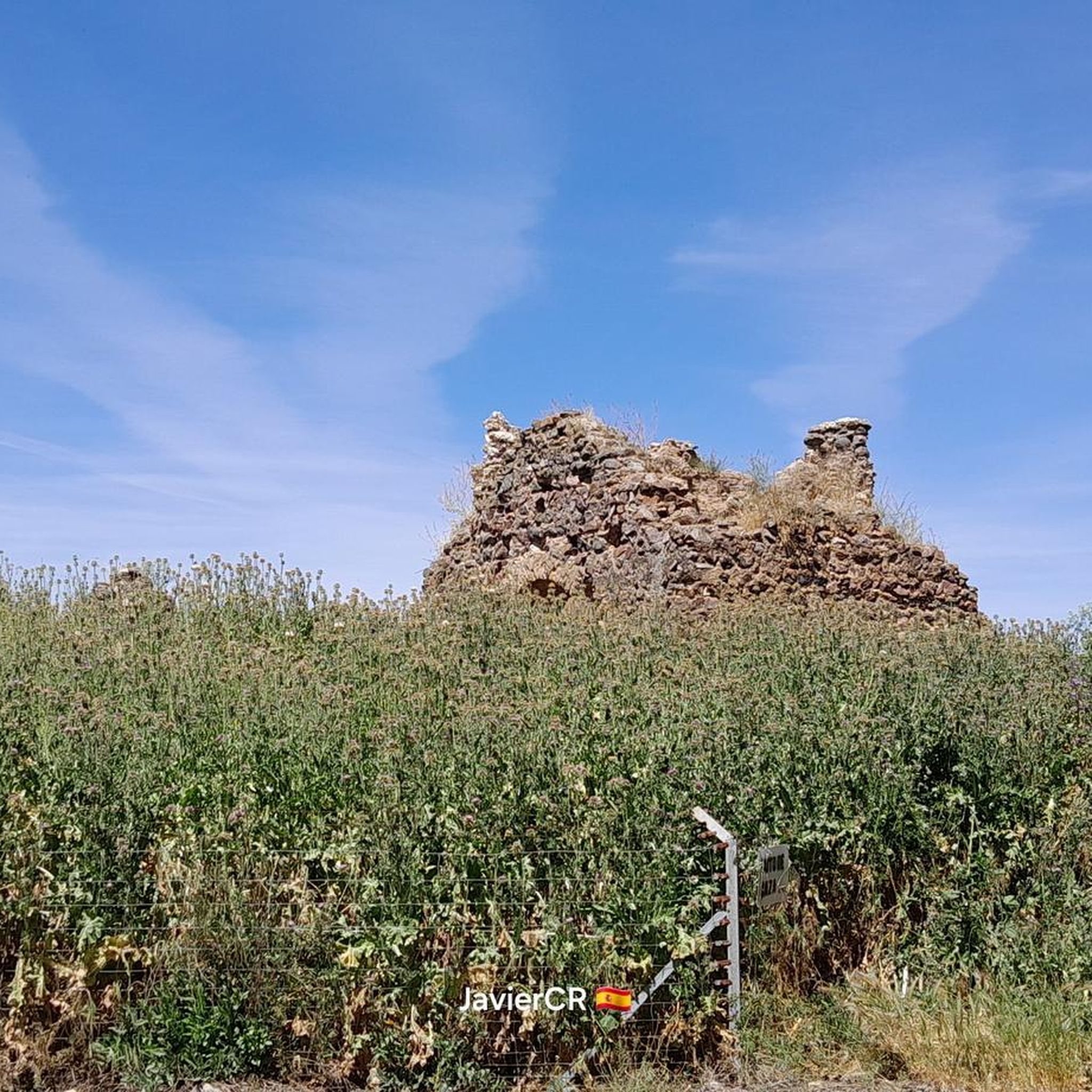
Running Trails around Campo De Calatrava

Gravel biking around Campo De Calatrava


Tips from the Community

It is located next to the town centre of Pozuelo de Calatrava. It is popularly known as the unexpected lagoon. If you pass by, it is a unique opportunity to enjoy the flora and fauna of the saltiest lagoon in the area.
10
0
In the Park is the Sanctuary of Our Lady of Alarcos, a Gothic-style hermitage located in Alarcos, declared a Site of Cultural Interest in 1980. Gothic style and basilica in plan, a large tracery rose window opens above its door. Their pilgrimage is celebrated on Pentecost Monday.
19
0
La Hoya del Mortero is one of the maars that best preserves its structure in Campo de Calatrava. Its crater forms a depression about 30 meters deep and about 500 meters in diameter. To appreciate these dimensions, it is best to visit it and observe it from its edge. Currently there is an interpretive panel from which we have a good view of the whole and helps to understand what we are seeing. Starting point of the Ciudad Real Greenway.
50
0

Small lagoon that is very close to the center and what's more, the path that goes around it is quiet and pleasant close to the center.
2
1
The path that passes by the Río Guadiana lets us see this area where a dam has been built and which can be a good time to take a short break!
1
1
The so-called “hotbeds” are one of the most common phenomena in the Calatrava region, as a consequence of its intense volcanic activity. A unique spectacle that, together with sour springs, maares, wells, and jets or sinas, are part of the history of the region and that the Association for the Development of Campo de Calatrava tries to preserve and make known outside its borders.
21
0
Today after a few days raining a beautiful landscape and a good flow.
4
0
Within the Campo de Calatrava region, this municipality attracts the visitor's attention because it is close to two salty lagoons of volcanic origin, Argamasilla and Inesperada; formerly used as medicinal waters. Like other thermal springs where the Infante Don Carlos ordered the construction of the Baños de Fuensanta. In addition to its natural assets, the religious ones are important, in the form of a church and a sanctuary that we must not miss. Its 17th century church dedicated to Saint John the Baptist was declared a B.I.C. in 1989. Its nave is covered by a barrel vault and has a polygonal apse and two doorways under porticoes, one of them with Tiara Papal. It is one of the few churches that preserves its three original altarpieces from the 18th century, the most important being that of the High Altar made of walnut wood without polychrome and with allegories of the Trinity. In the Sanctuary of Nuestra Señora de los Santos we can also admire a beautiful altarpiece in Churrigueresque forms. The sanctuary is on the outskirts of the town and was built on an old Arab fortress. It has a single nave in which we will see wall paintings and a beautiful Mudejar coffered ceiling.
40
0
Frequently Asked Questions
What unique geological features can I explore in the natural monuments of Campo de Calatrava?
The Campo de Calatrava region is a unique volcanic landscape, featuring over 300 volcanoes and 30 volcanic lagoons. You can explore diverse landforms like pyroclastic cones, scoria cones, maars (explosion craters), and lava flows. Notable examples include the San Isidro Hermitage and Maares Viewpoint, which offers views of maars, and the 'hotbeds' at Hervideros Baños del Barranco, a phenomenon resulting from intense volcanic activity.
Are there family-friendly natural monuments in Campo de Calatrava?
Yes, several natural monuments in Campo de Calatrava are suitable for families. For instance, Laguna del Prado is a saline volcanic lagoon where families can observe various bird species during wet periods. The San Isidro Hermitage and Maares Viewpoint also features a recreation area, making it a pleasant spot for a family outing.
What kind of wildlife can I expect to see at the natural monuments?
The natural monuments in Campo de Calatrava are rich in biodiversity. You can spot various bird species, especially around the lagoons. For example, Laguna del Prado attracts black-headed gulls, avocets, stilts, plovers, and even pink flamingos during wet periods. The region is also home to sensitive wildlife such as the Iberian lynx, Spanish imperial eagle, black stork, and black vulture, particularly around sites like the Michos Volcanic Crater Lake and Volcán y Laguna de Peñarroya.
What is the best time of year to visit the natural monuments in Campo de Calatrava?
The best times to visit the natural monuments in Campo de Calatrava are generally in spring and autumn. During these seasons, the weather is typically mild and pleasant for exploring the volcanic landscapes and observing the diverse flora and fauna.
Are there historical or cultural sites integrated with the natural monuments?
Yes, some natural monuments in Campo de Calatrava also feature historical or cultural elements. The Alarcos Archaeological Park, for example, is a fascinating complex located on a hill overlooking the Guadiana river, showcasing archaeological remains from the Bronze Age to the High Middle Ages, alongside the hermitage of the Virgen de Alarcos and castle ruins. Additionally, the San Isidro Hermitage and Maares Viewpoint combines a small temple with stunning volcanic views.
What outdoor activities can I do near the natural monuments?
The Campo de Calatrava region offers a variety of outdoor activities. You can enjoy gravel biking, cycling, and mountain biking on numerous routes. For instance, you can explore routes like the 'Mines on the Arzollar trail' for gravel biking, or the 'Vía Verde de las Malas Tardes and Laguna del Prado Loop' for cycling. Mountain bikers can tackle trails such as the 'Embalse del Vicario - Camino Natural del Guadiana Loop'. You can find more details on these activities in the Gravel biking around Campo De Calatrava, Cycling around Campo De Calatrava, and MTB Trails around Campo De Calatrava guides.
Can I find viewpoints to appreciate the volcanic landscape?
Absolutely. The region is dotted with excellent viewpoints that offer panoramic vistas of the volcanic landscape. The San Isidro Hermitage and Maares Viewpoint, located on top of the Cabezo del Rey Volcano, provides exceptional views of the surrounding maars. Other notable viewpoints include La Posadilla Viewpoint and Isla Viewpoint, both offering stunning perspectives of the lagoons and volcanic formations.
What is the significance of the Laguna del Prado?
Laguna del Prado is a highly significant saline volcanic lagoon with seasonal waters, located near Pozuelo de Calatrava. It is considered the most saline lagoon in Campo de Calatrava, formed by a phreatomagmatic explosion. Despite its shallow depth and seasonal drying, it is a protected Nature Reserve due to its unique physical and ecological characteristics, supporting specialized halonitrophilous plants and attracting various bird species, including flamingos during wet periods.
Are there any less crowded natural monuments to visit for a quieter experience?
While popular sites attract many visitors, you can find quieter spots. Consider exploring the Maar de la Hoya del Mortero, a hydromagmatic explosion crater known for its geomorphological and faunal interest. Another option is the Volcán del Morrón or Volcán del Cerrosanto, part of the Geoparque Volcanes de Calatrava, which offer a chance to experience the region's volcanic heritage away from the main tourist hubs.
What is the Macizo Volcánico de Calatrava?
The Macizo Volcánico de Calatrava (Calatrava Volcanic Massif) is the largest protected volcanic complex in the region. It is an ideal place to explore a wide array of volcanoes, craters, and lagoons within a unique landscape in Castilla-La Mancha. Its geodiversity and geomorphological beauty, showcasing various eruptive types, are considered the best example of volcanic formations in the Iberian Peninsula.
What do visitors enjoy most about the natural monuments in Campo de Calatrava?
Visitors particularly appreciate the unique volcanic landscape and the diverse geological formations, from saline lagoons to volcanic vents and craters. The opportunity to witness the 'hotbeds' at Hervideros Baños del Barranco is often highlighted as a unique spectacle. The scenic views from spots like San Isidro Hermitage and Maares Viewpoint and the rich biodiversity, especially the birdlife around the lagoons, are also highly valued by the komoot community.
What is the significance of the region being a UNESCO Global Geopark?
The recent recognition of Campo de Calatrava as a UNESCO Global Geopark highlights its significant geological and cultural value. This designation acknowledges the region's exceptional geological heritage, including its unique volcanic structures and diverse landforms, as well as its importance for education, sustainable development, and geotourism.
Most popular routes around Campo De Calatrava
Most popular attractions around Campo De Calatrava

Get inspired with the komoot mobile app


Didn’t find what you were looking for?
Find even more amazing natural monuments around Campo De Calatrava by checking out the top Highlights region by region:
Explore more
Extend your search for the best caves by checking out these guides of the top ones around Campo De Calatrava:
