Top 8 Mountain Passes around Pas-Iguña
Best mountain passes around Pas-Iguña are located within the Cantabrian Mountains in Cantabria, Spain, encompassing the Pas and Iguña valleys. This region features a mountainous landscape with historical routes and natural beauty. The passes offer diverse terrain, connecting valleys and providing access to various outdoor activities. The area is characterized by its green environments and significant elevation changes.
Best mountain passes around Pas-Iguña
- The most popular mountain passes is Estacas de Trueba Pass, a mountain pass that features ancient…
Last updated: June 23, 2026
Estacas de Trueba Pass
Highlight • Mountain Pass
Translated by Google •
Tip by

Alto de la Matanela
Highlight • Mountain Pass
Translated by Google •
Tip by

Sign up now to discover places like this
Get recommendations on the best single tracks, peaks, & plenty of other exciting outdoor places.
Sign up for free
Alto del Caracol
Highlight • Mountain Pass
Translated by Google •
Tip by

Puerto de La Braguía
Highlight • Mountain Pass
Translated by Google •
Tip by
Collada de Brenes
Highlight • Mountain Pass
Translated by Google •
Tip by

Climb to the Portillo de Lunada pass from San Roque de Riomiera
Highlight (Segment) • Mountain Pass
Spectacular scenery, little traffic, and a fairly easy gradient distribution.
Translated by Google •
Tip by

Alto de la Estranguada
Highlight • Mountain Pass
Translated by Google •
Tip by

Puerto de La Magdalena
Highlight • Mountain Pass
Translated by Google •
Tip by

Start today with a free account
Your next adventure awaits.
Login or Signup
Popular around Pas-Iguña



Tips from the Community

The Magdalena Pass is an excellent option for crossing from the Ebro Valley to the Pas Valley, avoiding the heavy traffic of the Escudo Pass. From its summit, there are magnificent views of the Escudo mountain range and the Ebro Reservoir. The Magdalena Pass can also be accessed from the Escudo Pass, but the route includes a technical section and some stretches of dense vegetation.
0
0

The Puerto de La Braguía is a climb that connects the Pas Valley with the Toranzo Valley. It features a steady gradient through a green, mountainous environment. A popular feature of the Vuelta a España.
2
0

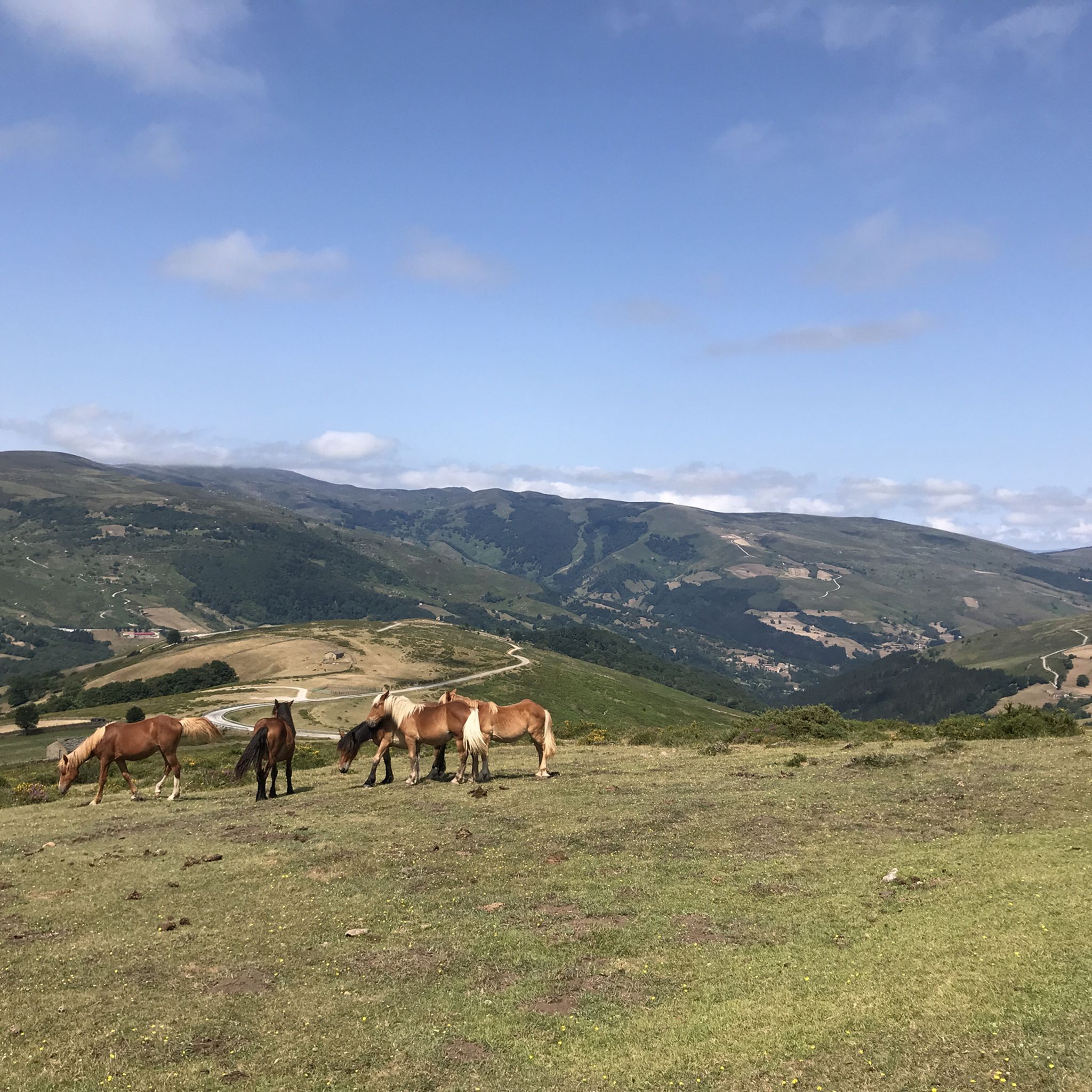
Climb with spectacular views
0
0

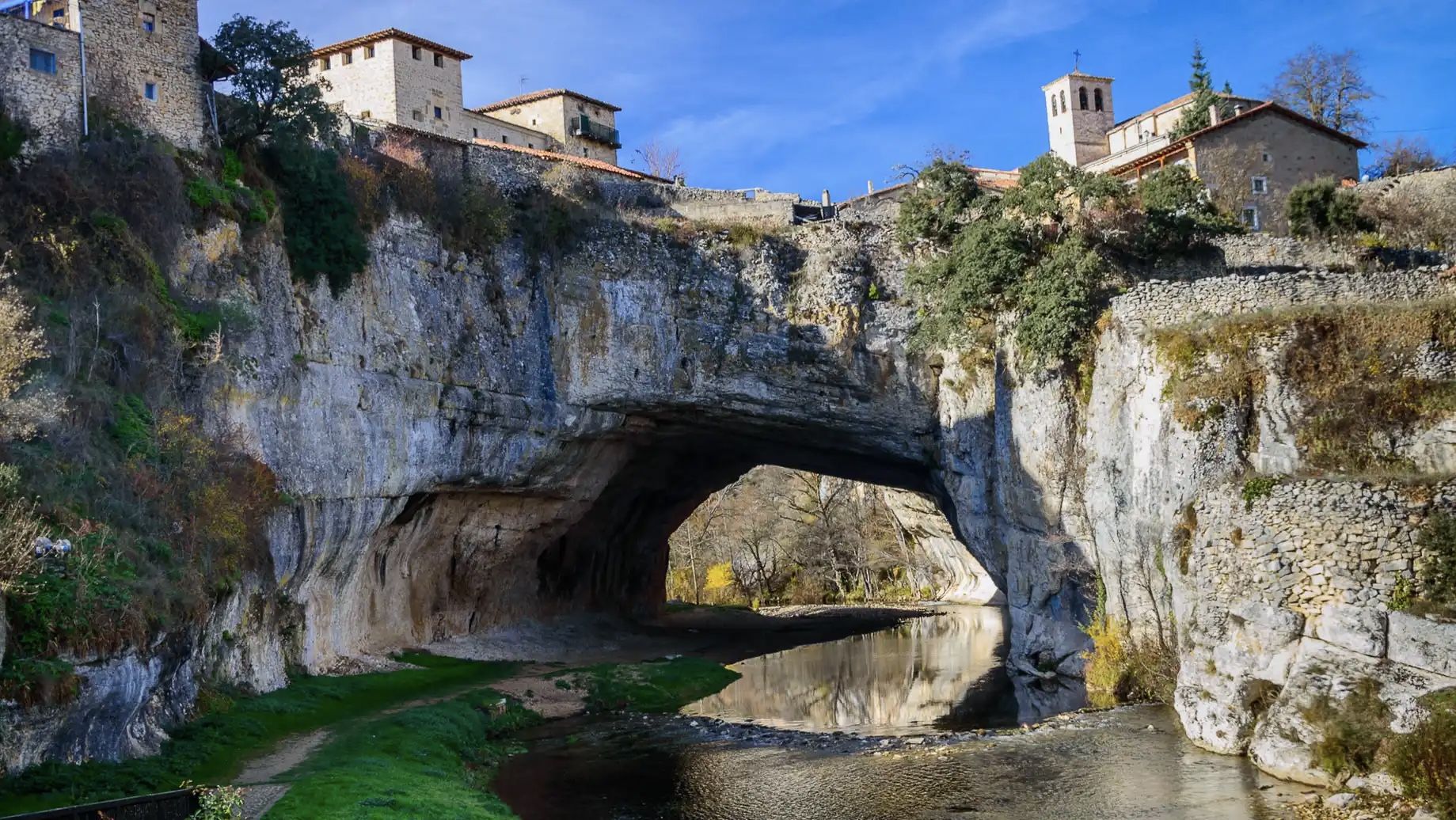
La Matanela Pass, 1,005 m. Border between Burgos and Cantabria, Meseta and Pas. From Burgos, it's known as La Magdalena. I copied the altimetry from altimetrias.net, which can be trusted.
0
0

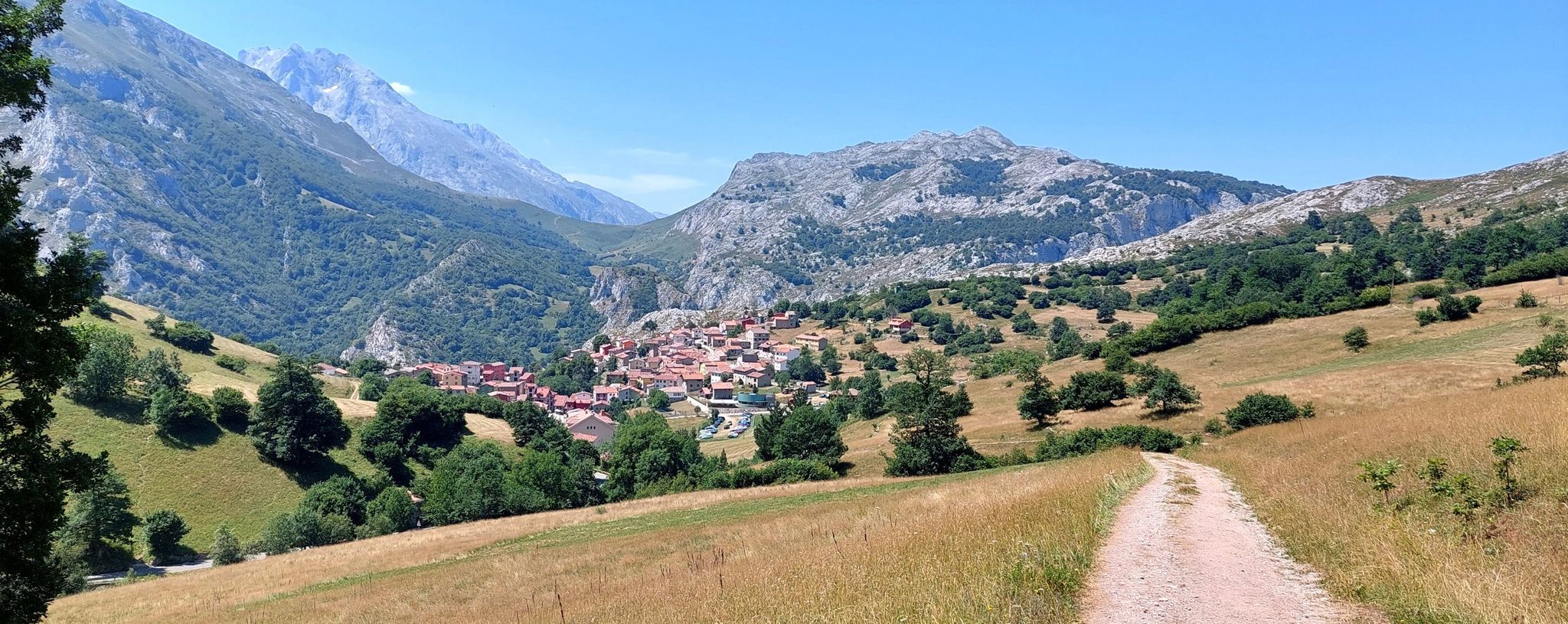
This is one of the most beautiful climbs in the region. It's 17.5 kilometers long, accumulating almost a thousand meters of elevation gain at an average of 5.7%. Spectacular scenery, little traffic, and a fairly easy gradient distribution.
0
0

The Collada de Brenes is a mountain pass belonging to the Cantabrian mountain range and located in Cantabria. It links the municipality of Cieza to the north with that of Arenas de Iguña to the south.
0
0

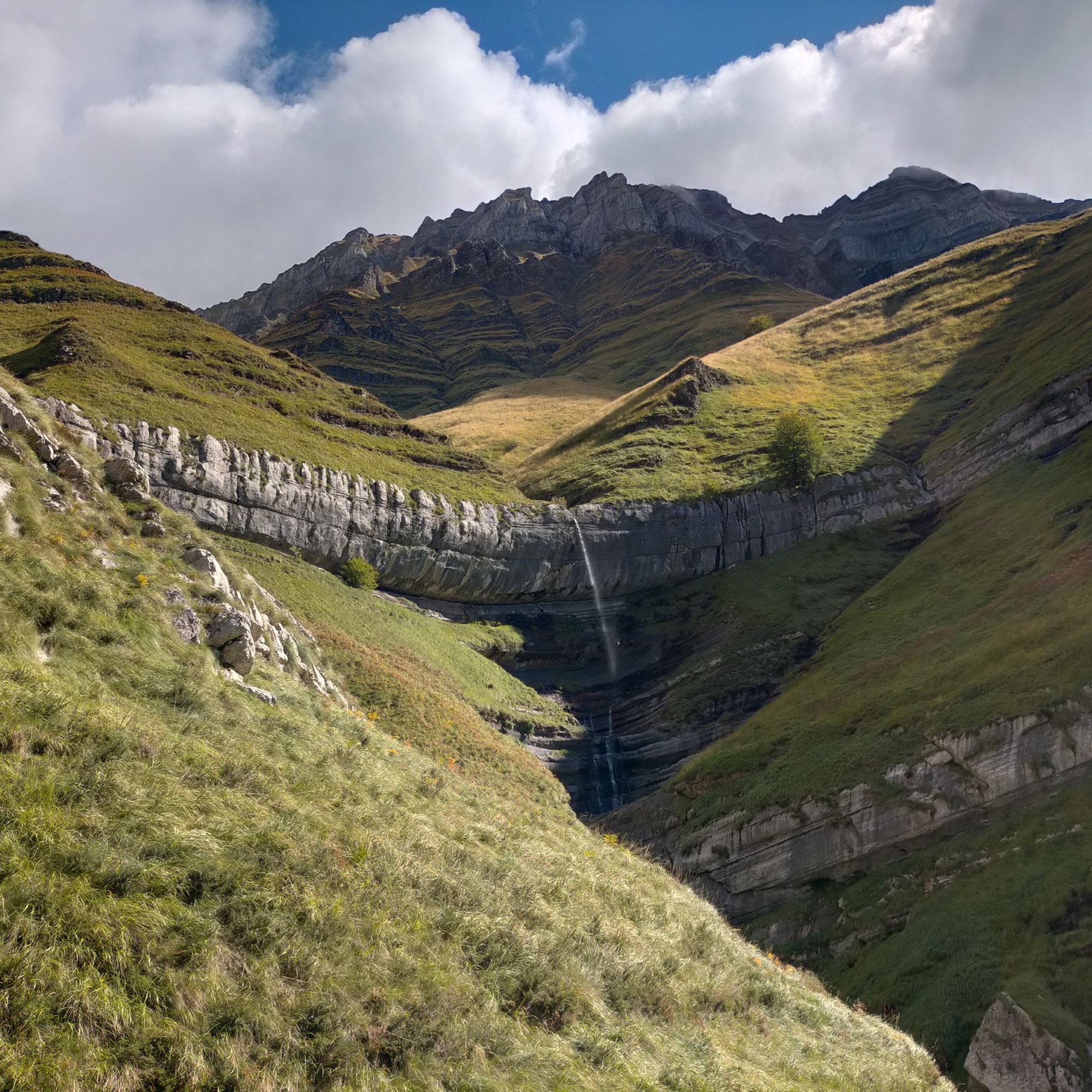
A demanding but VERY beautiful route. The Estacas de Trueba pass is absolutely spectacular!
0
0

The height of La Estranguada is located at 687 m. above sea level and is located in a livestock area within the Pasiegos valleys. Quite a few cyclists usually climb it but it must be a high complex due to its important ramps and in our case an interesting starting point if we want to go to Los Pozos de Noja without walking many kilometers and withstanding a lot of unevenness, from here we head to Idillo and then to Los Pozos by a beautiful path or we can continue the track and shorten the path much more. What they do promise are some great views
1
0
Frequently Asked Questions
What are some of the most popular mountain passes in the Pas-Iguña region?
Visitors frequently enjoy Estacas de Trueba Pass, known for its ancient Castilian stone signage and excellent valley views. Another favorite is Alto del Caracol, which connects the Miera and El Pisueña valleys and offers spectacular panoramic views. Alto de la Matanela is also highly regarded for its beautiful views of both Cantabria and Burgos, marking a geographical limit between the two provinces.
What kind of views can I expect from the mountain passes in Pas-Iguña?
The mountain passes in the Pas-Iguña region offer diverse and stunning views. From passes like Alto del Caracol, you can see spectacular vistas of the Miera and El Pisueña valleys and their surrounding mountains, including Castro Valnera. Puerto de Alisas provides panoramic views of impressive peaks, verdant pastures, and on clear days, even Santander Bay and parts of the Picos de Europa. Puerto de Lunada offers dizzying views of its rugged valley landscape.
Are there any historically significant mountain passes in the area?
Yes, several passes have historical importance. Estacas de Trueba Pass features ancient signage made by hand with Castilian stone, indicating its long history as a route. Puerto del Escudo has historically served as a crucial route connecting the Cantabrian coast to the interior plateau and was the site of a decisive battle during the Spanish Civil War. Puerto de Alisas also holds significance as a centuries-old route for goods and travelers.
Are there challenging mountain passes for experienced cyclists or hikers?
Absolutely. The region is known for its challenging terrain. Puerto de Lunada, for instance, is famous for its numerous tight curves and steep slopes, attracting experienced cyclists and motorcyclists. Alto de la Estranguada is categorized as challenging. For cyclists, passes like Puerto de Palombera and Puerto de Alisas are popular destinations with scenic and demanding climbs, with Puerto de Alisas being a classic climb featured in the Vuelta a España.
What outdoor activities can I do near the mountain passes around Pas-Iguña?
The area around Pas-Iguña's mountain passes is excellent for various outdoor activities. You can find numerous routes for gravel biking, road cycling, and running. For gravel biking, explore routes like the 'Gravel loop in Saja-Besaya natural park' or 'Comarca of Las Merindades in gravel'. Road cyclists can tackle challenging routes such as 'Puerto de La Braguía – Alto de la Matanela loop from Villacarriedo'. Running enthusiasts can enjoy trails like 'Churrón de Borleña via the La Llana stream path'. You can find more details on these activities in the Gravel biking around Pas-Iguña, Road Cycling Routes around Pas-Iguña, and Running Trails around Pas-Iguña guides.
When is the best time to visit the mountain passes in Pas-Iguña?
The best time to visit is generally from late spring through early autumn (May to October) when the weather is milder and the passes are clear of snow. During these months, you'll experience lush greenery and ideal conditions for cycling, hiking, and enjoying the views. However, some passes like Puerto de Lunada and Puerto del Escudo can offer a unique, adventurous experience in foggy conditions, but require caution.
What are the winter conditions like on the mountain passes?
Winter conditions on the mountain passes can be severe. Due to their altitude, passes like Puerto del Escudo and Puerto de Lunada frequently close in winter because of heavy snowfall and ice. Puerto de Lunada, in particular, carries a high risk of avalanches during this season. It's crucial to check local weather and road conditions before planning a winter visit to any of the higher passes.
Are there family-friendly mountain passes or viewpoints suitable for all ages?
While many passes offer challenging terrain, the general beauty and viewpoints can be enjoyed by families. Passes like Estacas de Trueba Pass offer good views from their highest point, which can be accessible. Puerto de Palombera features well-marked hiking trails suitable for various skill levels, making it a good option for families looking for a peaceful escape and opportunities for photography amidst lush greenery.
What makes Puerto de Palombera a unique destination?
Puerto de Palombera stands out for its spectacular natural beauty and numerous outdoor recreational opportunities. Located in the Saja-Besaya Natural Park, it offers breathtaking mountain views and is generally less touristy, providing a peaceful escape. It's also a popular destination for cyclists due to its scenic and challenging climbs, and features well-marked hiking trails.
Can I find information about specific climbs, like the one to Portillo de Lunada?
Yes, you can find details on specific climbs. For example, the 'Climb to the Portillo de Lunada pass from San Roque de Riomiera' is a recognized highlight. This climb is known for its challenging terrain, numerous tight curves, and steep slopes, attracting cyclists and motorcyclists to the eastern part of the Cantabrian Mountains.
What are the geographical boundaries or connections of these passes?
The passes in this region often mark significant geographical connections. Alto de la Matanela represents the geographical limit between Cantabria and Burgos. Alto del Caracol connects the Miera and El Pisueña valleys. Puerto de Alisas divides the hydrological basins of the Asón and Miera rivers, while Puerto de La Braguía connects the Pas Valley with the Toranzo Valley.
Are there any passes that offer views of the Picos de Europa?
Yes, from the viewpoint at Puerto de Alisas, on clear days, visitors can enjoy spectacular panoramic views that include not only impressive peaks and verdant pastures but also Santander Bay and even parts of the Picos de Europa.
Most popular routes around Pas-Iguña
Most popular attractions around Pas-Iguña

Get inspired with the komoot mobile app


Didn’t find what you were looking for?
Find even more amazing mountain passes around Pas-Iguña organized by region:
Explore more
See even more epic mountain passes by checking out these guides around Pas-Iguña:
