Top 10 Natural Monuments around Oise
Best natural monuments around Oise offer diverse landscapes, including expansive forests, wetlands, and unique geological formations. The Oise department, located north of Paris, features significant natural areas like the Forêt de Compiègne and the Marais de Sacy. These sites provide varied terrain with plateaus, valleys, and waterways, supporting rich biodiversity. The region's natural spaces are suitable for activities such as walking, cycling, and wildlife observation.
Best natural monuments around Oise
- The most popular natural monuments is Étangs de Commelles,…
Last updated: May 9, 2026
Mont Pagnotte viewpoint
Highlight • Forest
Translated by Google •
Tip by

Étangs de Commelles
Highlight • Lake
Translated by Google •
Tip by

Sign up now to discover places like this
Get recommendations on the best single tracks, peaks, & plenty of other exciting outdoor places.
Sign up for free
Pierre au Coq
Highlight • Natural Monument
Translated by Google •
Tip by
Butte d'Aumont
Highlight • Natural Monument
Translated by Google •
Tip by
Butte de Rosne
Highlight • Summit
Translated by Google •
Tip by

The Saint Jean Oak
Highlight • Natural Monument
Translated by Google •
Tip by

The Chêne des Grès
Highlight • Natural Monument
Translated by Google •
Tip by
La Pierre Glissoire
Highlight • Natural Monument
Translated by Google •
Tip by
La Pierre Linotte
Highlight • Natural Monument
Translated by Google •
Tip by

Jean-Jacques Rousseau Park
Highlight • Natural Monument
Translated by Google •
Tip by
Sign up for free to discover even more natural monuments around Oise.
Sign up for free
Already have an account?
Start today with a free account
Your next adventure awaits.
Login or Signup
Popular around Oise
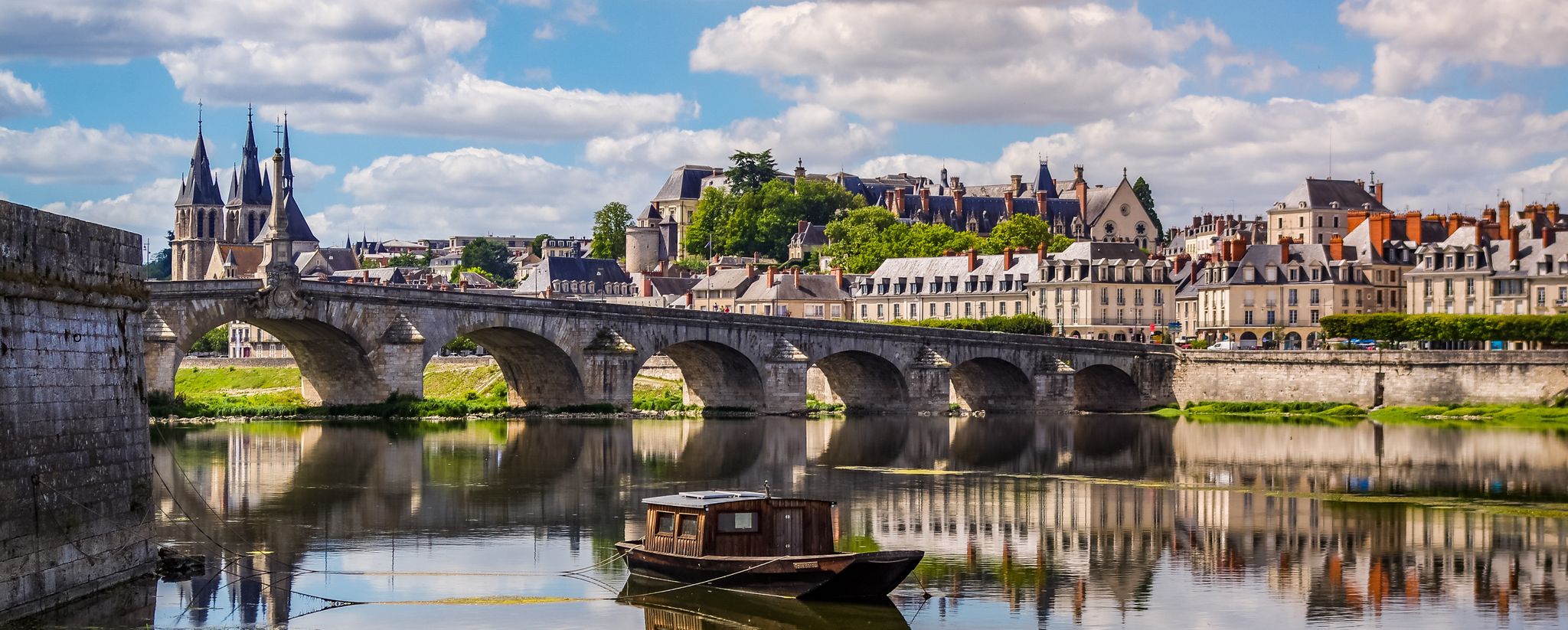
EuroVelo 3 – A cycling pilgrimage from Norway to France
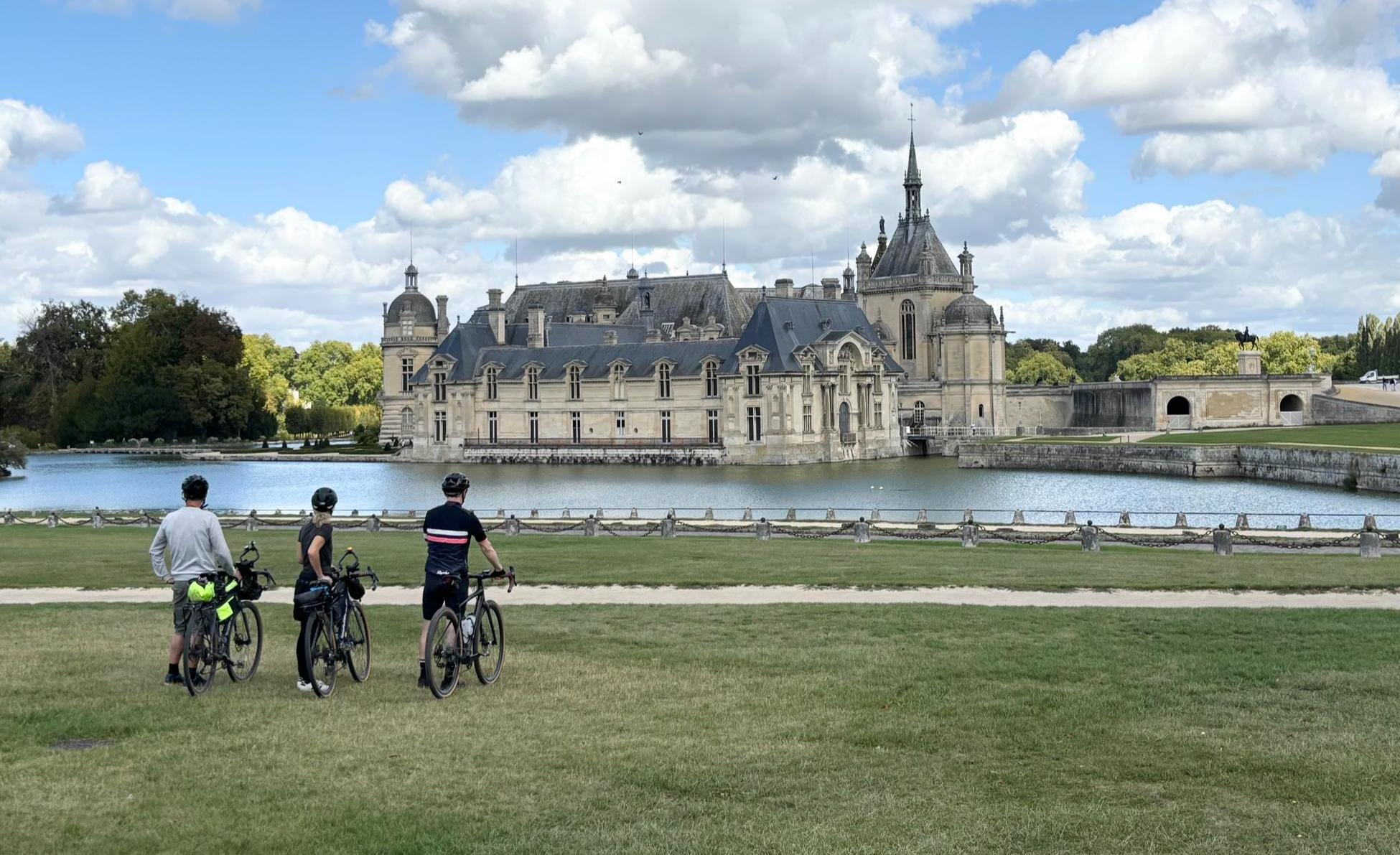
Tour de l'Oise gravel – station to station adventures within an hour of Paris
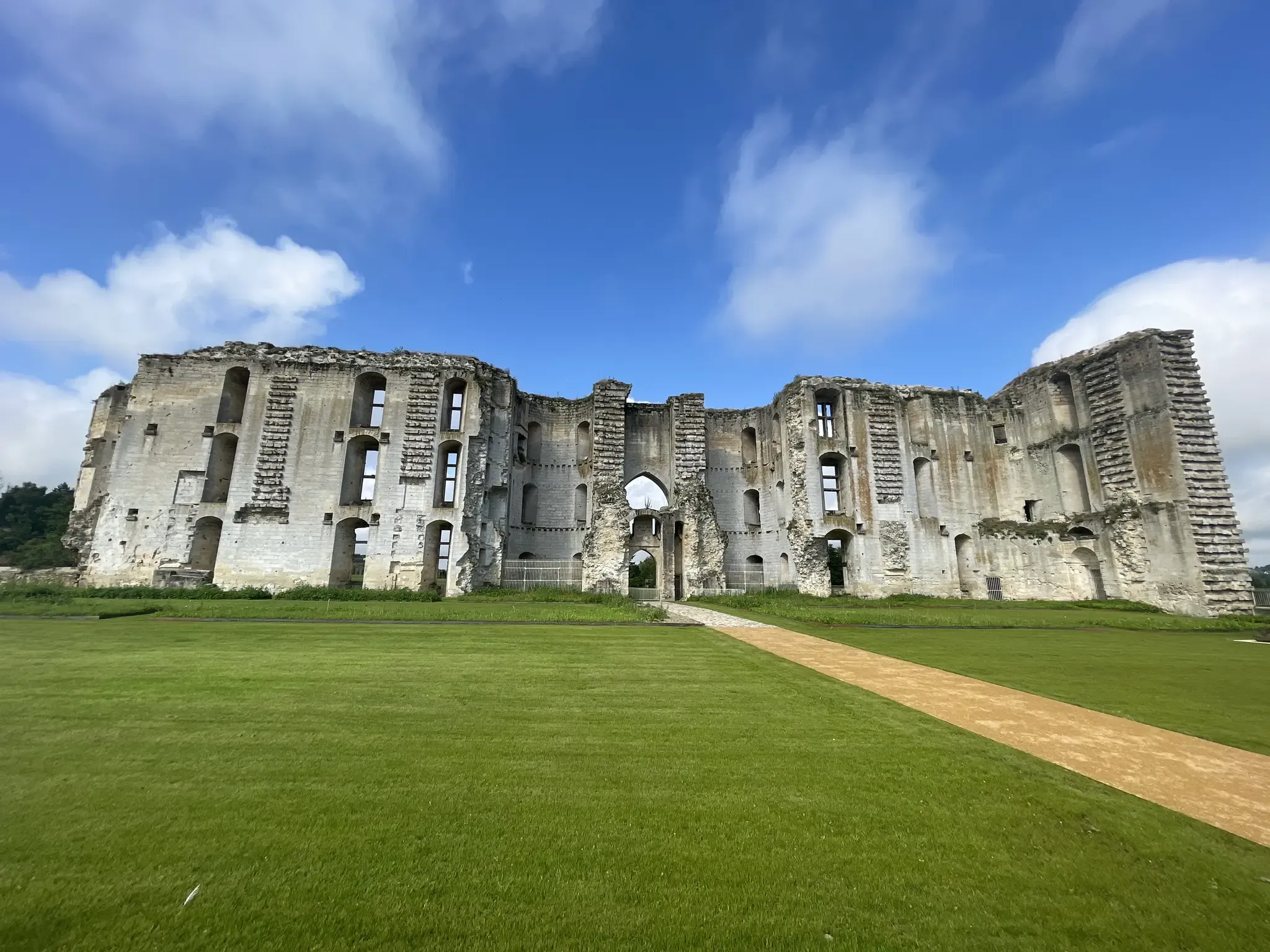
Nature and heritage around Paris – hiking the GR 11
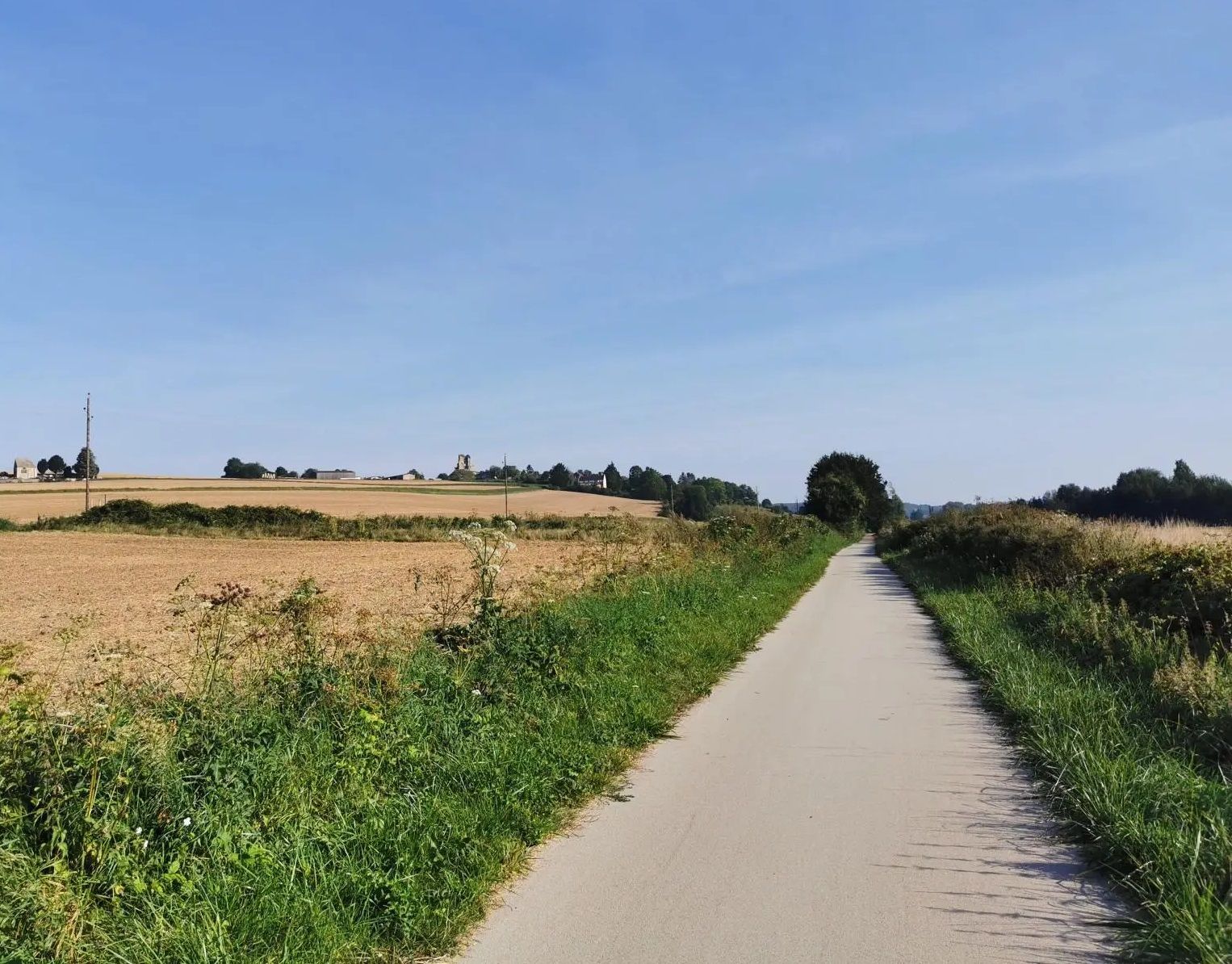
On the roads of the Avenue Verte in France – Oise and Vexin loop
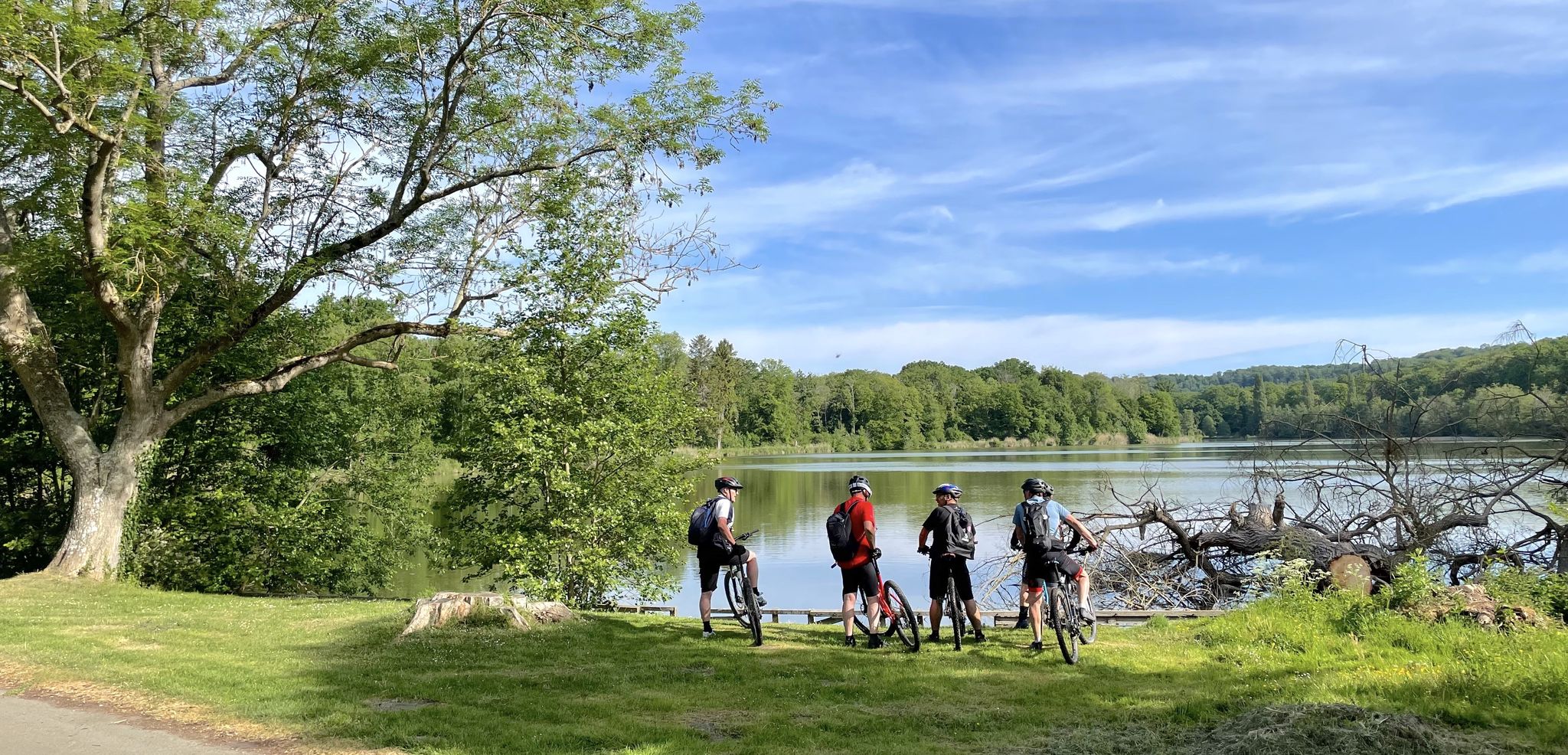
Micro-adventures in the Oise – gravel routes within an hour of Paris
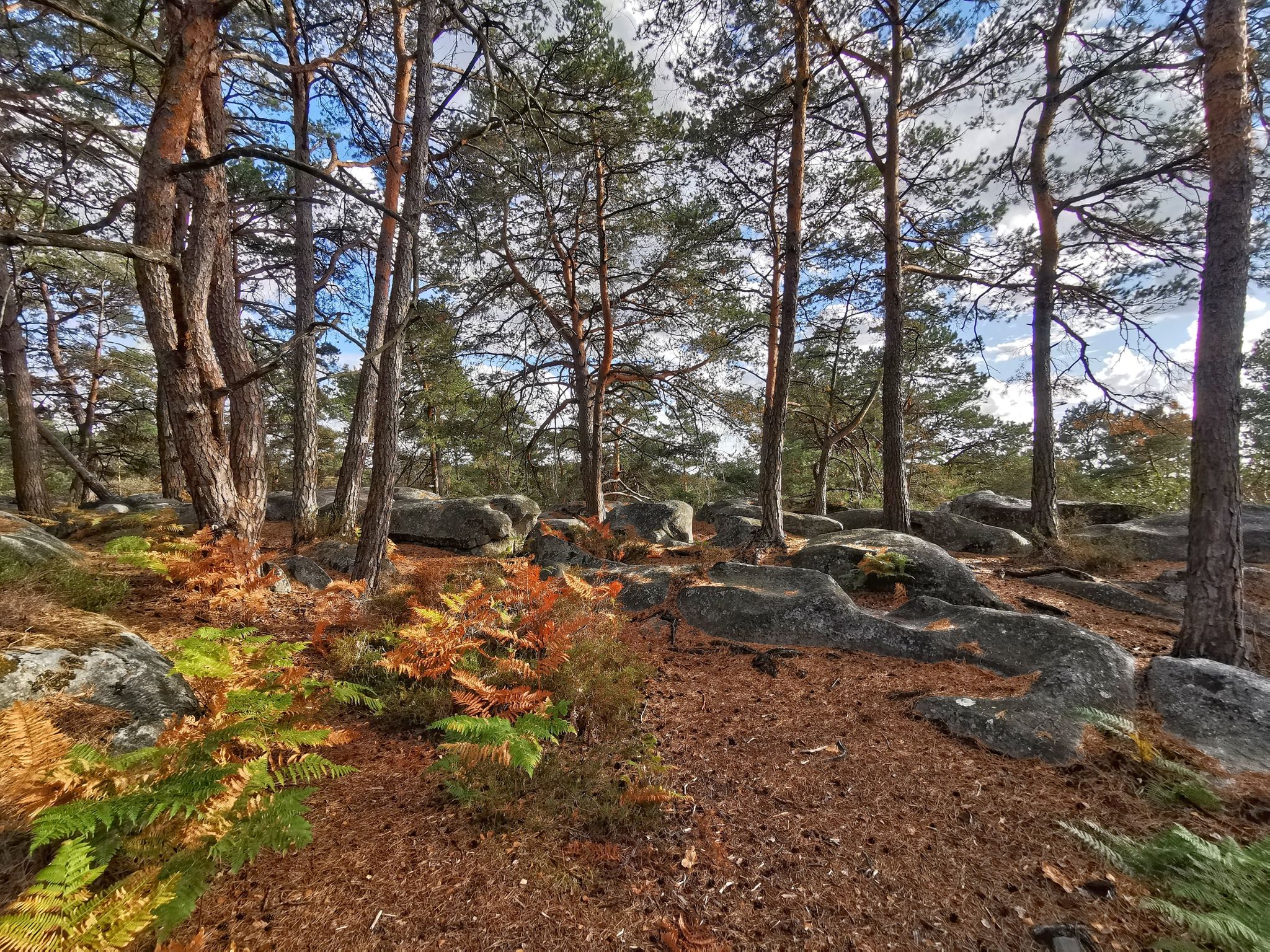
Natural beauty on Île-de-France – mountain biking around Paris
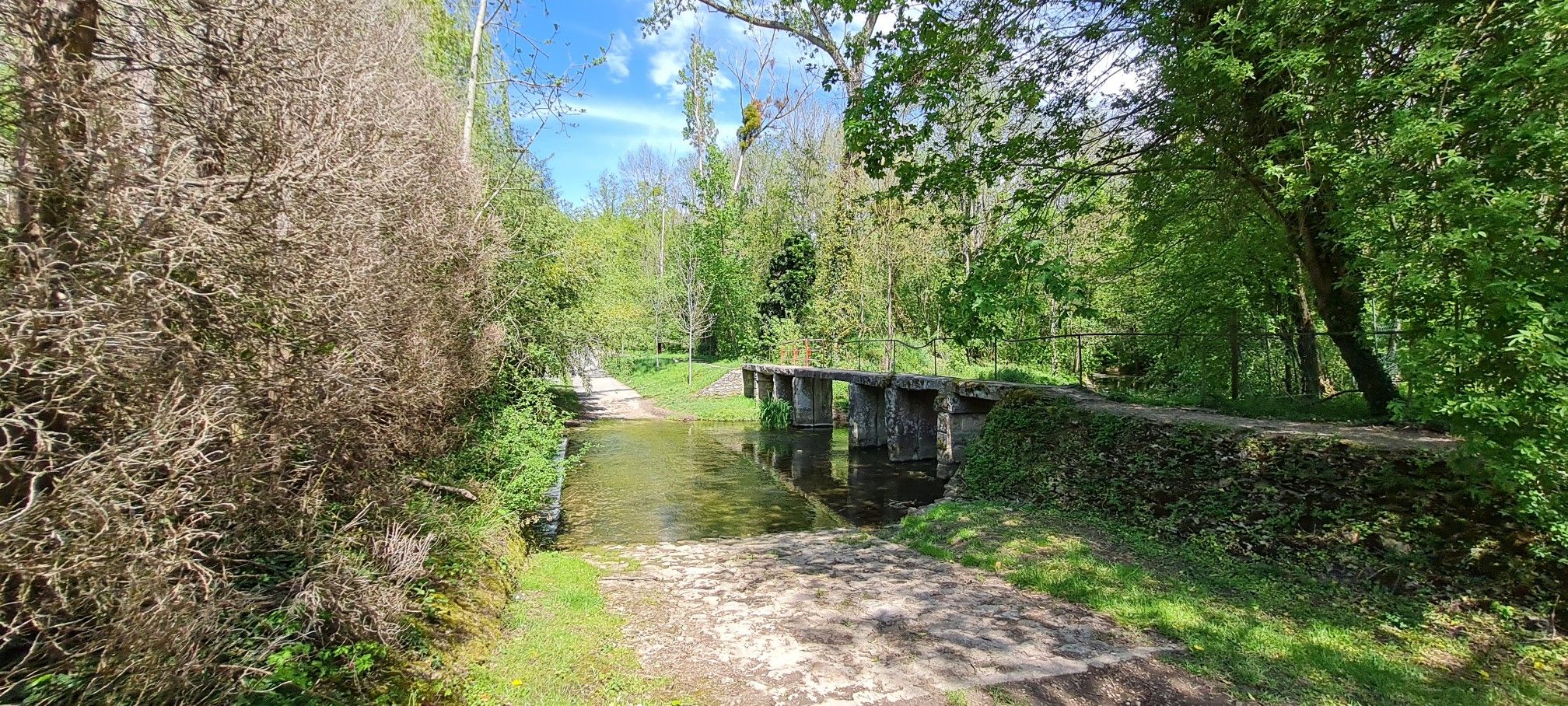
Walking around Ile-de-France in Paris – GR 1
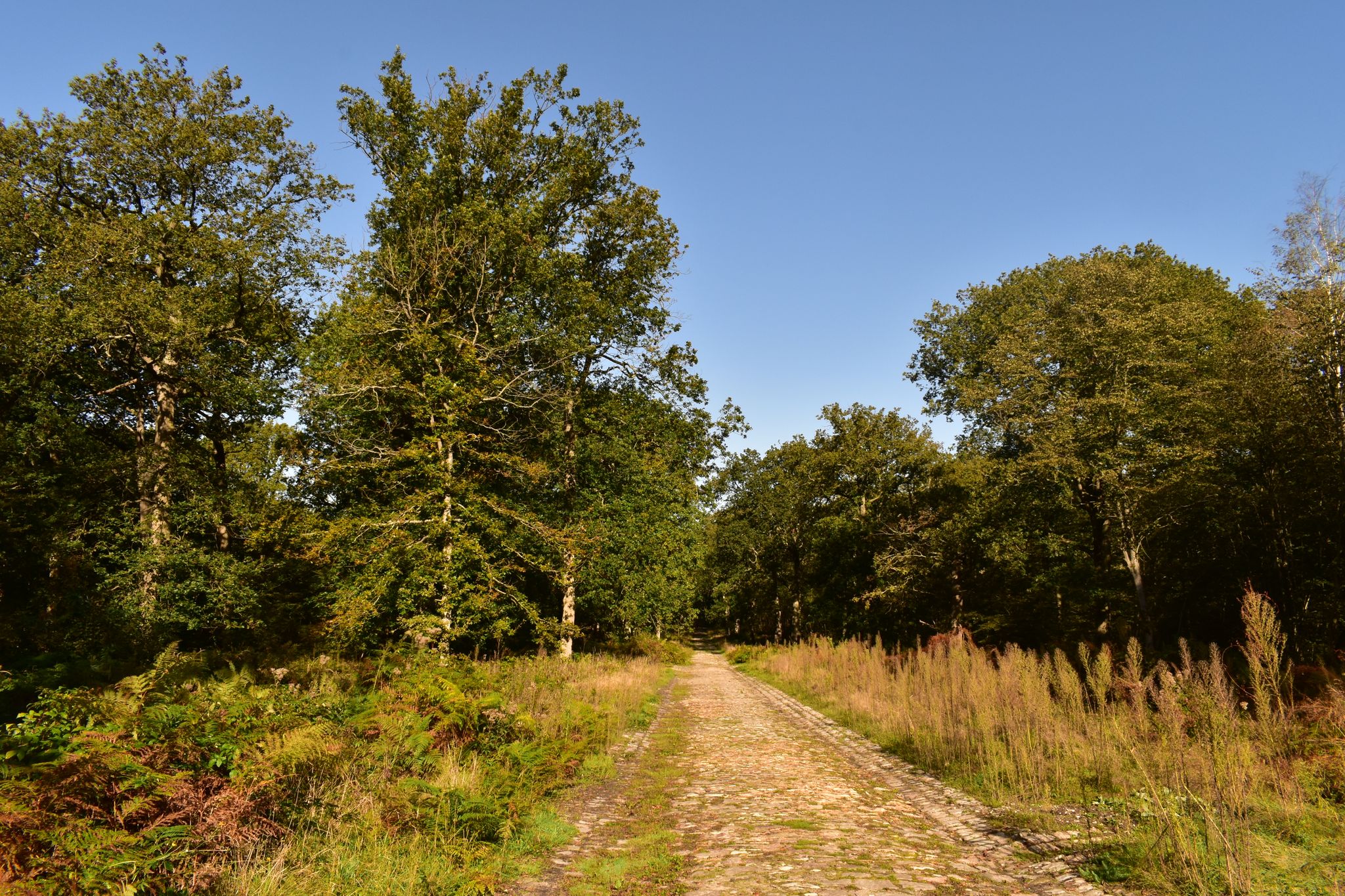
In the heart of Ile-de-France’s landscapes — 7 trails north of Paris
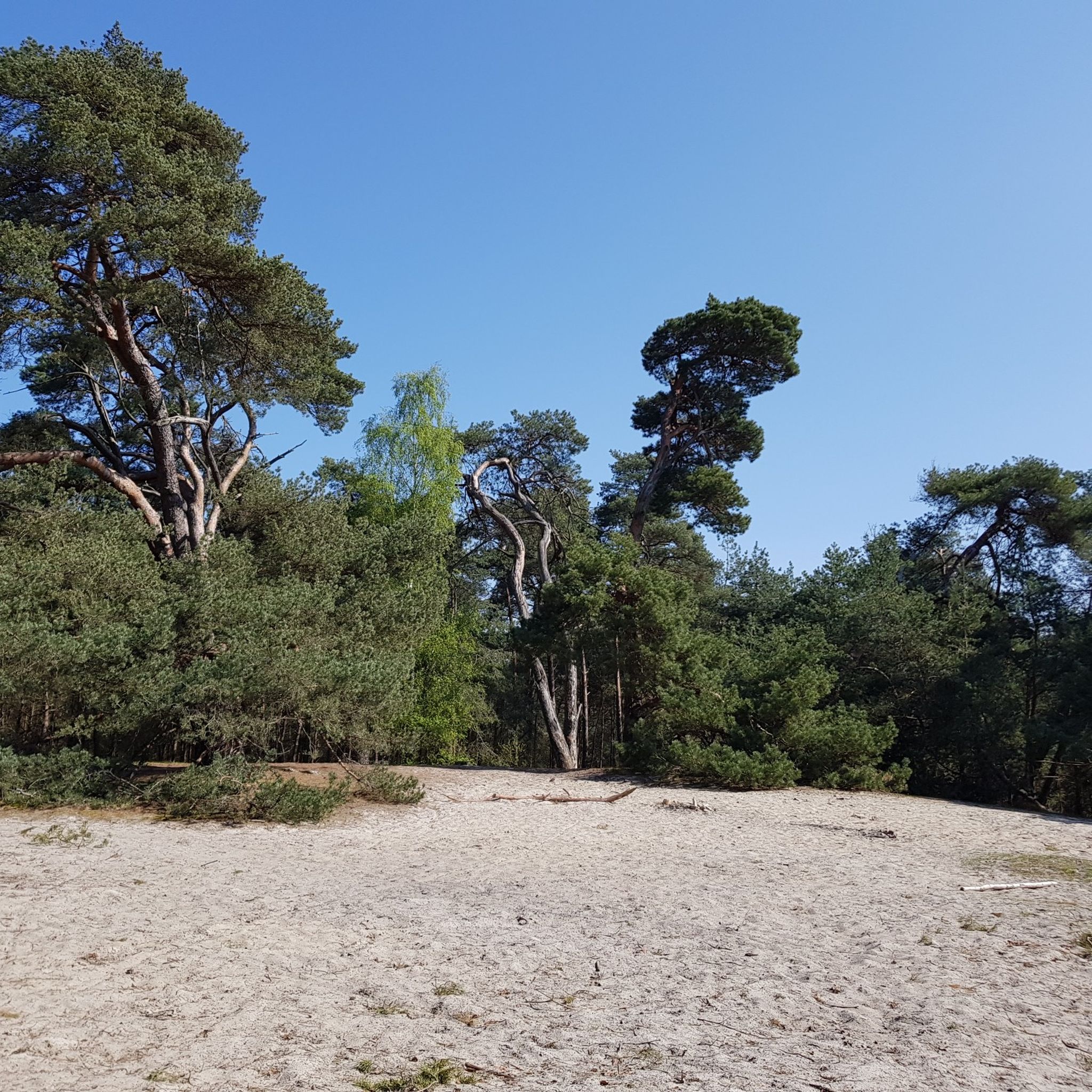
Hiking around Oise
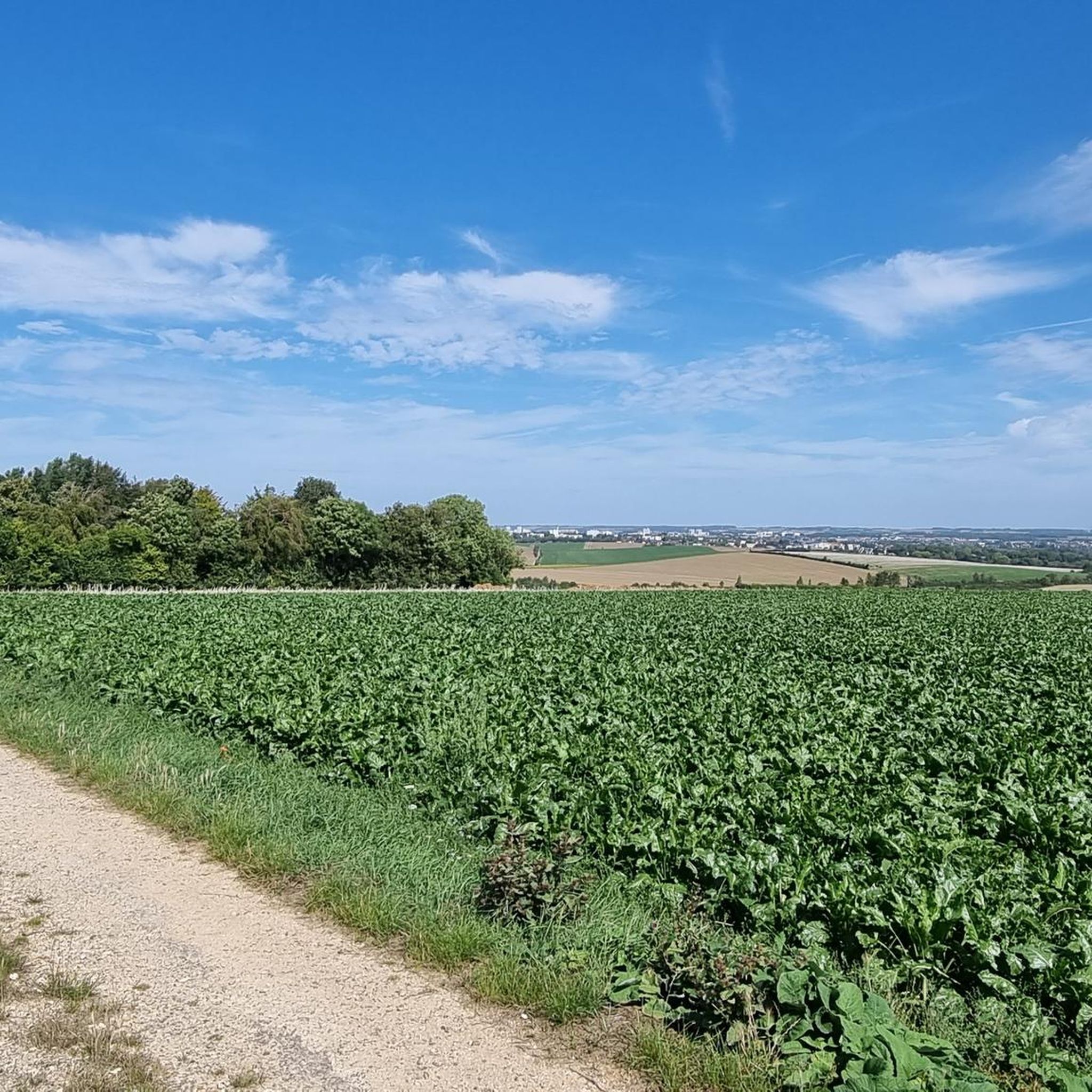
Cycling around Oise
Other adventures around Oise


Tips from the Community

Here, you'll find the Linnet Stone, which dates back to the Celtic era. It's part of the Sacred Stones Trail, an educational trail.
0
0

The Rooster Rock is a curious rock formation that resembles a rooster's head. You can learn more about the forest's diverse flora and fauna thanks to the information panels along the trail.
0
0


The orientation table that previously existed and the wooden terrace have been removed. The trees have grown, making the view non-existent. Before, on a clear day, it was possible to make out the Eiffel Tower.
0
0
From this summit you can enjoy a panoramic view of the surrounding countryside and the Halatte forest. You can also discover the historical and cultural heritage of the region, such as the ruins of the Aumont castle and the Saint-Martin chapel.
3
0
The Jean-Jacques Rousseau park in Ermenonville is a beautiful example of a landscaped garden, inspired by the paintings of Poussin and Claude Lorrain. There you can admire ponds, meadows and groves, as well as small buildings evoking different virtues, values or characters. The park is named after the philosopher Jean-Jacques Rousseau, who spent the last six weeks of his life there and was buried on Île des Peupliers. You can follow in his footsteps and meditate on his writings, engraved on certain ruins. The park is also a place of literary pilgrimage, as many famous writers and artists have visited it over the centuries. You can enjoy the tranquility and harmony of nature in this park, which is open Tuesday to Sunday, from 11 a.m. to 5:30 p.m.
2
0
Frequently Asked Questions
What are some of the most popular natural monuments to visit in Oise?
The Oise region offers a variety of natural monuments appreciated by visitors. Among the most popular are Étangs de Commelles, a protected lake known for its biodiversity, and Mont Pagnotte viewpoint, the highest point in Valois offering panoramic views of the Halatte Forest. Another unique spot is Pierre au Coq, a curious rock formation resembling a rooster's head.
Are there family-friendly natural monuments in Oise?
Yes, several natural monuments in Oise are suitable for families. Étangs de Commelles, located within the Chantilly forest, is a great option for a leisurely outing. The Mont Pagnotte viewpoint trail is also ideal for a family hike, offering diverse trees and wildlife. Additionally, the Saint Jean Oak and Chêne des Grès are ancient trees that can be fascinating for children to discover.
What kind of wildlife can I spot at Oise's natural monuments?
Oise's natural monuments are rich in biodiversity. In the expansive Forêt de Compiègne, you might encounter deer, roe deer, wild boars, and various bird species. The Étangs de Commelles are particularly known for thousands of frogs in March. The Marais de Sacy, a significant wetland, is a haven for amphibians like green frogs and tree frogs, and birds such as the great bittern and little bittern. The Oise-Pays de France Regional Nature Park is home to roebuck, does, foxes, and badgers.
Are there historical or cultural sites near the natural monuments?
Many natural monuments in Oise are intertwined with history. The Forêt de Compiègne was historically a royal hunting ground and contains numerous historical sites. Mont Pagnotte was an ancient Celtic and Gallo-Roman colony, with ruins still visible. The Butte d'Aumont offers views of the ruins of Aumont castle and the Saint-Martin chapel. The Pierre Linotte dates back to the Celtic era and is part of the Sacred Stones Trail. The Oise-Pays de France Regional Nature Park also features castles and abbeys.
What outdoor activities can I do near these natural monuments?
The Oise region provides extensive opportunities for outdoor activities. The Forêt de Compiègne, with over 1,000 km of paths, is ideal for walking, cycling, and horseback riding. The Oise-Pays de France Regional Nature Park offers over 1,000 km of trails for hiking and sandy soils perfect for equestrian activities. You can find various hiking trails, MTB trails, and running routes throughout the region, including near highlights like Mont Pagnotte and the Saint Jean Oak.
Are there any unique geological formations or natural features to see?
Yes, Oise is home to several unique natural features. The Pierre au Coq is a distinctive rock formation resembling a rooster's head. The Butte d'Aumont features a surprising sandy mound in the middle of the forest, often compared to a small dune. The Marais de Sacy is an exceptional wetland and peatland area, representing one of the largest alkaline peat systems in Northwestern Europe, with diverse habitats like wet meadows and peat bogs.
What is the best time of year to visit the natural monuments in Oise?
The best time to visit Oise's natural monuments largely depends on your interests. Spring (March-May) is excellent for observing biodiversity, such as the thousands of frogs at Étangs de Commelles and blooming flora. Summer (June-August) is ideal for hiking and cycling. Autumn (September-November) offers beautiful fall foliage in the extensive forests like Forêt de Compiègne and Halatte Forest. Winter can provide serene, quiet walks, especially in the forests.
Are there any observation points for panoramic views?
Absolutely. The Mont Pagnotte viewpoint, the highest point in Valois, offers a stunning panoramic view of the Halatte Forest and the surrounding countryside. From the Butte d'Aumont, you can also enjoy a panoramic view of the surrounding countryside. At the Marais de Sacy, a 12-meter observation tower provides sweeping views of the marshes.
What are the Marais de Sacy and why are they important?
The Marais de Sacy (Sacy Marshes) are a vast wetland and peatland area spanning over 1,000 hectares, recognized for their exceptional ecological importance. They represent one of the largest alkaline peat systems in Northwestern Europe and are designated as a Natura 2000 and RAMSAR site. This area is crucial for conservation, hosting diverse habitats and unique flora like marsh gentian and wild orchids, as well as various amphibians and birds. Visitors can explore a 1 km forest path and an observation tower.
What is the Oise-Pays de France Regional Nature Park?
The Oise-Pays de France Regional Nature Park is a vital protected natural space north of Paris, covering over 20,000 hectares. It's often referred to as a 'green lung' and includes major forests such as Ermenonville, Halatte, and Chantilly. The park features varied landscapes, including vast forests, calcareous grasslands, moors, and wetlands, providing essential habitats for wildlife. It offers extensive opportunities for hiking, with over 1,000 km of trails, and is rich in both natural beauty and historical sites.
Are there any ancient trees or notable forest areas to explore?
Yes, the Oise region is renowned for its extensive forests and ancient trees. The Forêt de Compiègne is a vast national forest characterized by elegant oak and beech trees, including the impressive Saint Jean Oak, estimated to be 800 years old. Another notable ancient tree is the Chêne des Grès. The Oise-Pays de France Regional Nature Park also encompasses the significant forests of Ermenonville, Halatte, and Chantilly, all offering beautiful woodland experiences.
What do visitors particularly enjoy about the natural monuments in Oise?
Visitors frequently appreciate the tranquility and natural beauty of Oise's natural monuments. Many enjoy the panoramic views from spots like Mont Pagnotte and the unique geological formations such as Pierre au Coq. The opportunity to explore diverse flora and fauna, especially at sites like Étangs de Commelles, is also a highlight. The region's extensive network of paths in forests like Compiègne and Halatte makes it perfect for walking, cycling, and connecting with nature.
Most popular routes around Oise
Most popular attractions around Oise

Get inspired with the komoot mobile app


Didn’t find what you were looking for?
Find even more amazing natural monuments around Oise by checking out the top Highlights region by region:
Explore more
Extend your search for the best caves by checking out these guides of the top ones around Oise:
