Top 20 Natural Monuments around Hoeksche Waard
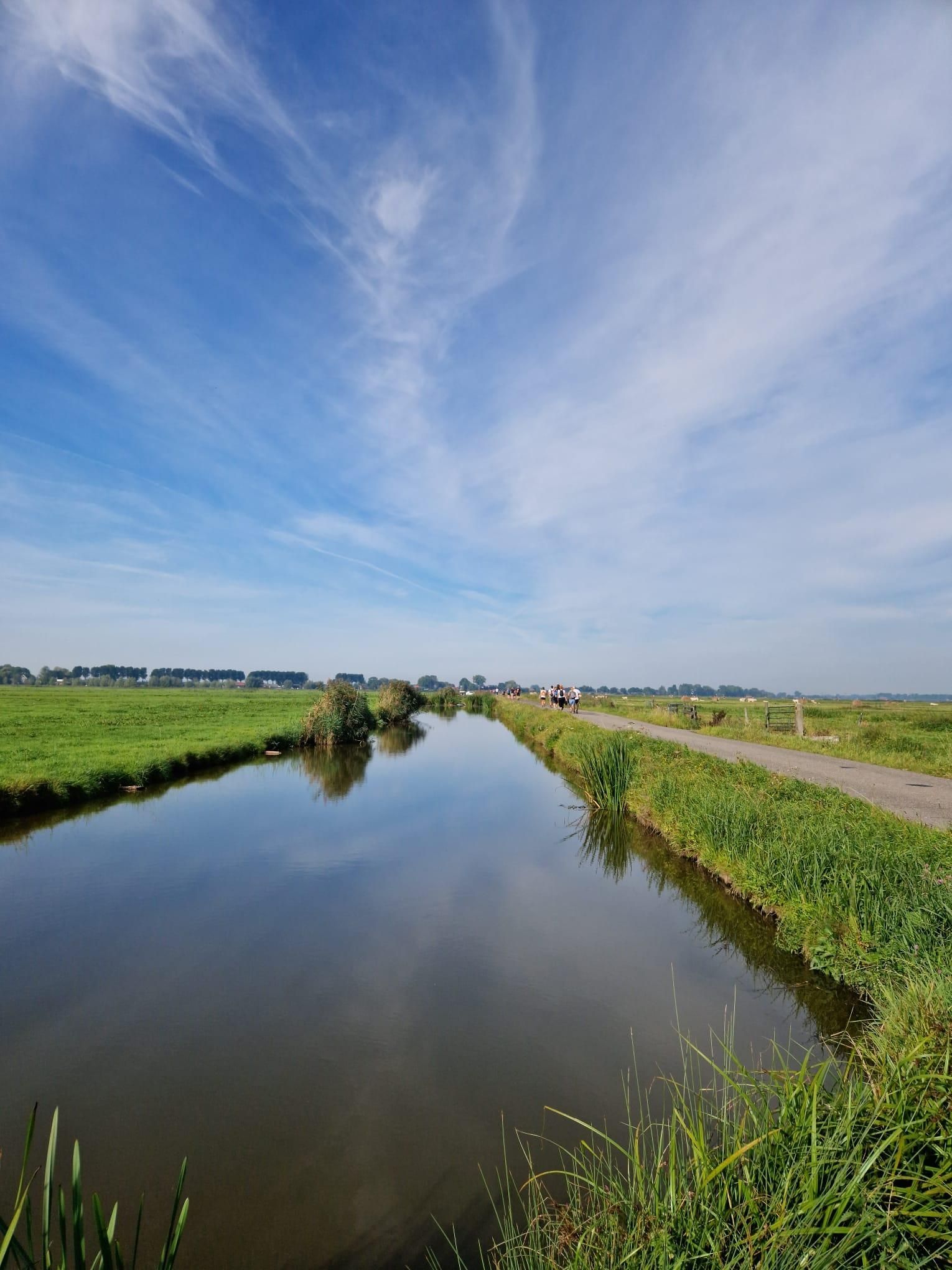
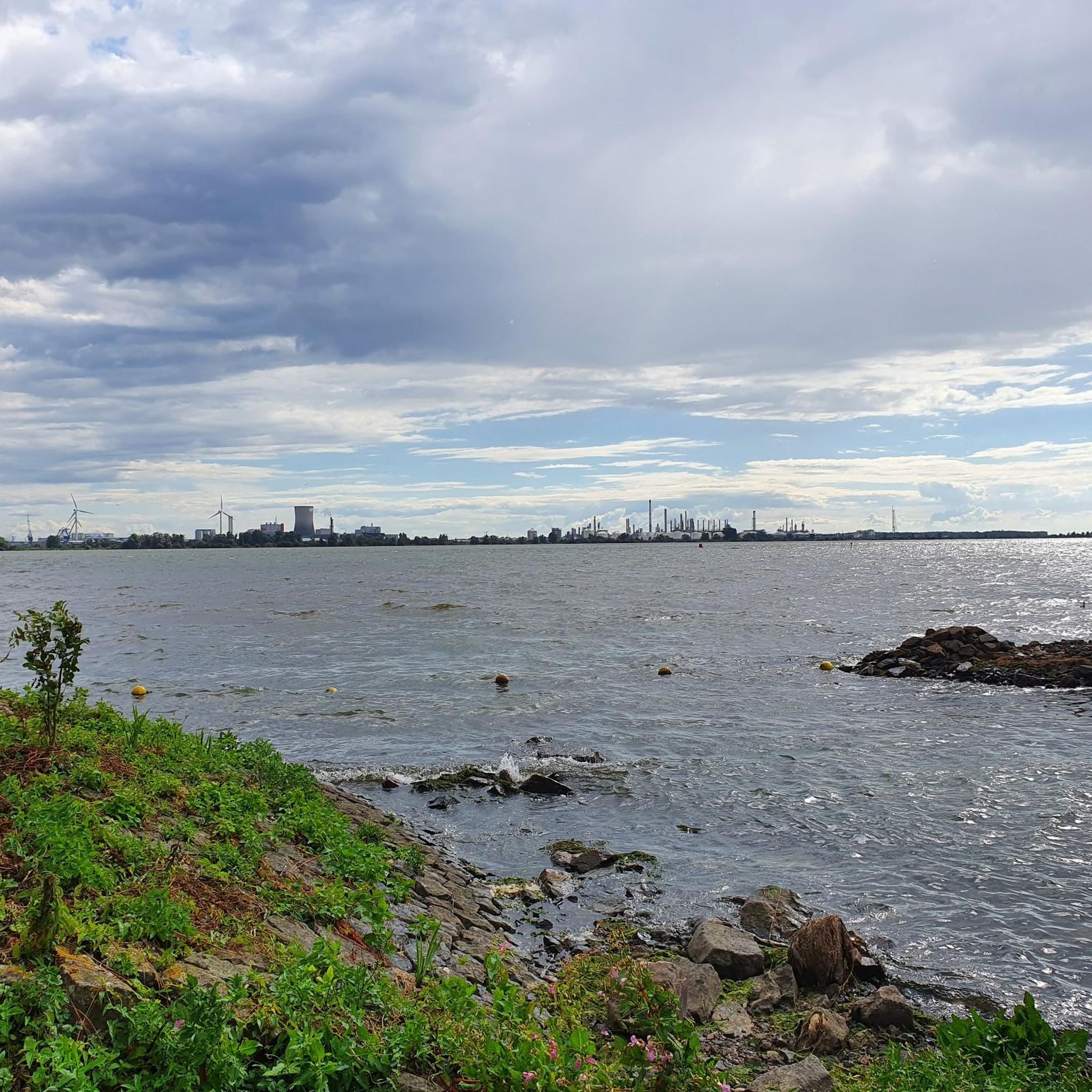
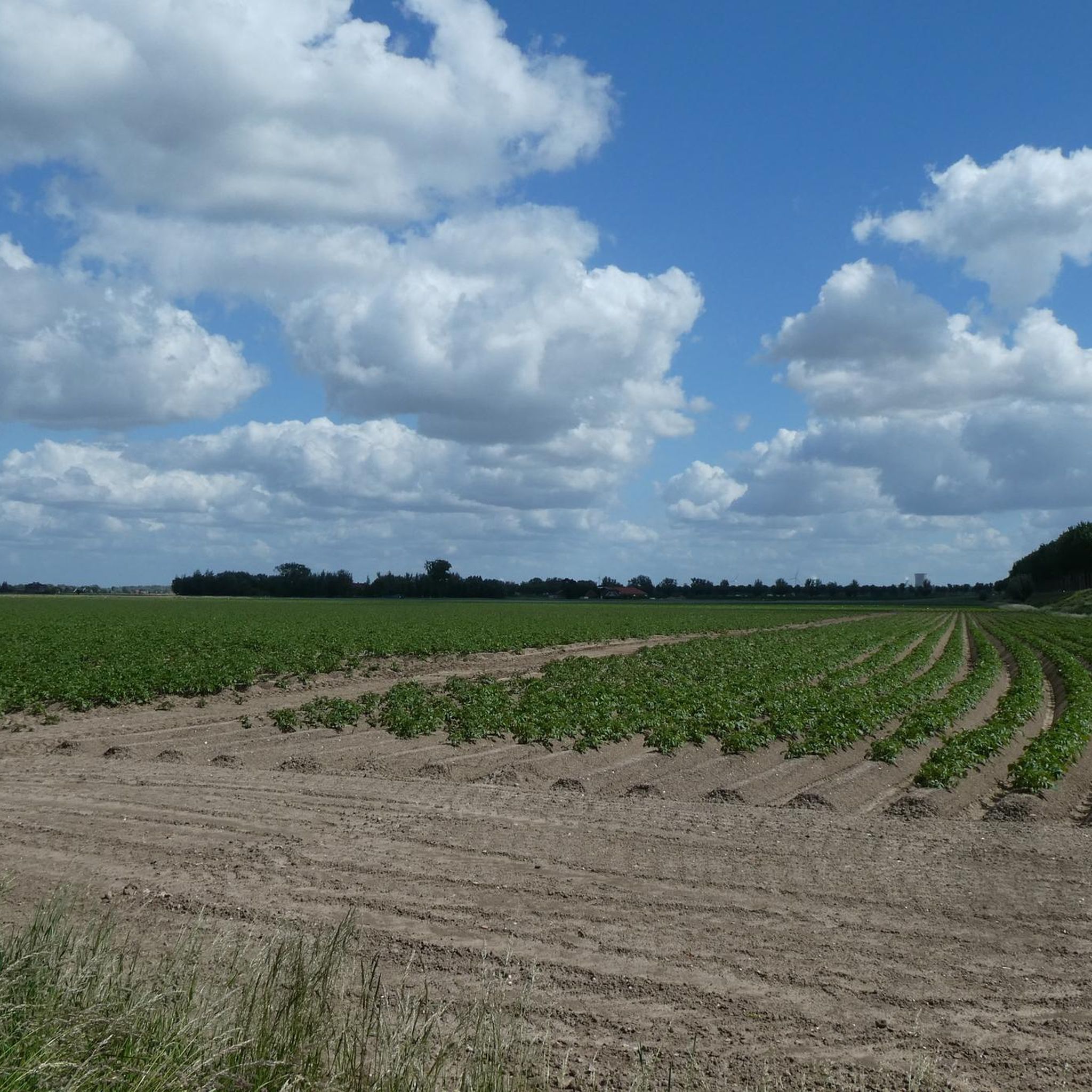
Natural monuments around Hoeksche Waard are characterized by a unique polder landscape, extensive dikes, and rich agricultural heritage. This region is an island situated between four watercourses, offering diverse landscapes and ecosystems. Its designation as a National Landscape underscores its significant natural and cultural value. The area is known for its sixty polders, many dating back to the 14th century, and is a haven for special meadow birds.
Best natural monuments around Hoeksche Waard
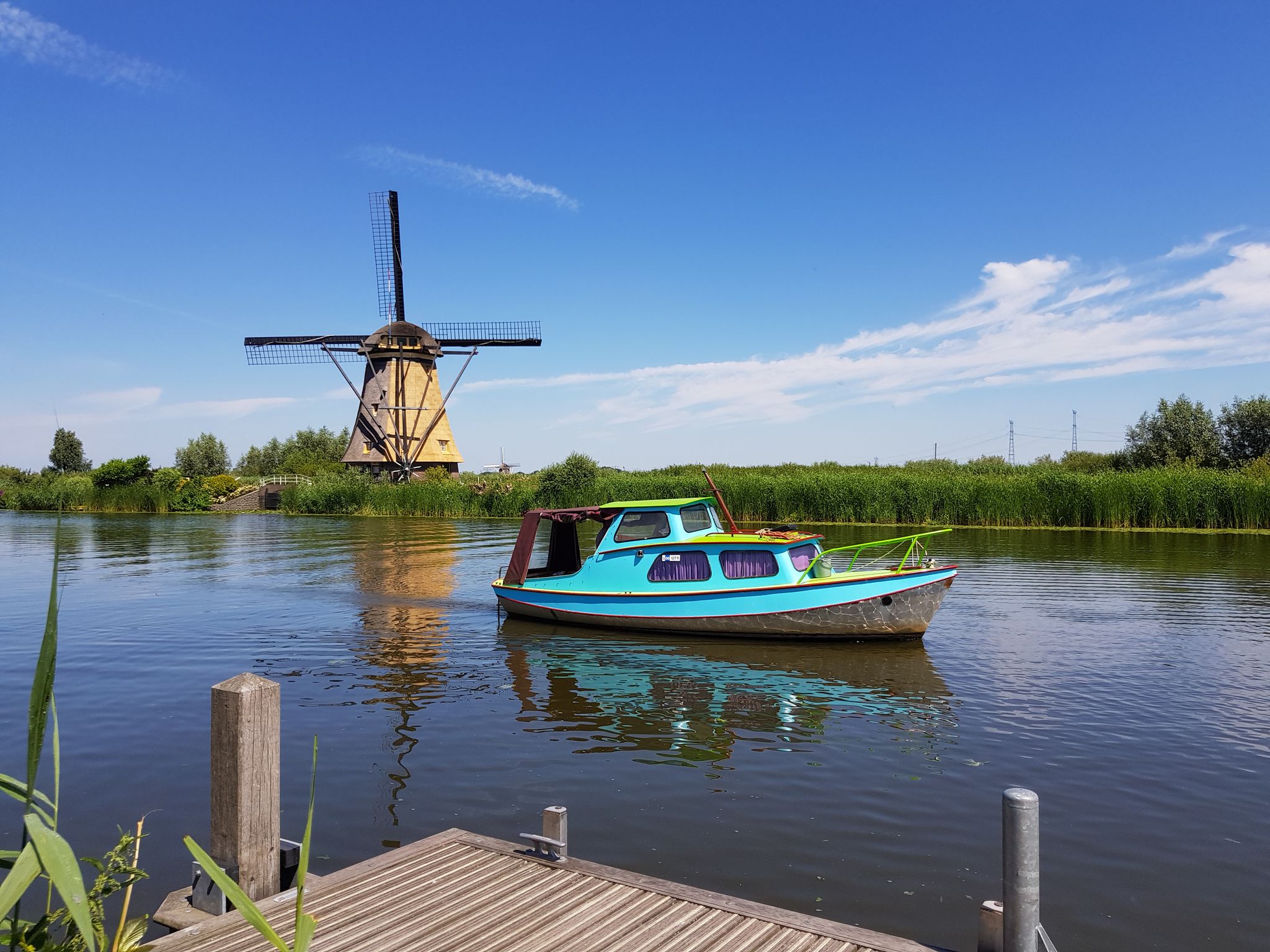
- The most popular natural monuments is Kinderdijk Windmills (UNESCO World Heritage Site), a man-made monument that features 19 historic windmills. These mills, a UNESCO World Heritage Site, demonstrate historical water management in harmony with the natural environment.
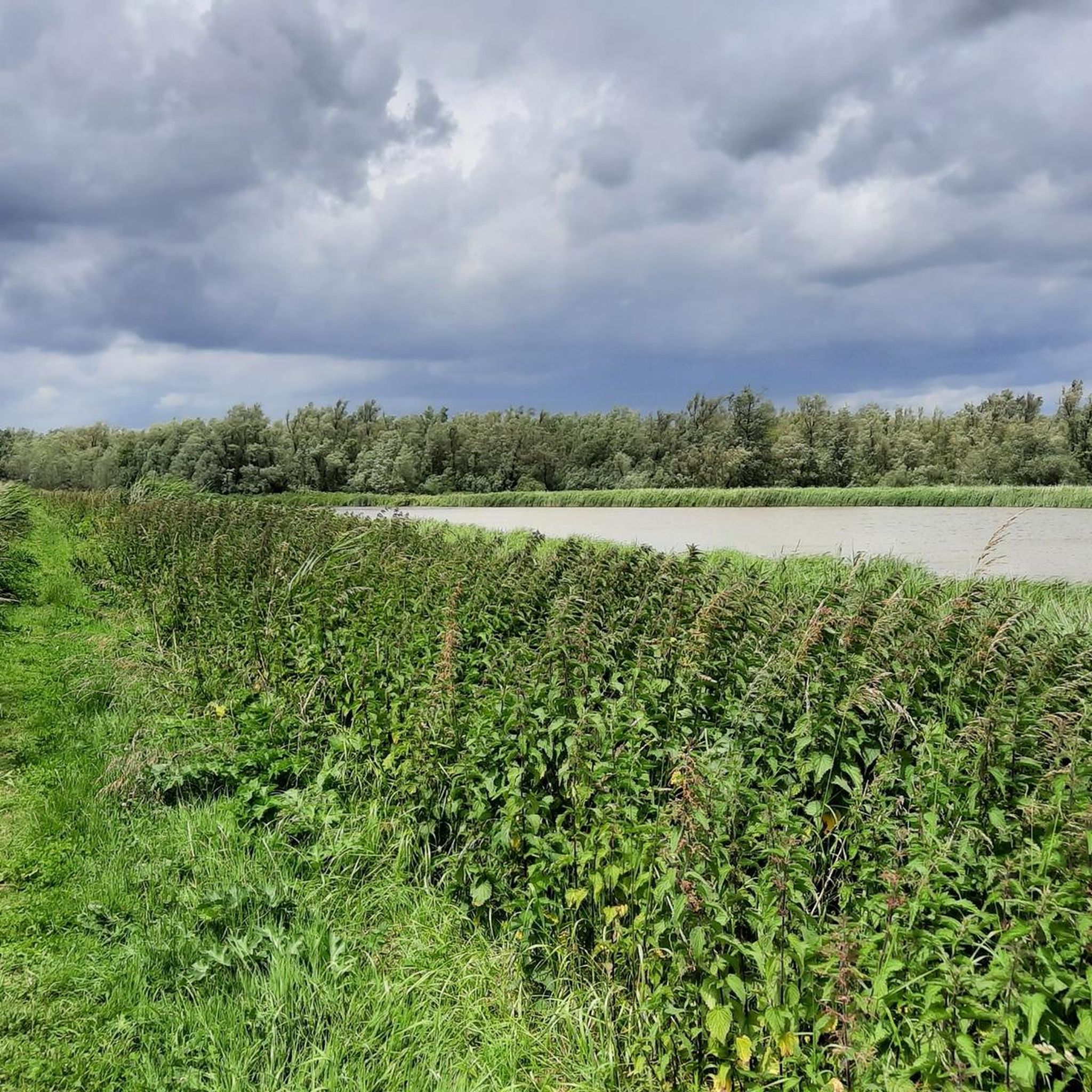
- Another must-see spot is Hooge Hof, a natural area within the Biesbosch. Visitors can explore walking paths and enjoy the diverse natural environment of this former polder.
- Visitors also love De Wachter Art Installation, an eight-metre-high, pyramid-like clay hill. This artwork marks the spot where a dike broke during the 1953 flood disaster, offering a viewpoint over the Hollandsch Diep.
- Hoeksche Waard is known for its polder landscapes, dikes, and nature reserves. The region offers a variety of natural monuments, including historical water management sites, natural parks, and viewpoints.
- The natural monuments around Hoeksche Waard are appreciated by the komoot community, with over 480 upvotes and 363 photos shared across the highlights.
Last updated: May 9, 2026
Kinderdijk Windmills (UNESCO World Heritage Site)
Highlight • Monument
Translated by Google •
Tip by

Biesbosch Museum Island
Highlight • Historical Site
Translated by Google •
Tip by

Sign up now to discover places like this
Get recommendations on the best single tracks, peaks, & plenty of other exciting outdoor places.
Sign up for free
De Wachter Art Installation
Highlight • Monument
The work of art is an eight-metre-high hill, on which sheep can graze. The work of art De Wachter, by artist Marius Boender, was built along the Hollandsch Diep at the spot where the dike broke during the Flood Disaster in 1953. The reason for the monument was the completion of the dike reinforcement in 2001. The work of art is an eight-metre-high, pyramid-like clay hill, overgrown with grass. You can climb the work of art via a path that winds over the work of art. There is a good chance that you will do so in the company of grazing sheep. The creation of the work of art was a challenge, because factors such as weight (not too heavy), weather resistance (rain and wind) and construction (not subsidence under pressure from visitors) had to be taken into account.
Source: visitmoerdijk.nl/nl/locaties/2645610321/de-wachter
Translated by Google •
Tip by

Hooge Hof
Highlight • Natural
Translated by Google •
Tip by

Kinderdijk Windmills
Highlight (Segment) • Monument
Kinderdijk is known for its mills, which were added to the UNESCO World Heritage List in 1997.
Translated by Google •
Tip by

Sign up for free to discover even more natural monuments around Hoeksche Waard.
Sign up for free
Already have an account?
Start today with a free account
Your next adventure awaits.
Login or Signup
Popular around Hoeksche Waard


Tips from the Community

Very impressive how large this complex with the many windmills is. In the middle, a dike runs through with a foot/bike path, for which you don't have to pay. But if you want to go directly to the windmills, then it costs admission. Tickets can be bought online or on-site at the visitor center. On weekends and especially on weekends with good weather, it can also get veeeery crowded there. kinderdijk.nl
0
0

The Biesbosch Museum, located in the heart of the National Park, conveys the history, nature and culture of this unique river landscape and invites you to learn more about the ecological importance of the area.
0
0

Lovely place (I was halfway) to rest for a while and if you want to visit the museum, or take a boat trip through the Biesbosch.
2
0

Along the Oostdijk between the Tonnekreek and Willemstad is 'De Wachter' a special work of art. De Wachter stands exactly on the spot where the storm surge on 1 February 1953 hit and flooded the Ruigenhilpolder. The work of art is an eight-metre-high hill, on which sheep can graze. The work of art De Wachter, by artist Marius Boender, was built along the Hollandsch Diep at the spot where the dike broke during the Flood Disaster in 1953. The reason for the monument was the completion of the dike reinforcement in 2001. The work of art is an eight-metre-high, pyramid-like clay hill, overgrown with grass. You can climb the work of art via a path that winds over the work of art. There is a good chance that you will do so in the company of grazing sheep. The creation of the work of art was a challenge, because factors such as weight (not too heavy), weather resistance (rain and wind) and construction (not subsidence under pressure from visitors) had to be taken into account. Source: https://www.visitmoerdijk.nl/nl/locaties/2645610321/de-wachter
6
0

Beautiful walking location between water and windmills...
17
0
For those who don't plan a tour on komoot themselves...
14
0
You see a windmill everywhere... Don't forget to enjoy the surroundings...
14
0
Frequently Asked Questions
What natural features define the Hoeksche Waard region?
The Hoeksche Waard is characterized by its unique polder landscape, extensive dikes, and rich agricultural heritage. It's an island situated between four watercourses, offering diverse landscapes and ecosystems. The region is known for its sixty polders, many dating back to the 14th century, and its proximity to water, including the Binnenmaas.
What kind of wildlife can I expect to see in the natural monuments around Hoeksche Waard?
The Hoeksche Waard is a haven for special meadow birds, including endangered species like the godwit, lapwing, and oystercatcher. In areas like the Crezéepolder, you can encounter many bird and plant species. The nearby De Biesbosch National Park is also known for its diverse wildlife, including beavers.
Are there historical natural monuments or sites related to water management in the area?
Yes, the region has a strong connection to historical water management. The Kinderdijk Windmills (UNESCO World Heritage Site) are a prime example, showcasing 19 historic windmills built to pump water from low-lying polders. Additionally, the De Wachter Art Installation marks the spot where a dike broke during the 1953 flood disaster, serving as a poignant reminder of the region's history with water.
Are the natural monuments around Hoeksche Waard suitable for families?
Many natural monuments in the Hoeksche Waard are family-friendly. For instance, the Kinderdijk Windmills offer an engaging historical experience, and the Biesbosch Museum Island is a great starting point for family cycling, walking, or boating trips. Natural areas like Hooge Hof and the Observation tower in the Crezéepolder also provide accessible paths and interesting sights for all ages.
What outdoor activities can I do near the natural monuments in Hoeksche Waard?
The Hoeksche Waard offers a variety of outdoor activities. You can enjoy extensive hiking, cycling, and mountain biking through the polder landscapes and along the dikes. For specific routes and guides, you can explore options like Hiking around Hoeksche Waard, Road Cycling Routes around Hoeksche Waard, and MTB Trails around Hoeksche Waard.
Are there specific hiking trails recommended near these natural monuments?
Yes, there are several hiking opportunities. For example, near the Biesbosch, you can find trails around Hooge Hof, a former polder with walking paths and clear route planners. The Crezéepolder also offers beautiful walks where you can encounter diverse bird and plant species. You can find more detailed routes in the Hiking around Hoeksche Waard guide, including trails like the 'Oeverlanden Strijensas' loop.
What are some popular viewpoints to enjoy the landscape?
For panoramic views, the De Wachter Art Installation offers a viewpoint over the Hollandsch Diep. The Observation tower in the Crezéepolder provides a beautiful view over the Crezéepolder, with the Kinderdijk windmills also visible in the distance. Many dikes and polder paths throughout the region also offer expansive vistas of the unique landscape.
Can I visit the natural monuments around Hoeksche Waard in winter?
Yes, the natural monuments can be visited in winter. The Kinderdijk Windmills are noted as being ideal for a day trip even in winter. The polder landscapes and dikes offer a different, often serene, beauty during the colder months, suitable for walks and birdwatching.
Are there cafes or facilities near the natural monuments?
The Biesbosch Museum Island features a cafe, making it a convenient stop for refreshments. While not every natural monument has direct facilities, many towns and villages within the Hoeksche Waard region offer cafes and restaurants. It's advisable to check specific locations for amenities before your visit.
What makes the Hoeksche Waard a National Landscape?
The Hoeksche Waard's designation as a National Landscape underscores its significant natural and cultural value. This status recognizes its unique polder landscape, extensive dikes, rich agricultural heritage, and the preservation of its diverse ecosystems. It highlights the importance of its preservation and makes it an attractive destination for nature enthusiasts.
What do visitors enjoy most about the natural monuments in Hoeksche Waard?
Visitors particularly enjoy the unique polder landscapes and the opportunity to walk or cycle between the many windmills and waterways, especially at Kinderdijk. The tranquility and natural beauty of areas like Hooge Hof and the Crezéepolder, with their diverse flora and fauna, are also highly appreciated. The historical context, such as that found at De Wachter Art Installation, also adds to the visitor experience.
Most popular attractions around Hoeksche Waard

Get inspired with the komoot mobile app


Explore more
Extend your search for the best caves by checking out these guides of the top ones around Hoeksche Waard:
