Top 10 Natural Monuments around Strijen
Best natural monuments around Strijen are found within the Hoeksche Waard region, characterized by expansive polders, dikes, and diverse natural areas. These locations offer ecological value and opportunities for outdoor activities. The landscape features a mix of water-rich environments and open polder views. Visitors can explore unique natural settings that highlight the region's biodiversity.
Best natural monuments around Strijen
- The most popular natural monuments is Hooge Hof, a nature reserve that features walking paths and small bridges. This area…
Last updated: May 9, 2026
De Wachter Art Installation
Highlight • Monument
Translated by Google •
Tip by

Hooge Hof
Highlight • Natural
Translated by Google •
Tip by

Sign up now to discover places like this
Get recommendations on the best single tracks, peaks, & plenty of other exciting outdoor places.
Sign up for free
Bee and insect hotel with information stand
Highlight • Structure
Translated by Google •
Tip by

Sophiapolder Nature Island
Highlight (Segment) • Natural
Translated by Google •
Tip by

De Biesbosch National Park
Highlight • Natural
Translated by Google •
Tip by

Sign up for free to discover even more natural monuments around Strijen.
Sign up for free
Already have an account?
Start today with a free account
Your next adventure awaits.
Login or Signup
Tips from the Community


An insect hotel is a structure that is specially designed to provide shelter and nesting places for insects. It is often used in gardens, parks or natural areas to support biodiversity. Here is more information about insect hotels: Purpose of an insect hotel • Supporting biodiversity: Insect hotels help beneficial insect species such as bees, ladybirds, lacewings and earwigs to survive, especially in urban or agricultural areas where natural shelters are scarce. • Pollination: Solitary bees, which often use insect hotels, play an important role in pollinating flowers and crops. • Pest control: Some insects, such as ladybirds and earwigs, eat pest insects such as aphids, which can help to naturally maintain plants. Construction of an insect hotel An insect hotel consists of several compartments, each suitable for different types of insects. Commonly used materials include: • Wooden blocks with holes drilled into them: For solitary bees, such as the mason bee. • Hollow stems: Bamboo or reed for small bee species. • Pine cones or straw: For ladybugs and earwigs. • Bark and twigs: For spiders and other small insects. • Loam or clay: For bees that seal their nests with mud.
8
0

Along the Oostdijk between the Tonnekreek and Willemstad is 'De Wachter' a special work of art. De Wachter stands exactly on the spot where the storm surge on 1 February 1953 hit and flooded the Ruigenhilpolder. The work of art is an eight-metre-high hill, on which sheep can graze. The work of art De Wachter, by artist Marius Boender, was built along the Hollandsch Diep at the spot where the dike broke during the Flood Disaster in 1953. The reason for the monument was the completion of the dike reinforcement in 2001. The work of art is an eight-metre-high, pyramid-like clay hill, overgrown with grass. You can climb the work of art via a path that winds over the work of art. There is a good chance that you will do so in the company of grazing sheep. The creation of the work of art was a challenge, because factors such as weight (not too heavy), weather resistance (rain and wind) and construction (not subsidence under pressure from visitors) had to be taken into account. Source: https://www.visitmoerdijk.nl/nl/locaties/2645610321/de-wachter
6
0

The work of art is an eight-metre high hill on which sheep can graze. De Wachter, by artist Marius Boender, was built along the Hollandsch Diep at the spot where the dike broke during the 1953 flood disaster.
3
0

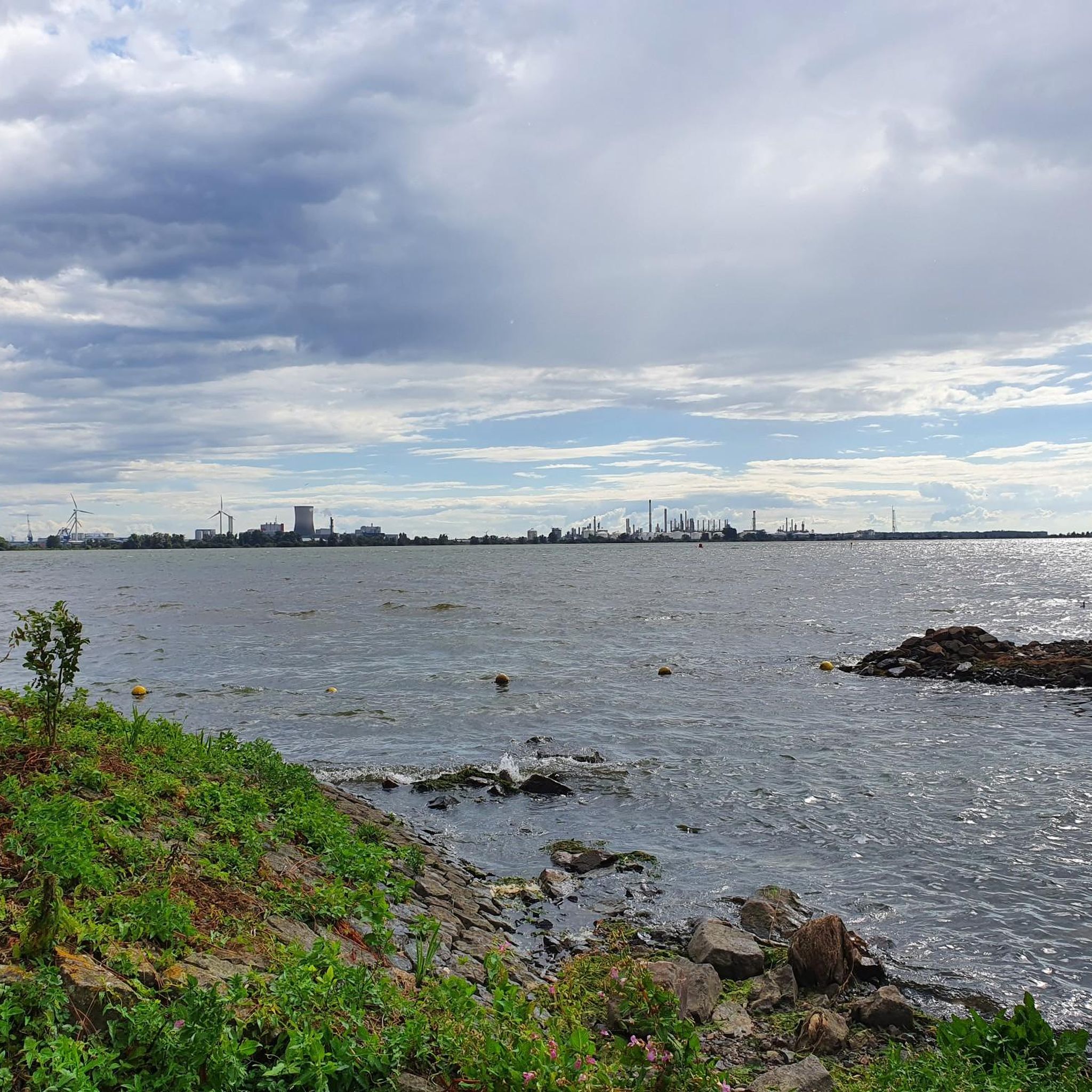
De Biesbosch National Park is a freshwater tidal area. There are only a few of them in the world. In the Biesbosch there is therefore ebb and flow, which is unique in a freshwater area. And for 600 years, the tides have shaped this landscape of water, reed beds and creeks. Not only the beaver feels at home here, but the area is also popular with many species of birds. The shallow waters rich in fish attract impressive species such as osprey and white-tailed eagle.
2
0

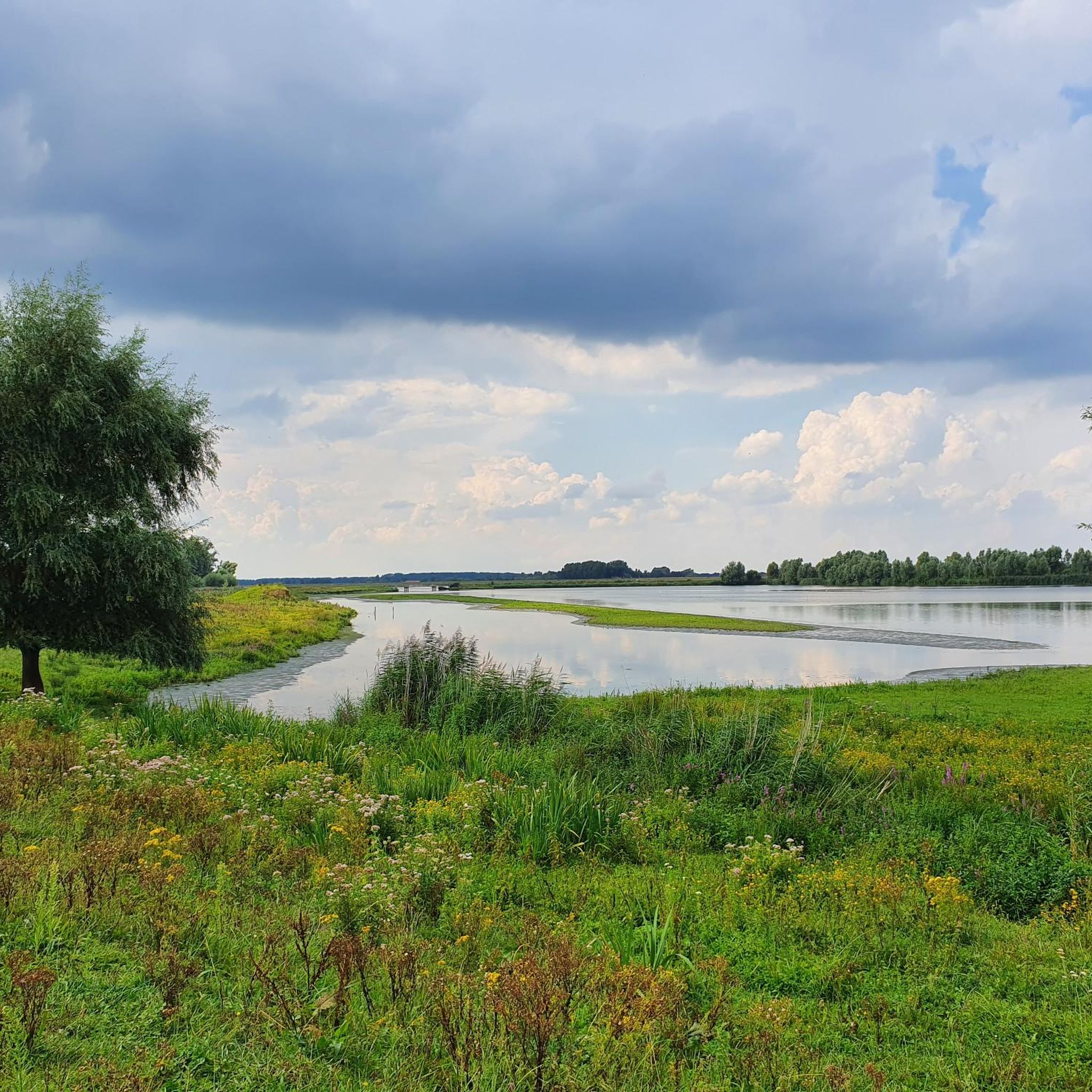
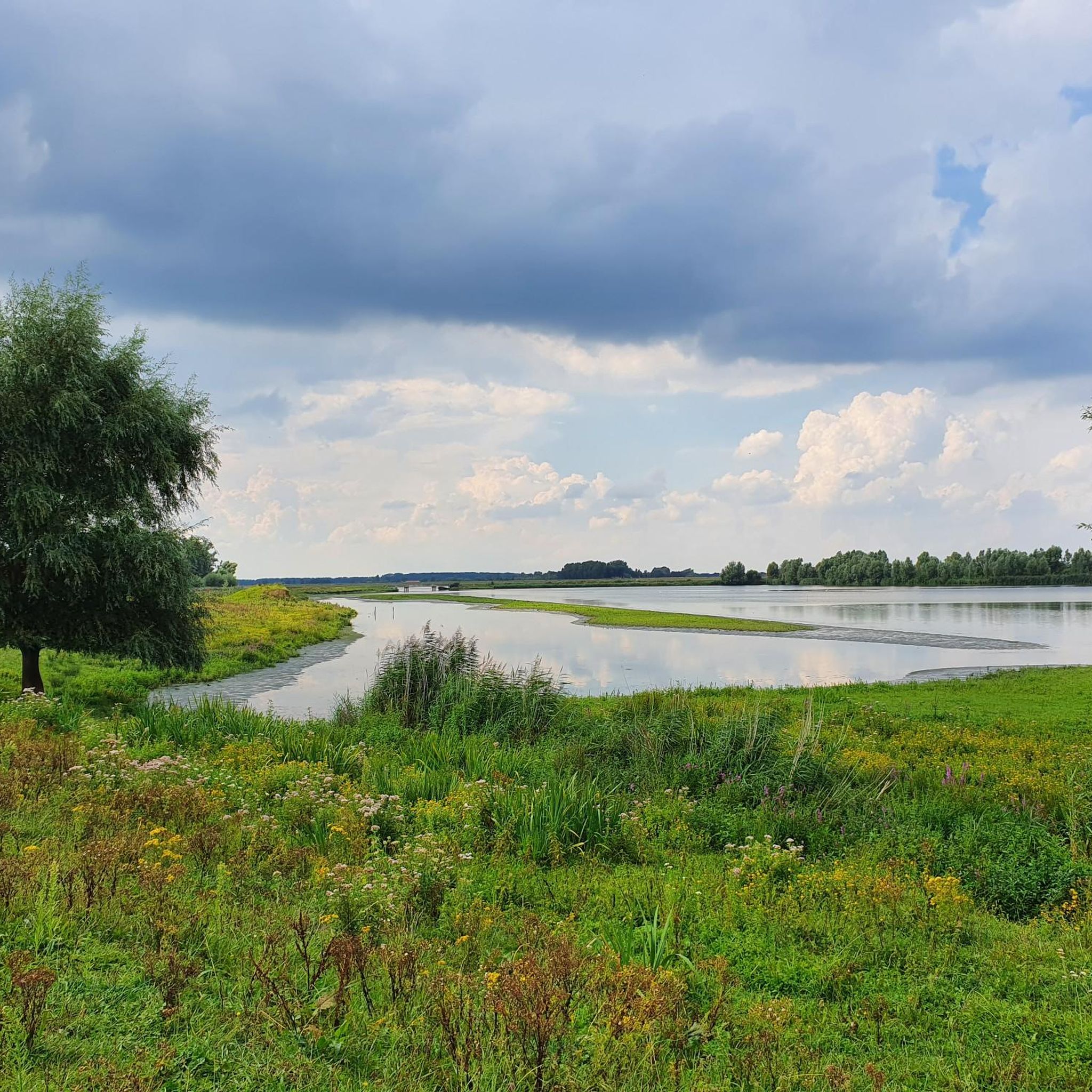
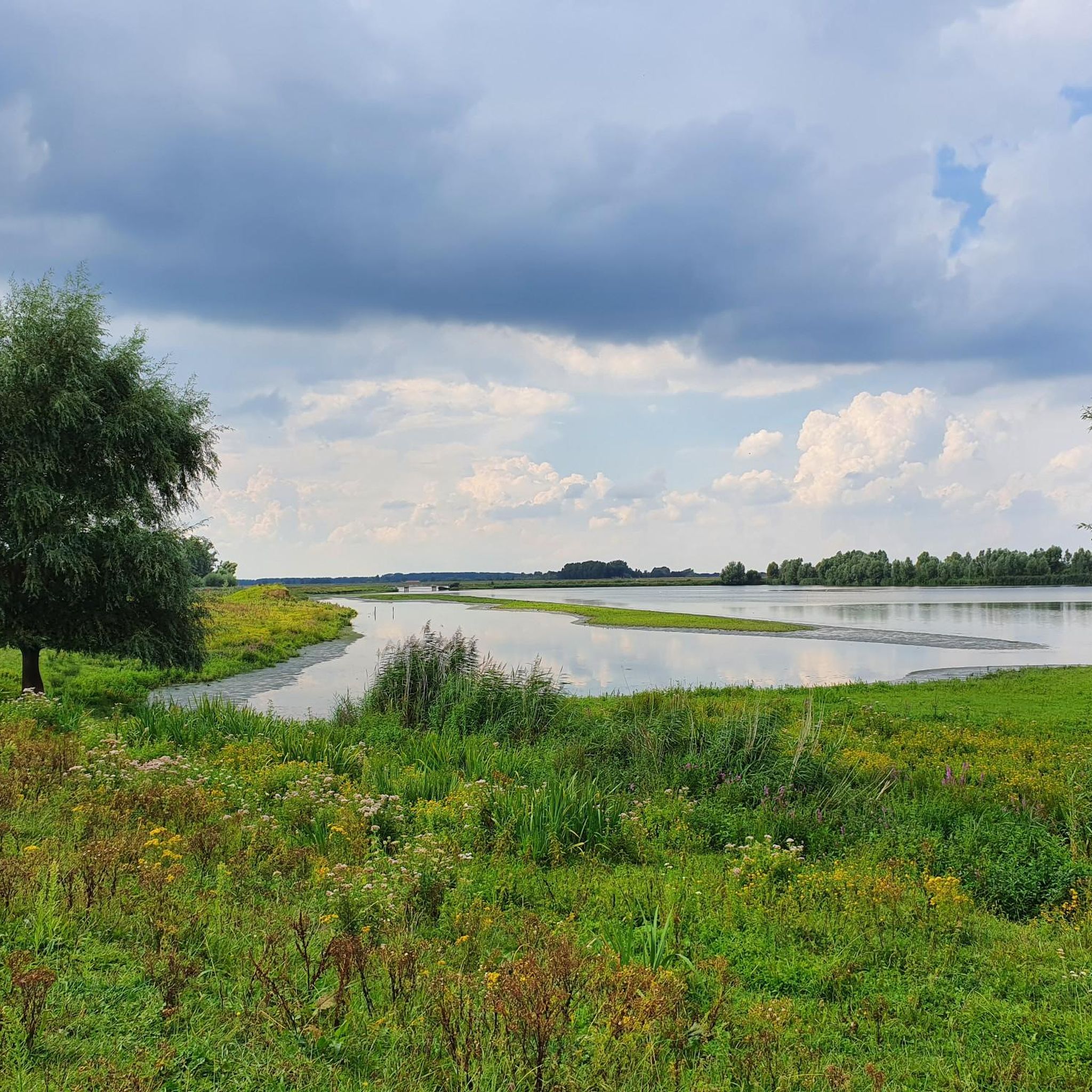
The area southwest of the Spieringsluis was redesigned years ago as part of Room for the River. With the refurbishment, walking paths have been created on the Jantjesplaat and Hoge Hof. Later in 2015, a footbridge was added to the Deeneplaat. You can enjoy walking here.
5
0

The natural island of Sophiapolder is located in the middle of the tidal river De Noord. You can only get there with a foot ferry for a 2.5 kilometer walk over decking and dikes. Transfer for free and enjoy nature. To get to the island, the voluntary skippers of the Zuid-Hollands Landschap are happy to transfer you with a foot ferry. The crossing takes 5 to 10 minutes and it can carry a maximum of 10 passengers. The area with sandbanks and creeks is constantly changing under the influence of the tide. The nutrient-rich mud plates act like a magnet for birds such as avocet, redshank, shelduck and green-legged rider. Spoonbills often wade in the creeks. With their spoon-shaped bill they catch food from the water in a zigzagging manner. Greylag goose and Canada goose can be seen on the island all year round. On the higher ground, field thistle, royal herb, St. John's wort and loosestrife grow. Plants that attract many insects. So keep an eye out for beautiful butterflies and different types of bumblebees and bees. Water speedwell, reed and spindotter grow in the wet parts, which have striking yellow flowers in the spring. This plant disappears completely under water at high tide, at low tide the green and yellow leaves are still covered by a thin layer of mud. The island was created in the 14th century by silting up in the North River. Around 1850, one of the sandbanks was reclaimed and named after Queen Sophia, the wife of King Willem III. Around 1900, the Sophiapolder came into agricultural use, while a shipbreaking yard arose on the Rietbaan. At high tide, discarded seagoing vessels sail up the reed lane. The demolition work caused enormous pollution. In 1996 it was decided that the 77 hectare Sophiapolder would become nature to compensate for the construction of the Betuweroute. The shipwrecks were cleared, the bottom cleaned up and the freight trains now rumble about 25 meters under your feet. The Sophia railway tunnel is eight kilometers long.
3
0

all seasons are beautiful in the Biesbosch. I have been photographing and walking in the Biesbosch for years and it remains exciting. I take panoramic photos: https://panoramafotoxxl.nl/portfolio_category/biesbosch/
5
1
Frequently Asked Questions
What kind of natural landscapes can I expect around Strijen?
The region around Strijen is characterized by expansive polders, dikes, and diverse natural areas. You'll find water-rich environments, open polder views, and unique features like the tidal river landscape of Sophiapolder Nature Island and the extensive Enormous Willow Forest in De Biesbosch.
Are there good spots for birdwatching near Strijen?
Yes, the Oudeland van Strijen is known for its rich birdlife, with Het Oude Gemaal serving as a dedicated bird-watching point. Sophiapolder Nature Island also attracts many bird species like avocet, redshank, shelduck, and spoonbills due to its constantly changing sandbanks and creeks.
Are there family-friendly natural monuments around Strijen?
Several spots are suitable for families. Hooge Hof offers accessible walking paths and small bridges. The Bee and insect hotel with information stand provides an educational experience about biodiversity. Additionally, the hand-operated ferry at De Oeverlanden near Strijensas can be an engaging activity for children.
What historical significance do the natural monuments hold?
The region has a strong connection to its history, particularly concerning water management. De Wachter Art Installation, an 8-meter-high clay hill, marks the exact spot where the dike broke during the devastating 1953 flood disaster, serving as a poignant memorial and offering views of the surrounding landscape.
What outdoor activities can I do near these natural monuments?
The area is excellent for various outdoor activities. You can enjoy extensive walking and cycling in areas like Oudeland van Strijen and De Oeverlanden. For more structured routes, you can explore numerous hiking trails, MTB trails, and running routes around Strijen, including options like the 'Oeverlanden Strijensas – Cable ferry De IJsvogel loop'.
Are there specific walking routes I should consider?
Yes, there are many walking opportunities. Hooge Hof offers varied walking routes within the Biesbosch. De Oeverlanden near Strijensas features scenic walks, including routes with bridges and a hand-operated ferry. On Sophiapolder Nature Island, you can enjoy a 2.5-kilometer walk over decking and dikes after taking a foot ferry.
What is unique about the Sophiapolder Nature Island?
Sophiapolder Nature Island is a natural island located in the tidal river De Noord. It's unique because you can only reach it by a free foot ferry, and its landscape of sandbanks and creeks is constantly changing with the tide, making it a dynamic environment for birdwatching and nature observation. It also has a history of land reclamation and environmental restoration.
What can I expect at the Enormous Willow Forest in De Biesbosch?
The Enormous Willow Forest in De Biesbosch offers extensive walking opportunities within a unique willow forest environment, characterized by numerous water lakes. It's a place where you can immerse yourself in a distinct wetland ecosystem.
What do visitors enjoy most about the natural areas around Strijen?
Visitors appreciate the tranquil open landscapes, the rich birdlife, and the unique polder environment. Many enjoy the opportunities for cycling and walking, the scenic views from spots like De Wachter Art Installation, and the chance to experience the interplay of nature and water, especially with features like the hand-pulled ferries.
Are there any specific places to observe insects and learn about biodiversity?
Yes, the Bee and insect hotel with information stand is specifically designed to provide shelter and nesting places for insects, supporting local biodiversity. It's an excellent spot to learn about beneficial insect species like bees, ladybirds, and lacewings.
What is the best time to visit the natural monuments around Strijen?
The natural areas around Strijen can be enjoyed year-round. Spring and summer offer lush greenery and active wildlife, while autumn provides beautiful colors. For birdwatching, specific migration seasons might be more rewarding. The polder landscapes and walking routes are accessible in most weather conditions, though a good pair of binoculars is always recommended for birdlife.
Can I explore the natural areas by bike?
Absolutely. The flat polder landscapes are ideal for cycling. Oudeland van Strijen is a great spot for bike rides, and there are numerous MTB trails and cycling routes throughout the Hoeksche Waard region, such as the 'Cycle Path Along Den Engel' loop.
Most popular attractions around Strijen

Get inspired with the komoot mobile app


Explore more
Extend your search for the best caves by checking out these guides of the top ones around Strijen:
