Top 9 Natural Monuments around Ouderkerk
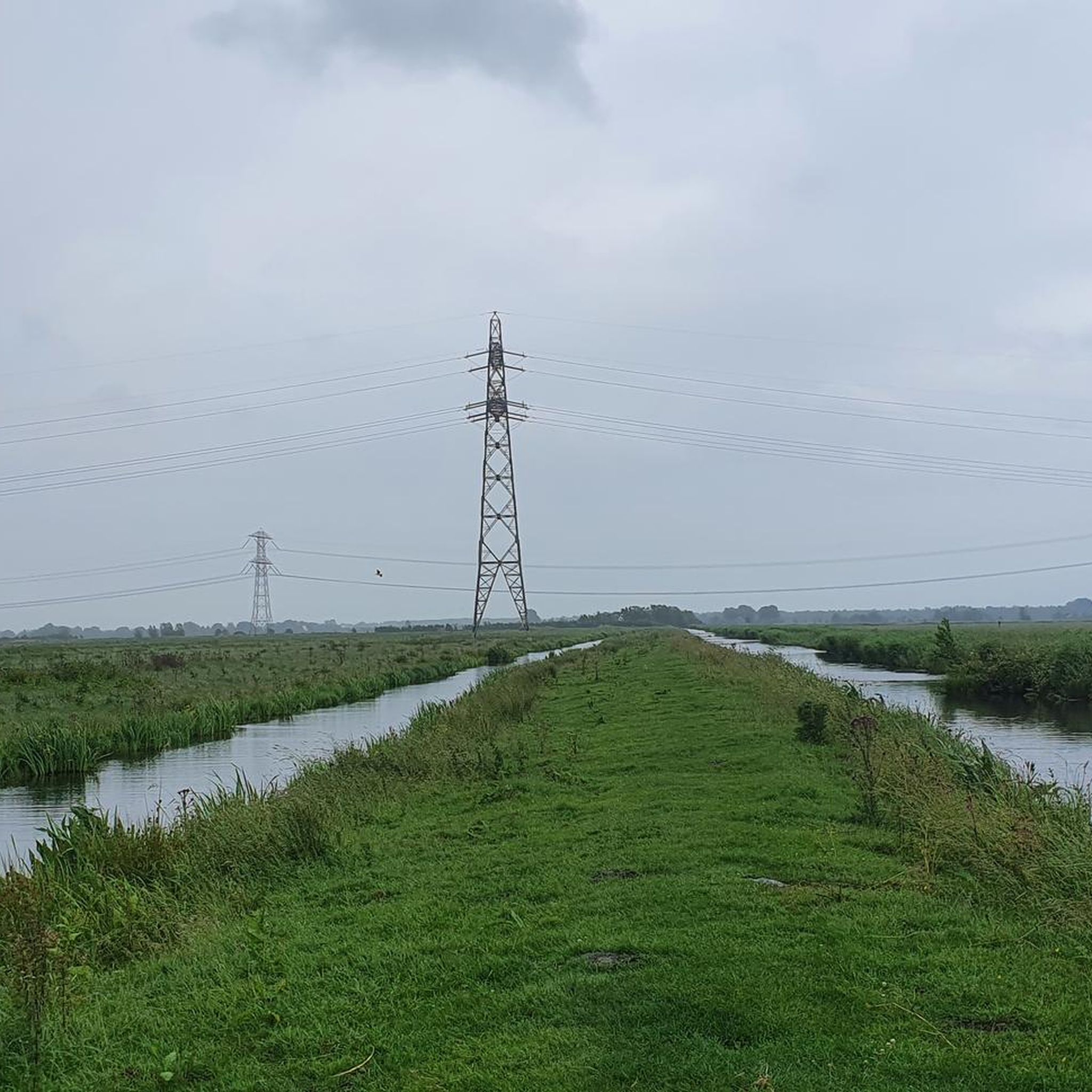
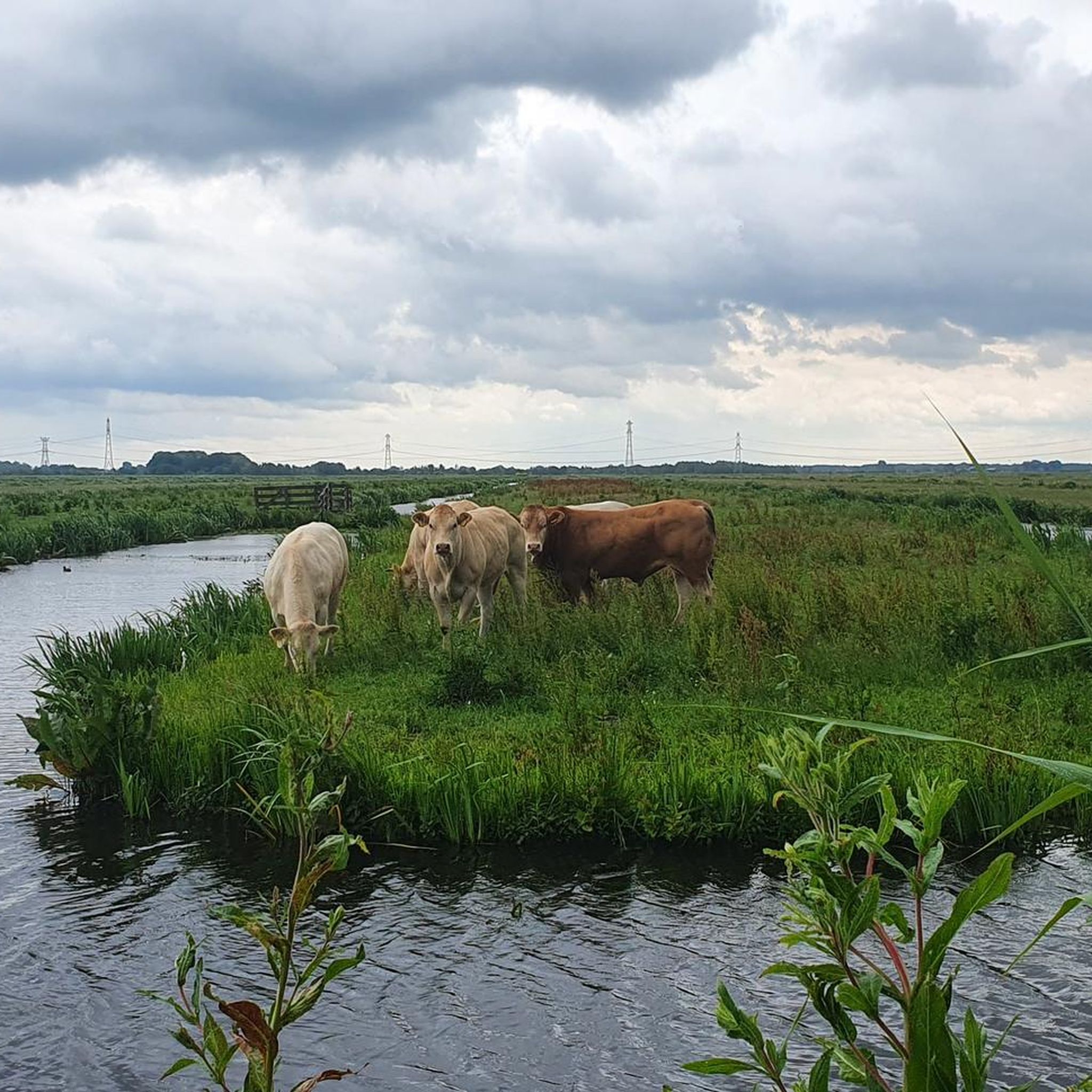
Best natural monuments around Ouderkerk include a variety of natural areas and features. The region is characterized by open meadows, green pastures, and the meandering Amstel River, featuring kilometers of dikes and polders. These areas provide opportunities for recreation, nature appreciation, and experiencing the Dutch countryside.
Best natural monuments around Ouderkerk
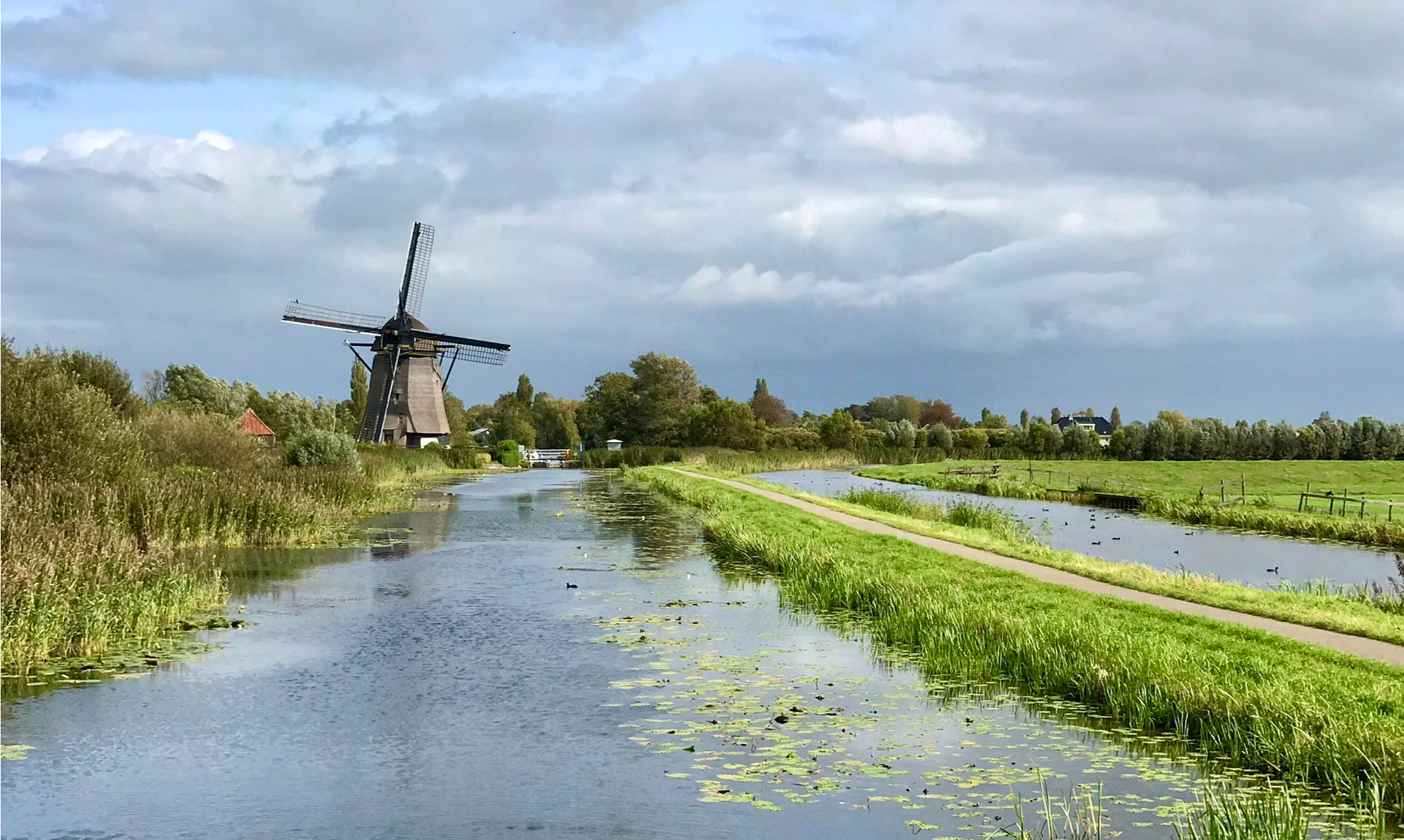
- The most popular natural monuments is Kinderdijk Windmills (UNESCO World Heritage Site), a man_made_monument that features nineteen historic windmills. It offers a unique landscape of historic windmills and…
Last updated: June 23, 2026
Kinderdijk Windmills (UNESCO World Heritage Site)
Highlight • Monument
Translated by Google •
Tip by

Kinderdijk Windmills
Highlight (Segment) • Monument
Kinderdijk is known for its mills, which were added to the UNESCO World Heritage List in 1997.
Translated by Google •
Tip by

Sign up now to discover places like this
Get recommendations on the best single tracks, peaks, & plenty of other exciting outdoor places.
Sign up for free
Observation tower in the Crezéepolder
Highlight • Viewpoint
Translated by Google •
Tip by
Baby Forest
Highlight • Forest
Translated by Google •
Tip by

Houtmansplantsoen Entrance
Highlight • Natural Monument
Translated by Google •
Tip by

Sign up for free to discover even more natural monuments around Ouderkerk.
Sign up for free
Already have an account?
Start today with a free account
Your next adventure awaits.
Login or Signup
Other adventures around Ouderkerk

Tips from the Community

Very impressive how large this complex with the many windmills is. In the middle, a dike runs through with a foot/bike path, for which you don't have to pay. But if you want to go directly to the windmills, then it costs admission. Tickets can be bought online or on-site at the visitor center. On weekends and especially on weekends with good weather, it can also get veeeery crowded there. kinderdijk.nl
0
0

Beautiful walking location between water and windmills...
17
0
For those who don't plan a tour on komoot themselves...
14
0
You see a windmill everywhere... Don't forget to enjoy the surroundings...
14
0
An absolute must to walk between the many windmills and the waterways...
18
0
You have beautiful paths here between the windmills...
15
0

To conclude, a last tree was symbolically planted. All parents and children who have a tree in the Babybos were invited to this event. The municipality has placed a water lime tree in honor of all the children in Capelle. Councilor Marc Wilson unveiled the artwork and sign together with the children present. They also shoveled the earth together near the tree. Source: capellevandaag.nl
5
0
On Wednesday, November 15, 2023, the very last tree of the Babybos was planted in the Schollebos. This puts an end to a special residents' initiative that started eleven years ago. The initiative for the Babybos came from one of the residents: Capelse Ada Lit got the idea when a tree was knocked down in front of her house after the birth of her son. In collaboration with the municipality, a piece of land near the Schollebos was put to use for the construction of the Babybos. Over the years, Capel parents have been able to have their own tree planted for their born child. Each tree came with a nameplate with date of birth. A decade and 43 trees later, the plot of land was full, the municipality announced at the end of last year. Another location for a 'restart' turned out not to be possible. Source: capellevandaag.nl
5
0
Frequently Asked Questions
What are the most popular natural areas and features around Ouderkerk?
The region around Ouderkerk aan de Amstel is known for its diverse natural areas. The Kinderdijk Windmills (UNESCO World Heritage Site) are highly popular, offering a unique landscape of historic windmills and waterways. Visitors also appreciate the Observation tower in the Crezéepolder, which provides views over a nature oasis rich in bird and plant species. Additionally, the Sophiapolder Nature Island, a tidal river island, attracts many for its unique ecosystem and diverse birdlife.
What natural features can I expect to see in Ouderkerk aan de Amstel?
Ouderkerk aan de Amstel is characterized by open meadows, green pastures, and the meandering Amstel River, featuring kilometers of dikes and polders. You'll find recreational lakes like the Ouderkerkerplas, which is a crucial bird area, especially for water birds. The broader Amstelland Green Area offers quintessential Dutch countryside landscapes with historic waterways and traditional charm.
Are there family-friendly natural monuments around Ouderkerk?
Yes, several natural areas are suitable for families. The Kinderdijk Windmills are family-friendly, offering an engaging experience with historic windmills. The Observation tower in the Crezéepolder is also a great spot for families to observe nature. Additionally, the Baby Forest in the Schollebos is a unique, family-oriented initiative.
What outdoor activities can I do near these natural monuments?
The natural areas around Ouderkerk offer a wide range of outdoor activities. The Ouderkerkerplas is ideal for swimming, diving, walking, cycling, and horse riding, with popular water sports like windsurfing and sailing. The Amstelland Green Area and the Amstel River are perfect for walking, jogging, and cycling along extensive networks of paths. You can also find specific routes for hiking, running, and gravel biking in the region.
Are there hiking trails near the natural monuments in Ouderkerk?
Yes, there are numerous hiking trails. The Amstelland Green Area and the polder landscapes along the Amstel River offer extensive networks of paths. For example, you can find easy routes like the 'Wild Chickens by the Canal – Ouderkerkse Landscheiding loop' or the 'Walking junction 45 – Ouderkerkse Landscheiding loop' near Polder de Nesse. More options are available in the hiking guide for Ouderkerk.
What is the best time of year to visit the natural monuments around Ouderkerk?
The best time to visit depends on your interests. The Ouderkerkerplas is a crucial bird area during colder months, making winter ideal for birdwatching. In summer, it's perfect for swimming and water sports. The Amstelland Green Area and Amstel River are pleasant for walking and cycling from spring through autumn, offering lush landscapes and riverside terraces.
Are there cafes or restaurants near the natural monuments in Ouderkerk?
Yes, especially along the Amstel River, you'll find many restaurants with pleasant riverside terraces. These offer a great spot to relax and enjoy the scenic views after exploring the natural areas.
What do visitors enjoy most about the natural monuments in Ouderkerk?
Visitors frequently highlight the peaceful escape from urban life, the picturesque Dutch countryside, and the diverse opportunities for recreation. The Kinderdijk Windmills are particularly praised for their unique landscape and the chance to experience Dutch heritage. The region's natural areas are appreciated by the komoot community, with over 480 upvotes and more than 360 photos shared by visitors.
Are there dog-friendly trails around Ouderkerk's natural monuments?
Many of the extensive paths and polder landscapes in the Amstelland Green Area and along the Amstel River are suitable for walks with dogs. It's always advisable to keep dogs on a leash and check local regulations for specific nature reserves to ensure a pleasant experience for everyone.
How can I reach the natural areas around Ouderkerk by public transport?
Ouderkerk aan de Amstel is accessible by public transport, typically by bus from Amsterdam. Once in Ouderkerk, local buses or walking/cycling are common ways to reach the various natural areas like the Ouderkerkerplas or the Amstelland Green Area. Specific routes and schedules can be checked with local transport providers.
Are there options for parking at natural monuments in Ouderkerk?
Parking facilities are generally available near popular recreational areas such as the Ouderkerkerplas. For other natural areas like the Amstelland Green Area or along the Amstel River, you can often find parking in or near the villages and towns that serve as entry points to these landscapes.
Are there any unique geological formations to see?
While Ouderkerk aan de Amstel is not known for dramatic geological formations like mountains or caves, its unique landscape is defined by its polders, which are low-lying tracts of land enclosed by dikes. The Ouderkerkerplas itself is a deep lake formed from a sand extraction pit, resulting in brackish water due to North Sea infiltration, which is a unique hydrological feature.
Most popular attractions around Ouderkerk

Get inspired with the komoot mobile app


Explore more
Extend your search for the best caves by checking out these guides of the top ones around Ouderkerk:
