Top 14 Natural Monuments around Oostflakkee
Best natural monuments around Oostflakkee offer diverse landscapes and ecological significance on the island of Goeree-Overflakkee. This region is characterized by its wetlands, polders, coastal dunes, and historical waterways. These areas provide habitats for various bird species and opportunities for outdoor activities. The commitment to nature preservation has earned the region recognition as a "Green Destination."
Best natural monuments around Oostflakkee
- The most popular natural monuments is De Wachter Art Installation, a man-made monument and viewpoint. It is an…
Last updated: June 23, 2026
De Wachter Art Installation
Highlight • Monument
Translated by Google •
Tip by

History of the Grevelingenmeer
Highlight • Lake
Translated by Google •
Tip by
Sign up now to discover places like this
Get recommendations on the best single tracks, peaks, & plenty of other exciting outdoor places.
Sign up for free
Flamingo Spotting at Grevelingenmeer
Highlight • Lake
Translated by Google •
Tip by

Birdwatching Wall De Roode Weel
Highlight • Structure
Translated by Google •
Tip by
Bee and insect hotel with information stand
Highlight • Structure
Translated by Google •
Tip by

Sign up for free to discover even more natural monuments around Oostflakkee.
Sign up for free
Already have an account?
Start today with a free account
Your next adventure awaits.
Login or Signup
Tips from the Community


An insect hotel is a structure that is specially designed to provide shelter and nesting places for insects. It is often used in gardens, parks or natural areas to support biodiversity. Here is more information about insect hotels: Purpose of an insect hotel • Supporting biodiversity: Insect hotels help beneficial insect species such as bees, ladybirds, lacewings and earwigs to survive, especially in urban or agricultural areas where natural shelters are scarce. • Pollination: Solitary bees, which often use insect hotels, play an important role in pollinating flowers and crops. • Pest control: Some insects, such as ladybirds and earwigs, eat pest insects such as aphids, which can help to naturally maintain plants. Construction of an insect hotel An insect hotel consists of several compartments, each suitable for different types of insects. Commonly used materials include: • Wooden blocks with holes drilled into them: For solitary bees, such as the mason bee. • Hollow stems: Bamboo or reed for small bee species. • Pine cones or straw: For ladybugs and earwigs. • Bark and twigs: For spiders and other small insects. • Loam or clay: For bees that seal their nests with mud.
8
0

Along the Oostdijk between the Tonnekreek and Willemstad is 'De Wachter' a special work of art. De Wachter stands exactly on the spot where the storm surge on 1 February 1953 hit and flooded the Ruigenhilpolder. The work of art is an eight-metre-high hill, on which sheep can graze. The work of art De Wachter, by artist Marius Boender, was built along the Hollandsch Diep at the spot where the dike broke during the Flood Disaster in 1953. The reason for the monument was the completion of the dike reinforcement in 2001. The work of art is an eight-metre-high, pyramid-like clay hill, overgrown with grass. You can climb the work of art via a path that winds over the work of art. There is a good chance that you will do so in the company of grazing sheep. The creation of the work of art was a challenge, because factors such as weight (not too heavy), weather resistance (rain and wind) and construction (not subsidence under pressure from visitors) had to be taken into account. Source: https://www.visitmoerdijk.nl/nl/locaties/2645610321/de-wachter
6
0
The De Roode Weel wheel was created after a dike breach. It is located in a nature reserve that is part of the Cruijslandse Kreken. This area near the fortified town of Steenbergen is a true paradise for bird lovers. Because it is the domain of, among others, the marsh harrier, water rail, common snipe and little owl. They can be 'secretly' spotted from the birdwatching hut since the beginning of 2018. This architectural masterpiece is located at the bottom of the dike and offers a magnificent view of the Roode Weel. It is made of Accoya wood, just like the picnic jetty at De Blauwe Sluis. This creates unity between the various objects along the West Brabantse Waterlinie. Want to know more? Click through to https://www.zuiderwaterlinie.nl/vestingsteden/natuurgebieden/cruijslandse-kreken
5
0
Take a seat and discover the main characters in this water feature. Each season is colored differently. It's up to you to recognize the players. Information boards give tips and reveal external characteristics.
5
0

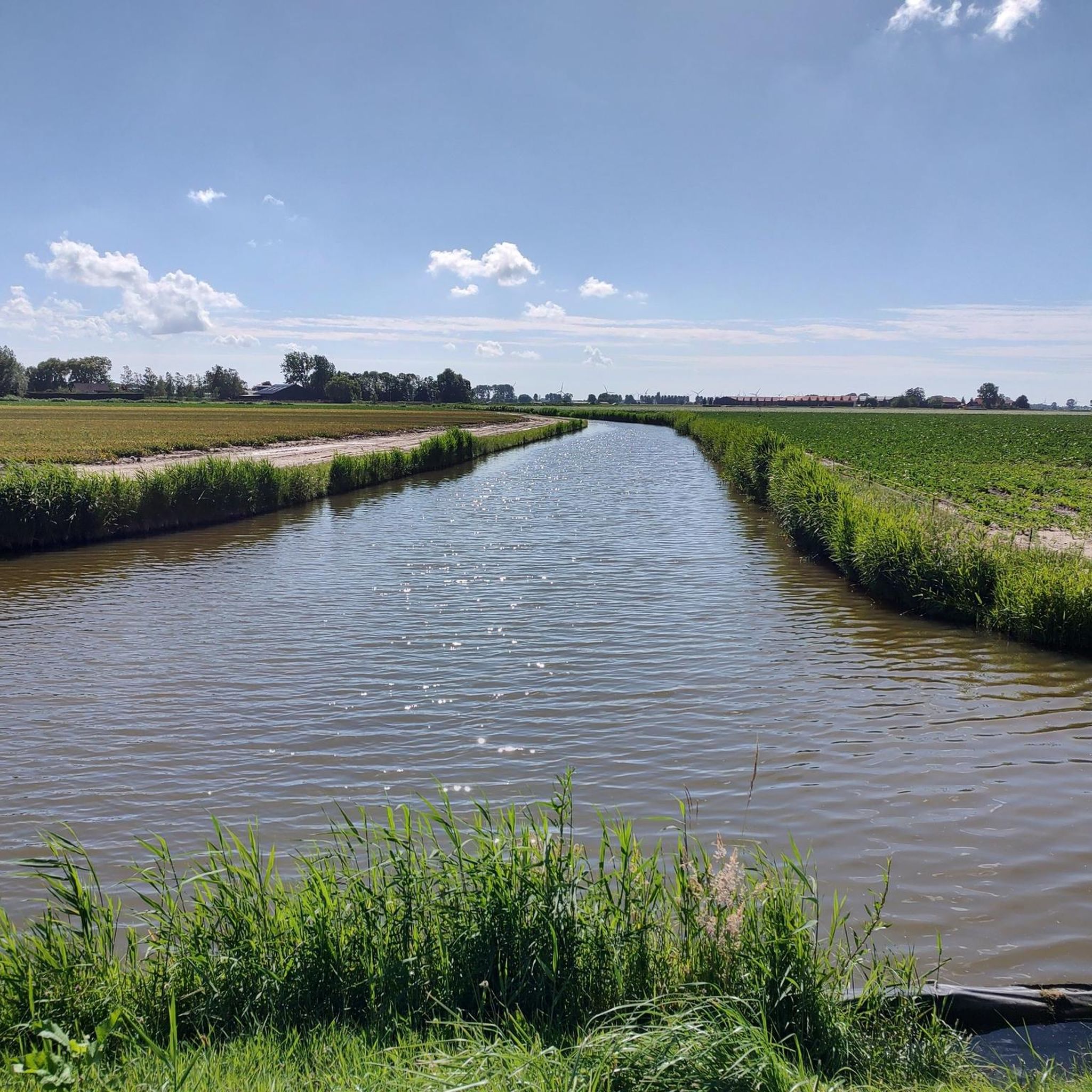
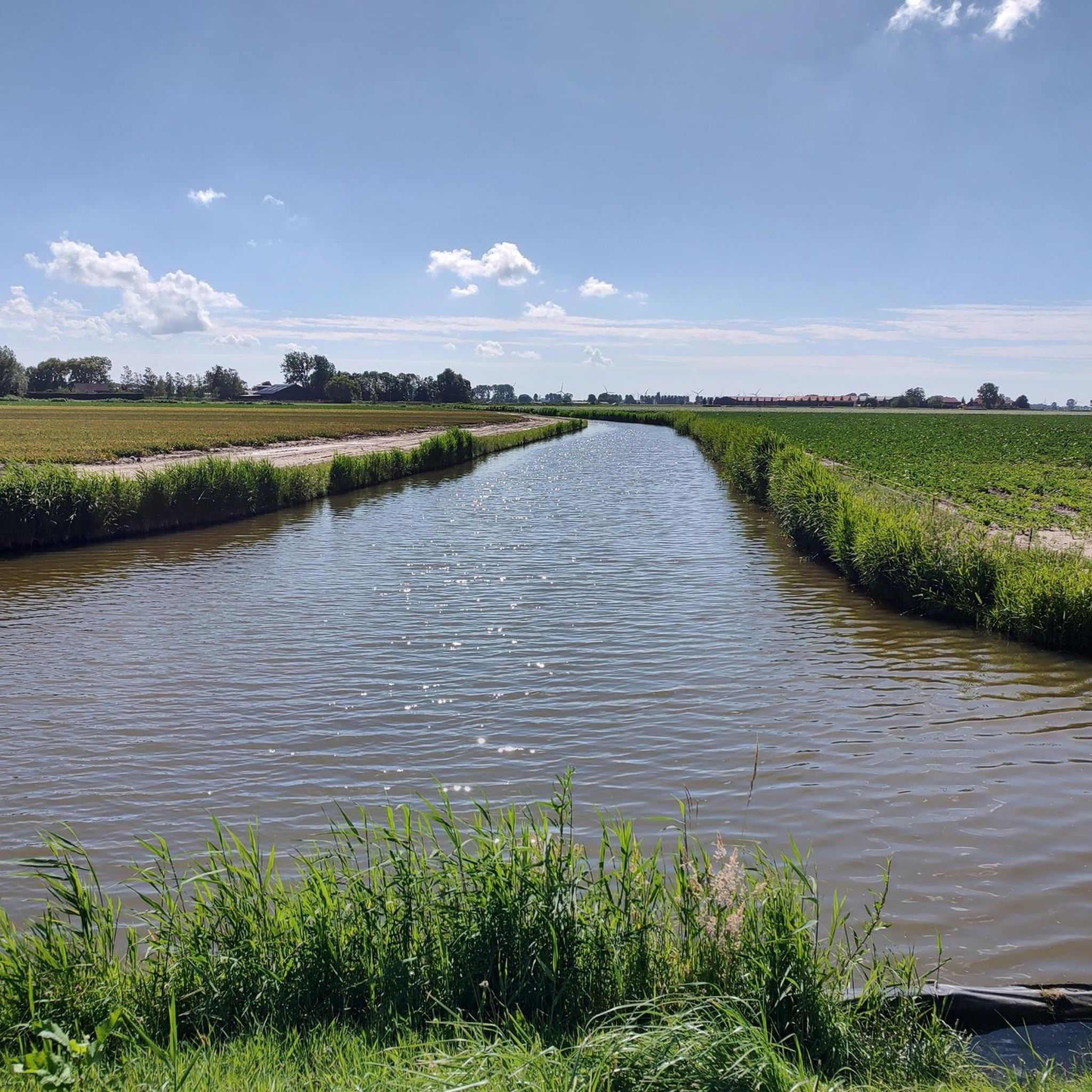
Cycling along the water is never boring.
0
0
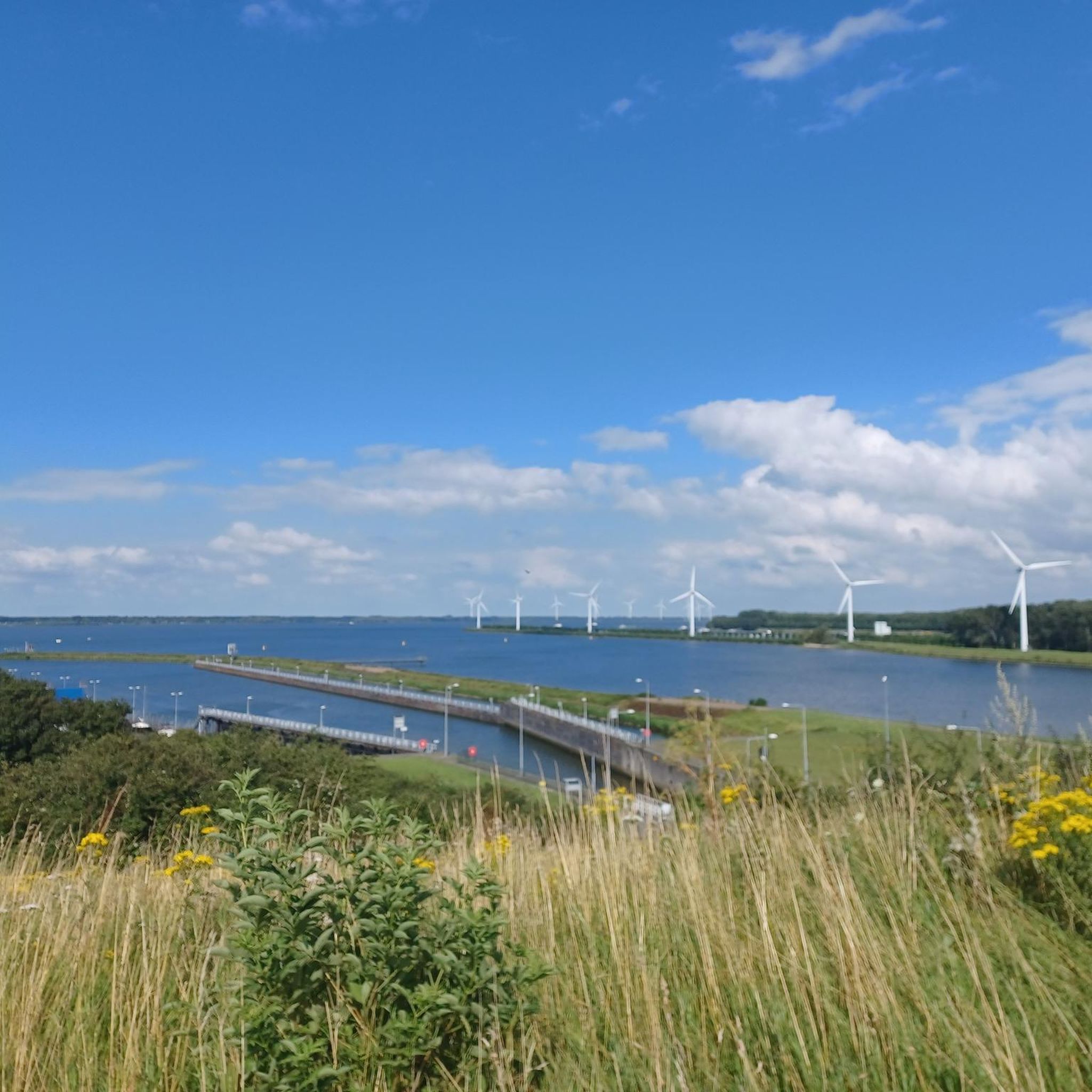
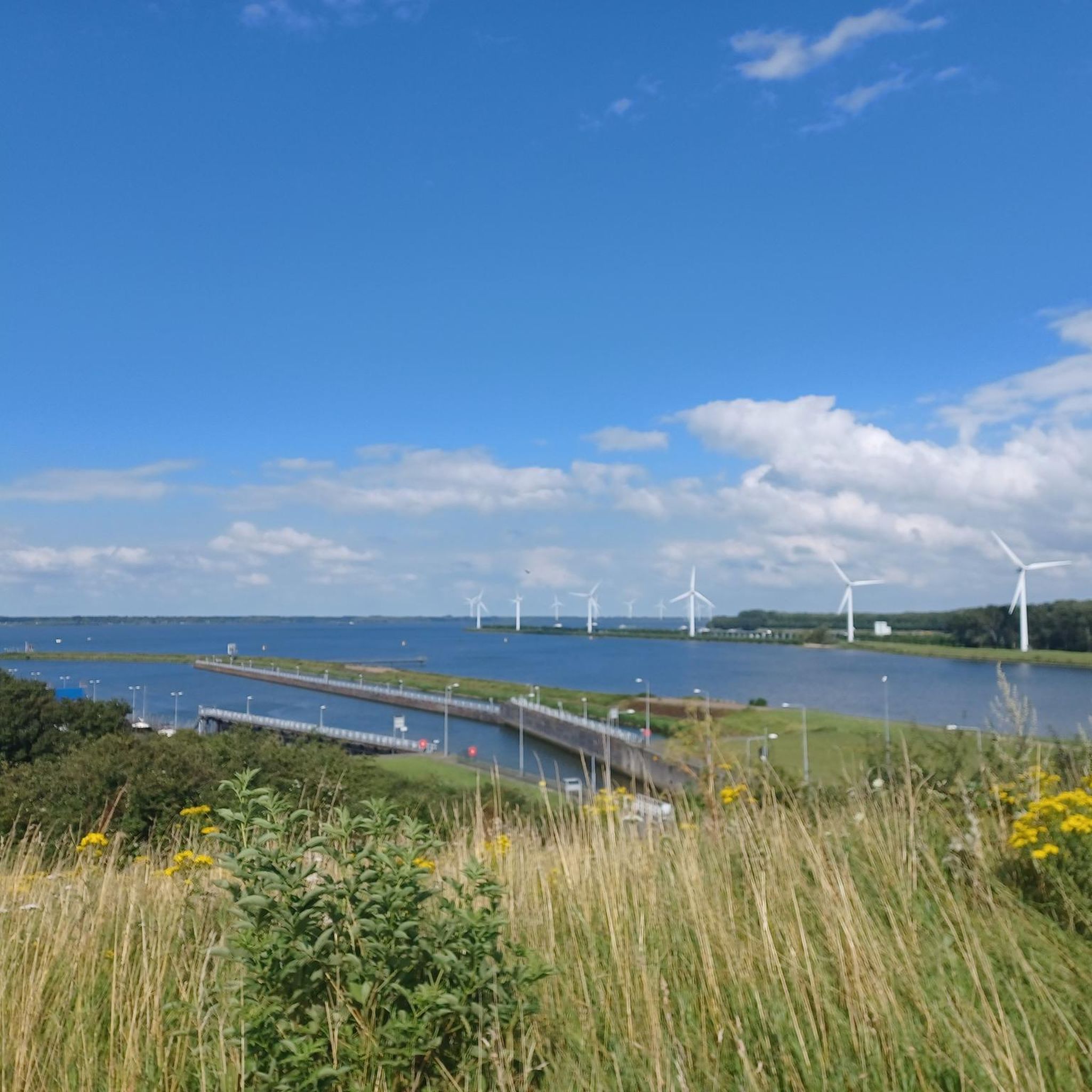
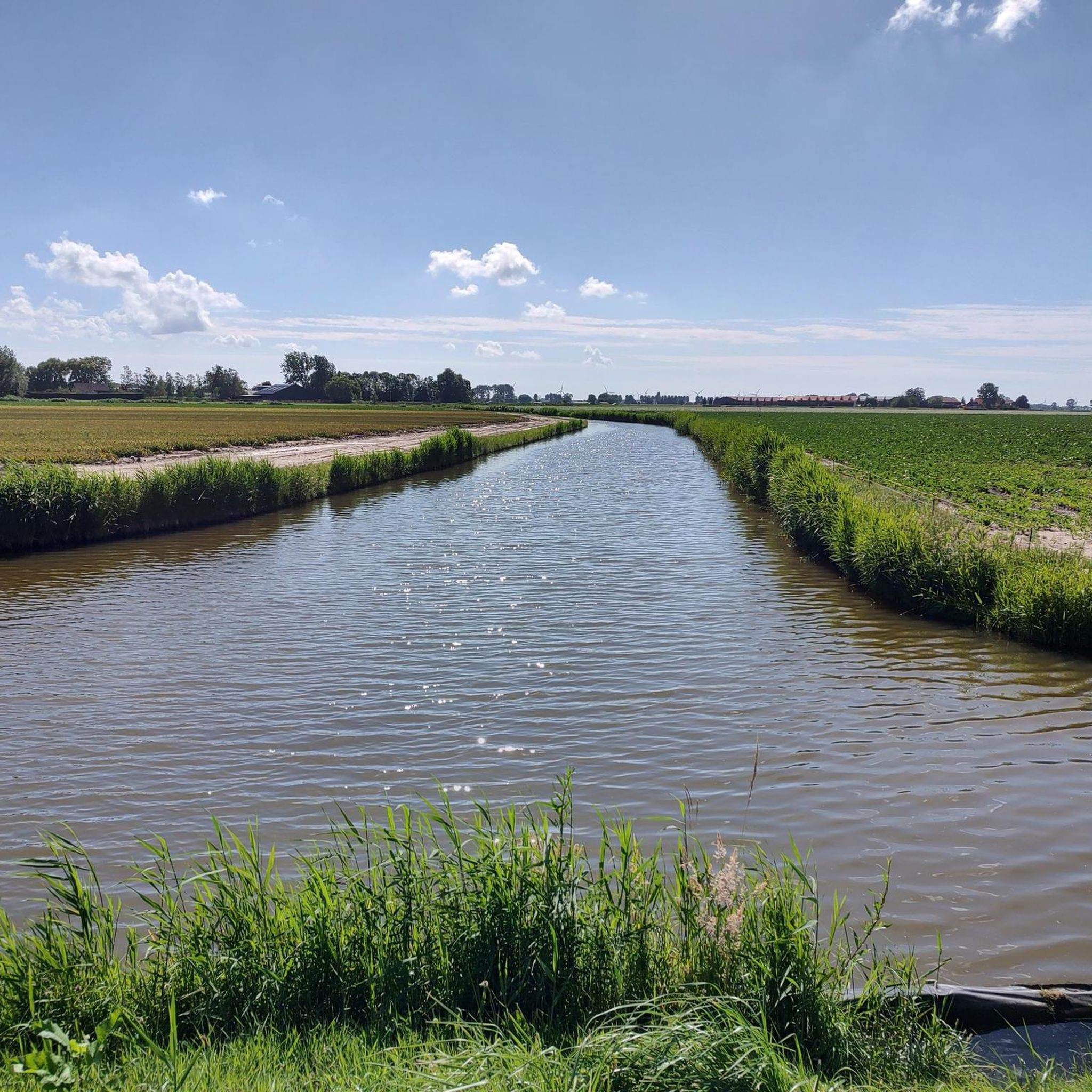
In 1971, the Grevelingenmeer with a surface area of 14,000 hectares was created by damming. In the past, the Grevelingen was mainly important for oyster and mussel farming. Now this salty lake is an attractive area for water sports. In addition, nature receives a lot of attention. For the benefit of pleasure craft, the Mosselbank has been located on the plate directly in front of the water sports island since 1990. On the other side is Herkingen on the former island of Goeree-Overflakkee. In your field of vision on the right you can see the Grevelingendam. It is one of the most important connections between Schouwen-Duiveland and the mainland. As part of the Delta Plan, this dam was built between Bruinisse and Goeree-Overflakkee in 1961-1965. The northern channel, the Bocht van Sint Jacob, was closed off by dumping a dam of stones using a cable car. On 1 April 1965, the Grevelingendam was opened to traffic.
6
0

The Grevelingenmeer is the largest saltwater lake in Europe. It is closed off from tidal water by the Grevelingendam in the east and the Brouwersdam in the west and is therefore considered to be rather stagnant and often oxygen-free water where little underwater life can be expected. That the latter does not apply to all parts of the Grevelingenmeer is evident at Battenoord, where a large group of flamingos has been standing or coming to spend the winter for several years (2022). Some are deep pink, which means that they eat a lot of shrimp and indicates a rich underwater life. At Battenoord you can spot the flamingos near the harbor or at the mills and in recent years (since 2022) you can even spot three species of flamingos there: the European flamingo, Chilean flamingo and the Caribbean flamingo.
2
0
Frequently Asked Questions
What natural features can I explore around Oostflakkee?
Oostflakkee, part of the Goeree-Overflakkee island, offers a diverse range of natural features. You can discover extensive wetlands, scenic polders, and dynamic coastal dune areas. Key natural monuments include the History of the Grevelingenmeer, a large dammed lake significant for water sports and nature, and the Wildflower fields in the Oude Polder, Haringvliet, where foresters actively restore agricultural landscapes with vibrant field flowers.
Where are the best places for birdwatching near Oostflakkee?
The region around Oostflakkee is a paradise for birdwatchers. The Beningerslikken Nature Reserve is renowned for its exceptional birdlife, with over 150 species. The Hellegatsplaten features a 'Vogelboulevard' with bird-watching huts, and the Vogelboulevard het Groote Gat is known for bearded tits and blue-throats. Don't miss the Birdwatching Wall De Roode Weel, an architectural masterpiece offering magnificent views of marsh birds, or the Vogelobservatorium Tij, shaped like a tern's egg, providing panoramic views of the Haringvliet estuary for spotting terns, spoonbills, and sea eagles.
Are there family-friendly natural monuments around Oostflakkee?
Yes, several natural monuments around Oostflakkee are suitable for families. The De Wachter Art Installation is an eight-meter-high hill where children can climb and sheep graze. The History of the Grevelingenmeer offers opportunities for water sports and enjoying the beach. The Wildflower fields in the Oude Polder, Haringvliet are beautiful for a stroll, and the Bee and insect hotel with information stand provides an educational experience about biodiversity.
What kind of hiking trails can I find near these natural monuments?
You can find a variety of hiking trails near the natural monuments of Oostflakkee, ranging from easy strolls to moderate treks. For example, the Vogelboulevard het Groote Gat offers a marked 'blue-throat' walking route. The Duinen van Goeree and Kwade Hoek Nature Reserve provide numerous routes through dynamic coastal landscapes. You can explore more options, including easy and moderate trails, in the Hiking around Oostflakkee guide.
Are there cycling routes that pass through or near the natural monuments?
Absolutely! The region is well-suited for cycling. De Vliegers, a wooded polder area, features charming watercourses and flowery dikes, perfect for cycling with expansive views of the Flakkee polder landscape. Many routes allow you to experience the natural beauty. Discover various cycling options, including easy and moderate routes, in the Cycling around Oostflakkee guide.
What historical significance do some of the natural monuments hold?
Several natural monuments around Oostflakkee have historical significance. The De Wachter Art Installation commemorates the 1953 flood disaster, standing on the spot where the dike broke. The History of the Grevelingenmeer highlights the creation of this large lake as part of the Delta Plan, a major engineering feat. Additionally, Het Groote Gat formed from a dike breach in 1716, adding a historical layer to its ecological value.
What is the best time of year to visit the natural monuments around Oostflakkee?
The best time to visit depends on your interests. Spring and summer are ideal for seeing wildflowers in bloom at the Wildflower fields in the Oude Polder, Haringvliet and for general outdoor activities. Autumn offers beautiful colors in wooded areas and can be excellent for bird migration. Winter provides a different, serene landscape, and some bird species are more visible. Birdwatching is generally good year-round, with different species present seasonally.
Where can I find viewpoints to observe the landscape?
There are several excellent viewpoints. The De Wachter Art Installation itself is an eight-meter-high hill offering views. The Vogelobservatorium Tij provides an exceptional 360-degree panoramic view of the Haringvliet estuary. The 'Vogelboulevard' at Hellegatsplaten and the Birdwatching Wall De Roode Weel also offer great vantage points for observing wildlife and the surrounding nature.
Are there any hidden gems or lesser-known natural areas worth visiting?
While many areas are well-known, the Galathese Kreek, part of an intricate creek system managed by Staatsbosbeheer, is a vital area for marsh birds and small mammals, offering peaceful exploration. A good vantage point is from the viewpoint in the Paardengat nature reserve near Herkingen. De Vliegers, a wooded polder between Nieuwe-Tonge, Middelharnis, and Stad aan 't Haringvliet, also offers charming watercourses and expansive views of a typical Flakkee polder landscape, ideal for quiet walks and cycles.
What kind of wildlife can I expect to see in these natural monuments?
The natural monuments around Oostflakkee are rich in biodiversity. You can expect to see a wide variety of bird species, including great egrets, purple herons, spoonbills, marsh harriers, bearded tits, and blue-throats, especially in reserves like Beningerslikken, Hellegatsplaten, and Vogelboulevard het Groote Gat. The Galathese Kreek is home to marsh birds, geese, insects, and small mammals. Coastal areas like Kwade Hoek also host diverse flora and birdlife.
What do visitors enjoy most about the natural monuments around Oostflakkee?
Visitors particularly enjoy the diverse landscapes, from wetlands and polders to coastal dunes. The opportunities for birdwatching are highly appreciated, with many dedicated observation points. The blend of nature with historical elements, such as the De Wachter Art Installation and the History of the Grevelingenmeer, also adds to the experience. The region's commitment to nature preservation and its recognition as a 'Green Destination' resonate well with nature lovers.
Are there mountain biking trails available near the natural monuments?
Yes, for those interested in mountain biking, there are trails available. You can find various routes, including easy and moderate options, that allow you to explore the natural surroundings on two wheels. For detailed information and specific routes, refer to the MTB Trails around Oostflakkee guide.
Most popular attractions around Oostflakkee

Get inspired with the komoot mobile app


Explore more
Extend your search for the best caves by checking out these guides of the top ones around Oostflakkee:
