Top 19 Natural Monuments around Leiderdorp
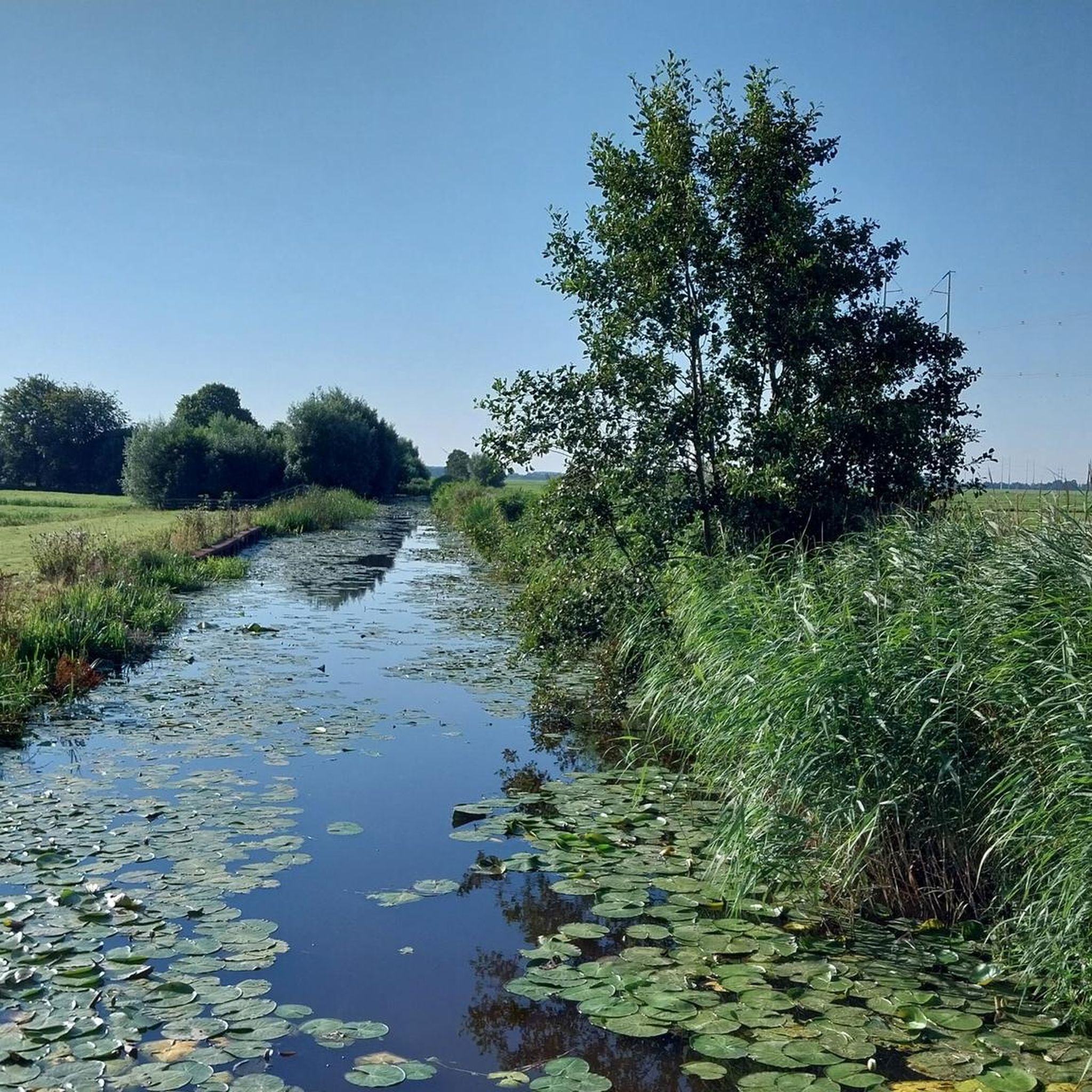
Best natural monuments around Leiderdorp are found in a municipality situated between urban areas and the countryside, bordering the Green Heart of the Netherlands. The area is intersected by waterways such as the Oude Rijn river, which separates Leiderdorp from Leiden. While not featuring formally designated natural monuments, Leiderdorp offers natural areas and features for recreation. The municipal government enhances biodiversity through initiatives like nature-friendly riverbanks and ecological corridors.
Best natural monuments around Leiderdorp
- The most popular natural monuments is…
Last updated: May 9, 2026
Keukenhof Tulip Fields
Highlight • Natural
Translated by Google •
Tip by

Keukenhof
Highlight • Natural Monument
Keukenhof in a few figures, it is 32 hectares of flowers, 7 million …
Translated by Google •
Tip by

Sign up now to discover places like this
Get recommendations on the best single tracks, peaks, & plenty of other exciting outdoor places.
Sign up for free
Keukenhof Castle
Highlight • Castle
Translated by Google •
Tip by

Keukenhof Gardens
Highlight • Natural Monument
Translated by Google •
Tip by

Hortus Botanicus Leiden
Highlight • Natural
Translated by Google •
Tip by

Sign up for free to discover even more natural monuments around Leiderdorp.
Sign up for free
Already have an account?
Start today with a free account
Your next adventure awaits.
Login or Signup

Tips from the Community

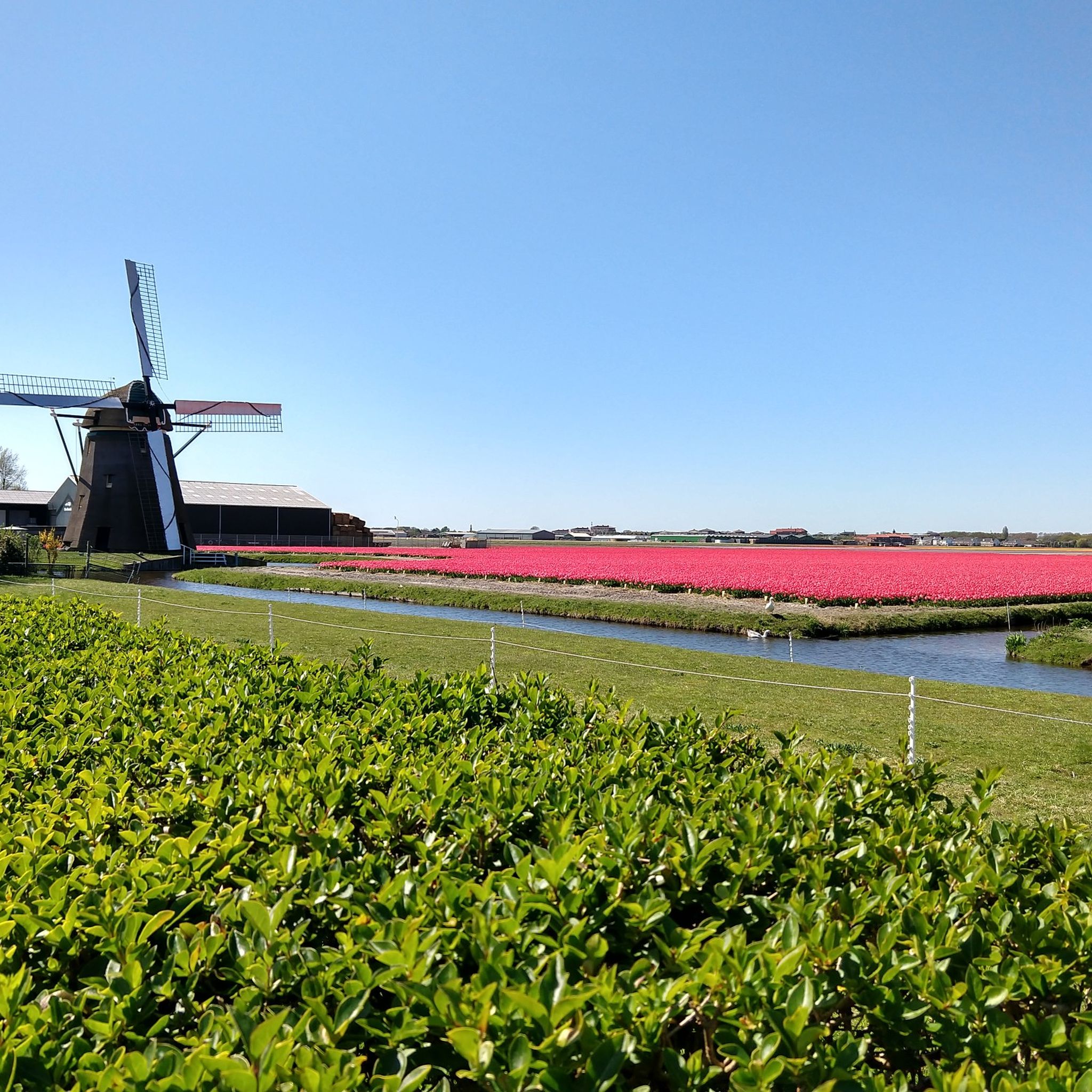
🌷The Netherlands- a colorful 🌷Tulip Nation🌷 💐Almost 80 percent of all tulip plants available worldwide are grown in the Netherlands. Red, White, Purple or Orange – visitors can admire the full splendor of colors of the flowers at Keukenhof in the province of South Holland💐. Besides tulips, 🌼daffodils, hyacinths, and crown imperials also grow there. The plants thrive particularly well thanks to calcareous soil. 💐The flowerbeds are artfully designed so that the splendor of the plants' colors can unfold in interplay🌷. The 32-hectare park is explored via walking paths, which are a total of 15 kilometers long💐.
3
0

The cultivation and trade of extremely valuable tulips began in the Netherlands after Carolus Clusius brought tulips from Turkey to Europe in 1593. During the Dutch Golden Age, tulip bulbs became an object of speculation. In the 1630s, prices for tulip bulbs rose to comparatively extremely high levels before the market collapsed abruptly in early February 1637 (= the first relatively well-documented speculative bubble in economic history). (Source: Wikipedia) THE TULIP: It came to Europe from Persia and Turkey in the 16th century. The Netherlands, especially Leiden, became the center of tulip cultivation. The "Semper Augustus" became particularly valuable because a virus caused it to have unique red and white flame patterns on its petals. During the tulip mania around 1643, it was recorded as the most expensive tulip in the world (Collection of the Norton Simon Art Foundation, USA). It is unknown who bred the Semper Augustus, as it is a historical, now extinct specimen. However, it became a symbol of the Dutch "tulip mania" (nl = tulpenwoede, tulpengekte) in the 17th century. At its peak in 1637, one bulb of this variety fetched 10,000 guilders, exactly the price of a house on a canal. In 1624, there were only 12 of this variety. (Source: Book "Leidener Runde und Rembrandt Route" by Leiden City Marketing)
2
0
🌿🌱After the founding of Leiden University in 1575, it seemed sensible to establish a "hortus medicus," a herb garden where medical students could study medicinal plants. This marked the beginning of a development that continued at the LUMC Academic Hospital and the Bio Science Park. The "Hortus Botanicus Leiden" was established in 1590, making it the oldest botanical garden in the Netherlands. 🌷Carolus CLUSIUS, a Hortulanus from Vienna, was the first director of the garden in 1593. He oversaw its design and cultivated the first large tulip collections in Europe. These form the basis of the nearby Keukenhof in Lisse, the "Garden of Leiden." ☘In the 19th century, Philipp Franz von SIEBOLD introduced around 700 previously unknown plants from Japan and China. (Source: Book "Leidener Runde and Rembrandt Route" by the Leiden City Marketing)
2
0

For tulip lovers and fans of beautiful, flowery parks, a visit to Keukenhof in the Netherlands is a MUST. Between mid-March and the end of May, tulips of various varieties bloom there.
1
0

This is a real hit, even for those who aren't flower fans.
1
0

It's beautiful there, I would just avoid going on April 12th due to the crowds and road closures for the flower parade.
2
0

After the foundation of Leiden University in 1575, it was deemed desirable to create a 'hortus medicus': a garden in which medical students could study medicinal plants. The start of a development that has continued in the Academic Hospital LUMC and the Bio Science Park. Hortus Botanicus Leiden was founded in 1590, making it the oldest botanical garden in the Netherlands.
4
0
Frequently Asked Questions
What natural features define the Leiderdorp area?
Leiderdorp is characterized by its location between urban areas and the expansive Green Heart of the Netherlands. The Oude Rijn (Old Rhine) river flows through the municipality, separating it from Leiden and providing picturesque waterside views. The area's natural beauty lies in its integration with these broader natural landscapes.
Are there any unique natural areas within Leiderdorp for families?
Yes, the Natuur Speeltuin de Bloemerd is a notable natural recreational area within Leiderdorp. It's designed for children and adults to explore nature through play, featuring elements like a water pump with a stream, a 'wadi' for frogs and salamanders, and opportunities for balancing on a rope bridge and tree trunks. It's maintained by volunteers and offers both a clear play area for younger children and a wilder section for older kids.
What are some popular natural attractions to visit near Leiderdorp?
Near Leiderdorp, you can explore several popular natural attractions. The famous Keukenhof is known for its extensive flower displays, featuring millions of bulbs, primarily tulips, across 32 hectares. Another option is the Seringeberg Lookout – De Horsten Estate, which offers views over a surrounding forest and is named for the lilacs planted at its base.
When is the best time to visit the flower attractions near Leiderdorp?
The best time to visit attractions like Keukenhof is during spring, when the beautiful colorful bulbous plants, especially tulips, are in full bloom. This park is only open for a few weeks each year during this period. It's advisable to book tickets in advance and consider visiting outside of peak days to avoid crowds.
Are there historical sites with natural elements near Leiderdorp?
Absolutely. Keukenhof Castle is a historical castle situated on an extensive estate that includes a vegetable garden, flower garden, and a sculpture garden, offering varied natural and cultural features. Additionally, De Horsten Royal Estate is another historical site that functions as a nature reserve with forests and viewpoints.
What outdoor activities can I do near Leiderdorp's natural areas?
The region around Leiderdorp offers a variety of outdoor activities. You can find numerous cycling routes, such as the 'Wooden Bridge to Woubrugge – Wijde Aa loop' or the 'Leiden City Hall – Koornbrug, Leiden loop'. There are also running trails like the 'Boterhuis Bridge and Marina – View of Het Joppe loop'. For mountain biking enthusiasts, routes like the 'Mountain Bike Route Zoetermeer – Meerpolder loop' are available. You can find more details on these activities in the MTB Trails around Leiderdorp, Cycling around Leiderdorp, and Running Trails around Leiderdorp guides.
Are there easy walking routes or viewpoints suitable for all abilities?
While specific 'easy walking routes' are not detailed for every natural monument, many areas like the Oude Rijn riverbanks offer pleasant strolls. The Seringeberg Lookout – De Horsten Estate provides a nice viewing point over the forest. For a more active experience, the running guide includes an 'easy' rated route: 'Zigzagging along the water – Singel Bridge loop from Leiderdorp'.
What facilities are available at the natural attractions?
At Keukenhof, you'll find extensive facilities, including restaurants and amenities for visitors. Keukenhof Castle also has a restaurant on its estate, alongside a petting zoo and various gardens. The Natuur Speeltuin de Bloemerd is designed for play and exploration, with elements like a water pump and sand areas.
Can I visit these natural areas with my dog?
While the guide doesn't explicitly state dog-friendly policies for all natural monuments, many outdoor areas in the Netherlands, especially those designated for walking or cycling, are generally dog-friendly, often requiring dogs to be on a leash. For specific attractions like Keukenhof or estates, it's always best to check their official websites for current pet policies before visiting.
What do visitors enjoy most about the natural attractions near Leiderdorp?
Visitors particularly enjoy the vibrant spectacle of the flower fields at Keukenhof, describing it as an 'unforgettable spring walk along fields full of colorful flowers' and a 'true color spectacle'. The historical estates like Keukenhof Castle are appreciated for their beautiful grounds, including vegetable and flower gardens, and the overall extensive estate experience.
Are there any hidden natural gems in the Leiderdorp area?
While Leiderdorp is known for its connection to the Green Heart, the Natuur Speeltuin de Bloemerd could be considered a local gem, offering a unique natural play experience for families. The municipal government also focuses on enhancing biodiversity through initiatives like nature-friendly riverbanks and ecological corridors, which contribute to smaller, less-known natural spots within the municipality.
What kind of wildlife can I expect to see in Leiderdorp's natural areas?
In the Natuur Speeltuin de Bloemerd, you might spot frogs and salamanders in the 'wadi' area. Generally, Leiderdorp's connection to the Green Heart and its waterways like the Oude Rijn mean you can expect to see various bird species, insects, and small aquatic life. The ecological corridors and green spaces within the municipality also support local biodiversity.
Most popular attractions around Leiderdorp

Get inspired with the komoot mobile app


Explore more
Extend your search for the best caves by checking out these guides of the top ones around Leiderdorp:
