Top 14 Natural Monuments around Hardinxveld-Giessendam
Best natural monuments around Hardinxveld-Giessendam are primarily found within the unique freshwater delta of De Biesbosch National Park. This region is characterized by a complex network of waterways, extensive willow forests, and diverse wetlands. The landscape is constantly shaped by the ebb and flow of fresh water, creating a distinct natural environment. Visitors can explore a variety of natural features, from river landscapes to rewilded polder lands.
Best natural monuments around Hardinxveld-Giessendam
- The most popular natural monument is Biesbosch National…
Last updated: October 10, 2026
Munnikenland and Loevestein Castle
Highlight • Castle
Translated by Google •
Tip by

Biesbosch Museum Island
Highlight • Historical Site
Translated by Google •
Tip by

Sign up now to discover places like this
Get recommendations on the best single tracks, peaks, & plenty of other exciting outdoor places.
Hooge Hof
Highlight • Natural
Translated by Google •
Tip by

Wassende Maan Land Art in De Biesbosch
Highlight • Structure
Translated by Google •
Tip by
Sophiapolder Nature Island
Highlight (Segment) • Natural
Translated by Google •
Tip by

Sign up for free to discover even more natural monuments around Hardinxveld-Giessendam.
Already have an account?
Start today with a free account
Your next adventure awaits.
Popular around Hardinxveld-Giessendam
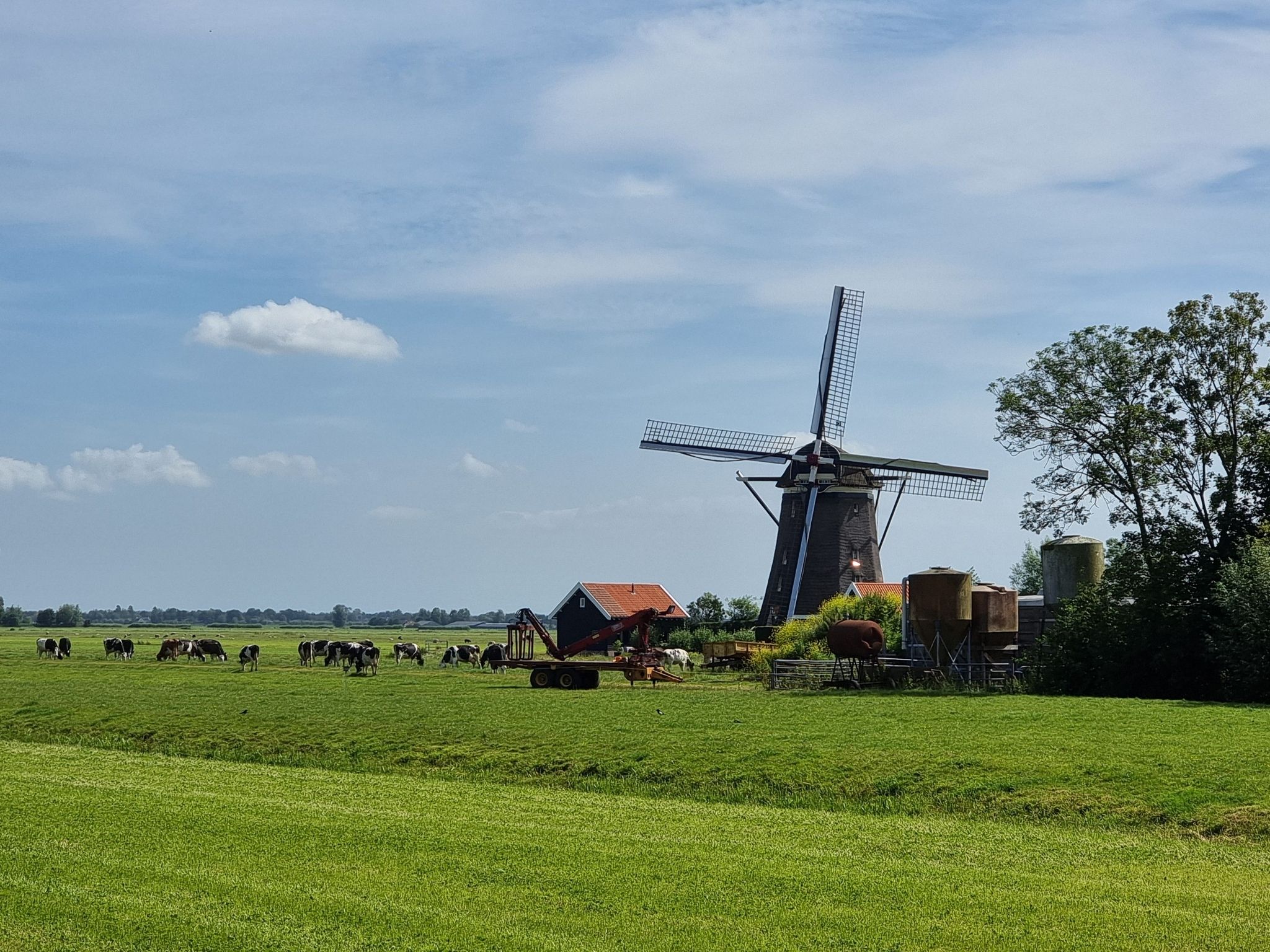
Pilgrim Trail (LAW 7-1) - Through idyllic villages and vast polders
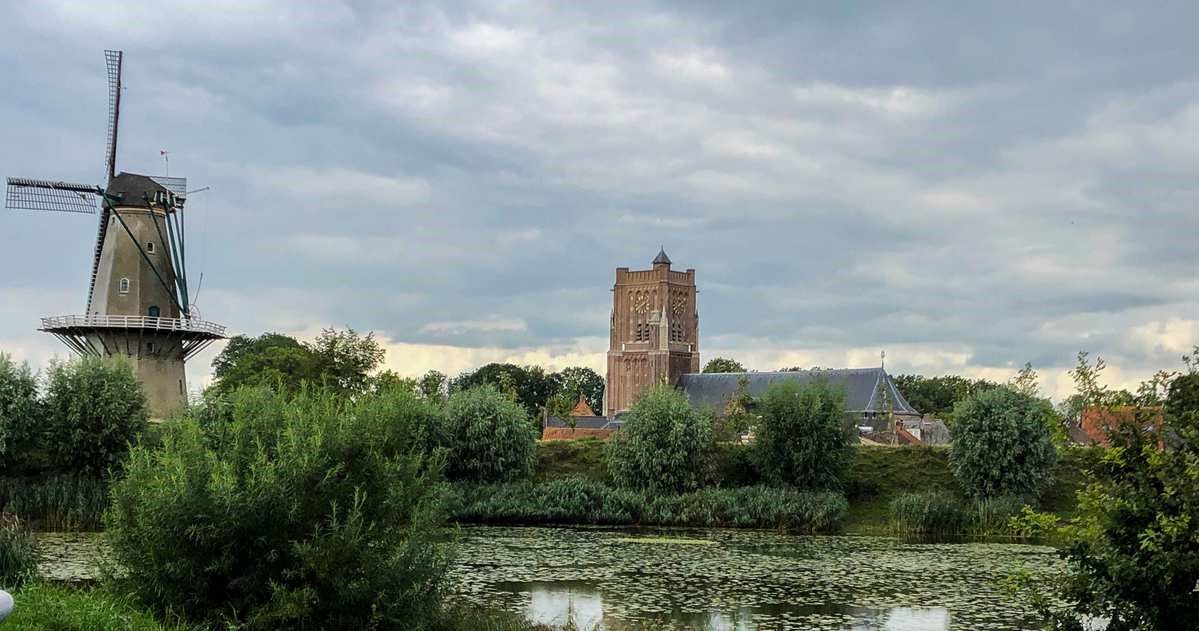
Amsterdam to 's-Hertogenbosch – Pilgrims’ Path part 1
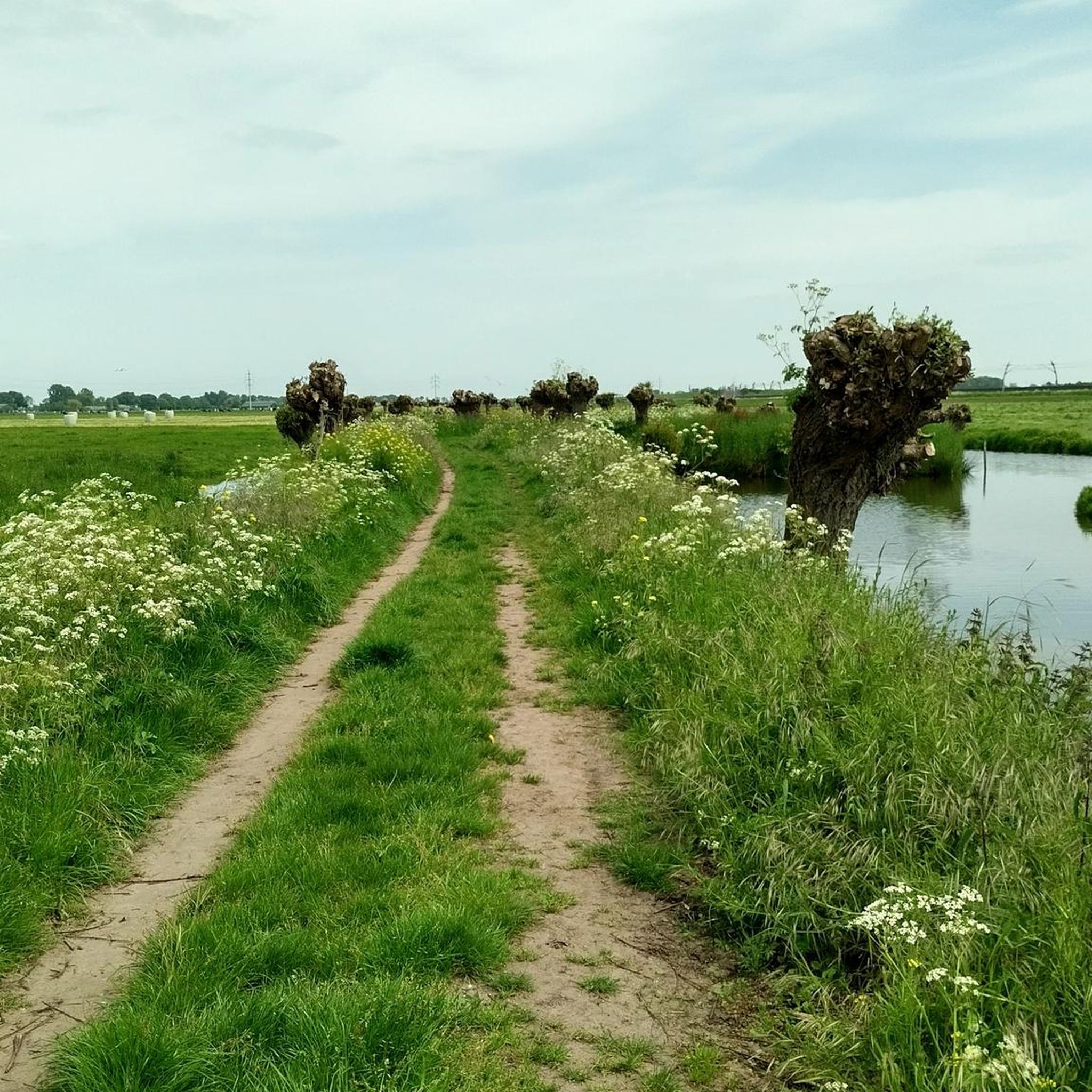
Road Cycling Routes around Hardinxveld-Giessendam
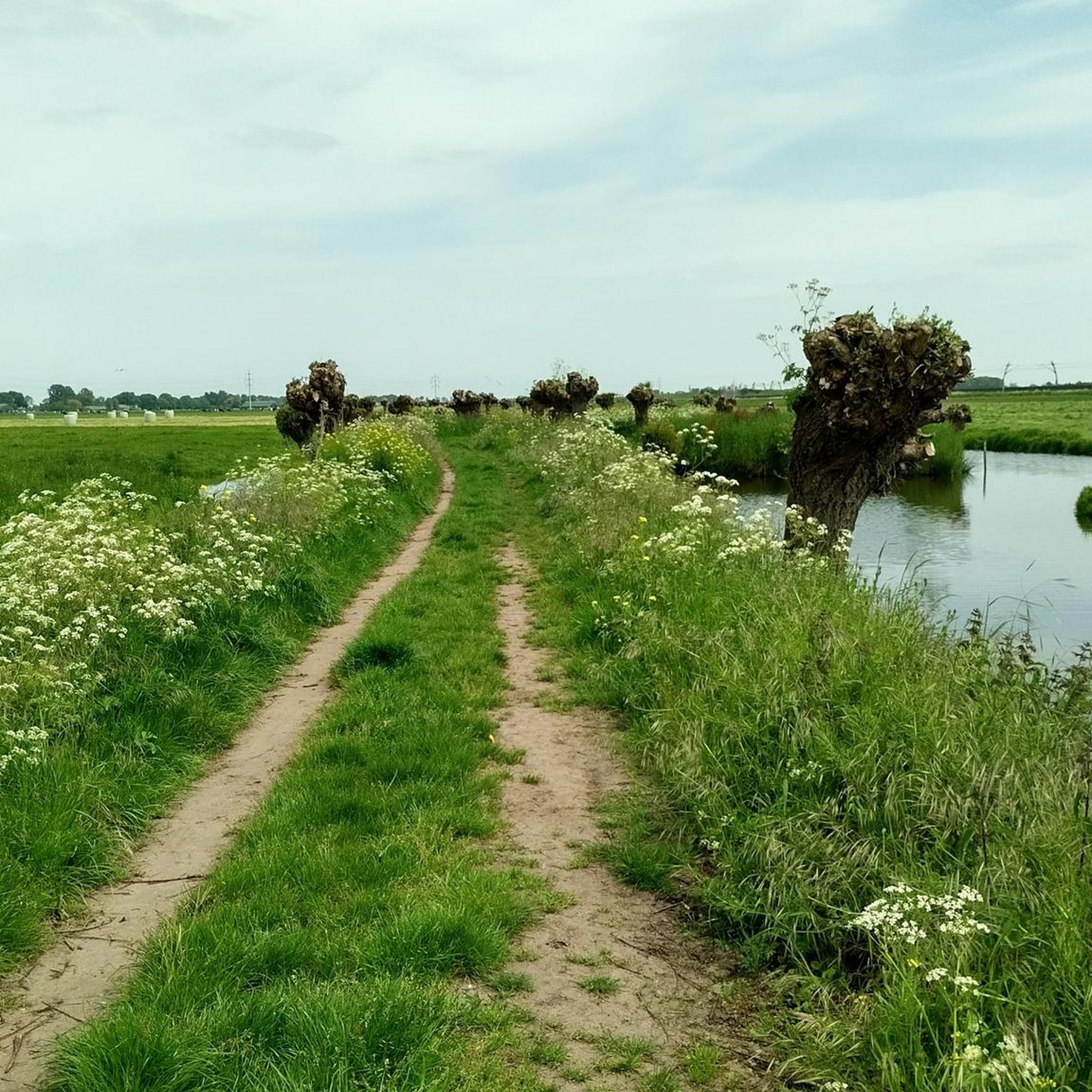
Cycling around Hardinxveld-Giessendam
Hiking around Hardinxveld-Giessendam
Running Trails around Hardinxveld-Giessendam
MTB Trails around Hardinxveld-Giessendam


Tips from the Community


The Biesbosch Museum, located in the heart of the National Park, conveys the history, nature and culture of this unique river landscape and invites you to learn more about the ecological importance of the area.
0
0

What a loss that this beautiful work of art is so neglected. During my visit on October 4, 2024, I noticed that a large part of this impressive land art was overgrown. The atmosphere and symbolism of the work of art have been completely lost as a result. It seems that it has been poorly maintained for years. Staatsbosbeheer should be ashamed of this. I also noticed that there are signs everywhere, including with four poems, but there is no explanation to be found about the work of art itself. During my visit, there were sheep walking around, which made it difficult to view the work of art without stepping in sheep poop.
4
0
Lovely place (I was halfway) to rest for a while and if you want to visit the museum, or take a boat trip through the Biesbosch.
2
0

Beautiful area with many birds. Currently very wet and parts of the walking path are closed. Strolling along the Maas is fun, but now it is swampy.
2
0

In the museum there is lots and lots of information about plants, fauna and birds. Very informative. Beautiful bike route through the landscape.
4
1

Informative and beautiful model that beautifully shows the operation of the tides in the area.
2
0

Museum Biesbosch and start whisper boats.
2
0
Frequently Asked Questions
What unique natural features can I expect to see in the Hardinxveld-Giessendam area?
The Hardinxveld-Giessendam area is primarily defined by the unique freshwater delta of De Biesbosch National Park. This region features a complex network of winding creeks, river islands, extensive willow forests, and diverse wetlands. It's one of the few freshwater tidal regions globally, with the landscape constantly shaped by the ebb and flow of fresh water. You can also find rewilded polder lands and areas rich in biodiversity.
Are there any historical sites combined with natural monuments in this region?
Yes, you can visit Munnikenland and Loevestein Castle. This area offers opportunities for walking amidst horses and cattle, with large parts freely walkable without a defined path structure, combining natural beauty with historical significance.
What kind of wildlife can be spotted in the natural areas around Hardinxveld-Giessendam?
De Biesbosch National Park is a haven for wildlife, especially birds. Hundreds of species, including sea eagles and ospreys, are permanent residents. The park is also famous for its beaver population, with over 100 lodges. Kingfishers are also present. Specific areas like Jantjesplaat are excellent for birdwatching, with songbirds in spring and sightings of species like the Western marsh harrier and Eurasian teal.
Are there family-friendly natural monuments or activities in the Hardinxveld-Giessendam region?
Yes, several natural monuments are family-friendly. Biesbosch National Park itself is great for families, offering various activities. The Biesbosch Museum Island is a perfect starting point for family cycling, walking, or boating trips, with a museum that conveys the history, nature, and culture of this unique river landscape.
What are the best ways to explore De Biesbosch National Park?
De Biesbosch National Park offers versatile exploration options. Visitors can walk, cycle, canoe, sail, fish, and birdwatch. Guided excursions, including bird and beaver watching tours, are available year-round. Paddling silently through narrow creeks is a popular way to observe wildlife. You can find various hiking routes in the area, including those around Hardinxveld-Giessendam.
Are there specific walking trails or nature reserves within De Biesbosch worth visiting?
Yes, Hooge Hof is a beautiful wetland and nature reserve within the Biesbosch, featuring walking paths and footbridges. Another notable area is Jantjesplaat, which offers excellent opportunities for hiking through freshwater tidal wetlands on paved paths and footbridges, making it accessible for experiencing the wild nature of the river delta.
What is the best time of year to visit the natural monuments around Hardinxveld-Giessendam?
The natural monuments, particularly De Biesbosch National Park, offer unique experiences throughout the year. Spring is excellent for birdwatching, especially for songbirds. Summer allows for extensive water activities like canoeing and sailing. Autumn brings beautiful colors to the willow forests, and even winter offers opportunities for bird and beaver watching tours. The dynamic nature of the freshwater delta means the landscape is always changing with the seasons.
Are there cycling routes available near the natural monuments?
Yes, the region offers numerous cycling opportunities. The Biesbosch Museum Island is a great starting point for cycling tours through the National Park, with beautiful asphalt paths and few cars. You can find various road cycling routes around Hardinxveld-Giessendam, including those that pass through the Biesbosch.
What is the 'Wassende Maan Land Art' and where can I find it?
The Wassende Maan Land Art is a unique landscape artwork located along the Bandijk, in the northern corner of the Biesbosch, specifically in the Noordwaard. It's a 4-hectare labyrinth of channels and dikes, designed by visual artist Paul de Kort. Its appearance changes with weather, seasons, and tide, making it a dynamic blend of art and nature.
Are there mountain biking trails near the natural monuments?
Yes, for mountain biking enthusiasts, there are trails available. You can find MTB trails around Hardinxveld-Giessendam, including routes that take you through or near De Biesbosch National Park, such as the 'De Biesbosch National Park – Biesbosch Museum Island loop'.
What makes De Biesbosch National Park so special?
De Biesbosch is special because it's a unique freshwater delta, one of the few in the world, where the landscape is constantly shaped by freshwater tides. It was originally polder land that transformed into an inland sea after a storm surge, then into a freshwater delta. This dynamic environment has created a rich biodiversity, making it a critical habitat for many bird species and home to a significant beaver population. It's a prime example of rewilded nature.
How long should I plan for a visit to the natural monuments in the area?
The duration of your visit can vary greatly depending on your interests. For a general exploration of a specific area like Hooge Hof or Jantjesplaat, a few hours for a walk or cycle ride might suffice. To fully experience De Biesbosch National Park, including activities like canoeing, birdwatching, or visiting the Biesbosch Museum Island, you could easily spend a full day or even multiple days.
Most popular routes around Hardinxveld-Giessendam
Most popular attractions around Hardinxveld-Giessendam

Get inspired with the komoot mobile app


Explore more
Extend your search for the best caves by checking out these guides of the top ones around Hardinxveld-Giessendam:
