Top 5 Natural Monuments around Leeuwarderadeel
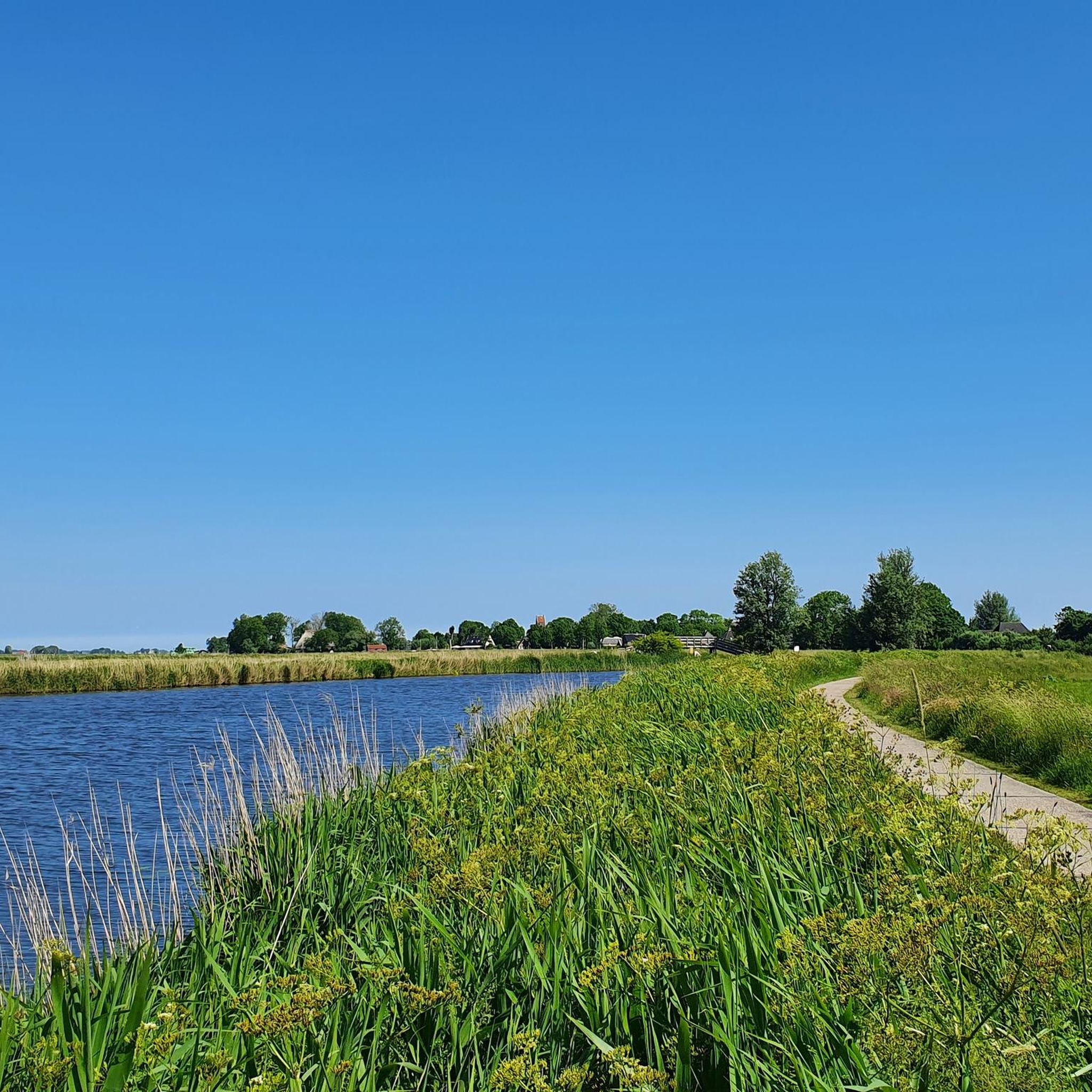
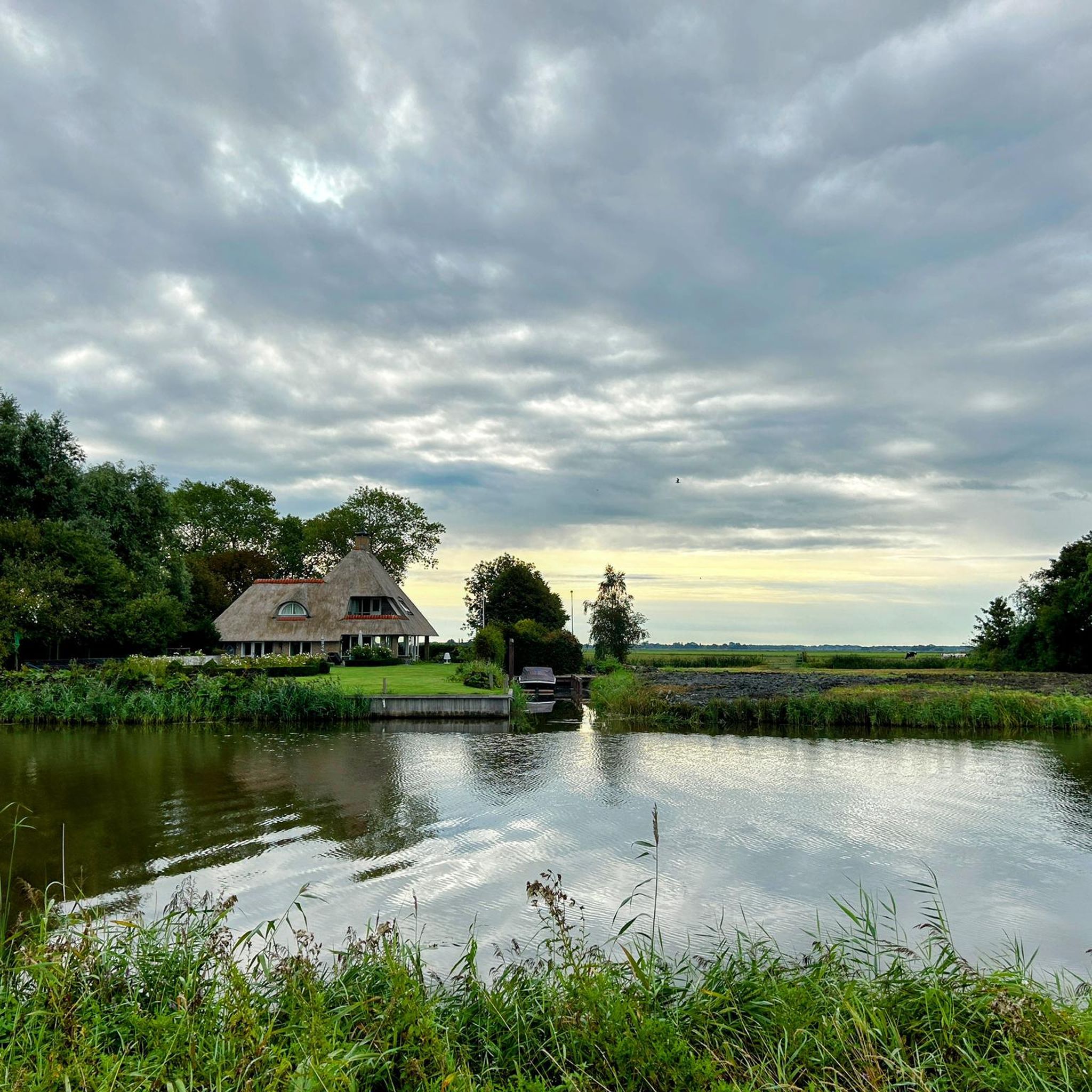
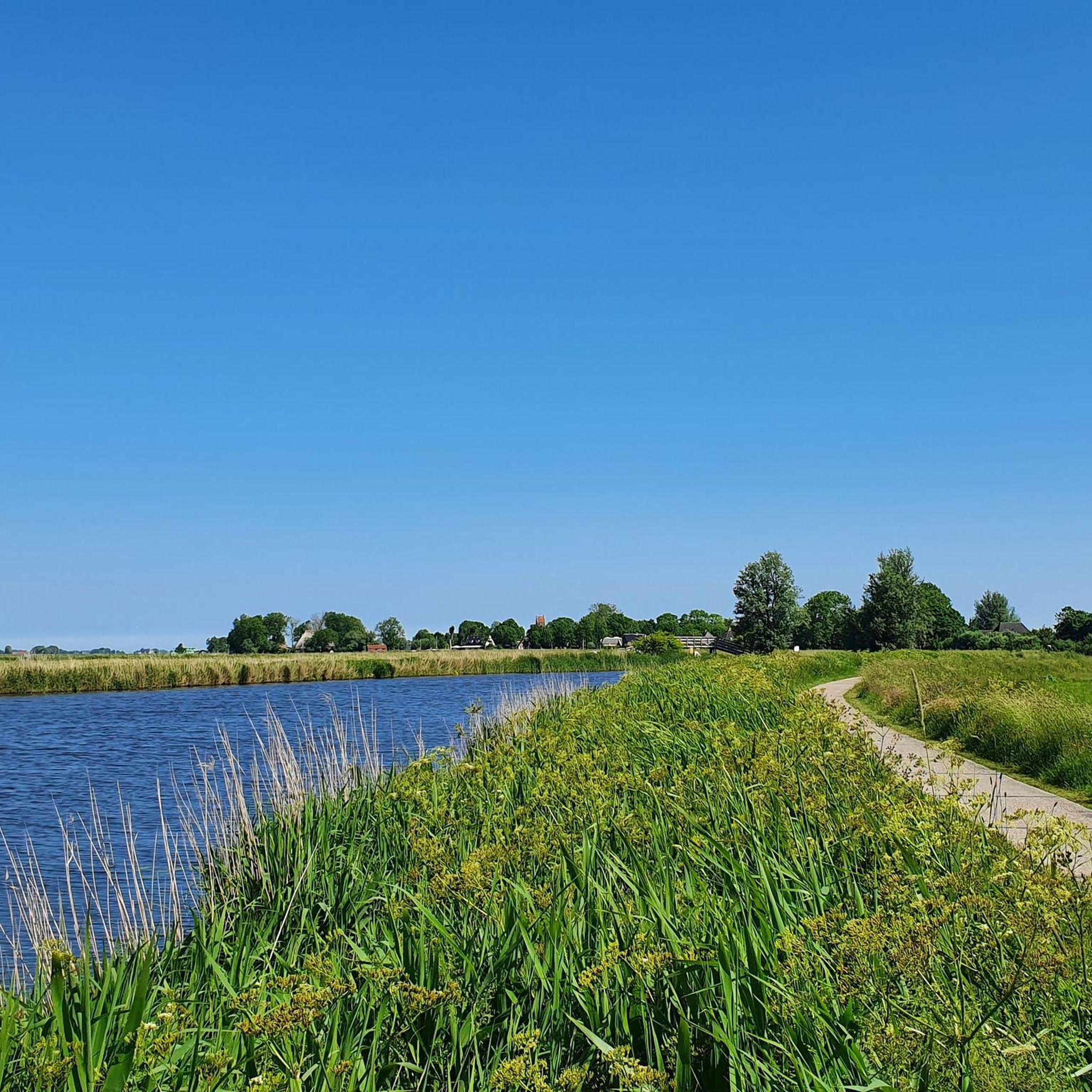
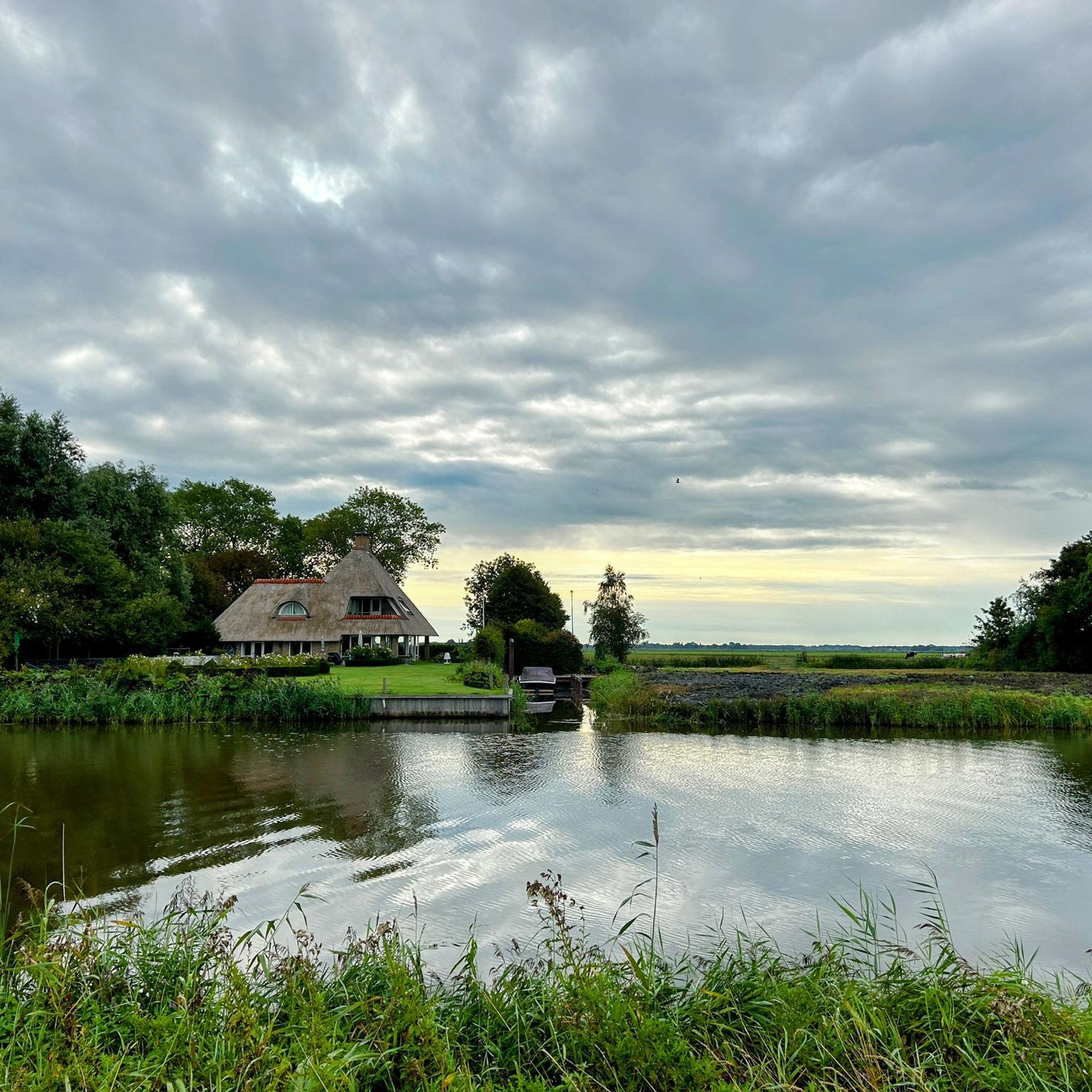
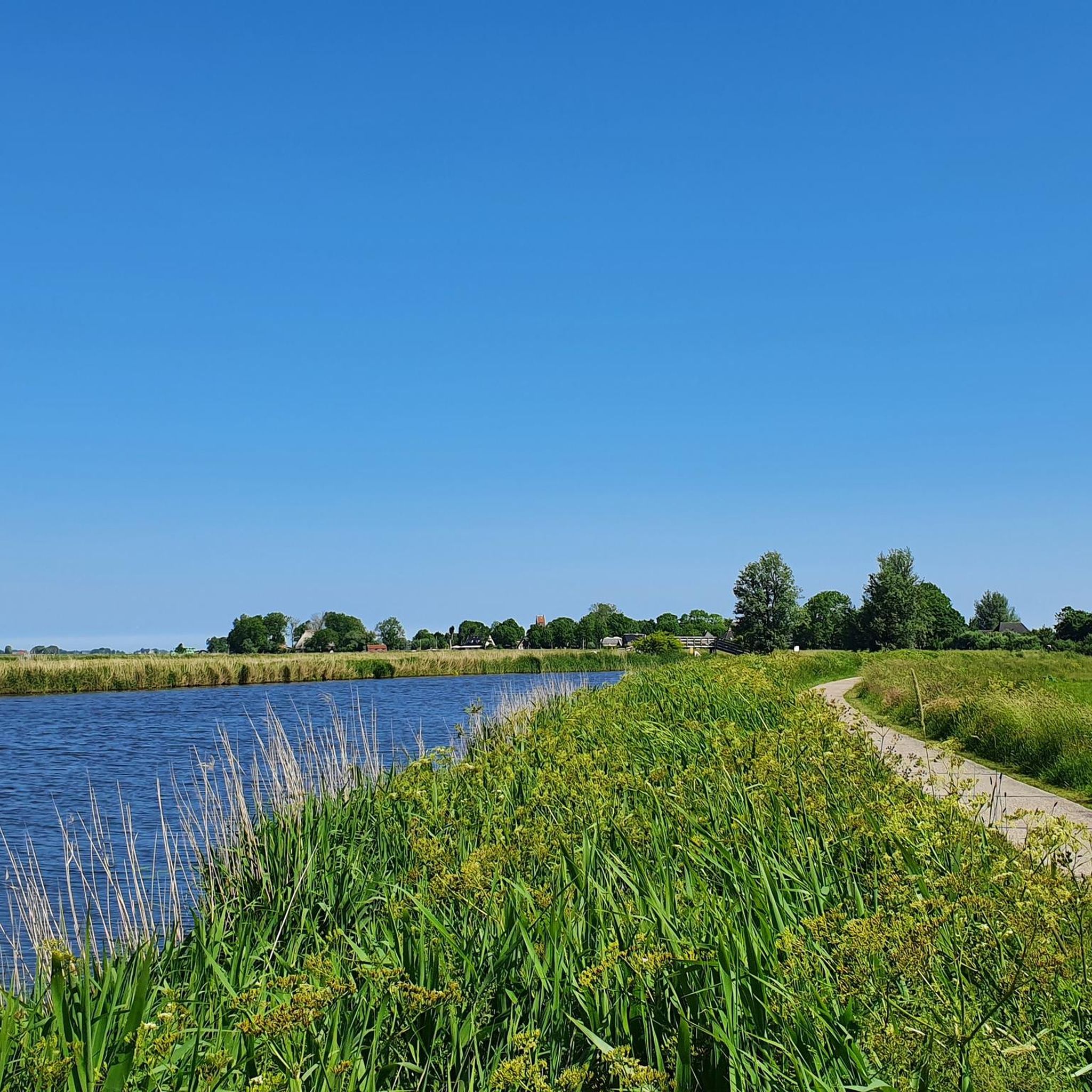
Best natural monuments around Leeuwarderadeel showcase a region characterized by its rich wetland ecosystems and historical landscape. Although the municipality of Leeuwarderadeel has merged, the area retains significant natural features. It is known for diverse marsh areas, open water, and extensive reed beds, shaped by centuries of peat extraction. This landscape supports a variety of plant and bird species, offering opportunities for nature observation.
Best natural monuments around Leeuwarderadeel
- The most popular natural monument is Salt marshes of the Wadden…
Last updated: May 9, 2026
Noard-Fryslân Bûtendyks Nature Reserve
Highlight • Natural Monument
Translated by Google •
Tip by

Love – 11fountains
Highlight • Monument
Translated by Google •
Tip by

Sign up now to discover places like this
Get recommendations on the best single tracks, peaks, & plenty of other exciting outdoor places.
Sign up for free
Salt marshes of the Wadden Sea
Highlight • Natural
Translated by Google •
Tip by

Geological Monument of Glacial Erratic Boulders
Highlight • Natural Monument
Free accessable monument of rocks that were pushed by ice from Scandinavia to this area in the ice age.
Translated by Google •
Tip by

Plane tree at Station Square, Leeuwarden
Highlight • Natural Monument
Translated by Google •
Tip by

Sign up for free to discover even more natural monuments around Leeuwarderadeel.
Sign up for free
Already have an account?
Start today with a free account
Your next adventure awaits.
Login or Signup
Tips from the Community

Peace, vastness, and rugged nature are paramount here. The nature reserve is part of the Wadden Sea World Heritage Site and covers over 4,200 hectares. Enjoy the green summer polders, colorful salt marshes, and muddy mudflats, or visit the Terp fan de Takomst (Terp of the Future).
5
0

The Love fountain in Leeuwarden is located directly in front of the train station and is therefore easy to find. The two very tall, white sculptures are interesting to look at. Unfortunately, during our visit, only the ground was very lightly covered with mist. There was no sign of the 2-meter-high fog bank, and therefore the mystical effect was somewhat lacking.
3
0

North Fryslân Bûtendyks (language: Frisian) is a nature reserve in the Dutch province of Friesland, located in the municipalities of Waadhoeke and Northeast Friesland. North Fryslân Bûtendyks is located in the area of simmering polders with drinking water, salt marshes, and salt marsh wormwood. Every year, more than a million birds come here to seek food and rest. Not only the countless wading birds are worth seeing, but also the unique salt marsh plants. In spring, you can see fresh green samphire in the mudflats, and in autumn, flowering salt marsh plants turn the salt marshes red. The nature reserve is part of the Wadden Sea World Heritage Site.
1
0

This enormous tree is located right at the central station.
0
0
Beautiful fountain made for all 11 cities
1
0

Some further impressive examples of the artistic work of Jaume Plensa (born 1955) can be found at the following locations and are also documented here in the komoot system as hiking highlights: => “Laurelle” in Bonn (North Rhine-Westphalia, Germany) see https://www.komoot.com/de-de/highlight/6685486 => “Soul?” in Erkrath (Mettmann district, North Rhine-Westphalia, Germany) see https://www.komoot.com/de-de/highlight/4183261 => “Lou” in Caen (Normandy, France) see https://www.komoot.com/de-de/highlight/5933145 => “Julia” in Madrid (Spain) see https://www.komoot.com/de-de/highlight/6131314 The following two groups of figures by the artist offer a different perspective: => “Air-Earth” in Bamberg (Bavaria, Germany) see https://www.komoot.com/de-de/highlight/2559580 => “Seven Poets” in Andorra la Vella (Andorra) see https://www.komoot.com/de-de/highlight/4741064
5
0

Beautiful plane tree on the station square of Leeuwarden.
0
0
One of the 11 Fountains. This is a group of fountains in the Frisian eleven cities that were placed in the context of Leeuwarden-Fryslân in 2018.
2
0
Frequently Asked Questions
What unique natural features define the Leeuwarderadeel area?
The region around Leeuwarderadeel is characterized by its diverse wetland ecosystems. You'll find extensive marsh areas, fens, quaking meadows, swamp forests, peatlands, open water, and vast reed beds. These landscapes, particularly in areas like De Alde Feanen National Park and De Grote Wielen, were shaped by centuries of peat extraction and offer a rich variety of natural environments.
What kind of wildlife can I expect to see in the natural monuments around Leeuwarderadeel?
The natural monuments in this region are a haven for wildlife, especially birds. In De Alde Feanen National Park, you can spot over a hundred bird species, including rare ones like the bald eagle, osprey, kingfisher, and bitterns. De Grote Wielen is also excellent for birdwatching, with Bearded Tits, Sedge Warblers, and Common Kingfishers. The Noard-Fryslân Bûtendyks Nature Reserve, part of the Wadden Sea World Heritage Site, hosts over a million birds annually and features unique salt marsh plants.
Are there family-friendly natural monuments to visit in the Leeuwarderadeel area?
Yes, several natural monuments are suitable for families. De Alde Feanen National Park offers various activities like easy hiking, cycling, and boat tours. The Salt marshes of the Wadden Sea and Noard-Fryslân Bûtendyks Nature Reserve are great for observing nature and birds. The Geological Monument of Glacial Erratic Boulders is also easily accessible and interesting for all ages.
What outdoor activities are available near the natural monuments in Leeuwarderadeel?
The region offers a wide range of outdoor activities. In De Alde Feanen National Park, you can enjoy hiking, cycling, and especially boating (canoeing, sailing, guided tours). De Grote Wielen is popular for walking, cycling, sailing, windsurfing, and swimming. For more structured routes, you can find numerous options for cycling, mountain biking, and running around Leeuwarderadeel.
What is the best time of year to visit the natural monuments around Leeuwarderadeel?
The best time to visit depends on your interests. Spring and autumn are ideal for birdwatching, as many migratory birds use the wetlands and salt marshes for feeding and resting. Summer offers pleasant weather for boating, cycling, and hiking. In winter, if the lakes freeze over, De Alde Feanen National Park becomes a popular spot for ice skating, offering a unique perspective of the landscape.
Are there any historical or cultural aspects related to the natural monuments?
Yes, the landscape itself tells a story. De Alde Feanen National Park, for instance, was shaped by centuries of peat extraction and turf-cutting, with old farms and waterways still in use, reflecting the region's cultural heritage. The Geological Monument of Glacial Erratic Boulders showcases stones pushed from Scandinavia during the ice age, offering a glimpse into ancient geological history.
Can I find places to eat or stay near the natural monuments?
Yes, the village of Earnewâld, located within De Alde Feanen National Park, serves as a hub with a large marina and dining options. De Grote Wielen also features a restaurant within the reserve, providing a convenient spot for visitors. For accommodation, you'll find various options in and around Leeuwarden and the surrounding villages.
Are the natural monuments accessible by public transport?
While some areas are more easily reached by car, public transport options exist to get close to the natural monuments. For example, the Plane tree at Station Square, Leeuwarden is directly at the central station, making it highly accessible. For more remote nature reserves like De Alde Feanen or De Grote Wielen, you might need to combine public transport with a short walk or bike ride.
What is the 'Terp of the Future' and where can I find it?
The Terp of the Future is a viewpoint offering expansive views of the salt marshes of the Wadden Sea. It's located within or near the Noard-Fryslân Bûtendyks Nature Reserve. While you might need to leave your bike and walk a short distance, the panoramic views are well worth the effort.
Are dogs allowed on trails and in the natural monuments?
Policies regarding dogs can vary by specific location within the natural monuments. Generally, dogs are often welcome on leashes on public paths and trails. However, in sensitive nature reserves, especially during breeding seasons, there might be restrictions to protect wildlife. It's always best to check local signage or specific park regulations before visiting with your dog.
Where can I find more information about De Grote Wielen nature reserve?
De Grote Wielen is a beautiful nature reserve just outside Leeuwarden, known for its lakes, reedbeds, and birdlife. It's a great spot for walking, cycling, and water sports. You can find more details about this area on the Visit Leeuwarden website: visitleeuwarden.com.
Most popular routes around Leeuwarderadeel
Most popular attractions around Leeuwarderadeel

Get inspired with the komoot mobile app


Explore more
Extend your search for the best caves by checking out these guides of the top ones around Leeuwarderadeel:
