Top 20 Natural Monuments around Porto De Mós
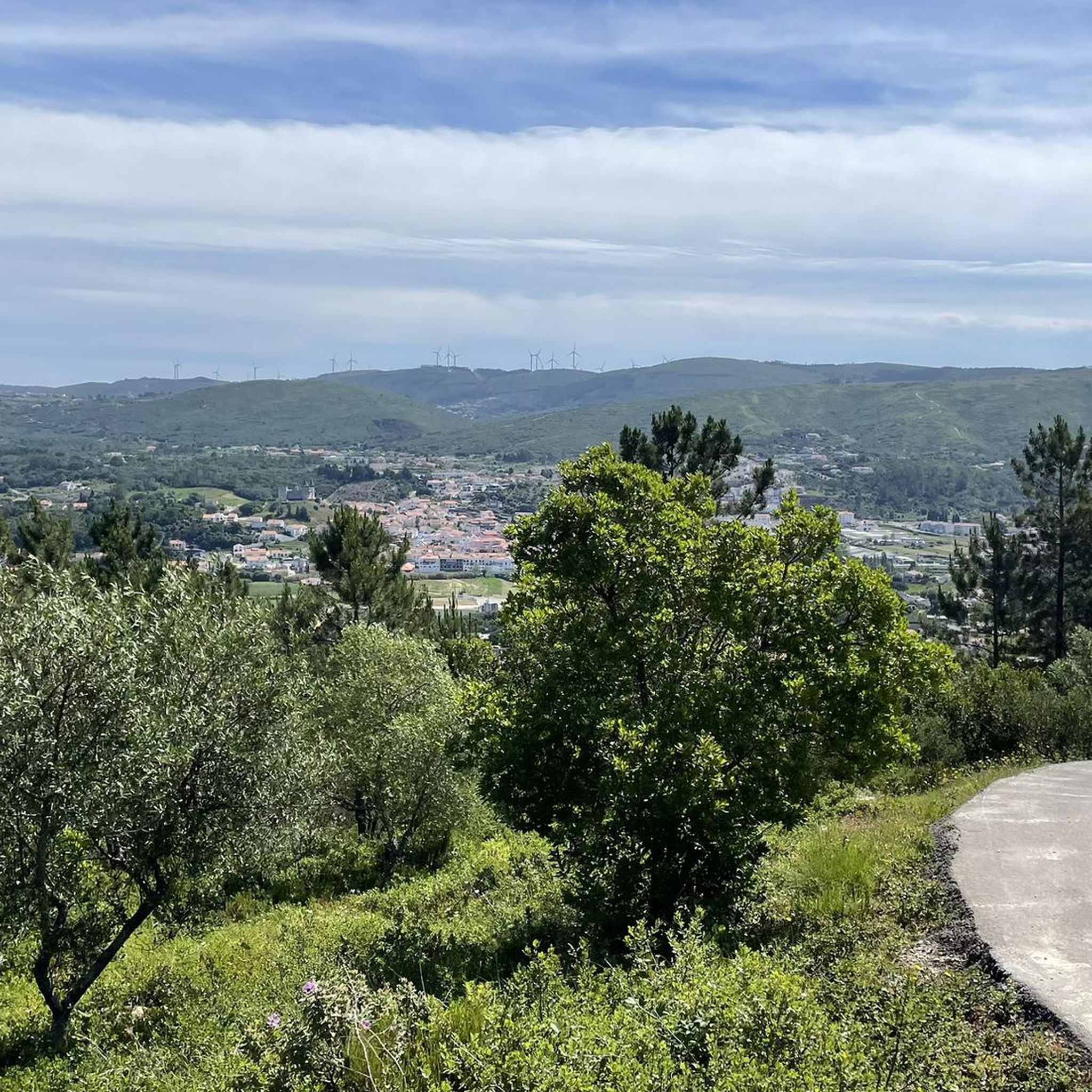
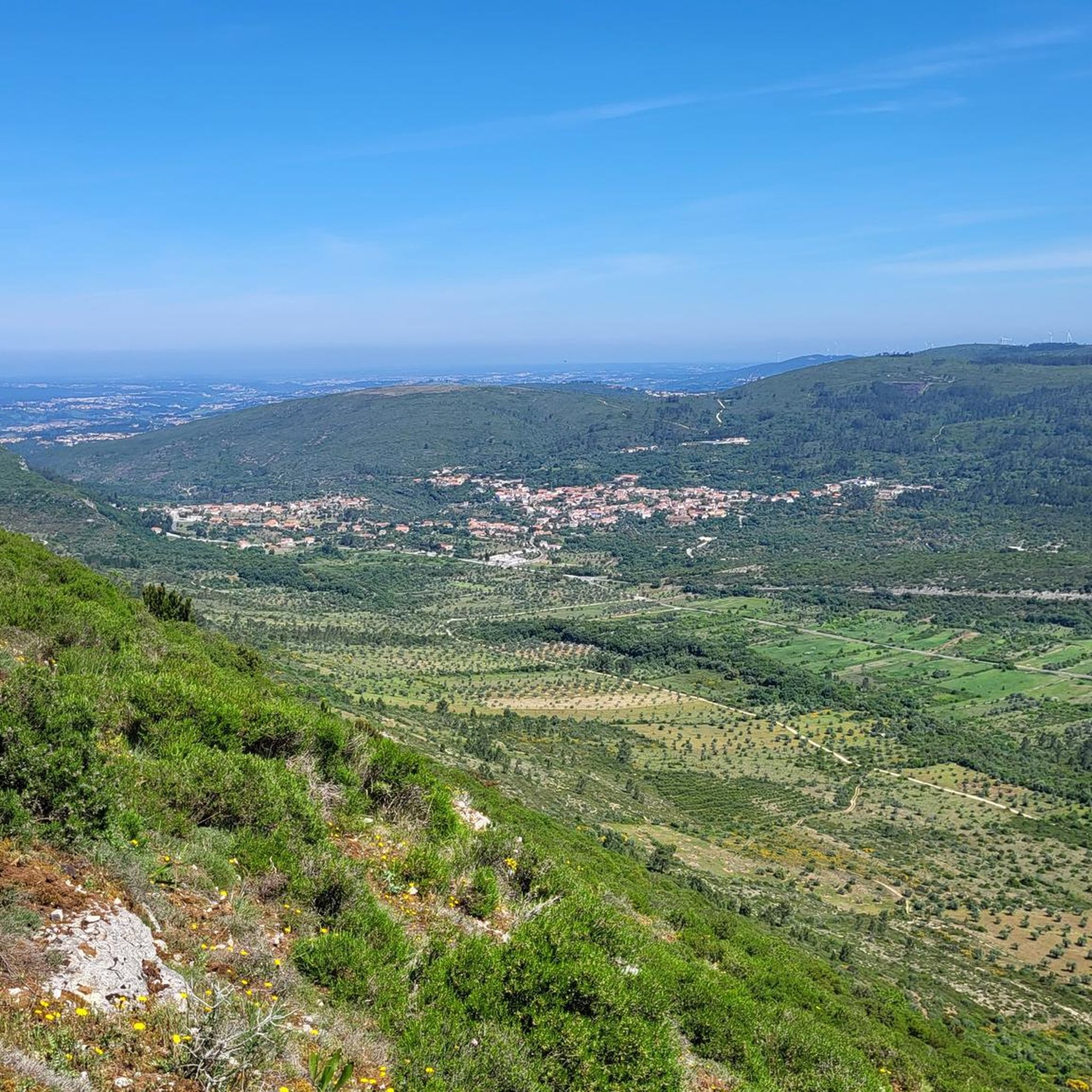
Natural monuments around Porto De Mós are primarily found within the Parque Natural das Serras de Aire e Candeeiros, an area characterized by its unique karst landscape. This region features impressive limestone hills, cliffs, and an intricate underground network of caves. These sites offer a glimpse into the region's rich natural history and provide remarkable visitor experiences. The landscape is known for its geological formations, including significant cave systems and the source of the Lis River.
Best natural monuments around…
Last updated: August 16, 2026
Source of the Lis River
Highlight • River
Tip by

Fórnea Waterfall
Highlight • Waterfall
Tip by
Sign up now to discover places like this
Get recommendations on the best single tracks, peaks, & plenty of other exciting outdoor places.
Sign up for free
Buraco Roto Cave-Necropolis
Highlight • Cave
Translated by Google •
Tip by

Pia da Ovelha Cave
Highlight • Cave
Translated by Google •
Tip by

PR3 Hiking Trail – Serras de Aire e Candeeiros Natural Park
Highlight • Trail
Translated by Google •
Tip by

Sign up for free to discover even more natural monuments around Porto De Mós.
Sign up for free
Already have an account?
Start today with a free account
Your next adventure awaits.
Login or Signup

Tips from the Community

Although the tour is quite short, it thrilled us. On warm days (it was 32 degrees for us) the tour was sweaty. Currently, the authorities have closed the path, a short section of 15 meters has slipped. However, the spot can be easily and safely bypassed.
1
0

The Lis River, whose source is in the town of Fontes, Cortes, is one of the few rivers in the country whose current flows from south to north and, in the final kilometres, from east to west. In winter and early spring, it is possible to see water emerging from the ground in surprising quantities. In the summer months, the source is usually dry.
3
0

The Sheep's Sink is an imposing natural cavity, named after the sink carved under a stalactite that, in the rainy months, pours out abundant water. In the past, this natural refuge served as a drinking trough for cattle.
1
1
The Buraco Roto is a necropolis of singular beauty, hidden in a lush forest of oak, laurel and cork oak trees. In the rainy months, it becomes a natural spectacle, spilling large quantities of water and forming an impressive waterfall.
4
0
The Fórnea Waterfall is located right in the heart of the Serras de Aire e Candeeiros Natural Park, and is fed by the Fórnea Stream, which in turn flows from the Cova da Velha cave.
2
0

Nice quiet route. No water at the waterfall, unfortunately. Because that would give a different experience, certainly worth it for the beautiful views
0
0

The waterfall only appears after heavy rain! Fórnea waterfall just appear after intense rain!
1
0

I recommend it to cyclists who want to push the limits.
3
0
Frequently Asked Questions
What are some of the most impressive cave systems to visit in the Porto de Mós region?
The region is renowned for its extensive cave systems. The Grutas de Mira de Aire are the largest in Portugal, offering a stunning descent into illuminated stalactite and stalagmite formations. Other notable caves include the Grutas de Santo António and Grutas de Alvados, all showcasing the unique karst landscape of the area.
Are there family-friendly natural monuments around Porto de Mós?
Yes, several natural monuments are suitable for families. The Source of the Lis River is a fascinating spot, especially after heavy rains, where water emerges from the earth. The Fórnea Waterfall is also a beautiful place for a family walk, particularly when the waterfall is active. Many of the cave systems, like Grutas de Mira de Aire, offer guided tours that are educational and engaging for all ages.
What unique geological features can I explore in the natural monuments of Porto de Mós?
The region is characterized by its karst morphology, featuring impressive limestone hills, cliffs, and an intricate underground network. You can explore vast cave systems with stalactites and stalagmites, witness the unique phenomenon of the Source of the Lis River, and marvel at the Fórnea, a massive natural amphitheater carved into limestone.
What outdoor activities can I do near the natural monuments in Porto de Mós?
The area offers a variety of outdoor activities, primarily hiking and cycling. You can find numerous trails within the Serras de Aire e Candeeiros Natural Park. For hiking, there are routes like the 'Fórnea Waterfall – Fornea Waterfall loop from Alcaria' which is an easy 3.7 km trail. For cycling, options range from easy greenway loops to more challenging routes. You can explore more options in the hiking guide or cycling guide for Porto de Mós.
Are there hiking trails suitable for beginners in the natural monuments area?
Yes, there are options for beginners. For example, the 'Fórnea Waterfall – Fornea Waterfall loop from Alcaria' is an easy 3.7 km hike. Many sections of the Serras de Aire e Candeeiros Natural Park offer less strenuous paths, allowing visitors to enjoy the landscape without significant difficulty. Always check specific trail details for elevation and terrain before starting.
What wildlife can I expect to see in the natural monuments around Porto de Mós?
The Parque Natural das Serras de Aire e Candeeiros is a protected area rich in biodiversity. It's home to over 100 bird species and 18 bat species, which are a symbol of the park. While surface water is scarce, the unique karst environment supports diverse flora, including around 600 plant species like wild orchids.
Is there a natural monument in the region related to dinosaurs?
Yes, although slightly outside the immediate vicinity of Porto de Mós, the Monumento Natural das Pegadas de Dinossáurios (Dinosaur Footprints Natural Monument) is a significant site. It features the world's largest and most important collection of sauropod dinosaur footprints from the mid-Jurassic period, offering a fascinating glimpse into prehistoric life.
What is the Fórnea Waterfall and Amphitheater?
The Fórnea is a unique geological structure located in the heart of the Serras de Aire e Candeeiros Natural Park. It's a massive 250-meter-high amphitheater, 500 meters in diameter, carved into limestone. The Fórnea Waterfall, fed by the Fórnea Stream, flows within this impressive natural formation, especially after rainfall, offering magnificent panoramic views and hiking opportunities.
What do visitors enjoy most about the natural monuments in Porto de Mós?
Visitors frequently praise the stunning geological formations, particularly the intricate cave systems and the unique karst landscape of the Serras de Aire e Candeeiros Natural Park. The peaceful atmosphere, opportunities for hiking, and the chance to witness natural phenomena like the Source of the Lis River are also highly appreciated. Many enjoy the blend of natural beauty and educational experiences.
What is the best time to visit the natural monuments around Porto de Mós?
The natural monuments, especially the caves, maintain a constant temperature (around 17-18°C) year-round, making them suitable for visiting in any season. For outdoor activities like hiking and enjoying waterfalls (such as the Fórnea Waterfall), spring and autumn offer pleasant temperatures and often more active water flows after seasonal rains. Winter can also be rewarding for seeing the Source of the Lis River at its most abundant.
Are there any hidden natural monuments worth discovering in the Porto de Mós area?
While not 'hidden' in the sense of being unknown, sites like the Pia da Ovelha Cave offer a more rustic and less commercialized experience compared to the larger cave systems. This imposing natural cavity, known for its sink carved under a stalactite, historically served as a drinking trough for cattle and provides a glimpse into the region's pastoral heritage within its natural wonders.
Are there wheelchair accessible trails at the natural monuments in Porto de Mós?
While many natural monuments in the region, especially the cave systems, involve stairs and uneven terrain, some areas within the Serras de Aire e Candeeiros Natural Park may offer more accessible paths. It is advisable to check specific accessibility information for each site, particularly for the major cave attractions, as their natural formations often present challenges for wheelchair users.
Most popular routes around Porto De Mós
Most popular attractions around Porto De Mós

Get inspired with the komoot mobile app


Explore more
Extend your search for the best caves by checking out these guides of the top ones around Porto De Mós:
