Top 4 Natural Monuments around Cartaxo
Best natural monuments around Cartaxo are found within a region characterized by its agricultural landscape, notably vineyards, and its proximity to the Tagus River. The area includes significant natural protected areas that feature diverse natural monuments and attractions. Geographic features range from river valleys to elevated viewpoints, offering varied natural experiences. These sites provide opportunities to explore the natural heritage of the broader region.
Best natural monuments around Cartaxo
- The most popular natural monuments is Jardim das Portas do Sol…
Last updated: October 23, 2026
Paúl de Manique do Intendente.
Highlight • Lake
Translated by Google •
Tip by

Jardim das Portas do Sol
Highlight • Viewpoint
Translated by Google •
Tip by

Sign up now to discover places like this
Get recommendations on the best single tracks, peaks, & plenty of other exciting outdoor places.
Ota River
Highlight • River
Translated by Google •
Tip by
Ota Karst Canyon
Highlight • Canyon
Translated by Google •
Tip by
Top of the eastern side of Montejunto mountain.
Highlight • Summit
A part of the trail that passes through this point is a bit technical with some loose rock, it …
Tip by
Sign up for free to discover even more natural monuments around Cartaxo.
Already have an account?
Start today with a free account
Your next adventure awaits.

Tips from the Community

The area of the springs, on the Ota River, was once a leisure area for the local population, including the local bathing area in the summer. This site remained natural for a long time after the EPAL was installed, but at a certain point, the intensification of agriculture with the use of chemical fertilizers and pesticides, intensive livestock farming, and urban sewage made the flow from upstream a polluting threat to EPAL's water intakes, and EPAL paved several dozen meters of the river course near the site where it is installed with reinforced concrete.
1
0

A beautiful garden and an important place in the history of Portugal.
3
10

The Ota River has its source in the Montejunto mountain range. It flows through the Ota area and empties into the Alenquer River, which in turn meets the Tagus River near Vila Nova da Rainha. At this point the river is close to the village of the same name, Ota.
1
0
“Paul Natura”, Manique do Intendente https://www.youtube.com/watch?v=9nKhlLvOrJw
4
0
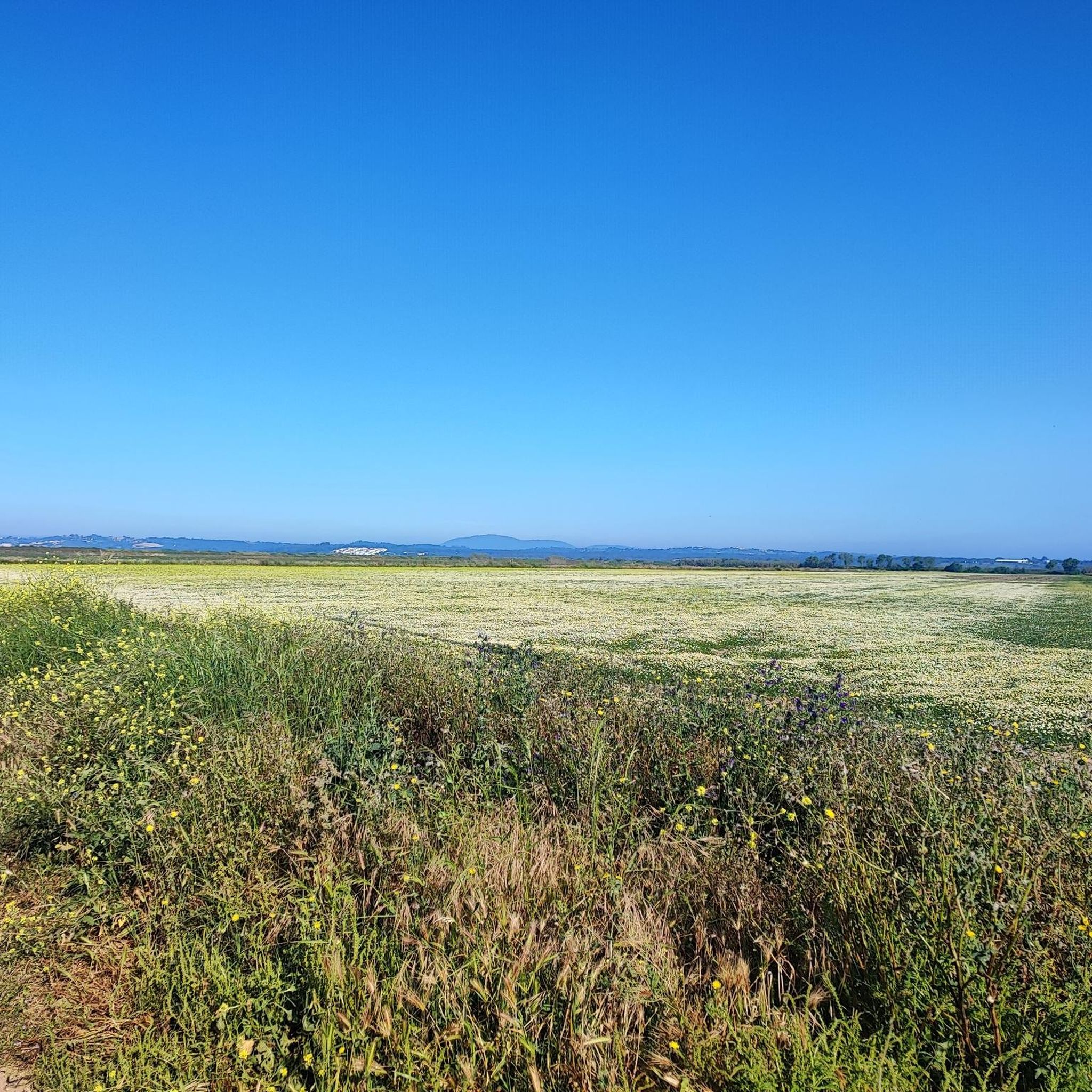
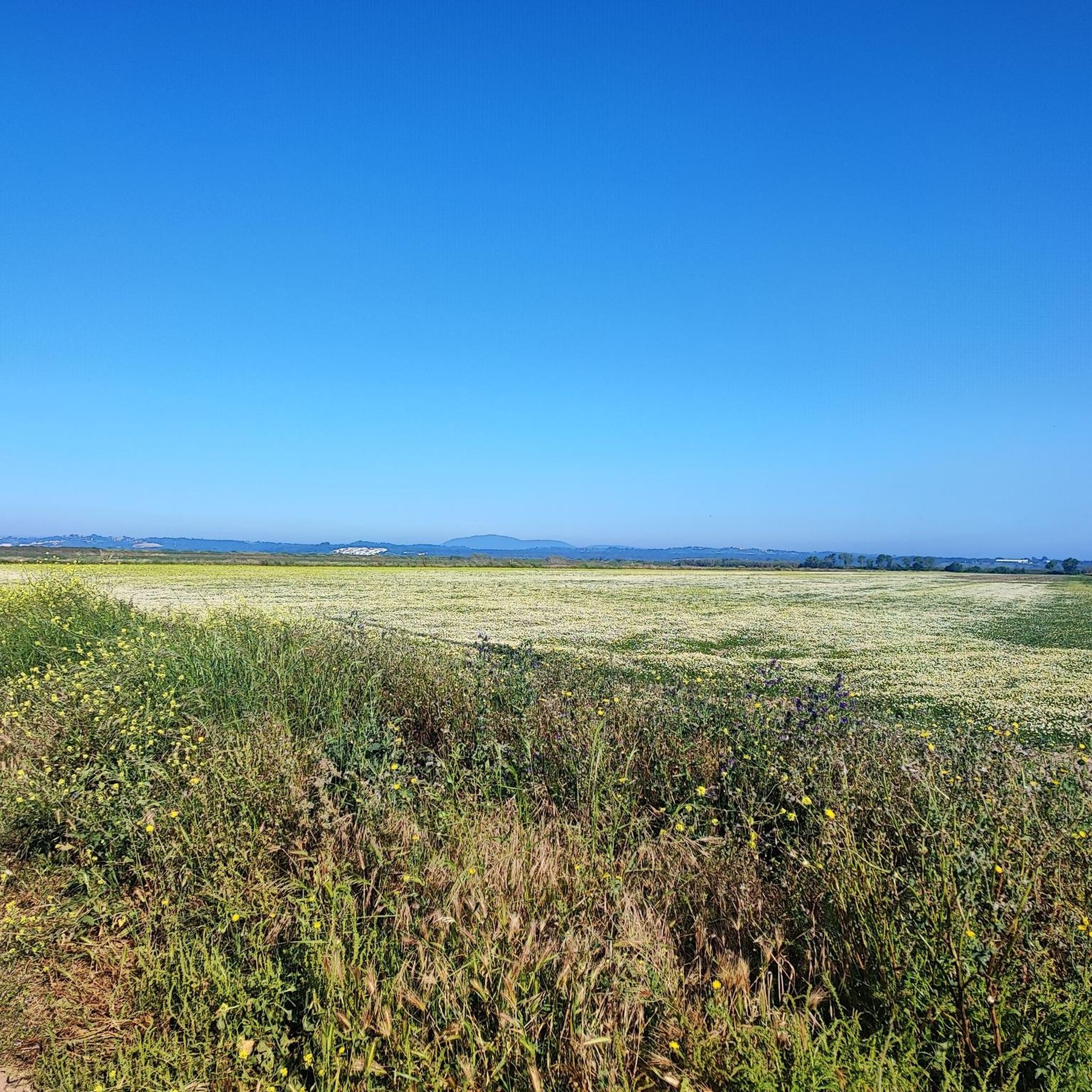
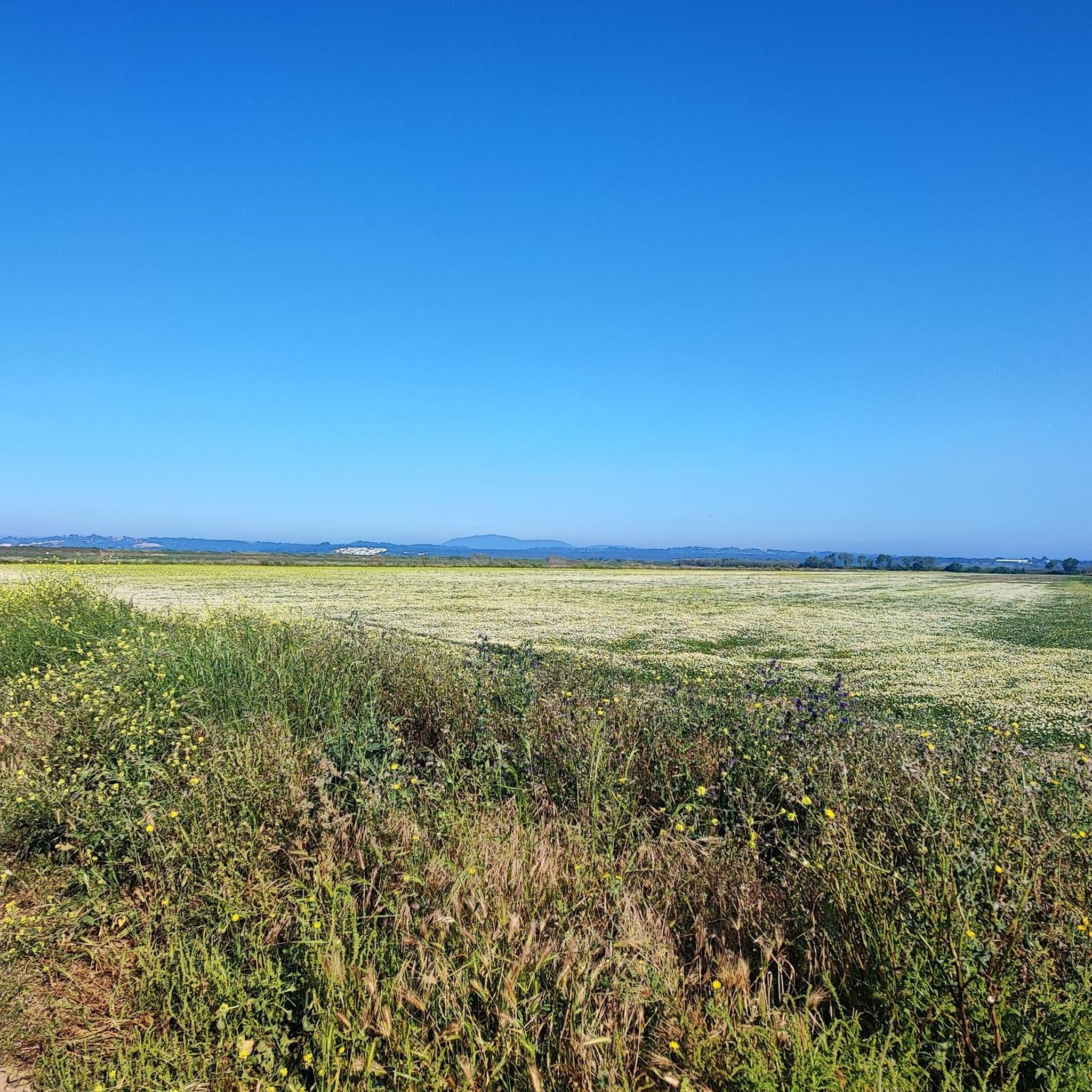
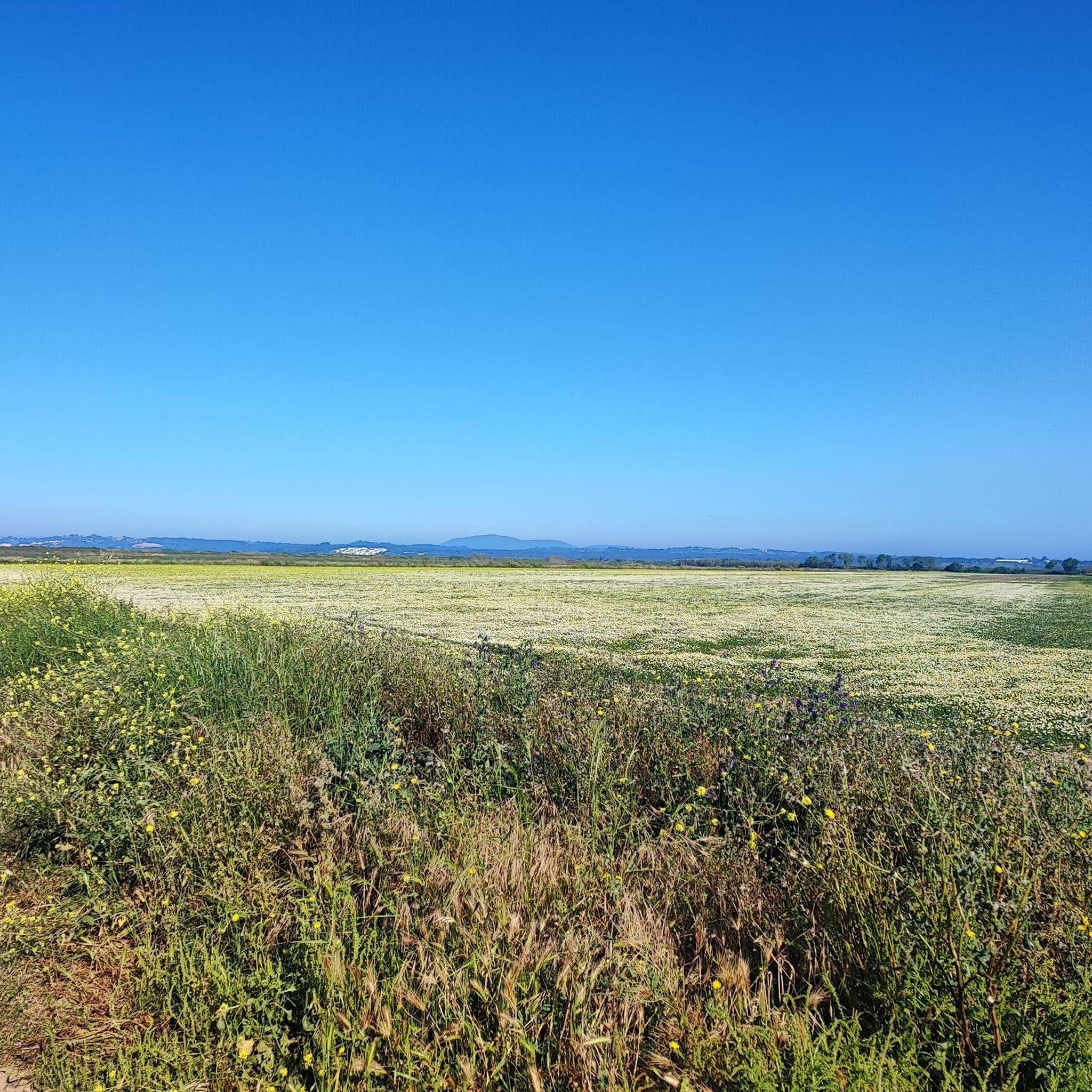
Paúl de Manique do Intendente is an area of around 97,000 square meters that constitutes a very rich natural heritage of great importance in terms of biodiversity, namely in terms of avifauna, already recognized at national level. It is an ecosystem composed of more than 180 species, where you can find 5 "simply unique" species such as the striped tortoise, the common caiman, the otter, the black stork and the reed. The municipality has been focusing on promoting this space, having recently advanced with the installation of an infrastructure for the observation of the fauna and flora of Pául, which aims to promote knowledge, protection and preservation of this unique and so rich ecosystem for the Municipality of Azambuja and for the entire region.
7
0

very pleasant landscape, it is recommended
2
0

An interesting and recommended starting point. Good views and overview of the city, the surrounding area, and the course of the Tagus River. A pavilion and small restaurant are available for refreshments and are also usable.
12
0
It rises in the Montejunto mountain range, passes through the clusters of Eiras, Abrigada, Atouguia, Ota and Aldeia, in the municipality of Alenquer and flows into the right bank of the Tagus river near Vila Nova da Rainha, side by side with the Alenquer river. Of its layout stands out, in particular, the “Cannon” of the Ota river valley, which presents geomorphological characteristics of the greatest relevance at a national level.
2
0
Frequently Asked Questions
What unique natural features can I explore around Cartaxo?
The region around Cartaxo offers diverse natural features. You can visit Paúl de Manique do Intendente, a lake known for its rich biodiversity and avifauna, including species like the black stork. Another significant feature is the Ota Karst Canyon, a steep valley formed by river erosion on Upper Jurassic limestones, recognized for its geomorphological importance and unique plant communities.
Where can I find the best panoramic views of the area?
For superb panoramic views, head to the Top of the eastern side of Montejunto mountain. This location is part of the Montejunto mountain range, which is the highest natural viewpoint in Estremadura, offering expansive vistas that can stretch to the Atlantic coast on clear days. Additionally, Jardim das Portas do Sol provides good views and an overview of the city, the surrounding area, and the Tagus River.
Are there family-friendly natural monuments to visit near Cartaxo?
Yes, several natural monuments are suitable for families. Jardim das Portas do Sol is a beautiful garden and viewpoint that offers a pleasant outing. Paúl de Manique do Intendente, with its fauna and flora observation infrastructure, is also a great spot for families to learn about local wildlife and ecosystems.
What kind of wildlife can I expect to see at these natural sites?
The region is rich in wildlife, especially birds. At Paúl de Manique do Intendente, you can observe over 180 species, including the black stork, striped tortoise, common caiman, and otter. The broader Serra de Montejunto Protected Landscape is home to about 75 bird species, including endangered ones like Bonelli's eagle and the Eurasian eagle-owl, as well as a significant colony of bats in its caves.
What outdoor activities can I do near the natural monuments around Cartaxo?
The area offers various outdoor activities. You can enjoy pedestrian walks, BTT rides, and mountain climbing in the Serra de Montejunto. For hiking, explore routes like 'From the Santarém Plateau to the Tejo River Trail (PR2)' or 'Vala River – Horses on Private Property loop from Salvaterra de Magos'. Cycling enthusiasts can try routes such as 'Ponte Rainha D. Amélia – Ponte Rainha D. Amélia loop from Cartaxo'. Find more options in the hiking guide, cycling guide, and running guide for Cartaxo.
Are there specific hiking trails recommended for exploring the natural monuments?
Yes, there are several hiking trails. While visiting the Serra de Montejunto, you'll find paths suitable for pedestrian walks. For specific routes, consider trails like 'From the Santarém Plateau to the Tejo River Trail (PR2)' or the 'Sá da Bandeira Square – Jardim das Portas do Sol loop from Santarém'. These are generally easy to moderate. More details can be found in the hiking guide around Cartaxo.
What is the Ota River known for?
The Ota River, which rises in the Montejunto mountain range, is particularly known for the 'Cannon' of its valley. This section presents geomorphological characteristics of significant national relevance, showcasing the river's erosive action and unique geological formations.
What is the best time of year to visit the natural monuments around Cartaxo?
While specific seasonal considerations for each monument vary, generally, spring and autumn offer pleasant weather for exploring the natural monuments. These seasons avoid the intense heat of summer and the cooler, potentially wetter, conditions of winter, making outdoor activities like hiking and birdwatching more enjoyable.
What do visitors appreciate most about the natural monuments in this region?
Visitors frequently appreciate the superb views offered by elevated points like the Top of the eastern side of Montejunto mountain and Jardim das Portas do Sol. The rich biodiversity, especially the avifauna at sites like Paúl de Manique do Intendente, is also highly valued. The natural monuments are recognized for their unique natural heritage and the opportunities they provide for contact with nature.
Are there any geological points of interest besides the Ota Karst Canyon?
Yes, the broader region, particularly the Serra de Montejunto, is part of the Estremenho Limestone Massif. This area features various geological formations such as chasms, caves, and residual lagoons, making it geologically interesting beyond the specific Ota Karst Canyon.
Can I combine a visit to a natural monument with a historical site?
Absolutely. Jardim das Portas do Sol is not only a viewpoint and a garden but also an important historical location in Portugal, offering a blend of natural beauty and cultural heritage.
Most popular attractions around Cartaxo

Get inspired with the komoot mobile app


Explore more
Extend your search for the best caves by checking out these guides of the top ones around Cartaxo:
