Top 18 Natural Monuments around São Pedro Do Sul
Best natural monuments around São Pedro Do Sul are characterized by a rich natural heritage of mountains, valleys, and rivers. The region, located in central Portugal's Viseu district, offers a blend of natural beauty and therapeutic experiences. Its landscape features significant geological formations and diverse ecosystems. São Pedro Do Sul is known for its thermal waters, mountain ranges, and river valleys, providing varied natural attractions.
Best natural monuments around São Pedro Do Sul
- The most popular natural monuments is Paiva…
Last updated: June 23, 2026
Paiva Walkways and 516 Arouca Suspension Bridge
Highlight • Bridge
Translated by Google •
Tip by

Paiva Walkways
Highlight • Trail
Translated by Google •
Tip by

Sign up now to discover places like this
Get recommendations on the best single tracks, peaks, & plenty of other exciting outdoor places.
Sign up for free
Paiva Walkways Wooden Boardwalks
Highlight • Trail
Translated by Google •
Tip by

Paiva Walkways
Highlight • Trail
Translated by Google •
Tip by
Translated by Google •
Tip by

Sign up for free to discover even more natural monuments around São Pedro Do Sul.
Sign up for free
Already have an account?
Start today with a free account
Your next adventure awaits.
Login or Signup
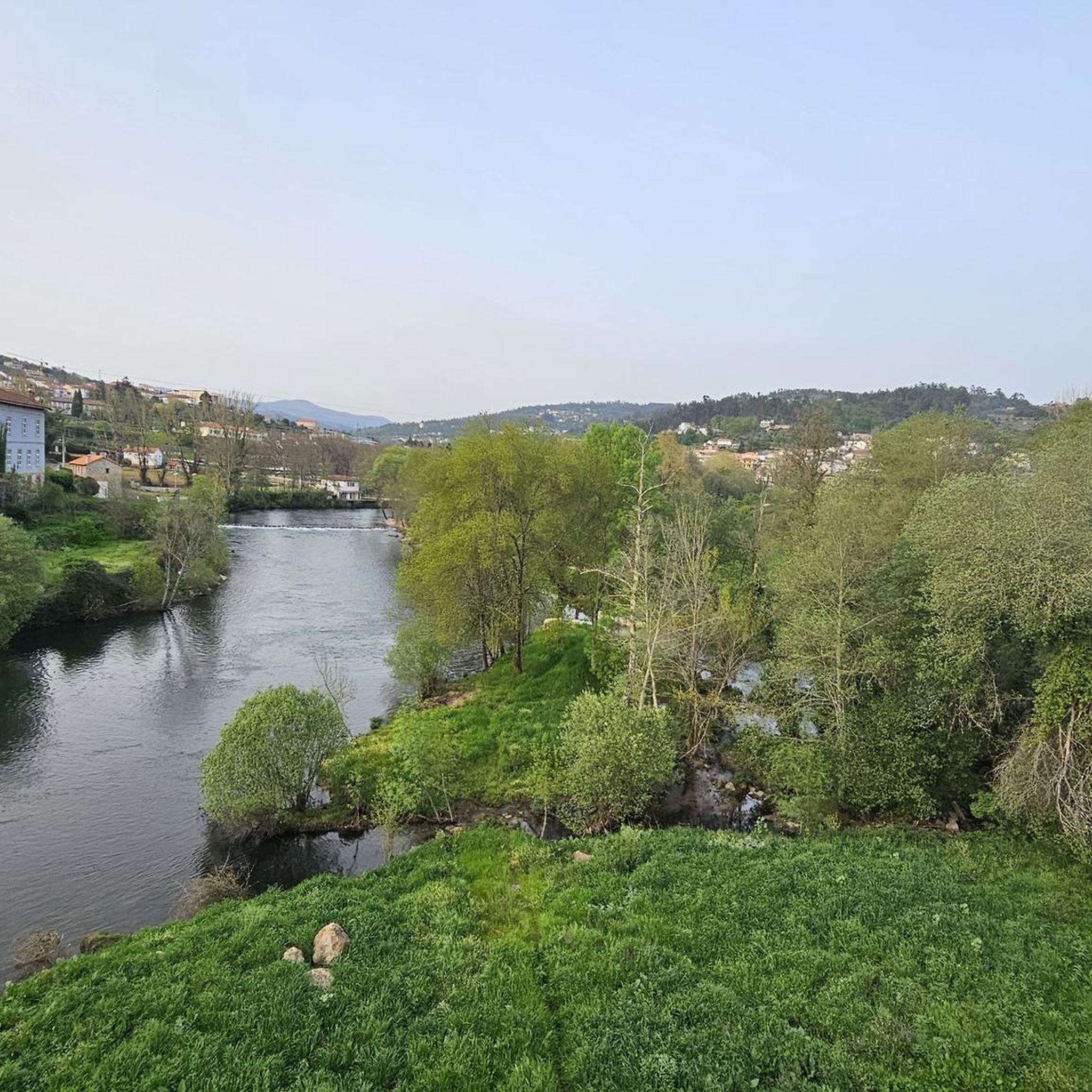
Tips from the Community

Starting point A is not safely located. It leads through impassable terrain or over non-existent paths. We aborted our descent from the bridge (Highlight 1) to starting point A and, thanks to the friendly guides at the bridge, were able to use it for the safe return to our car. Anyone who wants to do the whole loop should book a ticket for crossing the bridge in advance. Attention: limited ticket contingent per day.
0
0

This small suspended walkway appears discreetly along the wooden path that leads to the imposing 516 Arouca bridge. Here, you cross the Paiva River in a more intimate and serene way, feeling the water flowing below while the sounds of nature surround you. A kind of charming appetizer before the great spectacle of the main crossing.
1
0


If you cross the bridge at Alvarenga and then take the wooden walkway along the Rio Paiva to Espiunca, you should remember that you will need a taxi from there back to the starting point. A later return via the Arouca bridge is not possible. However, if you just want to walk across the bridge and back, this is no problem with your ticket booking (online). The Alvarenga side is recommended for people who want to avoid the many wooden steps and just want the pure bridge experience.
9
3

After the forest fires on September 24, only the bridge is still open. Hopefully the repairs will go quickly.
5
0

Beautiful "wooden path" with impressive views. There are lots of stairs to climb up and down, especially the way back has to be taken into account, or halfway there at 2.5km (from the entrance) you can order a taxi from the nice guy. The suspension bridge is impressive... all in all a great experience with swimming opportunities to cool off... we were there at 39*. Part of the path is shaded.
4
0

When it rains, the wood is a little slippery despite the grooves, so just be a little more careful, but there is a railing so you can hold on. You have to climb around 500 steps to get to the top and not far from the next attraction, the bridge itself.
13
3
The wooden staircase construction must first be conquered, there are around 500 steps to the top. But in return you get a great view of the narrow valley, which has been carved by the Paiva River over millions of years. Because the stone is very hard, the gorge is V-shaped.
11
4
Frequently Asked Questions
What are some of the most popular natural monuments to visit around São Pedro Do Sul?
The region offers several captivating natural monuments. Among the most popular are the Paiva Walkways and 516 Arouca Suspension Bridge, which features a bridge crossing the Paiva River gorge at 175 meters high, and the Paiva Walkways themselves, an 8 km trail along the river with impressive, Alps-like views and opportunities for swimming. Another highly regarded spot is the Arouca 516 Suspension Bridge (Ponte Suspensa de Arouca), offering a unique pedestrian bridge experience.
Are there any natural monuments with historical significance in São Pedro Do Sul?
Yes, São Pedro do Sul is renowned for its thermal waters, which have a history dating back to the 1st century. These healing, mineral-rich hot springs are sourced from a deep fault and have attracted visitors for centuries, including historical figures. The Termas de São Pedro do Sul features two main spas, Balneário Dom Afonso Henriques and Balneário Rainha Dona Amélia, with Roman ruins at the complex underscoring their ancient significance.
What kind of natural features can I expect to see in the mountains around São Pedro Do Sul?
The majestic massifs of the Arada, Gralheira, and São Macário mountains frame São Pedro do Sul, offering lush landscapes, cold, crystal-clear streams, and picturesque hidden villages. You'll find dramatic cliffs and canyons in Serra da Arada, unique geological phenomena like the Pedras Parideiras (birthing stones) and the breathtaking Frecha da Mizarela waterfall in Serra da Freita, and expansive panoramic views from Serra de São Macário.
Are there family-friendly activities or natural monuments suitable for children?
While specific 'family-friendly' categories aren't listed for all natural monuments, the Paiva Walkways offer an engaging 8 km trail that can be enjoyed by families, with opportunities for swimming in the river. For more adventurous families, the Carvalhais Biopark, located within the Pisão Forest Park, provides thrilling activities in close contact with nature.
What outdoor activities can I do near the natural monuments in São Pedro Do Sul?
The region is excellent for various outdoor activities. You can explore numerous hiking trails, such as the 'Beautiful trail between villages – Gestosinho loop' or the 'Incas Trail loop'. For cyclists, the Ecopista do Vouga offers a serene path along the river, and there are challenging road cycling routes like the 'Sanctuary of São Macário loop'. Running enthusiasts can also find suitable running trails.
What is the best time to visit the natural monuments around São Pedro Do Sul?
The region's natural beauty can be enjoyed throughout the year, but spring and autumn generally offer the most pleasant weather for outdoor activities like hiking and cycling. Summer is ideal for enjoying the thermal waters and swimming opportunities along the Paiva River, though it can be quite warm. Winter provides a different charm with cooler temperatures, suitable for tranquil walks.
Can I find viewpoints with panoramic scenery in the area?
Absolutely. The region is rich in viewpoints. From the top of Serra de São Macário, you can witness stunning sunrises and expansive views, including the Montemuro, Estrela, and Caramulo mountains, and the entire green Lafões valley. On clear days, it's even possible to see the Clérigos Tower in Porto. The Climb to Pico do Gralheiro also offers excellent vistas at 1000m above sea level.
What kind of wildlife can be observed near the natural monuments?
The Vouga River, particularly along the Ecopista do Vouga, is known for its well-preserved riparian gallery and diverse wildlife. You might spot rare dragonflies, various butterflies, otters, Iberian emerald lizards, and kingfishers. The mountain ranges also host a variety of local fauna and flora, making them ideal for nature observation.
Are there any unique geological formations to explore?
Yes, Serra da Freita, which extends into the São Pedro do Sul area, is famous for its unique geological phenomena. Most notably, you can find the Pedras Parideiras (birthing stones), which are granite nodules that detach from a larger rock formation, resembling stones 'giving birth'. The region's mountains also feature impressive cliffs, canyons, and the dramatic Frecha da Mizarela waterfall.
What do visitors enjoy most about the Paiva Walkways and Suspension Bridge?
Visitors frequently praise the impressive views reminiscent of the Alps and the unique experience of crossing the 516 Arouca Suspension Bridge at a height of 175 meters. Many enjoy the opportunity for swimming in the Paiva River to cool off, especially on warm days. The wooden path system itself is considered a beautiful tour, with the option to take a taxi back after completing the 8 km route.
Are there any specific routes or trails that highlight the region's natural and cultural heritage?
Yes, the 'Route of Water and Stone' is part of the 'Magic Mountains' (Montanhas Mágicas) initiative. This tourist route promotes visiting natural and cultural sites related to water and stone in the Arada, Gralheira, and Montemuro mountains, including waterfalls, wells, lagoons, and geosites, offering a comprehensive experience of the region's heritage.
How can I access the Paiva Walkways and the 516 Arouca Suspension Bridge?
Access to both the Paiva Walkways and 516 Arouca Suspension Bridge requires booking your time slot online in advance. The Alvarenga side is often recommended for those who prefer to avoid many wooden steps and focus on the bridge experience. An entrance ticket for the bridge typically includes access to the large wooden footbridge.
Most popular routes around São Pedro Do Sul
Most popular attractions around São Pedro Do Sul

Get inspired with the komoot mobile app


Explore more
Extend your search for the best caves by checking out these guides of the top ones around São Pedro Do Sul:
