Top 7 Natural Monuments around Idanha-A-Nova
Best natural monuments around Idanha-A-Nova are found in a region characterized by unique geological formations, diverse ecosystems, and serene landscapes. This area, nestled in the heart of Portugal, features significant natural attractions like the International Tagus Natural Park and the Naturtejo Geopark. Visitors can explore granite boulders, river canyons, and ancient geological sites that showcase millions of years of Earth's history. The landscape offers a compelling blend of natural wonders and opportunities for outdoor recreation.
Best natural monuments around Idanha-A-Nova
…Last updated: June 22, 2026
Monsanto Castle
Highlight • Castle
Translated by Google •
Tip by

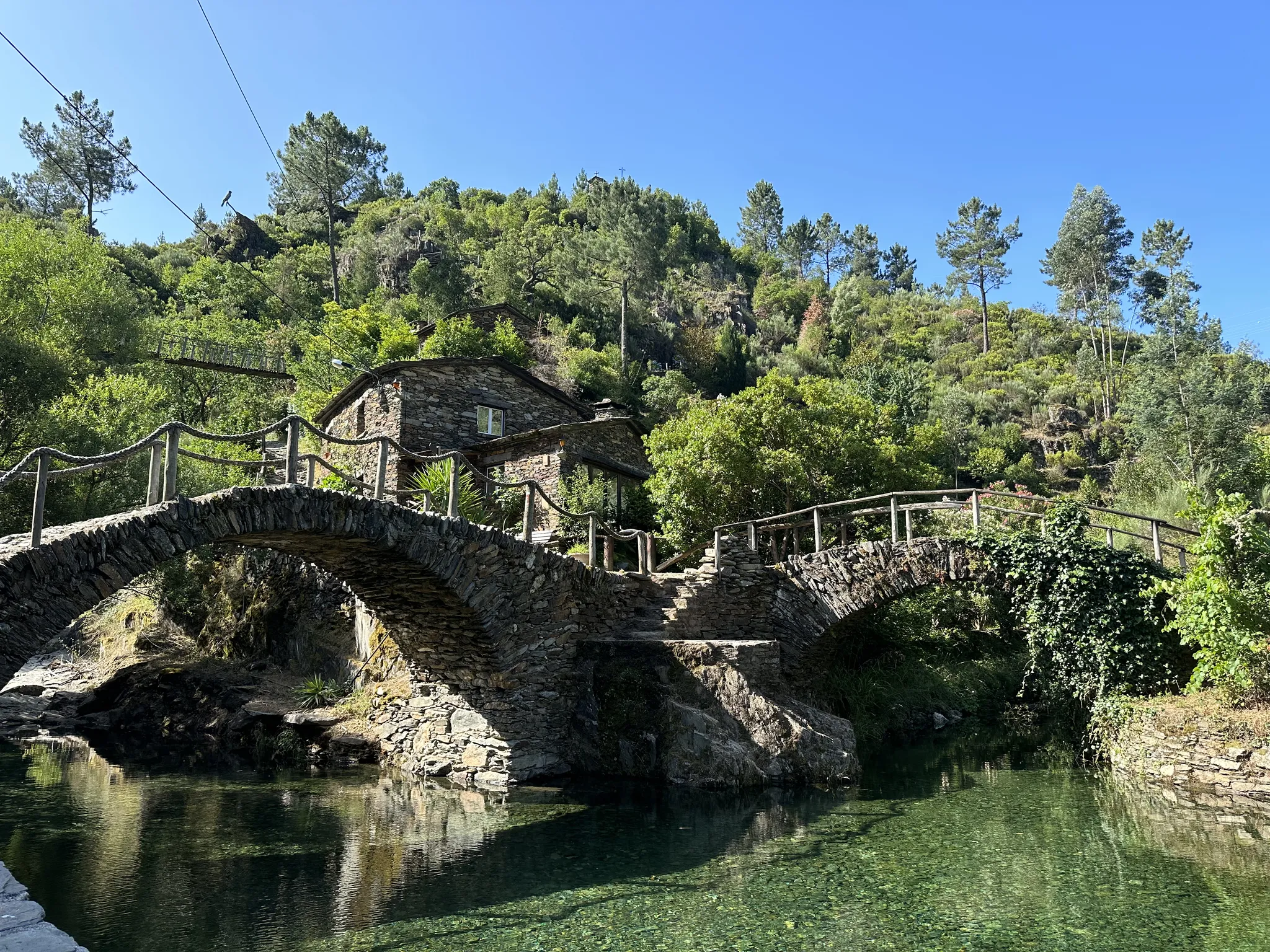
Penha Garcia Natural Swimming Pool and Waterfall
Highlight • Waterfall
Translated by Google •
Tip by

Sign up now to discover places like this
Get recommendations on the best single tracks, peaks, & plenty of other exciting outdoor places.
Sign up for free
Peña Buraca (Canchal de los Ojos) and Medieval Tombs
Highlight • Historical Site
Translated by Google •
Tip by

Menhir of Cabezo
Highlight • Monument
Translated by Google •
Tip by
Erjas River Crossing
Highlight • River
Translated by Google •
Tip by
Sign up for free to discover even more natural monuments around Idanha-A-Nova.
Sign up for free
Already have an account?
Start today with a free account
Your next adventure awaits.
Login or Signup

Other adventures around Idanha-A-Nova

Tips from the Community

Monsanto is a medieval village that is located in the municipality of Idanha-a-Nova, District of Castelo Branco, Portugal. It is located in eastern Portugal, not far from the border with Spain, giving it a strategic location in medieval times. A Knights Templar fortress was constructed on the highest point of the town, but this was destroyed in an explosion in the 19th century. In 1938, Monsanto was given the distinction of being “the most Portuguese village of Portugal,” during a government sponsored competition. Monsanto is famous for its boulders. The first settlers built small houses on the hilltop, wedging them between and under the boulders that were far too heavy to be moved. These small stone houses remain, creating one of Portugal’s most unique and charming towns to visit. Monsanto is also a filming location for Season 1 of the HBO House of the Dragon series.
4
0
On the granite summit of the Monsanto hill, on the right bank of the Pônsul River, this medieval border castle dominates the Historic Village, an architectural complex in which some stately homes with coats of arms and temples stand out, such as the ruins of the Romanesque Chapel of São Miguel. The castle and walls of Monsanto are classified as a National Monument by Decree published on 29 September 1948.
4
0

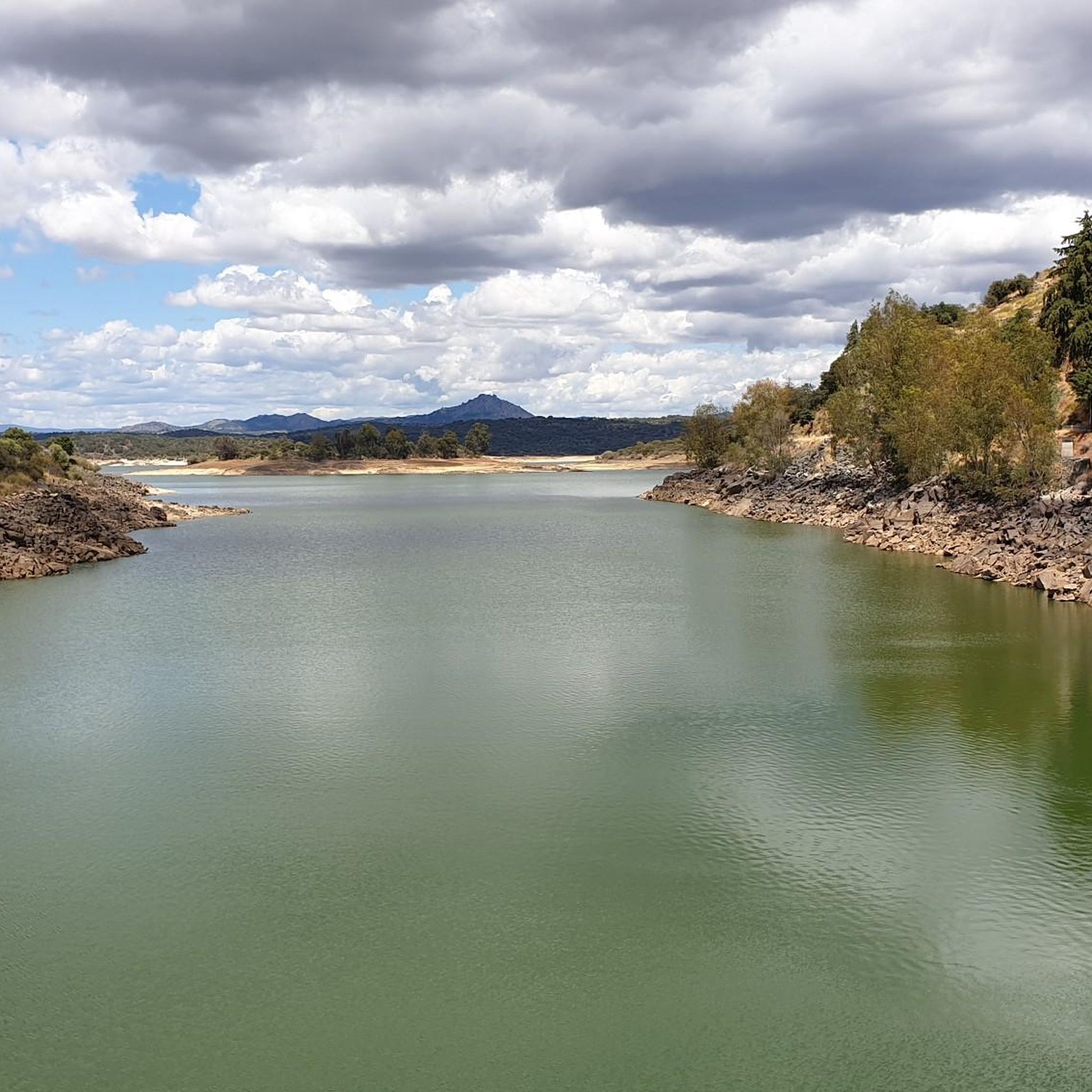
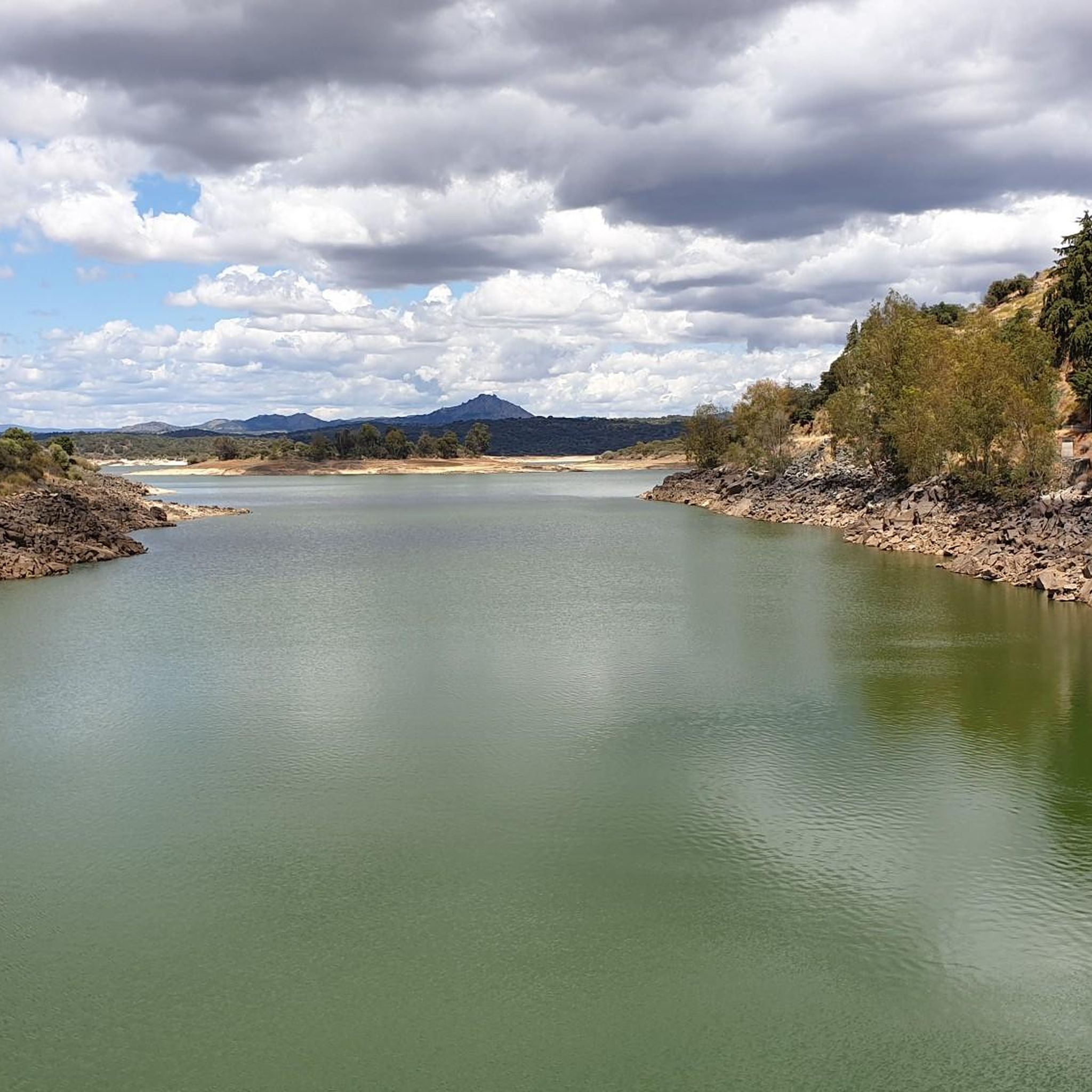
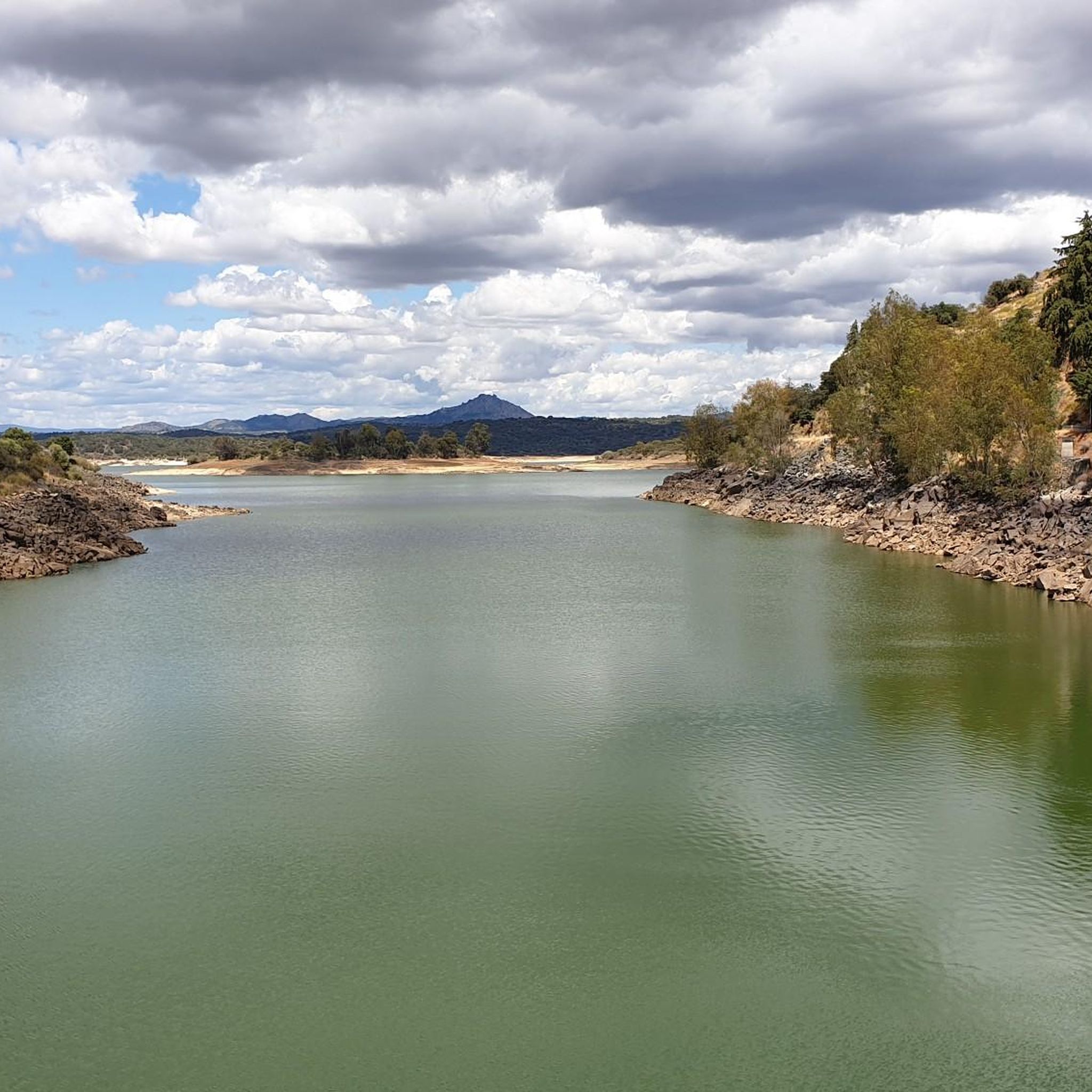
The Erjas River (also known as the Eljas River in Spain and the Erges River in Portugal) is a tributary of the Tagus River that serves as a natural border between Spain and Portugal for approximately 50 km.
6
0

Customizable Challenge Levels – The difficulty indicators https://spacewavesgame.org/ let players pick levels that match their skill level.
2
1
Join Chill Guy Clicker for relaxation and joy. Click and let your life become more vibrant and delightful! https://chillguyclicker.org/
2
1

May your day be filled with love, laughter and all the little things that make life beautiful. I wish you the most wonderful day!
2
1

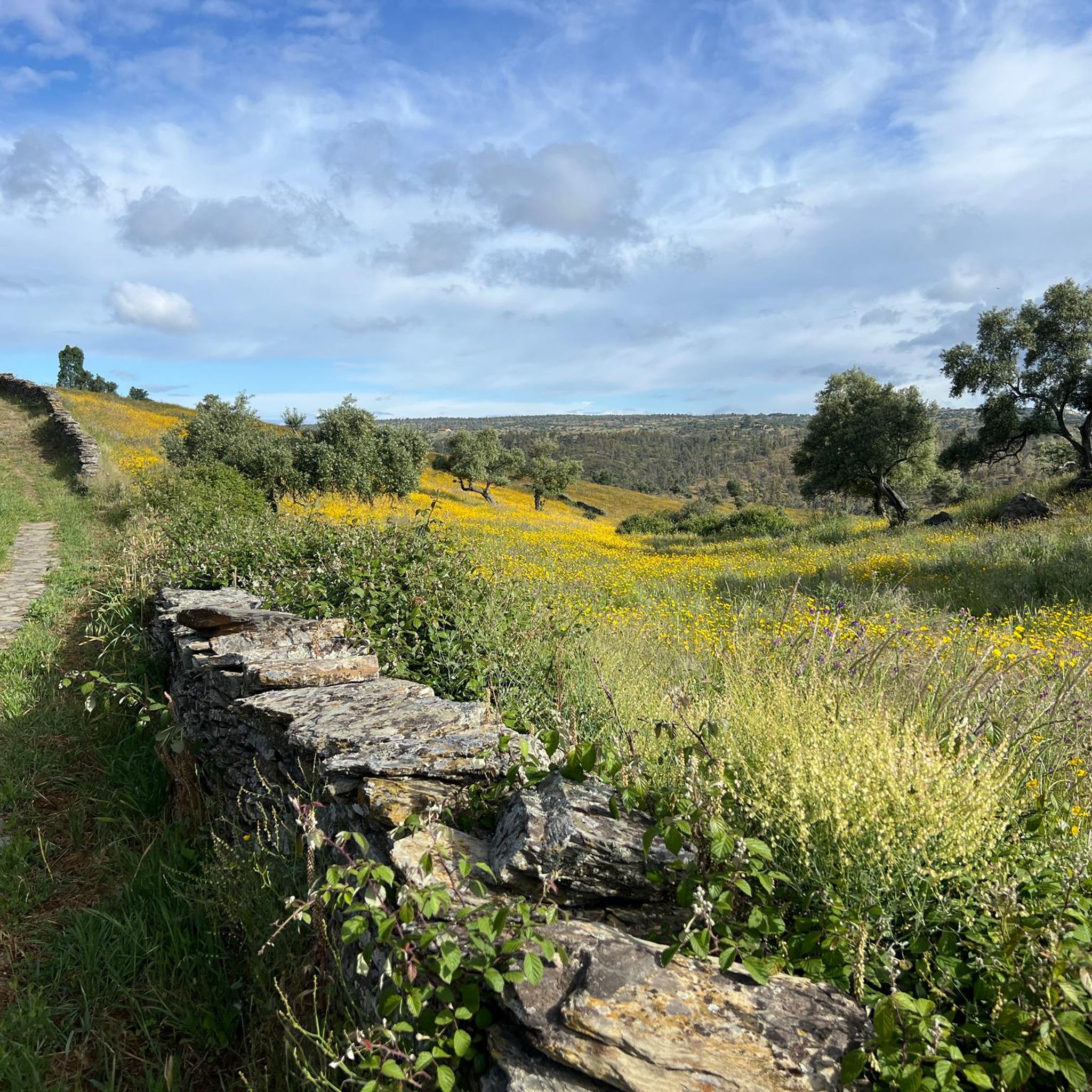
Here you really feel like you are in another world
1
1
The menhir is located on a small hill or headland, hence its name. It is one of the few known menhirs in Alta Extremadura and, perhaps, one of the oldest megaliths in the region.
12
0
Frequently Asked Questions
What are some of the most notable natural monuments to explore in Idanha-a-Nova?
Idanha-a-Nova is rich in natural monuments. Beyond the well-known sites, you can explore the vast Monsanto Castle area, famous for its houses integrated with giant granite boulders. The Penha Garcia Natural Swimming Pool and Waterfall offers a beautiful spot for relaxation. Additionally, the Peña Buraca (Canchal de los Ojos) and Medieval Tombs present a unique granite rock formation with historical significance.
What kind of geological features can I discover in the natural monuments around Idanha-a-Nova?
The region is part of the Naturtejo Geopark, showcasing significant geological evolution. You can find impressive granite formations, such as the iconic boulders of Monsanto and the 'eye-like' holes of Peña Buraca. The Iconological Park of Penha Garcia is particularly known for its well-preserved trilobite fossils, offering a glimpse into millions of years of Earth's history. The Escarpment of the Pônsul River Fault also highlights the area's geological importance.
Are there family-friendly natural monuments or activities in Idanha-a-Nova?
Yes, several natural monuments are suitable for families. The Penha Garcia Natural Swimming Pool and Waterfall is a well-maintained bathing area with shaded spots, perfect for swimming and relaxation. The Marechal Carmona Dam (Idanha Dam) also provides a serene setting for family picnics and gentle water activities like canoeing and swimming.
What outdoor activities can I do near these natural monuments?
The natural monuments in Idanha-a-Nova offer a range of outdoor activities. You can enjoy hiking, BTT rides, and mountain climbing within the International Tagus Natural Park. The Marechal Carmona Dam is ideal for water sports such as canoeing, fishing, swimming, and windsurfing. For specific routes, you can explore running trails, road cycling routes, or MTB trails in the wider Idanha-a-Nova region.
Where can I go for birdwatching or wildlife spotting in the area?
The International Tagus Natural Park is a significant transboundary biosphere reserve and a haven for biodiversity, particularly renowned for birdwatching. You can spot species like black storks, eagles, and griffon vultures soaring above the river canyons. The Pônsul River is also a vital feeding site for various bird species, including the black stork.
What is the best time of year to visit the natural monuments in Idanha-a-Nova?
Spring (March to May) and Autumn (September to November) are generally the best times to visit. During these seasons, the weather is milder, making it ideal for hiking and exploring the outdoor sites. Spring brings lush greenery and blooming wildflowers, while autumn offers pleasant temperatures and beautiful fall colors.
Are there any historical sites integrated with the natural landscape?
Yes, the region beautifully blends history with nature. Monsanto Castle, a medieval border castle, is perched atop a granite peak, offering panoramic views. The village of Monsanto itself is famous for its houses uniquely integrated with giant granite boulders. Additionally, Peña Buraca is surrounded by anthropomorphic tombs, suggesting an ancient place of worship or burial.
Can I find ancient megalithic structures among the natural monuments?
Yes, the region holds ancient traces. The Menhir of Cabezo is a notable example, located on a small hill. It is one of the few known menhirs in Alta Extremadura and is considered one of the oldest megaliths in the region, offering a glimpse into prehistoric times.
What is unique about the Pônsul River in this region?
The Pônsul River is a vital natural artery, a tributary of the Tagus River. It's crucial for the Marechal Carmona Dam and serves as a significant feeding site for various bird species. Walking along its banks, especially near ancient structures like the Roman bridge in Idanha-a-Velha, offers a refreshing encounter with nature. The Escarpment of the Pônsul River Fault also highlights its geological importance.
What are the characteristics of the International Tagus Natural Park?
The International Tagus Natural Park is a UNESCO transboundary biosphere reserve, shared between Portugal and Spain. It features steep slopes, dense Mediterranean vegetation including cork oaks and holm oaks, and rocky outcrops of granite-spattered shale. It's a prime location for birdwatching and offers opportunities for hiking, BTT, mountain climbing, and canoeing.
Are there any natural monuments that also serve as a border crossing?
Yes, the Erjas River Crossing is a natural monument where the Erjas River serves as a natural border between Spain and Portugal for approximately 50 km. This area was historically used for 'smugglers' trade routes and offers incredible river landscapes and rock formations to explore.
What do visitors enjoy most about the natural monuments in Idanha-a-Nova?
Visitors frequently appreciate the unique blend of natural beauty and historical significance. The integration of human settlements with giant granite boulders in Monsanto, the serene bathing experience at Penha Garcia Natural Swimming Pool, and the intriguing geological formations like Peña Buraca are often highlighted. The opportunities for outdoor activities and the tranquil atmosphere of places like the Marechal Carmona Dam are also highly valued.
Most popular attractions around Idanha-A-Nova

Get inspired with the komoot mobile app


Explore more
Extend your search for the best caves by checking out these guides of the top ones around Idanha-A-Nova:
