Top 20 Natural Monuments around Viana Do Castelo
Best natural monuments around Viana Do Castelo encompass diverse landscapes, from rugged mountains to serene coastal stretches and significant river estuaries. This region in northern Portugal is characterized by its geological formations, rich biodiversity, and scenic beauty. Visitors can explore a variety of natural features, including granite massifs, wetlands, and ancient geological sites. The area offers opportunities to experience both natural grandeur and cultural heritage.
Best natural monuments around Viana do Castelo
- The most popular natural monuments is View over…
Last updated: August 16, 2026
View over the mouth of the Minho River
Highlight • Viewpoint
Translated by Google •
Tip by

25th of April Monument 🇵🇹 Liberty Square
Highlight • Monument
Translated by Google •
Tip by

Sign up now to discover places like this
Get recommendations on the best single tracks, peaks, & plenty of other exciting outdoor places.
Sign up for free
Neiva Estuary
Highlight • River
Translated by Google •
Tip by

Black Pool
Highlight • Natural Monument
Translated by Google •
Tip by
Rock Engravings on Fornelos Beach
Highlight • Historical Site
Translated by Google •
Tip by

Sign up for free to discover even more natural monuments around Viana Do Castelo.
Sign up for free
Already have an account?
Start today with a free account
Your next adventure awaits.
Login or Signup
Popular around Viana Do Castelo
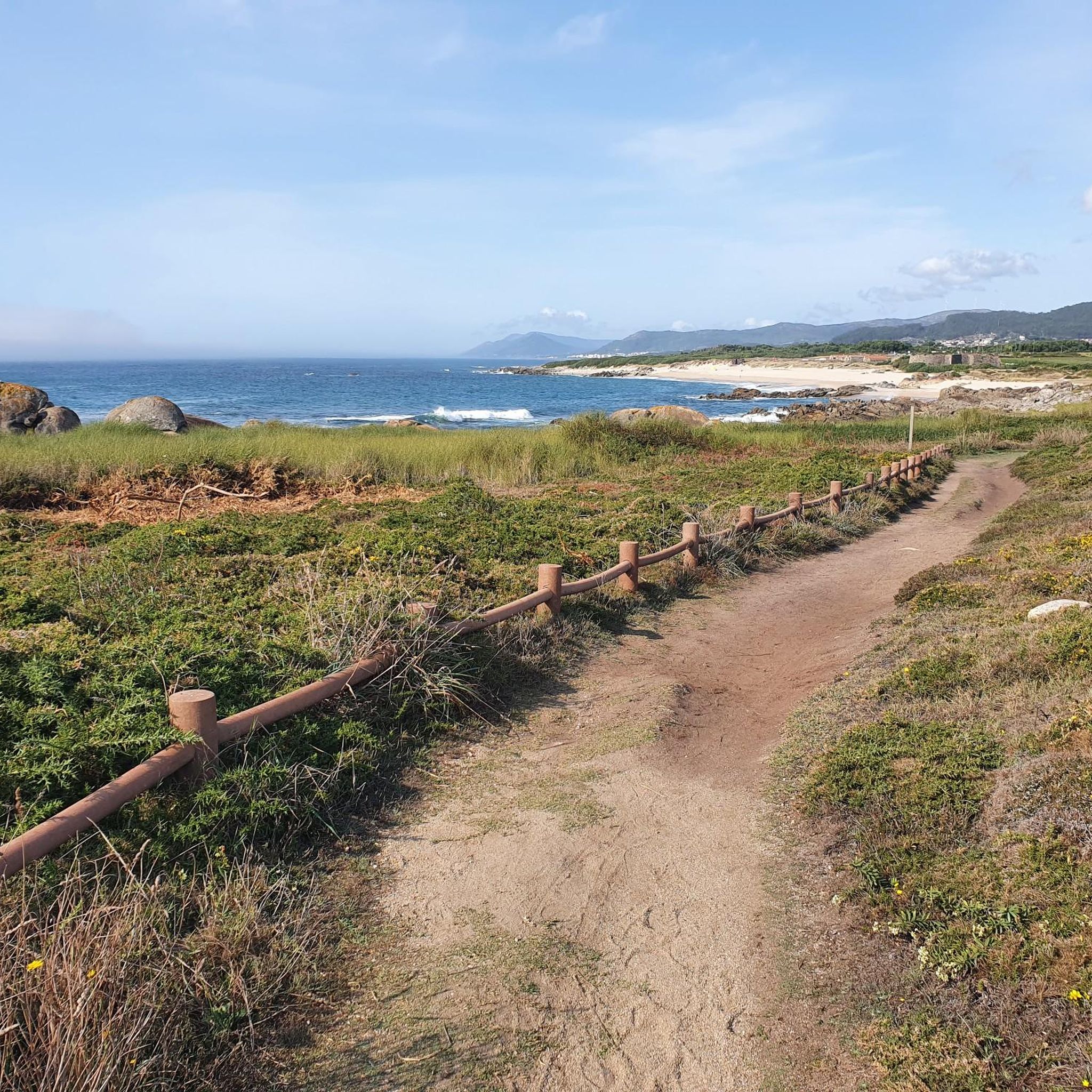
With TOUR in Northern Portugal
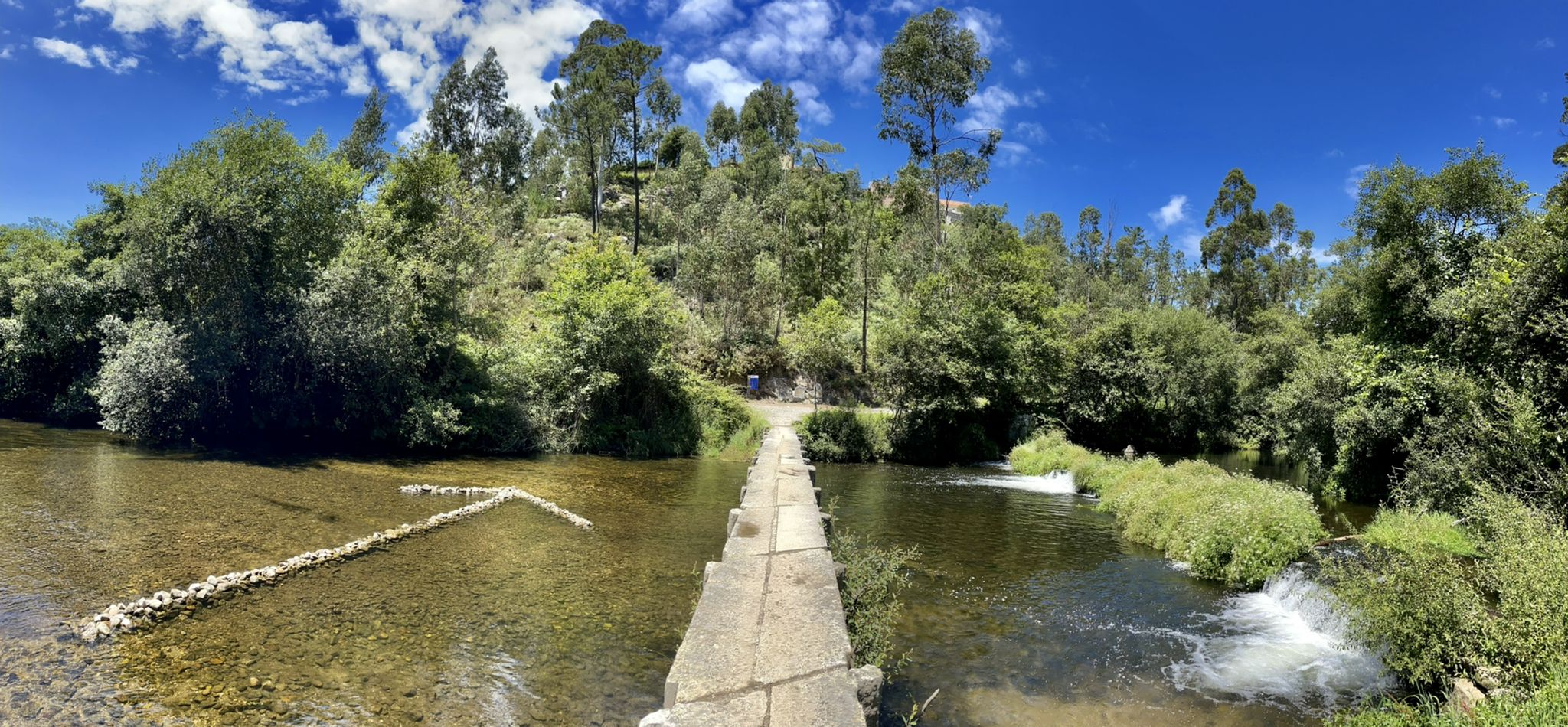
The challenge that knows no frontiers — Portuguese Coast Path
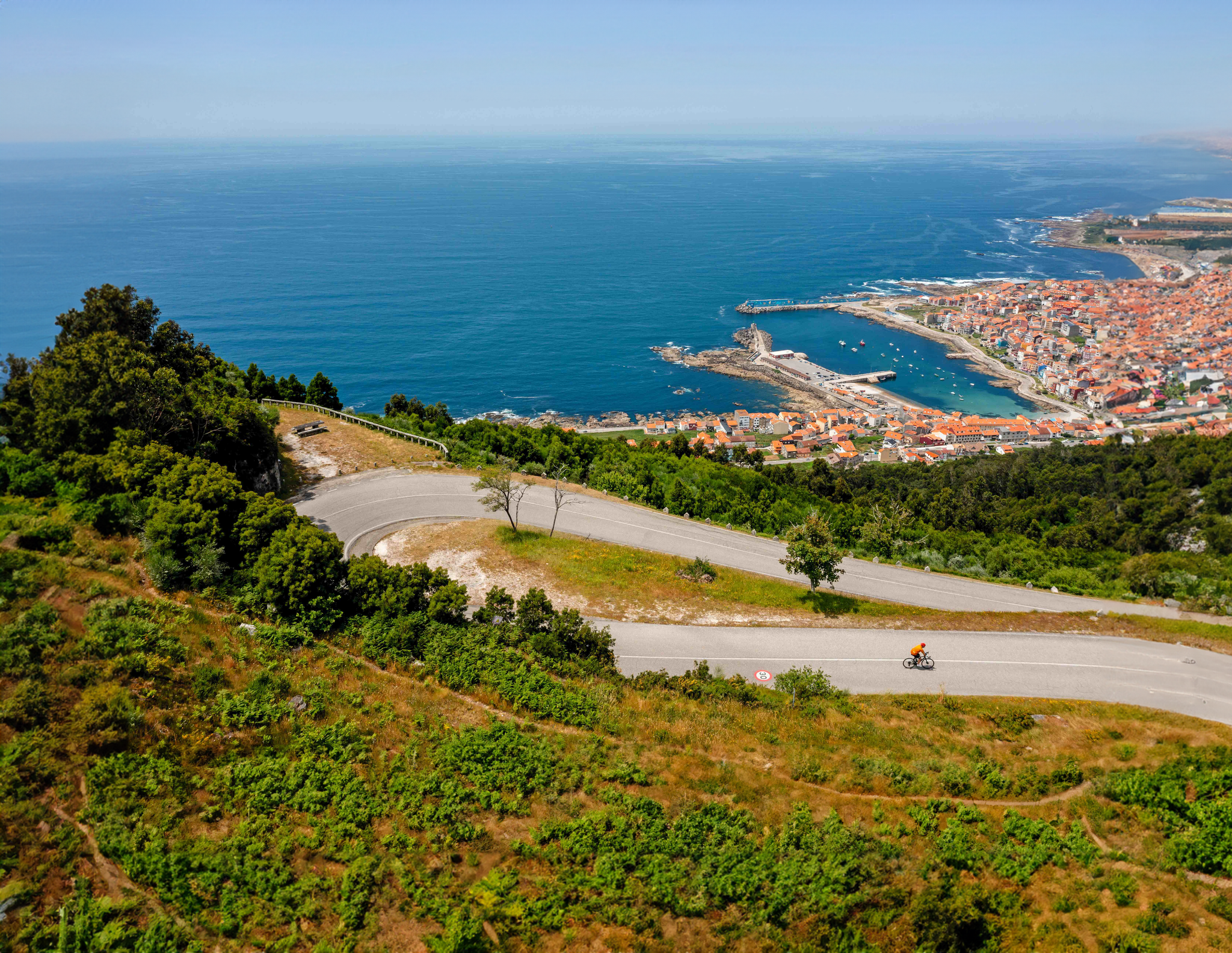
Road Cycling Routes around Viana Do Castelo
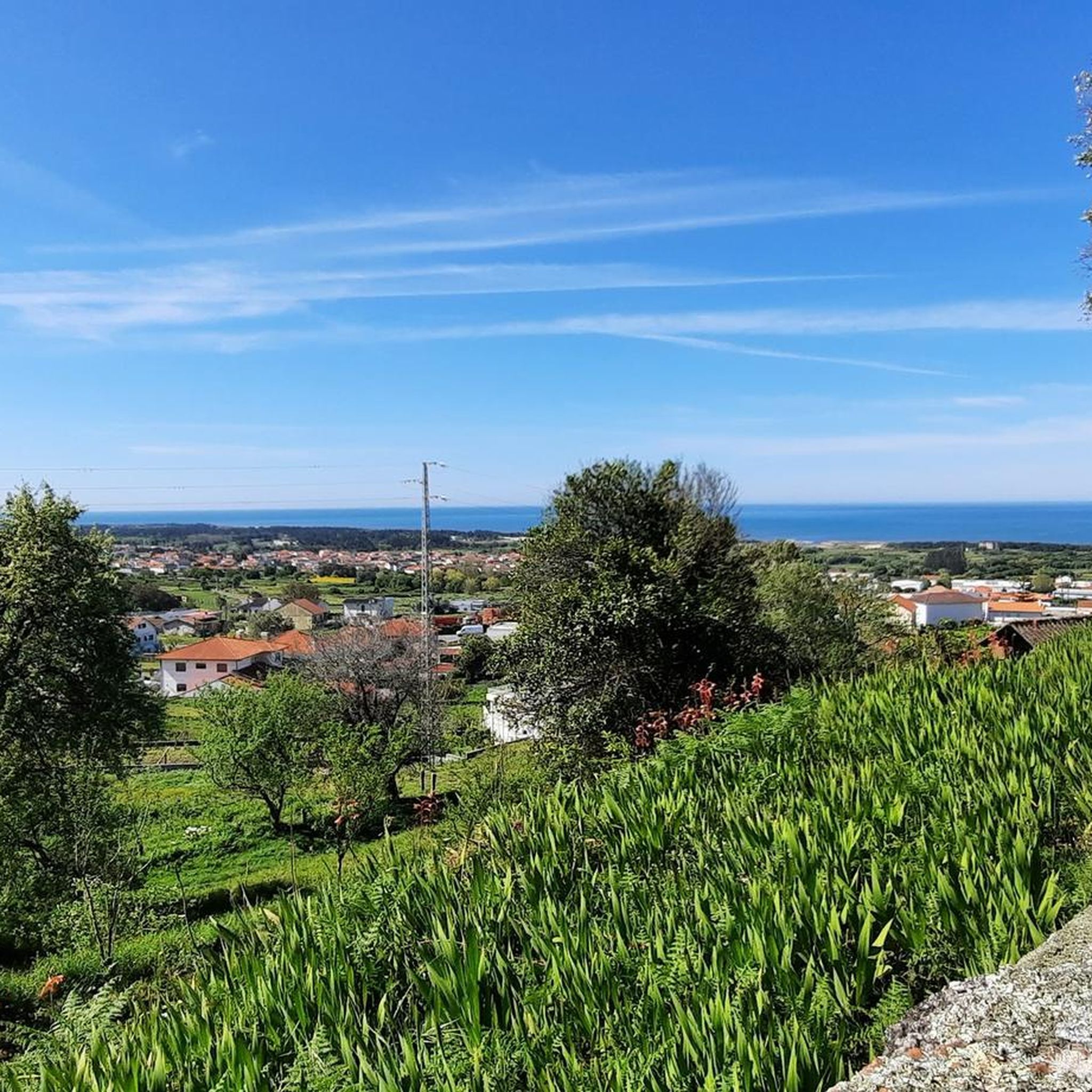
Hiking around Viana Do Castelo
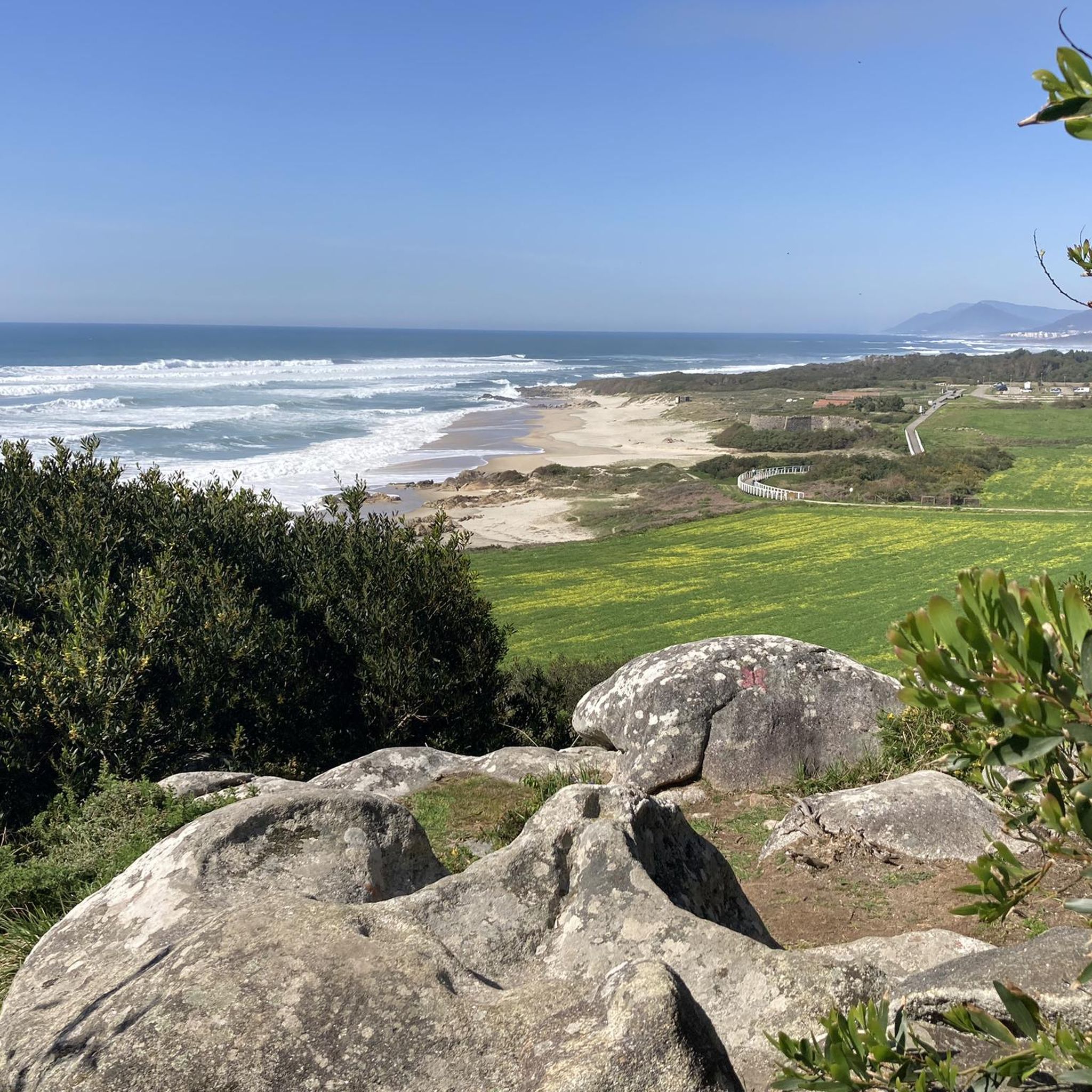
Cycling around Viana Do Castelo
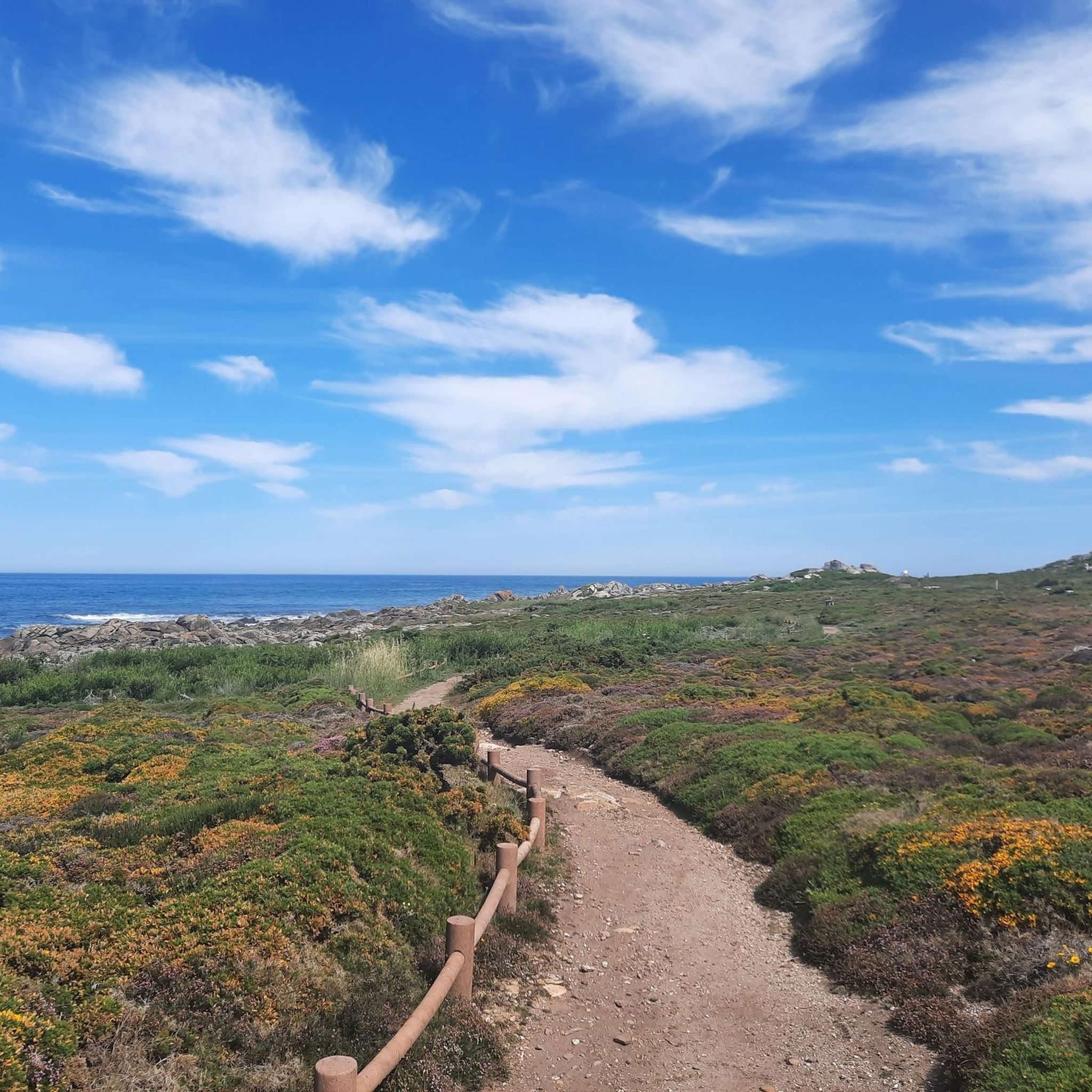
Running Trails around Viana Do Castelo
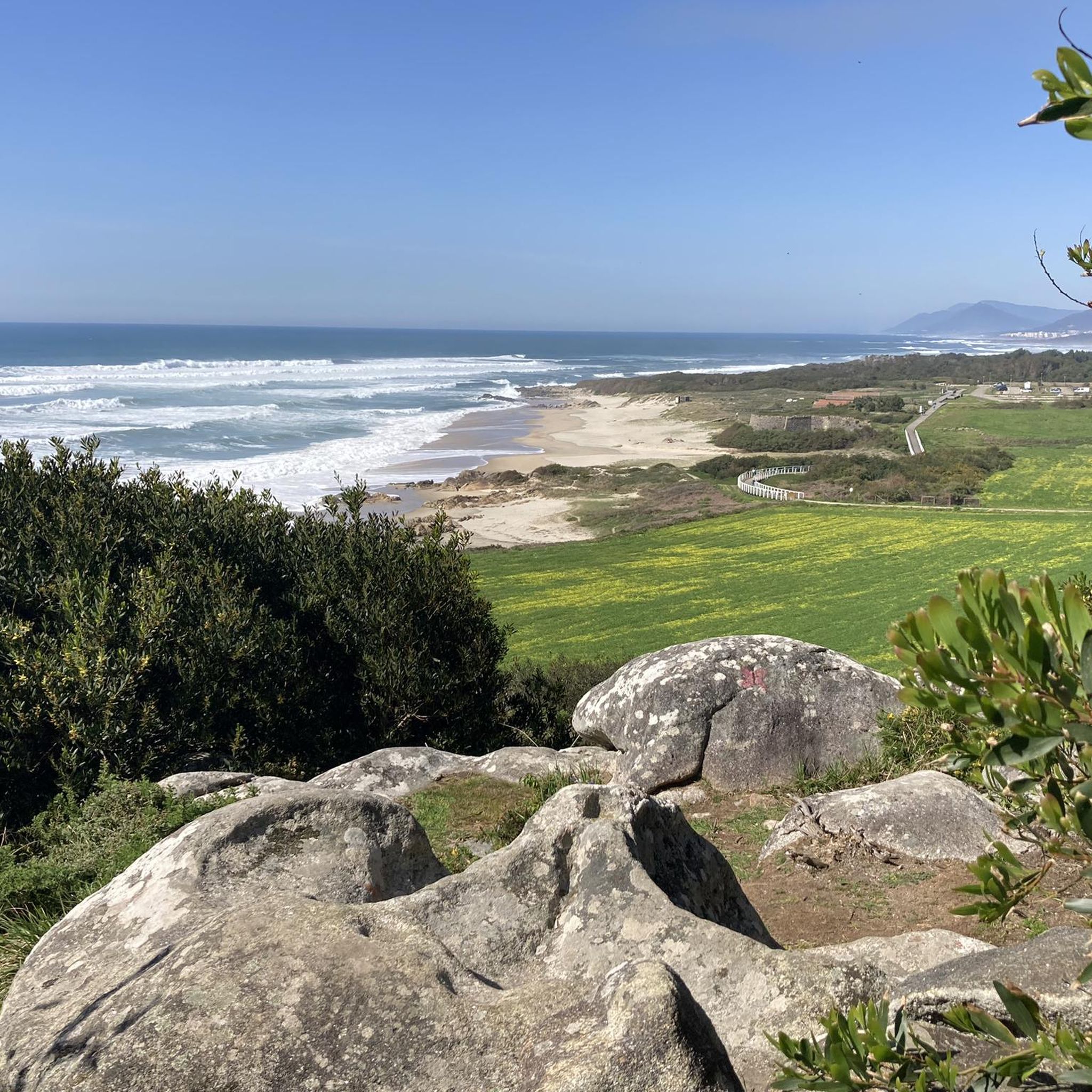
MTB Trails around Viana Do Castelo
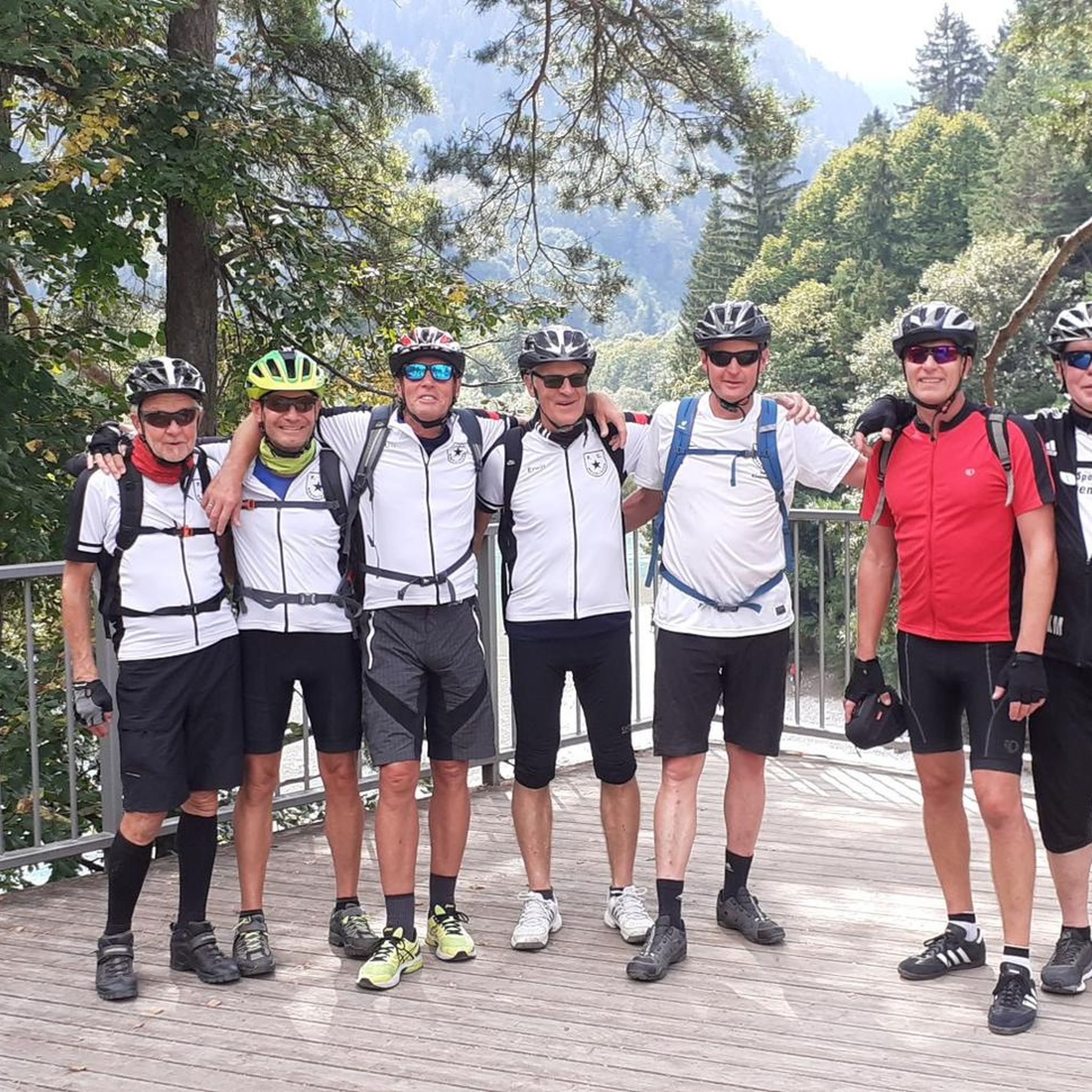
Gravel biking around Viana Do Castelo


Tips from the Community

What to do and Nearby Points of Interest North Coast Ecovia: The estuary is a key point on the North Coast Ecovia, a pedestrian and cycle path that follows the coast and riverbanks. Bridge over the Neiva River: A pedestrian and cycle bridge with remarkable architecture was inaugurated in 2019 over the river, allowing crossing and continuity of the ecovia route. Hiking and Cycling: The area is ideal for leisurely walks, allowing visitors to enjoy the natural and bucolic landscape of the banks. Antas Hunting and Fishing Club: The local club manages fishing activity in the area and organizes initiatives for the protection of wildlife. The Neiva Estuary is a place of great serenity and beauty, ideal for those seeking direct contact with nature and outdoor activities.
1
0
Characteristics and Ecological Importance Biodiversity: The estuary is a crucial habitat for local fauna and flora. The presence of fresh and salt water creates a unique ecosystem that attracts a variety of aquatic birds and fish species, making it a place of interest for birdwatching. Protected Area: The area is part of the Esposende Coastal Protected Landscape, which attests to its relevance in terms of nature conservation.
1
0
The Neiva River Estuary is located in northern Portugal, in the municipality of Esposende, in the parish of Antas. This estuary is a place of great ecological and scenic importance, marked by the meeting of the Neiva River with the Atlantic Ocean.
1
0
In Spain (Galicia) Muíños do Picón and do Folón: On the Spanish side, in O Rosal, the area offers hiking trails with views of Portugal and the river mouth from elevated points. A Guarda: The Spanish city on the other side of the river also offers direct views of the Portuguese beach and the dynamic river mouth.
1
0
In Portugal (Caminha and Vila Nova de Cerveira) Foz do Minho Beach: Located in the town of Caminha, this river beach offers a fantastic and direct view of the river mouth, with Spain (A Guarda) on the other side of the river. It is a popular spot for walking and watching the sunset. Deer Viewpoint and Swing: Situated in Vila Nova de Cerveira (just before reaching the actual river mouth, but overlooking the valley), it is often described as having "the best view of the Minho," crossing the entire river valley from Valença to the mouth. It offers a stunning panoramic view and easy access. Foz do Minho Restaurant: This restaurant in Vilarelho, Caminha, is known for having an excellent view of the river mouth from its windows, combining gastronomy with scenery.
1
0
The view of the mouth of the Minho River, where the river flows into the Atlantic Ocean and forms the natural border between Portugal and Spain, is one of the most beautiful landscapes in Northern Portugal. There are several viewpoints from which this stunning view can be appreciated. The landscape is marked by the meeting of the river's fresh water with the sea, creating a unique ecosystem and a visibly impressive border line.
1
0

The entire complex is well worth seeing. It features numerous old mills lined up next to each other. The valley was once covered with mills from top to bottom. Even today, it's still an exciting complex, even though most of it has fallen into disrepair, the structure is still clearly recognizable.
0
0

The height of this sculpture is imposing.
2
1
Frequently Asked Questions
What unique natural features can I explore around Viana do Castelo?
The region offers a diverse range of natural features. You can explore the vast, rugged landscapes of Serra d'Arga with its granite massifs, waterfalls, and natural lagoons like the Ferida Má Waterfalls. The Foz do Lima (Lima River Estuary) provides a rich wetland habitat, while the Coastal Geossites showcase dramatic cliffs and ancient geological formations. Don't miss the deep, cool natural lagoon at Black Pool, known for its impressive waterfall.
Where can I find breathtaking panoramic views of the region?
For stunning panoramic views, Monte de Santa Luzia is an iconic spot overlooking Viana do Castelo, offering expansive vistas of the city, the Lima River valley, and the Atlantic Ocean. Another excellent viewpoint is View over the mouth of the Minho River, where you can see the Minho River meeting the Atlantic, forming a natural border between Portugal and Spain.
Are there any significant geological sites to visit along the coast?
Yes, the Litoral de Viana do Castelo Geopark includes several classified coastal geossites. A notable example is Alcantilado de Montedor, often described as a 'cemetery of ancient beaches,' which displays evidence of continental clashes over 400,000 years, featuring interesting folds and mineralogical parageneses. These sites offer unique insights into geological history and processes.
What kind of wildlife can I expect to see in the natural monuments?
The natural monuments around Viana do Castelo are rich in biodiversity. In Serra d'Arga, you might spot wild garranos (a species of wild horse) and potentially the Iberian wolf. The Foz do Lima estuary is a prime birdwatching spot, especially during winter and migration seasons, attracting species like Osprey, Western Marsh Harrier, and Common Kingfisher. The Corno do Bico Protected Landscape is also home to the Iberian wolf, Pyrenean desman, and European otter.
Can I find historical or cultural elements within the natural monuments?
Yes, several natural monuments also hold historical significance. At Monte de Santa Luzia, while a natural landmark, you'll find the iconic Santuário de Santa Luzia. Additionally, Rock Engravings on Fornelos Beach features petroglyphs carved into reddish rocks, dating back to the Bronze Age, depicting serpentine motifs and zoomorphic figures. Alcantilado de Montedor also includes ancient salt pans and pre-Roman carvings.
What outdoor activities are available near the natural monuments?
The region offers a wide range of outdoor activities. You can enjoy hiking in areas like Serra d'Arga and Corno do Bico Protected Landscape, which feature well-preserved oak forests and diverse ecosystems. The Foz do Lima estuary is excellent for birdwatching and easy walking trails. For more structured activities, you can find numerous running trails, cycling routes, and road cycling routes throughout the Viana do Castelo area.
Are there specific hiking trails recommended for different difficulty levels?
Yes, the natural monuments offer trails for various fitness levels. While specific trail names aren't listed here, areas like Serra d'Arga and Corno do Bico provide more challenging mountainous terrain. For easier walks, the Foz do Lima estuary has accessible paths. The Black Pool area can be an intermediate hike, especially if exploring beyond the main waterfall. You can find detailed routes, including difficulty grades, in the running and cycling guides for the region.
Are there family-friendly natural monuments around Viana do Castelo?
Many natural monuments are suitable for families. The View over the mouth of the Minho River and Monte de Santa Luzia offer accessible viewpoints. The Neiva Estuary is a great place for strolling and leisure activities with natural beauty. The Foz do Lima estuary provides easy walking trails and birdwatching opportunities that can be enjoyed by all ages. Always check specific trail conditions for younger children.
What is the best time of year to visit the natural monuments?
The natural monuments can be enjoyed year-round, but each season offers a different experience. Spring and autumn generally provide pleasant temperatures for hiking and exploring. Winter can be ideal for birdwatching at the Foz do Lima estuary, and waterfalls like those at Black Pool are particularly impressive after rainfall. Summer is great for enjoying the coastal areas and natural lagoons.
Are there any natural monuments suitable for dog walking?
While specific dog-friendly designations aren't always available, many natural outdoor areas are generally welcoming to dogs on a leash. Areas like Serra d'Arga, with its vast landscapes, and the walking trails around the Foz do Lima estuary are popular choices for dog owners. Always ensure your dog is under control and respect local regulations regarding pets in protected areas.
What do visitors enjoy most about the natural monuments in Viana do Castelo?
Visitors frequently praise the stunning natural beauty and diverse landscapes. The panoramic views from Monte de Santa Luzia and the View over the mouth of the Minho River are highly appreciated. The magical atmosphere and impressive waterfall at Black Pool are also a favorite, with some locals even swimming there. The ecological importance and biodiversity of sites like the Neiva Estuary and Foz do Lima are also highly valued.
Are there any natural monuments that are considered 'hidden gems'?
While many sites are well-known, some offer a more secluded experience. The Ferida Má Waterfalls (Pincho Waterfall) within Serra d'Arga, with its natural lagoon, is a beautiful spot that feels more off the beaten path. The various Coastal Geossites, beyond the most popular beaches, also offer unique geological formations and coastal walks that can feel like hidden discoveries.
Most popular routes around Viana Do Castelo
Most popular attractions around Viana Do Castelo

Get inspired with the komoot mobile app


Explore more
Extend your search for the best caves by checking out these guides of the top ones around Viana Do Castelo:
