Top 20 Natural Monuments around Loulé
Best natural monuments around Loulé include diverse ecosystems and unique geological formations in Portugal's Algarve region. The municipality features significant natural attractions, from protected wetlands to impressive coastal cliffs. These areas offer varied landscapes, including year-round flowing rivers, extensive marshlands, and long sandy beaches. Loulé's natural features provide habitats for numerous plant and animal species, making them notable for their ecological and scenic value.
Best natural monuments around Loulé
- The most popular natural monuments is Falésia Beach, a beach…
Last updated: June 22, 2026
Falésia Beach
Highlight • Beach
Translated by Google •
Tip by

Falésia Beach
Highlight • Beach
Translated by Google •
Tip by

Sign up now to discover places like this
Get recommendations on the best single tracks, peaks, & plenty of other exciting outdoor places.
Sign up for free
"Praia dos Piratas" / Pirates' Cove
Highlight • Natural Monument
Translated by Google •
Tip by

Praia da Falésia Cliffs
Highlight • Natural Monument
Translated by Google •
Tip by

Ria Formosa Natural Park
Highlight • Natural Monument
Tip by

Sign up for free to discover even more natural monuments around Loulé.
Sign up for free
Already have an account?
Start today with a free account
Your next adventure awaits.
Login or Signup
Popular around Loulé
Via Algarviana (GR 13) - hidden corners of the south
Road to Lisbon – bikepacking the Alps, Pyrenees and Picos de Europa
The secret Algarve – Algarviana Way
Hiking around Loulé
Road Cycling Routes around Loulé
Running Trails around Loulé
Cycling around Loulé
MTB Trails around Loulé
Gravel biking around Loulé
Other adventures around Loulé


Tips from the Community

The hike isn't exactly easy. At some point, not everyone dares to continue. The signs provided by Komoot are confusing: there are too many paths. Just follow the coastline.
1
0

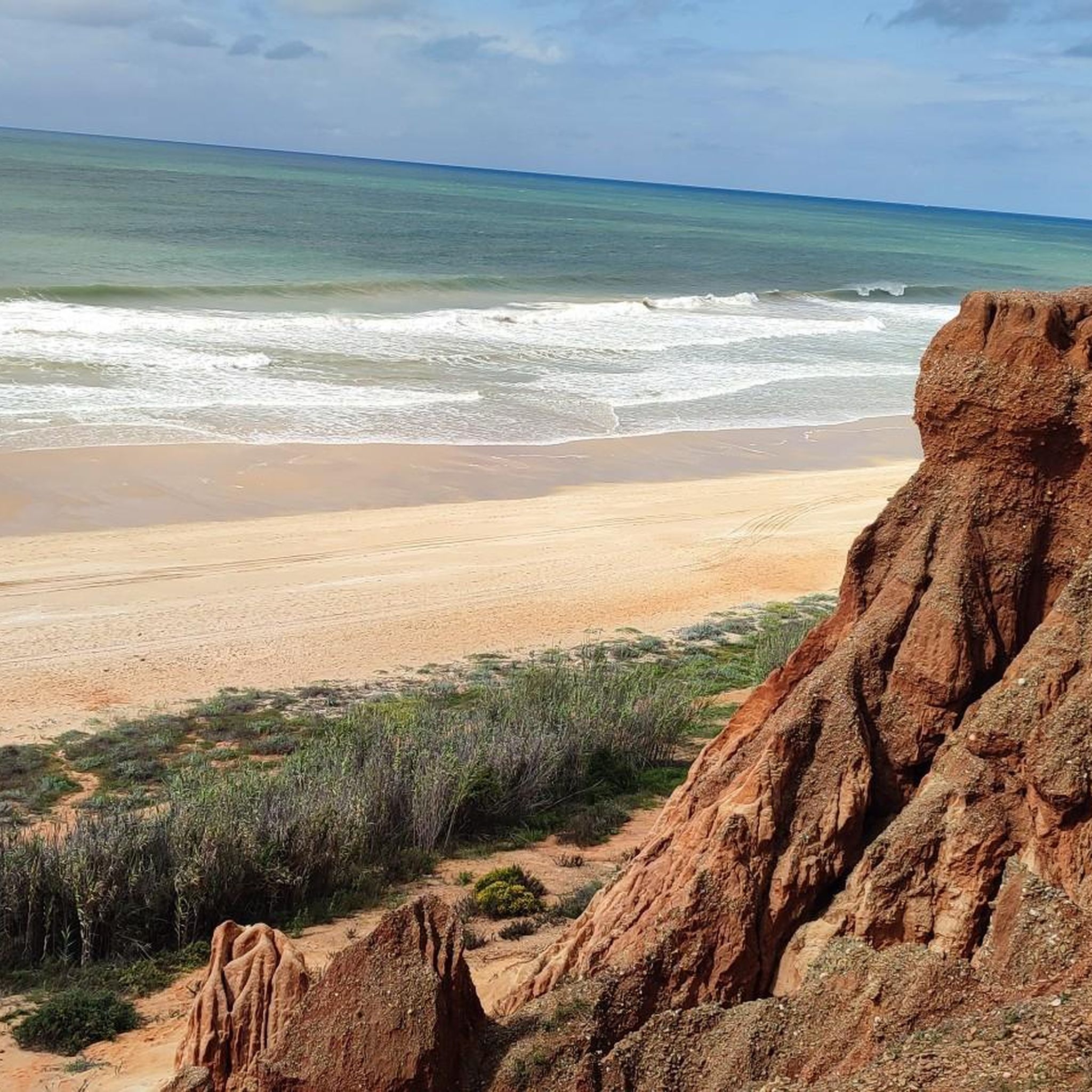
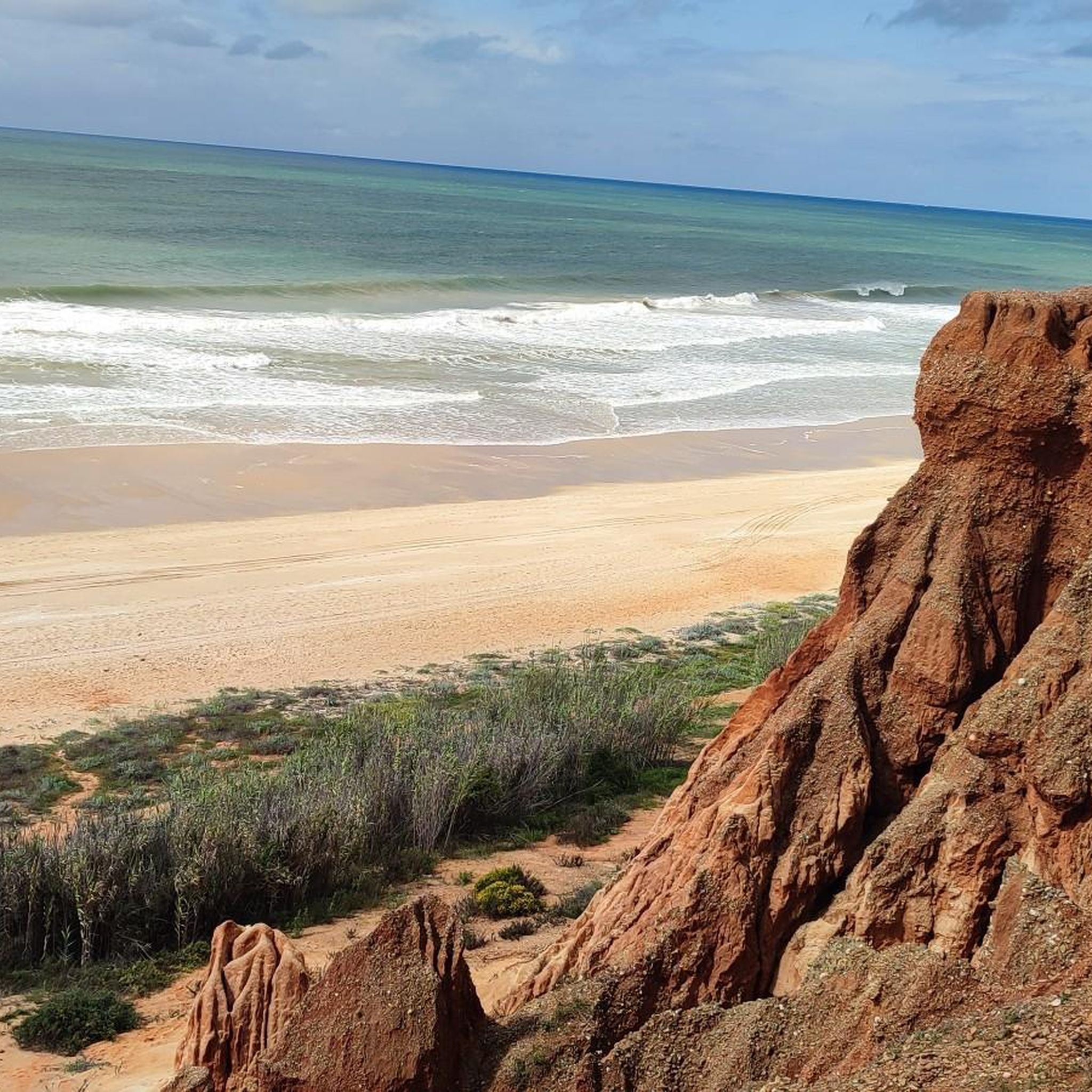
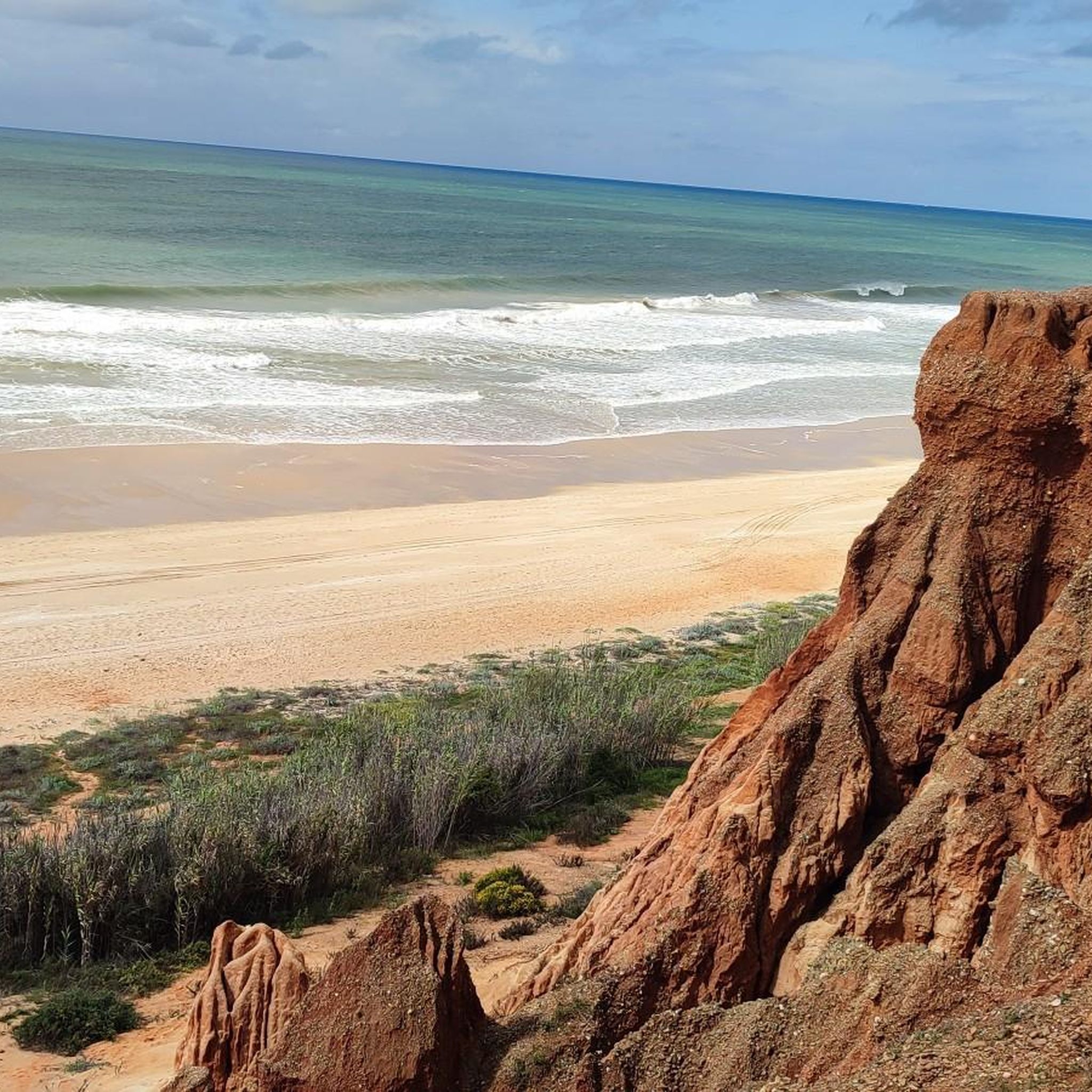
It was along sandstone paths, of high aesthetic value, that I traveled this truly magical route. The cliffs reveal an impressive contrast of colors — shades of red, brown, and white — sculpted over time by the action of water and wind. This erosion gives rise to unique shapes, such as "fairy chimneys," and helps to nourish the extensive sandy area with fine sand. In addition to their geomorphological and landscape value, these cliffs constitute habitats of ecological importance, with plants well adapted to the location. Notable species include mastic tree (Pistacia lentiscus), camphor thyme (Thymus camphoratus), sandalwood (Osyris), stone pine (Pinus pinea), lavender (Lavandula spp.), and daphne (Thymelaea villosa),... which contribute to soil stability and the biodiversity of the area.
1
0

Moderate hike. Requires good physical fitness. Easily accessible trail. Suitable for all experience levels.
1
0
Moderate hike. Requires good physical fitness. Easily accessible trail. Suitable for all experience levels.
2
0

Beautiful pictures. 👍
2
1

The red and rugged cliffs, with their small grottos and rock tunnels, separating the beach from the hinterland, are the distinctive feature of Praia da Falesia. The crystal-clear water and golden sand also make the beach one of the most beautiful in the region; some even consider it one of the most beautiful beaches in Europe. Tripadvisor has named it one of the best beaches in the world.
2
0

A walk on the beach in the Algarve is an absolute must! Great sand, beautiful rock formations and sometimes impressive waves.
3
0

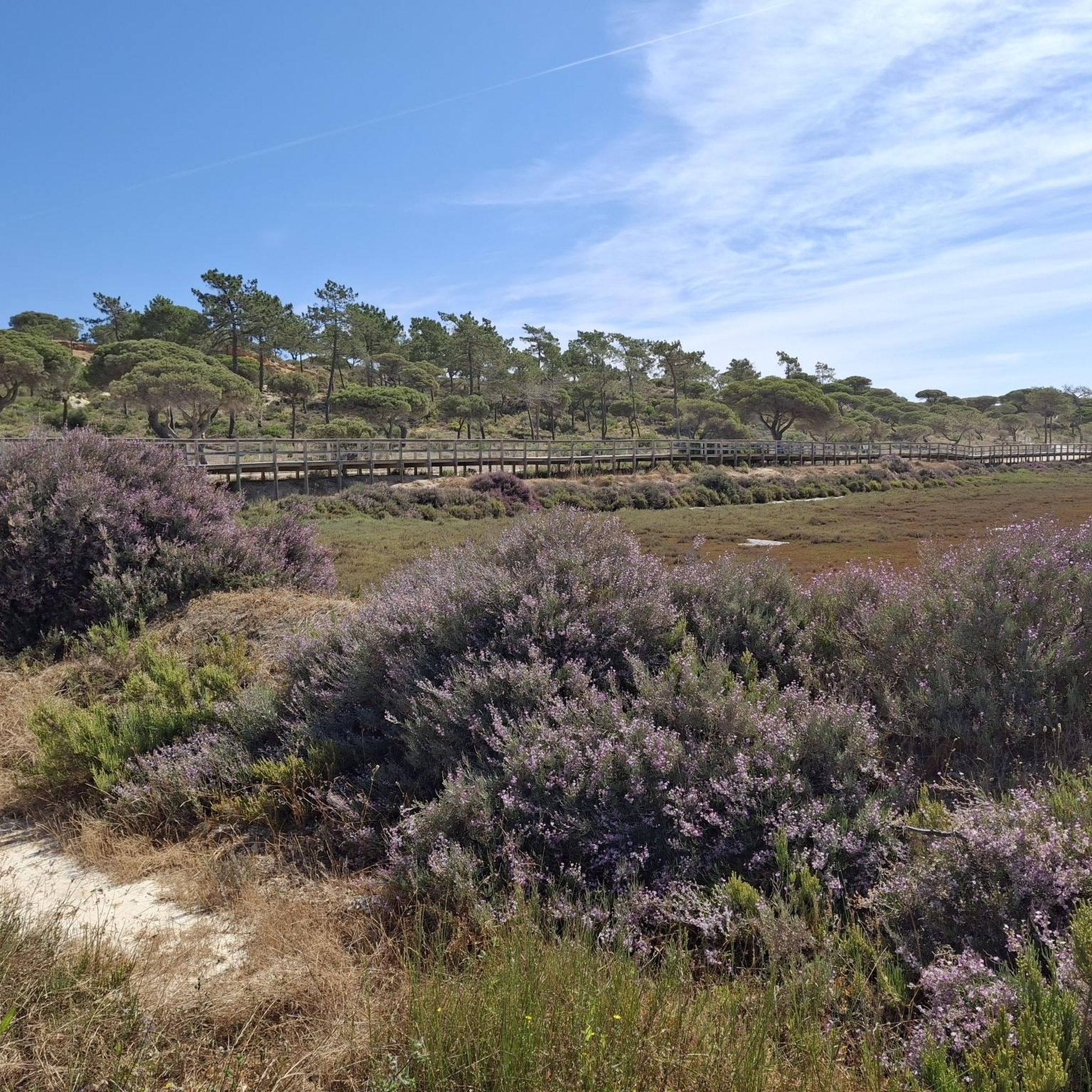
Its diverse ecosystems attract a wide variety of animals, including numerous bird species such as the purple crake, the park's symbol. If you want to admire this bird with its magnificent plumage and learn all about the protected area, start your visit with a visit to the Marim Environmental Education Centre. There you will receive information on the best hiking trails and the shelters where you can hide to observe the different species in their natural environment. The park also organises trips on an old boat originally used to catch tuna. One of the friendliest and most trusting animals you will come across here is the Portuguese Water Dog. This is a long-haired breed of dog that used to help fishermen with their work, diving to the nets and bringing in the fish that got caught in them. In addition to fishing, salt production and the gathering of mollusks and shellfish are traditional activities of the inhabitants of the estuary, who have never lacked ingenuity and craftsmanship. This is how the recipes for delicious gastronomic specialties such as fish soup and rice with razor clams were created, which you can try in the restaurants by the sea. visitportugal.com/de/content/parque-natural-da-ria-formosa
3
0
Frequently Asked Questions
What are some of the most unique natural features to explore around Loulé?
Loulé offers diverse natural features. You can explore the impressive multi-colored sand cliffs at Falésia Beach, which display shades of red, brown, and white. Another unique spot is "Praia dos Piratas" / Pirates' Cove, known for its spectacular coastal formations caused by erosion. Inland, the Source of the Benémola Stream is special for its crystal-clear water and dense vegetation, supporting hundreds of plant species not commonly found elsewhere in the Algarve.
Which natural monuments are known for their stunning coastal views?
For stunning coastal views, Praia da Falésia Cliffs offers incredible vistas of the long sandy beach and the vibrant, multi-colored cliffs. "Praia dos Piratas" / Pirates' Cove also provides spectacular coastal scenery with unique rock formations.
Are there any natural monuments around Loulé that feature freshwater ecosystems?
Yes, the Source of the Benémola Stream is a prime example. This area is part of the Fonte Benémola Nature Reserve, a rare gem in the Algarve where water flows year-round. It sustains over 300 plant species and attracts more than 100 bird varieties, providing a habitat for crabs and tritons.
Are there popular hiking trails near the natural monuments in Loulé?
Yes, Loulé offers several popular hiking trails. The Fonte Benémola Nature Reserve has walking trails that wind past traditional water mills and historic irrigation channels. You can find more detailed running and hiking routes, including the 'Fonte Benémola Trail' and 'Rocha da Pena Trail', in the Running Trails around Loulé guide.
What kind of terrain can I expect on walking routes around Loulé's natural monuments?
The terrain varies significantly. Around the Fonte Benémola Nature Reserve, you'll find leafy countryside paths with dense Mediterranean vegetation. Coastal areas like Falésia Beach offer long sandy stretches, while trails along the cliffs can involve narrow paths with scree, as noted by visitors. Inland routes often feature the typical Barrocal landscape with holm, kermes, and cork oaks.
Can I find cycling routes near Loulé's natural monuments?
Yes, there are cycling routes that allow you to explore the natural beauty of the region. For example, you can find routes that pass through the Ria Formosa Marshlands or along the coast near Falésia Beach. Check the Cycling around Loulé guide for options like the 'Dirt Road – Falésia Beach loop' or routes exploring the Ria Formosa.
Are there family-friendly natural monuments or trails in Loulé?
Many natural monuments in Loulé are suitable for families. Falésia Beach is a great option for a long walk on the sand. The Source of the Benémola Stream in the Fonte Benémola Nature Reserve offers tranquil walks and picnicking opportunities amidst lush vegetation, with informative boards for children and adults.
Are dogs allowed on hiking trails in Loulé's natural monuments?
While specific regulations can vary, many natural areas in Loulé are generally dog-friendly, especially on trails where dogs are kept on a leash. It's always recommended to check local signage or park regulations for specific protected areas like the Ria Formosa Nature Park or Fonte Benémola Nature Reserve before visiting with your dog.
What is the best time of year to visit the natural monuments around Loulé?
Spring (March to May) is an excellent time to visit, especially for places like the Fonte Benémola Nature Reserve, as the vegetation is lush, and it's ideal for birdwatching. The weather is generally pleasant for outdoor activities. Autumn (September to November) also offers comfortable temperatures. Summer can be very hot, particularly for inland trails, while winter is milder but some areas might be less vibrant.
How can I reach the natural monuments around Loulé using public transport?
Public transport options to specific natural monuments can be limited, especially for more remote inland sites. For coastal areas, local bus services might connect to nearby towns. However, for places like Fonte Benémola, public transport might not be direct. It's often advisable to check local bus schedules or consider a taxi for more secluded locations.
Are there parking options available at Loulé's natural monuments?
Parking availability varies by location. Popular coastal spots like Falésia Beach typically have designated parking areas, though they can fill up during peak season. For nature reserves or trailheads, smaller parking lots or roadside parking might be available. It's recommended to research specific locations beforehand.
How long does it typically take to explore the natural monuments around Loulé?
The duration depends on the specific monument and your activity. A walk along Falésia Beach can take anywhere from an hour to several hours for a long stroll. Exploring the trails within the Fonte Benémola Nature Reserve could easily fill half a day. For the larger Ria Formosa Nature Park, you might spend a full day or more exploring different sections and trails.
Most popular attractions around Loulé

Get inspired with the komoot mobile app


Explore more
Extend your search for the best caves by checking out these guides of the top ones around Loulé:
