Top 20 Natural Monuments in Western Finland
Natural monuments in Western Finland present a diverse landscape, characterized by unique geological formations shaped by the Ice Age and expansive national parks. This region features a variety of protected natural areas, from vast marshlands and high eskers to rugged coastlines. Visitors can explore numerous geological sites and notable landmarks, offering opportunities to experience serene wilderness.
Best natural monuments in Western Finland
- The most popular natural monuments is Saltkaret Observation Tower, a viewpoint that offers panoramic views over the…
Last updated: June 22, 2026
Saltkaret Observation Tower
Highlight • Viewpoint
Translated by Google •
Tip by

Svedjehamn Harbor, Kvarken Archipelago
Highlight • Natural Monument
Translated by Google •
Tip by
Sign up now to discover places like this
Get recommendations on the best single tracks, peaks, & plenty of other exciting outdoor places.
Sign up for free
Hitonhauta gorge
Highlight (Segment) • Gorge
Tip by

Oldest Pine Tree (Since 1641), Pyhä-Häkki National Park
Highlight • Natural Monument
Tip by

Helvetinkolu Gorge
Highlight • Gorge
Tip by
Sammallahdenmäki Bronze Age Burial Site
Highlight • Historical Site
Translated by Google •
Tip by

Multiharju Old-Growth Forest
Highlight • Forest
Tip by
Old Giant Tree
Highlight • Natural Monument
Tip by
Kvarken Archipelago World Heritage Info Point
Highlight • Rest Area
Translated by Google •
Tip by
Siuronkoski Dam and Rapids
Highlight • Structure
Translated by Google •
Tip by

Sign up for free to discover even more natural monuments in Western Finland.
Sign up for free
Already have an account?
Start today with a free account
Your next adventure awaits.
Login or Signup
Popular around Western Finland
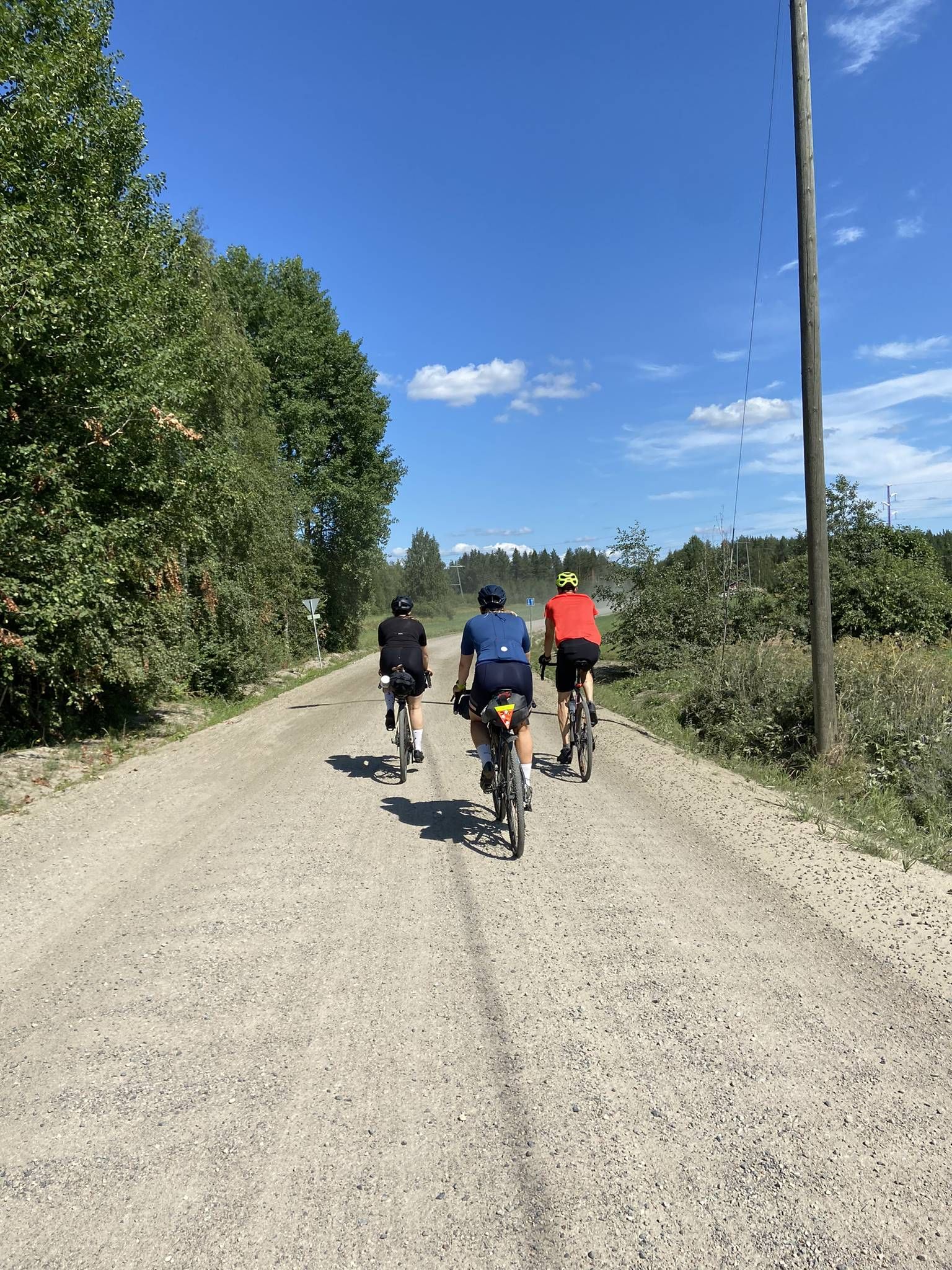
Naples to North Cape — Two friends, one purpose and many scoops of ice-cream
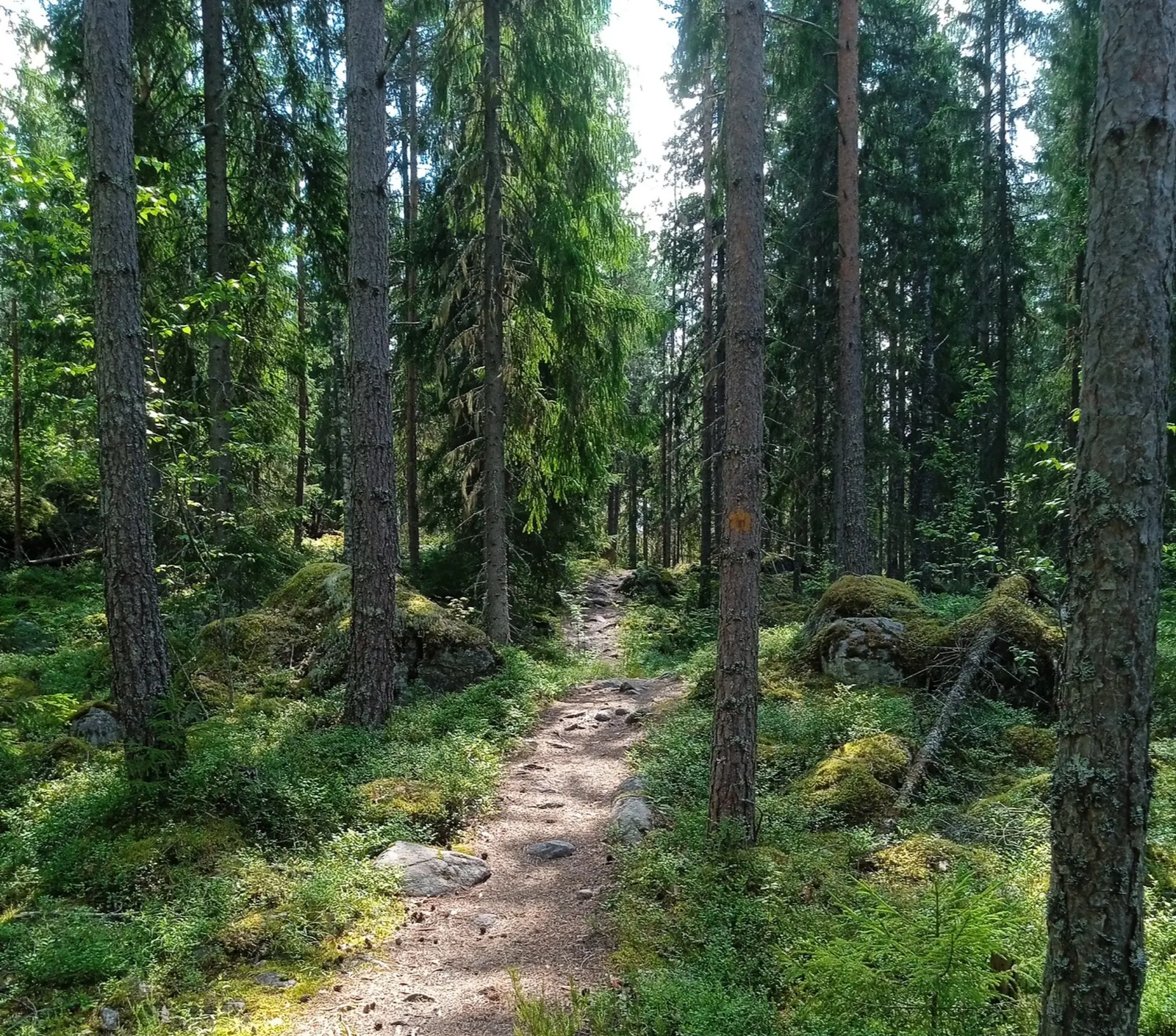
Among Pines and Boulders in South-Finland – Birgitta Trail
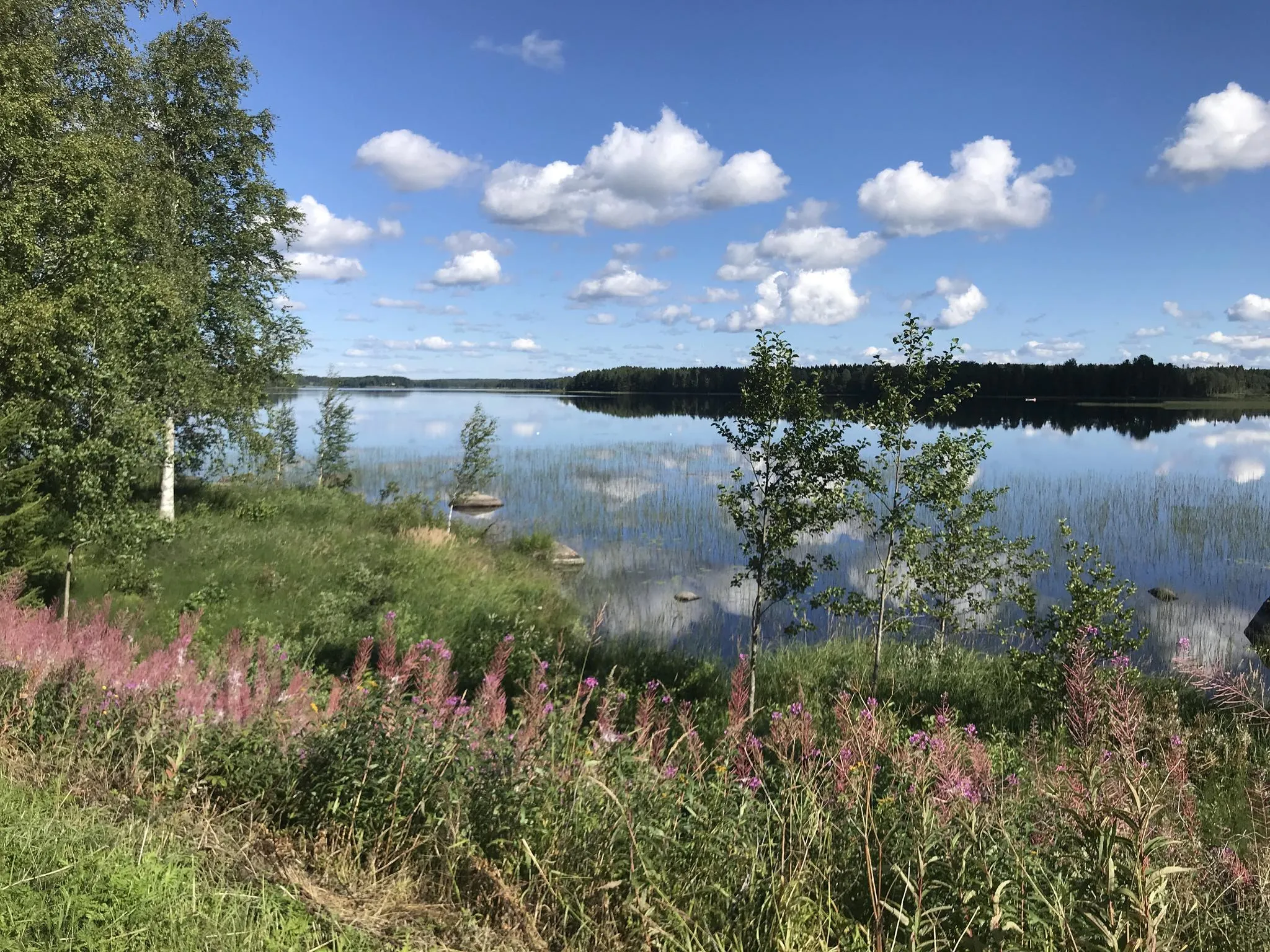
Lakeland by Cycle – Green Gold Gravel Loop
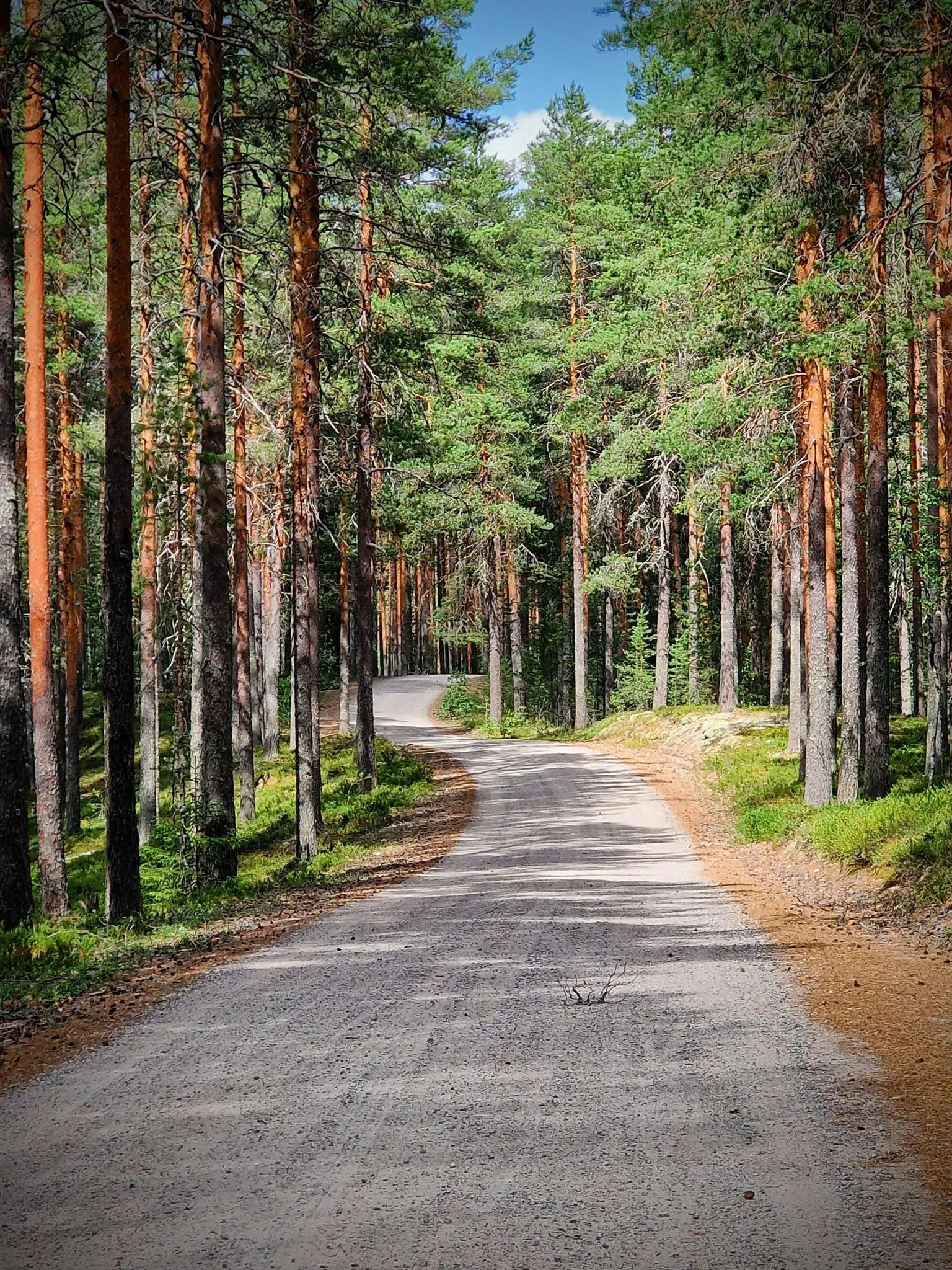
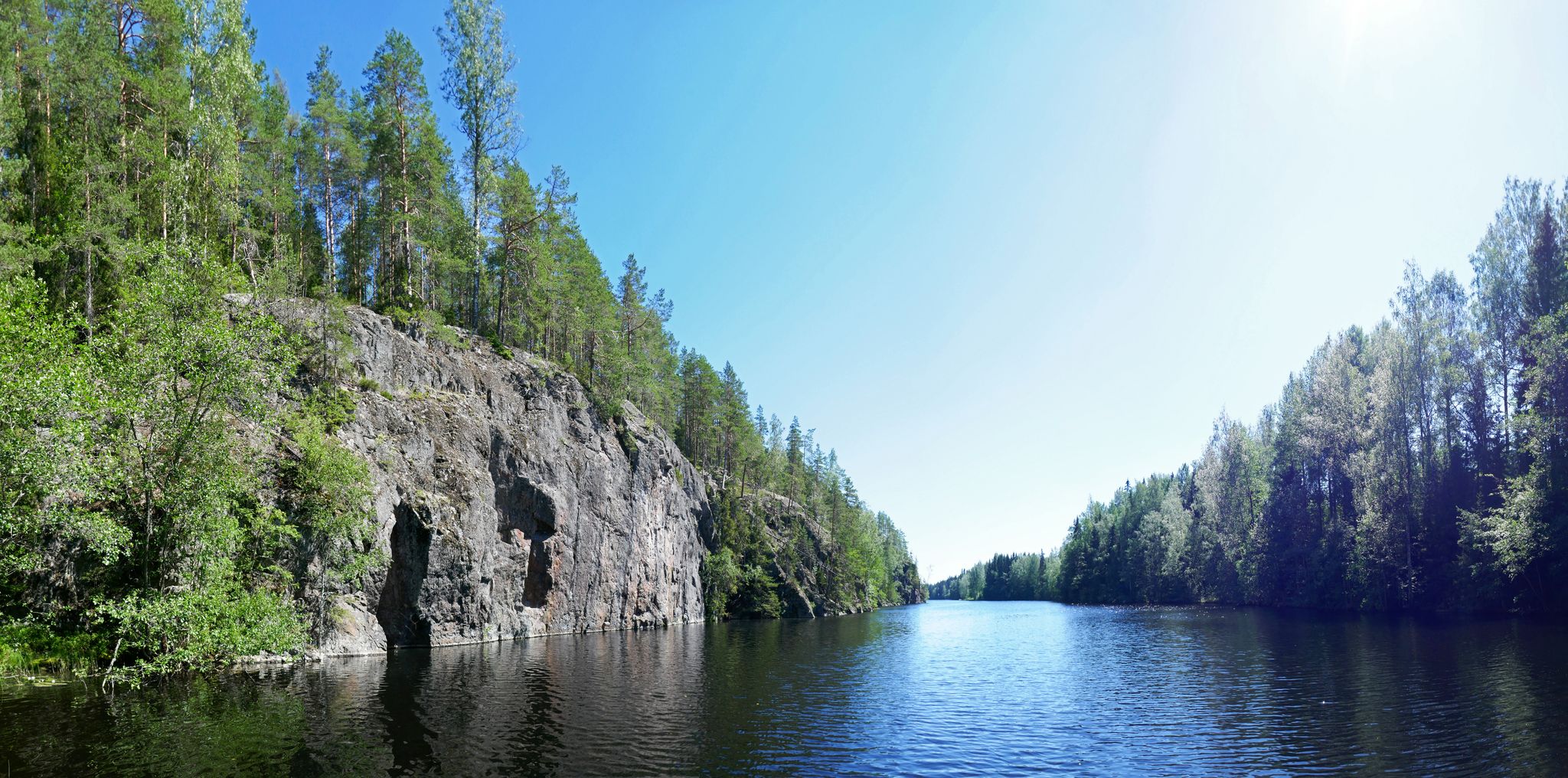
Lakeland by Cycle – Goblin’s Gorge Gravel Loop
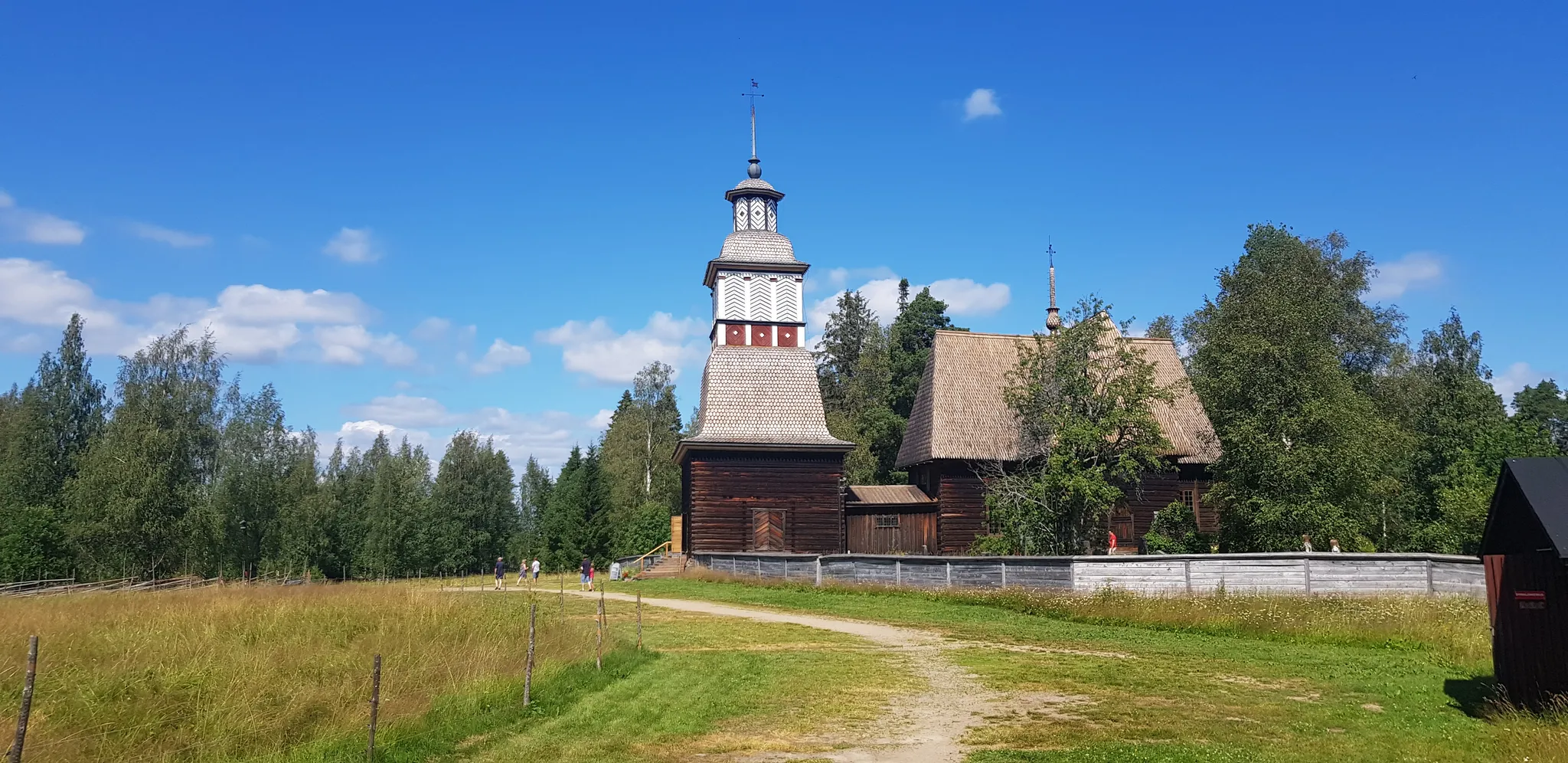
Lakeland by Cycle – The Old Church Gravel Loop
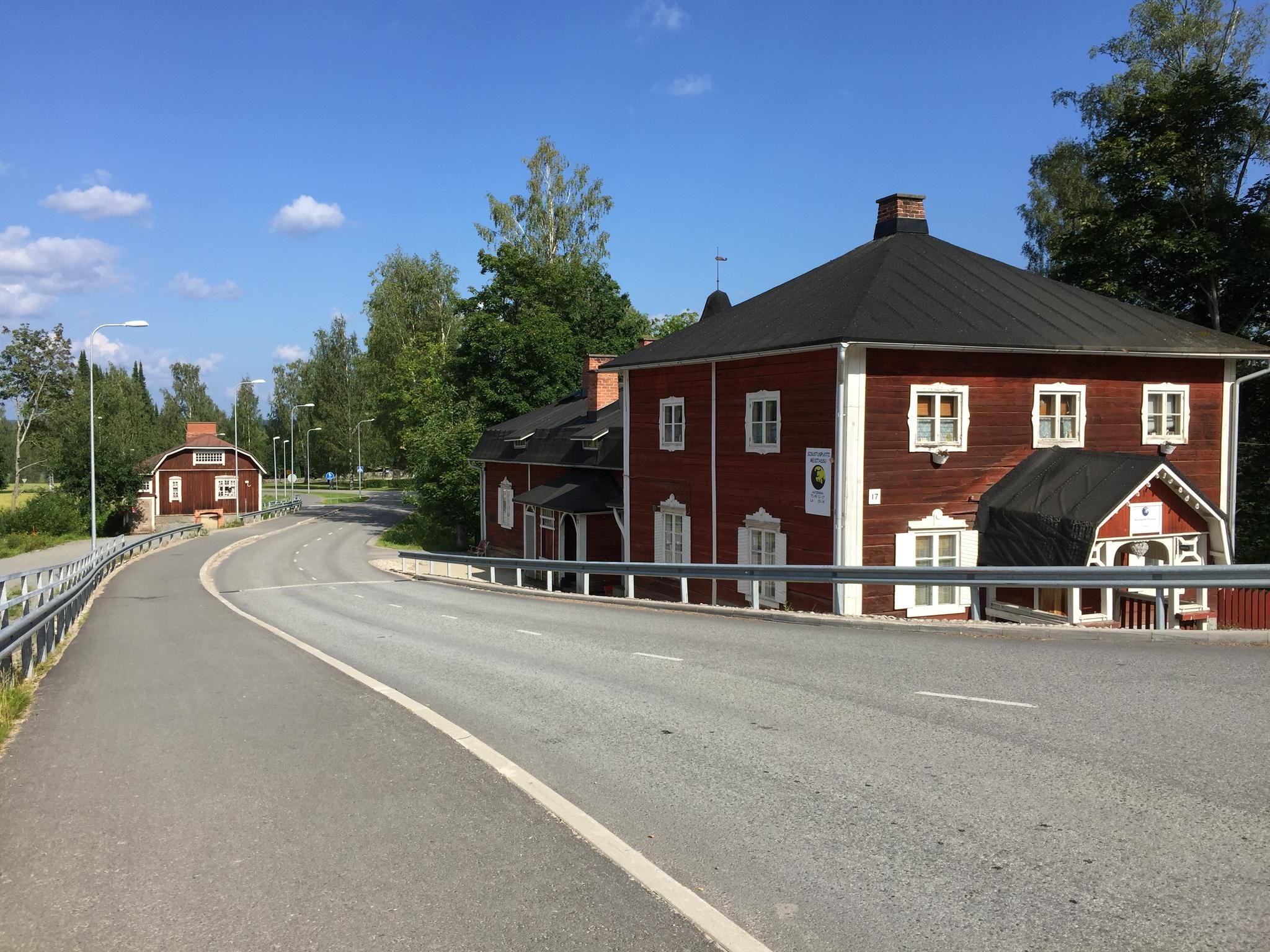
Whispers of Näsi – Grand Tour of the Näsijärvi trails
Canvas of nature – Patruunan polku route
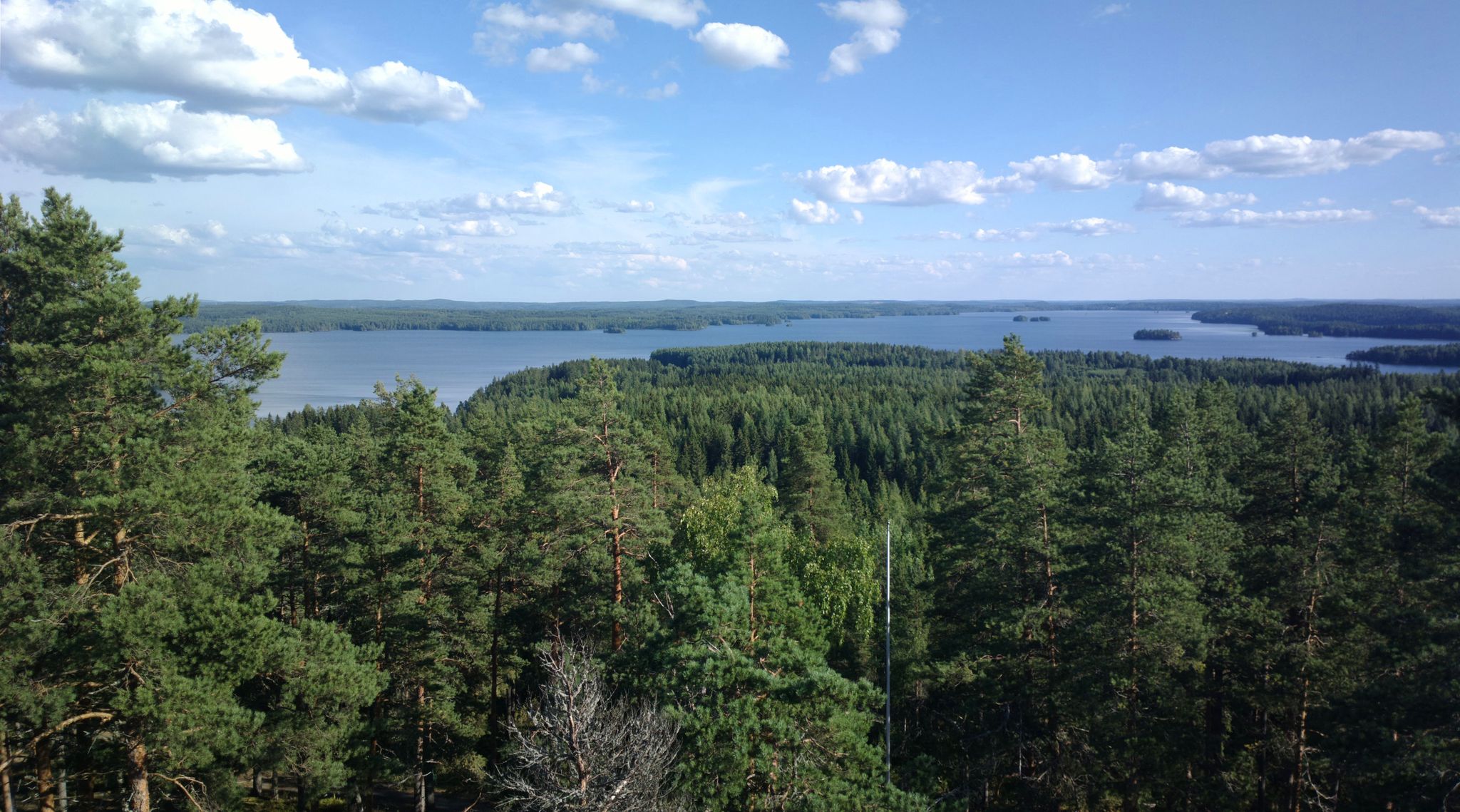
Rolling reflections – Längelmä Route
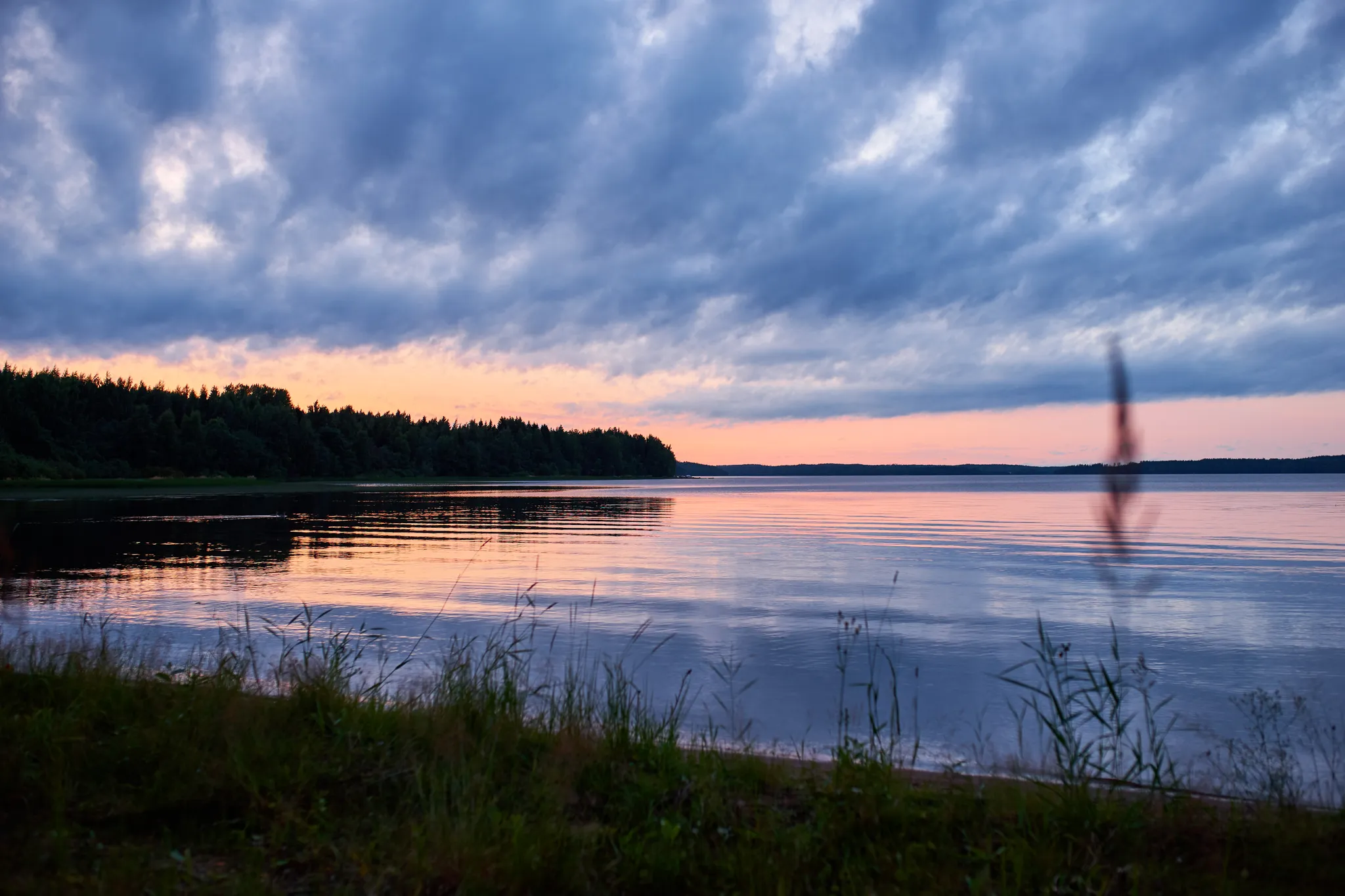
Crown & Countryside – Kyrö Route
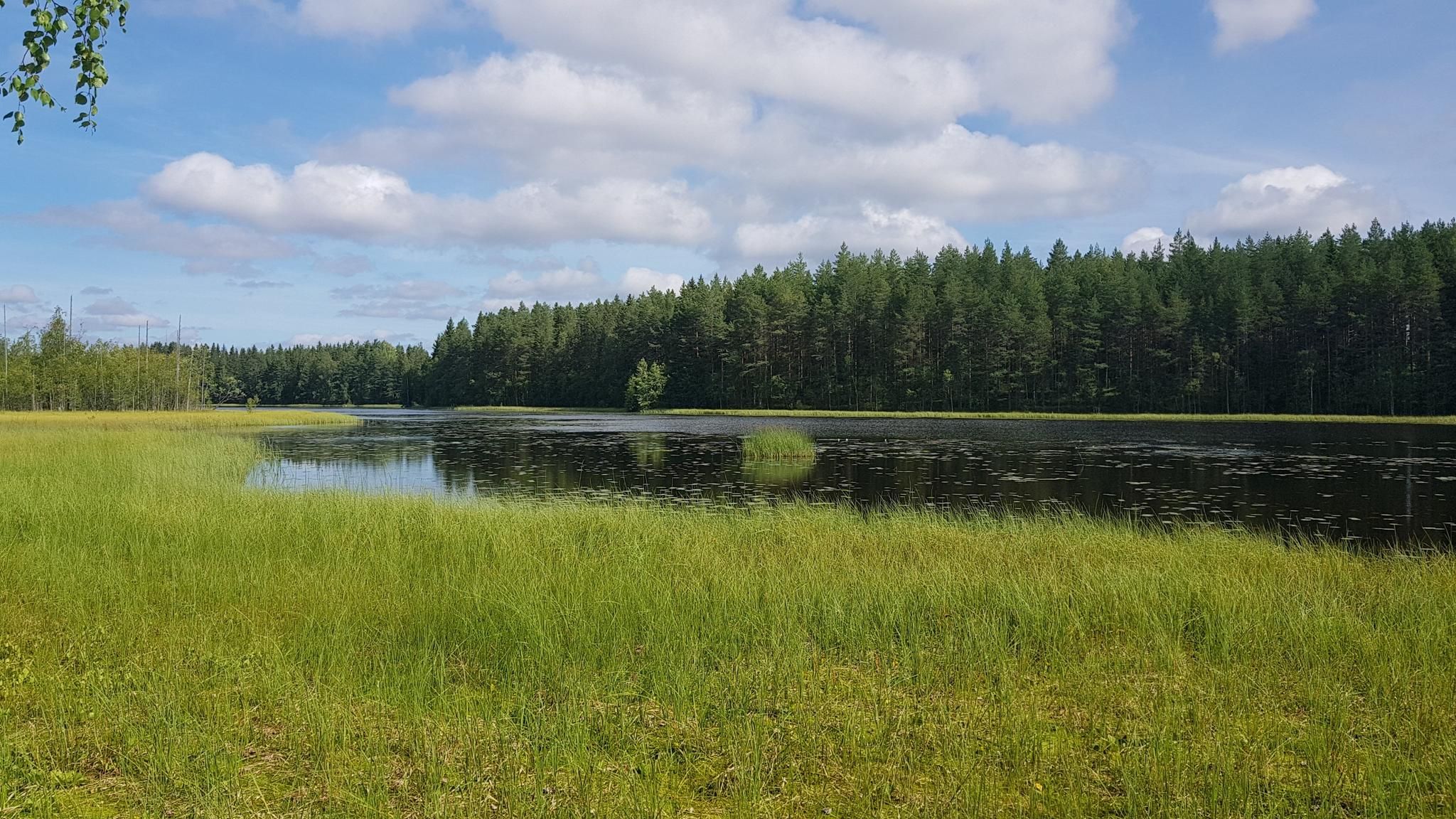
Through the Soft Wilderness – Aure Route
Other adventures in Western Finland


Tips from the Community

Magnificent view over the archipelago in the Kvarken. We were lucky enough to get an introduction to the area from a guide.
1
0

Hitonhauta is the largest gorge in central Finland. You can find impressive cliffs, a waterfall, a small pond and some caves here. According to legend, this is the tomb of an evil spirit named Hitto, who lived here. Apparently, his petrified face can be seen on the rock face in the gorge.
0
0

There you will find the necessary information …
4
0

A great information point with useful information for hikes and also beautiful pictures of the animals there, photo exhibition, etc.!
5
0
Spectacular view over the landscape.
2
0
A unique area, simply great!
2
0
The view from the observation tower is outstandingly beautiful! This nature is unique!
5
0
An incredible experience to discover the history of the Kvarken Archipelago. Very impressive...
5
0
Frequently Asked Questions
What unique geological features can I explore in Western Finland?
Western Finland is rich in geological formations shaped by the Ice Age. You can explore the unique landscape of the Kvarken Archipelago, a UNESCO World Heritage Site, known for its heavily rugged coastline and land uplift. Another significant site is the Pyynikki Esker in Tampere, believed to be the highest gravel ridge in the world, offering stunning views over lakes and forests. The region also features impressive boulder rocks like the Pesäkivet in Kälviä, Kokkola, and dramatic gorges such as Helvetinkolu Gorge in Helvetinjärvi National Park.
Are there any national parks focused on marshlands and bogs in Western Finland?
Yes, Western Finland features several national parks dedicated to preserving vast marsh and bog areas. Kauhaneva-Pohjankangas National Park, adjacent to Lauhanvuori, is known for its extensive marshlands and forests, with the Kauhalammi Trail offering scenic boardwalks through a typical Finnish bog landscape. Puurijärvi and Isosuo National Park is another excellent example, characterized by its shallow Puurijärvi lake, an internationally significant bird lake, and vast marsh areas.
What kind of hiking trails can I find near these natural monuments?
You'll find a variety of hiking trails suitable for different skill levels. For easy walks, consider the Helvetista East Nature Trail in Helvetinjärvi National Park or the Bodvattnet Runt Circle Trail in the Kvarken Archipelago World Heritage area. The Kotajarvi Trail in Pyhä-Häkki National Park and the Torpparintaival Circle Trail in Seitseminen National Park also offer easy routes. For more challenging hikes, areas like Hitonhauta gorge provide rugged terrain. You can find more details on various routes in the Easy hikes in Western Finland guide.
Which natural monuments are suitable for families with children?
Many natural monuments in Western Finland are family-friendly. The Oldest Pine Tree (Since 1641), Pyhä-Häkki National Park is a fascinating stop for all ages. Multiharju Old-Growth Forest offers accessible paths for families to explore. Additionally, the Svedjehamn Harbor, Kvarken Archipelago, and the Kvarken Archipelago World Heritage Info Point are great for families, providing information and easy access to the unique coastal environment.
Where can I experience unique coastal and island nature in Western Finland?
The Kvarken Archipelago is the prime location for experiencing unique coastal and island nature, being Finland's only natural UNESCO World Heritage Site. Its heavily rugged coastline, numerous rocky islands, and bays offer picturesque skerries shaped by sea and ice. Another excellent spot is Tankar Island off Kokkola, which emerged from the sea due to geological uplift and provides unforgettable nature experiences with smooth cliffs and sea air.
What are the best places for birdwatching in Western Finland?
Western Finland is a paradise for birdwatchers, especially around its extensive marshlands and river deltas. The Puurijärvi and Isosuo National Park, with its shallow Puurijärvi lake, is an internationally significant bird lake. The Kokemäenjoki River and Delta, often called Finland's bird-watching paradise, is another biological hotspot, forming the Nordic Countries' largest delta and attracting numerous bird species.
Can I find ancient forests or notable trees among the natural monuments?
Yes, Western Finland is home to impressive ancient forests and notable trees. The Oldest Pine Tree (Since 1641), Pyhä-Häkki National Park is a significant landmark, having been the oldest tree in the park since 2004. Multiharju Old-Growth Forest also offers a chance to explore diverse flora within a protected natural monument.
What kind of views can I expect from viewpoints in Western Finland's natural monuments?
You can expect panoramic views over diverse landscapes. From the Saltkaret Observation Tower, you'll get fantastic views over the unique Kvarken Archipelago. Ascending Lauhanvuori hill in Lauhanvuori National Park offers panoramic vistas over vast forests and mires, with distant landmarks visible on clear days. The Pyynikki Esker in Tampere also provides stunning views over blue lakes and green forests.
Are there opportunities for cycling near the natural monuments in Western Finland?
Absolutely. Western Finland offers various cycling routes, including MTB trails and road cycling options. You can find routes like the 'Teivo XCM – loop from Lamminpaa' for mountain biking or the 'From Toijala to Valkeakoski loop' for road cycling. These routes often pass through or near natural areas, allowing you to combine cycling with nature exploration. Check out the MTB Trails in Western Finland and Road Cycling Routes in Western Finland guides for more options.
What is the best time of year to visit the natural monuments in Western Finland?
The best time to visit largely depends on the activities you plan. Summer (June-August) is ideal for hiking, cycling, and enjoying the long daylight hours, especially for coastal areas like Yyteri Beach. Autumn (September-October) offers beautiful fall foliage in the forests and national parks. While winter provides opportunities for skiing and snowshoeing in parks like Seitseminen, some areas might be less accessible. Spring (May) is excellent for birdwatching as migratory birds return.
Can I find historical sites alongside natural monuments in Western Finland?
Yes, some natural monuments in Western Finland are intertwined with historical significance. The Sammallahdenmäki Bronze Age Burial Site is a UNESCO World Heritage site that combines ancient history with a natural forest setting. Additionally, areas like Puurijärvi and Isosuo National Park are situated within historical cultural landscapes, offering a blend of natural beauty and heritage.
What are some of the most popular activities visitors enjoy at these natural monuments?
Visitors particularly enjoy hiking and birdwatching, especially in areas like the Kvarken Archipelago, which is described as an 'indescribably beautiful area for hiking and bird watching.' The unique landscapes, such as the 'ice age murders' visible from viewpoints, also draw interest. Many appreciate the serene wilderness and the opportunity to explore diverse habitats, from vast forests and mires to rugged coastlines and gorges.
Most popular routes in Western Finland
Most popular attractions in Western Finland

Get inspired with the komoot mobile app


Explore more
Extend your search for the best caves by checking out these guides of the top ones in Western Finland:
