Top 20 Natural Monuments around Staffanstorp
Best natural monuments around Staffanstorp are found within Skåne's agricultural landscape, offering diverse natural areas for outdoor recreation. The municipality features several notable natural gems, including wetlands, river trails, and protected reserves. These areas provide opportunities for walks, birdwatching, and experiencing varied landscapes. Staffanstorp's natural features contribute to its appeal for those seeking connection with nature.
Best natural monuments around Staffanstorp
- The most popular natural monuments is Lund Botanical Garden, a natural monument and garden that features an eight-hectare…
Last updated: May 26, 2026
Strandhusens Revlar Nature Reserve
Highlight • Natural Monument
The sandy reefs along the Lomma coast are popular feeding and resting places for both migrating and resident seabirds. The shallow seabed is also an important nursery …
Translated by Google •
Tip by

Lund Botanical Garden
Highlight • Natural Monument
Translated by Google •
Tip by

Sign up now to discover places like this
Get recommendations on the best single tracks, peaks, & plenty of other exciting outdoor places.
Sign up for free
Rinnebäcksravinen Nature Reserve
Highlight • Gorge
Rinnebäck ravine
Translated by Google •
Tip by

Dalby Norreskog Nature Reserve
Highlight • Forest
Translated by Google •
Tip by
Entrance to Dalby Söderskog National Park
Highlight • Forest
Translated by Google •
Tip by
Sign up for free to discover even more natural monuments around Staffanstorp.
Sign up for free
Already have an account?
Start today with a free account
Your next adventure awaits.
Login or Signup

Other adventures around Staffanstorp

Tips from the Community

Just 2.3 km and you have circled Europe's smallest national park on an easy-to-walk path.
0
0

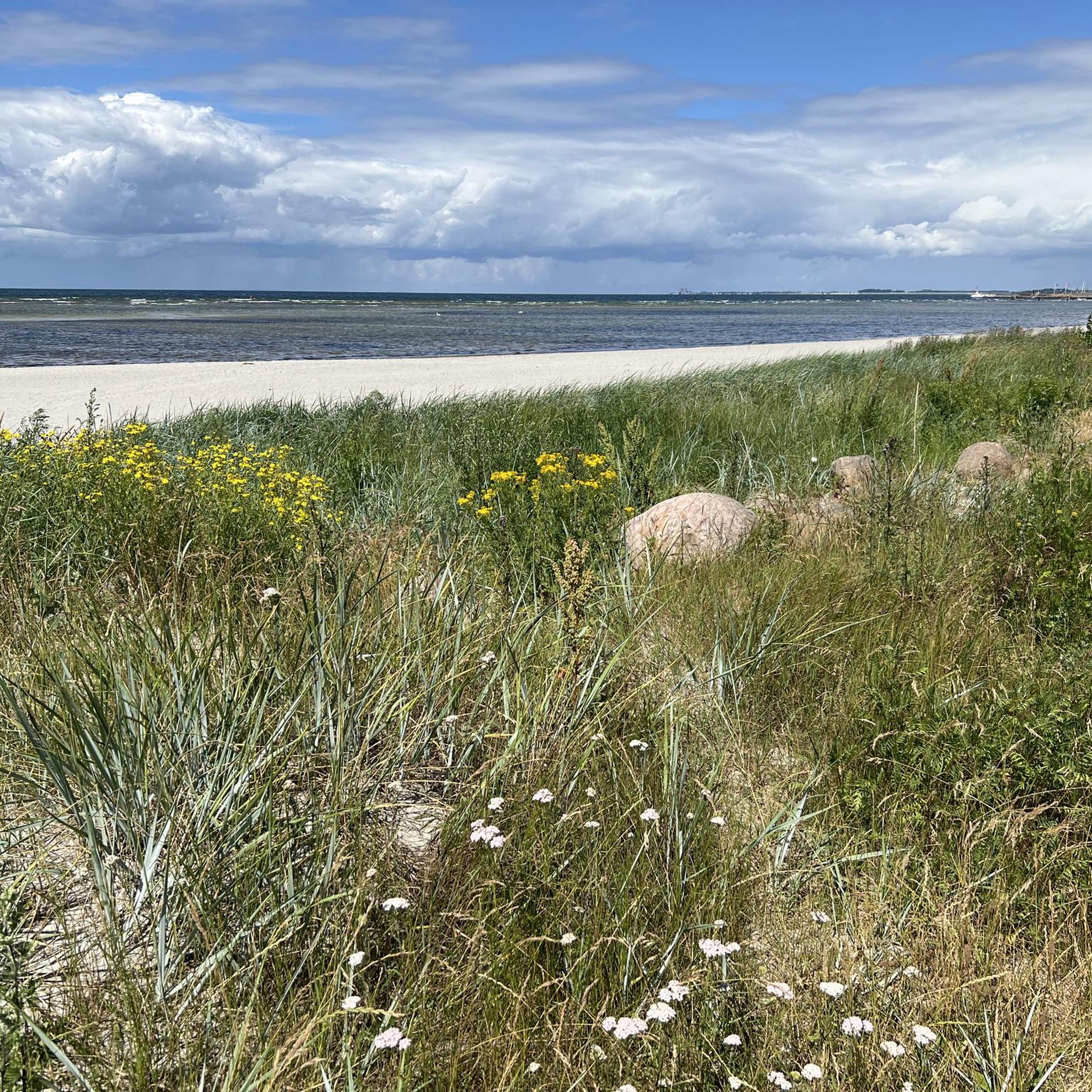
Strandhusens revlar (en) The sandy reefs along the Lomma coast are popular feeding and resting places for both migrating and resident seabirds. The shallow seabed is also an important nursery for many flatfish and life thrives in the extensive seagrass beds. The Strandhusens Revlar marine reserve protects the shallow seabed and water including extensive beds of seagrass that grow along the coast. The water in Lommabukten is a typically brackish environment with a mix of salt and fresh water. The seagrass meadows grow at a depth of 1-12 meters and are a globally threatened habitat. They are important to a variety of species that forage here. The meadow area in particular is a tree nursery for several species. Life thrives here: beachhoppers (amphioda), lots of small laver scallops and Baltic woodlice. You can also find fry of small fish, sand gobies, fish of the Gobiidae family, garfish, as well as common shrimp. Cod and trout hunt in the upper layers of seagrass and closer to the bottom live cod, eel and Atlantic herring. The broad-nosed needle, which is a close relative of the seahorse, hides in the sea grass. Flatfish thrive on the bare mosaic sandbars surrounded by the seagrass stands. Beach crabs search for food and take cover under rocks. Several species of seabirds use the seagrass beds to forage. The seagrass mitigates erosion by binding sand and bottom sediment with its roots, while the leaf mass reduces wave energy reaching the beach. Vegetation absorbs nutrients and carbon dioxide from the water, mitigating the effects of eutrophication and climate change. Another important effect of the seagrass meadows is the stabilization of the bottom sediment, resulting in even clearer water. The purpose of the reserve is to protect and care for the valuable natural environment of the area and its biodiversity. It is important to ensure the survival of the seagrass beds and shallow seabed so that they can continue to support rich marine life.
1
0

A great place to visit. The entrances are closed at 9.30 pm so you can enjoy the garden after work or classes here. The garden plan is very nice, variety of plants that grow in Sweden and other areas. The garden is big enough for a walk. There are space to sit for a picnic during a warm day
1
0

The Lund Botanical Garden is open year-round and features an impressive eight-hectare outdoor area, home to over 7,000 different plant species. A further 2,000 plant species from predominantly tropical and subtropical regions are housed in the large greenhouse.
4
0

The smallest national park in Europe is a jungle oasis. You should have seen it! Here in the video you can find my tour through the park: https://youtu.be/-sfQDIHGlcE
2
0

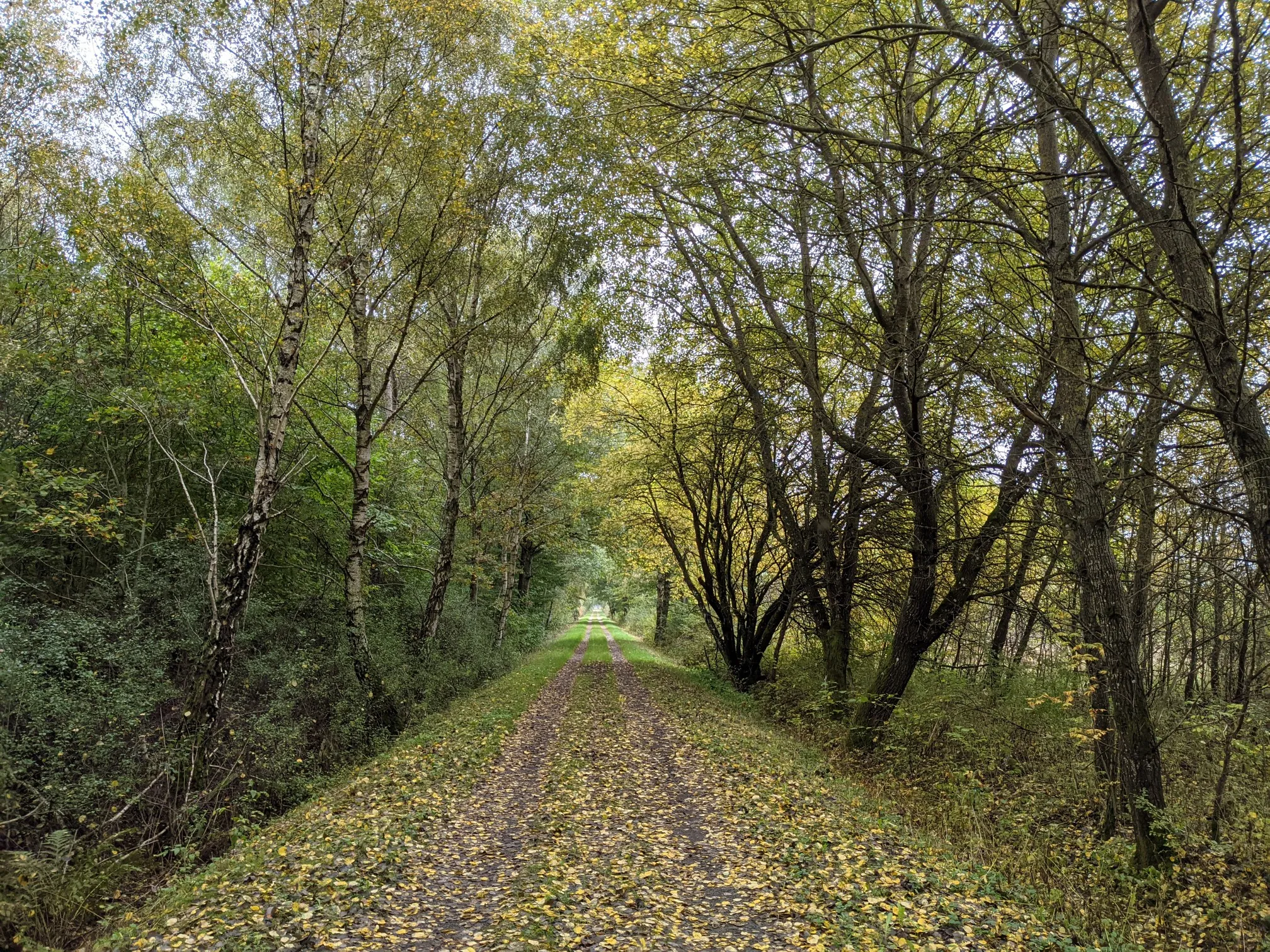
The nature reserve Dalby Norreskog is located by the national park Dalby Söderskog. The whole area with the two forest areas and the open pasture in the middle is usually called Dalby pasture. It is historically a contiguous land area that has been grazed for more than a thousand years. Leaner forest next to the national park The land in Dalby Norreskog is significantly leaner and less nutritious than in the national park. This can be seen in the differences that exist in the flora of forests. In Norreskog, you can find the blue anemone in early spring, which is protected in Skåne. A little later, white anemone, gold powder, celandine and resin acid bloom. Between the lush forest in the national park and Norreskog is a vast pasture that is grazed by horses and cows. Adjacent to the Skrylle area Dalby Norreskog connects in the north to the Skrylle area. It is a large outdoor area that includes several nature reserves with hiking trails, windbreaks and barbecue areas. There is also Skryllegården, an exercise facility with electric light trails and a restaurant. At Skryllegården is nature Skrylle where you can find out more about nature in the area.
0
0
Dalby Söderskog National Park was established in 1918 to preserve what was then described as the southern Swedish deciduous forest. In reality, Dalby Söderskog consisted of both actual forest and overgrown pastureland. Around 1900, a high forest of oak and beech trees grew here over a shimmering green carpet. The national park is at its most beautiful in spring. The intense, almost exotic blossoms in yellow and white are a sign of spring that is eagerly awaited. Now is the time to head out into nature for the first time of the year with a woolen blanket and picnic basket.
2
0
Lund's Botanical Garden is worth a visit for anyone who enjoys botanical gardens and wants to escape the city center for a while and get into the countryside. A short stroll through charming little alleys takes you there. In addition to the gardens, there's also a greenhouse with different climate zones and a pleasant café with indoor and outdoor seating.
1
0
Frequently Asked Questions
What are some unique natural features to explore in Staffanstorp?
Staffanstorp offers a variety of unique natural features. You can explore the marine environment at Strandhusens Revlar Nature Reserve, which protects shallow seabeds and extensive seagrass beds vital for seabirds and marine life. For a different experience, the Rinnebäcksravinen Nature Reserve features a ravine with exciting geology, formed by the last ice sheet, and a special flora due to its grazed land.
Are there any historical natural monuments in Staffanstorp?
Yes, Gullåkra Mosse, located within walking distance of Staffanstorp's urban center, has significant historical value. It served as a sacrificial site during the Stone and Bronze Ages, with the ancient "Ämbetssten" (official stone) and a health spring still present, adding a layer of cultural and historical interest to its natural beauty.
Where can I find diverse plant life around Staffanstorp?
For an impressive display of diverse plant life, visit Lund Botanical Garden. This eight-hectare outdoor area is home to over 7,000 different plant species, with an additional 2,000 species housed in its large greenhouse. You can also find unique flora in areas like Dalby Söderskog National Park, particularly known for its vibrant spring blossoms, and Dalby Norreskog Nature Reserve, where you can spot blue anemone, white anemone, and other spring flowers.
What are the best places for birdwatching in Staffanstorp?
Gullåkra Mosse is an excellent spot for birdwatching, featuring a bird tower and a rich birdlife amidst its meadows, small lakes, and wooded areas. Additionally, Strandhusens Revlar Nature Reserve is a crucial feeding and resting place for both migrating and resident seabirds, making it ideal for observing marine bird species.
Are there family-friendly natural monuments around Staffanstorp?
Absolutely. Many natural monuments are suitable for families. Lund Botanical Garden offers spacious outdoor areas and a café. Strandhusens Revlar Nature Reserve provides a beach environment for exploration. Both Dalby Söderskog National Park and Dalby Norreskog Nature Reserve offer easy trails through beautiful forests, perfect for family walks. The Rinnebäcksravinen Nature Reserve is also frequented by families and school groups.
Are there any natural monuments suitable for dog walking?
Yes, the Rinnebäcksravinen Nature Reserve is a popular spot for dog owners, offering pleasant walking routes through its unique ravine landscape. Many of the trails in the larger outdoor areas like the Skrylle area, which connects to Dalby Norreskog Nature Reserve, are also dog-friendly, though always check local regulations for leash requirements.
What is the best time of year to visit the natural monuments in Staffanstorp?
The natural monuments around Staffanstorp offer different charms throughout the year. Spring is particularly beautiful, especially in Dalby Söderskog National Park and Dalby Norreskog Nature Reserve, when the deciduous forests burst with vibrant spring flora. Summer is ideal for enjoying the outdoor areas and river trails like Höje å. Autumn brings colorful foliage, and even winter offers peaceful walks, especially in areas like Gullåkra Mosse with its illuminated exercise track.
Are there any natural monuments with cafes or facilities nearby?
Yes, Lund Botanical Garden features a pleasant café with indoor and outdoor seating, perfect for a break during your visit. The Skrylle area, which is adjacent to Dalby Norreskog Nature Reserve, also has Skryllegården, an exercise facility with a restaurant and other amenities.
How can I reach the natural monuments around Staffanstorp by public transport?
For Rinnebäcksravinen Nature Reserve, there is a bus connection in Värpinge By, making it easily accessible. Many other natural areas, like Gullåkra Mosse, are within walking distance of Staffanstorp's urban center. For locations further afield, local bus services connect Staffanstorp to nearby towns like Lund, from where other natural monuments might be accessible. It's always best to check current public transport schedules for specific routes.
What outdoor activities can I do near these natural monuments?
The Staffanstorp area offers a range of outdoor activities. You can find numerous hiking trails, including easy loops around Dalby Söderskog National Park. For longer walks, consider the Lund Health Trail. Running enthusiasts can explore routes like the Roos damm – Storehög loop. There are also extensive gravel biking opportunities, such as the Häckeberga Lake and Castle loop. You can find more details and routes in the Hiking around Staffanstorp, Running Trails around Staffanstorp, and Gravel biking around Staffanstorp guides.
Are there any wetlands or unique ecological havens in the Staffanstorp municipality?
Yes, Vallby Mosse Nature Reserve is Staffanstorp municipality's first nature reserve and a crucial wetland. It stands as a valuable ecological haven within a predominantly cultivated agricultural region, preserving biodiversity and offering a unique natural environment rare in southwestern Skåne. Gullåkra Mosse also features varied landscapes including meadows and small lakes.
What kind of trails can I expect around the natural monuments?
You'll find a variety of trails. Gullåkra Mosse offers an illuminated exercise track and natural paths. The Höjeåstråket follows the Höje River, providing tranquil walks. In Dalby Söderskog National Park, there are easy-to-walk paths, including a 2.3 km loop. The Skrylle area, connected to Dalby Norreskog Nature Reserve, features a large outdoor area with various hiking trails and electric light trails for exercise.
Most popular routes around Staffanstorp
Most popular attractions around Staffanstorp

Get inspired with the komoot mobile app


Explore more
Extend your search for the best caves by checking out these guides of the top ones around Staffanstorp:
