Top 7 Natural Monuments around Kil
Best natural monuments around Kil offer a blend of historical sites and natural landscapes. The region features areas with significant historical mining activity and ancient cultural remnants. Visitors can explore diverse natural formations such as ravines and scenic lake surroundings. Kil provides opportunities to experience both human history and natural beauty.
Best natural monuments around Kil
- The most popular natural monuments is Iron Age Burial Mounds, a historical site that allows for walks around Lake Södra Hyn. These mounds…
Last updated: June 22, 2026
Vegerbol Silver Mine
Highlight • Historical Site
Showing Translation
Tip by

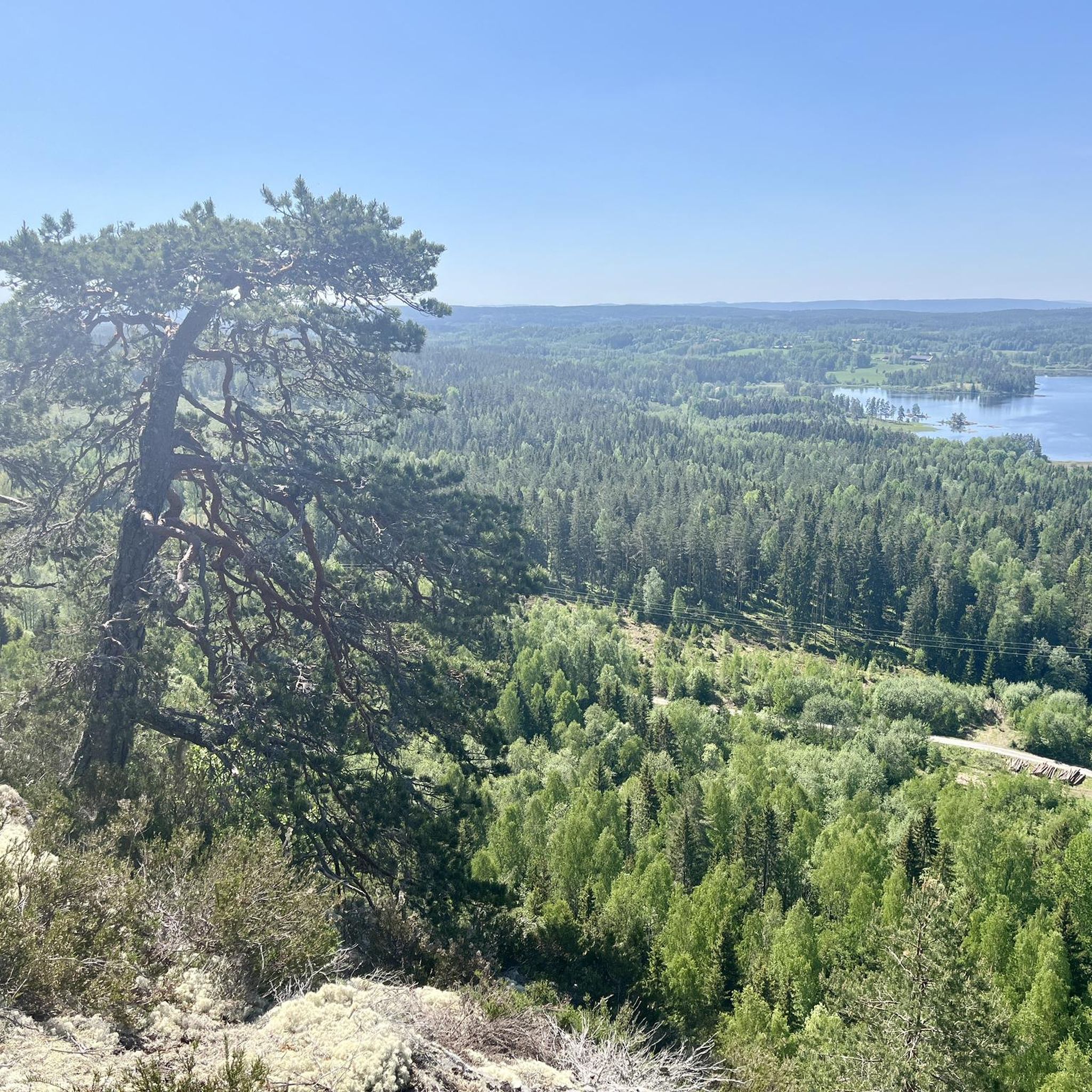
Ättestupa Cliff
Highlight • Viewpoint
Ättestupa is a tradition or legend that says that old people in Nordic antiquity would jump or be thrown to their deaths by making a steep leap.
Translated by Google •
Tip by
Sign up now to discover places like this
Get recommendations on the best single tracks, peaks, & plenty of other exciting outdoor places.
Sign up for free
Iron Age Burial Mounds
Highlight • Historical Site
Translated by Google •
Tip by
Ancient fortress on Lompberget
Highlight • Historical Site
Translated by Google •
Tip by
Apertin Ravines Nature Reserve
Highlight • Gorge
Translated by Google •
Tip by

Sign up for free to discover even more natural monuments around Kil.
Sign up for free
Already have an account?
Start today with a free account
Your next adventure awaits.
Login or Signup
Tips from the Community

In the 19th century, mining was common in the area. It mainly involved copper, silver, lead, and zinc ores. Mining was most active here in Vegerbol. Operations began in 1808 and continued, with some interruptions, until 1816. Thirty years later, work resumed. For a few years, mining was economically profitable. During the most productive years, approximately 150 people were employed here in crushing, sorting, smelting, and transportation. From 1852 onwards, mining was carried out only sporadically and on a small scale. Around 1870, the activity ceased permanently.
1
0
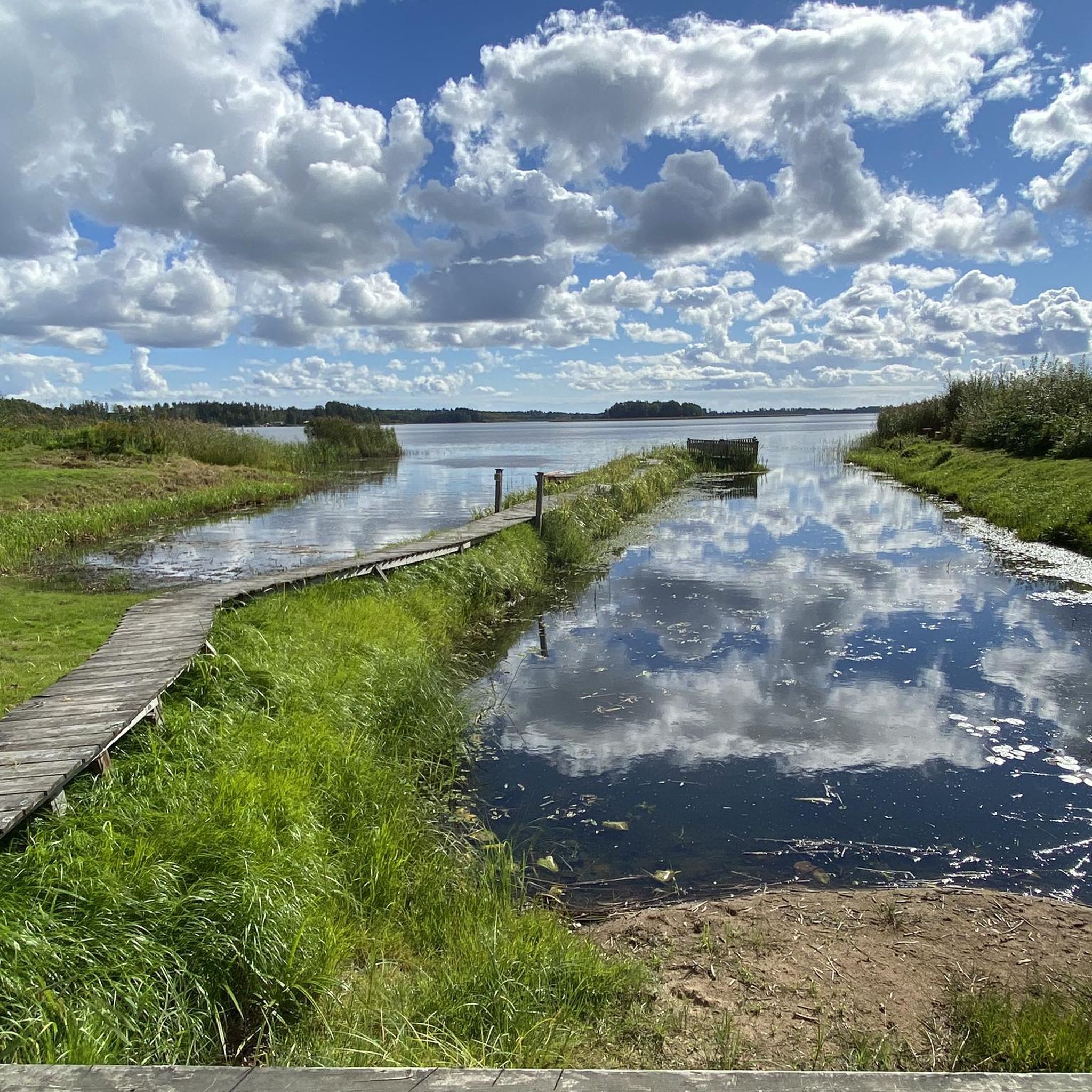
From here, you can start a lovely walk around Lake Södra Hyn through the reed meadows. On the slope northwest of the lake, you'll find more burial mounds about 20 meters from the path. They're easy to miss, so keep your eyes open.
0
0
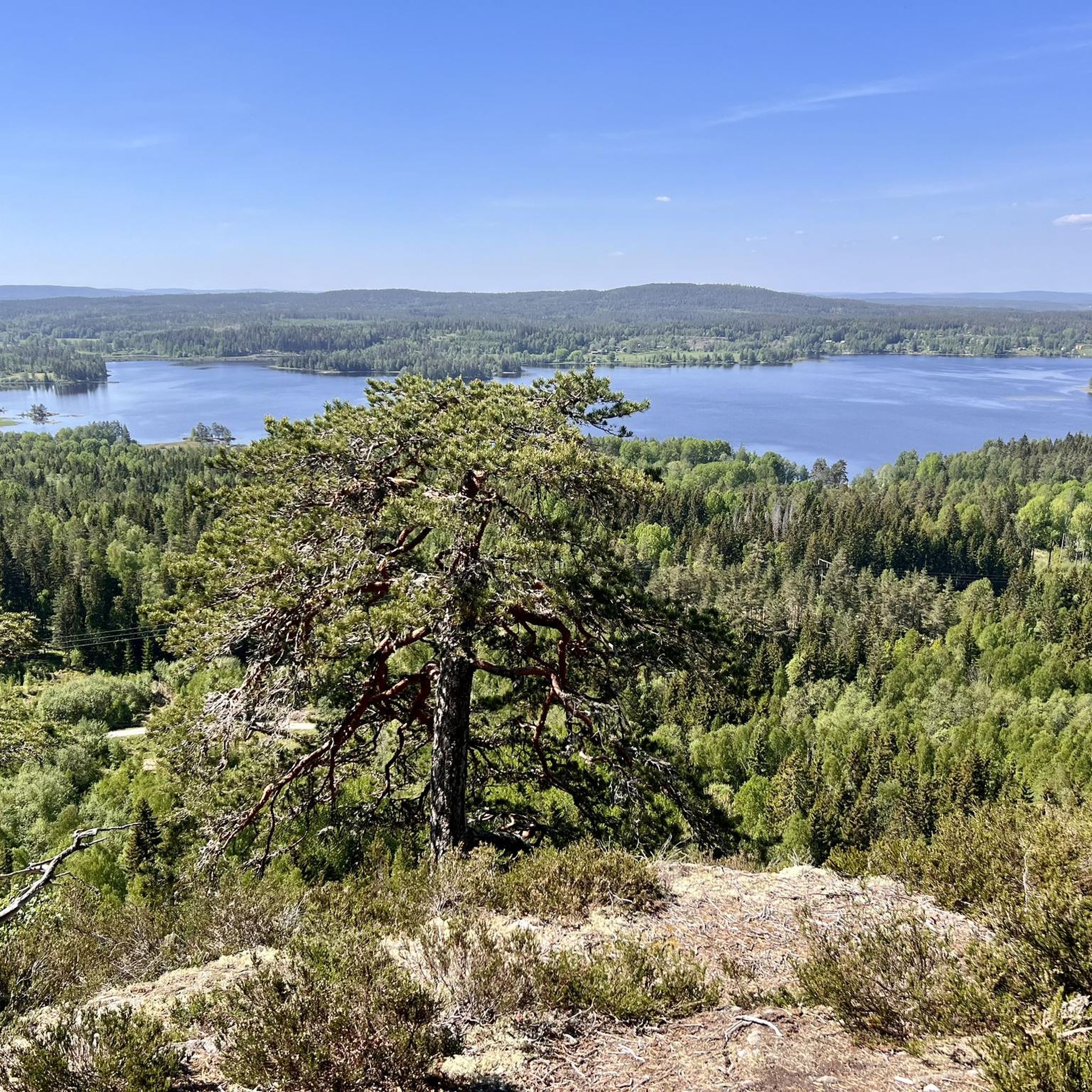
Ättestupa may literally mean something like "old man's fall". The sign explains this. Ättestupa is a tradition or legend that says that old people in Nordic antiquity would jump or be thrown to their deaths by making a steep leap. According to the myth, this happened when older people were no longer able to earn a living or contribute to the work on the farm. Many places in Sweden and the Nordic countries are said to have served as family graves, but it is no longer considered likely that they were actually used. The series "Norsemen" starts with an Ättestupa. Directly from Season 1 Episode 1 in the second minute.
0
1

The damp gorges are a favorite area for mosquitoes in early summer
5
0
What remains of the castle is the approximately 400 m long stone wall that can be traced in the ground vegetation around the mountain top. The castle was naturally delimited to the west and north by the steep mountain flank. At the time of use, the dam was probably reinforced with a palisade or other wooden structure. A total of four entrances to the castle have been found. Most of the old castles were probably built in the late Iron Age (400-1050 AD). They probably created places of refuge for the people of the area during troubled times. The old castles could also have served as sentinels at fords and waterways, or they could have been fortified settlements. The old castle on Lompberget is part of a series of old castles along the northern coast of Vänern. text from the shield
0
0

Frequently Asked Questions
What historical natural monuments can I explore around Kil?
Kil offers a rich blend of historical and natural sites. You can visit the Vegerbol Silver Mine, a significant 19th-century mining area for copper, silver, lead, and zinc. Another fascinating site is the Iron Age Burial Mounds, where you can walk around Lake Södra Hyn and discover ancient history. Don't miss the Ancient fortress on Lompberget, featuring a 400-meter long stone wall from the late Iron Age, or the intriguing Ättestupa Cliff, known for its ancient legends.
What kind of natural landscapes can I expect to see around Kil?
The region around Kil features diverse natural landscapes, including serene lake surroundings, dense forests, and unique geological formations. You can explore the damp gorges within the Apertin Ravines Nature Reserve or enjoy walks around Lake Södra Hyn near the Iron Age Burial Mounds.
Are there opportunities for hiking or walking near Kil's natural monuments?
Yes, there are several opportunities for walking. You can enjoy a lovely walk around Lake Södra Hyn, starting from the Iron Age Burial Mounds. The Apertin Ravines Nature Reserve also offers a natural environment for exploration with its forest trails. For more extensive hiking and cycling options, check out the nearby routes in the region.
What outdoor activities are available near the natural monuments around Kil?
Beyond exploring the natural monuments themselves, Kil offers various outdoor activities. You can find numerous routes for road cycling, general cycling, and challenging MTB trails. These routes often pass through scenic landscapes near the natural monuments, providing a great way to experience the region.
Are there any ancient legends associated with natural monuments in Kil?
Yes, the Ättestupa Cliff is particularly known for its ancient legend. 'Ättestupa' literally means 'old man's fall' and refers to a tradition or myth from Nordic antiquity where elderly people would supposedly jump or be thrown to their deaths when they could no longer contribute to society. While it's no longer considered likely that these sites were actually used for this purpose, the legend adds a unique historical layer to the viewpoint.
What should I know before visiting Apertin Ravines Nature Reserve?
The Apertin Ravines Nature Reserve features damp gorges and a natural forest environment. If you plan to visit in early summer, be aware that the damp gorges are a favorite area for mosquitoes. It's advisable to bring insect repellent during this season.
Are there good viewpoints to enjoy the scenery around Kil?
Yes, the Ättestupa Cliff offers scenic views, and the Ancient fortress on Lompberget also provides a viewpoint from its elevated position. These spots allow you to take in the surrounding natural beauty and historical landscapes.
Are the natural monuments around Kil suitable for families?
Many of the natural monuments offer opportunities for family-friendly outings. For instance, the walk around Lake Södra Hyn near the Iron Age Burial Mounds can be a pleasant activity for families. The Apertin Ravines Nature Reserve also provides a natural setting for exploration, though younger children might need supervision in the gorges.
What is the best time to visit the natural monuments around Kil?
The best time to visit largely depends on your preferred activities. Spring and autumn offer pleasant temperatures for hiking and exploring the historical sites without the peak summer heat. Early summer is beautiful for lush greenery but be prepared for mosquitoes in damp areas like the Apertin Ravines. Winter can offer a unique, serene experience, but some paths might be challenging due to snow or ice.
Are there any tips for finding the Iron Age Burial Mounds?
When visiting the Iron Age Burial Mounds, be aware that more mounds are located about 20 meters from the path on the slope northwest of Lake Södra Hyn. They can be easy to miss, so keep your eyes open while walking around the lake.
What kind of wildlife might I encounter near Kil's natural monuments?
Given the presence of forests, ravines, and lake areas, you might encounter various local wildlife. This could include birds, small mammals, and insects. Observing wildlife is often best done quietly and respectfully, especially in nature reserves like the Apertin Ravines.
Can I visit the natural monuments around Kil during winter?
Visiting during winter is possible and can offer a tranquil experience with snow-covered landscapes. However, be prepared for colder temperatures and potentially icy or snowy paths. Always check local conditions and dress appropriately with warm, waterproof clothing and sturdy footwear. Some areas might be less accessible depending on snow depth.
Most popular attractions around Kil

Get inspired with the komoot mobile app


Explore more
Extend your search for the best caves by checking out these guides of the top ones around Kil:
