Top 7 Natural Monuments around Orée-D'Anjou
Best natural monuments around Orée-D'Anjou showcase the region's varied natural features and historical interaction with the landscape. Located in western France, the area is defined by the wild Loire River, its distinctive "boires," and protected natural spaces. These sites offer opportunities to observe local flora and fauna, explore ancient geological formations, and appreciate the regional environment. The landscape provides a blend of riverine ecosystems, wooded areas, and historical sites integrated into nature.
Best natural monuments around Orée-D'Anjou
- The most popular…
Last updated: July 6, 2026
Les terrasses du midi
Highlight • Natural Monument
Translated by Google •
Tip by

Field of the Vendée Martyrs
Highlight • Monument
petit-patrimoine.com/fiche-petit-patrimoine.php?id_pp=49190_1
Better than a long speech, an extract from the book “Histoire de Vendée” by Deniau relates the tragic events of this place.
Translated by Google •
Tip by

Sign up now to discover places like this
Get recommendations on the best single tracks, peaks, & plenty of other exciting outdoor places.
Sign up for free
The Loire at Oudon
Highlight • River
Translated by Google •
Tip by

La Rougeaudrie
Highlight • River
At the side of the road, an oak tree of remarkable size, …
Translated by Google •
Tip by

Sainte-Catherine Pond
Highlight • Bridge
Translated by Google •
Tip by
Sign up for free to discover even more natural monuments around Orée-D'Anjou.
Sign up for free
Already have an account?
Start today with a free account
Your next adventure awaits.
Login or Signup
Popular around Orée-D'Anjou
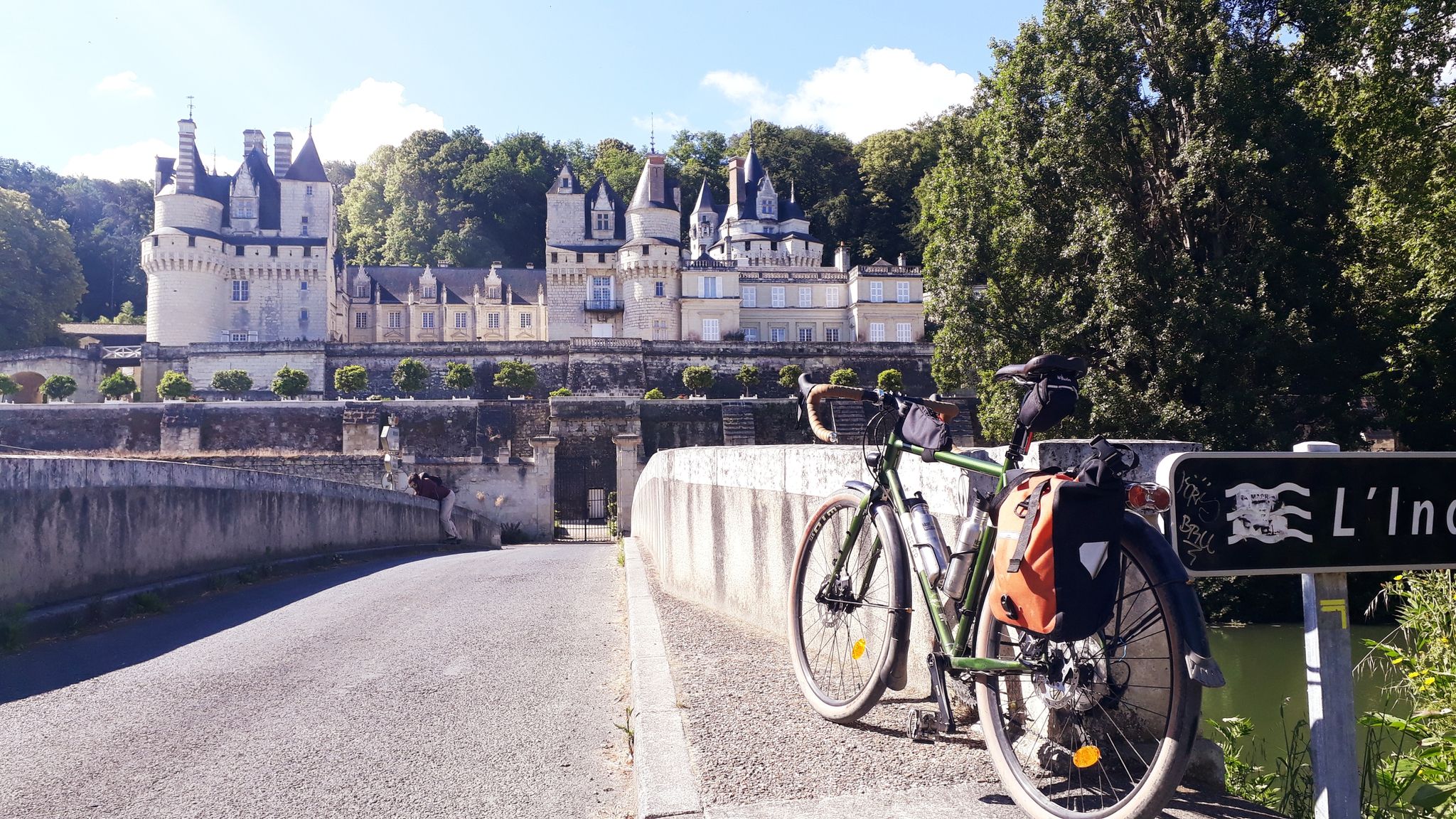
La Loire à vélo – Between nature and castles
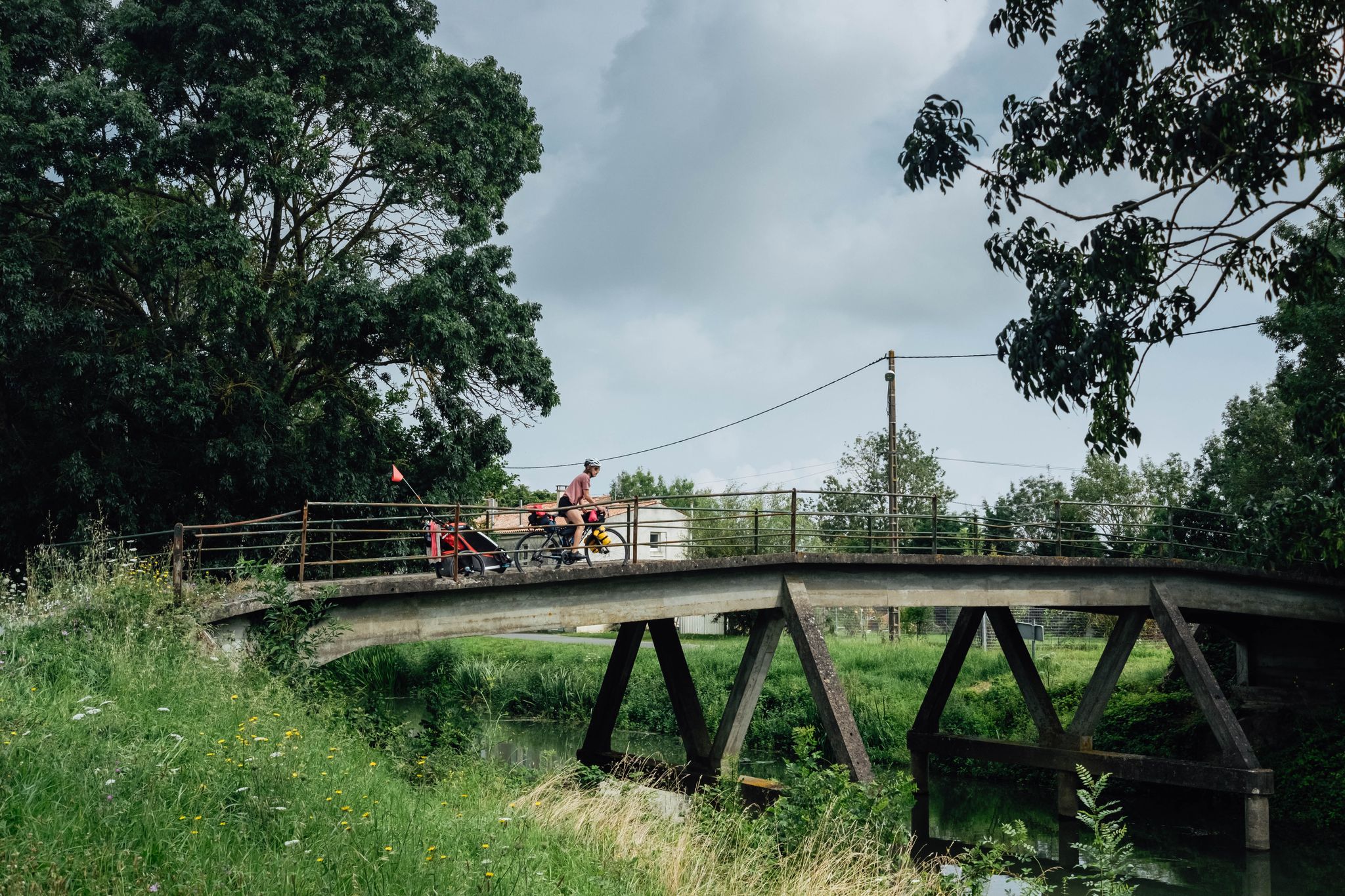
Our first family bike adventure in Western France
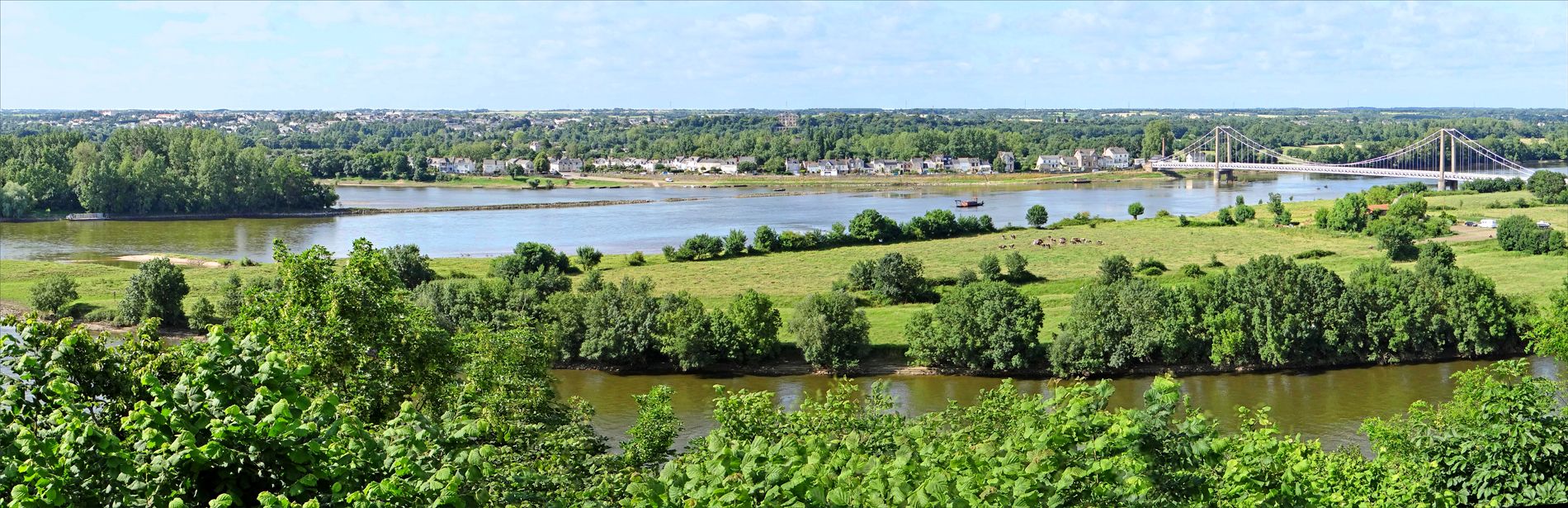
The Loire from ocean to source – GR 3 between Nantes and Angers
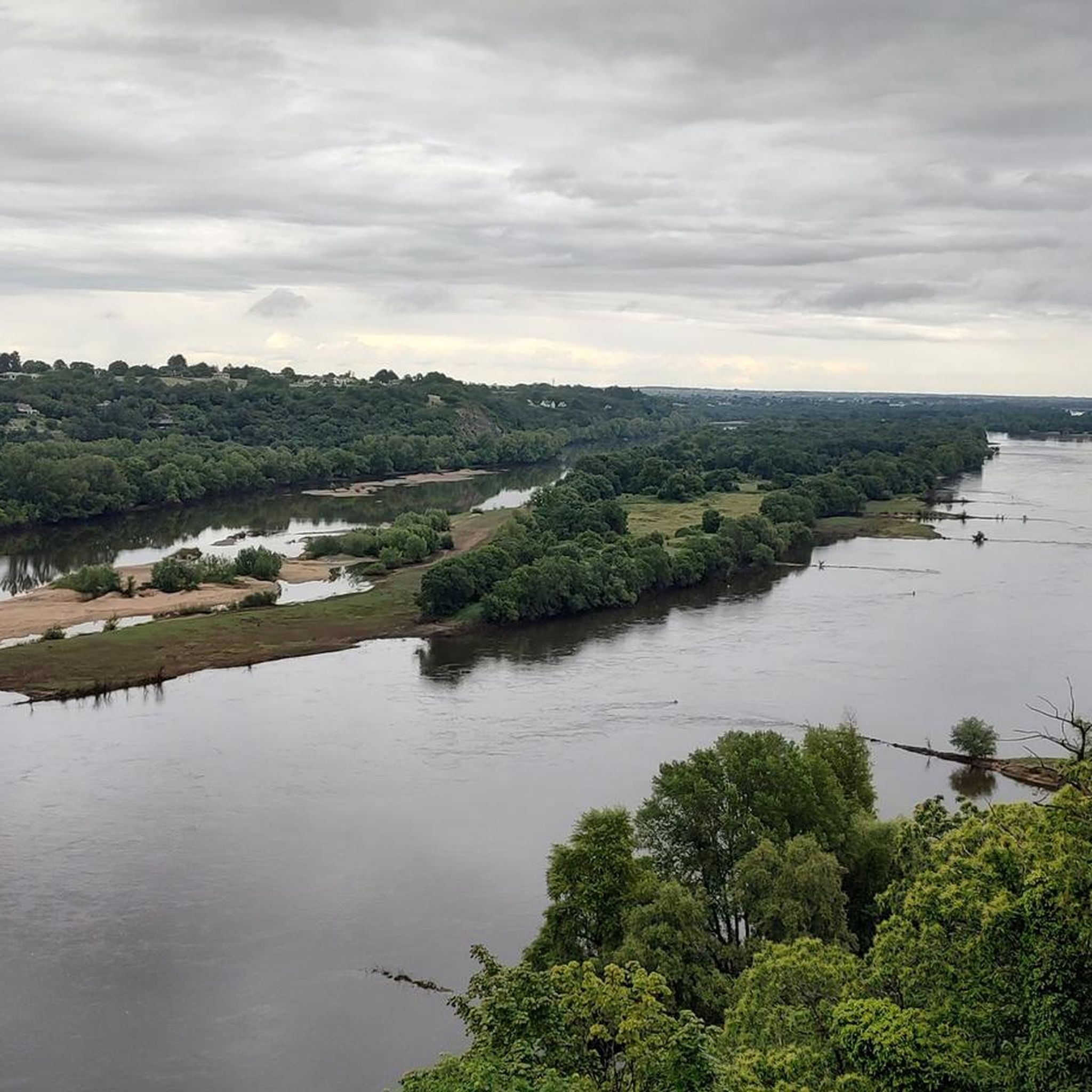
Hiking around Orée-D'Anjou
Cycling around Orée-D'Anjou
MTB Trails around Orée-D'Anjou
Running Trails around Orée-D'Anjou
Road Cycling Routes around Orée-D'Anjou

Gravel biking around Orée-D'Anjou


Tips from the Community

Archaeological site unearthed in 2020 by villagers who, while clearing a low wall, realized that they were on a vast terraced wall 60 meters long. These dry stone walls are spread out over a height of 40 meters on the hillside. The origin, probably Celtic, remains uncertain and the function very mysterious. Military? Agricultural? Religious? Druidic? A bit of everything at once? This complex is part of a very pleasant natural site on the banks of the Divatte River. Numerous picnic tables, toilets and drinking water.
1
0

https://fr.wikipedia.org/wiki/Fusillades_du_Marillais https://www.petit-patrimoine.com/fiche-petit-patrimoine.php?id_pp=49190_1 Better than a long speech, an extract from the book “Histoire de Vendée” by Deniau relates the tragic events of this place. “More than two thousand people were shot at Marillais from December 23-24, 1793 until April 8, 1794. There were first executed the men taken with weapons in their hands and who had not been able to follow the Vendée army in the spree of Galerne. Then the women and children, and finally everyone we could arrest. Searches were carried out in all neighboring parishes. The "patriots" of Saint Florent, especially animated by a sort of rage towards the unfortunate outlaws, not only pursued all those they could seize in the neighboring communes, but they also crossed the Loire... They paid emissaries to bring to Marillais all those who passed for "aristocrats" (generally small people) and each municipality gave them 25 pounds per person arrested. The victims were taken to this meadow at the foot of Mont-Glonne, where they were shot. In the midst of all these massacres, several good families from St-Florent dedicated themselves to saving some of these condemned men from death..." The monument is located near the Promenade Julien Gracq.
0
0

The Terrasses du Midi are ancient stone terraces that climb the hillside, facing south and offering a panoramic view of the valley. The origin and function of these terraces are still unknown, but some believe that they date back to Celtic times. You can explore the site and admire the handicraft work of the dry stone walls, as well as enjoy the natural environment of Perthuis Churin, a protected area with rich biodiversity. This is a great opportunity to discover a hidden gem of the Pays de la Loire region and immerse yourself in its history and culture.
4
0
Very pleasant natural site that is crossed by a very old stone bridge. There are toilets, a water point, games for children and many picnic tables. Nice place for a break.
3
0

I always ride south Loire in the morning because the bike path is not shaded. City of Oudon very nice. I often do this circuit always with a picnic break at the port of oudon.
2
0

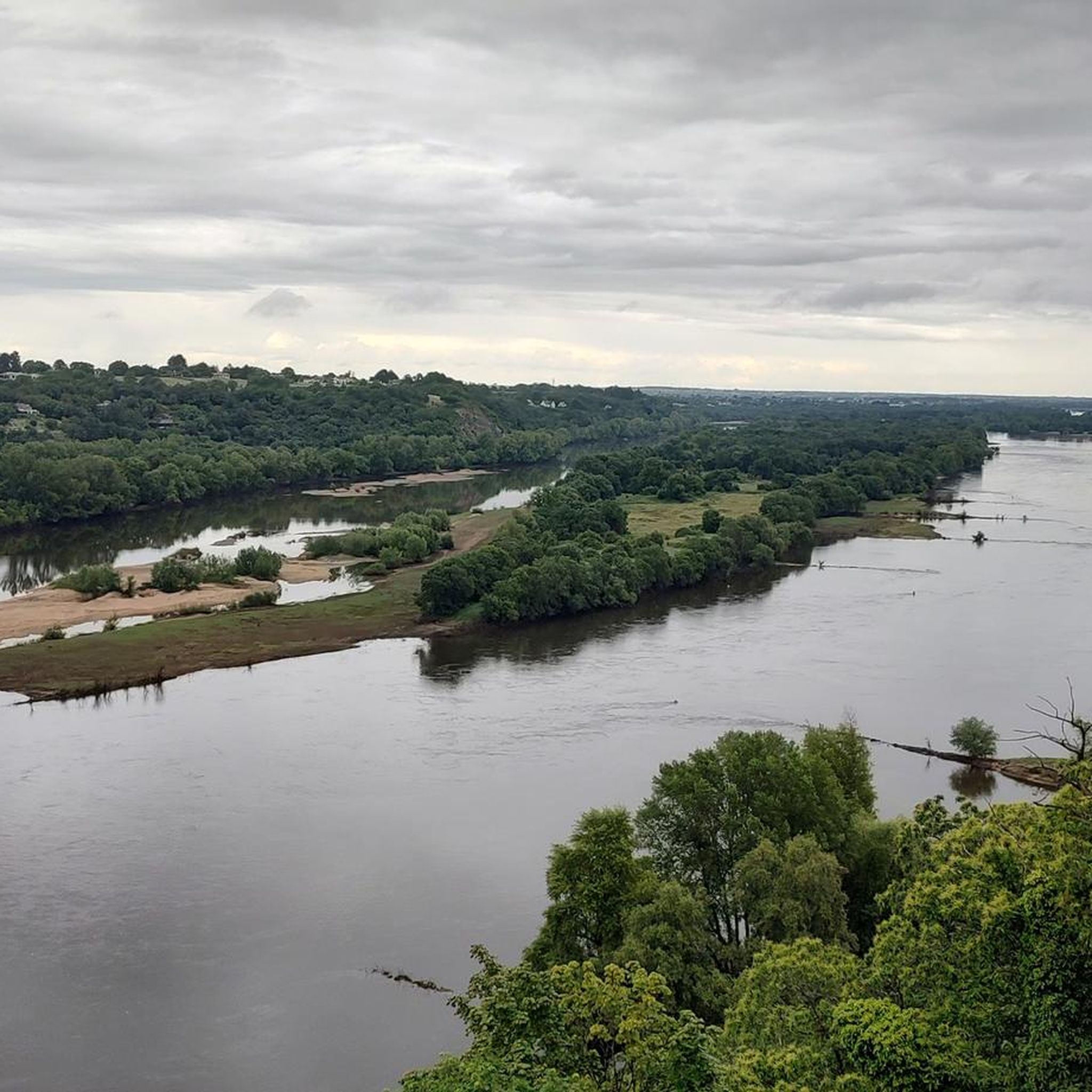
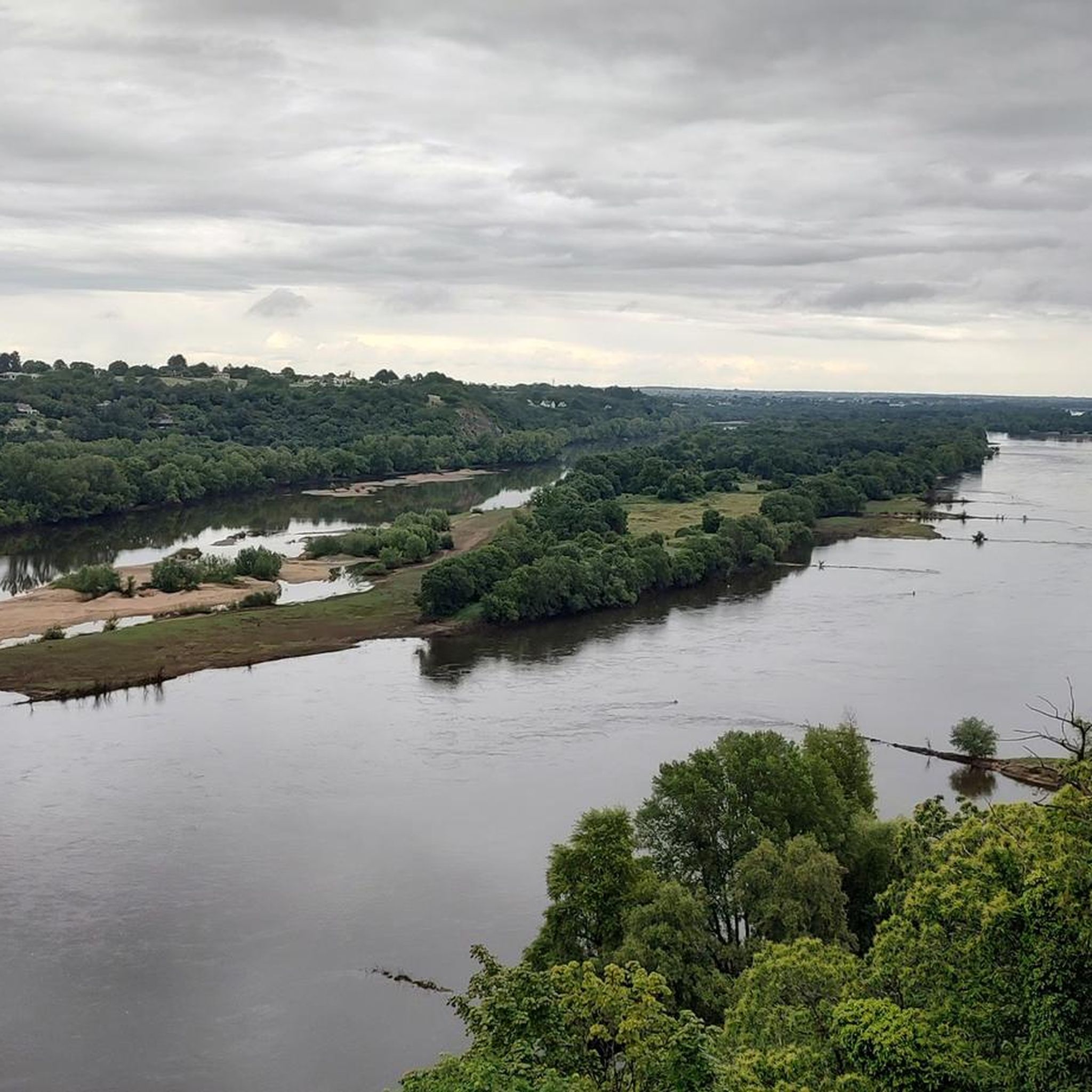
In the Loire there are many sandbanks which are inhabited by birds.
0
0
A sign indicates the level of the last major floods of the Loire and it is quite impressive. At the side of the road, an oak tree of remarkable size, for its (relatively) young age of 170 years. The silty floods benefited him well.
1
0
Frequently Asked Questions
What unique natural features can I explore in Orée-D'Anjou?
Orée-D'Anjou offers diverse natural features, including the wild Loire River with its unique 'boires' (side arms), and protected areas like the Espaces Naturels Sensibles (ENS). You can also discover ancient geological formations such as Les terrasses du midi, which feature dry stone walls believed to be of Celtic origin. The region is rich in riverine ecosystems and wooded landscapes.
Are there family-friendly natural monuments around Orée-D'Anjou?
Yes, several natural monuments are suitable for families. Sainte-Catherine Pond is a very pleasant natural site with an old stone bridge, toilets, a water point, games for children, and numerous picnic tables. Natural'Parc Orée d'Anjou is also an expansive, hilly, and wooded area with a natural stream, emphasizing biodiversity and animal discovery, making it ideal for families.
What cultural or historical sites are integrated with the natural landscape in Orée-D'Anjou?
The region beautifully blends history with nature. Les terrasses du midi are ancient stone terraces with a mysterious past, possibly Celtic, set within the protected natural environment of Perthuis Churin. While not strictly natural, the Field of the Vendée Martyrs is a significant historical site located in a natural meadow near the Promenade Julien Gracq, commemorating tragic events from the past.
What outdoor activities can I do near the natural monuments in Orée-D'Anjou?
The area around Orée-D'Anjou is excellent for various outdoor activities. You can enjoy hiking, gravel biking, and road cycling. For hiking, explore trails like the Coulée de la Divatte Trail or the Medieval Champtoceaux Trail. Cyclists can find routes along the Loire, such as those mentioned in the Gravel biking around Orée-D'Anjou or Road Cycling Routes around Orée-D'Anjou guides. For more hiking options, see the Hiking around Orée-D'Anjou guide.
Are there specific hiking trails recommended near these natural monuments?
Yes, there are several recommended hiking trails. You can explore the Coulée de la Divatte Trail, a moderate 8 km route, or the easier Medieval Champtoceaux Trail, which is about 3.6 km. Another option is the Champtoceaux Suspended Mill – View of the Loire loop, a moderate 7.9 km trail. These routes offer opportunities to experience the natural beauty and historical elements of the region. Find more details in the Hiking around Orée-D'Anjou guide.
What makes the Loire River a significant natural monument in Orée-D'Anjou?
The wild Loire River is a central natural feature, offering charming and soothing landscapes rich in flora and fauna. Its banks are ideal for strolls and photography. Unique to the area are the 'boires,' small side arms of the Loire that harbor rich biodiversity and offer scenic views. You can explore a section of the river at La Rougeaudrie, known for its scenic bike path and a remarkable 170-year-old oak tree.
Are there viewpoints offering panoramic views of the Loire Valley?
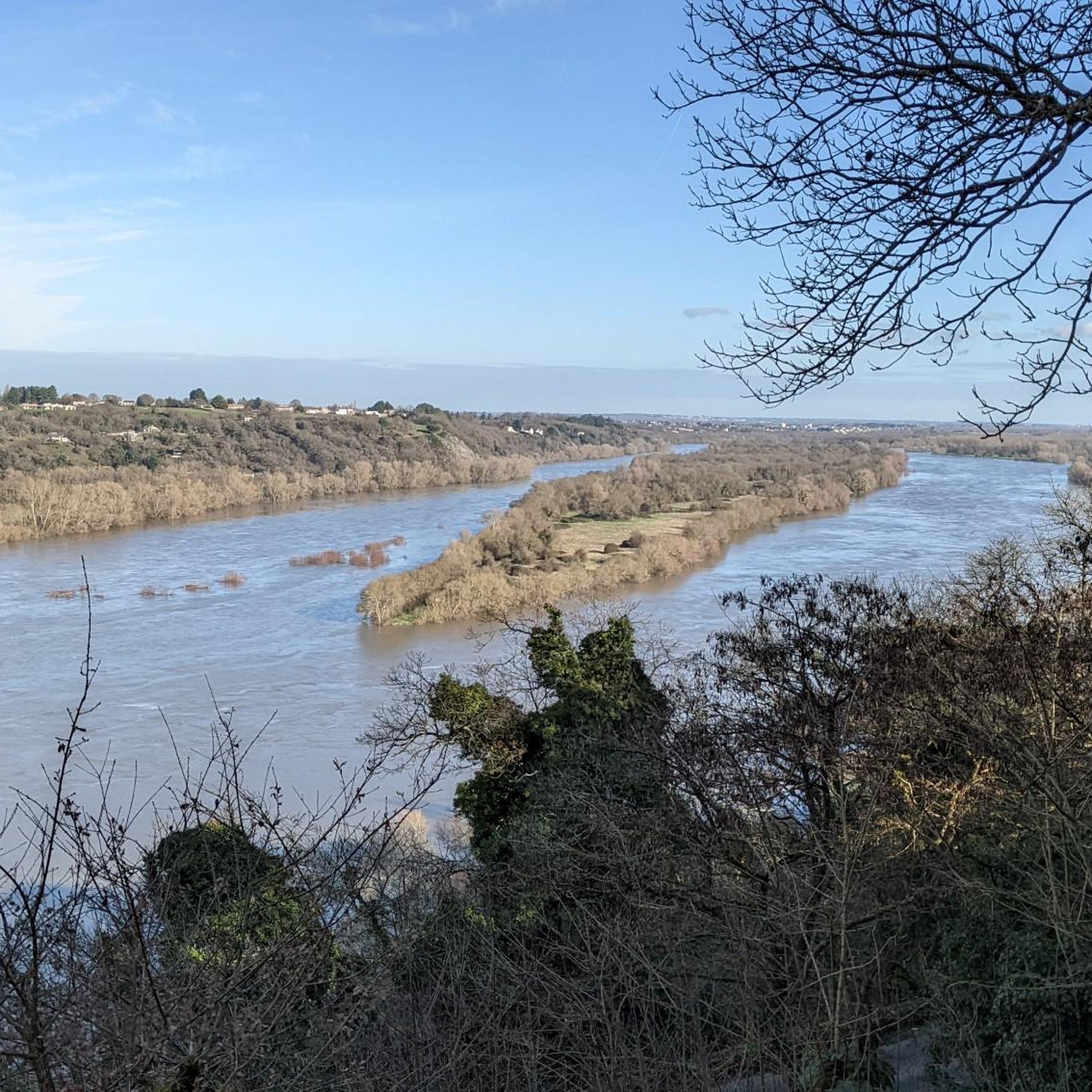
Absolutely. One of the most popular viewpoints is View of the Loire, which offers a magnificent panoramic perspective of the river and the Loire Valley from 70 meters above the water. To reach it, you typically enter the park behind the church in Champtoceaux and walk to the promontory.
What are the 'boires' of the Loire River and where can I explore them?
The 'boires' are a poetic term for the small, natural side arms of the Loire River. They are significant for their rich biodiversity and offer picturesque views. A short, family-friendly walk of about 2.5 km (around an hour) allows exploration of the Nigaudière and Rompure boires, as well as the surrounding meadows, providing a glimpse into the Loire's hidden facets.
Are there places to picnic or relax amidst nature in Orée-D'Anjou?
Yes, there are several excellent spots for relaxation and picnics. Natural'Parc Orée d'Anjou features numerous benches and picnic tables amidst its calm and green setting. Additionally, Sainte-Catherine Pond offers a very pleasant natural site with picnic tables, toilets, and a water point, making it a great place for a break.
What is the best time to visit the natural monuments in Orée-D'Anjou?
The natural monuments in Orée-D'Anjou are generally enjoyable throughout the year, but spring and autumn offer particularly pleasant conditions for outdoor activities with milder temperatures and beautiful seasonal colors. Summer is also popular, especially for river-based activities, though it can be warmer. Winter provides a different, quieter charm, but some facilities might have reduced hours.
Are dogs allowed on trails near the natural monuments in Orée-D'Anjou?
While specific regulations can vary by site, many natural areas and trails in France, including those around Orée-D'Anjou, generally permit dogs, often on a leash. It's always best to check local signage at the entrance of specific parks or protected areas like the Espaces Naturels Sensibles for any particular restrictions regarding pets.
Where can I find parking near the natural monuments in Orée-D'Anjou?
Parking is typically available near popular natural sites and trailheads. For example, areas like Sainte-Catherine Pond and Natural'Parc Orée d'Anjou are known to have facilities including parking. When visiting specific highlights or starting points for trails, look for designated parking areas nearby.
Most popular routes around Orée-D'Anjou
Most popular attractions around Orée-D'Anjou

Get inspired with the komoot mobile app


Explore more
Extend your search for the best caves by checking out these guides of the top ones around Orée-D'Anjou:
