Top 12 Natural Monuments around Solaure-En-Diois
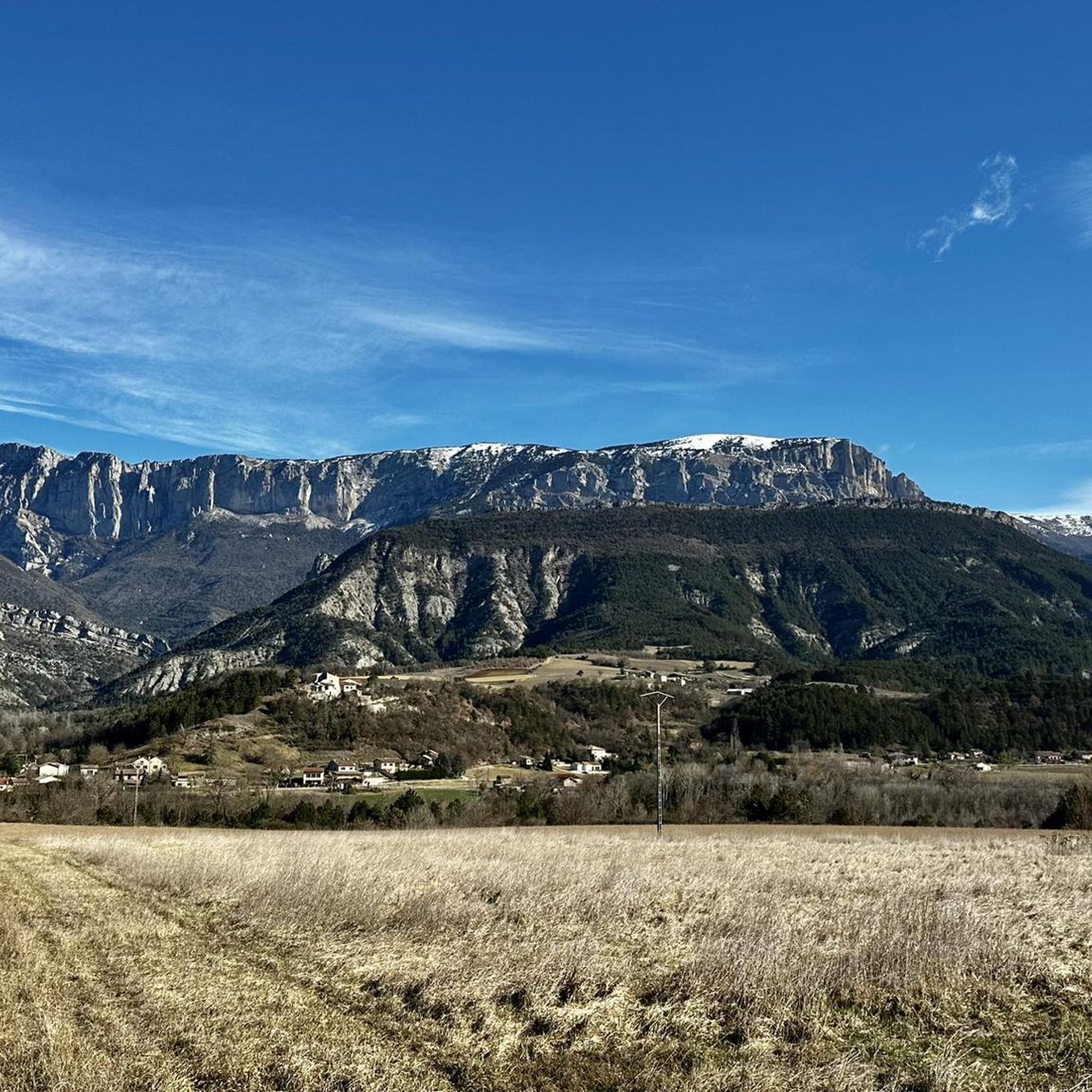
Best natural monuments around Solaure-En-Diois are found within the naturally rich Diois region, serving as a base for exploring diverse natural attractions. This area is situated between the Vercors Regional Natural Park and the Baronnies Provençales Regional Natural Park. The landscape features limestone formations, river valleys, and mountain cirques, providing varied natural environments.
Best natural monuments around Solaure-En-Diois
- The most popular natural monuments is Pié Ferré (Le Dôme) – 2,041 m, a summit that offers an exceptional 360 panorama…
Last updated: July 6, 2026
Pié Ferré (Le Dôme) – 2,041 m
Highlight • Summit
Translated by Google •
Tip by

Gorges des Gâts
Highlight (Segment) • Gorge
Translated by Google •
Tip by

Sign up now to discover places like this
Get recommendations on the best single tracks, peaks, & plenty of other exciting outdoor places.
Sign up for free
Baume Rousse Spring
Highlight • Natural Monument
Translated by Google •
Tip by

Archiane Cirque
Highlight • Natural Monument
It is protected by the status of biological reserve which makes it a wild natural …
Translated by Google •
Tip by

Arrival at Dia via the mountain trail
Highlight (Segment) • Natural Monument
Translated by Google •
Tip by
Sign up for free to discover even more natural monuments around Solaure-En-Diois.
Sign up for free
Already have an account?
Start today with a free account
Your next adventure awaits.
Login or Signup
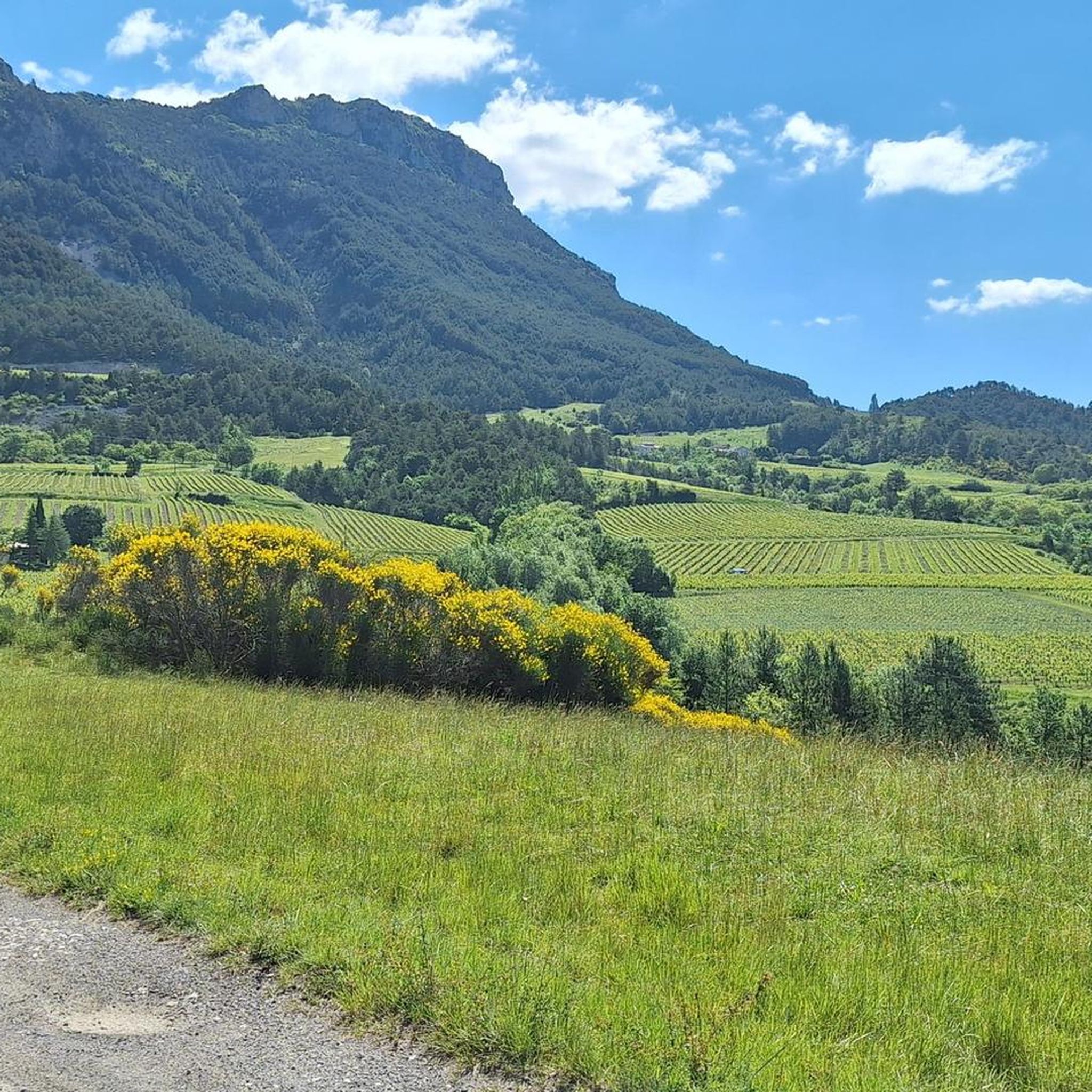
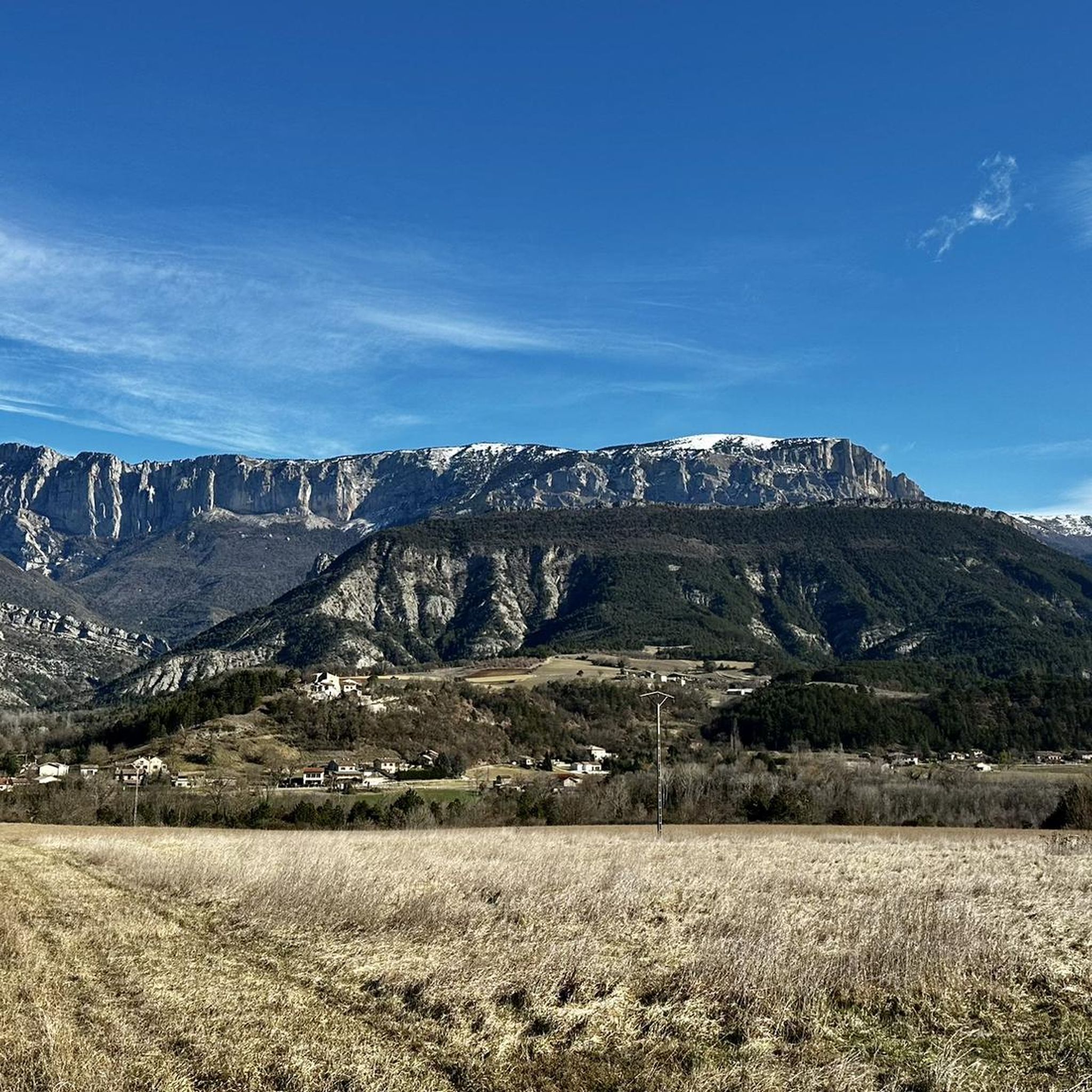
Tips from the Community

At the end of this little path you will find this spring! (Be careful, it is not drinkable so don't count on it for hiking/trail running) otherwise beautiful viewpoint and beautiful story 👌
0
0
Very pretty viewpoint, very rolling, and you will surely be lucky enough to see some marmots and chamois! Quite a few passages under the trees, possibility to do it even if it's hot! 👌
0
0
Very pretty, not technical trail for a hike, however plan to do the route in the opposite direction (start with the small climb) if you want a more rolling trail route. Very beautiful landscapes (no dangerous areas / climbing and as a bonus the possibility of seeing animals!
0
0
Water source with sometimes low or even non-existent flow in summer, make sure you have something to filter it if necessary
0
0
Fountain: 1L in less than 5 minutes
0
0
panoramic view, Vercors (Mt Aiguille/ Grand Veymont)/ Écrins / Dévoluy (Obiou)
0
0

The access to this source is quite impressive. A small hatch has been fitted and provides access to the source which has a low flow and does not always seem supplied.
0
0
The Pié Ferré (2,041 m) which is also called Dôme offers an exceptional 360 panorama! To the south, the Trois Becs, to the north the Mont Aiguille and the Grand Veymont!
1
0
Frequently Asked Questions
What are some of the most popular natural monuments to visit around Solaure-En-Diois?
The region offers diverse natural monuments. Highly rated spots include Pié Ferré (Le Dôme) – 2,041 m, a summit providing an exceptional 360-degree panorama of the Diois valley. Another must-see is Gorges des Gâts, known for its steep canyons and a road passing through tunnels. The Archiane Cirque is also very popular for its wild natural beauty and wildlife observation opportunities.
What kind of natural features can I expect to see in the Solaure-En-Diois area?
The Solaure-En-Diois area, nestled within the larger Diois region, boasts a rich variety of natural features. You'll find dramatic limestone formations, including cliffs and karst landscapes, especially within the nearby Vercors Regional Natural Park. There are also deep river valleys, such as those carved by the Drôme river, and impressive mountain cirques like the Archiane Cirque and Vallon de la Jarjatte, featuring rock pinnacles and pine forests.
Are there family-friendly natural monuments or activities around Solaure-En-Diois?
Yes, several natural sites are suitable for families. The Archiane Cirque offers opportunities for wildlife observation, including vultures, which can be exciting for children. The path leading to the Arrival at Dia via the mountain trail is also noted as being suitable for kids aged 4 and 6, offering splendid views of the Dioise countryside.
What is the best time of year to visit the natural monuments in Solaure-En-Diois?
The best time to visit is generally from spring to autumn (April to October) when the weather is mild and most trails are accessible. Spring brings lush greenery and blooming flora, while summer is ideal for outdoor activities. Autumn offers beautiful fall colors and pleasant temperatures for hiking. Winter access to some higher-altitude natural monuments, like Pié Ferré, might be restricted due to snow and ice.
Can I observe wildlife at the natural monuments in this region?
Absolutely. The region is rich in wildlife, particularly in protected areas like the Vercors Regional Natural Park and the Archiane Cirque. You might spot high mountain fauna such as ibex and chamois, especially in the cirque where they were reintroduced. The area is also famous for its reintroduced vultures, which can often be seen soaring with impressive three-meter wingspans. The Drôme river, known as the last wild river in the Alps, is home to beavers.
Are there any hidden gem natural monuments or less-known spots worth exploring?
While not widely publicized, the Baume Rousse Spring offers a unique experience. Located at the foot of a cliff in a rock shelter, its access is quite impressive. Another less-known but scenic spot is the Crêtes de Solaure (Solaure Ridges), which offers beautiful views from the top of its cliffs via an easy and wild loop trail.
What outdoor activities can I do near the natural monuments around Solaure-En-Diois?
The region is excellent for various outdoor activities. You can enjoy road cycling on routes like the "Col de Grimone (1318 m) – Gorges des Gats loop" or gravel biking on trails such as "Die – Justin's Cross loop." There are also general cycling routes like the "Châtillon-en-Diois – Col de Grimone (1318 m) loop." For more details on these activities, you can explore the dedicated guides for Road Cycling, Gravel Biking, and Cycling around Solaure-En-Diois.
Are there opportunities for wild swimming near the natural monuments?
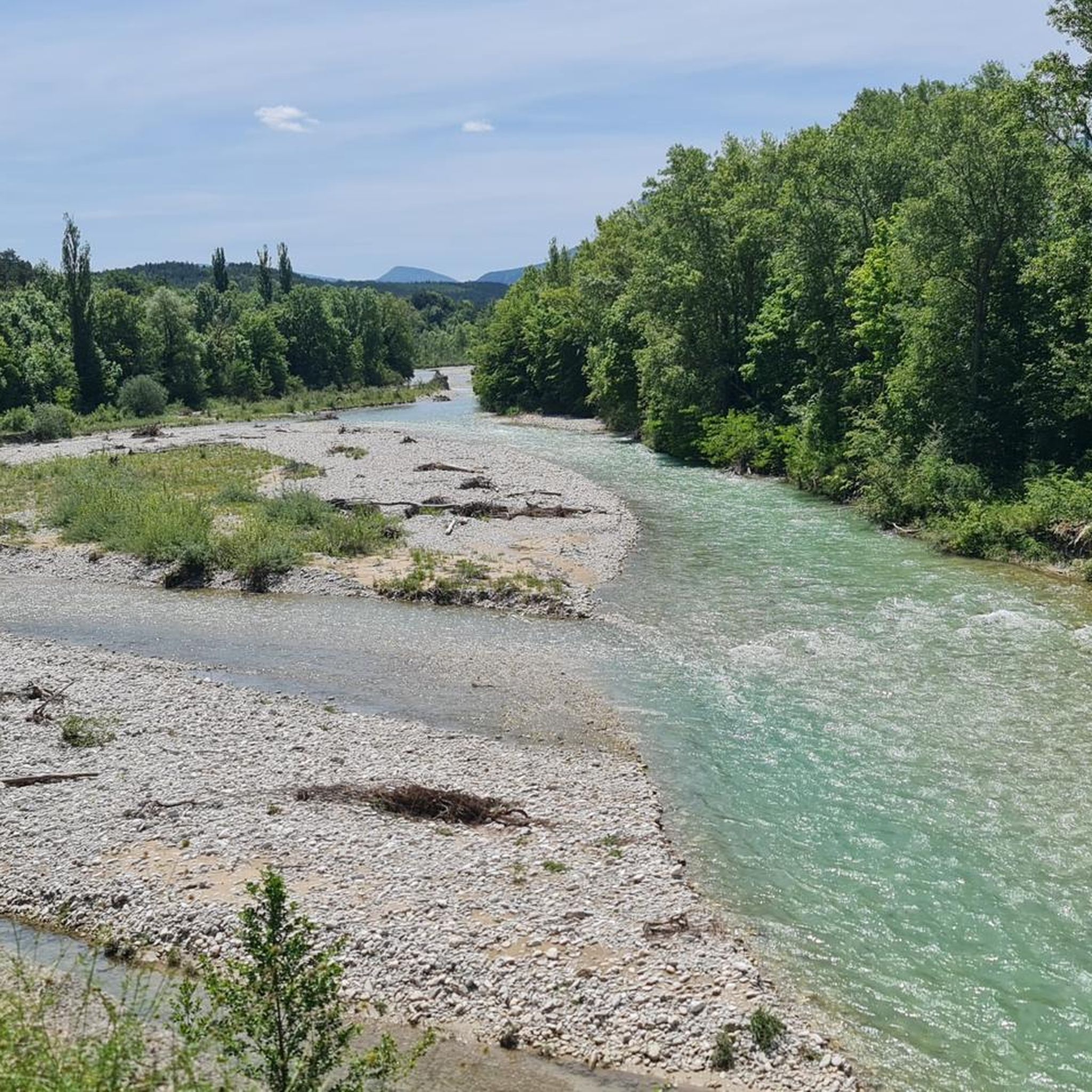
The Drôme river, known as the last wild river in the Alps, flows freely without dams or artificial barriers. Its clear waters offer potential spots for wild swimming, particularly in areas where the current is gentle and access is safe. While specific wild swimming spots are not detailed, exploring the riverbanks could lead to suitable locations.
What should I wear when visiting the natural monuments in Solaure-En-Diois?
Given the varied terrain, including mountains, gorges, and trails, it's advisable to wear comfortable, sturdy hiking shoes or boots. Layers of clothing are recommended as temperatures can change, especially at higher altitudes or during different times of the day. Sun protection (hat, sunscreen) is also important, as is carrying enough water, particularly for longer excursions.
Are there any natural monuments that are particularly easy to access or suitable for shorter visits?
The Arrival at Dia via the mountain trail is a relatively easy and short path that offers splendid views without requiring extensive hiking. The Crêtes de Solaure also provides an easy and wild loop with scenic vistas. For a scenic drive, the Gorges des Gâts can be experienced from the road, offering magnificent landscapes from your vehicle.
What makes the Drôme river special in this region?
The Drôme river is particularly special because it is recognized as the last wild river in the Alps. This means it flows freely without any dams or artificial barriers, maintaining its natural course and ecological balance. Its clear waters are home to diverse wildlife, including beavers, and it forms a vital natural spine through the Pays Diois, offering pristine natural environments.
What geological formations are prominent in the Solaure-En-Diois area?
The region is characterized by dramatic limestone formations. These include towering cliffs, impressive boulders, and extensive karst landscapes, especially evident in the Vercors Regional Natural Park. The Archiane Cirque is a prime example of a stunning limestone citadel, showcasing the unique geological heritage of the area.
Most popular routes around Solaure-En-Diois
Most popular attractions around Solaure-En-Diois

Get inspired with the komoot mobile app


Explore more
Extend your search for the best caves by checking out these guides of the top ones around Solaure-En-Diois:
