Top 5 Natural Monuments around Carsac-Aillac
Natural monuments around Carsac-Aillac are defined by the picturesque Dordogne region, featuring a landscape shaped by the Dordogne River. The area offers a combination of dramatic river bends, cliffside villages, and unique water gardens. These natural features provide opportunities for exploring diverse environments and appreciating geological formations and notable natural landmarks.
Best natural monuments around Carsac-Aillac
- The most popular natural monuments is La Roque-Gageac, a settlement located at the foot of a towering cliff in a loop of the…
Last updated: July 6, 2026
La Roque-Gageac
Highlight • Settlement
Translated by Google •
Tip by

Sainte-Marie Fountain of Sarlat
Highlight • Natural Monument
Translated by Google •
Tip by

Sign up now to discover places like this
Get recommendations on the best single tracks, peaks, & plenty of other exciting outdoor places.
Sign up for free
Marqueyssac Gardens
Highlight • Historical Site
Translated by Google •
Tip by

Castelnaud Caves and Climbing Site
Highlight • Cave
Translated by Google •
Tip by

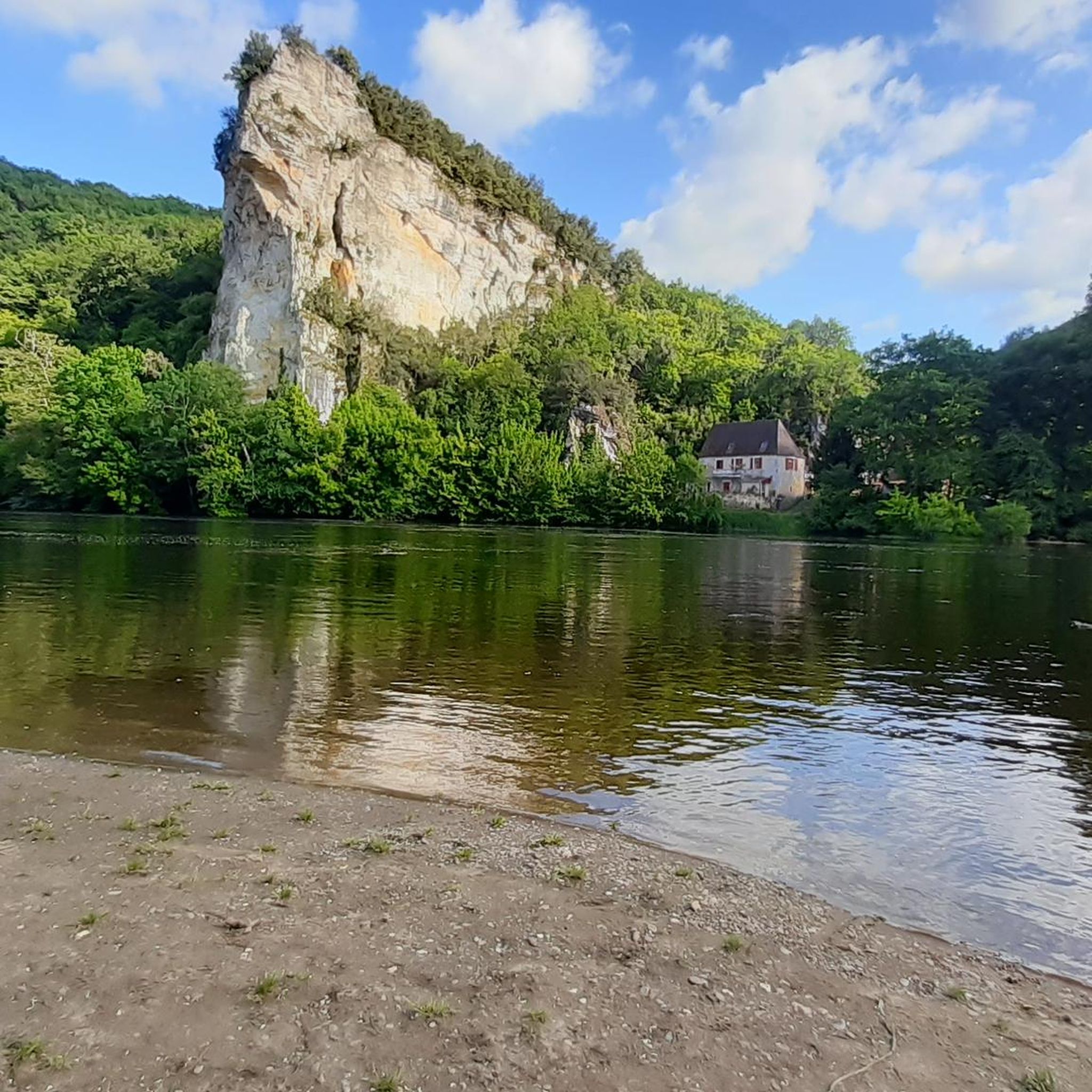
Cliffs and Beach in Vitrac on the Dordogne River
Highlight • Beach
Translated by Google •
Tip by

Sign up for free to discover even more natural monuments around Carsac-Aillac.
Sign up for free
Already have an account?
Start today with a free account
Your next adventure awaits.
Login or Signup

Tips from the Community


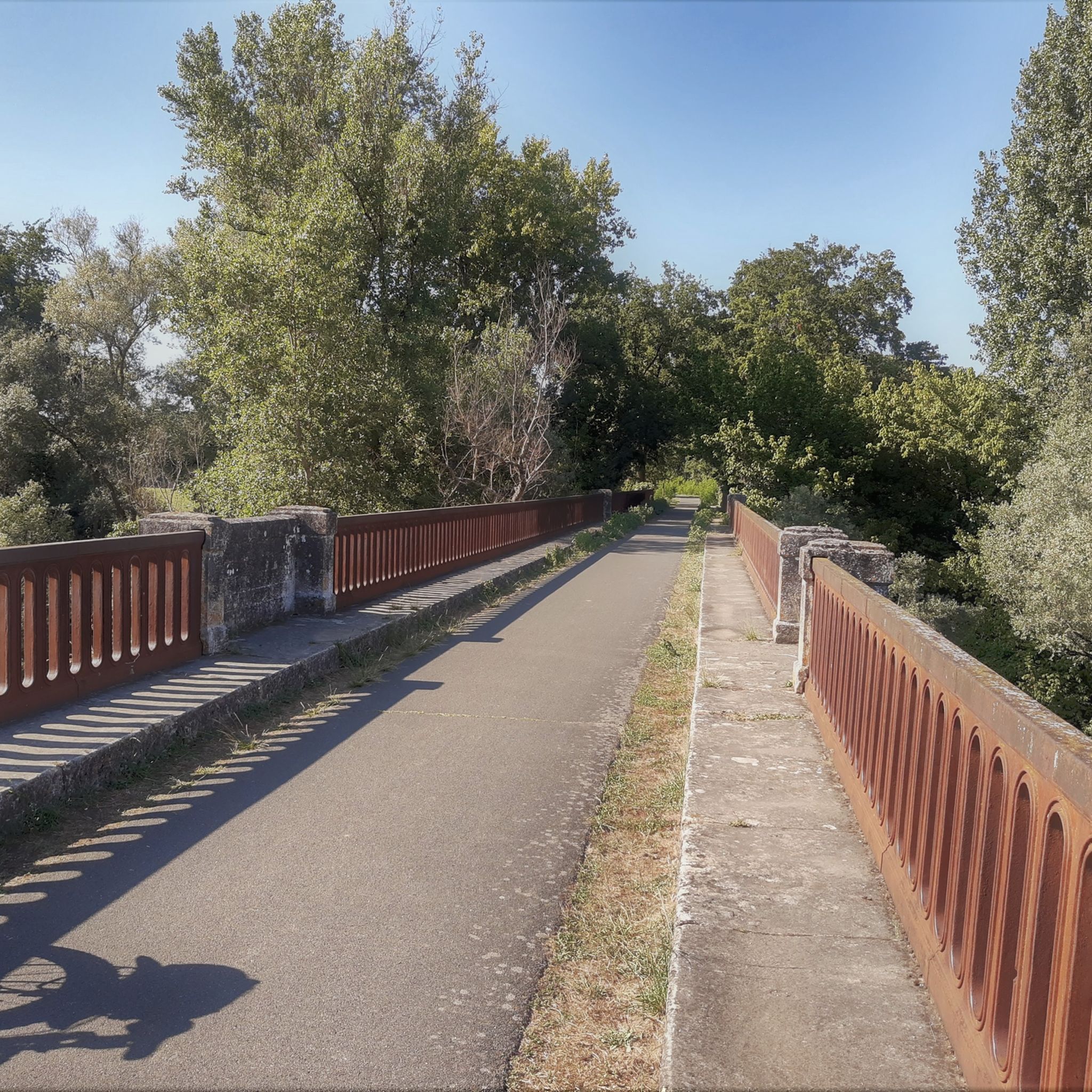
Great bike parking and also somewhere to leave bags though we didn’t need to. Restaurant and crepes cafe. Ice cream stand!
0
0

Near Castelnaud, the place invites you to take a journey through the rock by exploring the different caves that line the path. Climbing enthusiasts can also indulge in their passion.
1
0

The Sainte-Marie fountain in Sarlat is a natural resurgence which supplied the entire secular part of the city in the Middle Ages. Located rue des Consuls, a few steps from the famous geese of the sculptor Francois-Xavier Lalanne, this fountain was for a long time the city's drinking water point. However, its proximity to the stables and the streets where residents dumped their waste, urine and excrement led to serious water pollution and typhoid epidemics until the 20th century.
1
0

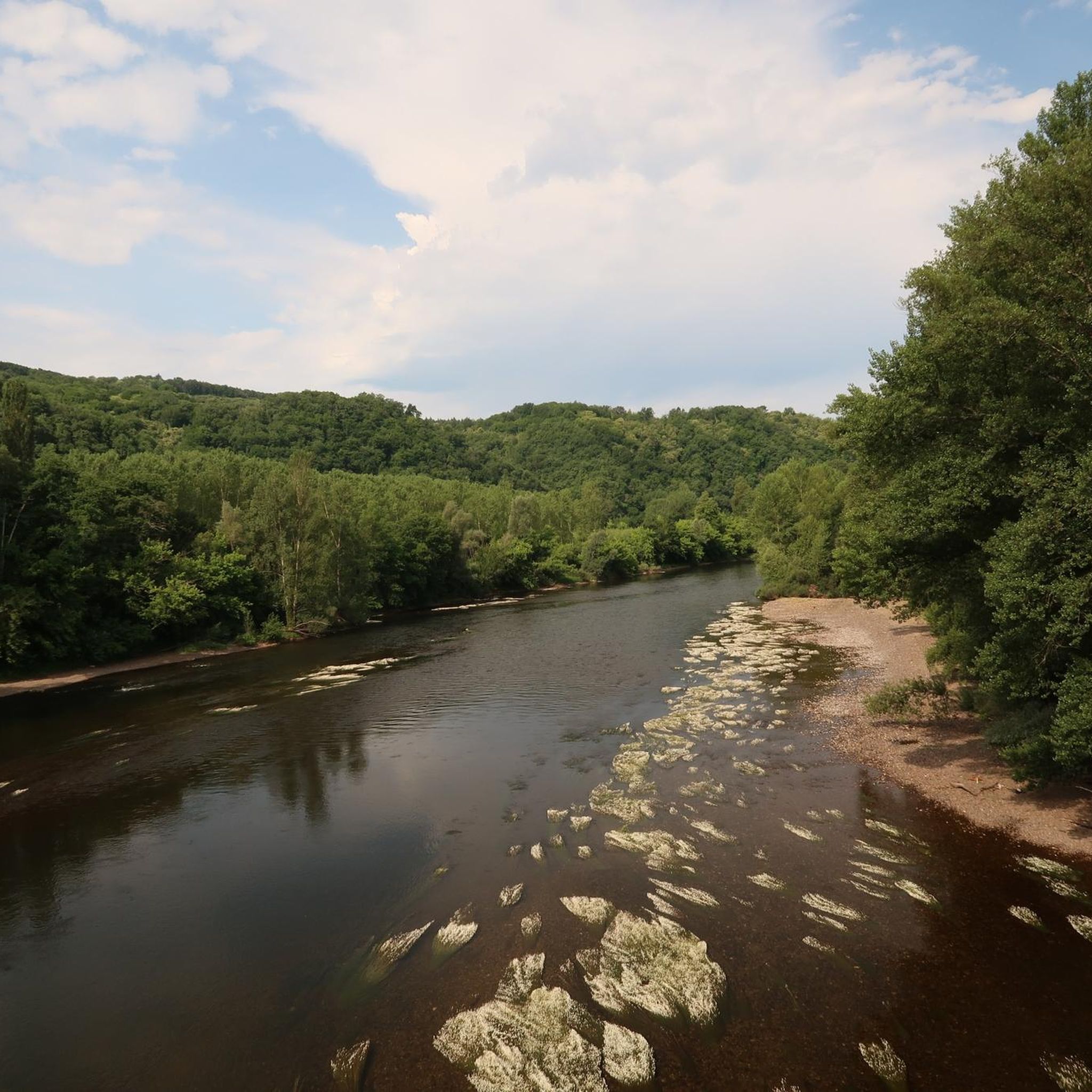
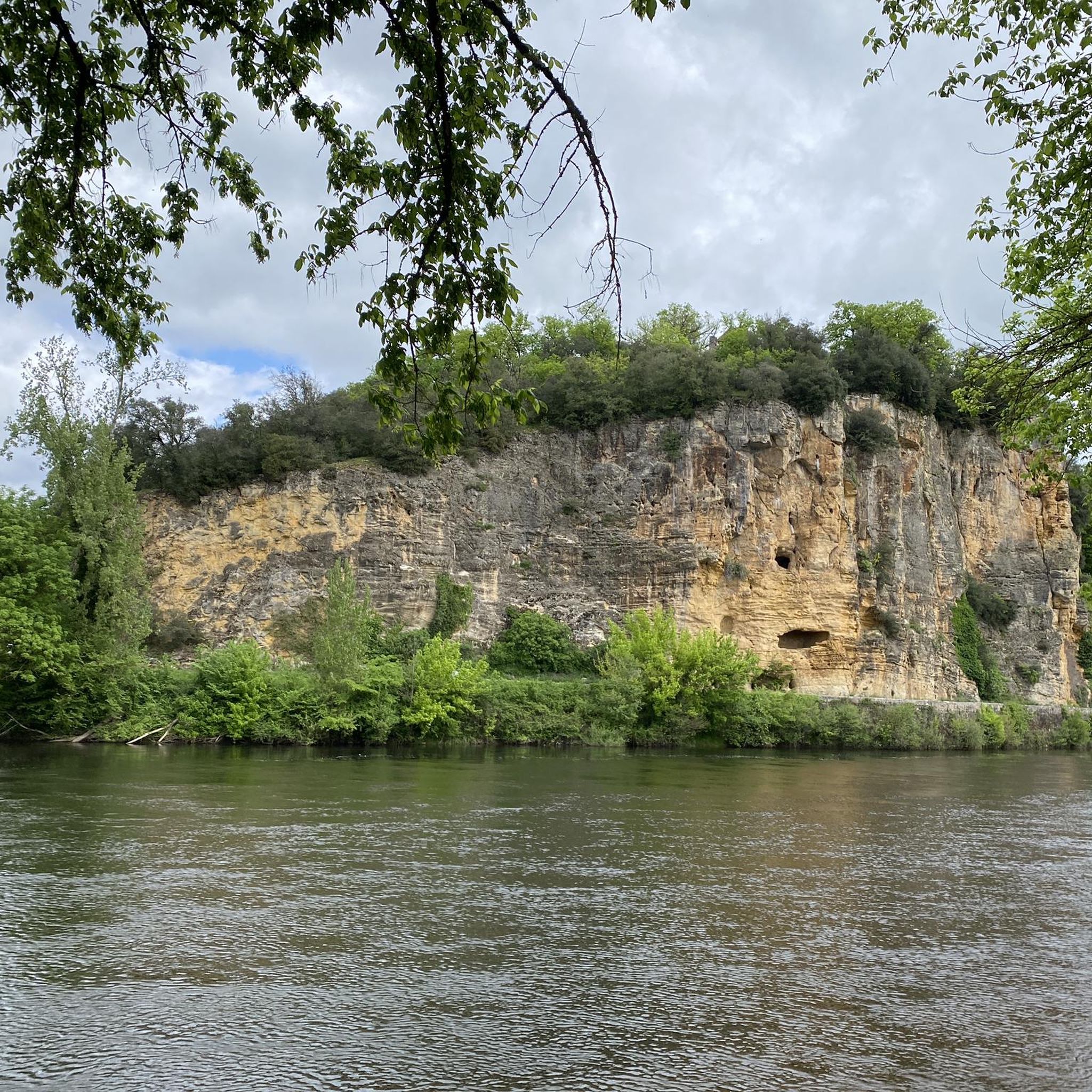
Nice place below a steep wall and right on the Dordogne.
4
0
Beautiful, small place right on the Dordogne with some small shops and restaurants. Many canoeists pass here and enjoy the view of the picturesque place on the rock face.
3
0

From La Roque-Gageac, you can take the famous barges, these boats that were once used to transport wood. You can also take a walk in this pretty village on the edge of the Dordogne, stroll through its charming streets and finish with a visit to the castle.
1
0

Absolutely worth seeing city, built into the rock, here you can make boat trips as well as rent canoes.
2
0
Frequently Asked Questions
What are some unique natural features to explore around Carsac-Aillac?
The region offers a variety of distinctive natural features. You can visit Castelnaud Caves and Climbing Site, which invites exploration through its various cave systems. Another remarkable site is Les Jardins d'eau de Carsac-Aillac, known for its aquatic labyrinth and extensive collection of waterlilies and lotus flowers. The dramatic Cingle de Montfort also presents a spectacular natural bend in the Dordogne River, forming an almost closed loop surrounded by steep cliffs.
Are there family-friendly natural monuments in the Carsac-Aillac area?
Yes, several natural monuments are great for families. Les Jardins d'eau de Carsac-Aillac offers an interactive experience with its aquatic labyrinth and a tactile koi carp pond where children can feed the fish. The village of La Roque-Gageac, nestled at the foot of a cliff, is also considered family-friendly, offering boat trips on the Dordogne. Additionally, the Gardens of Manoir d'Eyrignac provide a beautiful setting for a family stroll.
Where can I find panoramic views of the Dordogne landscape?
For breathtaking vistas, the View of La Roque-Gageac and the Dordogne cliffs offers scenic perspectives of the village built into the rock and the river valley. The Cingle de Montfort also provides stunning panoramic views of the Dordogne Valley and the river from its accessible viewpoint, often including the Château de Montfort perched above.
What kind of outdoor activities can I do near these natural monuments?
The area around Carsac-Aillac is ideal for various outdoor activities. You can explore numerous hiking trails, such as the 'Boucle de Montfort' near the Cingle de Montfort, or routes like 'Carsac-Aillac along the Dordogne'. Cycling is also popular, with options like the 'Sarlat and Carlux Greenway Loop'. For mountain biking enthusiasts, trails like 'La Roque-Gageac – Beach on the Dordogne loop' are available. You can find more details on these activities in the hiking guide, cycling guide, and MTB guide for Carsac-Aillac.
Are there specific hiking trails near the natural monuments?
Yes, there are several hiking opportunities. Near the Cingle de Montfort, the 'Boucle de Montfort' trail allows you to explore the natural surroundings and different perspectives of the river bend and the château. Other popular routes include 'Carsac-Aillac along the Dordogne' and 'The Water Gardens – Aillac Church loop'. You can discover more hiking options in the hiking guide for Carsac-Aillac.
What is the best time to visit the natural monuments around Carsac-Aillac?
The period from May to October is generally ideal for visiting, especially for sites like Les Jardins d'eau de Carsac-Aillac, when the aquatic plants are in full bloom and the weather is pleasant for outdoor exploration. The region's almost Mediterranean climate makes it enjoyable for most of the year, but these months offer the most vibrant natural displays.
What do visitors enjoy most about the natural monuments in this region?
Visitors frequently appreciate the unique geological formations, such as the dramatic river bends and cliffside settings. The lush vegetation and blooming aquatic flowers, particularly at Les Jardins d'eau, are often highlighted. Many also enjoy the peaceful and immersive experiences, the opportunities for photography, and the chance to observe local wildlife like frogs and dragonflies. The blend of natural beauty with historical elements, like villages built into cliffs, also receives high praise.
Are there any historical natural monuments in the area?
Yes, the Sainte-Marie Fountain of Sarlat is a natural resurgence that historically supplied water to the city in the Middle Ages. While primarily a natural feature, its long-standing role in the city's history gives it significant historical context.
Can I find circular walks that include natural monuments?
Yes, the region offers several circular routes. For instance, the 'Montfort Castle – Sarlat Voie Verte Cycle Path loop' is a moderate hike that can incorporate views of the Cingle de Montfort. Another option is 'The Water Gardens – Aillac Church loop', which allows you to experience the beauty of Les Jardins d'eau. More circular routes can be found in the hiking guide for Carsac-Aillac.
What kind of wildlife can I expect to see near the Dordogne River?
The Dordogne River, recognized by UNESCO for its outstanding natural heritage, is home to diverse and well-preserved habitats. You might spot European sturgeon, salmon, and otters in the river basin. Around the water gardens and other aquatic areas, frogs and dragonflies are commonly observed, adding to the natural charm of the region.
Are there any natural monuments that are considered 'hidden gems'?
While many sites are well-known, the Cingle de Montfort, with its dramatic river bend and stunning panoramic views, offers a truly unique geological formation that feels like a discovery. Its contrasting landscape, where the river forms an almost closed loop, provides a sense of an 'island' within the river, making it a captivating and perhaps less-traveled natural wonder compared to some other attractions.
Most popular routes around Carsac-Aillac
Most popular attractions around Carsac-Aillac

Get inspired with the komoot mobile app


Explore more
Extend your search for the best caves by checking out these guides of the top ones around Carsac-Aillac:
