Top 3 Natural Monuments around Saint-Hostien
Best natural monuments around Saint-Hostien are found within the volcanic Velay region of France, characterized by its unique geological history. This area features landscapes shaped by ancient volcanic activity, including basalt formations and dramatic viewpoints. The terrain offers diverse environments, from forests to meadows, providing opportunities for outdoor exploration.
Best natural monuments around Saint-Hostien
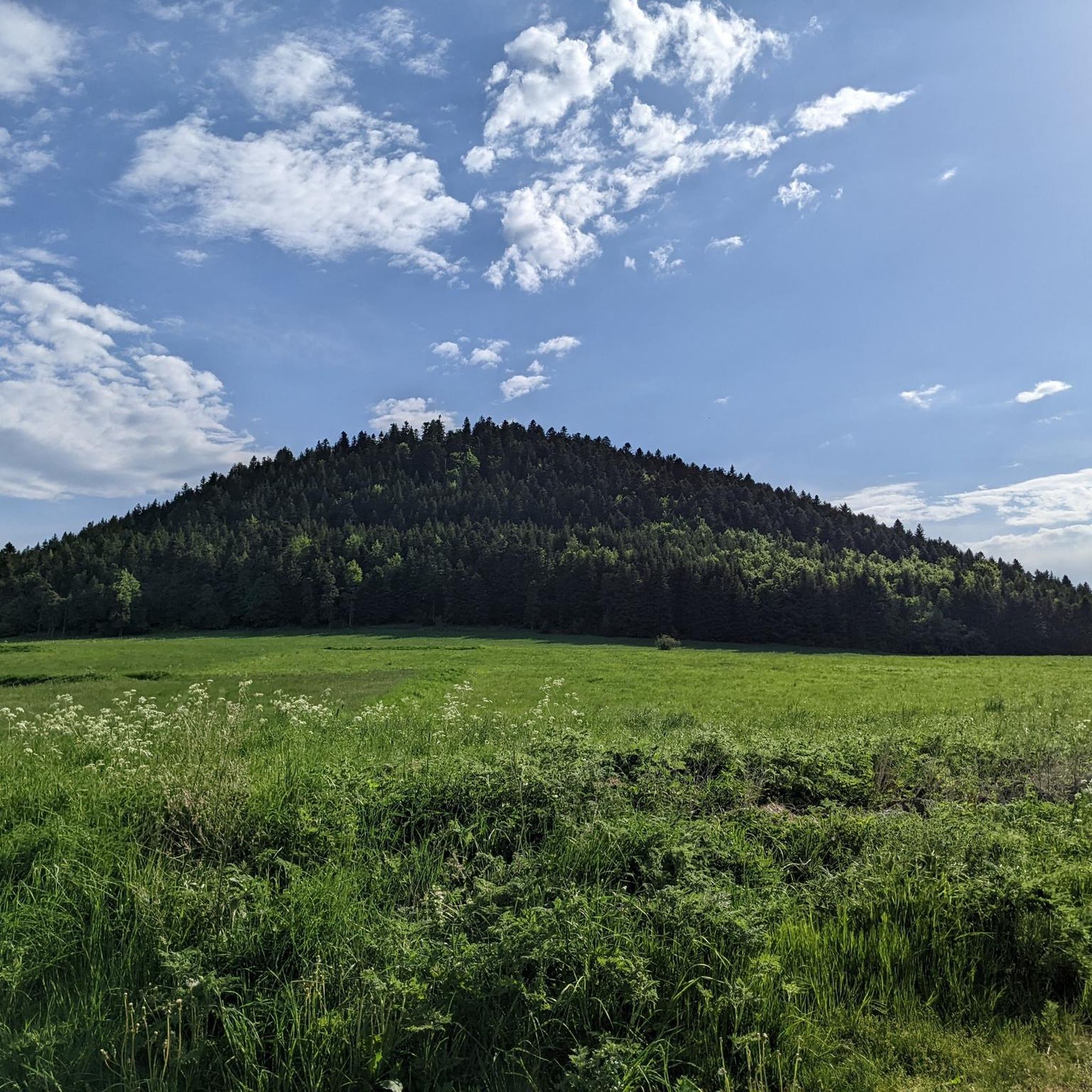
- The most popular natural monuments is Suc de Chapteuil, an enormous organ rock that represents an ancient volcanic chimney. It offers panoramic views from its…
Last updated: July 6, 2026
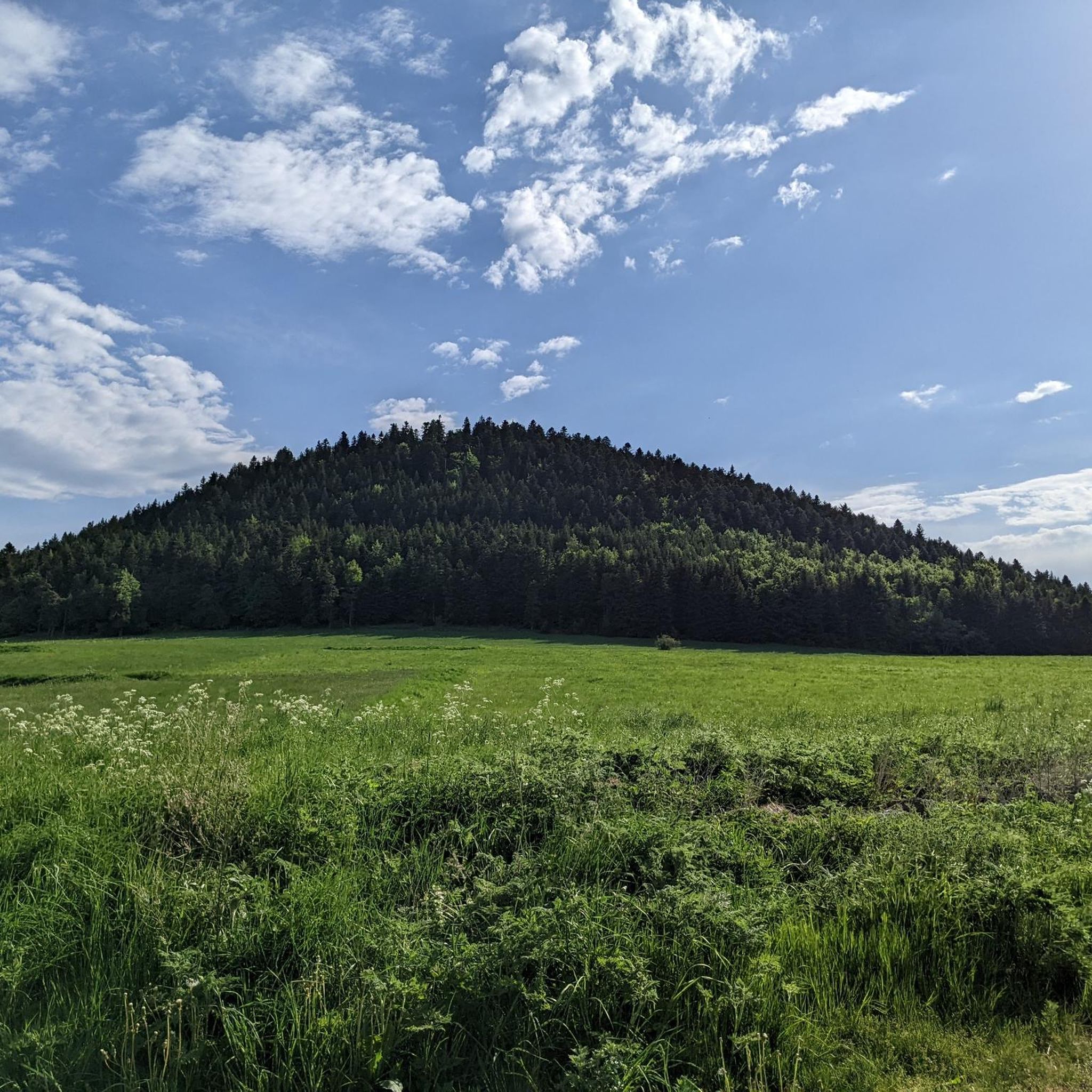
Suc de Chapteuil
Highlight • Natural Monument
Translated by Google •
Tip by

Montjoie Viewpoint
Highlight • Viewpoint
Translated by Google •
Tip by

Sign up now to discover places like this
Get recommendations on the best single tracks, peaks, & plenty of other exciting outdoor places.
Sign up for free
View of the Corboeuf Ravine
Highlight • Canyon
Translated by Google •
Tip by

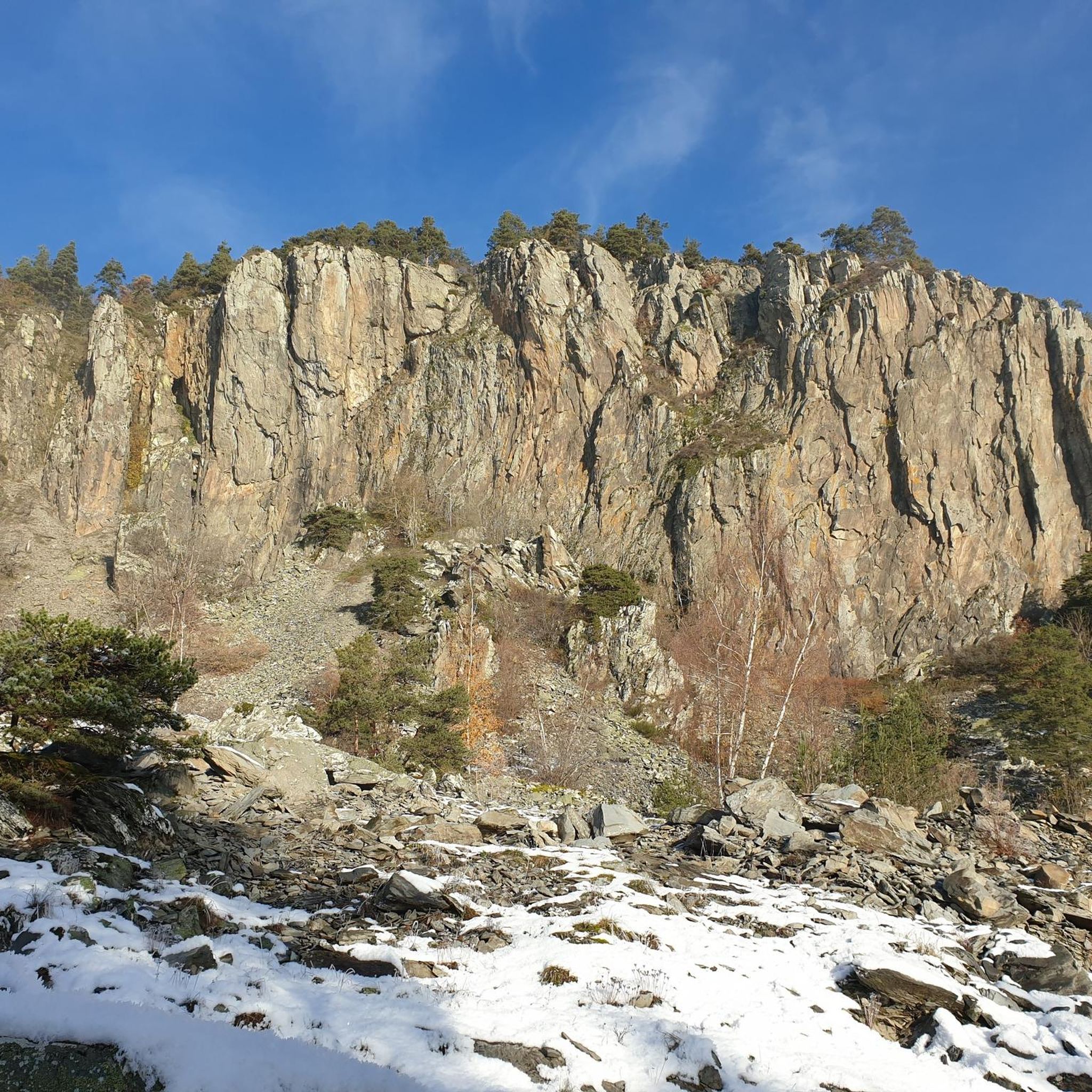
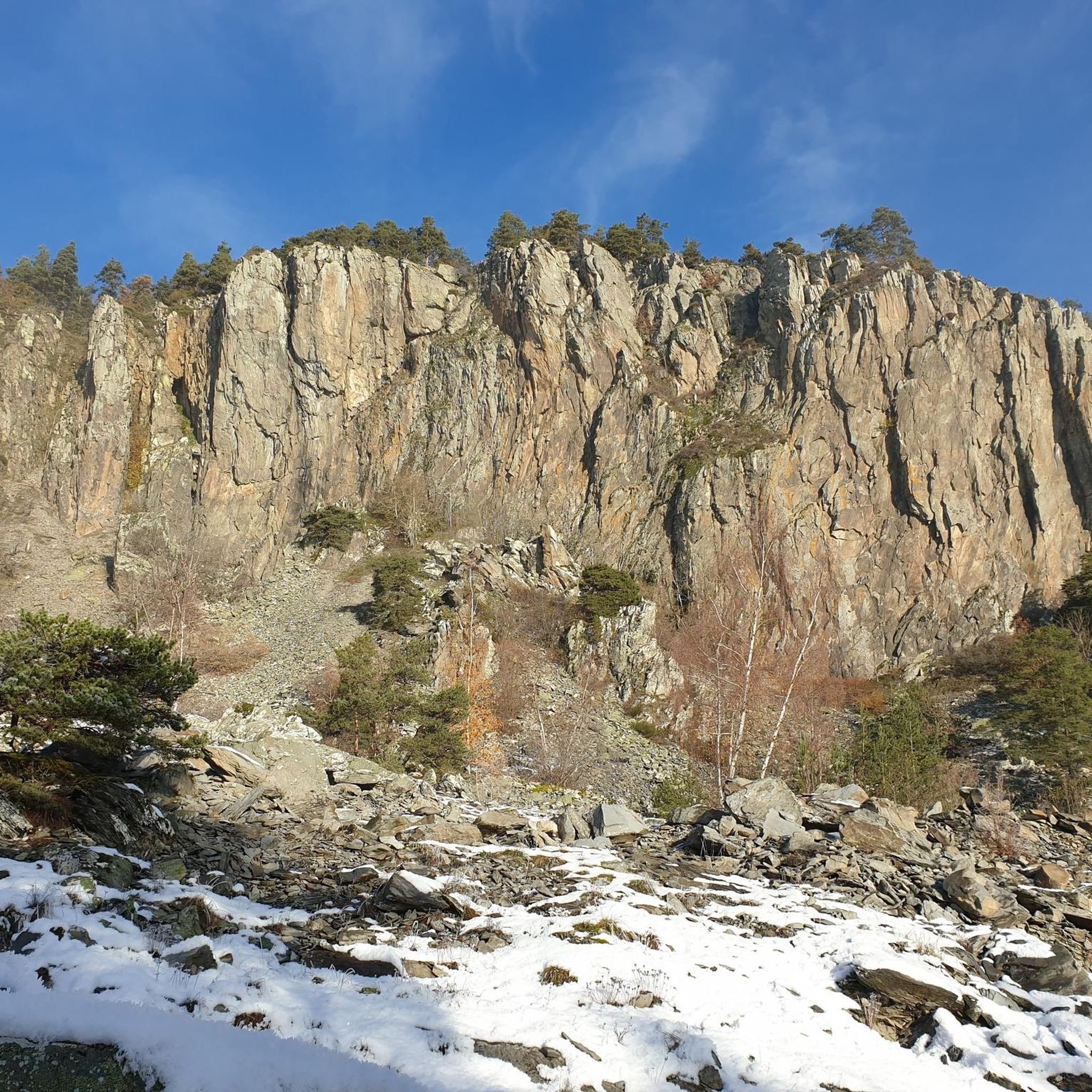
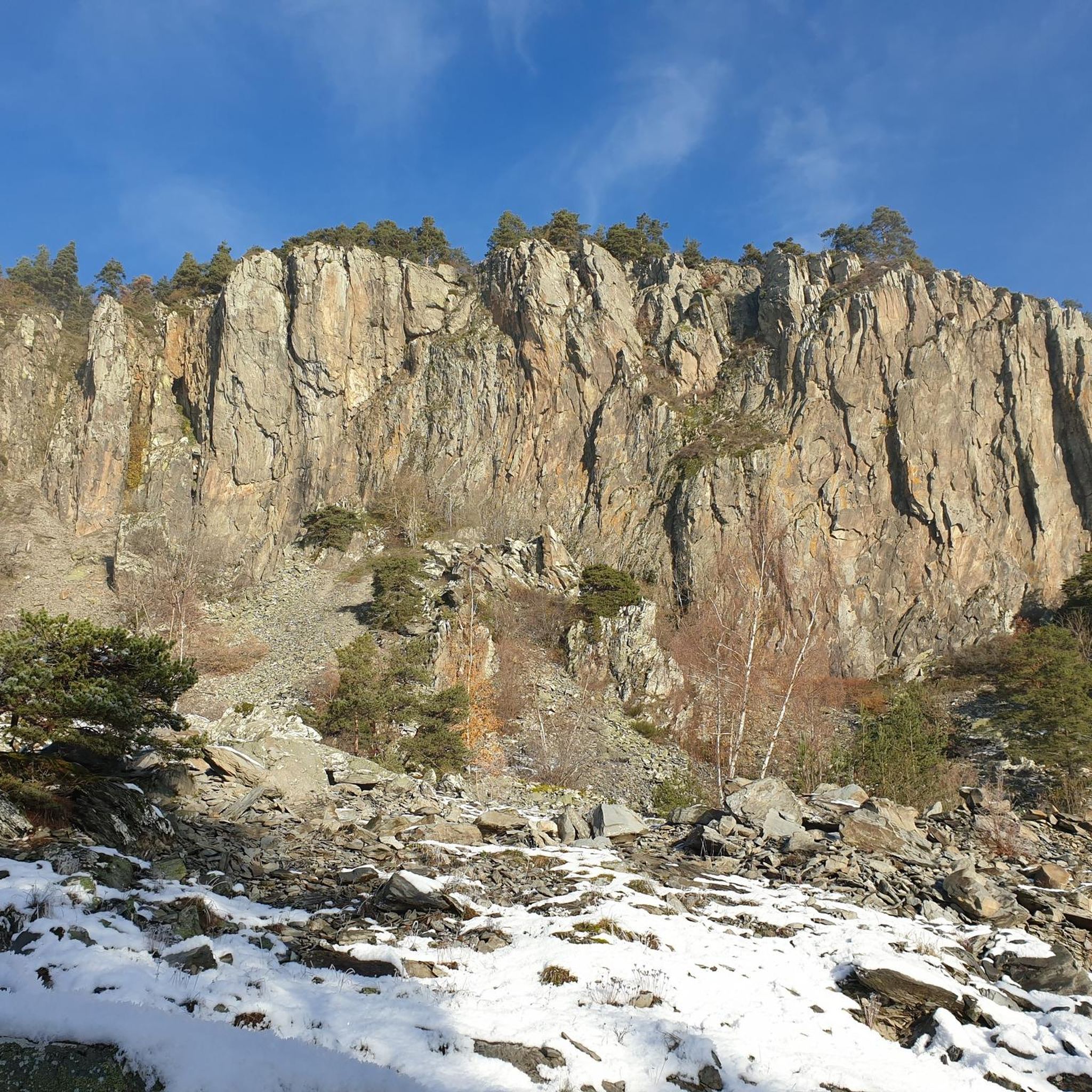
Basalt organ of Queyrières
Highlight • Natural Monument
Translated by Google •
Tip by

Mézères
Highlight • Settlement
Translated by Google •
Tip by

Sign up for free to discover even more natural monuments around Saint-Hostien.
Sign up for free
Already have an account?
Start today with a free account
Your next adventure awaits.
Login or Signup

Tips from the Community

The Suc de Chapteuil is an enormous organ rock which represents an ancient volcanic chimney. The 360 degree view is sublime. We'll be amazed!
0
0
The Suc de Chapteuil is an enormous organ rock which represents an ancient volcanic chimney. Organs have always been used in construction, notably for the castle of the lords of Chapteuil, the remains of which can be seen.
0
0

Magnificent view and possibility of picnicking at the top.
0
0

Interesting to see that there is a "mountain of joy" not only in Spanish Galicia, but also here in southeastern France. These two places not only have the name in common, but also the first view of the towers of the cathedral of Santiago de Compostela with the tomb of the Holy Apostle James the Elder, or of the cathedral with the black Madonna of Le-Puy. en-Velay. The small pile of stones that have accumulated at this point, however, is reminiscent of the Spanish "Cruz de Ferro" (iron cross) on Monte Irago.
3
0

Mézères is a remarkable village and should appear in my opinion in the list of the most beautiful villages of France. The inhabitants knew how to make marvelous use of the volcanic environment of their country. The houses are built of phonolites and other volcanic stones, and instead of tiles to cover the roofs, there are lauzes (large and heavy flat stones). On the town you will also find a basalt organ, proof of the intense geological activity, 12 million years ago.
1
0

Impressive basalt organ, on which the small village of Queyrières is leaned. It is possible to go around the rock.
2
0


The Corboeuf ravine, a multicolored clay canyon between volcanoes and the Swiss gorges, is one of the most impressive natural monuments in Haute-Loire.
7
0
Frequently Asked Questions
What unique geological features can I explore near Saint-Hostien?
The region around Saint-Hostien is rich in volcanic geology. You can explore impressive basalt formations like the Basalt organ of Queyrières, which showcases striking hexagonal columns. Another significant feature is the Suc de Chapteuil, an enormous organ rock representing an ancient volcanic chimney. The entire Velay region is characterized by its volcanic past, with numerous extinct volcanoes shaping the landscape.
Are there any natural monuments offering panoramic views?
Yes, several natural monuments provide breathtaking panoramic views. The Suc de Chapteuil offers a sublime 360-degree vista from its summit. The Montjoie Viewpoint, at an altitude of 722 m, provides views of Le-Puy-en-Velay's cathedral and the Saint-Michel chapel. Additionally, the Cirque de Billère features dramatic 180-degree cliffs with expansive views.
What are some popular hiking trails near these natural monuments?
The volcanic landscapes around Saint-Hostien are ideal for hiking. You can find trails that incorporate these natural wonders, such as the 'Queyrières volcano – Monedeyres loop' or the 'Queyrières volcano – Basalt organ of Queyrières loop' from Queyrières. For more options, explore the Hiking around Saint-Hostien guide.
Are there family-friendly natural monuments or activities in the area?
While specific 'family-friendly' designations for all natural monuments are not always available, the village of Mézères is noted as family-friendly and offers insights into the region's volcanic architecture. Many of the trails, especially easier loops like the 'Cirque de Billère – Statue of the Virgin Mary loop from Saint-Pierre-Eynac', can be suitable for families looking to explore the natural beauty.
Can I bring my dog to the natural monuments around Saint-Hostien?
Generally, dogs are welcome on trails and in natural areas around Saint-Hostien, provided they are kept on a leash and owners clean up after them. There are no specific restrictions mentioned for the natural monuments themselves, but it's always advisable to check local signage for any specific rules at individual sites.
What is the best time of year to visit the natural monuments?
The best time to visit the natural monuments around Saint-Hostien is typically from spring to autumn (April to October). During these months, the weather is generally mild and pleasant for hiking and outdoor exploration. Summer offers lush greenery, while spring and autumn provide comfortable temperatures and beautiful seasonal colors. Winter hiking is possible but may require appropriate gear due to colder temperatures and potential snow.
Are there options for cycling or mountain biking near the natural monuments?
Yes, the region offers various routes for cycling and mountain biking. You can find challenging mountain bike trails like the 'Saint-Julien-Chapteuil – Cirque de Billère loop' or 'Mountainbike loop from Queyrières'. For road cycling, options include the 'Monedeyres – Queyrières volcano loop'. More routes are available in the MTB Trails around Saint-Hostien and Cycling around Saint-Hostien guides.
What historical or cultural sites are integrated with the natural landscape?
The Montjoie Viewpoint is not only a natural vantage point but also holds historical significance, named after Monte Gozo near Santiago de Compostela, offering pilgrims their first view of Le-Puy-en-Velay's cathedral. The village of Mézères also showcases how the volcanic environment influenced local architecture, with houses built from volcanic stones.
How long does it typically take to explore the natural monuments?
The time required varies depending on the monument and your activity. For instance, a visit to the Basalt organ of Queyrières can be a short stop, while hiking to the summit of Suc de Chapteuil or through the Cirque de Billère can take a few hours, especially if you combine it with a circular walk. Plan according to the specific trail distances and your fitness level.
Are there any hidden gems among the natural monuments that are less known?
While the main highlights are well-regarded, the broader Velay region itself is a hidden gem for those interested in volcanic landscapes. Beyond the prominent basalt organs, the area features numerous smaller volcanic formations and diverse terrain. Exploring the less-traveled paths within the Haut-Lignon and Meygal massif can reveal unique perspectives and tranquil spots away from the main attractions.
What do visitors enjoy most about the natural monuments around Saint-Hostien?
Visitors frequently praise the spectacular views, especially the 360-degree panorama from Suc de Chapteuil. The unique geological formations, such as the impressive basalt columns of the Basalt organ of Queyrières, are also highly appreciated for their visual impact. The dramatic cliffs of the Cirque de Billère and the rewarding hiking experiences are also popular among the komoot community.
Where can I find parking or public transport options for these natural monuments?
Access to many natural monuments, such as the Basalt organ of Queyrières, is often available directly from nearby villages like Queyrières, where parking can be found. For more remote sites or trailheads, local parking areas are usually designated. Public transport options are more limited in this rural region, so driving is often the most convenient way to reach these natural sites.
Most popular routes around Saint-Hostien
Most popular attractions around Saint-Hostien

Get inspired with the komoot mobile app


Explore more
Extend your search for the best caves by checking out these guides of the top ones around Saint-Hostien:
