Top 15 Natural Monuments around Saint-Pierre-En-Val
Best natural monuments around Saint-Pierre-En-Val are situated in a region of Normandy, France, characterized by diverse natural landscapes. The commune lies within the River Bresle Valley, offering trails along its banks and associated ponds. Nearby, the Forêt d'Eu provides extensive woodlands for hiking. The dramatic Côte d'Albâtre, with its white chalk cliffs, is also accessible, presenting significant natural highlights.
Best natural monuments around Saint-Pierre-En-Val
- The most popular natural monuments is La Cise Cliff, a natural monument with challenging terrain.…
Last updated: July 6, 2026
Ault Chalk Cliffs
Highlight • Natural Monument
Translated by Google •
Tip by

La Cise Cliff
Highlight • Natural Monument
Translated by Google •
Tip by

Sign up now to discover places like this
Get recommendations on the best single tracks, peaks, & plenty of other exciting outdoor places.
Sign up for free
Bois de Cise
Highlight • Forest
Translated by Google •
Tip by

Cliffs of Ault
Highlight • Natural Monument
Even if the city has lost its splendor, the site is impressive, because to the north, the plain of …
Translated by Google •
Tip by

Viewpoint overlooking the cliffs of Le Tréport
Highlight • Viewpoint
Translated by Google •
Tip by

Sign up for free to discover even more natural monuments around Saint-Pierre-En-Val.
Sign up for free
Already have an account?
Start today with a free account
Your next adventure awaits.
Login or Signup

Tips from the Community


you don't have to take the cliff top path on the last stretch to Treport funicular
0
0

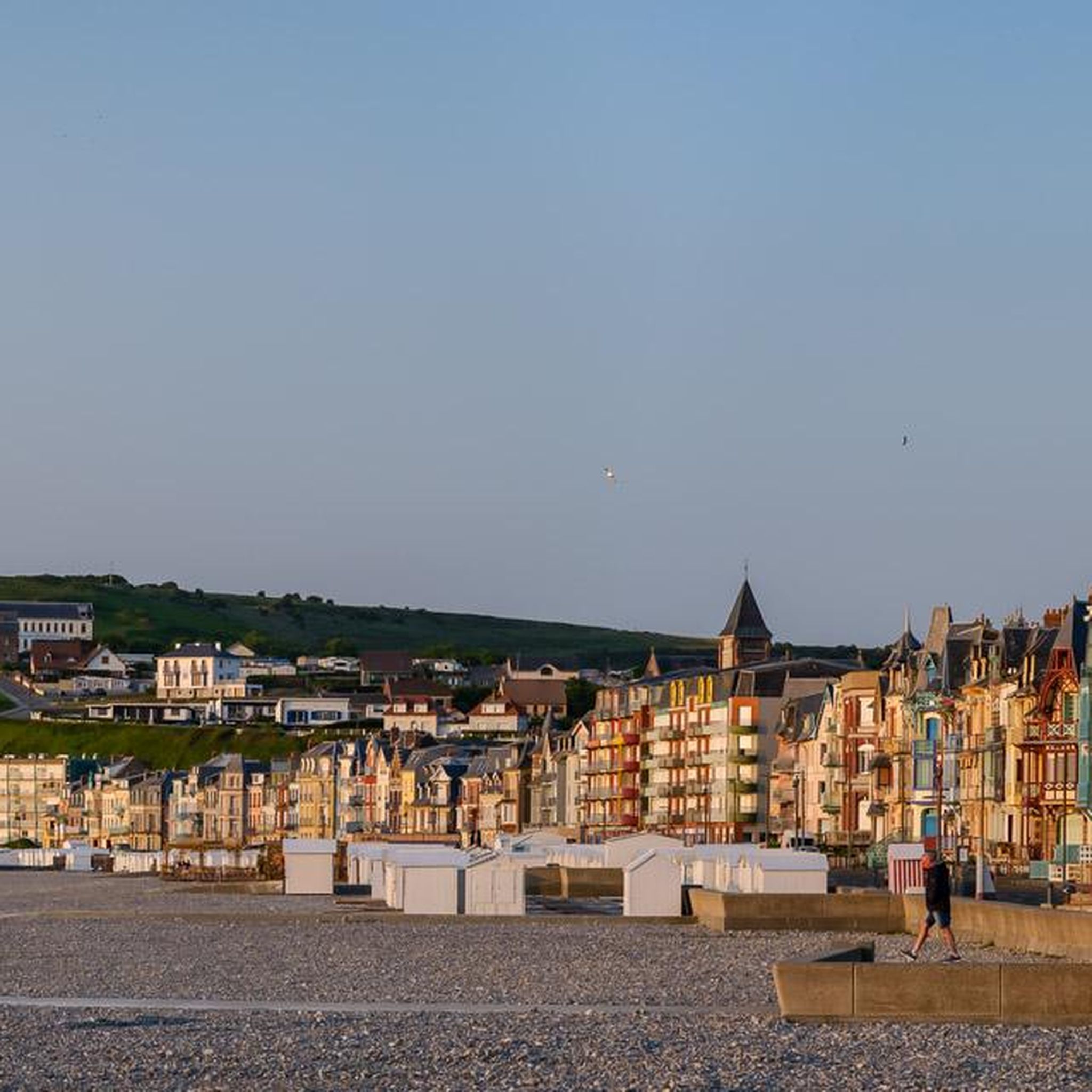
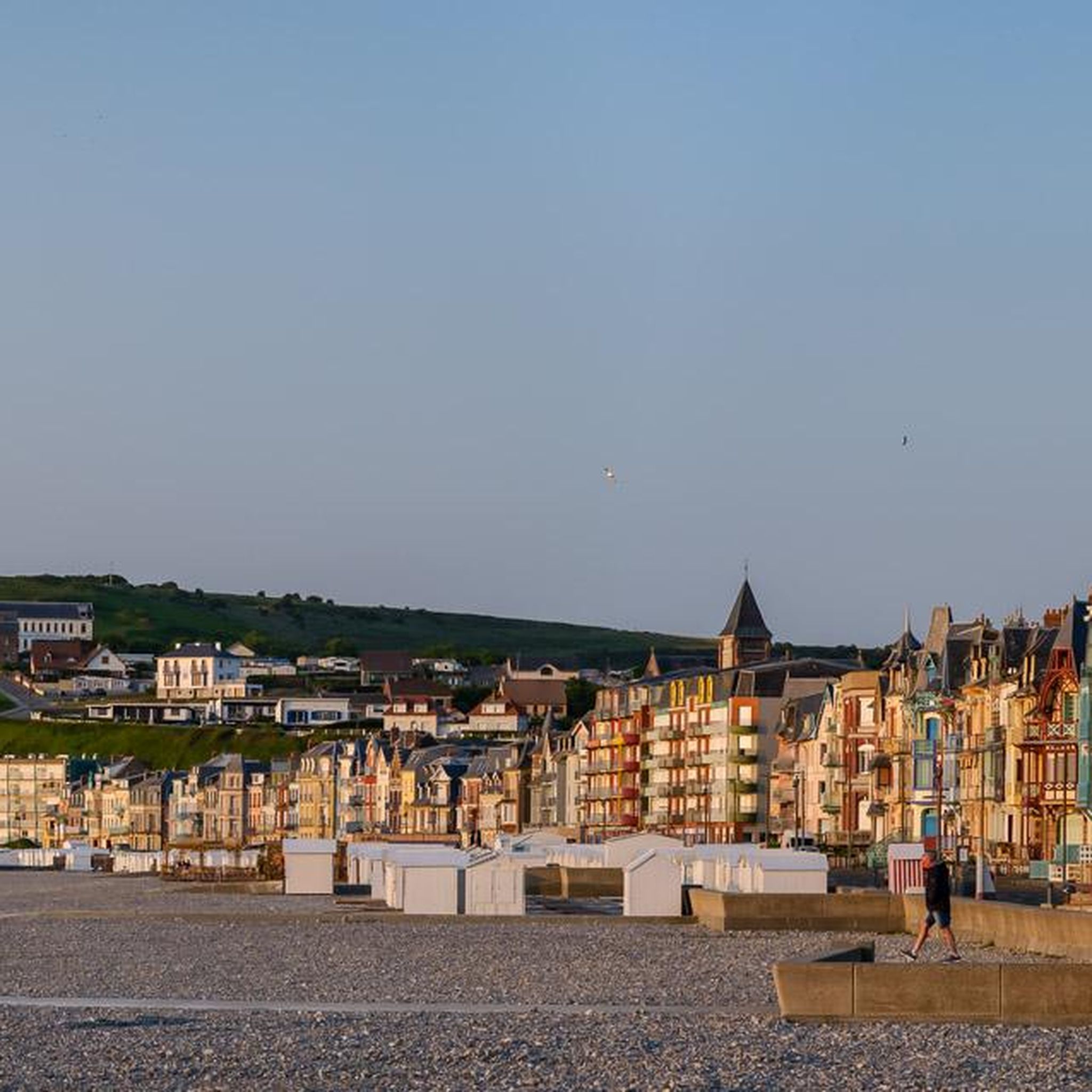
Above the cliffs of Le Treport there is a great view over the city, the sea and the cliffs of Mers-les-Bains.
3
0
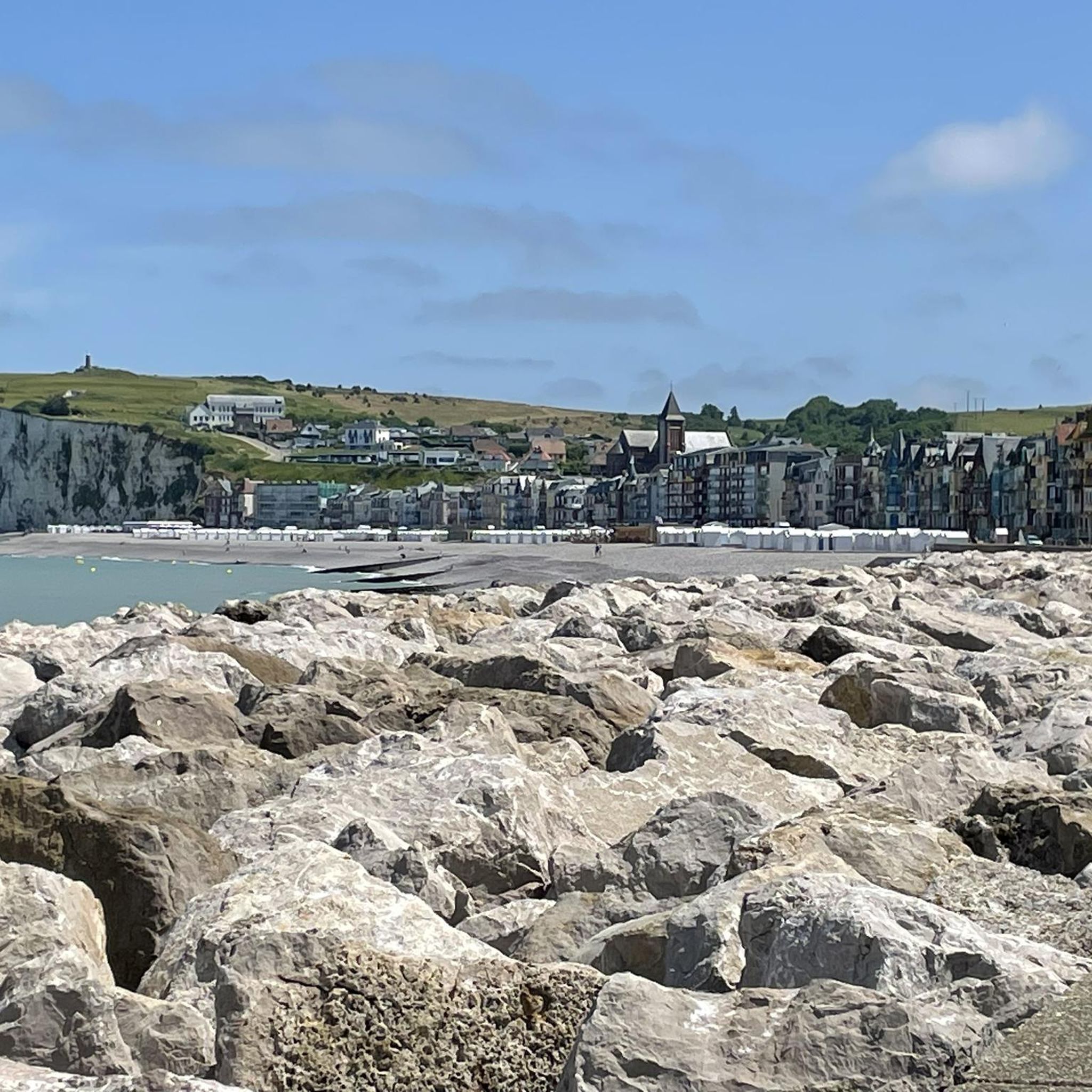
The cliffs are made of chalk and are impressive to look at.
3
0
Here in Ault begin the chalk cliffs, which stretch all the way to Normandy and repeatedly appear as enormous cliffs.
4
0


The cliffs around the beach of Ault are composed of chalk from the Upper Cretaceous, more precisely from the Turonian and Coniacian (around 83 million years ago to 90 million years ago). They are strewn with flint nodules which highlight the subhorizontal stratification planes (the formation of flint has already been discussed in Discovery of the geology of the cliffs of Étretat, presentation of an excursion from the beach of Tilleul (Antifer) to the Porte d'Amont (Étretat Nord)). The relative proportion of chalk and flint is around 90-95% chalk to 5-10% flint. Flint horizons are stratigraphic markers. On the cliffs of Ault, the regular flint band called Seven Sisters is recognizable and characterizes the boundary between the Middle Coniacian and the Upper Coniacian (around 87 million years ago). The boundary between the lower and middle Coniacian is marked by the Shoreham 2 marl level, which is more difficult to identify. These lithostratigraphic markings allow in particular the correlation of distant deposits, such as between the Normandy and Picardy coasts, or between the French and English coasts.
3
0
Frequently Asked Questions
What natural features can I explore around Saint-Pierre-En-Val?
The region around Saint-Pierre-En-Val offers diverse natural landscapes. You can explore the dramatic white chalk cliffs of the Ault Chalk Cliffs and the La Cise Cliff, which overlook the Bay of Somme. The area also features extensive woodlands like the Bois de Cise, and the tranquil River Bresle Valley with its riverside ecosystems.
What are some popular viewpoints near Saint-Pierre-En-Val?
Several natural monuments offer spectacular views. The Cliffs of Ault provide panoramic vistas where the Normandy cliffs begin to rise. Another excellent spot is the Viewpoint overlooking the cliffs of Le Tréport, offering impressive views of the chalk cliffs to the south of Tréport. The Bois de Cise also has a fantastic panorama point overlooking the Baie de Somme estuary.
What makes the natural monuments around Saint-Pierre-En-Val unique?
The natural monuments in this area are primarily characterized by their stunning geological formations, particularly the white chalk cliffs of the Côte d'Albâtre. Sites like La Cise Cliff showcase geological formations from the Upper Cretaceous period, complete with flint nodules. The blend of dramatic coastal scenery, ancient woodlands, and river valleys creates a unique and varied natural environment.
Are there hiking trails near the natural monuments around Saint-Pierre-En-Val?
Yes, the region is well-suited for hiking. You can find trails along the River Bresle Valley, through the extensive Forêt d'Eu, and along the dramatic Côte d'Albâtre. For specific routes, you can explore options in the Gravel biking around Saint-Pierre-En-Val guide, the MTB Trails around Saint-Pierre-En-Val guide, or the Road Cycling Routes around Saint-Pierre-En-Val guide, which often share paths or offer complementary views of the natural sites.
What other outdoor activities can I do near these natural monuments?
Beyond hiking, the area offers excellent opportunities for cycling. You can find various routes for gravel biking, mountain biking, and road cycling. Guides like Gravel biking around Saint-Pierre-En-Val, MTB Trails around Saint-Pierre-En-Val, and Road Cycling Routes around Saint-Pierre-En-Val provide detailed information on routes that pass through or near many of the natural attractions.
Are there any challenging natural monuments for experienced hikers?
Yes, the coastal areas, particularly around the chalk cliffs, can offer challenging terrain. For instance, the La Cise Cliff is noted for its challenging terrain. Coastal routes along the Côte d'Albâtre often feature significant elevation changes and steep passages due to the limestone rock being subject to erosion, providing a demanding experience for seasoned hikers.
Can I find easy walks or beginner hikes among the natural monuments?
Absolutely. While some coastal paths are challenging, the River Bresle Valley offers tranquil walks along its banks and associated ponds, which are generally easier. The Forêt d'Eu also has varied terrain, including more gentle paths suitable for leisurely strolls. Look for routes with 'easy' difficulty grades in the cycling guides, as these often indicate flatter, more accessible terrain that can also be enjoyed on foot.
Is the area around Saint-Pierre-En-Val suitable for family visits?
Yes, the region can be family-friendly, especially for those who enjoy nature and outdoor activities. The easier trails in the River Bresle Valley or certain parts of the Forêt d'Eu are suitable for families. The Bois de Cise, with its small paths and wooden stairs, offers a charming place for a family stroll, and its Belle Époque villas add a touch of historical interest.
Are dogs allowed on trails around the natural monuments?
While specific regulations can vary by location, generally, dogs are welcome on many outdoor trails in France, especially in natural areas like forests and coastal paths, provided they are kept on a leash. It's always advisable to check local signage at specific sites or trailheads for any particular restrictions regarding pets.
When is the best time to visit the natural monuments around Saint-Pierre-En-Val?
The best time to visit is typically during the spring (April to June) and early autumn (September to October). During these periods, the weather is generally mild and pleasant for outdoor activities like hiking and cycling, and the natural landscapes are vibrant. Summer can also be enjoyable, but it may be busier, especially along the coast.
What kind of wildlife might I encounter near Saint-Pierre-En-Val's natural sites?
The diverse habitats around Saint-Pierre-En-Val support various wildlife. The River Bresle Valley is home to riverside ecosystems, while the Forêt d'Eu provides a habitat for woodland creatures. Further afield, the Baie de Somme is a renowned natural reserve and a haven for birds, making it an excellent spot for birdwatching, particularly at the Parc du Marquenterre.
Are there any hidden natural monuments or less-known spots worth visiting?
While the major cliff formations are well-known, exploring the smaller paths within the Bois de Cise can feel like discovering a hidden gem. This picturesque site, listed since 1959, offers a tranquil escape with its unique blend of wild wood and Belle Époque architecture, providing stunning views away from the more crowded coastal stretches.
Most popular routes around Saint-Pierre-En-Val
Most popular attractions around Saint-Pierre-En-Val

Get inspired with the komoot mobile app


Explore more
Extend your search for the best caves by checking out these guides of the top ones around Saint-Pierre-En-Val:
