Top 16 Natural Monuments around Saint-Jouin-Bruneval
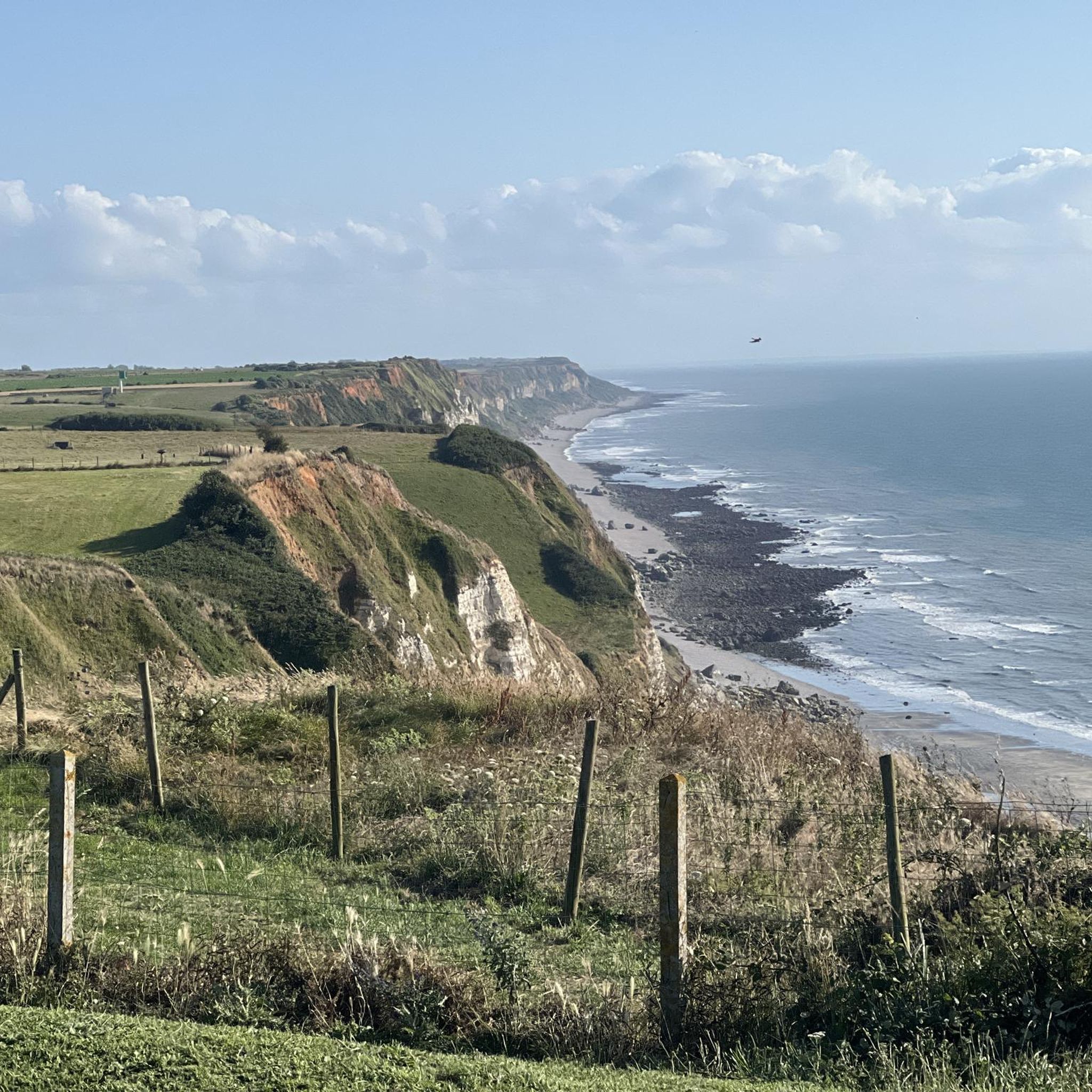
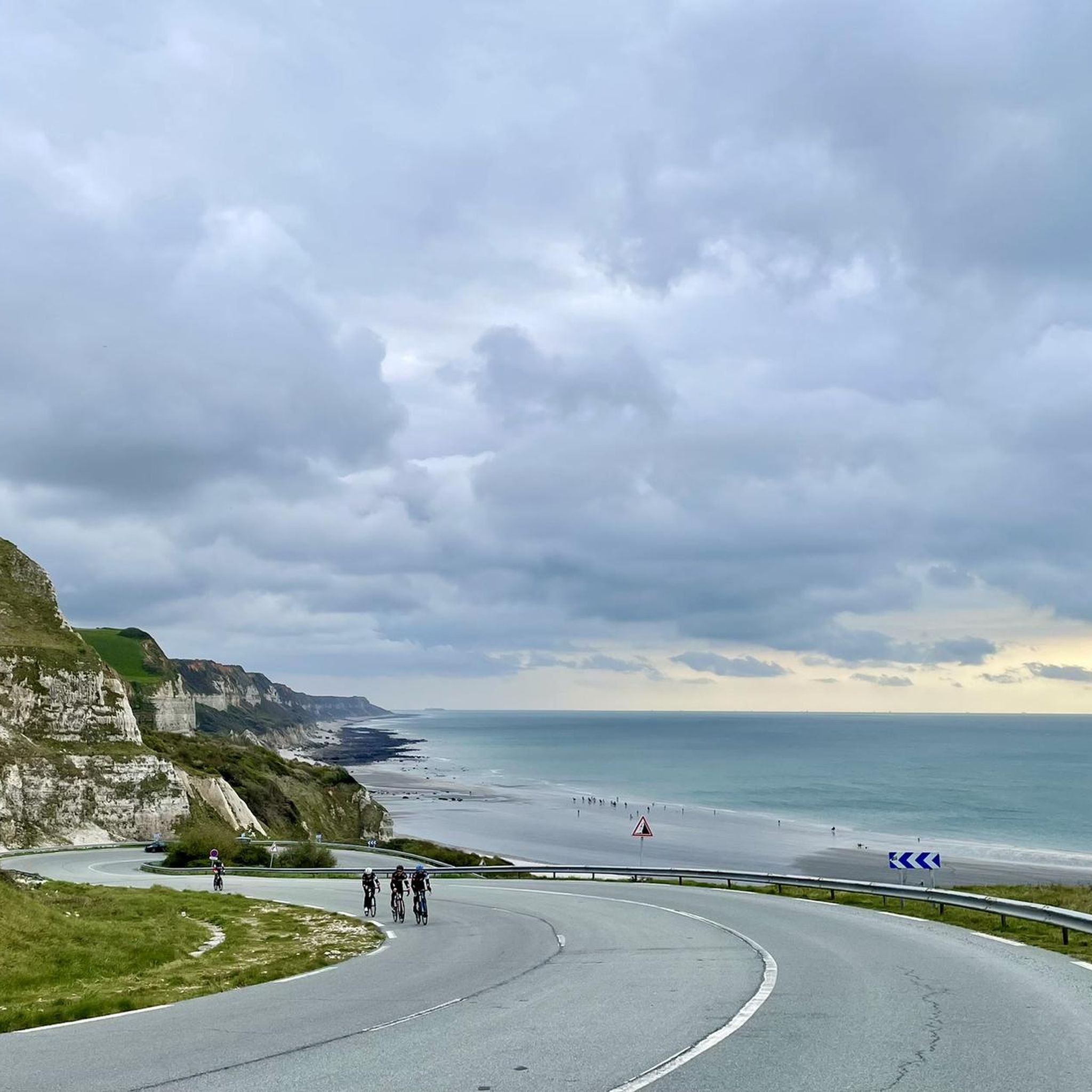
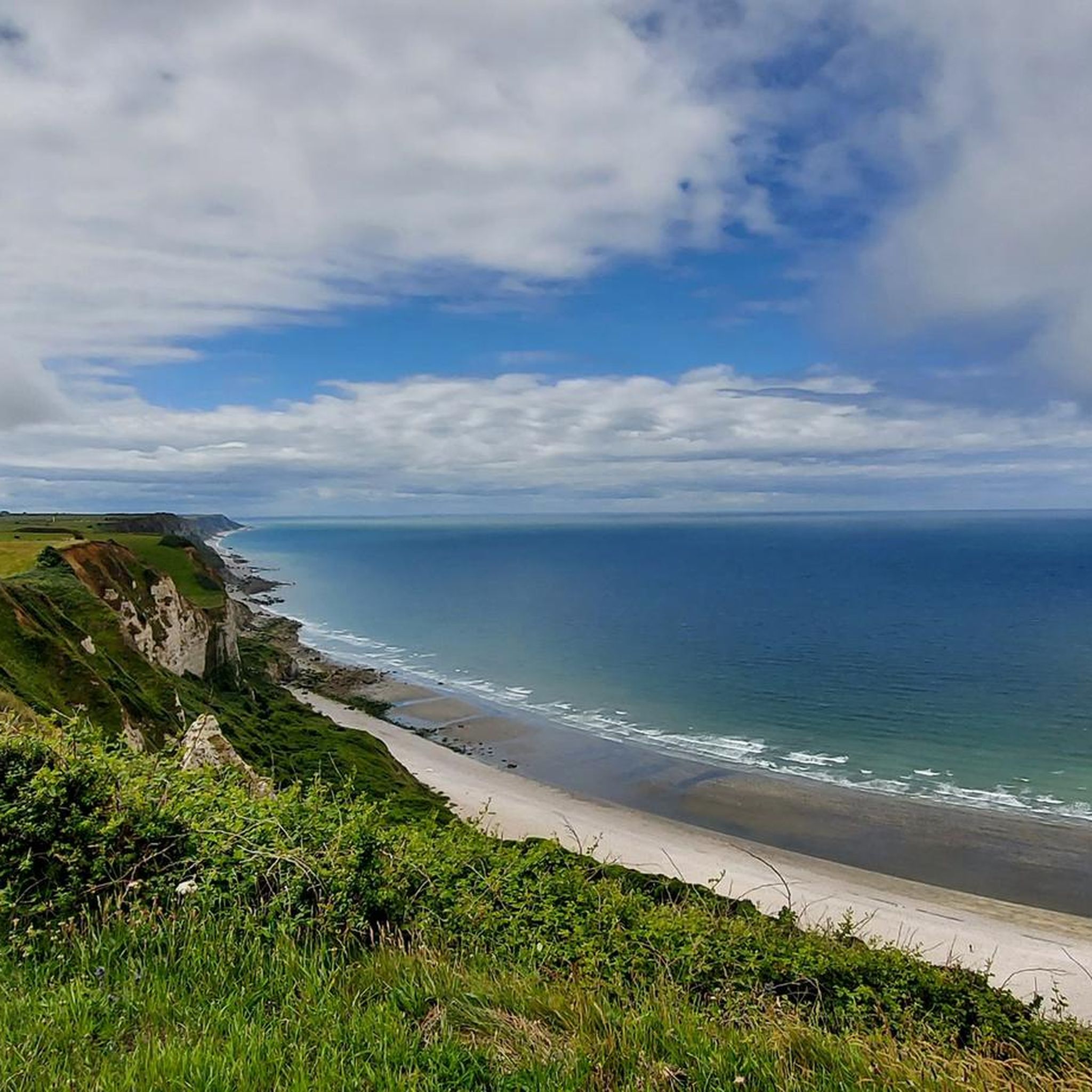
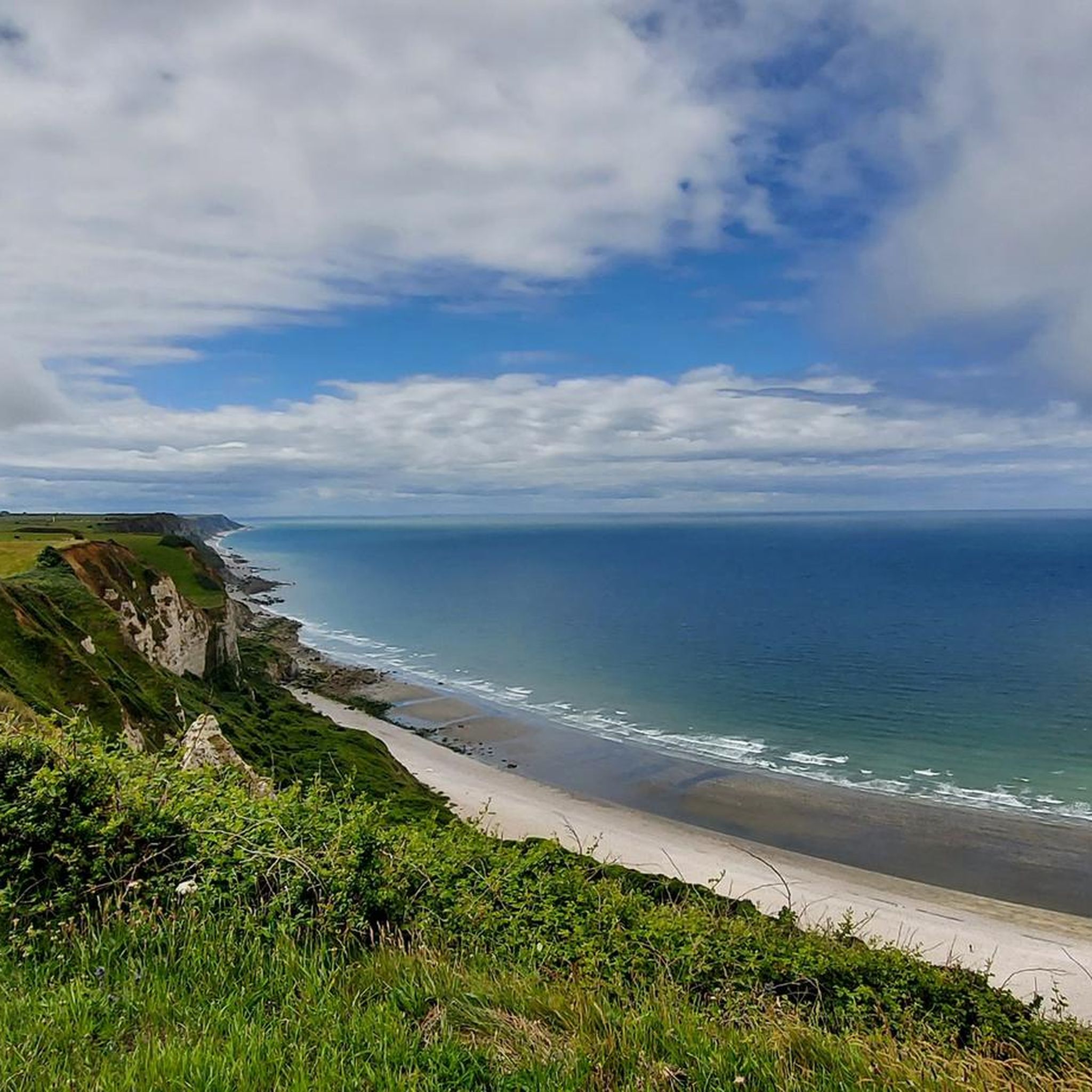
Best natural monuments around Saint-Jouin-Bruneval are characterized by dramatic chalk cliffs, part of the Alabaster Coast. This region features towering white chalk cliffs, shaped by continuous erosion from wind, tides, and rainwater. The coastline offers unique geological formations, including visible layers of chalk and flint. These natural landmarks provide a tranquil experience of the coastal landscape.
Best natural monuments around Saint-Jouin-Bruneval
- The most popular natural monument is Cliffs of Étretat, a natural monument featuring chalk cliffs up to 100…
Last updated: July 6, 2026
Cliffs of Étretat
Highlight • Natural Monument
Translated by Google •
Tip by

Porte d'Aval Arch (Étretat)
Highlight • Natural Monument
Translated by Google •
Tip by

Sign up now to discover places like this
Get recommendations on the best single tracks, peaks, & plenty of other exciting outdoor places.
Sign up for free
Pointe de la Courtine Viewpoint
Highlight • Viewpoint
The Pointe de la Courtine is a rocky outcrop from which you can see the white chalk …
Translated by Google •
Tip by

Étretat to Vattetot-sur-Mer Coastal Path
Highlight (Segment) • Trail
Translated by Google •
Tip by
Plage du Tilleul
Highlight • Beach
And if you're curious enough, you can follow the stand and climb through a grotto. You …
Translated by Google •
Tip by

Sign up for free to discover even more natural monuments around Saint-Jouin-Bruneval.
Sign up for free
Already have an account?
Start today with a free account
Your next adventure awaits.
Login or Signup
Tips from the Community

Many painters, including Monet, have immortalized these natural beauties.
5
0


The cliffs are simply a dream. A highlight of a holiday in Normandy. I highly recommend a hike right along the cliffs. There's something for everyone, whether it's a short or long hike.
1
0

Formed underwater millions of years ago, the cliffs are composed of deposits of pale calcareous marine organisms and the skeletons of siliceous organisms. They then rose to form these flint-strewn limestone giants. They appear particularly resilient, yet they are fragile and constantly changing: wind, tides, rainwater infiltration, frost and subsequent thawing weaken them. Erosion leads to regular landslides and cliff retreat.
3
0

This is probably one of the most popular motifs for photography and painting. It's amazing what nature creates.
9
0

Beautiful, small bay that invites you to take a short break during the hike.
0
0

The coastal path along the Falaise near Étretat is a true journey of discovery for the senses. The path takes you from the Jardins d'Étretat to Vattetot-sur-Mer, always along the impressive cliffs. The landscape changes constantly with the light, and every hour offers a new, picturesque setting reminiscent of the works of the Impressionists. It is as if you are walking through a living painting. This path offers you countless views of the rugged beauty of the Alabaster Coast, with the mighty cliffs rising majestically above the sea. It is a quiet path, away from the large crowds of tourists, which gives you the opportunity to experience nature in all its glory. It is best to pack a picnic blanket, as there are no benches along the path, but many places that are perfect for a rest. The hike up here on the cliffs not only offers breathtaking panoramas, but also interesting geological formations where you can see the different sedimentary layers of the coast. An absolute highlight for every hiker who wants to experience Normandy in all its diversity.
1
0
Tilleul Beach is a wonderful place to enjoy the tranquility of the Normandy coast. With its white chalk cliffs that dramatically extend into the sea and the idyllic pebble beach, it provides the perfect backdrop for a relaxing stroll. What makes this beach particularly exciting is the opportunity to explore a small grotto. If you're curious enough, the path will take you through this natural cave, and on the other side, you'll be rewarded with fantastic views of the sea. Be careful of the tides, though – they can change quickly, and you could get wet if you wait too long! It's best to pack your swimsuit just in case. The pebble beach is perfect for taking a break during your hike and enjoying the view of the impressive cliffs. Locals and hikers alike gather here to appreciate Normandy's unspoiled nature. A truly worthwhile hike along the Alabaster Coast, where you can experience both the cliffs from above and the water up close.
1
0
Frequently Asked Questions
What are the most prominent natural features around Saint-Jouin-Bruneval?
The area is primarily known for its dramatic chalk cliffs, which are part of the renowned Alabaster Coast. These towering white cliffs, composed of Upper Cretaceous chalk with visible flint beds, are continuously shaped by natural erosion, offering a spectacular and wild beauty.
Where can I find the best panoramic views of the Alabaster Coast near Saint-Jouin-Bruneval?
For magnificent panoramic views, visit the Pointe de la Courtine Viewpoint. This rocky outcrop allows you to observe the distinct white chalk cliffs interspersed with brown-black layers of flint, and even offers views extending to the first cliffs of Étretat.
Are there any famous natural arches or formations to see?
Yes, the region is famous for its natural arches. While Saint-Jouin-Bruneval offers stunning coastal views, the nearby Cliffs of Étretat, just 8 km away, feature iconic formations like La Porte d'Aval, a huge flint arcade carved by waves, and the impressive 'Needle'.
What kind of hiking opportunities are available along the coast?
The GR21 hiking trail runs along parts of the coastline, offering energetic visitors a chance to experience these geological curiosities up close. You can also find paths that lead to the foot of the cliffs for a different perspective, though caution is advised regarding tides and cliff stability. For specific routes, explore the Running Trails around Saint-Jouin-Bruneval guide.
What makes the geology of the Saint-Jouin-Bruneval coast unique?
The cliffs provide a fascinating insight into geological processes. They are primarily composed of Upper Cretaceous chalk, rich in flint beds, and exhibit undulations in their stratification. The continuous erosion by wind, tides, and rainwater constantly shapes these formations, leading to regular landslides and cliff retreats, and creating the pebble beaches below.
Is Saint-Jouin-Bruneval a good place for nature photography?
Absolutely. The sheer scale and striking white color of the chalk cliffs against the blue of the English Channel create a visually stunning landscape. The dramatic coastal formations, carved by millennia of natural forces, are a draw for photographers and nature lovers alike, especially at viewpoints like Pointe de la Courtine.
Can I visit the beaches near the natural monuments?
Yes, there are beautiful pebble beaches, such as Plage du Tilleul, which invite you to linger and walk. Some beaches may even have grottoes to explore, but always be mindful of the tides for your safety.
What is the best time of year to visit the natural monuments around Saint-Jouin-Bruneval?
The natural monuments can be enjoyed year-round, but spring and autumn offer pleasant temperatures for hiking and fewer crowds. Summer provides warmer weather for beach activities, while winter can offer dramatic, wild coastal scenery, though some paths might be more challenging due to weather conditions.
Are there opportunities for birdwatching near the cliffs?
Yes, the unique cliff setting serves as a nesting ground for various rock bird species, making it an interesting spot for birdwatching enthusiasts. Keep an eye out for local fauna while exploring the viewpoints and coastal paths.
What other outdoor activities can I do near the natural monuments?
Beyond hiking, the area offers excellent opportunities for cycling. You can find various routes for road cycling and gravel biking. Explore options like the Road Cycling Routes around Saint-Jouin-Bruneval or the Gravel biking around Saint-Jouin-Bruneval guides for detailed itineraries.
What do visitors enjoy most about the natural monuments in this region?
Visitors frequently praise the breathtaking scenery, the tranquility compared to more bustling areas, and the unique geological formations. The opportunity to hike along the dramatic cliffs and capture stunning photographs is also a major highlight, as evidenced by over 1100 upvotes and more than 260 photos shared by the komoot community.
Is Saint-Jouin-Bruneval a good base for exploring the wider Alabaster Coast?
Yes, Saint-Jouin-Bruneval serves as an excellent, more tranquil base for exploring the stunning Alabaster Coast. It's conveniently located just 8 km from Étretat, allowing easy access to its world-renowned cliffs and arches, while offering a more relaxed atmosphere for your stay.
Most popular routes around Saint-Jouin-Bruneval
Most popular attractions around Saint-Jouin-Bruneval

Get inspired with the komoot mobile app


Explore more
Extend your search for the best caves by checking out these guides of the top ones around Saint-Jouin-Bruneval:
