Top 3 Natural Monuments around Xivray-Et-Marvoisin
Best natural monuments around Xivray-Et-Marvoisin are found within the Meuse department of France, an area characterized by its diverse natural landscapes. The region is part of the Lorraine Regional Natural Park, a protected area known for its varied ecosystems, including extensive wetlands, forests, and agricultural plateaus. These natural features contribute to the area's ecological importance and offer opportunities for outdoor exploration.
Best natural monuments around Xivray-Et-Marvoisin
- The most popular natural monument is Trench of Thirst and Ailly Wood, a…
Last updated: July 6, 2026
Trench of Thirst and Ailly Wood
Highlight • Historical Site
Translated by Google •
Tip by

The ponds of the Queen's forest
Highlight • Forest
Translated by Google •
Tip by

Sign up now to discover places like this
Get recommendations on the best single tracks, peaks, & plenty of other exciting outdoor places.
Sign up for free
Neuf-étang des Mandres
Highlight • Lake
Translated by Google •
Tip by
Fontaine des Carmes
Highlight • Historical Site
Translated by Google •
Tip by

Start today with a free account
Your next adventure awaits.
Login or Signup




Tips from the Community

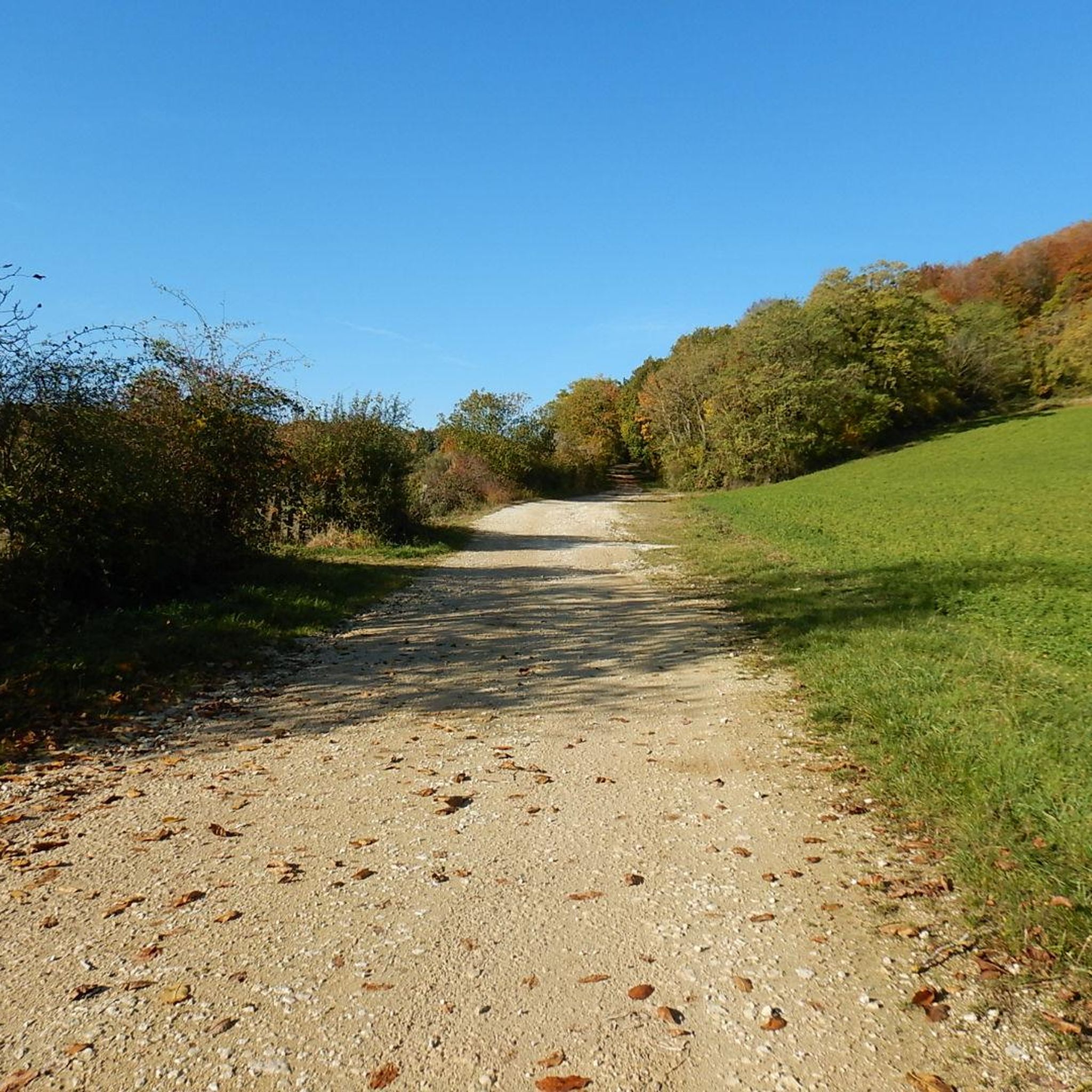
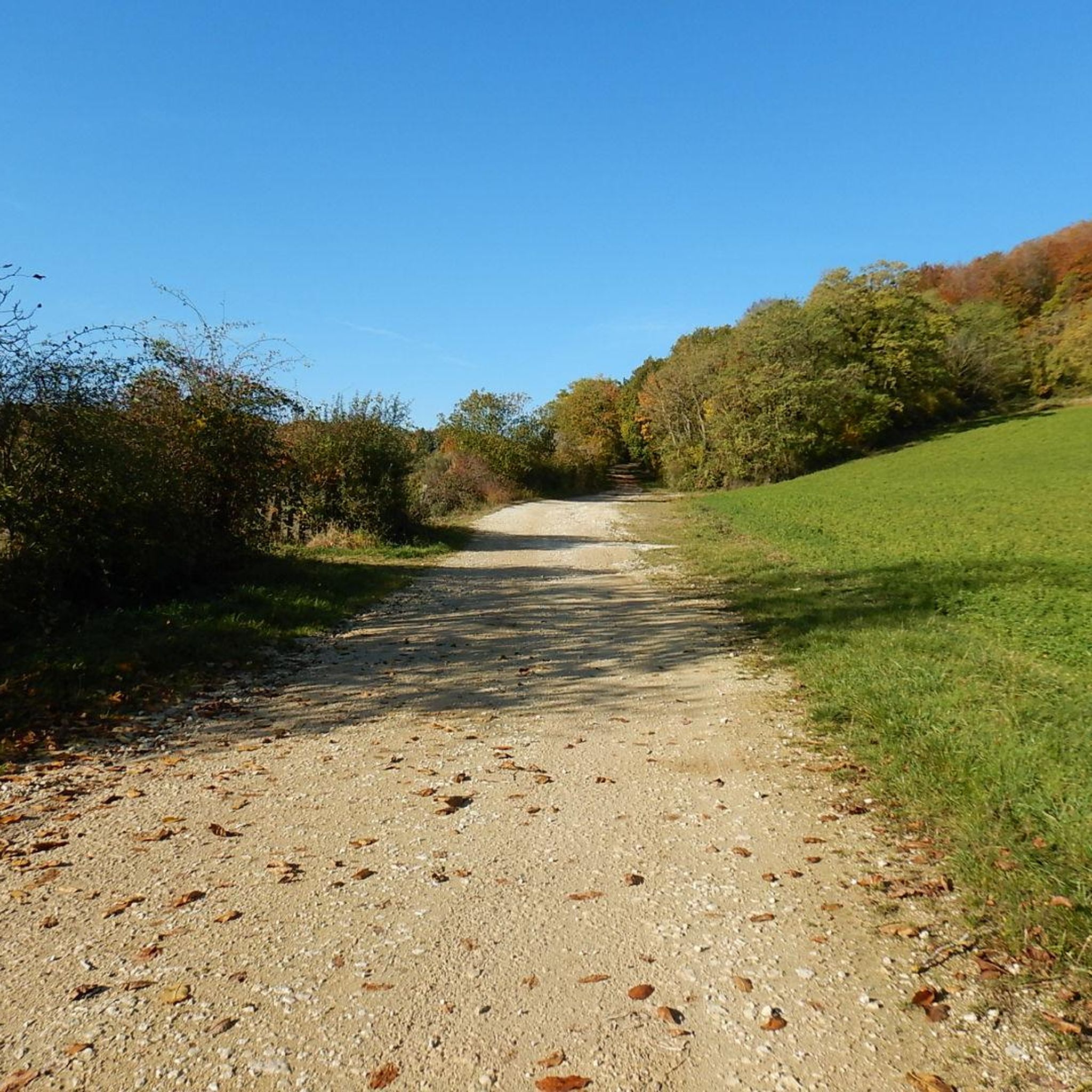
Very beautiful place in the forest. Numerous gravel paths ranging from smooth white paths to rougher trails.
0
0

Very long front lines of trenches; today, the forest has grown back on the other side. During the war, not a single tree remained. It was very impressive how many kilometers of trenches there were in the forest, with shell holes every few meters.
2
0
The path runs along trenches and past the remains of fortresses.😎
2
0
A symbolic place forever marked by the First World War 1914-1918. The German army built a multitude of them, they are hidden all over this beautiful forest.
2
0
It's impressive what they have created to survive, you have to imagine the whole thing without the forest.
2
0

The Neuf-étang des Mandres is a natural pond surrounded by forests and wetlands, sheltering a rich plant and animal biodiversity. You may be able to observe rare species of birds, amphibians, reptiles or insects, as this space is part of a protected area of ecological interest.
2
0
Located on the border of the departments of Meurthe-et-Moselle and Meuse, the ponds of the Forêt de la Reine extend over 5,000 hectares and are home to more than 10 natural forest ponds. You can walk the paths that connect the ponds, such as the Rangéval pond, the Mosée pond, the Romé pond and the Boucq pond, which has a remarkable reed bed. You will also be able to admire the fauna that inhabits this Natura 2000 site, such as the marsh harrier, the collared flycatcher, the great crested newt and the lark. Along the way, you will discover the legends and stories that surround this forest which owes its name to Queen Brunehaut, a 7th century sovereign who met a tragic fate. The ponds of the Forêt de la Reine are an ideal destination for long-distance runners who love nature and culture.
2
0
The Neuf-étang des Mandres is a natural pond surrounded by forests and wetlands, sheltering a rich plant and animal biodiversity. You may be able to spot rare species of birds, amphibians, reptiles or insects, as this space is part of a protected area of ecological interest.
2
0
Frequently Asked Questions
What are the primary natural monuments to explore around Xivray-Et-Marvoisin?
The region around Xivray-Et-Marvoisin is dominated by the vast Lorraine Regional Natural Park, which encompasses diverse ecosystems, wetlands, and forests. Within this park, Lac de Madine stands out as a significant natural monument, known for its size and biodiversity. Additionally, you can discover specific sites like The ponds of the Queen's forest and Neuf-étang des Mandres, both recognized for their natural beauty and ecological importance.
Are there family-friendly natural monuments in the area?
Yes, several natural monuments are suitable for families. The ponds of the Queen's forest and Neuf-étang des Mandres are both categorized as family-friendly, offering tranquil settings for walks and nature observation. The wider Lorraine Regional Natural Park and Lac de Madine also provide numerous accessible areas for families to enjoy the outdoors.
What kind of wildlife can I expect to see at these natural monuments?
The natural monuments around Xivray-Et-Marvoisin are rich in biodiversity. The Lorraine Regional Natural Park is home to some 200 bird species, deer, wild boars, and diverse amphibians. At The ponds of the Queen's forest, a Natura 2000 site, you might spot marsh harriers, collared flycatchers, great crested newts, and larks. Lac de Madine is particularly renowned for its avian life, including Greylag Geese, and is a Natura 2000 classified site.
Are there historical sites integrated with the natural monuments?
Yes, the region's natural landscapes often intertwine with its history. The Trench of Thirst and Ailly Wood is a poignant natural monument that bears witness to fierce fighting during World War I, with trenches and regimental monuments lining the forest paths. Similarly, the Fontaine des Carmes is a symbolic place in the forest, marked by its connection to the First World War.
What outdoor activities can I do near these natural monuments?
The area offers a variety of outdoor activities. You can find numerous routes for gravel biking, road cycling, and running. The Lorraine Regional Natural Park provides extensive marked paths for hiking and cycling, allowing you to immerse yourself in diverse landscapes. Lac de Madine also offers opportunities for nature immersion through walking and cycling trails around its shores.
What is the best time of year to visit the natural monuments?
While the natural monuments can be visited year-round, spring and autumn are particularly recommended. In spring, the forests and wetlands burst with new life and migratory birds return. Autumn offers stunning foliage colors across the vast forests of the Lorraine Regional Natural Park. Summer is also popular for water activities at Lac de Madine, though it can be busier.
Are there good viewpoints to appreciate the natural landscape?
Yes, for panoramic views, the Butte de Montsec, perched at 377 meters, overlooks Lac de Madine and offers exceptional vistas of the lake and the surrounding natural landscape within the Lorraine Regional Natural Park. This vantage point provides a breathtaking perspective on the area's natural beauty.
Can I bring my dog to the natural monuments?
Generally, dogs are welcome on trails and in natural areas within the Lorraine Regional Natural Park, including around Lac de Madine and the various ponds. However, it's always advisable to keep them on a leash to protect wildlife and ensure a pleasant experience for all visitors. Specific rules may apply in certain protected zones, so check local signage.
What makes the wetlands in this region significant?
The wetlands, particularly within the Lorraine Regional Natural Park, are highly significant. The park features an extensive network of over 300 ponds, with the Petite Woëvre ponds and the Lindre pond complex recognized as Ramsar sites, indicating their international importance. These wetlands are crucial for biodiversity, supporting a wide array of bird species, amphibians, and unique flora.
What should I pack for a visit to the natural monuments?
For a comfortable visit, it's recommended to pack appropriate footwear for walking or hiking, such as closed shoes or hiking boots, especially if you plan to explore forest trails or areas with rougher terrain. Long pants can be useful for protection in wooded areas. Depending on the season, layers of clothing, rain gear, water, and snacks are also advisable. Binoculars are great for birdwatching at Lac de Madine or the various ponds.
How long should I plan for a visit to these natural monuments?
The duration of your visit can vary greatly depending on your interests. For a quick overview of a specific site like Neuf-étang des Mandres or Fontaine des Carmes, a few hours might suffice. To fully experience the Lorraine Regional Natural Park or enjoy activities around Lac de Madine, you could easily spend a full day or even several days exploring different areas and trails.
Most popular routes around Xivray-Et-Marvoisin
Most popular attractions around Xivray-Et-Marvoisin

Get inspired with the komoot mobile app


Explore more
Extend your search for the best caves by checking out these guides of the top ones around Xivray-Et-Marvoisin:
