Top 5 Natural Monuments around Verneuil-Petit
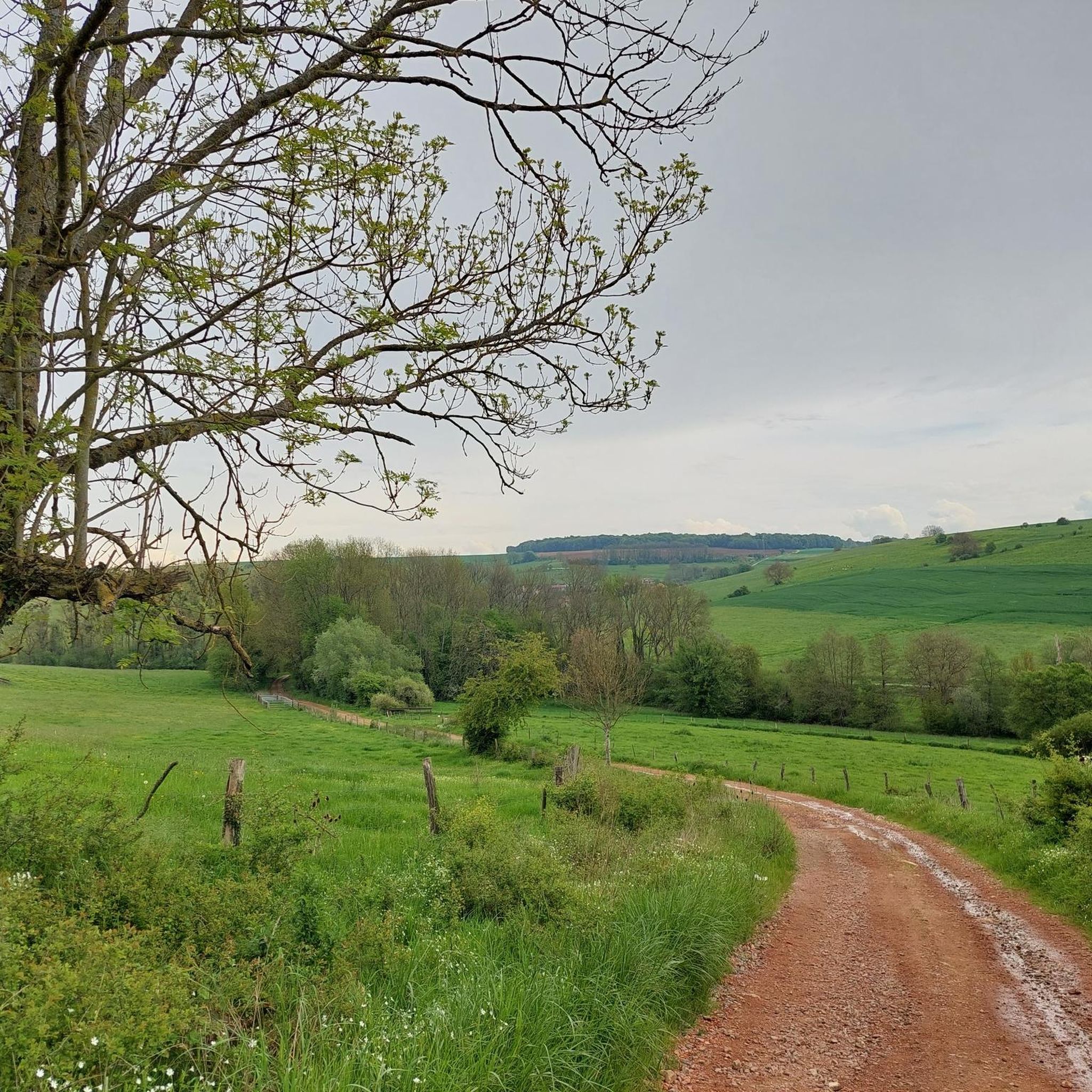
Best natural monuments around Verneuil-Petit include a variety of natural features and viewpoints that showcase the region's rural landscape. The area, situated near the Meuse valley, offers opportunities to explore diverse natural settings. These sites provide insights into the local geology and terrain, appealing to those interested in outdoor exploration. The natural monuments around Verneuil-Petit are part of a broader countryside environment.
Best natural monuments around Verneuil-Petit
- The most popular natural monument is View of the Belgian-French Border, a…
Last updated: May 9, 2026
Mont Saint-Walfroy
Highlight • Viewpoint
Translated by Google •
Tip by

Rabais Valley Lake
Highlight • Lake
Don't miss the trail of dreams, the fairy hole, or the Bonlieu …
Translated by Google •
Tip by

Sign up now to discover places like this
Get recommendations on the best single tracks, peaks, & plenty of other exciting outdoor places.
Sign up for free
Lake of La Soye
Highlight • Lake
Translated by Google •
Tip by

The Marie Fountain
Highlight • Natural Monument
There was probably an open-air spring here earlier, but it is certain that the Virtonese were already using it in 1563, when it was mentioned as Fontaine …
Translated by Google •
Tip by

View of the Belgian-French Border
Highlight • Viewpoint
Translated by Google •
Tip by

Sign up for free to discover even more natural monuments around Verneuil-Petit.
Sign up for free
Already have an account?
Start today with a free account
Your next adventure awaits.
Login or Signup

Tips from the Community

Mary's Washing Place. There was probably an open-air spring here earlier, but it is certain that the Virtonese were already using it in 1563, when it was mentioned as Fontaine Mère, the Mother Fountain. This spring, situated on the hillside, was so named because it supplied a series of other water points. First called lavoir Sainte-Catherine (Saint Catherine's Washing Place), the name changed to Fontaine Marie in 1693. Springs are often placed under the protection of a god and later of a saint. In 1784, this spring, with its two washbasins, was covered, giving it its current appearance. As a result of a tax on the use of public washrooms in 1815, the Fontaine Marie was reserved for the poorer Virtonese. The introduction of indoor water taps between 1869 and 1876 limited the use of public water supplies. (Stapperloot)
13
0

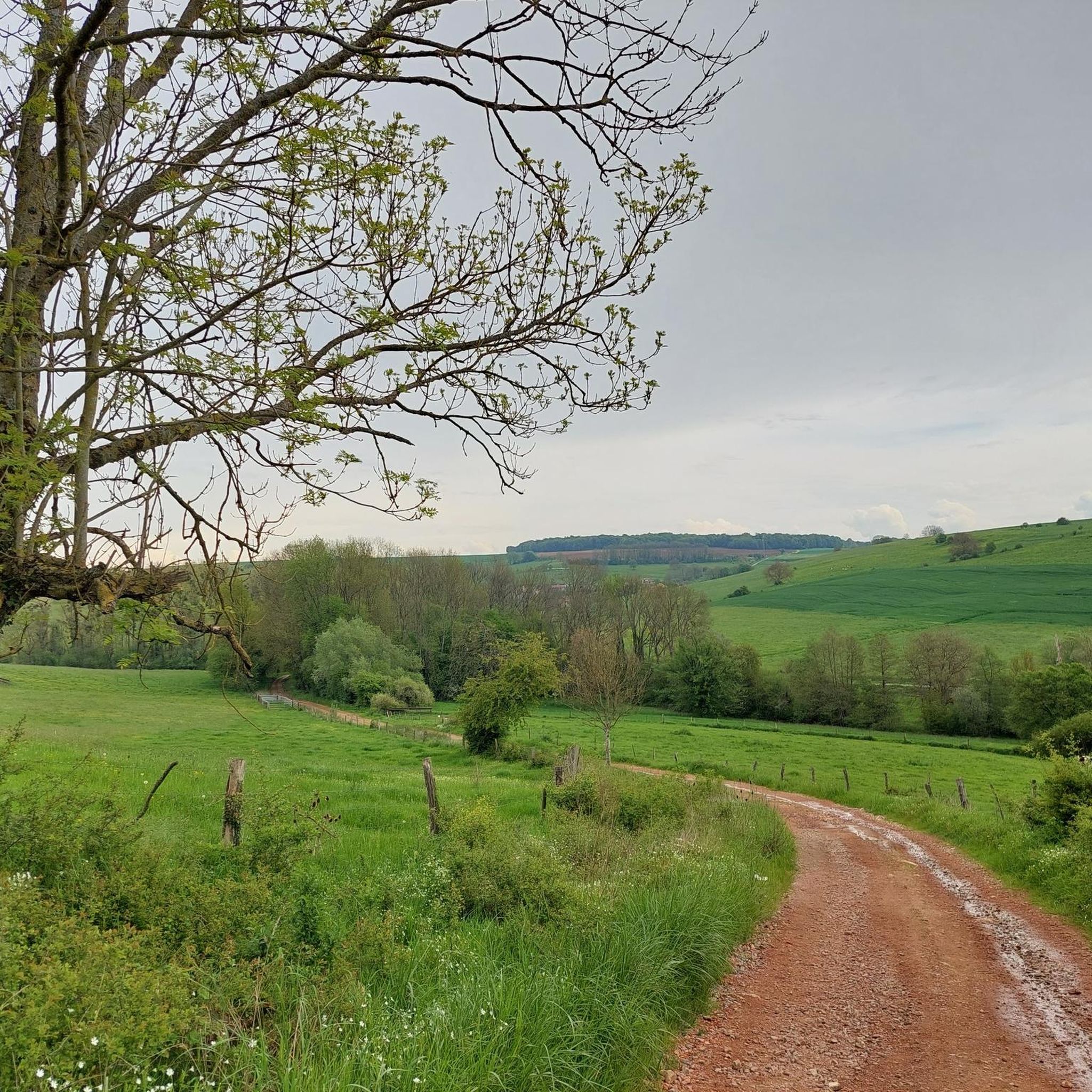
Very pleasant and quiet beautiful area for cycling and walking
0
0

This very pretty pond is located on the road to La Soye. A waterfall is located nearby. Stop by for more information.
1
1

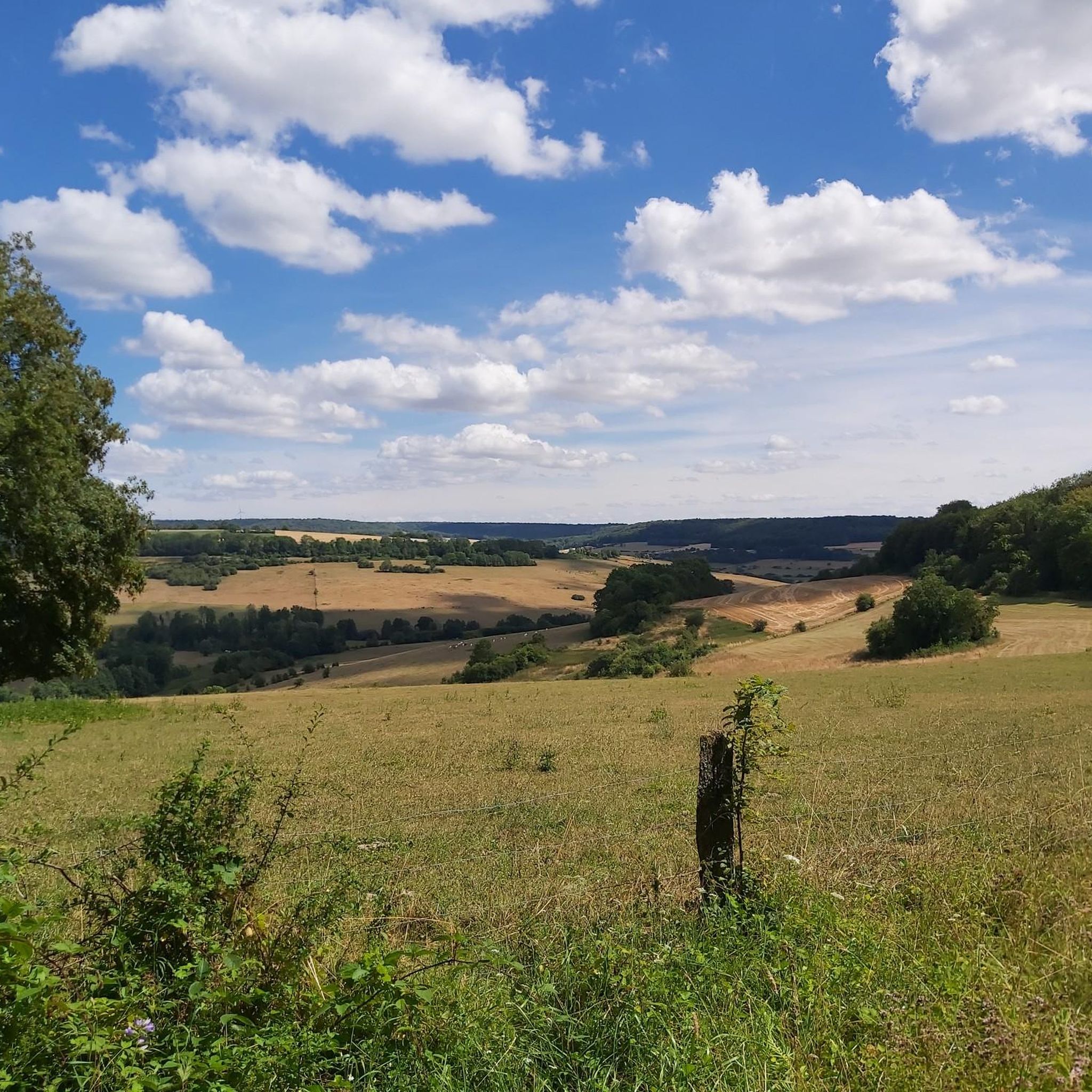
Magnificent view on a clear day. A few minutes of rest is good after this climb++
1
0

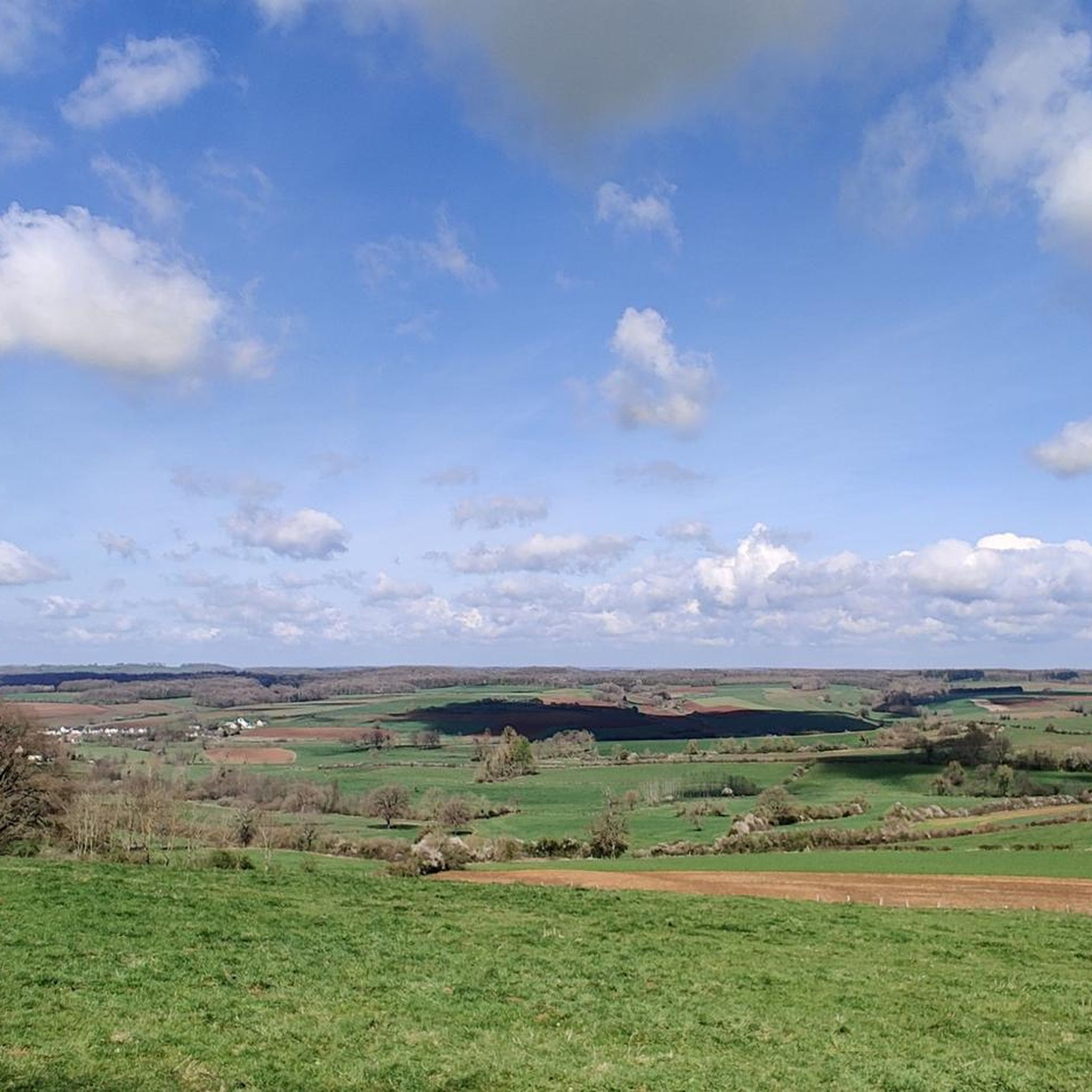
Mont Saint-Walfroy was formerly a place of pagan worship, then a hermitage of Saint Walfroy, the apostle of the Ardennes. You will appreciate the panoramic views of the Meuse valley and the surrounding forests, as well as the historical and religious importance of this place. Along the way, you will pass by the Chapelle Saint-Donat, a small chapel dedicated to a local saint.
2
0
Mont Saint-Walfroy was once a place of pagan worship, before being chosen to build the hermitage of Saint-Walfroy, the apostle of the Ardennes. You will appreciate the panoramic views of the Meuse valley and the surrounding forests, as well as the historical and religious importance of this place. Along the way, you will pass by the Chapelle Saint-Donat, a small chapel dedicated to a local saint.
3
0

You can take a good break at the French/Belgian border. The bank is a bit in the shade and you can watch the hustle and bustle on the fields.
4
0

Mount Saint-Walfroy or hermitage of Saint-Walfroy is a hill in the Ardennes. The summit reaches its peak at 350 meters above sea level. Almost 200 meters lower, the villages are spread out in their valleys, where the rivers meander. To reach Saint-Walfroy you have to climb steep paths. Once at the top, the panorama extends over the Maas and the Ardennes. It is a former place of pagan worship, chosen as a hermitage in the 6th century by Walfroy the Stylite and has since become a place of worship and pilgrimage. This site thus becomes a witness to the vicissitudes of the history of the French Catholic Church and the history of an Ardennes territory, in the immediate vicinity of the border. Source: https://fr.wikipedia.org/wiki/Mont_Saint-Walfroy
2
0
Frequently Asked Questions
What are some of the most popular natural monuments to visit around Verneuil-Petit?
Visitors frequently enjoy the View of the Belgian-French Border, which offers a unique perspective on the border landscape and surrounding fields. Another highly appreciated spot is Mont Saint-Walfroy, a viewpoint and summit providing panoramic views of the Meuse valley and forests.
Are there any family-friendly natural monuments near Verneuil-Petit?
Yes, the Rabais Valley Lake is a great family-friendly option. It's suitable for walks and serves as a starting point for various routes. The Lake of La Soye is another very pretty pond, also marked as family-friendly, with a waterfall nearby.
What kind of terrain and elevation can I expect when exploring natural monuments in this region?
The region around Verneuil-Petit features a diverse rural landscape. For instance, Mont Saint-Walfroy reaches 350 meters above sea level, offering elevated panoramic views, which implies some climbing to reach the summit. Other areas, like the Rabais Valley, are more suited for walks and cycling, suggesting varied terrain from valleys to higher viewpoints.
Are there historical or cultural natural features around Verneuil-Petit?
Yes, the region has natural features with historical significance. For example, The Marie Fountain, originally known as Fontaine Mère, has a rich history dating back to 1563 and was later covered in 1784, giving it its current appearance. Mont Saint-Walfroy was also once a place of pagan worship before becoming a hermitage.
What outdoor activities can I do near the natural monuments in Verneuil-Petit?
The area offers various outdoor activities. You can find numerous cycling routes, including road cycling and mountain biking. For example, there are several MTB Trails around Verneuil-Petit and Road Cycling Routes around Verneuil-Petit. The Rabais Valley Lake is a popular starting point for walks and bike tours.
Are there specific hiking trails near these natural monuments?
While specific hiking trails directly linked to individual natural monuments aren't detailed, the general rural landscape around Verneuil-Petit is suitable for walking and hiking. The Mont Saint-Walfroy involves climbing steep paths to reach its summit, offering a more challenging walk with rewarding views. The Rabais Valley Lake is also a good spot for walks.
What do visitors enjoy most about the natural monuments around Verneuil-Petit?
Visitors particularly appreciate the panoramic views, such as those from Mont Saint-Walfroy, which overlooks the Meuse valley and surrounding forests. The peaceful and pleasant atmosphere of places like Rabais Valley Lake for cycling and walking is also highly valued. The opportunity to observe the border landscape from the View of the Belgian-French Border is also a highlight.
What is the best time of year to visit the natural monuments in Verneuil-Petit?
Given the rural landscape and focus on outdoor activities, spring, summer, and early autumn are generally the best times to visit. These seasons offer pleasant weather for walking, cycling, and enjoying the panoramic views without the challenges of winter conditions. The natural scenery, including forests and lakes, would be at its most vibrant during these months.
Are there any unique geological formations to see near Verneuil-Petit?
While specific unique geological formations are not explicitly detailed as distinct natural monuments, the region's overall geology contributes to its diverse terrain. The elevated position of Mont Saint-Walfroy and the valley setting of Rabais Valley Lake are examples of the varied natural landscape shaped by local geological processes.
What kind of natural scenery can I expect to find in Verneuil-Petit?
Verneuil-Petit offers a pleasant rural environment characterized by broad countryside. You can expect to see green spaces, forests, and the general natural landscape of the Meuse valley. Highlights include viewpoints offering panoramic vistas, serene lakes like the Lake of La Soye, and areas where you can observe the border landscape.
Are there any less crowded natural spots around Verneuil-Petit?
Verneuil-Petit is a small commune, and its natural appeal lies in its broader countryside rather than major tourist attractions. This suggests that many of its natural spots, including local green spaces and walking paths, are likely to be less crowded than more widely publicized destinations. Exploring the general rural landscape away from the main viewpoints can offer a quieter experience.
Most popular routes around Verneuil-Petit
Most popular attractions around Verneuil-Petit

Get inspired with the komoot mobile app


Explore more
Extend your search for the best caves by checking out these guides of the top ones around Verneuil-Petit:
