Top 7 Natural Monuments around Tarerach
Best natural monuments around Tarerach are found in the Pyrénées-Orientales department of southern France, within the Conflent region. This area is characterized by its unique geological and ecological landscape, including a granitic plateau and significant escarpments. The surroundings of Tarerach contribute to a rich natural heritage, offering diverse natural attractions. Visitors can explore a variety of geological formations and ancient sites.
Best natural monuments around Tarerach
- The most popular natural monuments is The Organ Pipes of Ille-sur-Têt, a gorge…
Last updated: July 6, 2026
The Organ Pipes of Ille-sur-Têt
Highlight • Gorge
Translated by Google •
Tip by

Fairy Chimneys
Highlight • Natural Monument
Translated by Google •
Tip by
Sign up now to discover places like this
Get recommendations on the best single tracks, peaks, & plenty of other exciting outdoor places.
Sign up for free
Saut Grand de Castlar Waterfall
Highlight • Waterfall
Translated by Google •
Tip by

Dolmen d'Udolán
Highlight • Historical Site
Translated by Google •
Tip by

Rousillon Peak
Highlight • Viewpoint
Translated by Google •
Tip by

Sign up for free to discover even more natural monuments around Tarerach.
Sign up for free
Already have an account?
Start today with a free account
Your next adventure awaits.
Login or Signup
Tips from the Community

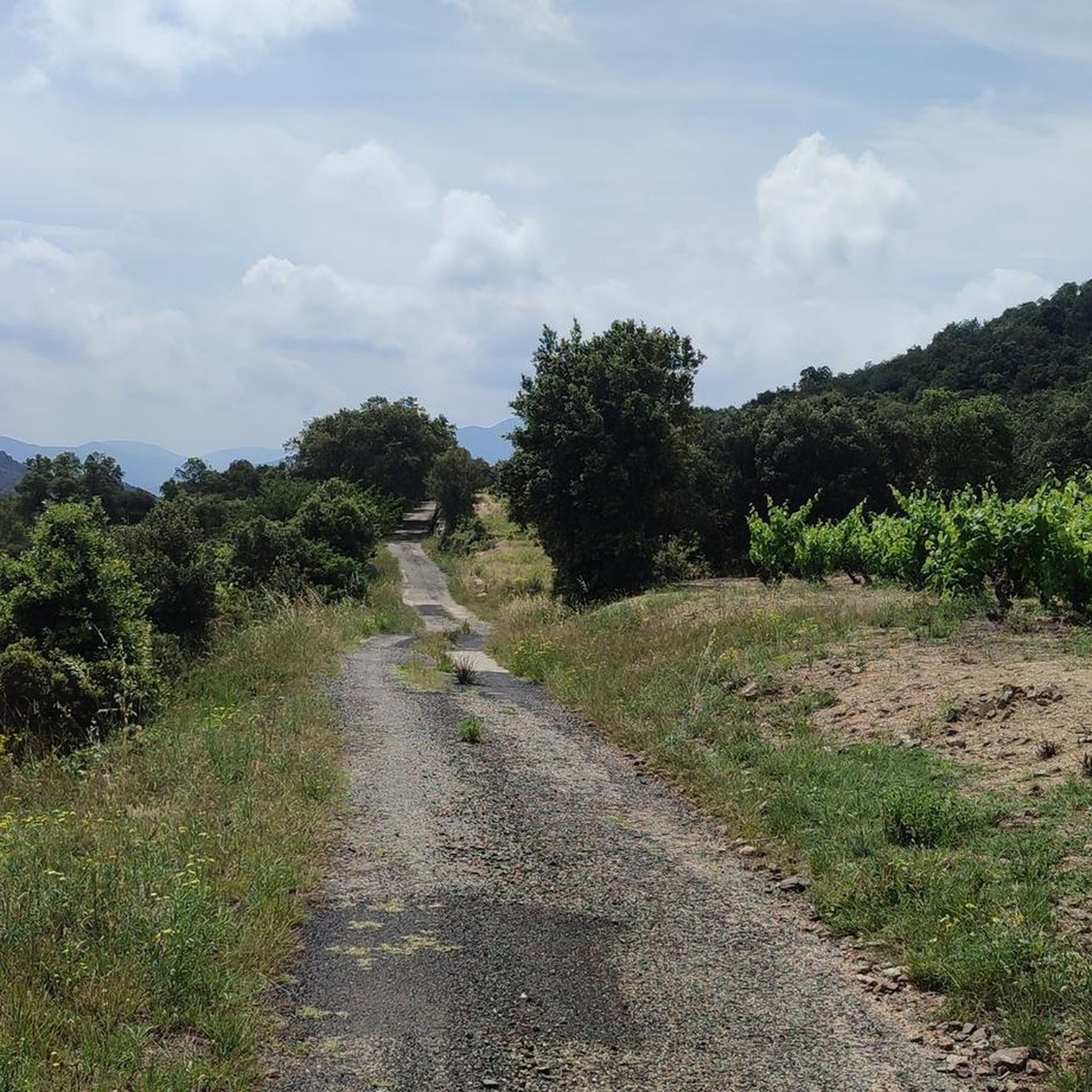
a little further there are stones where you can rest
0
0

A fascinating landscape shaped by erosion, it offers magnificent views of the eastern Pyrenees with its highest peak, Canigou, at 2784 m.
2
0

There is much to read about this landscape, formed by erosion over 50 million years, but you simply have to see it for yourself, it is so beautiful and unique.
7
0
A unique place in France, a landscape of fairy chimneys with a fragile, ephemeral beauty. It shows the cliffs of sand and clay, patiently chiseled by the rain. Erosion has worked like an artist
9
0
A unique place in France, a landscape of fairy chimneys with a fragile, ephemeral beauty. It shows cliffs of sand and clay, patiently chiseled by the rain. Erosion has worked like an artist.
6
0
Orgues offers a view of these astonishing natural structures known as "fairy chimneys." It's a unique landscape with colorful reliefs that water has sculpted in clay and sand, torn from the Pyrenees and deposited in the Tet Valley over the course of 5 million years.
9
0
Orgues offers a view of these astonishing natural structures known as "fairy chimneys." It's a unique landscape with colorful reliefs that water has sculpted in clay and sand, torn from the Pyrenees and deposited in the Tet Valley over the course of 5 million years.
7
0
Frequently Asked Questions
What unique geological formations can I explore near Tarerach?
The region is renowned for its distinctive geological features. A must-see is The Organ Pipes of Ille-sur-Têt, also known as "fairy chimneys." These are astonishing natural structures of sand and clay, patiently chiseled by rain over millions of years, creating a unique landscape. You can also find other viewpoints of these formations, such as Fairy Chimneys, offering different perspectives on these eroded cliffs.
Are there any historical or archaeological natural monuments in the area?
Yes, the region has a rich prehistoric past. The Dolmen d'Udolán is a significant megalithic site worth visiting. Additionally, the Dolmen de la Barraca, located near Mas Lluçanes, is a well-preserved prehistoric monument featuring a unique construction with schist slabs, offering insight into Neolithic burial practices and ancient territorial markers.
What kind of natural landscapes characterize the Tarerach area?
Tarerach is situated within the Conflent region, part of the Pyrenean mountain range. The landscape is characterized by a granitic plateau, such as the Plateau de Rodès et de Montalba, which is a Zone Naturelle d'Intérêt Ecologique, Faunistique et Floristique (ZNIEFF) known for its unique acidic soil and remarkable botanical diversity. The western limit of the Têt valley basin also features an abrupt escarpment, offering dramatic landscapes and insights into the region's geological history.
Are there any waterfalls to visit near Tarerach?
Yes, you can visit the Saut Grand de Castlar Waterfall. It is appreciated for its natural beauty and is a popular spot for walks. Sturdy shoes are recommended for the walk to the waterfall, and visitors should be aware that some sections have steep drop-offs, making it less suitable for young children.
What outdoor activities can I do near these natural monuments?
The area around Tarerach offers various outdoor activities. You can explore numerous MTB trails, such as the 'Escoumes Lake – Corbère Castle loop' or 'Lake view – Heights of Rodès loop'. For gravel biking, options include 'Bélesta Village – View of Canigou loop'. There are also running trails like the 'View of Lac des Escoumes loop' or 'Lake Vinça loop'. You can find more details on these activities and routes in the MTB Trails around Tarerach, Gravel biking around Tarerach, and Running Trails around Tarerach guides.
Are there family-friendly natural monuments around Tarerach?
Yes, The Organ Pipes of Ille-sur-Têt is considered family-friendly. Its unique landscape of "fairy chimneys" offers an engaging experience for all ages, showcasing the fascinating effects of natural erosion. However, for some other sites like the Saut Grand de Castlar Waterfall, caution is advised due to steep drop-offs, making it less suitable for very young children.
What makes the Plateau de Rodès et de Montalba significant?
The Plateau de Rodès et de Montalba is a significant natural area (ZNIEFF) because it's a granitic plateau with unique acidic soil, supporting remarkable botanical diversity. It's a haven for nature enthusiasts and botanists, offering the chance to observe specific plant species adapted to this environment, making it a 'botanical marvel' within the Pyrenees.
What do visitors enjoy most about the natural monuments near Tarerach?
Visitors frequently express awe at the unique geological formations, particularly the 'fairy chimneys' of Ille-sur-Têt, often describing them as 'impressive what nature does' and a 'unique place in France.' The natural beauty of the Saut Grand de Castlar Waterfall is also highly appreciated, as are the historical insights offered by megalithic sites like the Dolmen d'Udolán.
Can I find scenic viewpoints among the natural monuments?
Absolutely. The region offers several scenic viewpoints. The Fairy Chimneys highlight provides excellent views of the eroded sand and clay formations. Additionally, the Rousillon Peak offers panoramic vistas of the surrounding landscape. The abrupt escarpment behind Tarerach, marking the western limit of the Têt valley, also provides dramatic landscapes and opportunities for scenic observation.
Are there any natural monuments that are considered unusual or particularly unique?
The most unusual and unique natural monuments are undoubtedly The Organ Pipes of Ille-sur-Têt. These 'fairy chimneys' are a rare geological phenomenon in France, where erosion has sculpted sand and clay cliffs into extraordinary, colorful reliefs. The Dolmen de la Barraca is also unique for its construction using schist, which allowed for finer stonework than typical dolmens in the region.
What is the difficulty level of trails to reach these natural monuments?
The difficulty level varies. While The Organ Pipes of Ille-sur-Têt are generally accessible, some highlights like Fairy Chimneys, Saut Grand de Castlar Waterfall, Dolmen d'Udolán, and Rousillon Peak are rated as intermediate. This suggests that while not overly strenuous, they may involve some uneven terrain or moderate ascents, and sturdy shoes are often recommended.
Most popular routes around Tarerach
Most popular attractions around Tarerach

Get inspired with the komoot mobile app


Explore more
Extend your search for the best caves by checking out these guides of the top ones around Tarerach:
