Top 8 Natural Monuments around Bilia
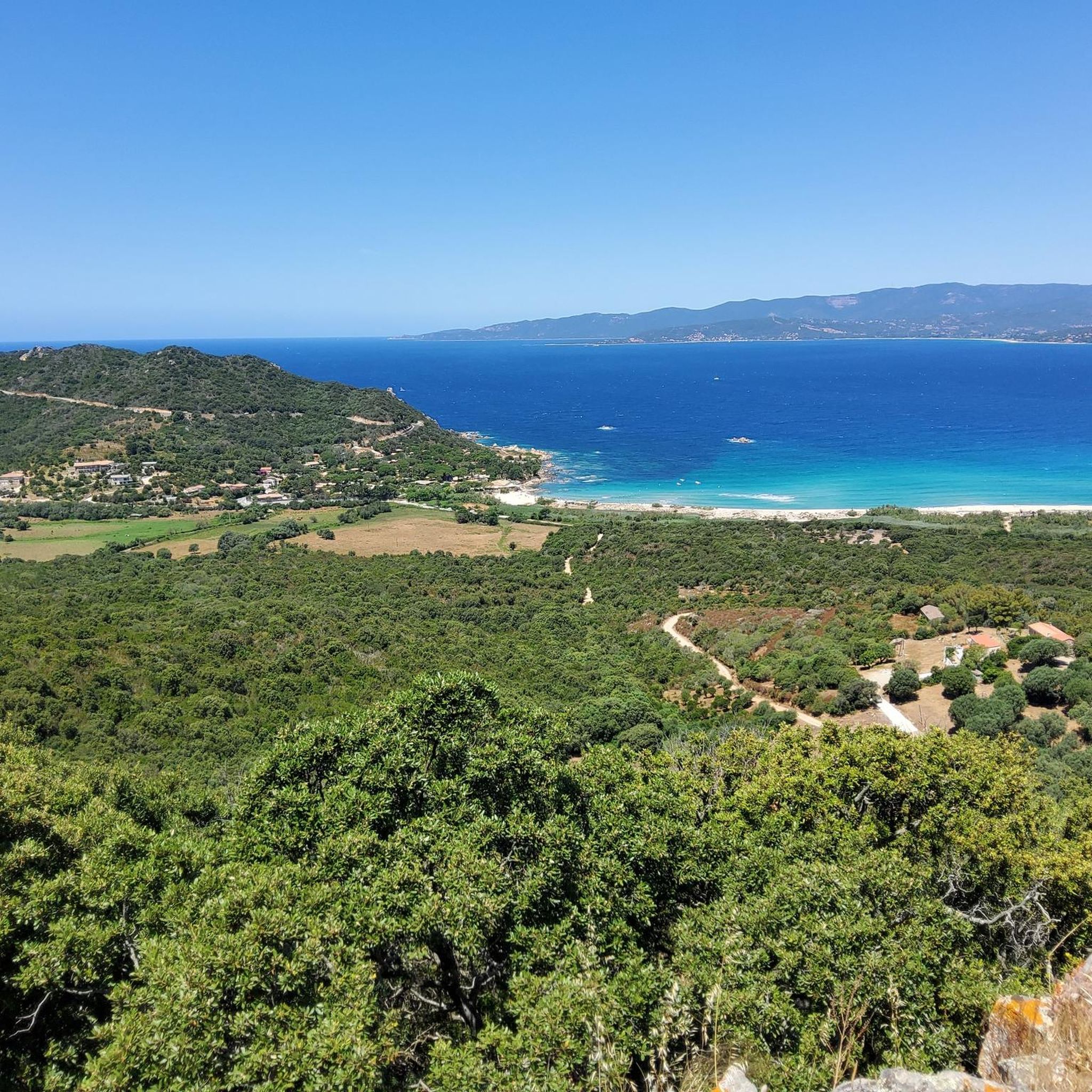
Natural monuments around Bilia, a commune in Corsica, offer diverse natural landscapes characterized by coastal features, rock formations, and unique flora. The region provides access to several natural attractions, making it a destination for outdoor exploration. These natural landmarks contribute to the area's appeal for visitors. Bilia natural attractions include geological structures and significant plant life.
Best natural monuments around Bilia
- The most popular natural monument is Punta di Campomoro Rock Formations, a natural monument featuring unique geological structures.…
Last updated: July 5, 2026
Punta di Campomoro Rock Formations
Highlight • Natural Monument
Translated by Google •
Tip by

Dragon Rock
Highlight • Natural Monument
Translated by Google •
Tip by

Sign up now to discover places like this
Get recommendations on the best single tracks, peaks, & plenty of other exciting outdoor places.
Sign up for free
Tafoni rock formations at Campomoro
Highlight • Natural Monument
Tip by

Campu Moru Senetosa (Canuseddu) Beach
Highlight • Beach
Translated by Google •
Tip by

Cauria Cork Oak
Highlight • Natural Monument
Translated by Google •
Tip by

Sign up for free to discover even more natural monuments around Bilia.
Sign up for free
Already have an account?
Start today with a free account
Your next adventure awaits.
Login or Signup
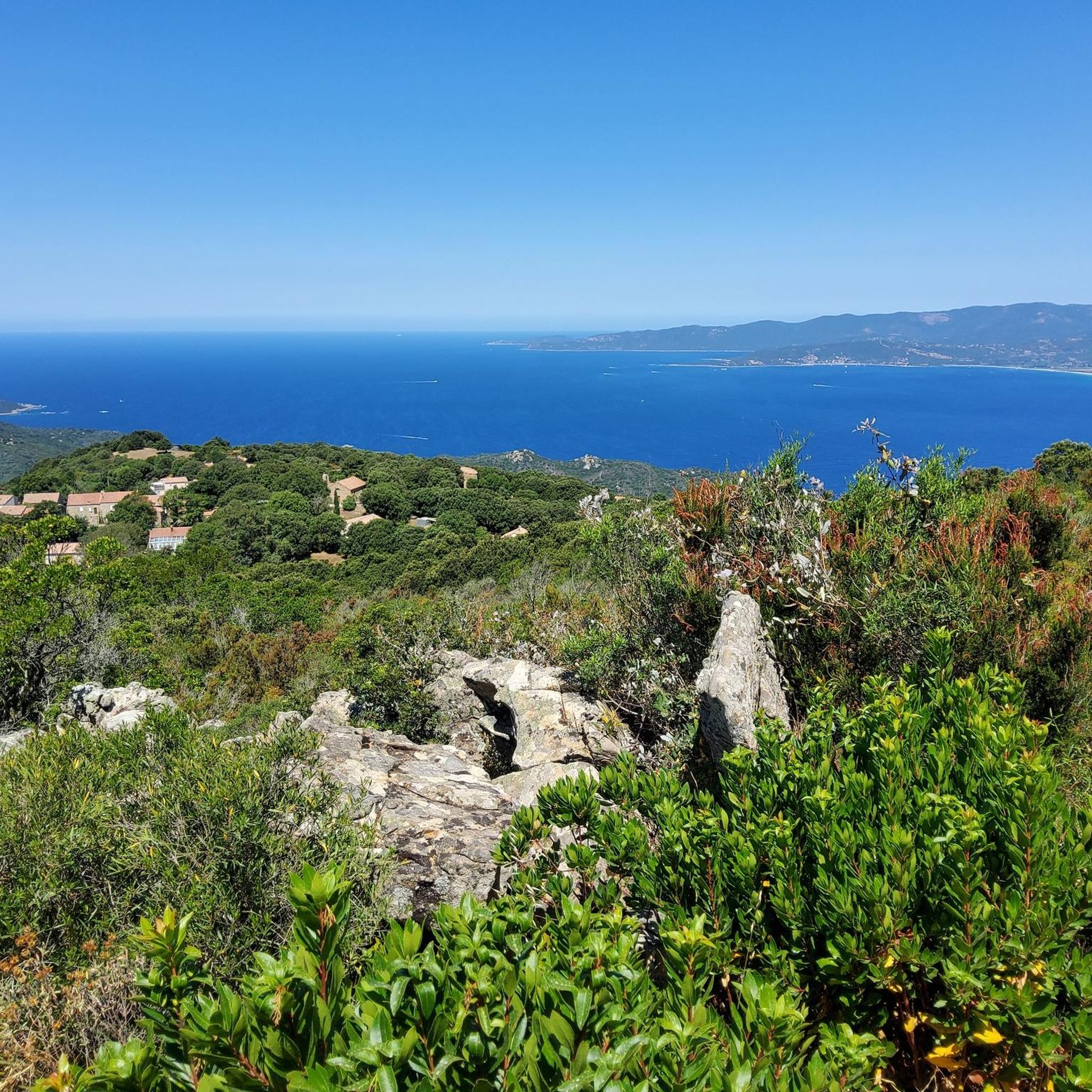
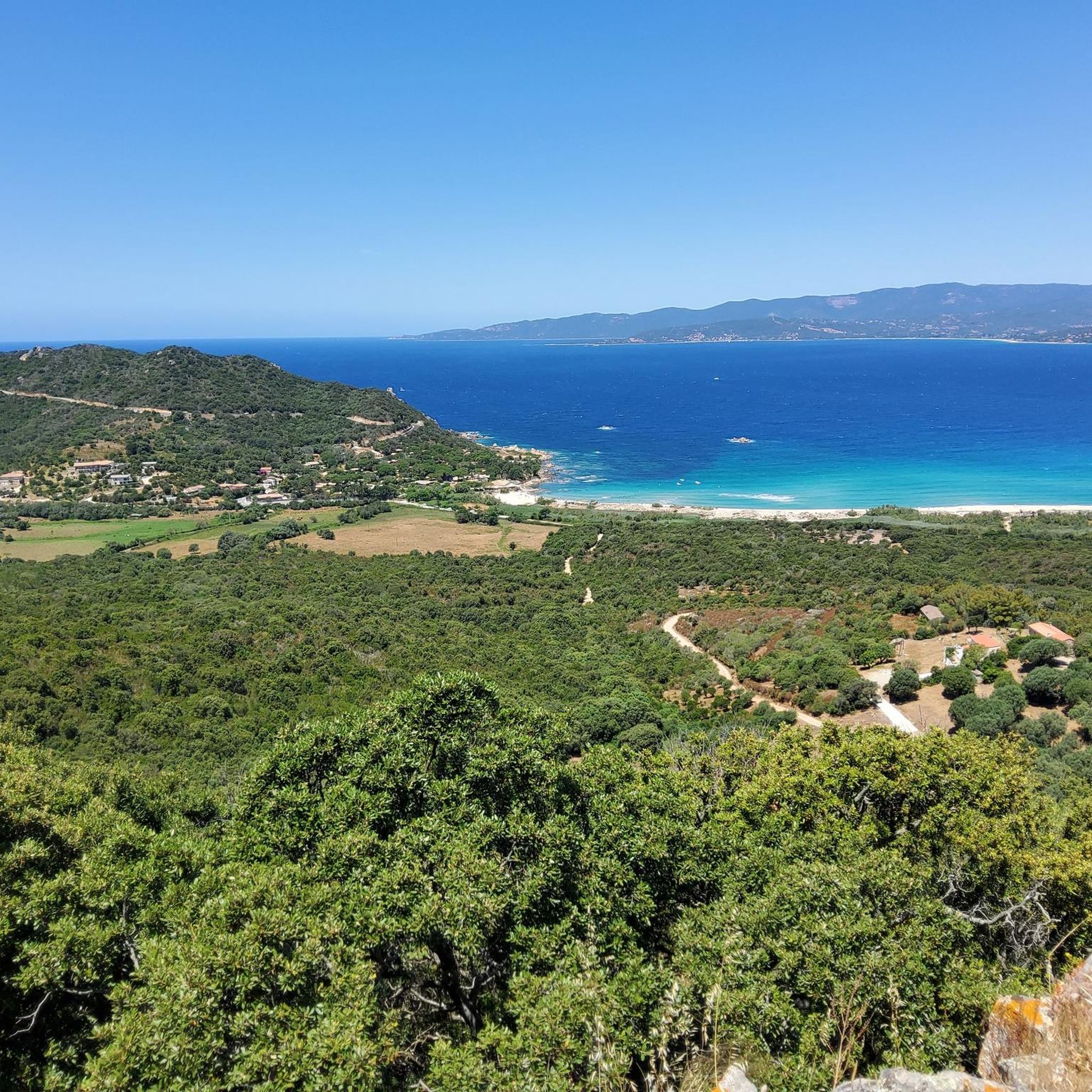
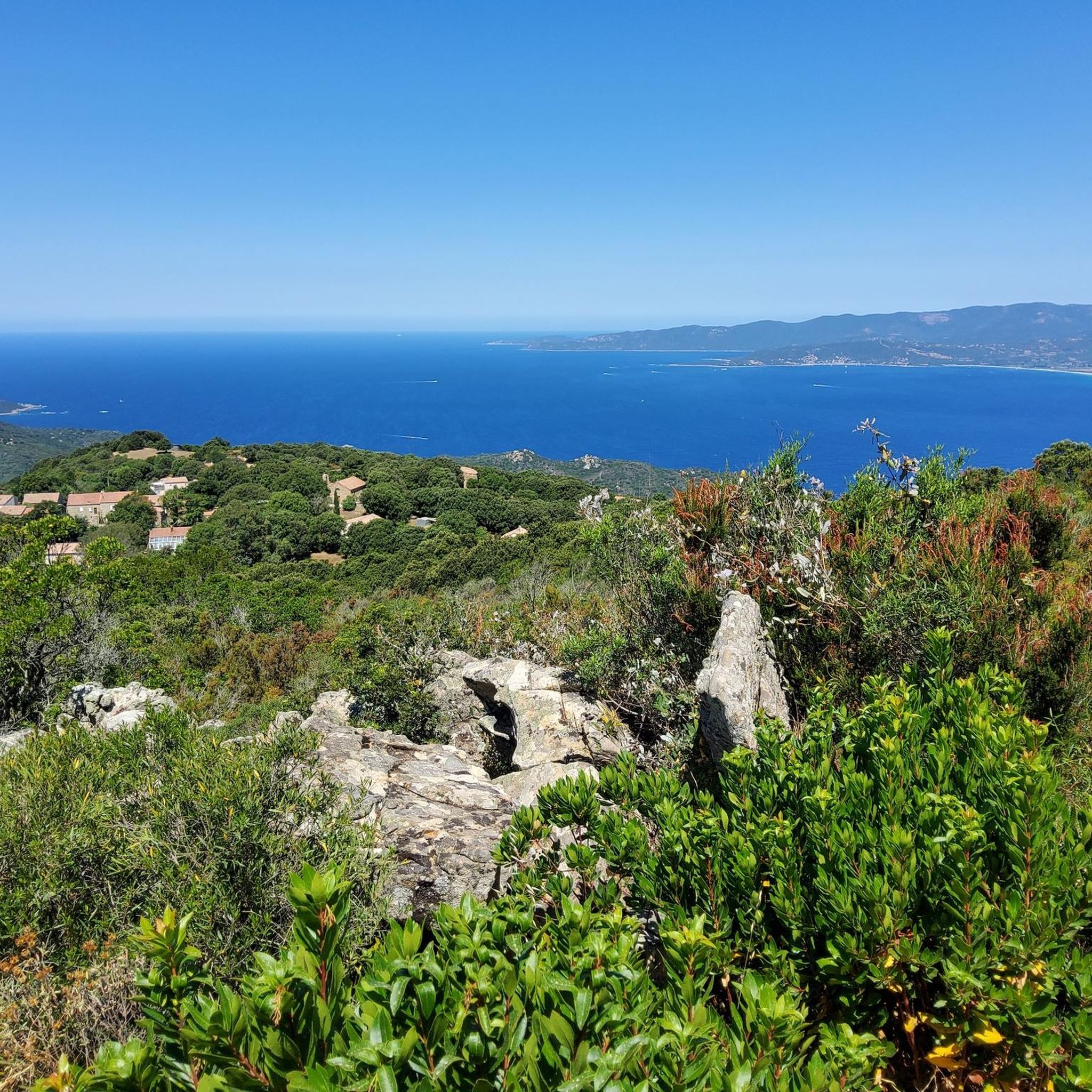
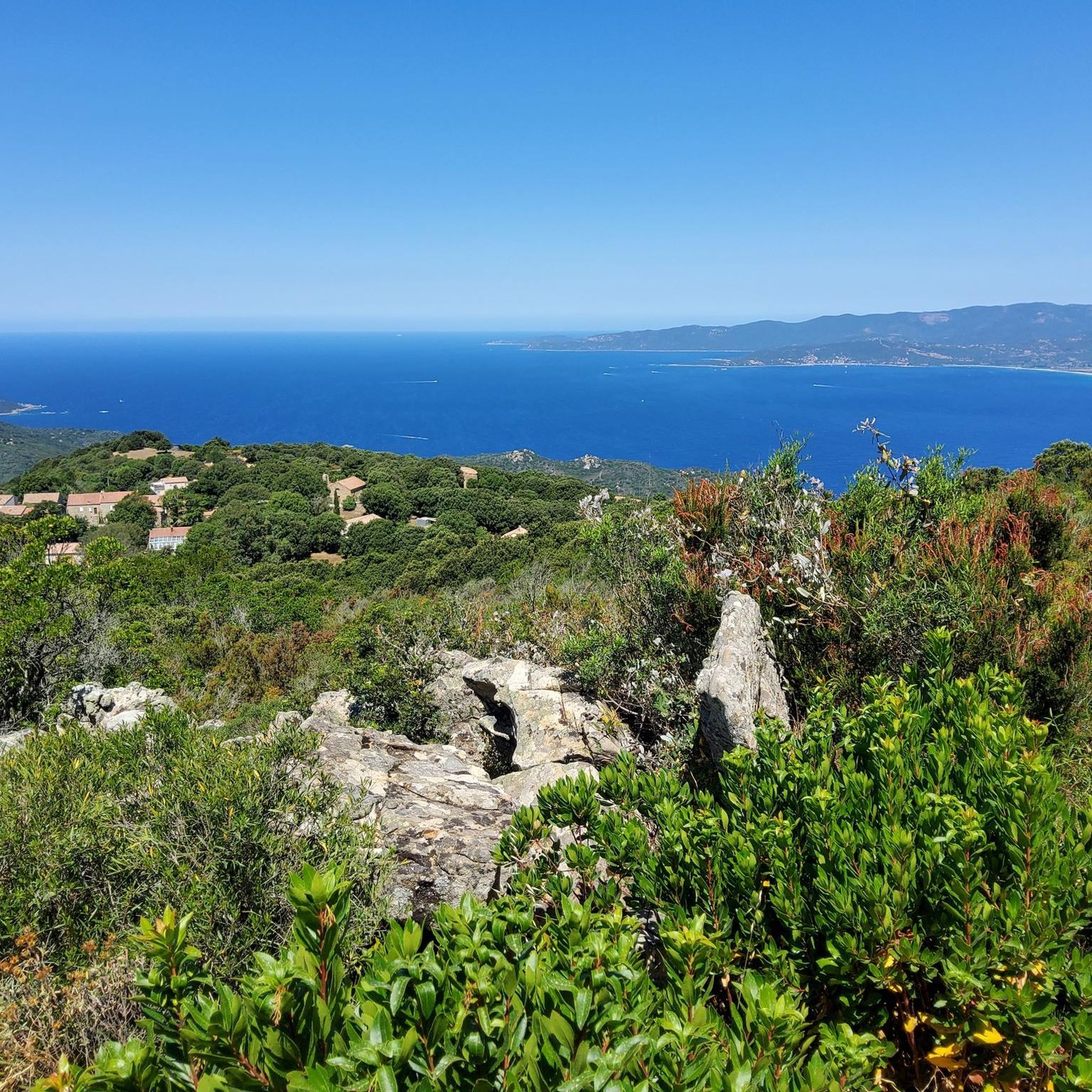

Tips from the Community

Bring your swimwear, as there are a few pools in the bay that are somewhat isolated from the open sea.
1
0
The landscape is worth seeing because of the rocks that have been washed out and shaped by wind and weather.
1
0
Belvédère-Campomoro (Corsican: Belvidè è Campumoru; Italian: Belvedere-Campomoro) is a French commune with 195 inhabitants (as of January 1, 2022) on the Mediterranean island of Corsica. It belongs to the department of Corse-du-Sud, the arrondissement of Sartène and the canton of Sartenais-Valinco. The inhabitants are called Belvédérais and Belvédéraises.
1
0

At the top of the Cauria plateau, a superb cork oak stands out from the landscape. Three metres in circumference and eleven metres high, it is estimated to be 100 to 200 years old.
0
0

Hike to the intriguing Dragon Rock near Punta di Scalonu for a unique experience. The trail takes you through rugged terrain with panoramic views of the coast, eventually ending up at this stunning rock formation that is said to resemble a dragon. It’s a great place to stop for a photo, surrounded by dramatic cliffs and clear blue sea.
0
0


Beautiful Nature Reserve at the Punta Campomoro
1
0

A varied coastal region is waiting to be explored.
0
0
Frequently Asked Questions
What are the most popular natural monuments around Bilia?
The most popular natural monument is Punta di Campomoro Rock Formations, known for its unique geological structures. Another highly regarded spot is Dragon Rock, an intriguing formation resembling a dragon. Visitors also appreciate the ancient Cauria Cork Oak, estimated to be 100 to 200 years old.
Are there family-friendly natural monuments around Bilia?
Yes, several natural monuments around Bilia are suitable for families. The Cauria Cork Oak offers an accessible natural landmark. Additionally, Campu Moru Senetosa (Canuseddu) Beach and Cala d'Acciolu are beautiful bays with sandy beaches, perfect for a family outing and a refreshing swim.
What types of natural features can I expect to see around Bilia?
Around Bilia, you can expect to see diverse natural features, primarily dramatic rock formations and coastal landscapes. Highlights include the unique geological structures of Punta di Campomoro Rock Formations and the distinctive Dragon Rock. The area also features significant plant life, such as the ancient Cauria Cork Oak, and serene sandy beaches like Campu Moru Senetosa (Canuseddu) Beach and Cala d'Acciolu.
What outdoor activities can I do near the natural monuments around Bilia?
The region around Bilia offers various outdoor activities. You can explore numerous cycling routes, including gravel biking and road cycling. For instance, there are challenging gravel biking routes like the 'Filitosa Prehistoric Site – Looking back at the plain loop from Olmeto' and road cycling routes such as 'The Ortollo valley'. You can find more details and routes in the Gravel biking around Bilia and Road Cycling Routes around Bilia guides.
Are there hiking trails near these natural monuments?
While specific hiking trails directly linked to the natural monuments are not detailed, the region's rugged terrain and coastal areas provide ample opportunities for walking and exploring. The tips for Dragon Rock mention a hike through rugged terrain with panoramic coastal views. For more structured routes, consider the broader cycling guides which often include paths suitable for walking or exploring the landscape, such as those found in the Cycling around Bilia guide.
What is the best time of year to visit the natural monuments around Bilia?
The best time to visit the natural monuments around Bilia, and Corsica in general, is typically during the spring (April to June) and early autumn (September to October). During these periods, the weather is pleasant for outdoor activities, with comfortable temperatures and less intense heat than the peak summer months. The landscapes are lush in spring, and the sea remains warm enough for swimming in early autumn, while avoiding the busiest tourist crowds.
Can I spot wildlife near the natural monuments in Bilia?
Yes, there are opportunities to spot wildlife. For example, with a little luck, you might see the European pond turtle at Campu Moru Senetosa (Canuseddu) Beach. The broader Corsican region, especially protected areas like the Scandola Nature Reserve (accessible by boat), is known for its rich biodiversity, including rare fish, dolphins, peregrine falcons, and ospreys.
Are there any lesser-known natural monuments or hidden gems worth exploring near Bilia?
Beyond the immediate vicinity of Bilia, the wider Corse-du-Sud region of Corsica offers numerous spectacular natural monuments. These include the dramatic red granite formations of the Calanques de Piana, the towering Aiguilles de Bavella, and the impressive white limestone cliffs of Bonifacio. While not directly in Bilia, these sites are accessible and offer unique natural beauty, from sea caves and rock formations to mountain peaks and pristine beaches.
What is the typical difficulty level for exploring natural monuments around Bilia?
The difficulty level varies depending on the specific natural monument. Many coastal areas and viewpoints, such as Punta di Campomoro Rock Formations and Dragon Rock, involve intermediate terrain that may require surefootedness, especially if climbing around rocks. Beaches like Campu Moru Senetosa (Canuseddu) Beach and the Cauria Cork Oak are generally more accessible for a relaxed visit.
Are there natural monuments with coastal features or beaches near Bilia?
Yes, Bilia is situated in a region rich with coastal natural monuments. You can visit Campu Moru Senetosa (Canuseddu) Beach, a nice little bay with a sandy beach, and Cala d'Acciolu, another clean and calm bay perfect for swimming. The Punta di Campomoro Rock Formations and Dragon Rock also offer dramatic coastal views and unique rock formations shaped by the sea.
What do visitors enjoy the most about the natural monuments around Bilia?
Visitors particularly enjoy the unique and bizarre rock formations, often taking time to admire and photograph them from various angles, as seen at Punta di Campomoro Rock Formations. The dramatic coastal scenery, clear blue seas, and the opportunity for refreshing swims in clean, calm bays like Cala d'Acciolu are also highly appreciated. The blend of geological wonders and serene natural beauty makes the area appealing.
Most popular attractions around Bilia

Get inspired with the komoot mobile app


Explore more
Extend your search for the best caves by checking out these guides of the top ones around Bilia:
