Top 5 Natural Monuments around La Chapelle-Aubareil
Natural monuments around La Chapelle-Aubareil are primarily characterized by significant geological formations and a rich prehistoric history. This area, nestled in the Dordogne region, features limestone cliffs, caves, and rock shelters that have provided shelter and inspiration for human habitation for millennia. These sites offer a blend of natural beauty and archaeological significance. The region is well-known for its concentration of Paleolithic sites and unique subterranean wonders.
Best natural monuments around La Chapelle-Aubareil
- The most popular natural monument is La Roque Saint-Christophe, a historical site that features immense limestone cliffs with natural cavities and rock shelters. These fascinating rocks were inhabited by people in prehistoric times and later converted into a fortress.
- Another must-see spot is Commarque Castle, a cave and historical site. This impressive cultural monument offers a journey into the past with its medieval remains and picturesque landscapes.
- Visitors also love Sainte-Marie Fountain of Sarlat, a natural resurgence that supplied the city in the Middle Ages. This historical site is a natural monument that was a crucial water point for centuries.
- La Chapelle-Aubareil is known for its caves, rock shelters, and geological formations. The region offers a variety of natural monuments to see and explore, from ancient human habitats to impressive mineral formations.
- The natural monuments around La Chapelle-Aubareil are appreciated by the komoot community, with more than 100 upvotes and 50 photos shared by visitors.
Last updated: July 5, 2026
La Roque Saint-Christophe
Highlight • Historical Site
Translated by Google •
Tip by

Commarque Castle
Highlight • Cave
Translated by Google •
Tip by

Sign up now to discover places like this
Get recommendations on the best single tracks, peaks, & plenty of other exciting outdoor places.
Sign up for free
Sainte-Marie Fountain of Sarlat
Highlight • Natural Monument
Translated by Google •
Tip by

The Rock Shelters of the Vézère Valley
Highlight • Cave
Translated by Google •
Tip by

Source du Coly/Moulin de Ladoux
Highlight • Natural
Translated by Google •
Tip by

Sign up for free to discover even more natural monuments around La Chapelle-Aubareil.
Sign up for free
Already have an account?
Start today with a free account
Your next adventure awaits.
Login or Signup
Tips from the Community


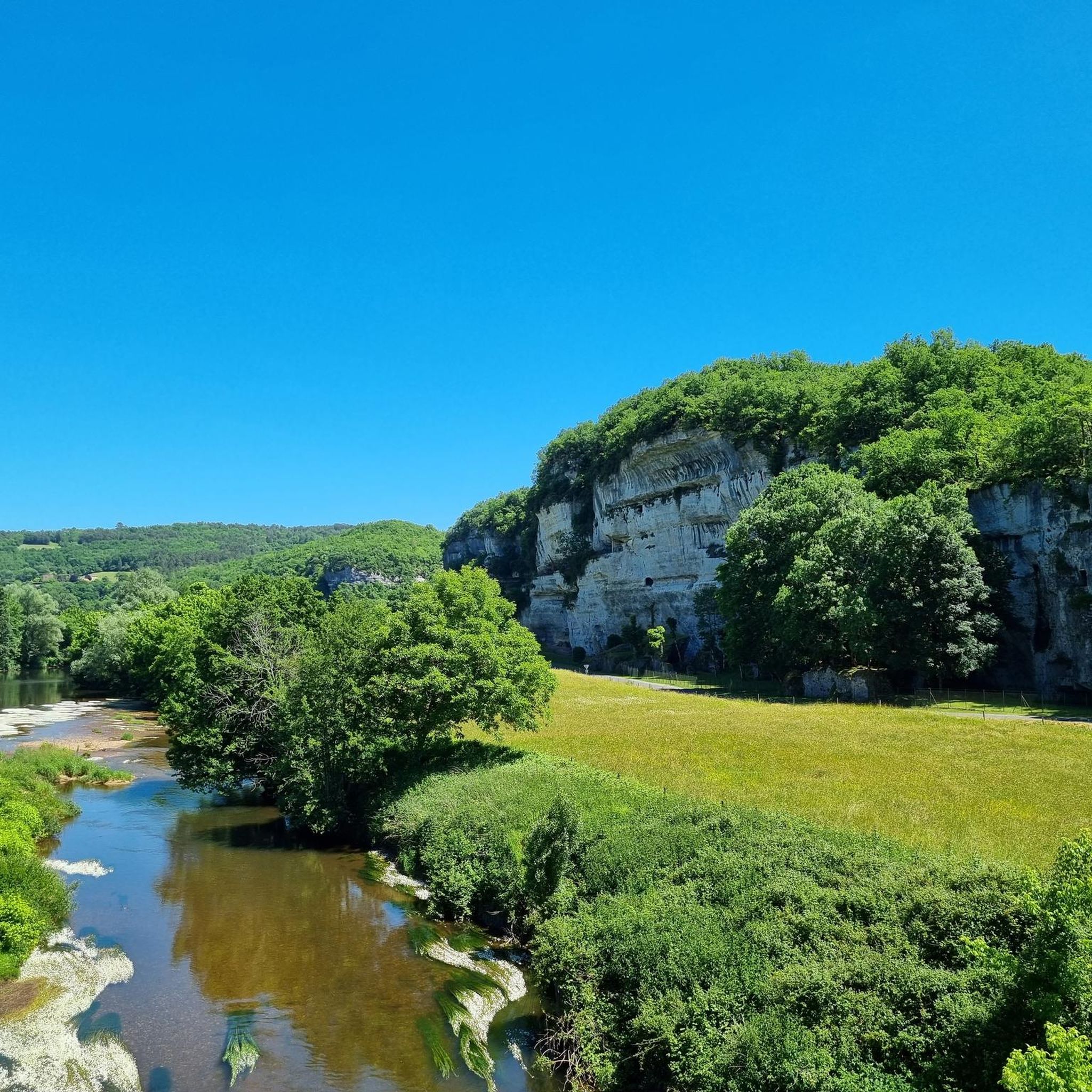
This real limestone wall, one kilometer long and eighty meters high, constantly undermined by the river and the frost, has been hollowed out with a hundred rock shelters and long aerial terraces; these natural cavities were occupied by prehistoric man and then modified to become a fort and a city from the Middle Ages until the beginning of the Renaissance.
2
0

The forgotten fortress: a millefeuille of stones where dungeons and fortified castles, troglodytes and prehistoric caves overlap in a preserved landscape
0
0

located in the wild Grande Beune valley, is a historical and archaeological site in Périgord. It offers a journey into the past, with its medieval remains and picturesque landscapes. A must-visit for history and nature lovers.
0
0
The Sainte-Marie fountain in Sarlat is a natural resurgence which supplied the entire secular part of the city in the Middle Ages. Located rue des Consuls, a few steps from the famous geese of the sculptor Francois-Xavier Lalanne, this fountain was for a long time the city's drinking water point. However, its proximity to the stables and the streets where residents dumped their waste, urine and excrement led to serious water pollution and typhoid epidemics until the 20th century.
1
0

Top tip in this region. Information folder in German, videos and explanations in a film leave no questions unanswered. Otherwise simply impressive cultural monument... Also recommended for kids.
0
0

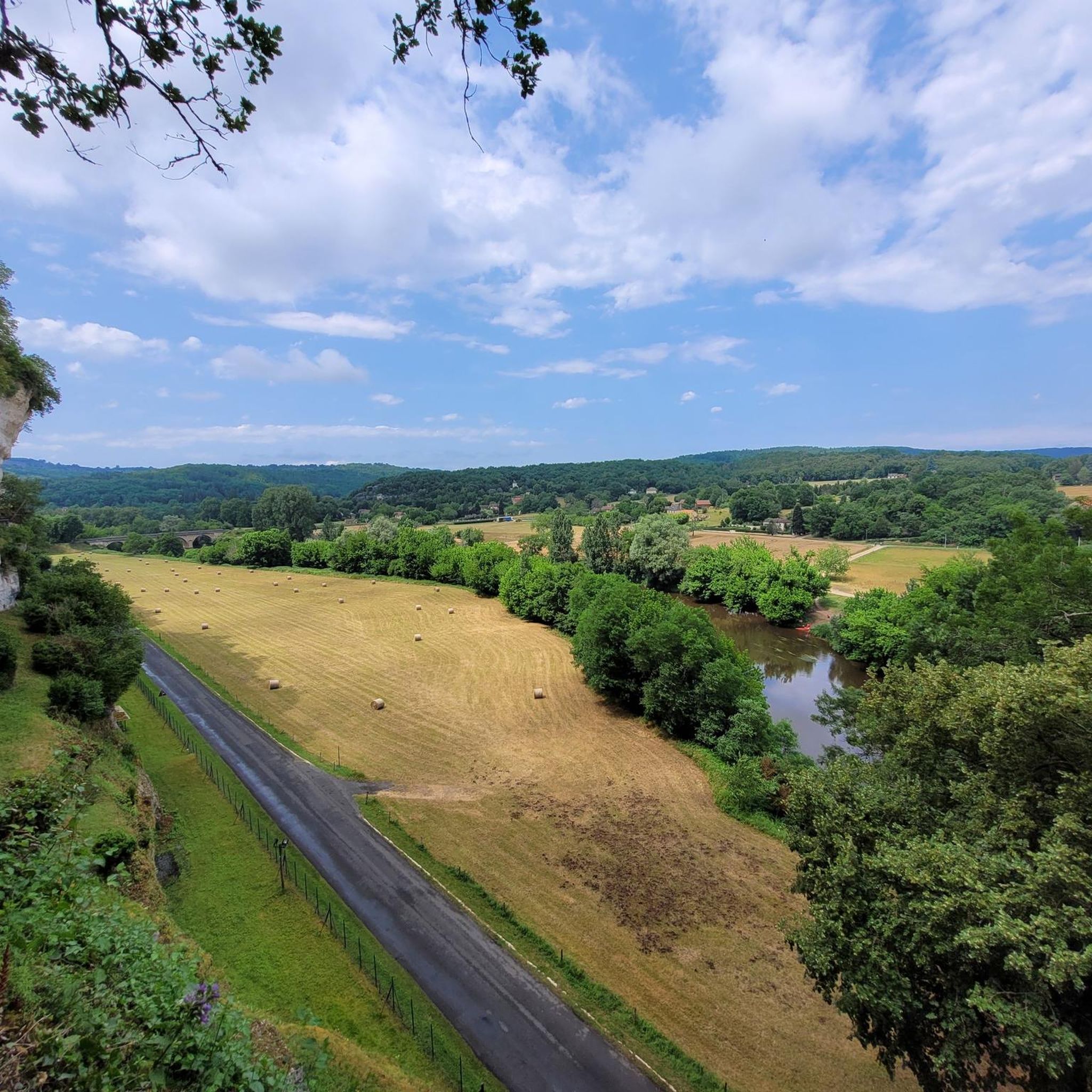
Really incredibly impressive place - 50,000 years of human history on a rock face. Europe's largest settlement of this kind and also almost unique in the world - UNESCO World Heritage Site. Not to be missed! Ideal in the off-season when only a few people are out and about here.
1
0

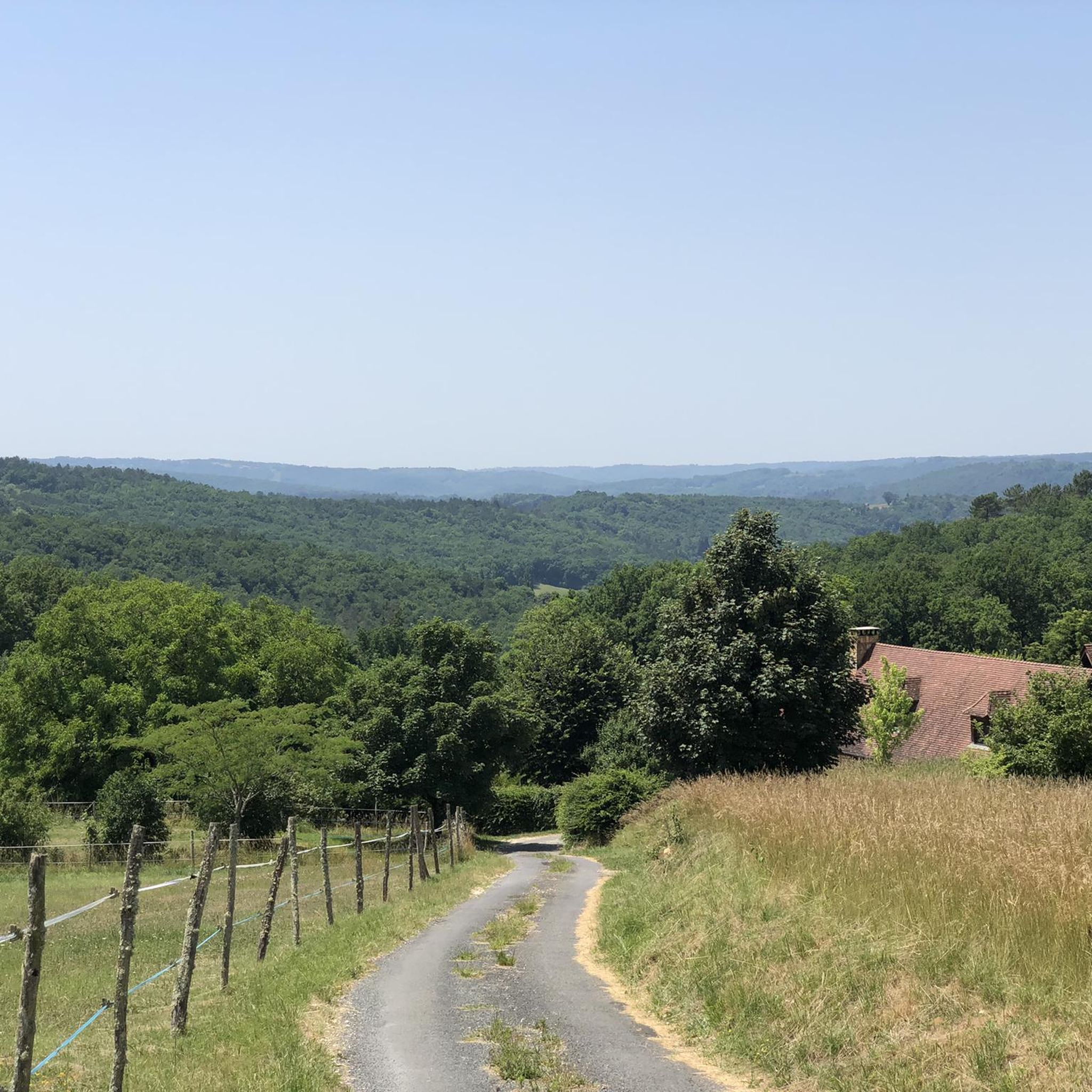
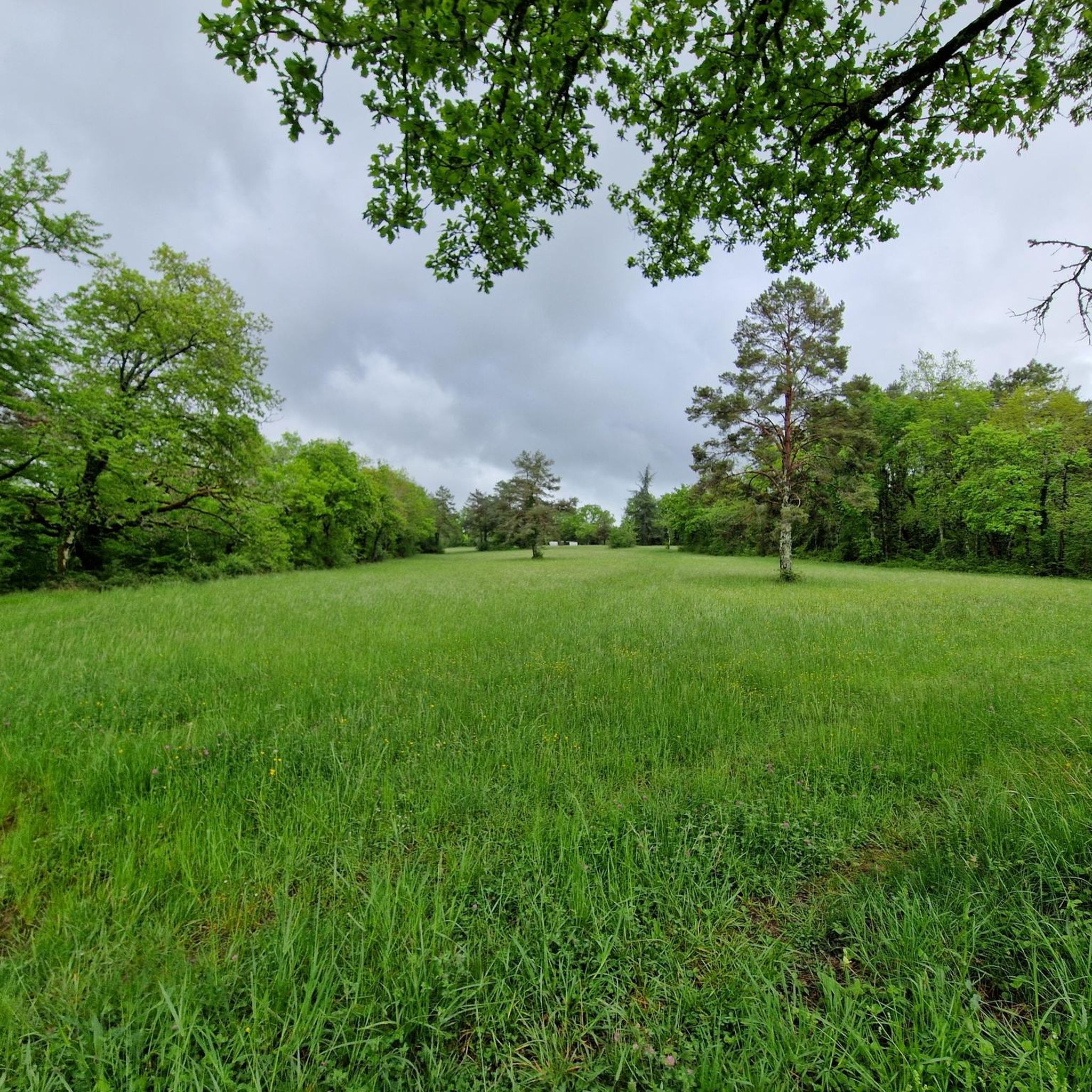
Terrific landscape. The Coly has its source not far from here. Perfect for a quiet picnic break during your hike
1
0
Frequently Asked Questions
What are some of the most popular natural monuments around La Chapelle-Aubareil?
Visitors frequently enjoy exploring La Roque Saint-Christophe, an immense limestone cliff that served as a prehistoric and medieval dwelling. Another favorite is Commarque Castle, a historical site nestled in a picturesque landscape. The Source du Coly/Moulin de Ladoux is also popular for its tranquil natural setting.
What makes the natural monuments in the La Chapelle-Aubareil region unique?
The natural monuments around La Chapelle-Aubareil are unique due to their exceptional blend of geological formations and rich prehistoric history. The region is characterized by stunning limestone cliffs, extensive cave systems, and rock shelters that have provided shelter and inspiration for human habitation for over 450,000 years, earning the Vézère Valley the title 'Valley of Man'.
Are there any UNESCO World Heritage sites among the natural monuments in this area?
Yes, the entire Vézère Valley, which encompasses many of the natural monuments around La Chapelle-Aubareil, is designated as a UNESCO World Heritage site. It is recognized for its exceptional concentration of prehistoric sites, including caves and rock shelters with some of the best-preserved examples of prehistoric art and hominid remains.
Are there family-friendly natural monuments to visit near La Chapelle-Aubareil?
Absolutely. The Source du Coly/Moulin de Ladoux is a family-friendly spot, perfect for a quiet picnic. Commarque Castle is also recommended for kids, offering an impressive cultural monument with medieval remains. The Grotte du Grand Roc, with its stunning crystal formations, and the Gouffre de Padirac, offering an underground boat tour, provide captivating experiences for all ages.
What kind of geological features can I expect to see?
You can expect to see impressive limestone cliffs, deep chasms (gouffres), and intricate cave systems. Many caves, like the Grotte du Grand Roc, are renowned for their exceptional variety and density of crystallizations, including stalactites, stalagmites, and eccentrics. The region's landscape is largely shaped by the Vézère River, which has carved out valleys and rock shelters over millennia.
What historical significance do these natural monuments hold?
The natural monuments in this region are deeply intertwined with human history, particularly prehistory. Sites like La Roque Saint-Christophe and The Rock Shelters of the Vézère Valley were inhabited by humans from the Paleolithic era through the Middle Ages. They offer a unique glimpse into how ancient civilizations adapted to and utilized these natural environments, with evidence of early human occupation and prehistoric art.
What outdoor activities can I do near these natural monuments?
The area around La Chapelle-Aubareil offers a variety of outdoor activities. You can find numerous hiking trails, such as the 'Wanderung nach Montignac' routes, which allow you to explore the scenic landscapes. There are also cycling routes, including those around Montignac/Lascaux, and MTB trails for more adventurous riders. For detailed route information, you can check the hiking guide, cycling guide, or MTB guide for La Chapelle-Aubareil.
Is the Gouffre de Padirac located within the immediate vicinity of La Chapelle-Aubareil?
The Gouffre de Padirac is a must-visit natural wonder, though it is located slightly outside the immediate vicinity of La Chapelle-Aubareil, in the Lot department. It's renowned for its enormous chasm and extensive underground river system, explored by boat, making it a worthwhile excursion for those interested in impressive subterranean landscapes.
What is the best time to visit the natural monuments around La Chapelle-Aubareil?
The best time to visit is generally during the spring (April to June) and autumn (September to October) when the weather is mild and pleasant for exploring both above-ground sites and cave systems. Summers can be warm, but the caves offer a cool respite. Winter visits are possible, but some sites might have reduced hours or be closed.
Are there any natural monuments known for wildlife, particularly bats?
Yes, the Gouffre de la Fage, located near the borders of the Dordogne in Corrèze, is celebrated not only for its colorful draperies and geological formations but also for hosting one of Europe's largest colonies of bats. It is classified as a Natura 2000 site, highlighting its ecological importance.
What is the Sainte-Marie Fountain of Sarlat?
The Sainte-Marie Fountain of Sarlat is a natural resurgence that historically supplied the entire secular part of Sarlat with water during the Middle Ages. It's a significant natural monument that served as a crucial drinking water point for centuries, despite later challenges with water quality.
What is the significance of the Grotte du Grand Roc?
The Grotte du Grand Roc, located near Les Eyzies-de-Tayac-Sireuil, is a stunning natural mineral cave discovered in 1924. It is renowned for its exceptional variety and density of crystallizations, including unique eccentrics that defy gravity. It offers a unique geological experience, often described as an 'enchanted mineral forest,' showcasing millennia of natural processes.
Most popular routes around La Chapelle-Aubareil
Most popular attractions around La Chapelle-Aubareil

Get inspired with the komoot mobile app


Explore more
Extend your search for the best caves by checking out these guides of the top ones around La Chapelle-Aubareil:
