Top 9 Mountain Passes around Montesquieu-Des-Albères
Mountain passes around Montesquieu-Des-Albères are situated in the foothills of the Albères massif, the easternmost part of the Pyrenees. This region offers elevated terrain suitable for hiking and cycling. The area provides access to various high points and passes within the Albères mountain range. Landscapes range from Mediterranean vegetation at lower altitudes to beech forests higher up.
Best mountain passes around Montesquieu-Des-Albères
- The most popular mountain pass is Ullat Pass, a mountain pass and viewpoint located at 938 meters.…
Last updated: July 5, 2026
Ullat Pass
Highlight • Mountain Pass
Translated by Google •
Tip by

Coll de l'Estaca
Highlight • Mountain Pass
Translated by Google •
Tip by

Sign up now to discover places like this
Get recommendations on the best single tracks, peaks, & plenty of other exciting outdoor places.
Sign up for free
Col de la Brousse (860 m)
Highlight (Segment) • Mountain Pass
Translated by Google •
Tip by

Manrella Pass
Highlight • Mountain Pass
Translated by Google •
Tip by

Col de Panissars
Highlight • Mountain Pass
Translated by Google •
Tip by

Sign up for free to discover even more mountain passes around Montesquieu-Des-Albères.
Sign up for free
Already have an account?
Start today with a free account
Your next adventure awaits.
Login or Signup
Tips from the Community

Irregular pass on its ascent from its eastern side, little frequented.
0
0

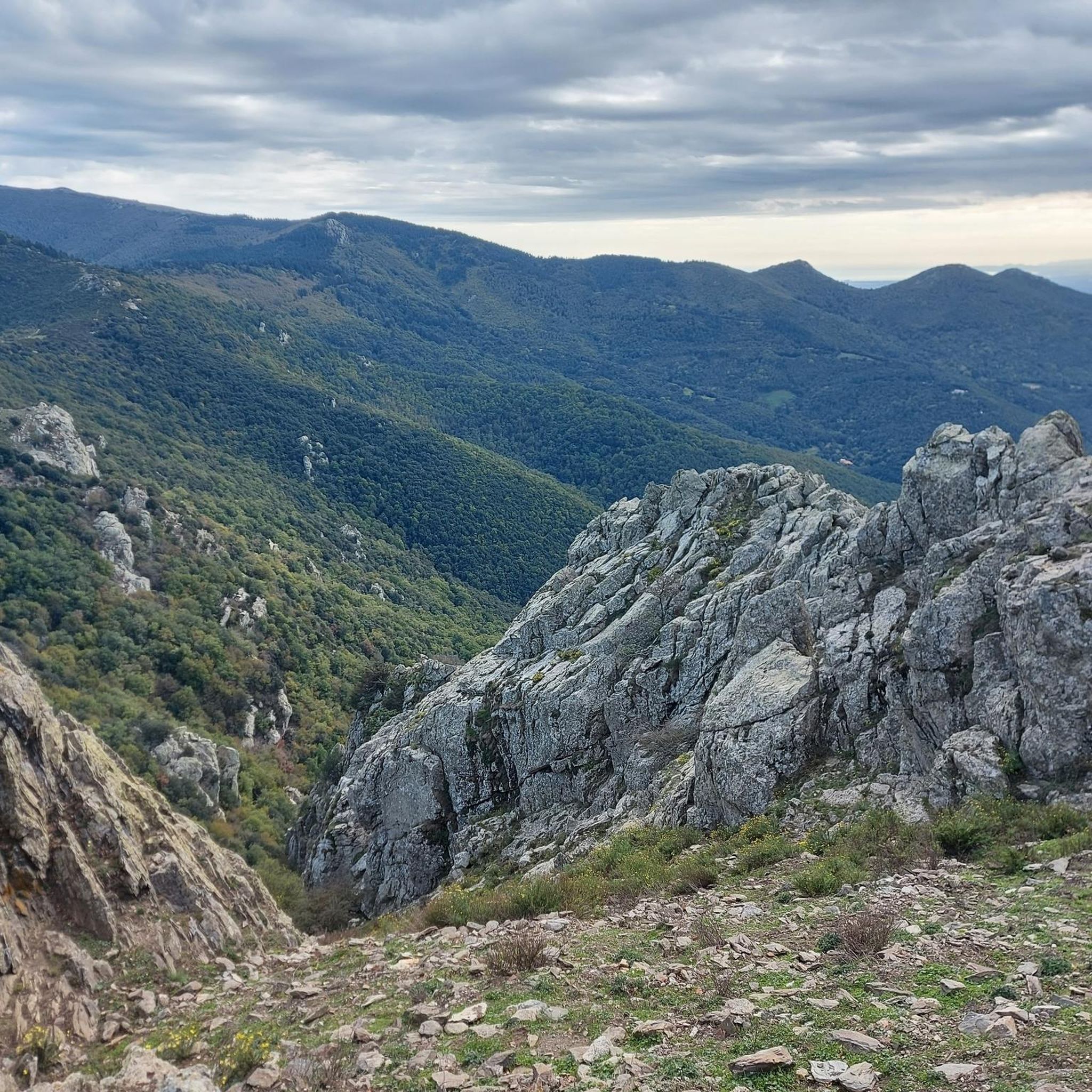
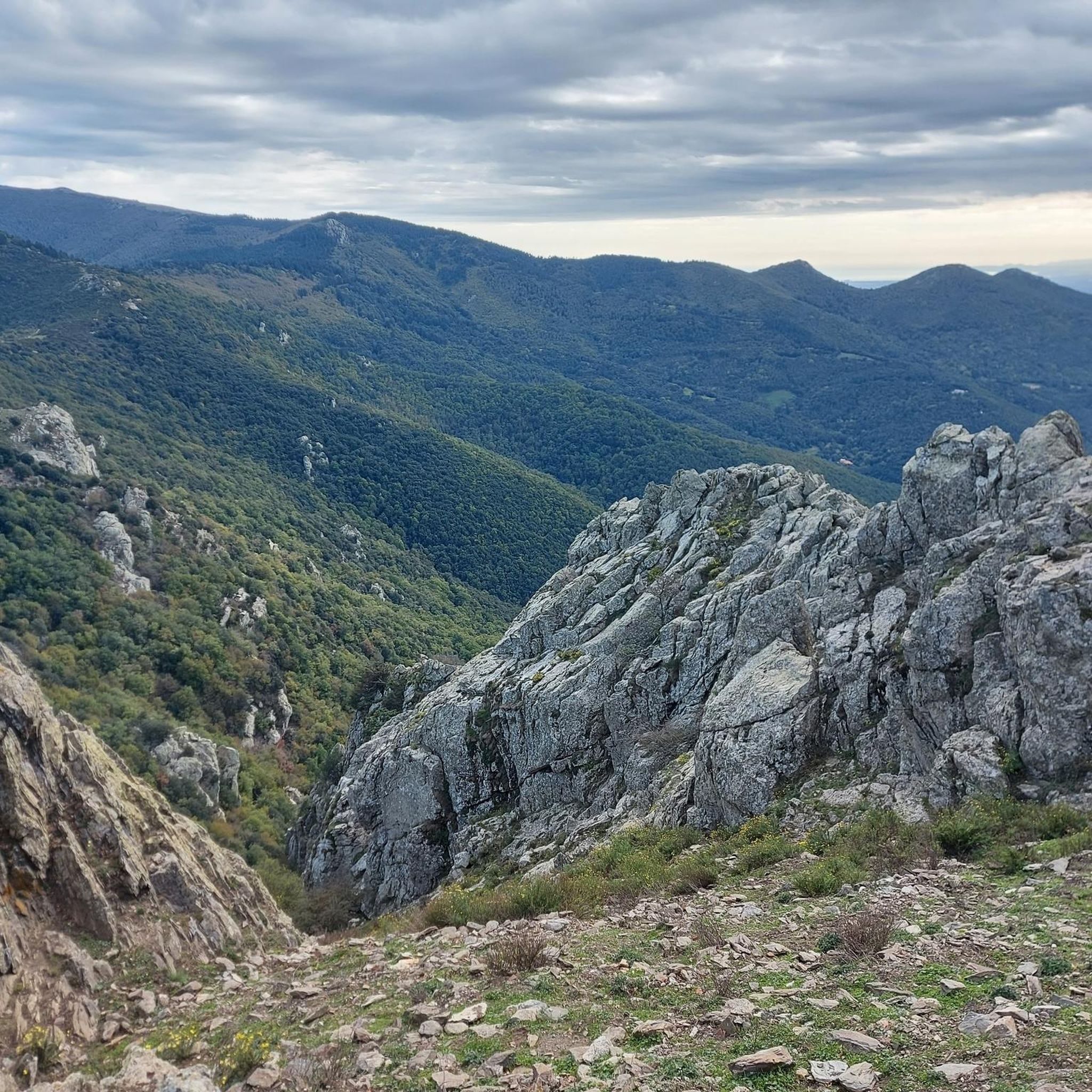
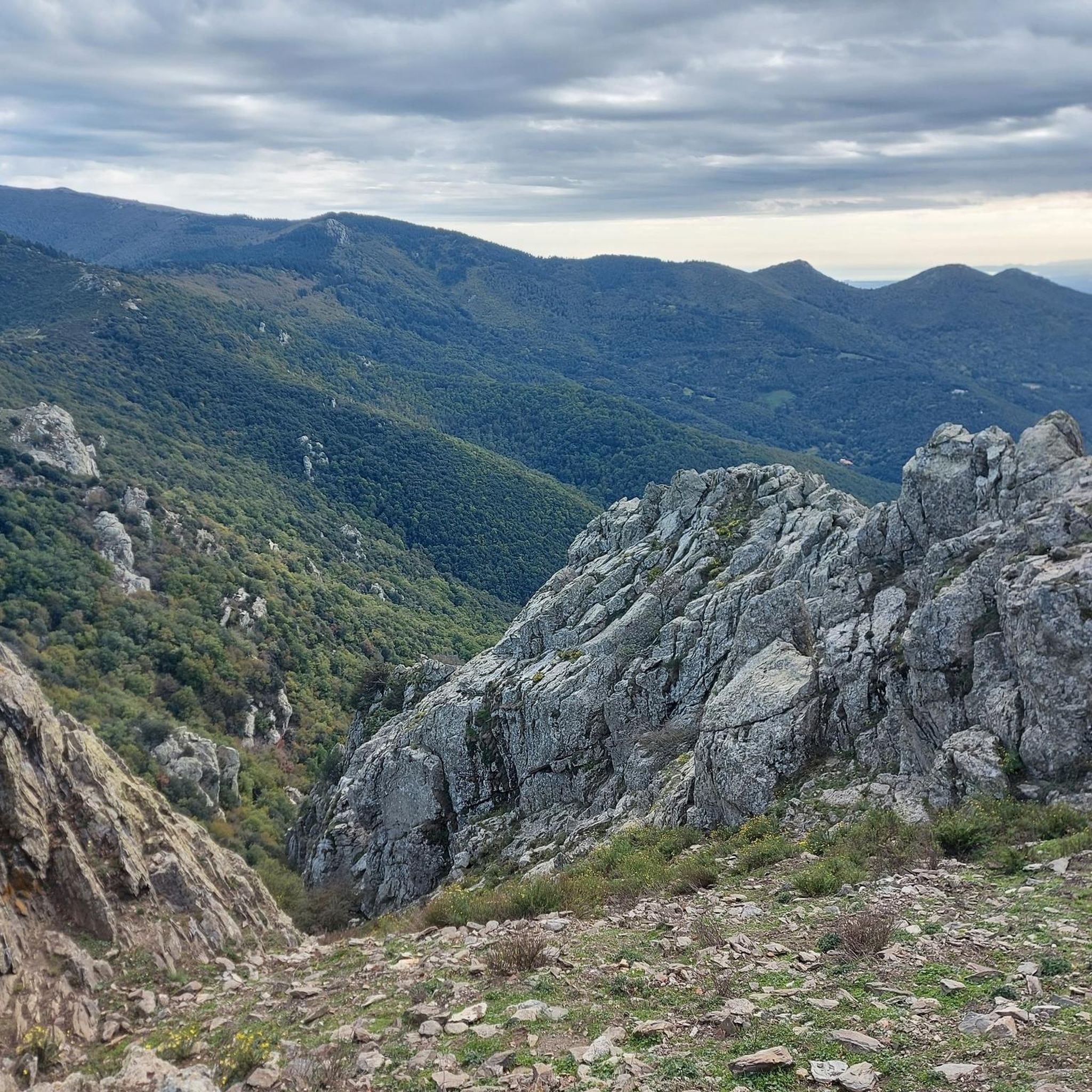
A hill with spectacular views. Several trails depart from here. It's worth taking a detour when descending from Puig Neulós to visit this spot with views on the border between the French eastern Pyrenees and the Catalan Pyrenees.
1
0

Unfortunately, that's how it is. On this side of the border you get the impression that you've entered, not just the jungle, but... another dimension.
1
0

Really enjoyable ride. Id agree with level 3 for fitness it was a a constant climb altho the gradient ranged from 3,6,8% ( with only less than 100m that went up to 14%. So can be riden at your own pace The Hostel at Las illas after the Col is a slight detour but good for Coffee a beer or a sandwich. Lovely flowing decent, At Maureillas i nearly headed back along the main road but glad i didn't as the last 3rd of the ride has quite a different caricature ( mostly cycle paths)
0
0

Monument in memory of Luis Company, 1st President of the Generalitat of Catalonia, arrested by Vichy troops and given to the Francoists who executed him.
1
0

It is located at an altitude of approximately 936 metres in the Albera mountain range in the Pyrénées-Orientales, France. It is accessible by road via a narrow, paved route, which climbs from Le Boulou and Laroque-des-Albères. The road offers panoramic views as it ascends through the forest.
3
0
At the Col de l'Ullat, there is also a refuge that offers basic services for hikers. Surrounded by forests and with panoramic views, it is an ideal place to enjoy nature and explore the region.
3
1

Pass height of 325 meters on the border between Spain and France - EV 8 part on the French side is excellently developed compared to the Spanish section
1
0
Frequently Asked Questions
What kind of views can I expect from the mountain passes around Montesquieu-Des-Albères?
The mountain passes in the Albères massif offer diverse and impressive panoramas. From passes like Coll de l'Espinassa, you can see the Roussillon plain, Les Aspres, and the majestic Canigou mountain. Puig Saint-Christau Summit provides a 360-degree perspective, including views of Canigou, the Mediterranean Sea, the Côte Vermeille, and the Roussillon Plain. Ullat Pass is also known for its great views, while Coll de l'Estaca offers landscapes of the Catalan side.
Are there any mountain passes with historical significance in the region?
Yes, several passes hold historical importance. Coll de l'Estaca, for instance, was part of historical routes connecting southern and northern Catalonia, used by figures like the Visigoth king Wamba. Manrella Pass features a monument commemorating Lluís Companys, the 1st President of the Generalitat of Catalonia, marking his crossing into exile. Pla del Arca Pass is a hidden border pass with a historical border marker.
What outdoor activities can I do near these mountain passes?
The region around Montesquieu-Des-Albères is excellent for various outdoor activities. You can find numerous hiking trails, including routes to Puig Saint-Christau Summit and Coll de l'Espinassa. Mountain biking is also popular, with challenging routes leading towards the Col de l'Ouillat and Puig Neulós. For more options, explore the hiking guide, cycling guide, and MTB trails guide for the area.
Are there any family-friendly hiking options to mountain passes?
Yes, the ascent to Puig Saint-Christau Summit is largely shaded in its initial two-thirds, making it suitable for family outings. While it offers 'real sensations of altitude,' it's a rewarding experience for families with good fitness. The trail to Coll de l'Espinassa is also a moderately challenging hike amidst natural beauty, featuring refreshing fountains along the way.
What are the natural features and landscapes like in the Albères massif?
The Albères massif, where these passes are located, boasts varied landscapes. You'll encounter Mediterranean vegetation at its foothills, transitioning to beech forests at higher altitudes. The geological formations are primarily Paleozoic, consisting of granite, gneiss, and schists. The trails often pass through maquis, offering a serene escape with rich botanical significance.
What is the highest point accessible in the Albères massif from Montesquieu-Des-Albères?
While not a pass itself, Puig Neulós is the highest peak in the Albères massif, reaching an elevation of 1,256 meters (4,121 ft). It can be reached via routes that traverse various elevated sections and passes within the broader massif, offering an impressive panorama over Roussillon and Alt Empordà.
Are there any mountain passes that are particularly good for cycling?
Col de la Brousse (860 m) is a popular choice for cyclists. It's known for its rolling terrain and passages through maquis, offering varied gradients and a flowing descent. The climb is generally around 5% and is appreciated for its beautiful scenery, especially when ascending from Maureillas.
What makes the Coll de l'Espinassa route unique?
The route to Coll de l'Espinassa is unique for its steady climb and the presence of no fewer than six operational fountains along the way, providing refreshing stops for hikers. The path is also protected from the Tramontane wind, making for a more comfortable ascent, and offers panoramic views of the Roussillon plain and Canigou.
What kind of facilities can I find near the mountain passes?
While the passes themselves are often remote, some have facilities nearby. For example, Ullat Pass, located at 938 meters, has a restaurant called the Chalet de l'Albère. Additionally, after Col de la Brousse, there's an hostel at Las Illas which is a good spot for coffee, a beer, or a sandwich.
What is the best time to hike the mountain passes in this region?
The Albères massif offers pleasant conditions for hiking, particularly outside of the hottest summer months. The initial two-thirds of the ascent to Puig Saint-Christau is largely shaded, making it more comfortable. While specific 'best times' depend on personal preference for weather, spring and autumn generally offer milder temperatures and vibrant landscapes. Some routes are protected from the Tramontane wind, enhancing comfort.
Are there challenging routes for experienced hikers or mountain bikers?
Yes, for those seeking a challenge, the ascent to Puig Saint-Christau Summit can be demanding, requiring good fitness and gear like hiking poles. Puig Neulós, the highest peak, is a key objective for its magnificent views despite some difficult sections. Mountain biking routes from Montesquieu-des-Albères towards the Col de l'Ouillat and Puig Neulós are also considered challenging.
What are some notable features of the Ullat Pass?
Ullat Pass, situated at 938 meters, is known for its excellent views. The area is characterized by pine trees and some redwoods. A notable feature is the presence of the Chalet de l'Albère restaurant, offering a place to rest and enjoy the surroundings.
Most popular routes around Montesquieu-Des-Albères
Most popular attractions around Montesquieu-Des-Albères

Get inspired with the komoot mobile app


Explore more
See even more epic mountain passes by checking out these guides around Montesquieu-Des-Albères:
