Top 17 Natural Monuments around Montesquieu-Des-Albères
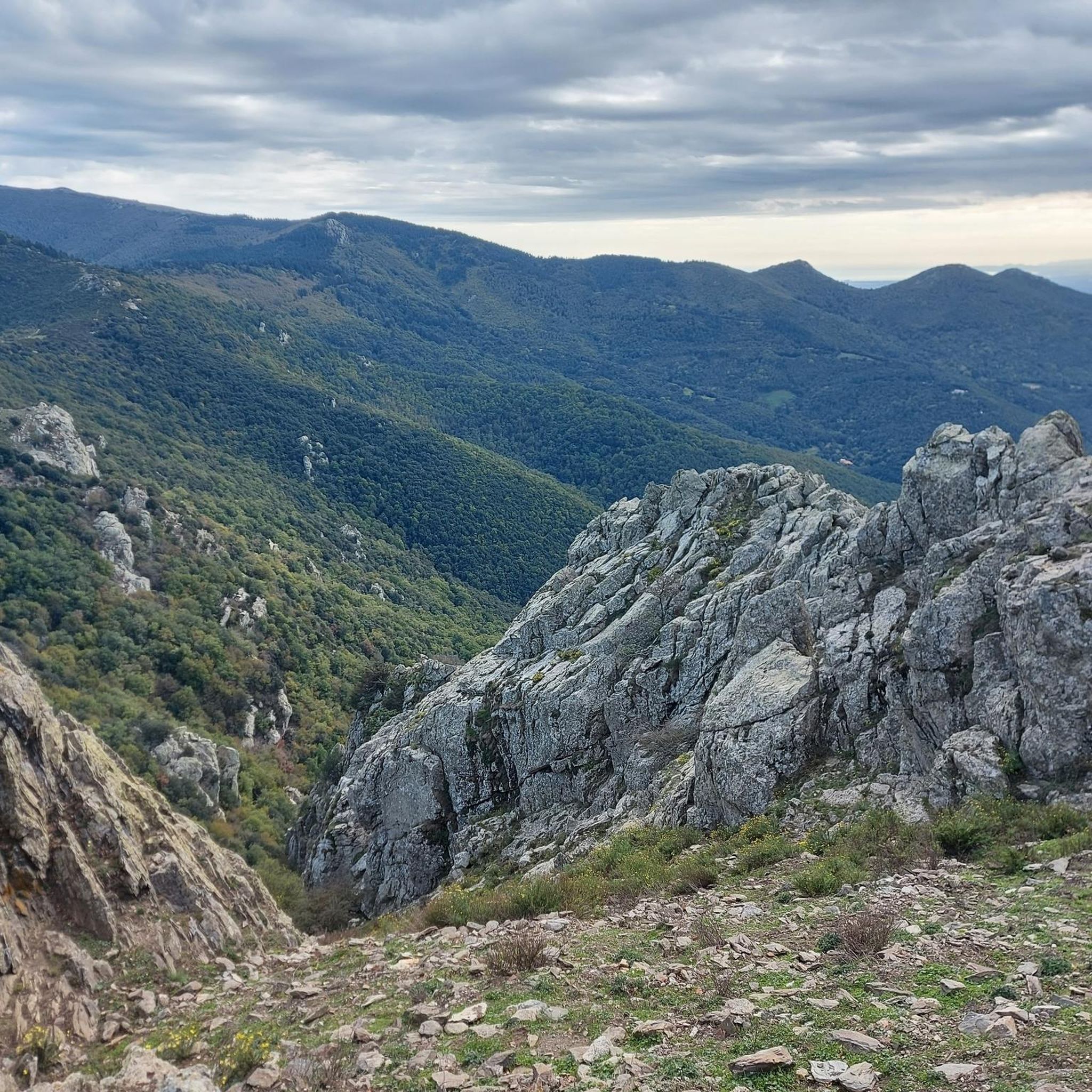
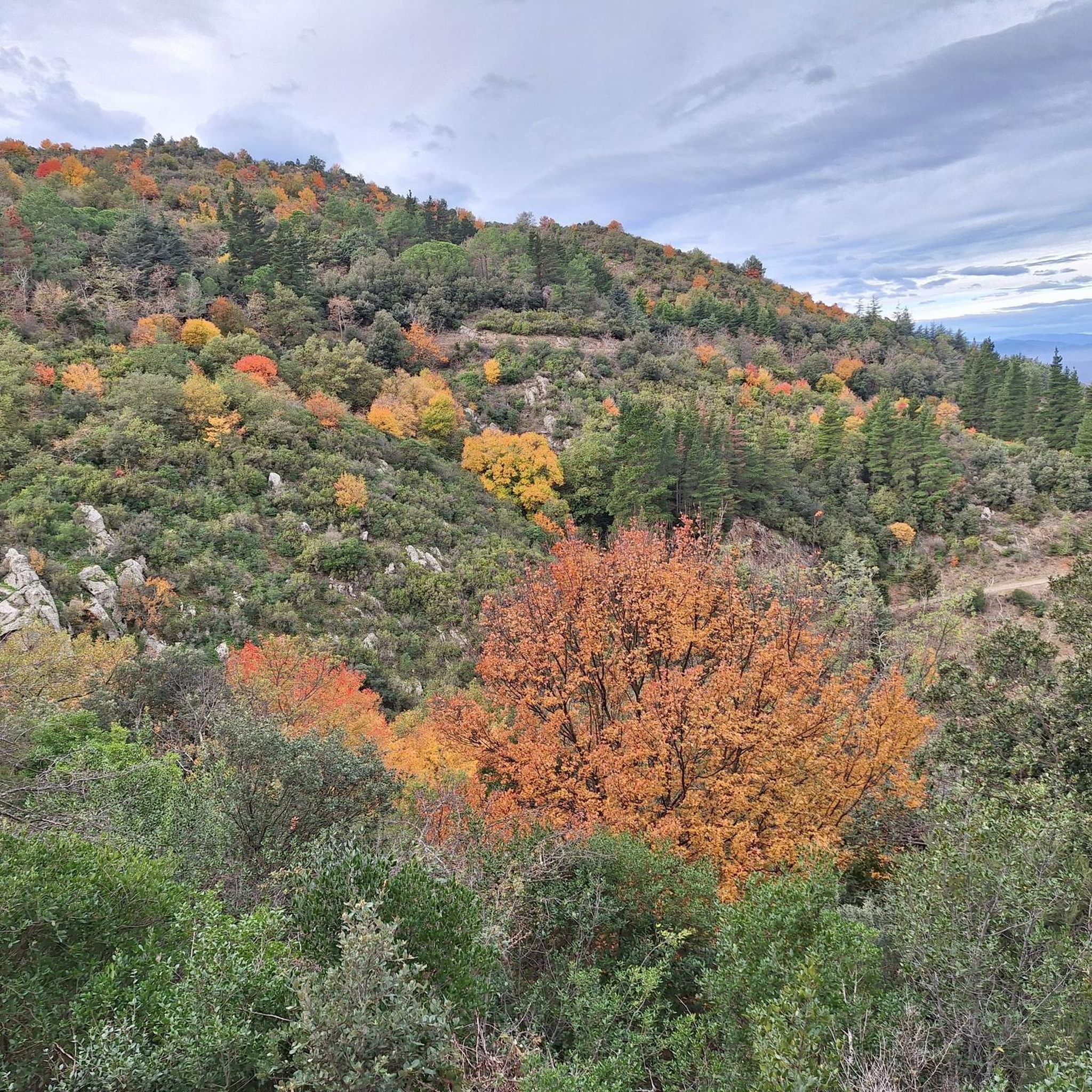
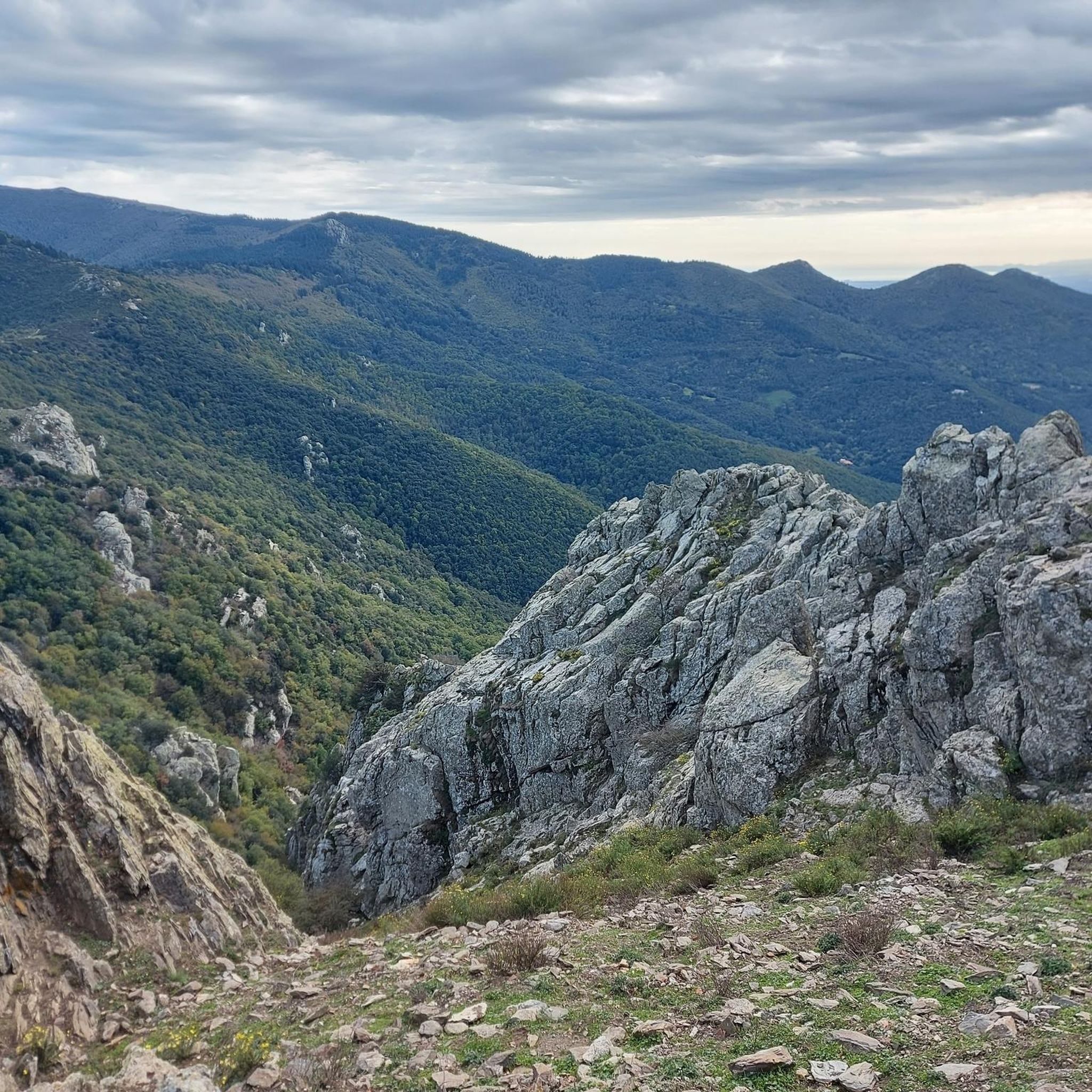
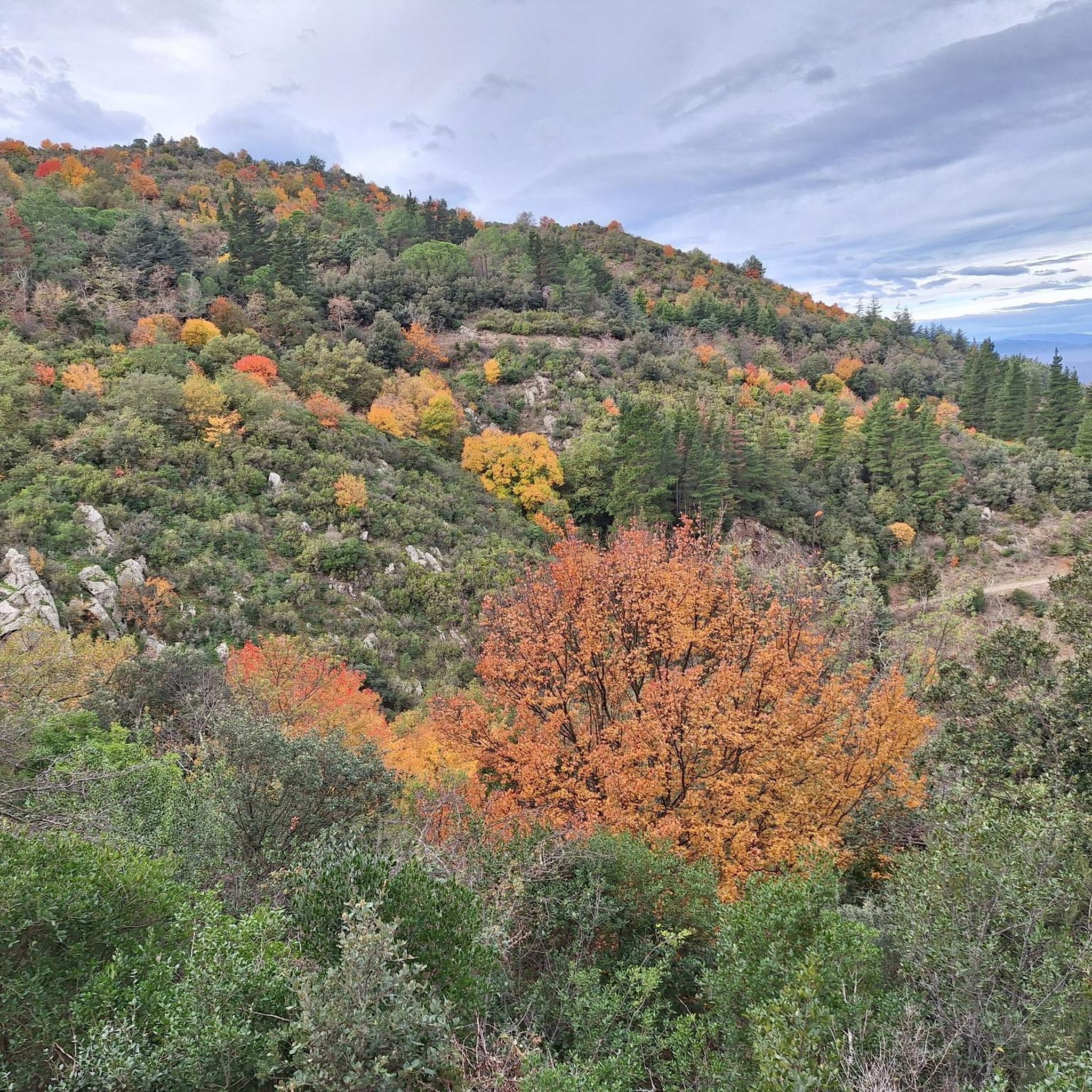
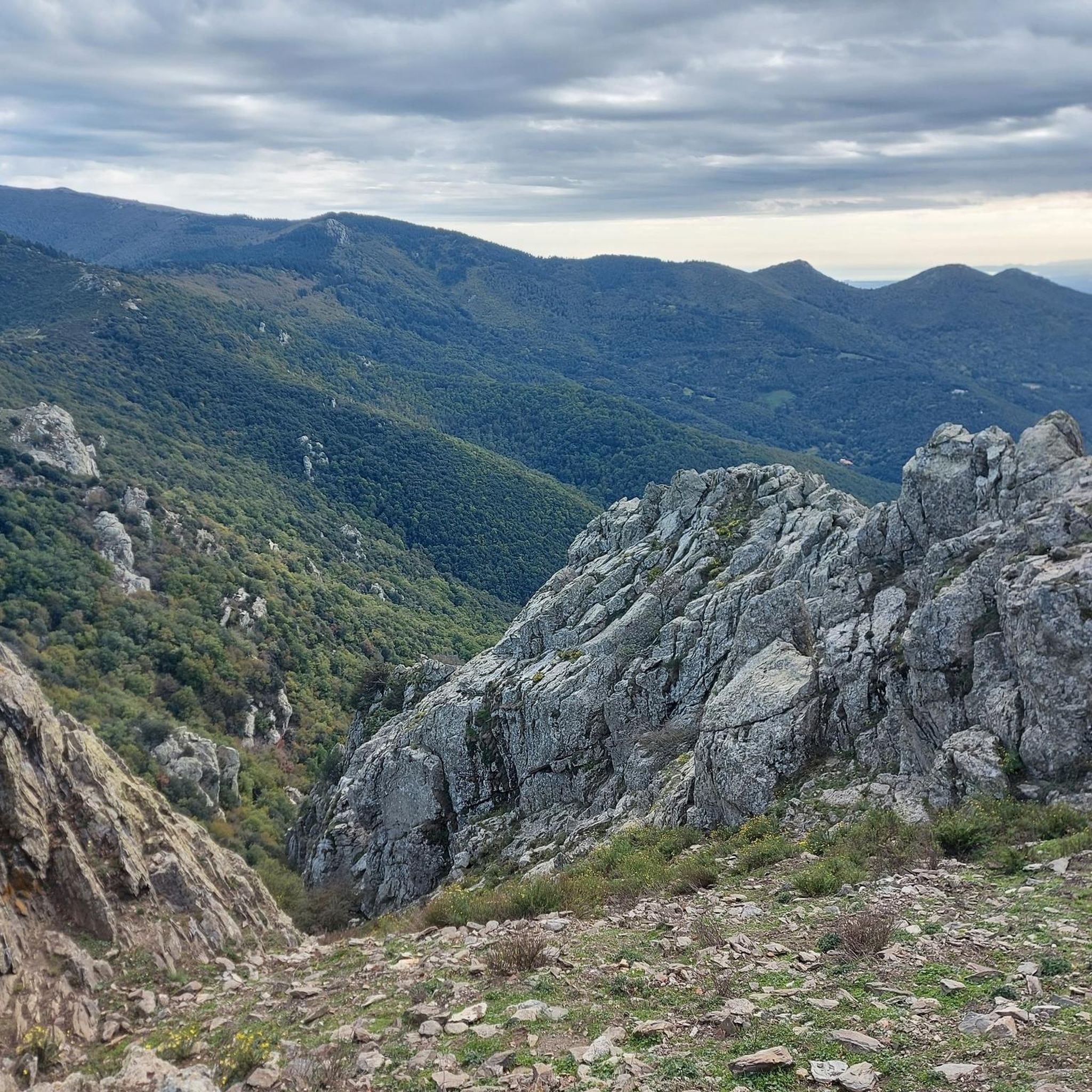
Natural monuments around Montesquieu-Des-Albères are found at the foot of the Albères massif, a natural barrier in the eastern Pyrenees. The region features a diverse landscape with varied flora and panoramic views. It is characterized by its verdant setting and offers numerous opportunities for outdoor exploration.
Best natural monuments around Montesquieu-Des-Albères
- The most popular natural monuments is Puig Neulós, a summit that offers an impressive panorama over Roselló and Alt Empordà. This peak stands at 1,256 meters above sea…
Last updated: May 25, 2026
Puig Neulós
Highlight • Summit
Translated by Google •
Tip by

Cork Oak Trees
Highlight • Forest
The cork oak is a tree found mainly in the western Mediterranean and is known for its bark, which …
Translated by Google •
Tip by

Sign up now to discover places like this
Get recommendations on the best single tracks, peaks, & plenty of other exciting outdoor places.
Sign up for free
Font de l'Ocell
Highlight • Natural Monument
The Pave Mill's activity lasted until the end of the 19th century. It was inhabited …
Translated by Google •
Tip by

Natural Area of National Interest of the Albera Massif
Highlight • Natural Monument
Translated by Google •
Tip by

Neulós Snow Well
Highlight • Structure
Translated by Google •
Tip by

Sign up for free to discover even more natural monuments around Montesquieu-Des-Albères.
Sign up for free
Already have an account?
Start today with a free account
Your next adventure awaits.
Login or Signup

Tips from the Community

We completed this route on August 29, 2025, and upon reaching the dolmen, we were unable to continue because the trail was closed. We had to return along the same path we had taken. The return trail was closed because it crossed private property.
0
0
Very beautiful but better to visit on foot or with a MTB instead of a gravel bike :-)
2
0

Magnificent view ! It’s worth going up there 🤩🤩
6
0

Infernal ascent, when the trees disappear and you seem to be at the top, the pit is waiting for you. Reserve your strength because the last kilometer, despite being on asphalt, is HELL!
6
0

The Pave Mill is an old grain mill supplied with water from the village canal. The Pave Mill's activity lasted until the end of the 19th century. It was inhabited until 1942 and then fell into disrepair. It became municipal property and was restored in 2006 by the Laroque Heritage Association in collaboration with the municipality. The volunteers of this association installed a roof to strengthen and “waterproof” the building. The miller's workshop (on the ground floor) and his accommodation (on the upper floor) are currently being completely restored. The association is actively looking for a millstone that could help complete the work.
10
0

The Natural Site of National Interest of La Albera, located in the easternmost sector of the Pyrenees, is an area of great natural and cultural value. It stands out for its abundance of megalithic monuments and Romanesque art. The Sierra de la Albera extends along the eastern section of the Pyrenees, from the Pertús pass to the Mediterranean. It is an area of natural and landscape interest of the first order, with areas of lush, ancient and varied vegetation, and ancient buildings and human remains. It separates the two plains of Rosselló and L'Empordà. The highest summits are Monte Neulós (1,257 meters), Monte de los Pastors (1,167 meters), Monte de los Quatre Termes (1,156 meters) and Pico de Sallafort (992 meters). Within the mountain range there are two sectors with special protection as a Natural Area of National Interest: the western one, Requesens-Baussitges, and the eastern one, Sant Quirze de Colera - Balmeta, separated by the area of the Banyuls hill. The territory has a considerable density of megalithic monuments, the highest in Catalonia, with a large number of dolmens and menhirs, such as La Murtra or Pedra Gentil. The heritage of Romanesque art, with a large number of parishes and hermitages, and the monumental Benedictine monastery of Sant Quirze de Colera, a jewel of Catalan Romanesque, currently undergoing restoration, are also noteworthy. At the end of La Jonquera, to the south of Monte Neulós, the Requesens castle stands out among the treetops, which was renovated at the end of the 19th century according to the model of architectural romanticism, which gave it the stamp of a legendary castle and fancy you currently have. It is also worth highlighting the Albera Tortoise Reproduction Center (Centro de Reproducción de Tortugas de l'Albera), located in the sanctuary of the Virgin of the Camp, in Garriguella.
4
0
Fantastic day, almost spring. But it's always cold here. if you want to go there you must bring warm clothes!
5
0

Puig Neulós is the highest point of the Albères massif. It marks the Franco-Spanish border. If we refer to the toponymy, this 1,256 meter summit is often in the clouds. In fact “neulós” means covered in clouds in Catalan.
0
0
Frequently Asked Questions
What are the most popular natural monuments to visit around Montesquieu-Des-Albères?
Among the most popular natural monuments, you'll find Puig Neulós, the highest peak in the Albères massif, offering impressive panoramas. Another favorite is Font de l'Ocell, a forest spring known for its perfectly tempered water. The Natural Area of National Interest of the Albera Massif is also highly regarded for its natural beauty and cultural significance.
Are there family-friendly natural attractions in Montesquieu-Des-Albères?
Yes, Montesquieu-Des-Albères offers several family-friendly natural attractions. The Botanical Trail of Montesquieu-Des-Albères is an intermediate 4.1 km loop perfect for discovering local flora, with refreshing springs and fountains along the way. The Cork Oak Trees area also provides an accessible natural setting for families to explore.
What kind of panoramic views can I expect from the natural monuments in the region?
The region is renowned for its stunning panoramic views. From Puig Neulós, you can enjoy an impressive panorama over Roussillon and Alt Empordà. The Belvedere offers a 360-degree view encompassing Canigou, the Roussillon Plain, the Côte Vermeille, and the Albères massif. Peaks like Puig Saint-Christau also reward hikers with magnificent vistas.
Are there historical sites integrated with the natural monuments?
Yes, several natural monuments in the area have historical significance. The Natural Area of National Interest of the Albera Massif is rich in megalithic monuments and Romanesque art. Additionally, the Neulós Snow Well is a circular historical construction used to store snow for ice, located near Neulós Peak.
What outdoor activities can I do near the natural monuments?
The area around Montesquieu-Des-Albères is ideal for outdoor activities. You can find numerous hiking trails, including routes to Puig Saint-Christau Summit and the Botanical Trail. For more challenging adventures, there are also mountain biking and gravel biking routes. You can explore various options for hiking, MTB trails, and gravel biking in the wider region.
Are there any notable springs or fountains to visit?
Yes, the region is dotted with numerous springs and fountains, providing refreshing stops for hikers. Font de l'Ocell is a well-known forest spring. Another notable hike, 'Les six fontaines et le Coll de l'Espinassa,' features no fewer than six working fountains and offers lovely views of the Roussillon plain, Les Aspres, and Canigou.
What is the best time of year to visit the natural monuments in Montesquieu-Des-Albères?
The region's verdant setting and diverse flora make it appealing throughout much of the year. Spring and autumn generally offer pleasant temperatures for hiking and exploring. Summer can be warm, but the numerous springs and shaded trails provide relief. Winter might bring snow to higher elevations like Puig Neulós, offering a different kind of beauty.
What makes the Albères Massif a significant natural attraction?
The Albères Massif is a major natural attraction due to its role as a natural barrier, providing exceptional landscapes, diverse flora, and numerous hiking opportunities. It offers breathtaking vistas and is home to the highest peak, Puig Neulós, and culturally rich areas like the Natural Area of National Interest of the Albera Massif.
Can I find places to eat or stay near the natural monuments?
While specific accommodations directly at every natural monument are rare, the Col de l'Ouillat mountain pass houses a refuge and restaurant known as the Chalet of the Albère, offering a privileged location with panoramic views. Montesquieu-Des-Albères itself and surrounding villages provide various options for cafes, pubs, and accommodation.
What kind of unique flora can I observe on the trails?
The region is characterized by its diverse flora. The Botanical Trail of Montesquieu-Des-Albères is specifically designed to showcase the local plant life of the Albères region. You can also observe significant populations of Cork Oak Trees, which are an important part of the Mediterranean ecosystem and a symbol of sustainability.
Are there any specific viewpoints that are easily accessible?
Yes, the Belvedere is a notable viewpoint that offers a 360-degree panorama of Canigou, the Roussillon Plain, the Côte Vermeille, and the Albères massif. It is easily accessible via various hiking routes, making it a great spot to enjoy the diverse landscapes without a strenuous climb.
What is the significance of the 'Neulós' in Puig Neulós?
The name 'Neulós' in Puig Neulós is Catalan for 'covered in clouds.' This refers to the peak's frequent cloud cover, especially given its elevation of 1,256 meters above sea level. Despite this, when clear, it offers spectacular views.
Most popular routes around Montesquieu-Des-Albères
Most popular attractions around Montesquieu-Des-Albères

Get inspired with the komoot mobile app


Explore more
Extend your search for the best caves by checking out these guides of the top ones around Montesquieu-Des-Albères:
