Top 4 Natural Monuments around Narnhac
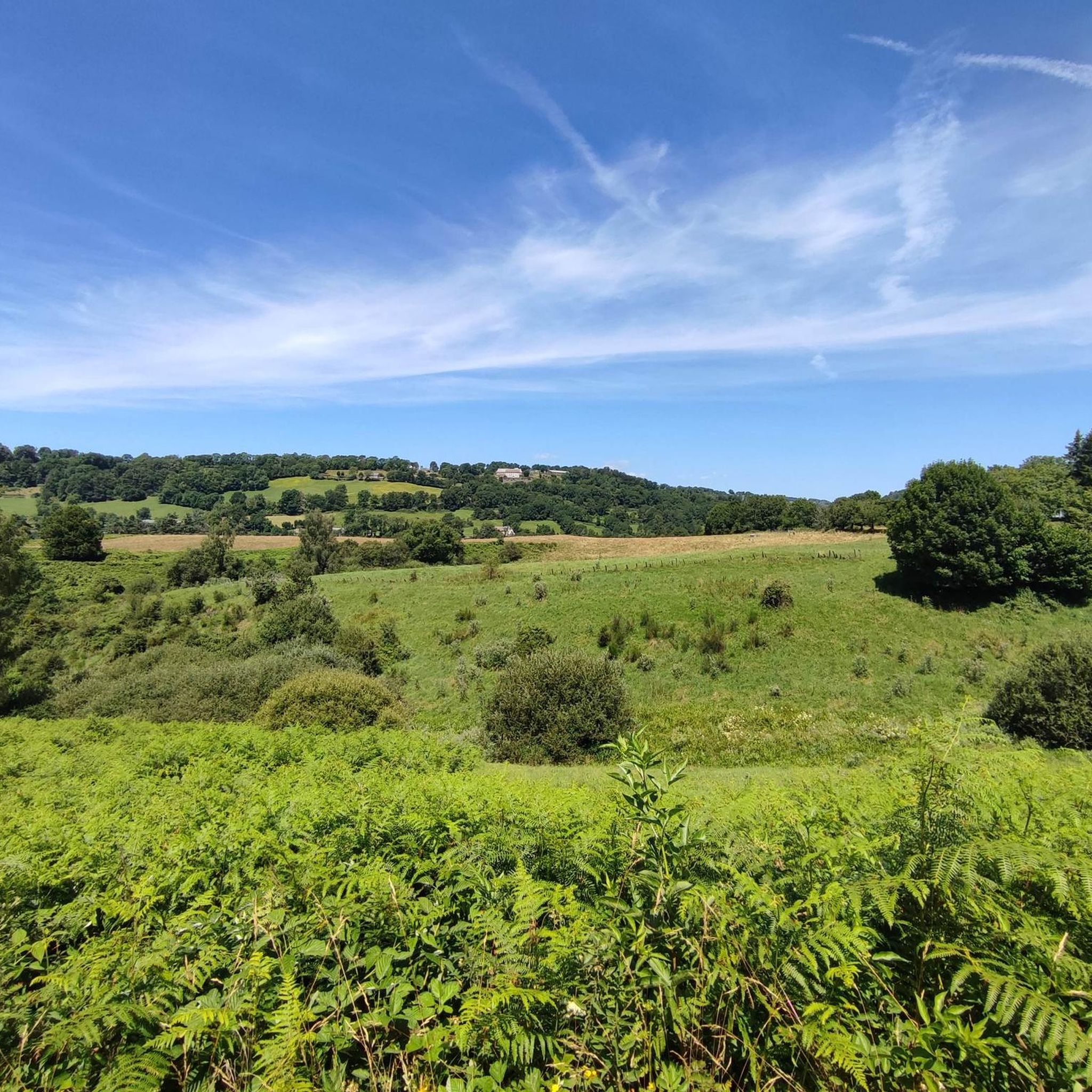
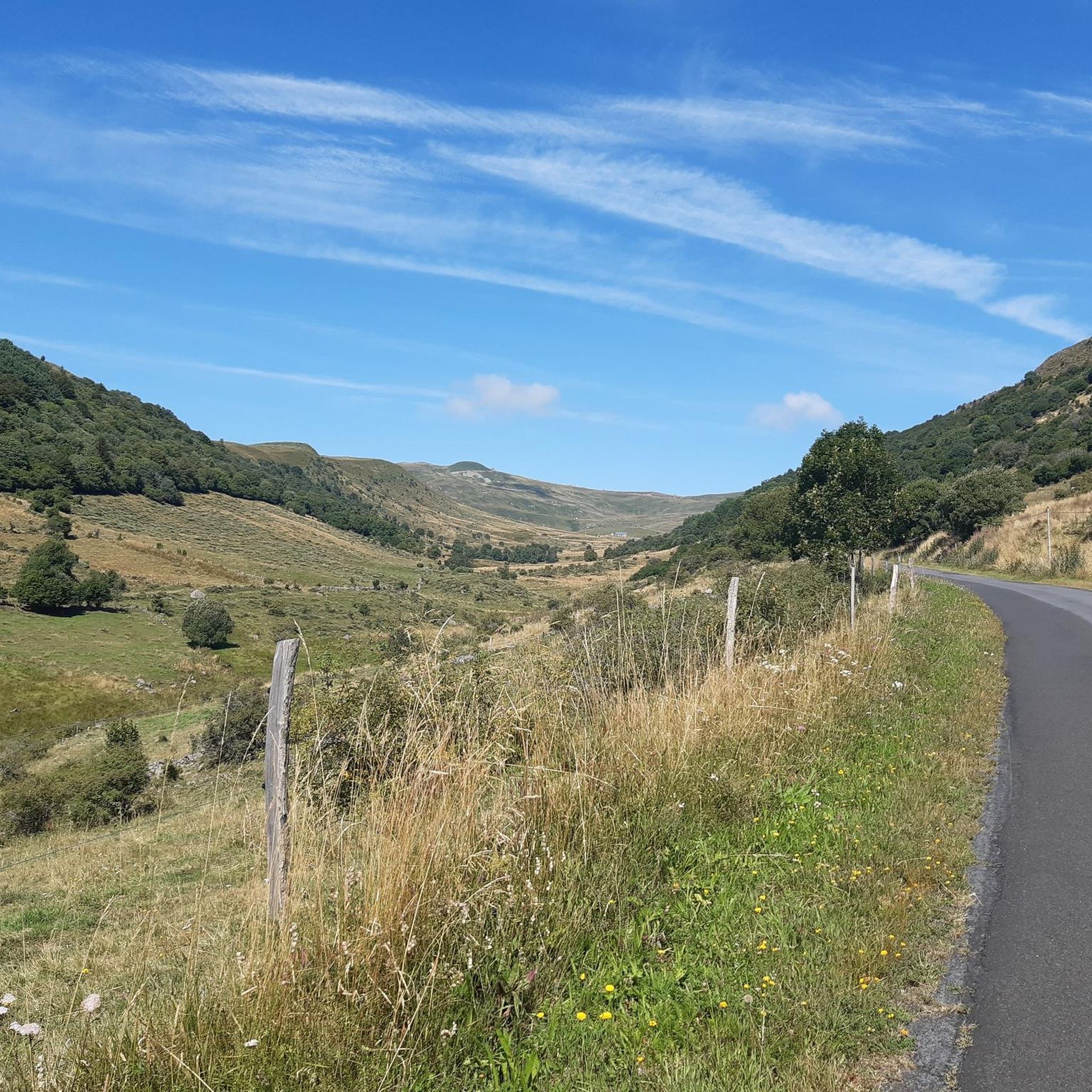
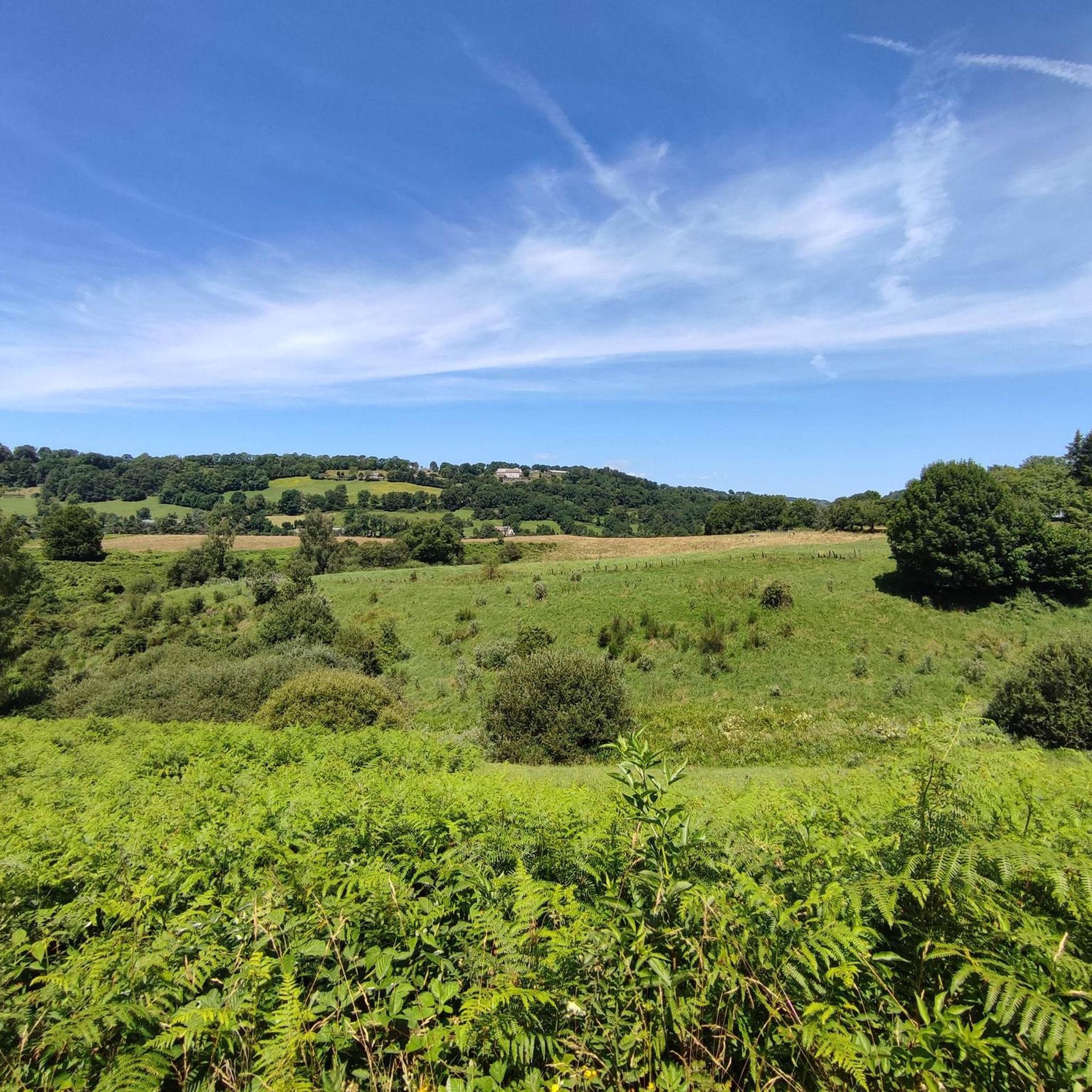
Natural monuments around Narnhac are situated within the Cantal department of the Auvergne-Rhône-Alpes region, an area known for its significant geological features. Narnhac lies within the Parc Naturel Régional des Volcans d'Auvergne, Europe's largest volcanic ensemble. This region showcases a rich volcanic and glacial heritage, offering diverse natural attractions. The landscape is characterized by ancient volcanic formations and valleys carved by glacial activity.
Best natural monuments around Narnhac
- The most popular natural monuments is Pas de Cère Gorges, a…
Last updated: May 25, 2026
Pas de Cère Gorges
Highlight • Gorge
Translated by Google •
Tip by

Arbre de la Biche Waterfall
Highlight • Waterfall
Translated by Google •
Tip by
Sign up now to discover places like this
Get recommendations on the best single tracks, peaks, & plenty of other exciting outdoor places.
Sign up for free
Hangman's Rock
Highlight • Viewpoint
Translated by Google •
Tip by
Buron de la Combe de la Saure and Cirque de Granval
Highlight • Viewpoint
Translated by Google •
Tip by

Start today with a free account
Your next adventure awaits.
Login or Signup
Tips from the Community

A wild site with landscapes of great beauty. Steep path with stones and roots. Requires a certain level of physical fitness with hiking boots preferred.
0
0
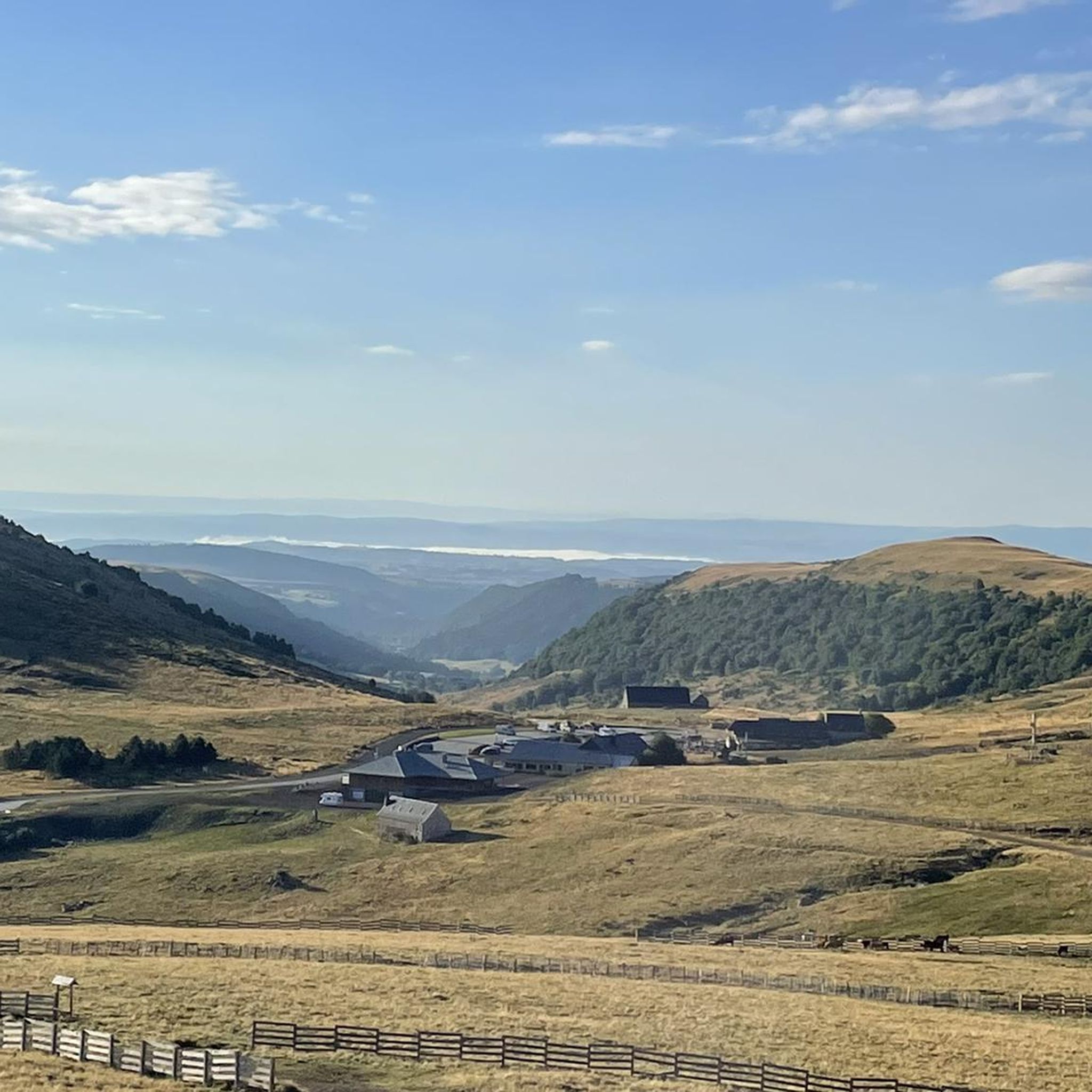
At the Col de la Griffoul, turn left coming from Brezons. A sign indicates whether the buron is open or closed. After 4 km on a motorable path in the mountain pastures amid magnificent views of the surrounding area, take a path on the right which indicates the buron. A meal at lunchtime or a drink during the day will be welcome. The view is superb in good weather. Discovery of the Granval cirque by continuing a few meters after the junction near the buron. There is a <viewpoint> sign.
0
0
A magnificent site to cool down in hot weather.
1
0

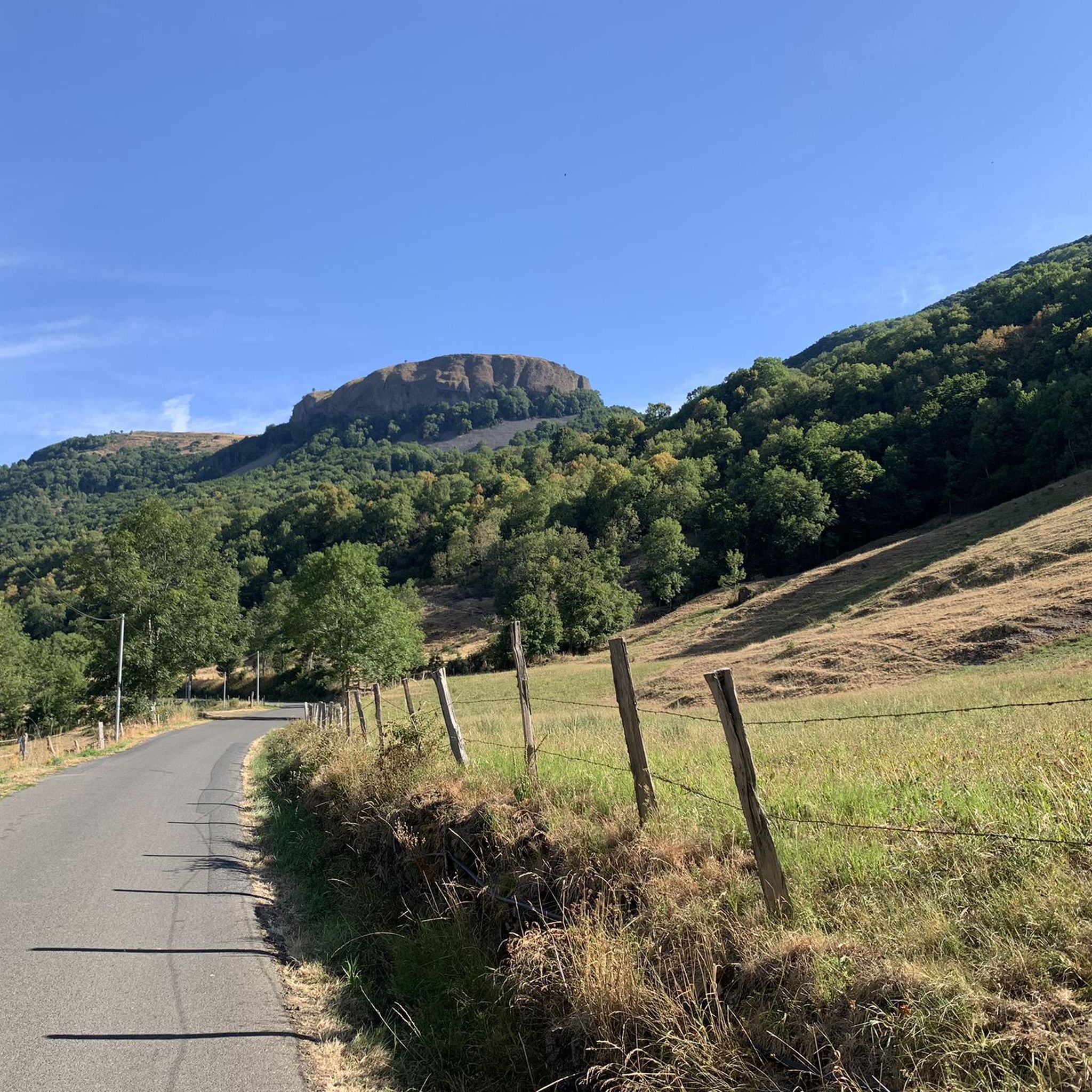
If sometimes the name of a place comes from a legend or from the imagination of men, this is not the case here since in the Middle Ages the rock was indeed a place of execution. Today, the place is an ideal place to enjoy the view.
1
0
The Arbre de la Biche waterfall is the third waterfall located on the Livernade stream. A footbridge is located just above for a return to the other bank for a short loop (it is also possible to go up again along the stream to the Grandval waterfall for a longer loop).
2
0
The Pas de Cère gorges are a protected natural area home to a population of otters (obviously very hard to observe). The path laid out in the gorges allows you to discover this magnificent site. An application also allows for a fun and educational treasure hunt for the youngest.
2
0
Frequently Asked Questions
What unique natural features can I explore around Narnhac?
The region around Narnhac, situated within the Parc Naturel Régional des Volcans d'Auvergne, is rich in volcanic and glacial formations. You can discover impressive geological features such as the basaltic prisms at Pas de Cère Gorges, which are part of the ancient Cantal stratovolcano. Other notable features include the distinctive conical shape of Puy Griou and the vast volcanic landscapes visible from Hangman's Rock.
Are there family-friendly natural monuments near Narnhac?
Yes, Pas de Cère Gorges is considered family-friendly. It features a laid-out path that allows for easy discovery of the site, and an application offers a fun and educational treasure hunt for younger visitors. The area is also a protected natural habitat for otters, adding an element of wildlife observation.
What are the most popular natural monuments around Narnhac?
Among the most appreciated natural monuments are Pas de Cère Gorges, known for its protected natural area and otter population. Another favorite is Arbre de la Biche Waterfall, the third waterfall on the Livernade stream, offering scenic views and loop walk options. Visitors also enjoy the panoramic vistas from Hangman's Rock.
What kind of views can I expect from the viewpoints around Narnhac?
From viewpoints like Hangman's Rock, you can enjoy extensive panoramic views of the surrounding volcanic landscape. Similarly, Buron de la Combe de la Saure and Cirque de Granval offers magnificent views of the mountain pastures and the dramatic Granval cirque, showcasing the grandeur of the Cantal's ancient stratovolcano.
Are there hiking opportunities near these natural monuments?
Absolutely. The region offers diverse hiking opportunities. For instance, the area around Arbre de la Biche Waterfall allows for short or longer loop walks along the Livernade stream. More challenging hikes can be found towards peaks like Plomb du Cantal and Puy Mary, which offer extensive trails and breathtaking views. You can find more hiking routes in the area on the Hiking around Narnhac guide.
What is the best time of year to visit the natural monuments around Narnhac?
The best time to visit is generally from late spring to early autumn (May to October) when the weather is mild and trails are clear. This period is ideal for hiking and enjoying the waterfalls and panoramic views. During summer, sites like Pas de Cère Gorges offer a refreshing escape from the heat. Winter can be beautiful for snowshoeing or winter hiking, especially in higher elevations, but some paths might be challenging or inaccessible.
Can I find waterfalls near Narnhac?
Yes, the region is home to several picturesque waterfalls. The Arbre de la Biche Waterfall is a notable example on the Livernade stream, offering a scenic spot for a walk. Further afield, the Cascade de Liadouze and the impressive Cascade du Déroc, with its basaltic prisms, are also worth visiting to appreciate the region's volcanic and glacial heritage.
Are there any historical aspects connected to the natural monuments?
Yes, some natural sites carry historical significance. For example, Hangman's Rock was historically a place of execution in the Middle Ages, adding a unique historical layer to its natural beauty. While not a natural monument itself, the nearby Buron de la Combe de la Saure is a traditional mountain hut, reflecting the pastoral history of the region.
What outdoor activities, besides hiking, can I do near Narnhac's natural monuments?
Beyond hiking, the area around Narnhac is excellent for various outdoor activities. You can explore numerous MTB trails, with options ranging from moderate to difficult, such as the 'View of the Auvergne Volcanoes – Plomb du Cantal loop'. Cycling is also popular, with routes like the 'Griffoul Pass loop' available. For more details, check the Cycling around Narnhac guide.
What should I wear when visiting the natural monuments?
Given the varied terrain and potential for changing weather, it's advisable to wear sturdy hiking boots, especially for sites like Pas de Cère Gorges where paths can be steep with stones and roots. Layered clothing is recommended to adapt to temperature changes, and waterproof gear is wise, particularly if visiting waterfalls or during unpredictable weather.
Are there any less-known natural gems to discover?
While the main highlights are well-known, the broader Cantal region is dotted with numerous examples of basalt organs, such as those near the Negro Bridge, which are fascinating natural geometric formations. Exploring the smaller, less-trafficked trails within the Parc Naturel Régional des Volcans d'Auvergne can often lead to discovering hidden cascades or unique rock formations not widely publicized.
Where can I find refreshments or food near the natural monuments?
While direct cafes at every natural monument might be limited, traditional mountain huts, known as 'burons,' like the Buron de la Combe de la Saure, often offer meals or drinks during the day. It's always a good idea to check their opening status beforehand. For more options, nearby villages and towns will have a wider selection of eateries.
Most popular attractions around Narnhac

Get inspired with the komoot mobile app


Explore more
Extend your search for the best caves by checking out these guides of the top ones around Narnhac:
