Top 9 Natural Monuments around Trévillach
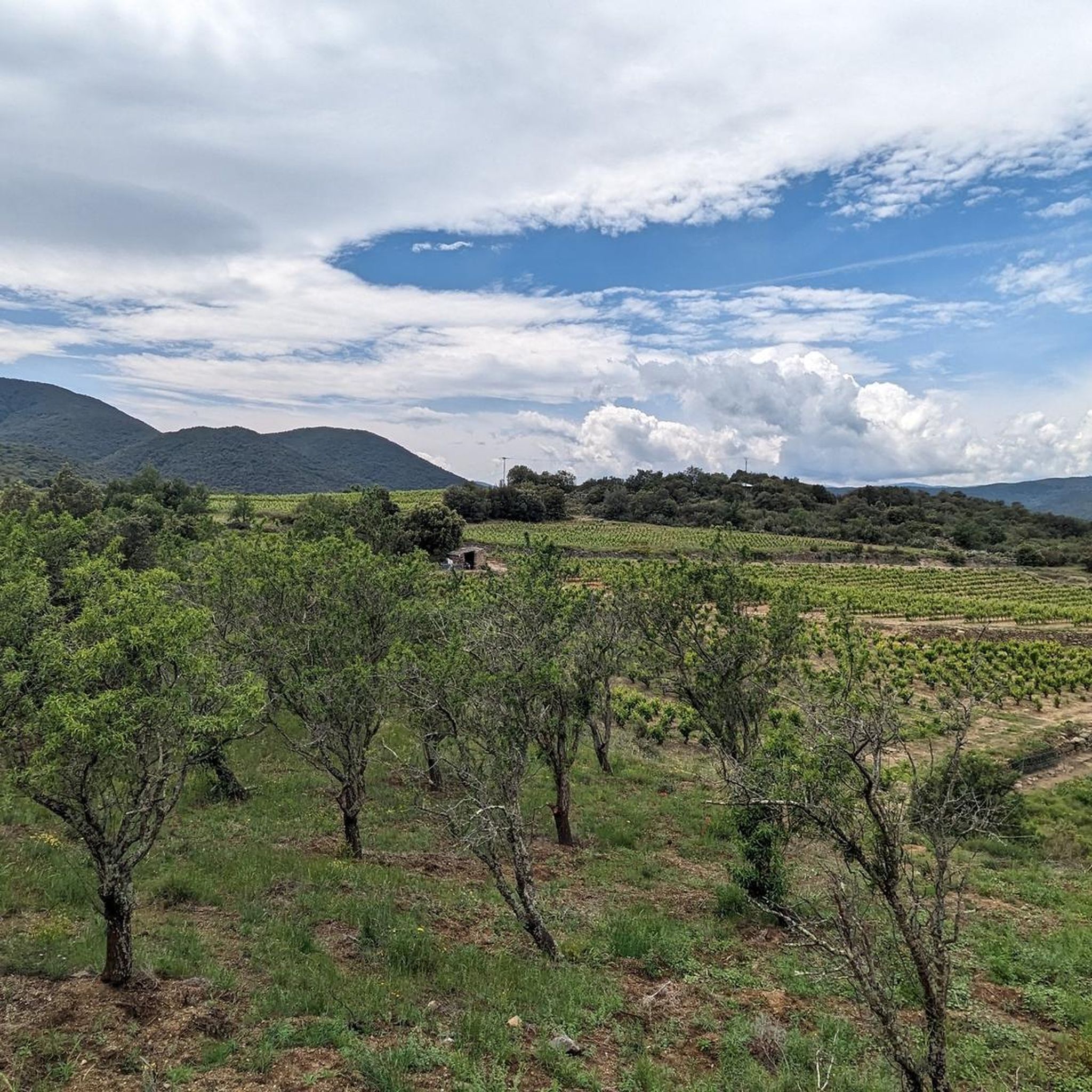
Natural monuments around Trévillach are situated in a tranquil village within the Pyrénées-Orientales department of Southern France. The region features a diverse landscape with cultivated fields and wild areas, located on the northern plateau of Conflent and within the broader Fenouillèdes region. This area offers a variety of natural and historical features for exploration.
Best natural monuments around Trévillach
- The most popular natural monuments is The Organ Pipes of Ille-sur-Têt, a gorge that features astonishing natural structures known as…
Last updated: August 29, 2026
The Organ Pipes of Ille-sur-Têt
Highlight • Gorge
Translated by Google •
Tip by

Fairy Chimneys
Highlight • Natural Monument
Translated by Google •
Tip by
Sign up now to discover places like this
Get recommendations on the best single tracks, peaks, & plenty of other exciting outdoor places.
Sign up for free
Saut Grand de Castlar Waterfall
Highlight • Waterfall
Translated by Google •
Tip by

Dolmen d'Udolán
Highlight • Historical Site
Translated by Google •
Tip by

Jardin des Thermes de Molitg-les-Bains
Highlight • Natural
Translated by Google •
Tip by

Sign up for free to discover even more natural monuments around Trévillach.
Sign up for free
Already have an account?
Start today with a free account
Your next adventure awaits.
Login or Signup
Tips from the Community

a little further there are stones where you can rest
0
0

A fascinating landscape shaped by erosion, it offers magnificent views of the eastern Pyrenees with its highest peak, Canigou, at 2784 m.
2
0

There is much to read about this landscape, formed by erosion over 50 million years, but you simply have to see it for yourself, it is so beautiful and unique.
7
0
A unique place in France, a landscape of fairy chimneys with a fragile, ephemeral beauty. It shows the cliffs of sand and clay, patiently chiseled by the rain. Erosion has worked like an artist
9
0
A unique place in France, a landscape of fairy chimneys with a fragile, ephemeral beauty. It shows cliffs of sand and clay, patiently chiseled by the rain. Erosion has worked like an artist.
6
0
Orgues offers a view of these astonishing natural structures known as "fairy chimneys." It's a unique landscape with colorful reliefs that water has sculpted in clay and sand, torn from the Pyrenees and deposited in the Tet Valley over the course of 5 million years.
9
0
Orgues offers a view of these astonishing natural structures known as "fairy chimneys." It's a unique landscape with colorful reliefs that water has sculpted in clay and sand, torn from the Pyrenees and deposited in the Tet Valley over the course of 5 million years.
7
0
Frequently Asked Questions
What are some of the most unique natural monuments to visit around Trévillach?
One of the most unique sites is The Organ Pipes of Ille-sur-Têt, also known as "fairy chimneys." These astonishing natural structures are sculpted by water in clay and sand, creating a dramatic and otherworldly landscape. Another impressive spot is the Fairy Chimneys viewpoint, offering views of similar formations patiently chiseled by rain.
Are there any gorges or waterfalls to explore near Trévillach?
Yes, you can visit the Gorges of the Agly, which feature beautiful natural formations and a small medieval stone bridge. Additionally, the Saut Grand de Castlar Waterfall offers a stunning natural spectacle, though sturdy shoes are recommended for the walk to it.
What kind of historical or archaeological sites can be found among the natural monuments?
The region around Trévillach also features ancient megalithic structures. For example, you can explore the Dolmen d'Udolán, which is a significant megalithic site. These structures offer a glimpse into the prehistoric human activity that shaped the area's history.
Are there family-friendly natural monuments suitable for children?
Yes, The Organ Pipes of Ille-sur-Têt are considered family-friendly. The unique geological formations and the dramatic landscape are often captivating for visitors of all ages. However, for sites like the Saut Grand de Castlar Waterfall, some paths may have unproved steep drop-offs, so it's advisable to check specific trail conditions if visiting with young children.
What outdoor activities can I do near these natural monuments?
The area around Trévillach is excellent for various outdoor activities. You can find numerous cycling routes, including road cycling and touring bicycle options, as well as mountain biking trails. For detailed routes and guides, you can explore the Road Cycling Routes around Trévillach, Cycling around Trévillach, and MTB Trails around Trévillach guides.
Are there hiking opportunities to reach these natural monuments?
Yes, many natural monuments are accessible via hiking trails. The Plateau de Séquiéres, for instance, offers expansive views and is ideal for hiking, with megalithic sites like Dolmen de la mort de l'Egassier and Menhir de Séquera found along its routes. Some trails leading to sites like the Saut Grand de Castlar Waterfall require sturdy shoes due to the terrain.
What is the best time of year to visit the natural monuments around Trévillach?
The Pyrénées-Orientales department generally enjoys a Mediterranean climate. Spring and autumn often offer pleasant temperatures for exploring the natural monuments and engaging in outdoor activities like hiking and cycling, avoiding the peak heat of summer. Always check local weather conditions before your visit.
What kind of terrain and difficulty can I expect on trails to these natural monuments?
The region features a diverse landscape, from hilly environments with cultivated fields to wilder areas. Some natural monuments, like the Fairy Chimneys and Gorges of the Agly, are rated as intermediate difficulty. Trails can involve varied terrain, and for some sites like the Saut Grand de Castlar Waterfall, sturdy shoes are recommended due to potentially uneven or steep sections.
What do visitors particularly enjoy about the natural monuments in this region?
Visitors are often captivated by the unique geological formations, such as the "fairy chimneys" at The Organ Pipes of Ille-sur-Têt, noting the impressive artistry of nature. The diverse landscapes, from gorges to waterfalls, and the blend of natural beauty with historical elements like dolmens, also receive high praise for offering varied outdoor experiences.
Is there parking available near the natural monuments?
While specific parking details for every site are not provided, popular attractions like the Orgues d'Ille Sur Tet typically have dedicated visitor facilities, including parking. For other, more remote natural monuments or trailheads, roadside parking or small designated areas might be available. It's always advisable to research specific access points for each monument you plan to visit.
Are there any viewpoints offering panoramic views of the region's natural beauty?
Yes, the Fairy Chimneys highlight is specifically noted as a viewpoint. Additionally, the Plateau de Séquiéres, situated at an altitude of 600 to 700 meters, offers expansive views over the Fenouillèdes region, providing excellent opportunities to appreciate the vast natural beauty of the local landscape.
Most popular routes around Trévillach
Most popular attractions around Trévillach

Get inspired with the komoot mobile app


Explore more
Extend your search for the best caves by checking out these guides of the top ones around Trévillach:
