Top 5 Natural Monuments around Saint-André-De-Roquelongue
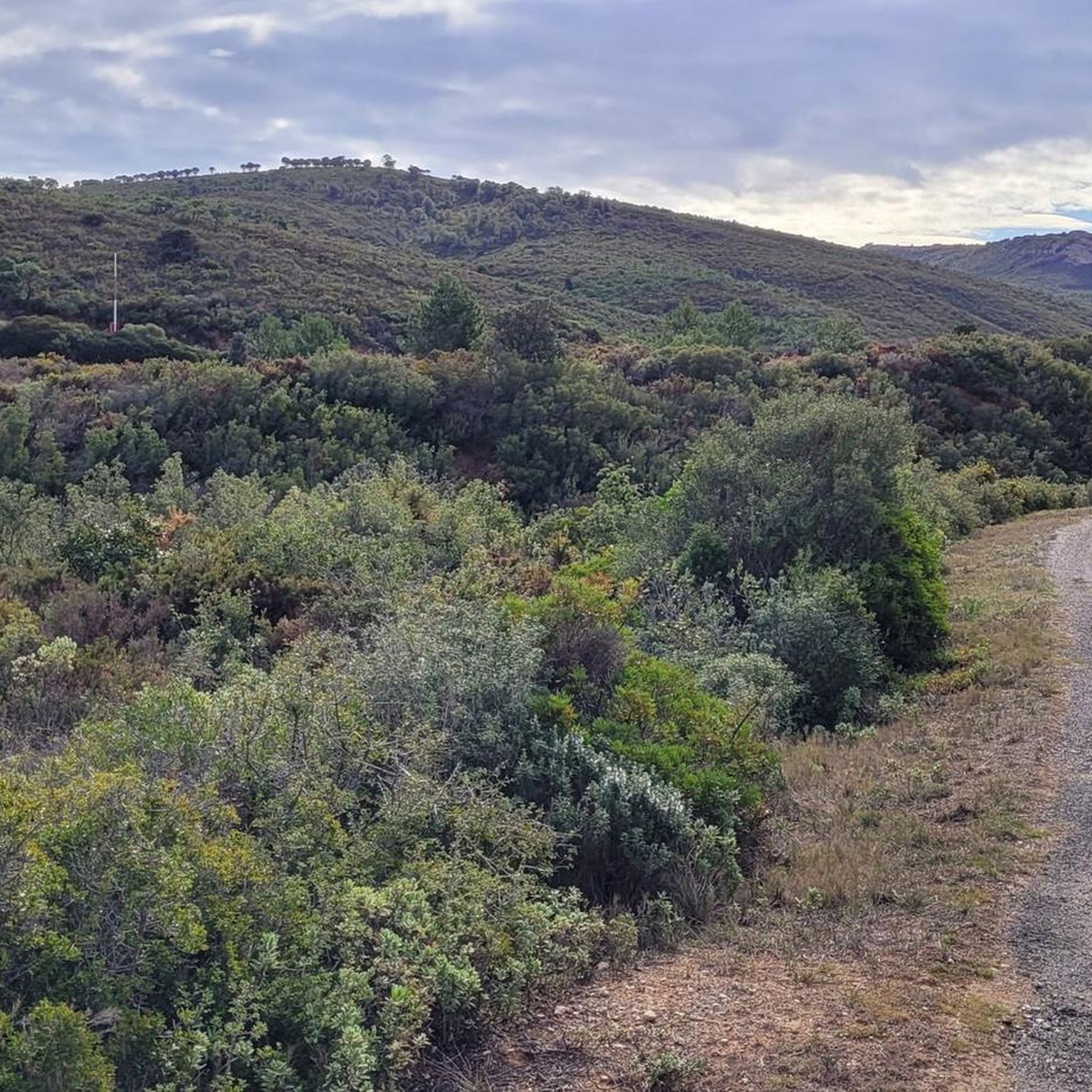
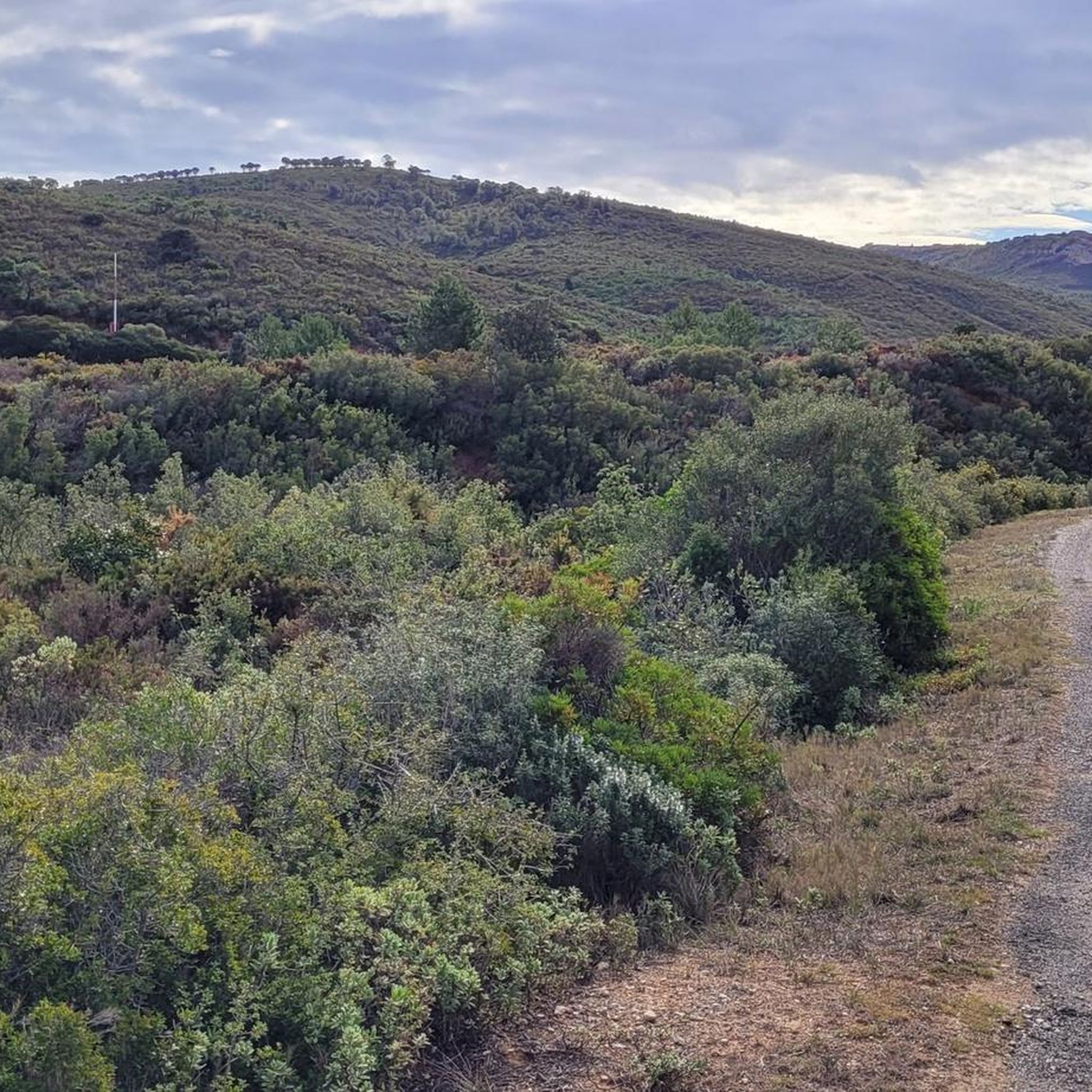
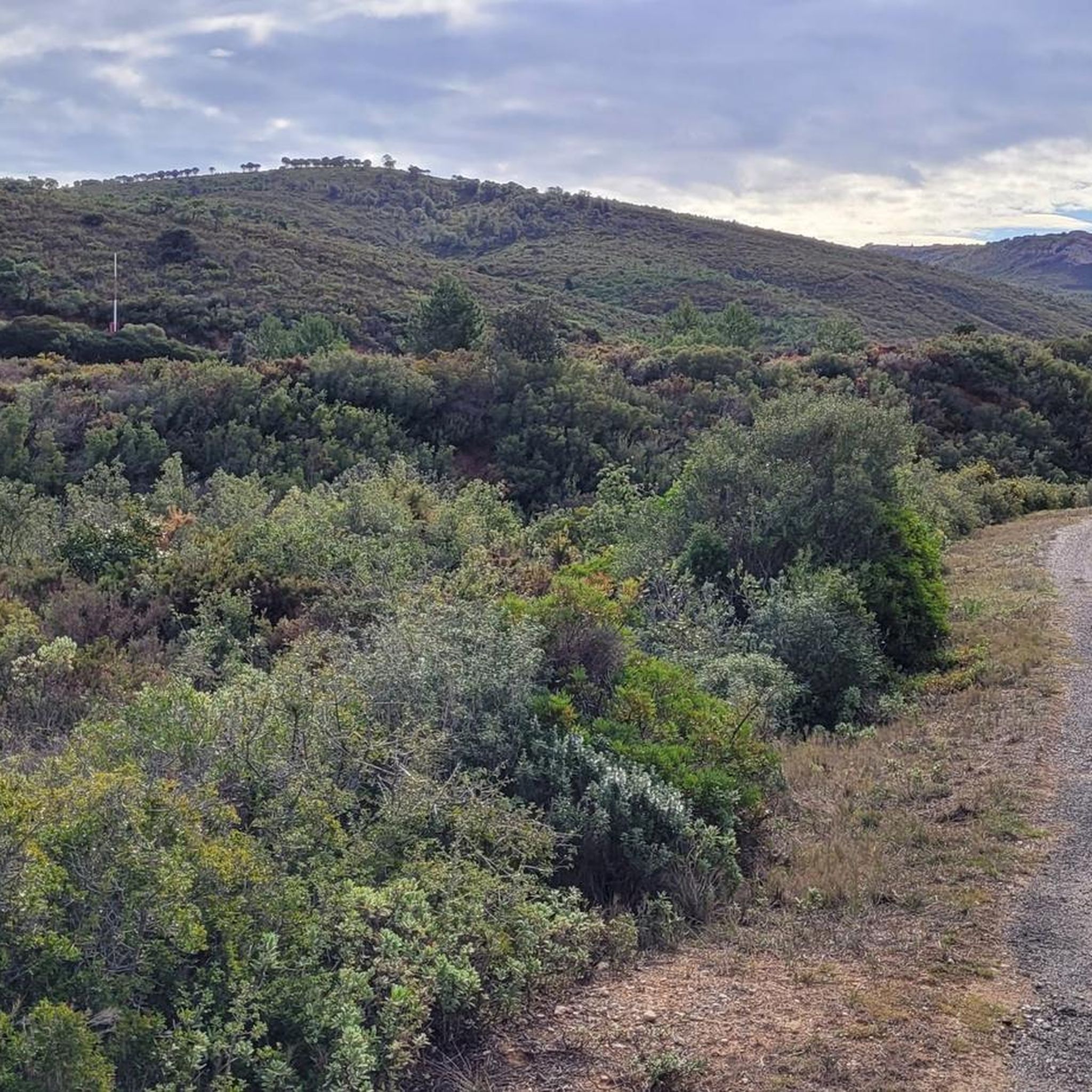
Best natural monuments around Saint-André-De-Roquelongue are found within the Corbières massif and the Regional Natural Park of Narbonnaise in the Mediterranean. This area features rugged garrigue, pine forests, and vineyards. The landscape offers diverse natural features, including rocky formations and extensive views. Visitors can explore various natural sites that showcase the region's geology and ecology.
Best natural monuments around Saint-André-De-Roquelongue
- The most popular natural monuments is Étang du Doul, a lake that is a 37-hectare body of water of…
Last updated: July 5, 2026
Translated by Google •
Tip by

Étang du Doul
Highlight • Lake
Translated by Google •
Tip by

Sign up now to discover places like this
Get recommendations on the best single tracks, peaks, & plenty of other exciting outdoor places.
Sign up for free
View of the Étang de Bages-Sigean
Highlight • Viewpoint
Translated by Google •
Tip by

Balcony View Over the Étangs de Bages via Peyriac-de-Mer
Highlight • Viewpoint
Translated by Google •
Tip by
Start today with a free account
Your next adventure awaits.
Login or Signup
Popular around Saint-André-De-Roquelongue


Tips from the Community

A strong headwind is guaranteed, but it's worth it; wild white flamingos, oystercatchers, avocets, terns, various species of gulls and other rare seabirds can almost always be seen.
0
0

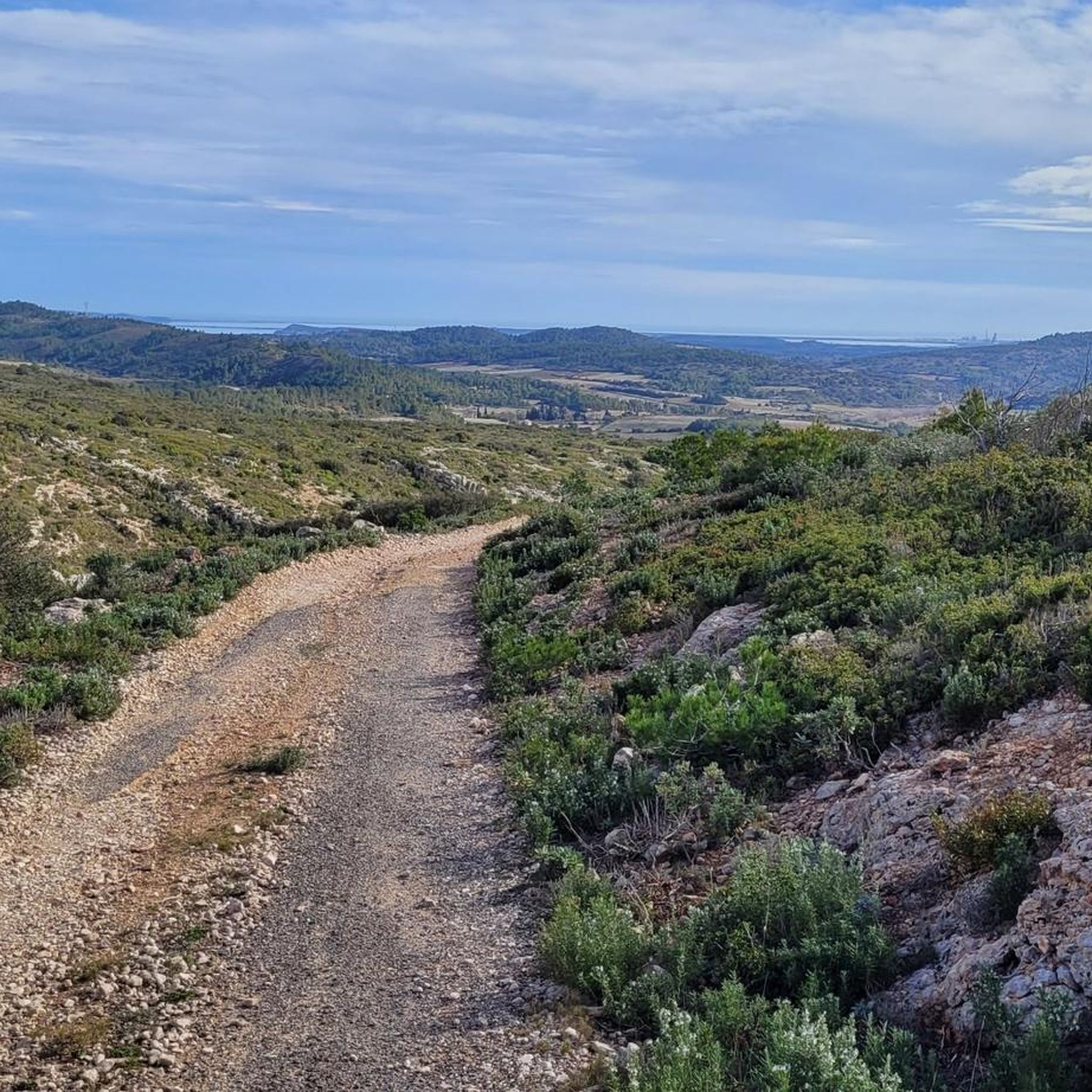
Magnificent views of the ponds and villages. Single tracks in the middle of the scrubland without major difficulties and a fairly smooth path. Not forgetting the giraffes of Sigean in the loop. A feast for the eyes.
0
0

Interesting elevation that rises above the Doul pond. From the top you have an open and very beautiful view of the lagoon system that goes from Gruissan to the cliffs of Cap Leucate
1
1


The Doul pond is a magnificent 37-hectare body of water of tectonic origin. It is the saltiest of the French Mediterranean ponds, which is why an old saltworks is attached to it.
0
0
Circuit adapted for a VTC with assistance, respecting the prohibitions on the pontoons of Peyriac.
0
0

If you can still enjoy the landscape while running, you've come to the right place 👌🏼 Invites you to linger 😊. Greetings Marcus
1
0

Wonderful views of the Étang de Bages, which invite you to stroll and linger
1
1
Frequently Asked Questions
What unique natural features can I discover around Saint-André-De-Roquelongue?
The region is characterized by its rugged garrigue, pine forests, and vineyards. You can explore the Étang du Doul, a 37-hectare body of water notable for being the saltiest of the French Mediterranean ponds, with an old saltworks nearby. The area also offers extensive pine forests, providing accessible nature walks and tranquil forested areas.
Are there good spots for birdwatching near Saint-André-De-Roquelongue?
Yes, the Bridge Between the Ponds in Parc Naturel Régional de la Narbonnaise en Méditerranée is an excellent location for birdwatching. Visitors often spot migrating birds such as flamingos, oystercatchers, avocets, and various species of gulls and terns from this viewpoint.
Where can I find panoramic views of the landscape?
For breathtaking vistas, head to the View of the Étang de Bages-Sigean, which offers extensive views over the lagoon. Additionally, the Saint-Jacques Hermitage, located on the Vernède hill, provides panoramic 360-degree views of the Corbières summits, Montagne Noire, and the Fontfroide massif.
What kind of hiking trails are available in the natural areas?
The surrounding area of Saint-André-De-Roquelongue, particularly the Roquelongue Site and its pine forests, offers marked hiking trails. These trails allow you to explore the Fontfroide massif and the broader Corbières massif. The path to the Saint-Jacques Hermitage is described as moderately easy but can be stony, traversing shaded areas of pine trees. For more detailed hiking options, you can explore the Hiking around Saint-André-De-Roquelongue guide.
Are there family-friendly natural monuments to visit?
Yes, both the Étang du Doul and the View of the Étang de Bages-Sigean are considered family-friendly. These spots offer accessible natural beauty and opportunities for leisurely enjoyment of the landscape.
What other outdoor activities can I do near these natural monuments?
Beyond hiking, the region is excellent for cycling. You can find various routes for gravel biking, such as the 'Étang du Doul – La Littorale Coastal Route loop from Réveillon' (moderate, 21.9 km), or road cycling, like the 'Cascastel-des-Corbières – Bridge over the Berre loop from Portel-des-Corbières' (moderate, 56.8 km). Explore more options in the Gravel biking around Saint-André-De-Roquelongue and Road Cycling Routes around Saint-André-De-Roquelongue guides.
What is the best time of year to visit the natural monuments in this region?
The Corbières region, including Saint-André-De-Roquelongue, is pleasant for outdoor activities during spring and autumn when temperatures are milder. These seasons are ideal for hiking and cycling, and offer comfortable conditions for enjoying the panoramic views and observing wildlife without the intense summer heat.
What kind of wildlife might I encounter in the natural areas?
The pine forests and garrigue areas are home to diverse flora and fauna. You might spot various insects, lizards, and snakes. Near the ponds, especially at the Bridge Between the Ponds, you can observe a rich variety of migrating birds, including flamingos, oystercatchers, and avocets.
Are there any historical or cultural sites integrated with the natural landscape?
While primarily natural, the Saint-Jacques Hermitage site on the Vernède hill, though featuring chapel ruins, serves as a significant natural viewpoint. Its historical presence adds a layer of cultural context to the stunning natural surroundings, offering both scenic beauty and a glimpse into the past.
What makes the Corbières massif unique for natural exploration?
The Corbières massif, where Saint-André-De-Roquelongue is situated, is known for its rugged and diverse landscape. It features a mix of garrigue, dense pine forests, and vineyards, creating a rich environment for exploration. The geological formations and elevated viewpoints provide a unique perspective on the Mediterranean landscape.
Is there information available about the broader Regional Natural Park of Narbonnaise in the Mediterranean?
Yes, Saint-André-De-Roquelongue is nestled within the Regional Natural Park of Narbonnaise in the Mediterranean. This park is dedicated to preserving the natural and cultural heritage of the area. For more information about the park and its offerings, you can visit the Visit Occitanie website.
Most popular routes around Saint-André-De-Roquelongue
Most popular attractions around Saint-André-De-Roquelongue

Get inspired with the komoot mobile app


Explore more
Extend your search for the best caves by checking out these guides of the top ones around Saint-André-De-Roquelongue:
