Top 10 Natural Monuments around Clumanc
Best natural monuments around Clumanc are situated within the Alpes-de-Haute-Provence, an area known for its geological significance. Clumanc is part of the Géologique de Haute-Provence National Nature Reserve, recognized as Europe's largest geological reserve. This region features diverse landscapes, ancient rock formations, and a rich paleontological history. Visitors can explore sites showcasing geological evolution and distinctive features like the "Robines" or black marls.
Best natural monuments around Clumanc
- The most popular natural monuments is The Geological Slides of the Haute-Provence…
Last updated: June 21, 2026
Col du Défens (1,230 m)
Highlight • Mountain Pass
Translated by Google •
Tip by

Barrême
Highlight • Settlement
Translated by Google •
Tip by

Sign up now to discover places like this
Get recommendations on the best single tracks, peaks, & plenty of other exciting outdoor places.
Sign up for free
Sentinel of the Asse – Andy Goldsworthy
Highlight • Monument
Translated by Google •
Tip by

Terres Noires Trail
Highlight (Segment) • Trail
Translated by Google •
Tip by

Les Robines (Black Marl Hills) – Réserve Naturelle Géologique de Haute-Provence
Highlight • Natural Monument
Translated by Google •
Tip by

Sign up for free to discover even more natural monuments around Clumanc.
Sign up for free
Already have an account?
Start today with a free account
Your next adventure awaits.
Login or Signup
Tips from the Community

What can I say? This trail section is simply magnificent. Breathtakingly beautiful. You definitely need solid riding skills and some experience on trails like this. The rocks aren't slippery, and the ground has plenty of grip. I can confirm it's S1. I love it here!
0
0

Beautiful landscape, small road, only the last bends are strenuous.
3
0

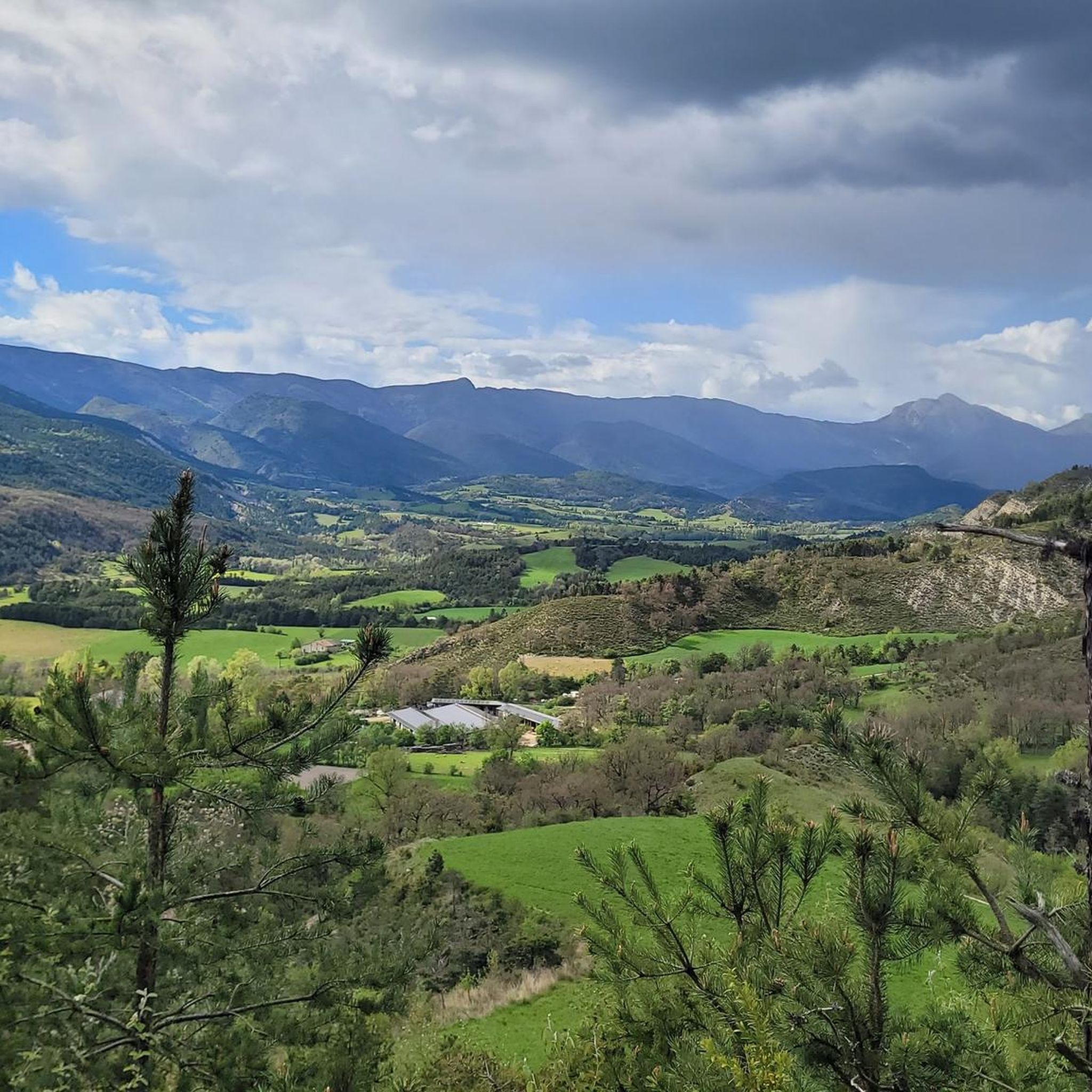
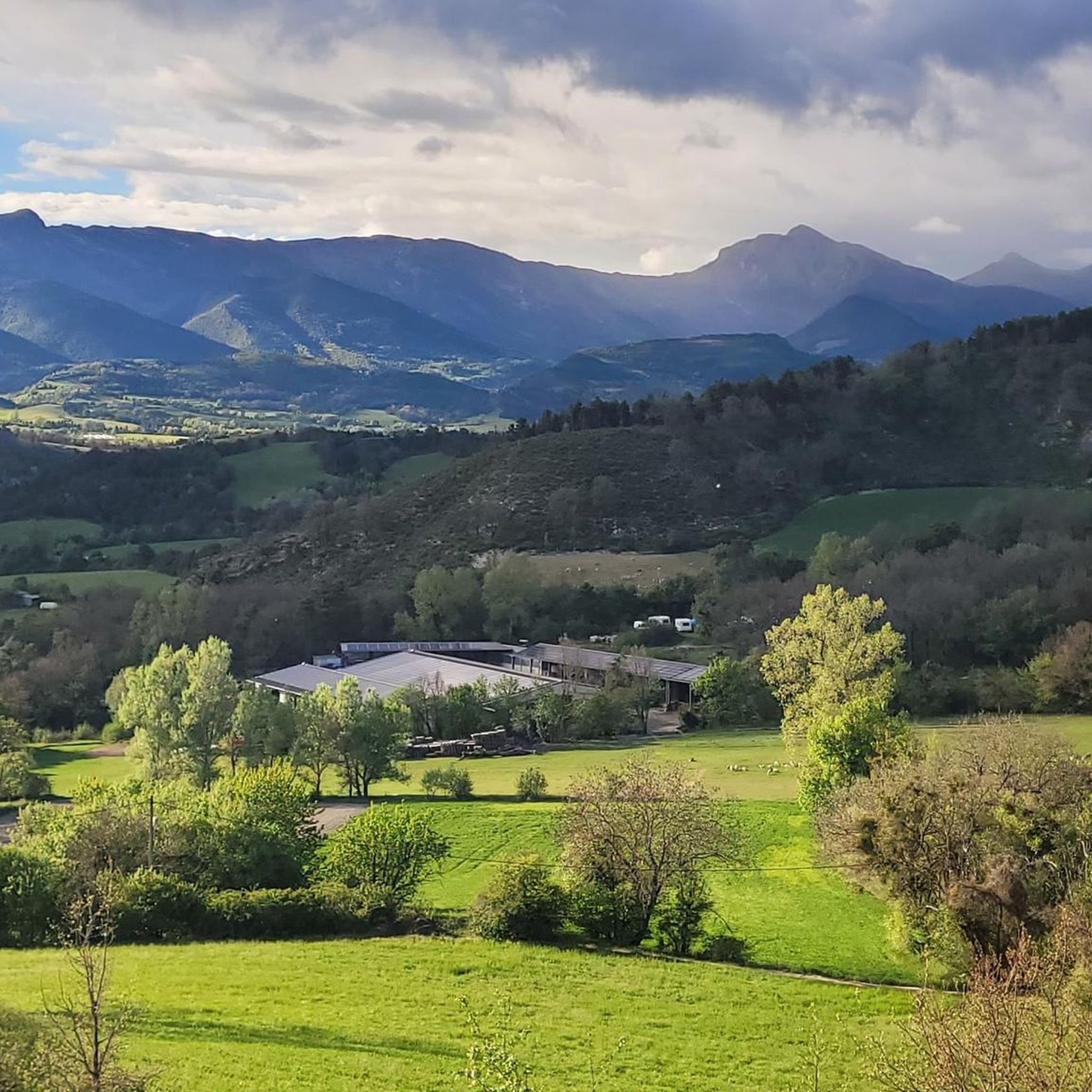
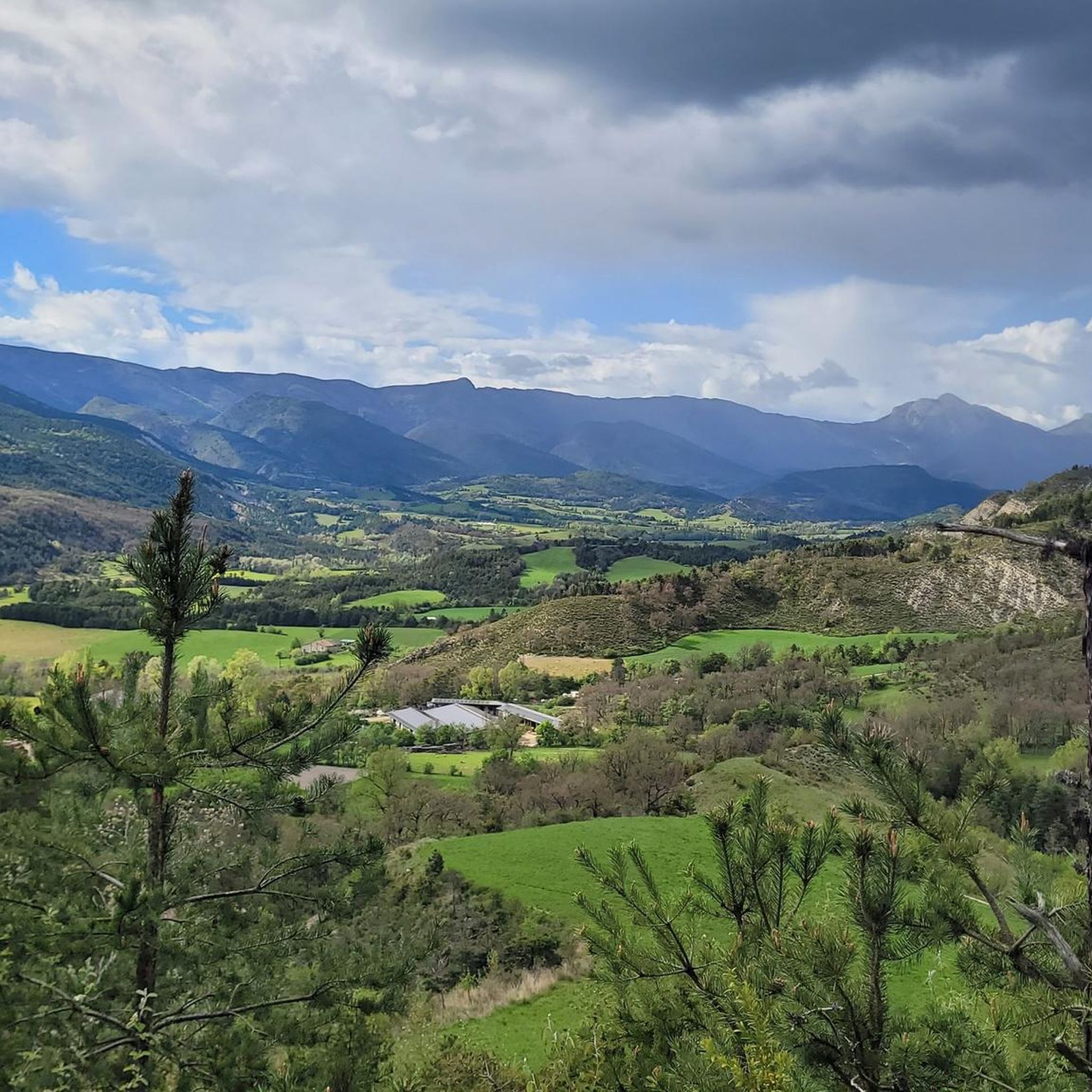
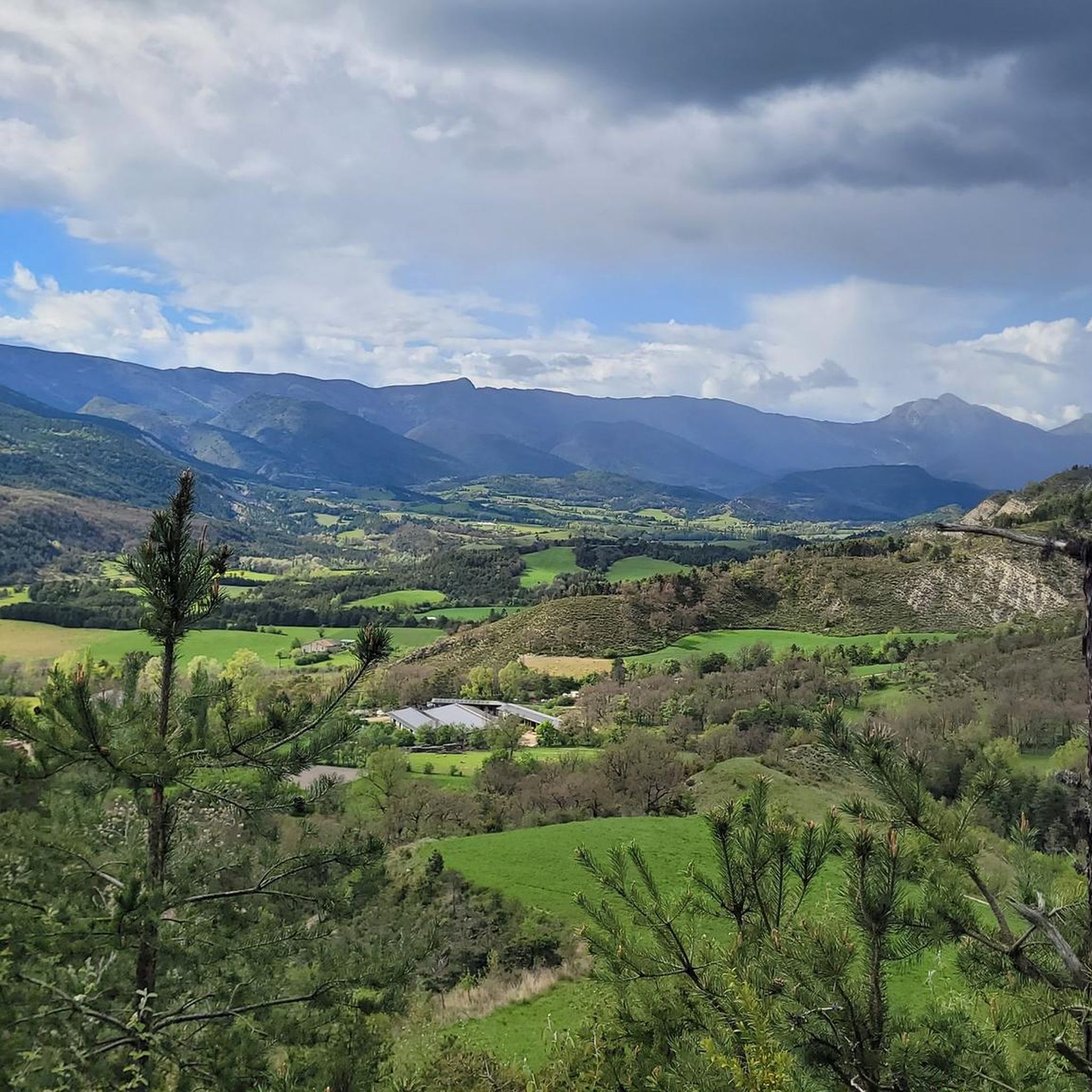
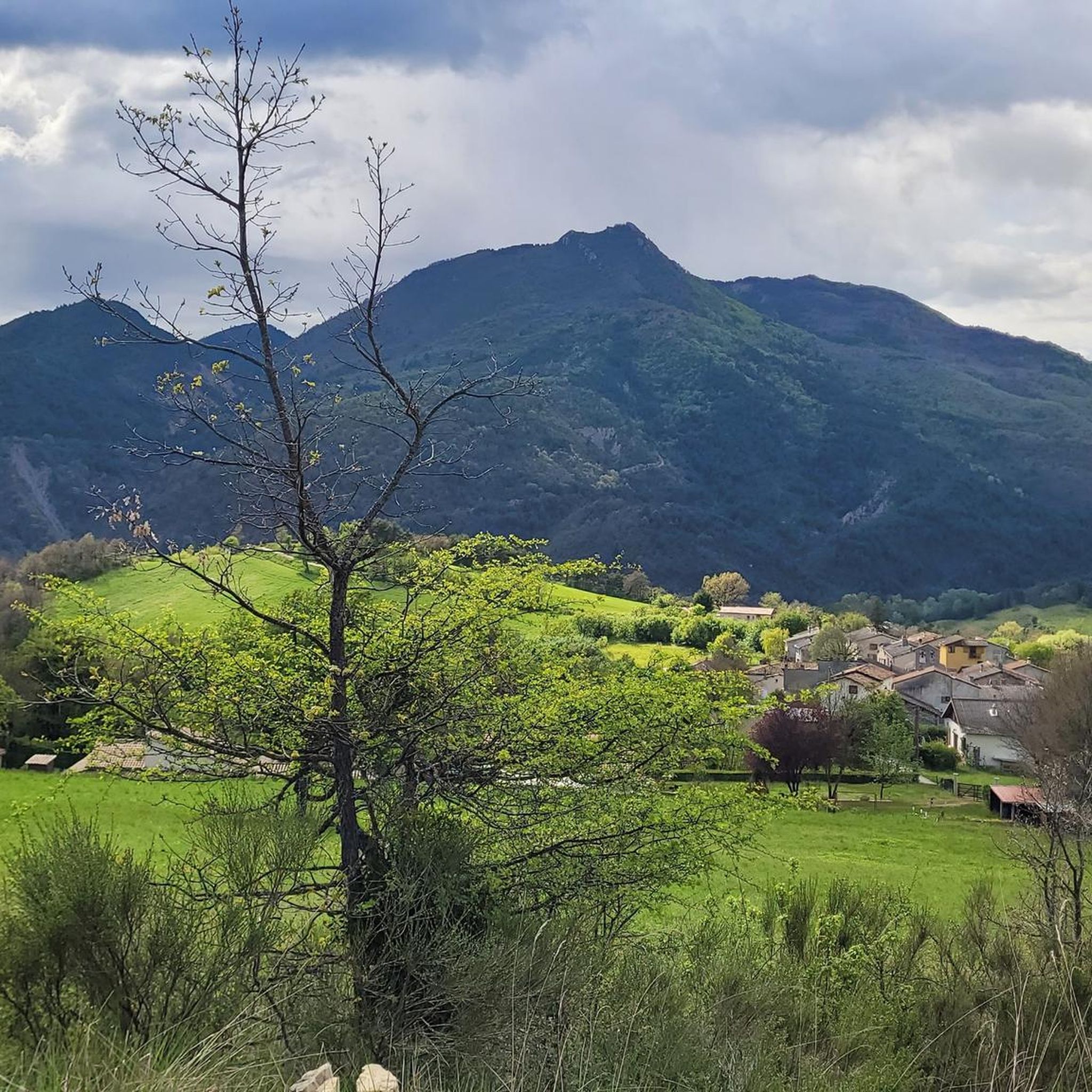
Magnificent view of the Robines, slopes formed of black marl. These sedimentary rocks were found at the bottom of the seas in the secondary era. Later, the formation of mountains brought up its soils which shelter numerous fossils (ammonites, algae, plants).
1
0

At the bend of a hairpin bend, this egg is a work of Andy Goldsworthy. This is one of the three “Sentinels” of the Refuge d’Art course; it represents the Asse valley.
1
0

On the western slope, after going up the long Asse de Clumanc Valley from Barrême, the difficulties really begin in Tartonne with a first ramp of 1.5 km at 6.5%. Then after a small flat area comes a nice final of 2.6 km where the slope will be around 7%. On this side you can see one of Andy Goldsworthy's sentinels, an ovoid-shaped cairn placed at the side of the road as part of an artistic trail created by this renowned artist practicing land art. On the eastern slope, nothing very complicated until Lambruisse with 5 km where the hardest passage will not exceed 4.5%. On the other hand, things become tougher with the final including 1.8 km at 6.5% on average, but the last 350 meters are at 8.5%. The road is very beautiful and quiet on both sides. This pass is enchanting.
2
0
This strange construction which sits in one of the bends of the Col du Défens is in reality a work by Andy Goldsworthy, a major figure in land art. It is part of the route entitled “Refuge d’art” which offers a 150 kilometer hike, imagined and created by the British artist through the National Geological Nature Reserve of Haute-Provence. This artistic itinerary, original and unique in Europe, combining contemporary art, hiking and rural heritage, includes ten works scattered throughout the Dignois region. Among them, three ovoid stone cairns, designated as “Sentinels”, one for each of the three valleys of the Haute-Provence Geological Reserve. Besides this one which represents the Asse valley, you can find another sentinel in the Clue de Barles, at the edge of the road at the foot of the cliff, representing the Bès valley, and the third in the commune of Authon in the Vançon valley. “It is the top of the cairn which brings the energy of the stone to its peak, just as it is in the keystone of an arch that all the energy is concentrated. »Andy Goldsworthy Andy Goldsworthy's work and vision were the subject of a film entitled "Rivers and tides" which you can see here: https://www.dailymotion.com/video/x15e83f?playlist=x54l1y or just the trailer: https://www.dailymotion.com/video/xjggqk?fbclid=IwAR2l_oUGJuU5sc5vLobLojCfRrBf3xa42fqjOKc-uL4DrOQomGKoypSHfWk For more information on the “Refuge d’art” route: https://www.tourisme-alpes-haute-provence.com/refuge-art-andy-goldsworthy/
3
1

The ascent of the Col du Défens is on a good quality road with very little traffic, beautiful scenery and an easy climb on both sides. The icing on the cake is an egg-shaped sculpture by Andy Goldworthy that you will come across at some point.
1
0
This small village is very rich in fossiliferous sites. It is an eponymous site. It gives its name to a very ancient period of life on earth. Indeed the Barrêmian is a period of the secondary era very rich in ammonites. The concentration is such that some fountains in the village, you will see, are made up of these fossils. The rich collection of paleontologists Marthe and Louis Maurel can be admired in the natural history museum located in the town hall of the village. For fans of more contemporary stories, know that Napoleon Bonaparte spent the night in the village on March 4, 1815.
1
0
Frequently Asked Questions
What unique geological features can I explore around Clumanc?
The area around Clumanc is part of the vast Géologique de Haute-Provence National Nature Reserve, known for its exceptional geological diversity. You can observe ancient rock formations, including the distinctive "Robines" or black marls in the Asse Valley, which reveal layers of Earth's history. The region also features significant fossil sites, offering a journey through 300 million years of geological evolution.
Are there any family-friendly natural monuments or activities near Clumanc?
Yes, the village of Barrême is a family-friendly spot, renowned for its rich fossiliferous sites. It's an eponymous site for the Barrêmian period, and you can even see ammonite fossils integrated into some village fountains. The natural history museum in Barrême, located in the town hall, houses a rich collection of paleontological finds, making it an engaging visit for all ages.
What kind of hiking trails are available near Clumanc's natural monuments?
The region offers a variety of hiking trails that allow you to immerse yourself in the natural environment. For a challenging experience with magnificent scenery, consider the Terres Noires Trail, which is highly rated for its solid ground and varied terrain. You can find more detailed hiking routes in the Running Trails around Clumanc guide.
What is the best time of year to visit the natural monuments around Clumanc?
The Alpes-de-Haute-Provence region, where Clumanc is located, offers diverse landscapes influenced by both Alpine and Provençal characteristics. Spring and autumn generally provide pleasant weather for exploring the natural monuments and hiking trails, with milder temperatures and beautiful scenery. Summer can be warm, ideal for activities near water, while winter access might be limited in higher elevations.
Can I find any unique art installations integrated into the natural landscape?
Yes, near Clumanc, specifically in Tartonne, you can discover Andy Goldsworthy's "Sentinel of the Asse." This unique stone sculpture is part of the "Refuges d'Art" project within the Geological Reserve, combining contemporary art with the natural environment. It's one of three such "Sentinels" in the region, each representing a different valley.
What are the opportunities for road cycling near the natural monuments?
Road cyclists can enjoy the scenic routes around Clumanc. The Col du Défens (1,230 m) offers a good quality road with minimal traffic and magnificent scenery, providing an accessible climb from both sides. For more road cycling options, explore the Road Cycling Routes around Clumanc guide.
Are there any viewpoints offering panoramic scenery of the natural monuments?
Absolutely. The Col du Défens (1,230 m) is a mountain pass that provides magnificent panoramic views of the surrounding landscapes. Additionally, the area's numerous hiking trails often lead to elevated points offering expansive vistas of the Haute-Provence region and its geological formations.
What kind of mountain biking trails are available in the area?
The region around Clumanc offers diverse terrain for mountain biking. You can find challenging trails like the Randuro Terres Noires Trail or explore routes such as Le Tour de la Sapet within the Réserve naturelle Géologique de Haute Provence. For a comprehensive list of trails, refer to the MTB Trails around Clumanc guide.
What makes the Géologique de Haute-Provence National Nature Reserve significant?
The Géologique de Haute-Provence National Nature Reserve, which encompasses Clumanc, is the largest geological reserve in Europe. It's an unparalleled open-air museum showcasing 300 million years of Earth's history, protecting geological and paleontological sites with folded and fractured rock layers. It's renowned for its abundant fossil heritage, including ammonites and large vertebrates, offering deep insights into geological evolution.
Where can I see the most spectacular geological formations?
For spectacular and varied geological formations, visit The Geological Slides of the Haute-Provence Nature Reserve. This natural monument offers grandiose descents and provides direct insights into the geological evolution of the Earth, making it a must-see for those interested in geology.
Are there any specific geological folds or structures to observe?
Yes, the
Synclinal de Clumanc
is a notable geological formation near the village. It represents a fold in the Earth's crust, providing a unique opportunity to witness tangible evidence of ancient geological forces. This site is also significant for its sub-fossilized trees and fossil sites containing large vertebrates.What are the 'Robines' and where can I see them?
The 'Robines' are distinctive black marls, which are dark, often eroded, clay-rich sedimentary rock formations. They are a characteristic feature of the regional landscape, particularly prominent in the Asse Valley, where Clumanc is situated. These formations reveal fascinating layers of geological history and contribute to the unique scenic beauty of the area.
Most popular attractions around Clumanc

Get inspired with the komoot mobile app


Explore more
Extend your search for the best caves by checking out these guides of the top ones around Clumanc:
