Top 9 Natural Monuments around Alos
Natural monuments around Alos are characterized by the mountainous terrain of the Pyrenees, featuring high passes, powerful waterfalls, and serene lakes. This region offers diverse natural features, from geological formations to rich flora and fauna. The landscape provides opportunities to explore various natural wonders and experience the area's unique environment.
Best natural monuments around Alos
- The most popular natural monuments is Core Pass, a mountain pass that is part of the GR10 route across the Pyrenees. It reaches an…
Last updated: June 21, 2026
Core Pass
Highlight • Mountain Pass
Translated by Google •
Tip by

Cascade de Nerech
Highlight • Waterfall
Translated by Google •
Tip by

Sign up now to discover places like this
Get recommendations on the best single tracks, peaks, & plenty of other exciting outdoor places.
Sign up for free
Flora and Fauna of Col d'Auedole
Highlight (Segment) • Natural
Translated by Google •
Tip by
Ayes Pond
Highlight • Lake
Translated by Google •
Tip by
Lake Bethmale
Highlight • Lake
Translated by Google •
Tip by
Sign up for free to discover even more natural monuments around Alos.
Sign up for free
Already have an account?
Start today with a free account
Your next adventure awaits.
Login or Signup


Tips from the Community

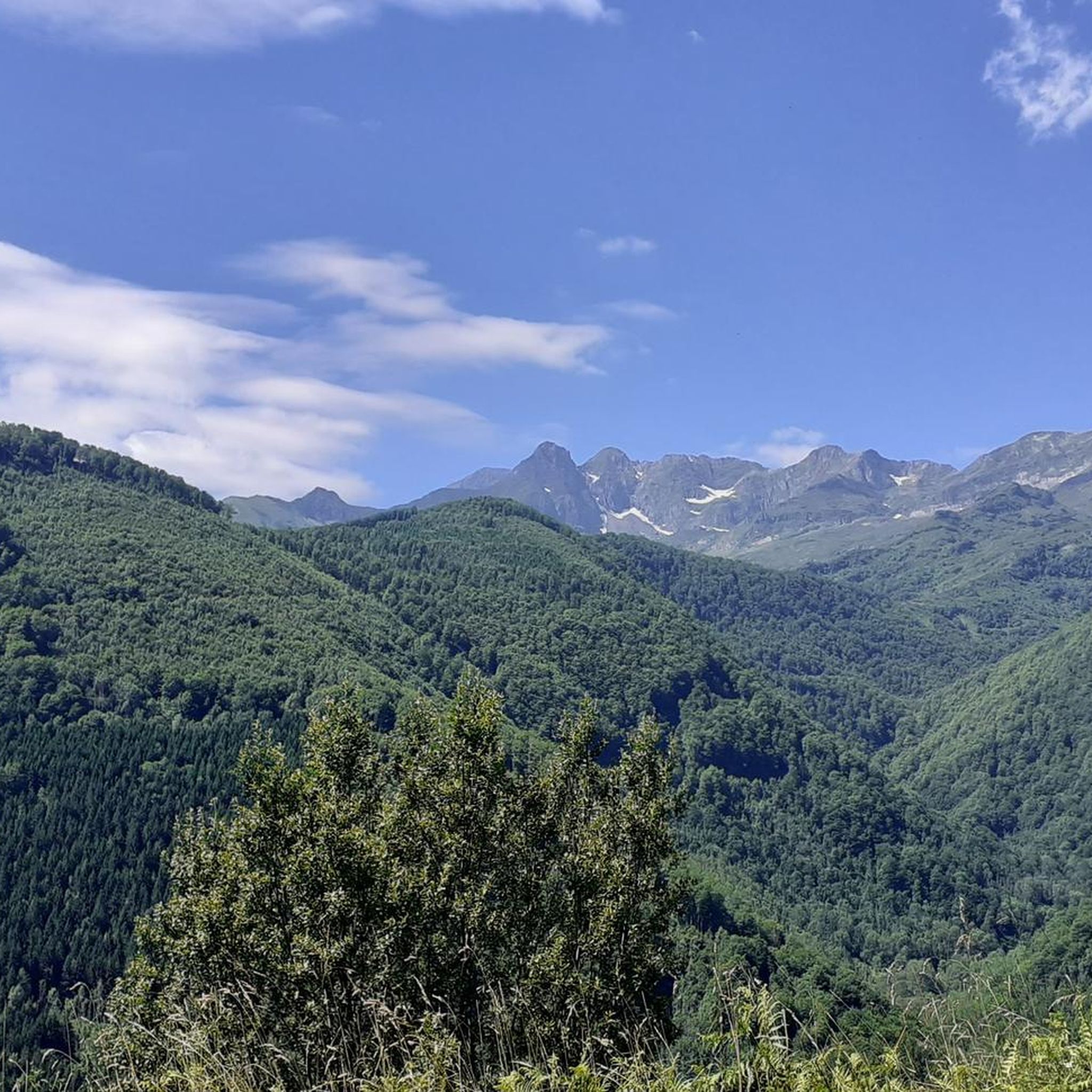
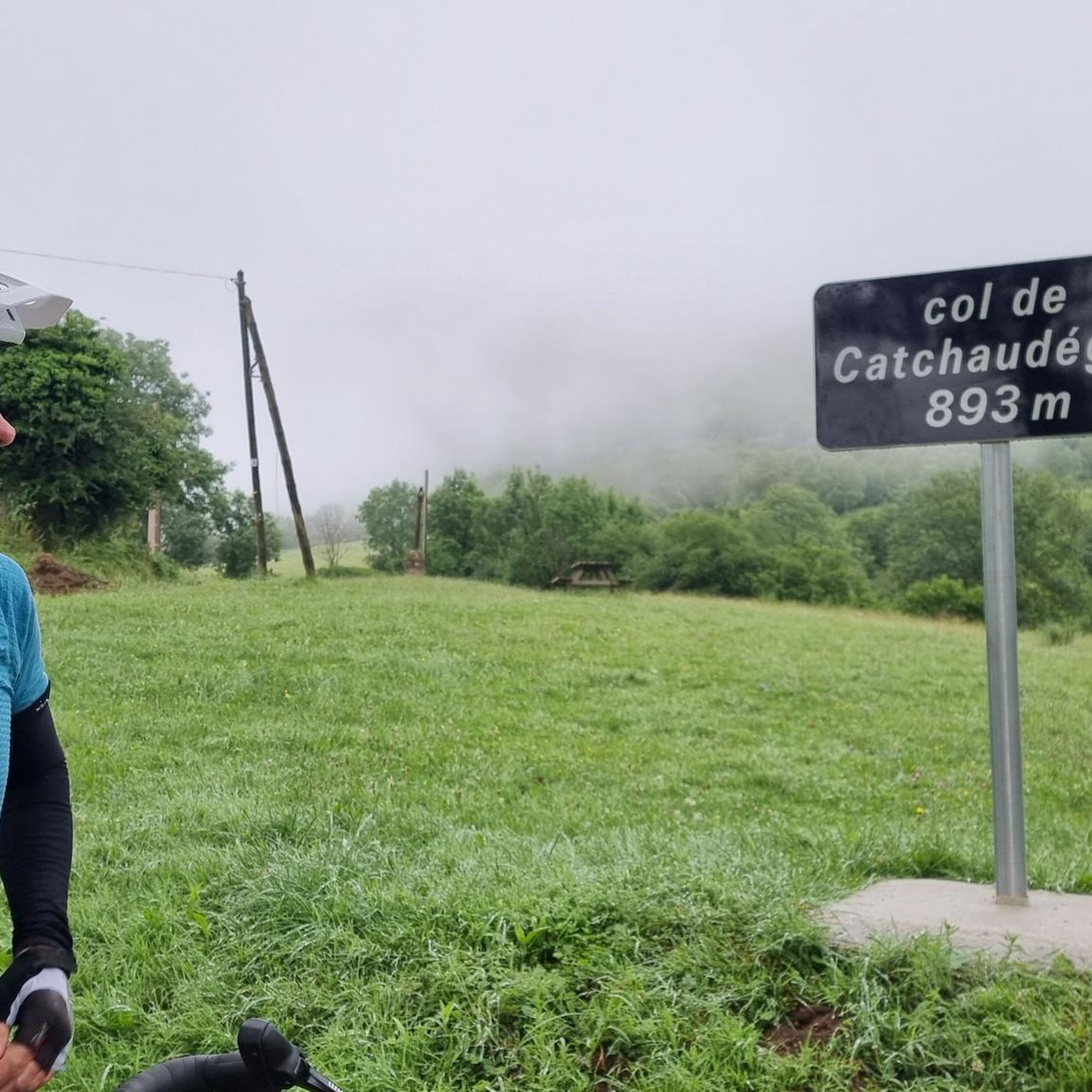
An emblematic pass in the Couserans, popular with cycle tourists and hikers, it offers a superb panorama of the mountains and valleys.
0
0


The Nerech waterfall is one of the most powerful in the Pyrenees. It flows into the heart of Couserans (vast territory combining high mountains, mountains and foothills, and covered areas). It is home to rich biodiversity. Among the species most observed here, there is a very wide variety of wild orchids.
0
0
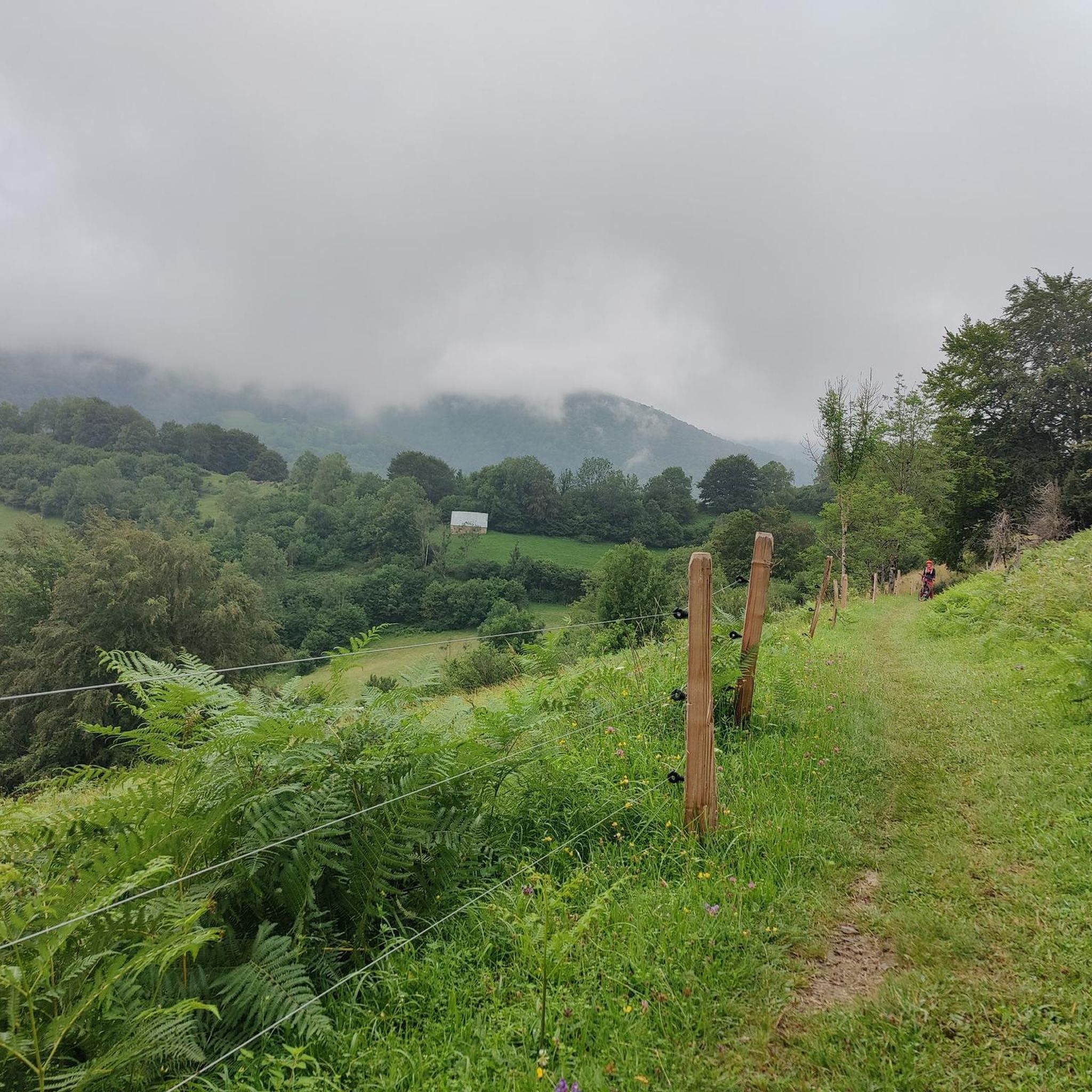
Going over the Col d'Auedole is to treat yourself to a pretty sight. You will see the richness of flora and fauna with superb flowers, mushrooms, insects, reptiles and birds. On a larger scale, the panoramas open wide in front of you and show you all the beauty of the Pyrenees.
0
0

The Col de la Core, at 1,395 meters above sea level, is part of both the pass route and the GR10 which cross the Pyrenees from the Atlantic to the Mediterranean.
0
0
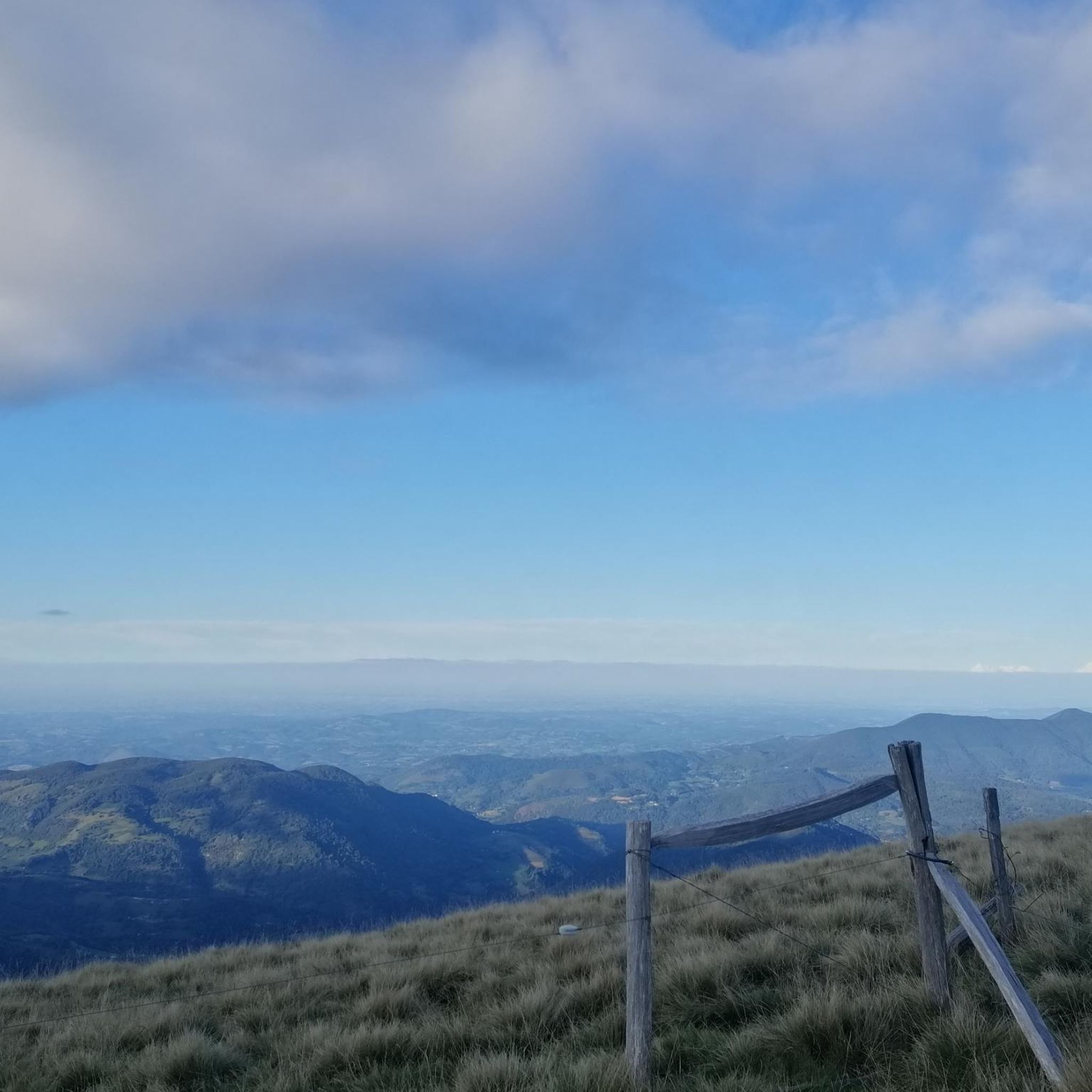
Access to the lake is either via the Auèdole pass or via the Campuls circus (at the end of a track) for those who wish to walk a little less.
1
0
Lake Bethmale is a pretty landscaped mountain lake, accessible by road and the GR 10.
1
0
Magnificent waterfall on the Valier route (for the more athletic).
0
0
Frequently Asked Questions
What are some of the most popular natural monuments to visit around Alos?
The Alos region, nestled in the Pyrenees, offers several highly-regarded natural monuments. Among the most popular are Core Pass, a significant mountain pass that forms part of the GR10 route, and Ayes Pond, a beautiful lake accessible via scenic mountain passes. Another must-see is Cascade de Nerech, a powerful waterfall known for its rich biodiversity, including wild orchids.
What kind of natural features can I expect to see near Alos?
The natural monuments around Alos are characterized by the mountainous terrain of the Pyrenees. You'll encounter high mountain passes like Core Pass, powerful waterfalls such as Cascade de Nerech, and serene lakes like Ayes Pond. The region also features unique geological formations like the Trous Souffleurs, which are scree heaps emitting cool air, and diverse flora and fauna, particularly around areas like Col d'Auedole.
Are there family-friendly natural monuments in the Alos area?
While many trails in the Pyrenees can be challenging, some natural monuments offer more accessible experiences. For example, the Cascade de Nerech is a beautiful waterfall that can be enjoyed by families, though some paths leading to it might be intermediate. For easier access, consider areas with shorter walks or viewpoints that don't require extensive hiking. Always check specific route details for suitability with children.
What are the hiking opportunities like around Alos's natural monuments?
The Alos region offers extensive hiking opportunities, with many natural monuments integrated into trails. For instance, Core Pass is part of the famous GR10 route. You can find various running trails, including loops around Core Pass and Ayes Pond. Many routes are rated as difficult, so come prepared. You can explore more options on the Running Trails around Alos guide.
How difficult are the hiking trails to these natural monuments?
Many of the trails leading to natural monuments around Alos, particularly those involving mountain passes and lakes, are rated as difficult. For example, the loops around Core Pass and Ayes Pond are challenging. However, if you take your time and are reasonably sure-footed, even those new to mountain hiking can experience fantastic views. Always check the specific route details before heading out.
Is there wildlife to observe near the natural monuments in Alos?
Yes, the natural monuments around Alos are rich in biodiversity. The Cascade de Nerech area is particularly known for a wide variety of wild orchids. When traversing areas like Col d'Auedole, you can observe a rich diversity of flora and fauna, including superb flowers, mushrooms, insects, reptiles, and birds. Keeping your eyes open will reveal much of the Pyrenees' natural beauty.
What is the best time of year to visit the natural monuments around Alos?
Given the mountainous terrain of the Pyrenees, the best time to visit natural monuments around Alos is generally during the warmer months, from late spring to early autumn (May to October). During this period, trails are more accessible, and the weather is more favorable for hiking and exploring. Winter visits may offer unique snowy landscapes but require specialized gear and experience due to snow and ice conditions on high passes.
Are there any unique geological formations worth seeing in Alos?
Absolutely. Beyond the dramatic mountain passes and waterfalls, Alos is home to the unique Trous Souffleurs. This phenomenon involves scree heaps where warm air penetrates at the top, is cooled by large, cold rock blocks, and then exits at the lower end as a refreshing, almost 'mountain temperature' airflow. It's a fascinating natural air conditioning system, especially on a hot day.
Can I bring my dog to the natural monuments in Alos?
Many natural areas and trails in the Pyrenees are dog-friendly, especially if your dog is accustomed to hiking. However, it's always recommended to keep dogs on a leash, particularly in areas with wildlife or livestock, and to follow local regulations. Check specific trail guidelines or park rules for any restrictions before you go.
Are there options for cycling near the natural monuments?
Yes, the Alos region is popular for cycling, especially road cycling and gravel biking, often incorporating natural monuments. You can find numerous routes, such as the 'Col de la Core Loop from Seix' for road cycling, which passes by Core Pass. For more options, explore the Gravel biking around Alos guide or the Road Cycling Routes around Alos guide.
Where can I find information about parking for natural monuments in Alos?
Parking availability varies by specific natural monument. For popular spots like Core Pass, there are often designated parking areas at the pass itself, serving as starting points for hikes. For other locations, parking might be available at trailheads or nearby villages. It's advisable to check detailed route descriptions or local tourist information for specific parking instructions before your visit.
What should I wear when visiting the natural monuments in Alos?
Given the mountainous environment, layering is key. Even in summer, temperatures can change rapidly, especially at higher elevations. Essential items include sturdy hiking boots, moisture-wicking clothing, a waterproof and windproof jacket, and sun protection (hat, sunglasses, sunscreen). For more challenging hikes, consider trekking poles. If visiting in cooler months, warmer layers, gloves, and a hat are crucial.
Are there any historical aspects associated with the natural monuments in Alos?
Yes, some natural monuments in Alos also hold historical significance. For example, Core Pass is not only a natural landmark but also recognized as a historical site. It's part of the GR10 route and has signs indicating the 'Chemin de la liberté' (Freedom Trail), hinting at its past role in historical passages across the Pyrenees.
What do visitors particularly enjoy about the natural monuments in Alos?
Visitors to Alos consistently praise the breathtaking panoramas and the sense of discovery. Many highlight the fantastic views from spots like Ayes Pond and the rich biodiversity, especially the wild orchids around Cascade de Nerech. The unique geological features, such as the cool air from the Trous Souffleurs, also provide memorable experiences. The overall beauty and tranquility of the Pyrenean landscape are frequently mentioned.
Most popular attractions around Alos

Get inspired with the komoot mobile app


Explore more
Extend your search for the best caves by checking out these guides of the top ones around Alos:
