Attractions and Places To See around Landorf - Top 4
Attractions and places to see around Landorf include a range of historical sites and natural features. The region provides a tranquil environment, offering insights into its industrial heritage and significant historical events. Visitors can explore various landmarks that reflect the area's past. The landscape also supports outdoor pursuits such as hiking and cycling.
Best attractions and places to see around Landorf
- The most popular attractions is Old Locomotive Roundhouse, a man-made monument that serves as a testament to the…
Last updated: November 5, 2026
Old Locomotive Roundhouse
Highlight • Monument
This time-worn relic offers an atmosphere steeped in history and mystery.
The crumbling …
Translated by Google •
Tip by

Stele for Victor and Gilbert
Highlight • Other
Barely two weeks later, Victor Dreyer, a farmer, and his son Gilbert, were returning from Rodalbe, where …
Translated by Google •
Tip by
Sign up now to discover places like this
Get recommendations on the best single tracks, peaks, & plenty of other exciting outdoor places.
Russian stele
Highlight • Other
The following story recounts dramatic events that occurred during a war that has left its mark on the minds of …
Translated by Google •
Tip by
Michel Varis commemorative statue
Highlight • Other
Translated by Google •
Tip by

Croix Gieneringen
Highlight • Other
This cross, broken into 3 parts, was restored in 2004
Showing Translation
Tip by
Start today with a free account
Your next adventure awaits.


Tips from the Community

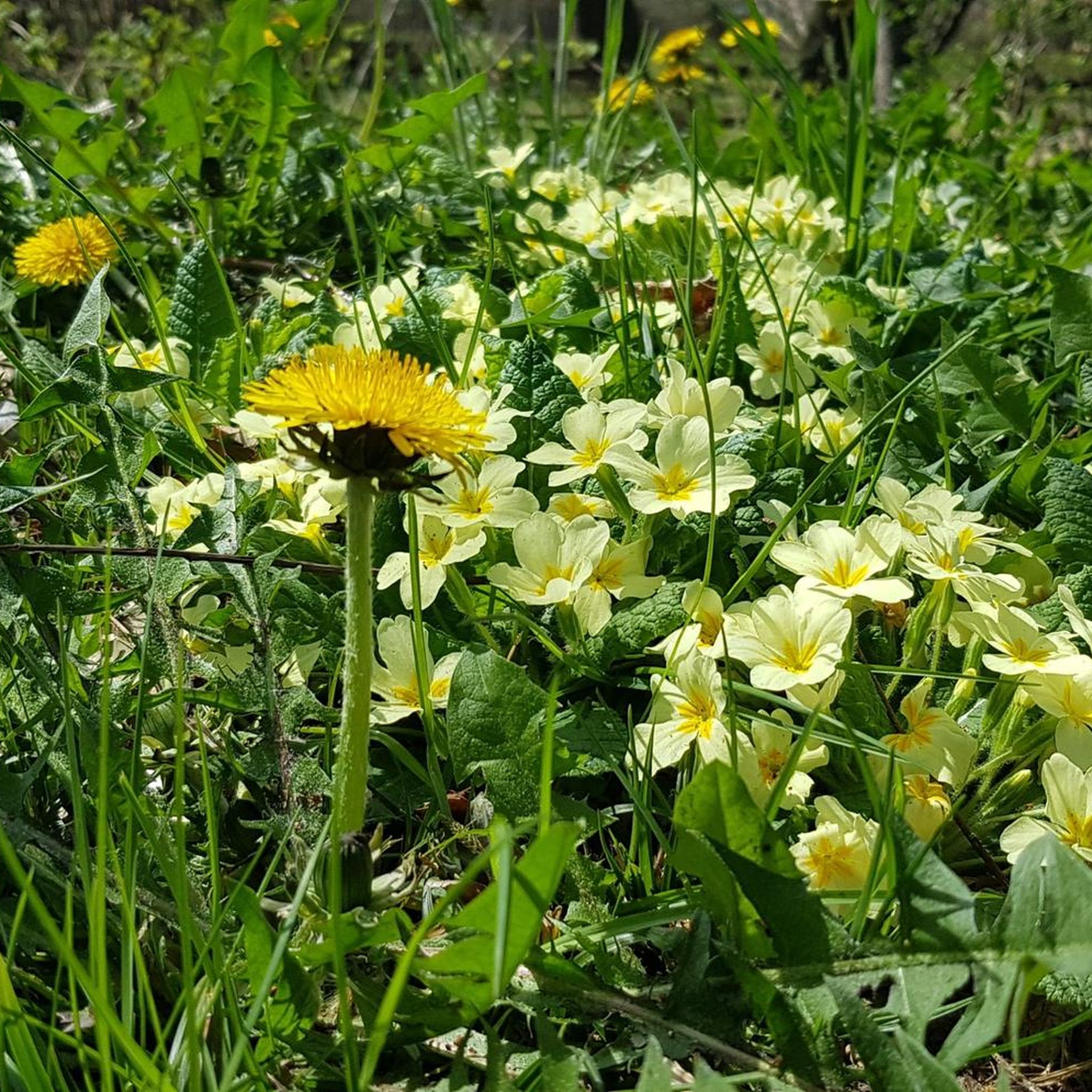
18th-century count's cross of justice found in 1999 at the "Gieneringerberg" site, not far from the Nied This cross, broken into 3 parts, was restored in 2004
0
0
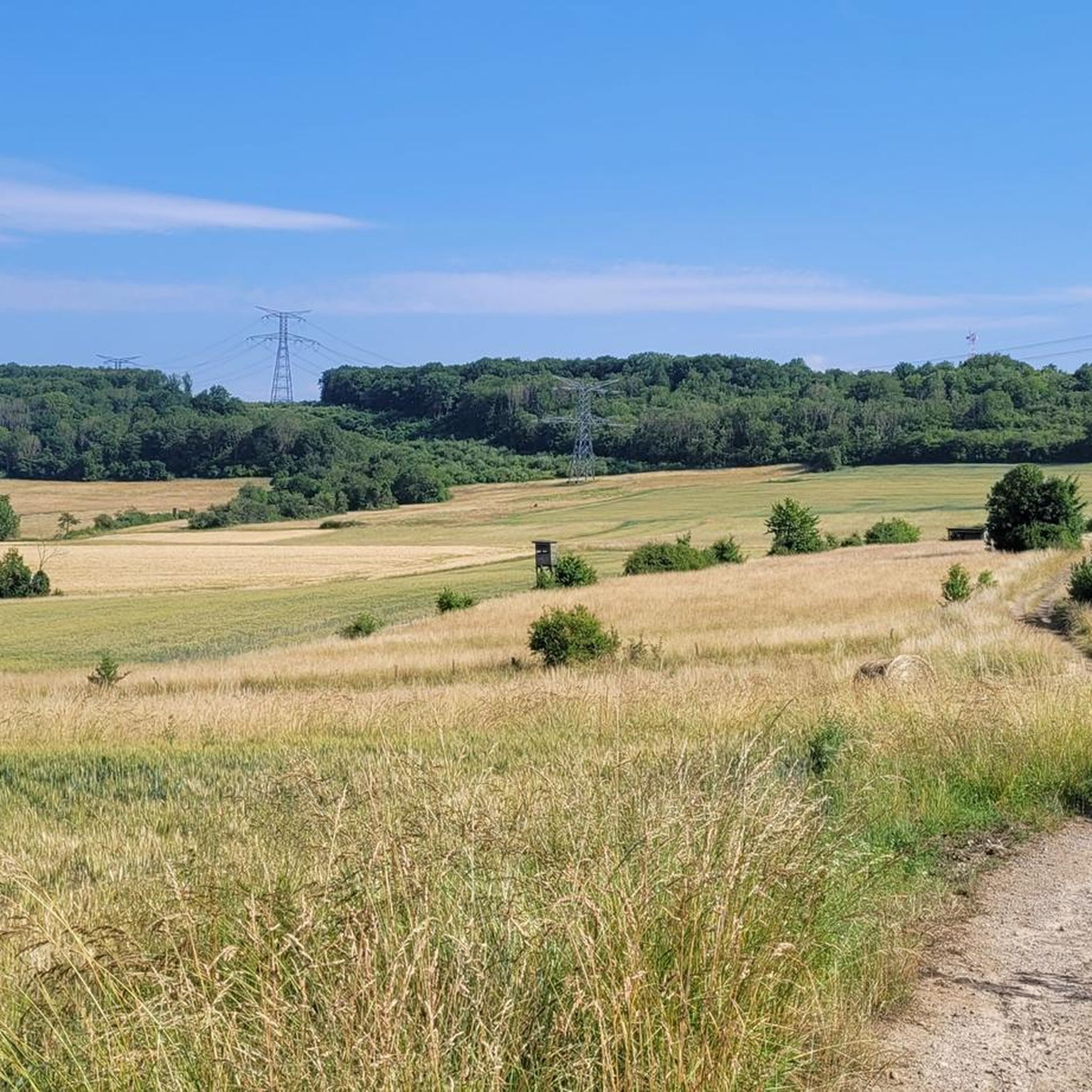
The village of Racrange was liberated by the Americans on November 15, 1944. Barely two weeks later, Victor Dreyer, a farmer, and his son Gilbert, were returning from Rodalbe, where they had been preparing for the return of their family, who had been expelled to the Dordogne. The German army had protected their retreat by planting mines on the path through the forest. The wheels of the wagon triggered the explosion that sent the entire team flying into the trees; Twelve-year-old Gilbert was killed instantly; his father died the next day. The explosion, heard as far away as the newly liberated village, plunged Racrange into deep disarray. His other son, Bernard, would serve as mayor of the town for 24 years. This memorial, erected in their memory on the Chemin de la Seille by the family, reminds us of our vigilance in defending peace, freedom, and our democracy.
0
0
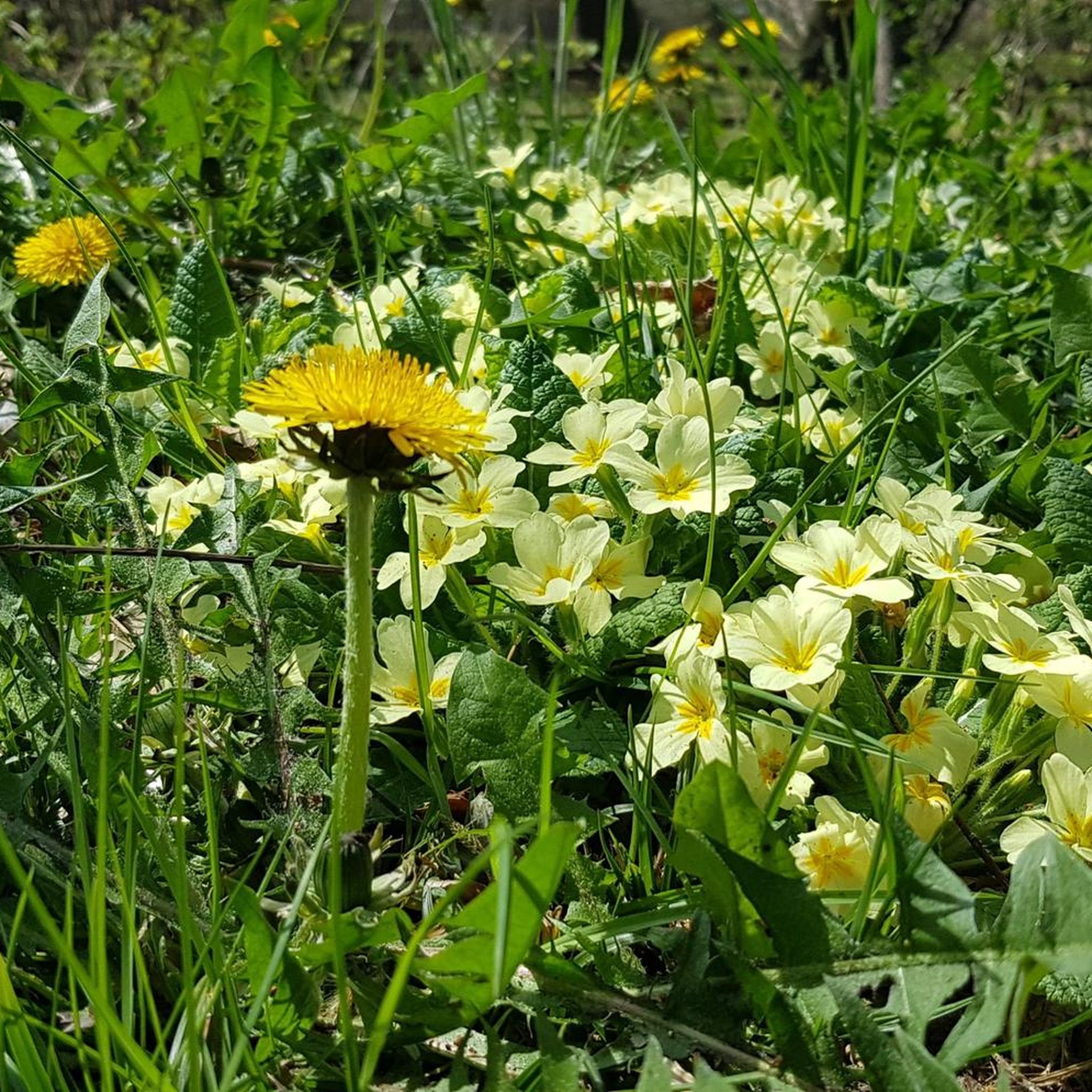
The Story of the Russian Grave in the Guessling-Hemering Forest The following story recounts dramatic events that occurred during a war that has left its mark on the minds of our fellow citizens for generations. This story takes place in the Guessling Forest towards the end of 1944; let us remember that such serious events are not exceptional in wartime. According to some accounts, there was a chain of solidarity among escaped Russian soldiers through the region's forests, starting in Munster and passing through the Guessling Forest to Arriance. At that time, five Russian soldiers, prisoners of war and escapees from a German camp, had taken refuge in the Guessling Forest. The five soldiers had dug a hiding place near a small water source. The presence of these men did not escape the notice of a remarkable man from our village, Mr. Théodore Freese, a forest ranger in the Guessling-Boustroff sector. These escapees, having grown accustomed to his presence, trusted him and befriended him. In return, he often provided them with food. According to the correspondence of a Russian journalist written after the war, it appears that the forest ranger also provided them with weapons for their defense. But as time passed and the war drew to a close, these escapees became reckless… It is clear that the presence of these Russians did not escape the notice of other passersby in this sector of the forest. Following a serious incident, the German soldiers organized a massive raid on the places where they suspected they would find traces of these Russian soldiers. Unfortunately, it was at this moment that one of the five soldiers from the Guessling Forest chose to go and fetch water from the spring, and, by bad luck, he was spotted by the German soldiers who had surrounded the area. The Russian soldier, seeing himself discovered, took refuge in the higher-up hiding place, believing himself safe from the Germans. The German soldiers, having followed him, had no trouble killing the five men on the spot by throwing grenades into the hiding place. They remained buried in the same spot until 1978, when an official Russian delegation came to dig them up. The remains of these five Russian soldiers were transported and buried in the Niederbronn-les-Bains cemetery in Alsace, where 15,000 German soldiers who died during the last war are also buried. The chronology of this story is based on numerous testimonies from the inhabitants of our village. The men we just mentioned were filled with a feeling that led them to believe that nothing more could happen to them. Indeed, in 1944, the imminent end of the war seemed obvious to many people. The end of this story was confirmed to us by many residents of our town who also fed these Russian soldiers and who had witnessed their recklessness. Entire families in our village were thus put in danger. We cannot tell the story of the Russian soldiers' grave without mentioning the forest ranger to whom we owe the testimony of certain events that were unknown to our citizens. Mr. Théodore Freese, to whom we wish to pay this special tribute, was very discreet at the time and was well aware that carelessness could be fatal, as he constantly risked his life for this network of escaped Russian soldiers. Having been informed that the German authorities had discovered his connections with Russian soldiers, he was only just able to escape arrest. After the war, he received numerous tributes from former escaped Russian prisoners who, by letter or in the Moscow press, cited him as a key and trusted figure during this sad period of the war. In one of these letters, a former prisoner thanked him for his services and cited in the same letter the names of the five Russian soldiers killed: Wasili Chniniu, Petr Krawschenko, Petr Schanka, Semen Grinevo, and Echim Muhin. He particularly wanted to thank the following people from our village: Muller Charles, Muller Joséphine, Hullar Jacques, Hullar Henriette, Bintz Charles, Doller Eugénie, Krauser Isidore, Posson Clémentine, Jacob Nicolas, Klein Georges, Turck Cécile, and Zint Auguste. Here is an excerpt from another letter from a former Russian soldier written in 1967 to Théodore Freese: "In the most difficult days for us, you, a true patriot of France, provided us with immense help by supplying us with provisions, weapons, and ammunition. And all this under the conditions of the German occupation of Lorraine. It was a heroic feat, dear comrade Théo! We remember it with deep gratitude."
0
0
An important locomotive depot built around 1930, this roundhouse is a fascinating testament to the industrial era. This time-worn relic offers an atmosphere steeped in history and mystery. The crumbling walls and decaying metal structures evoke a glorious past, inviting you to explore its forgotten corners. Whether you're passionate about history or simply looking for adventure, this is a must-see for capturing unique images and experiencing the soul of the place.
0
0

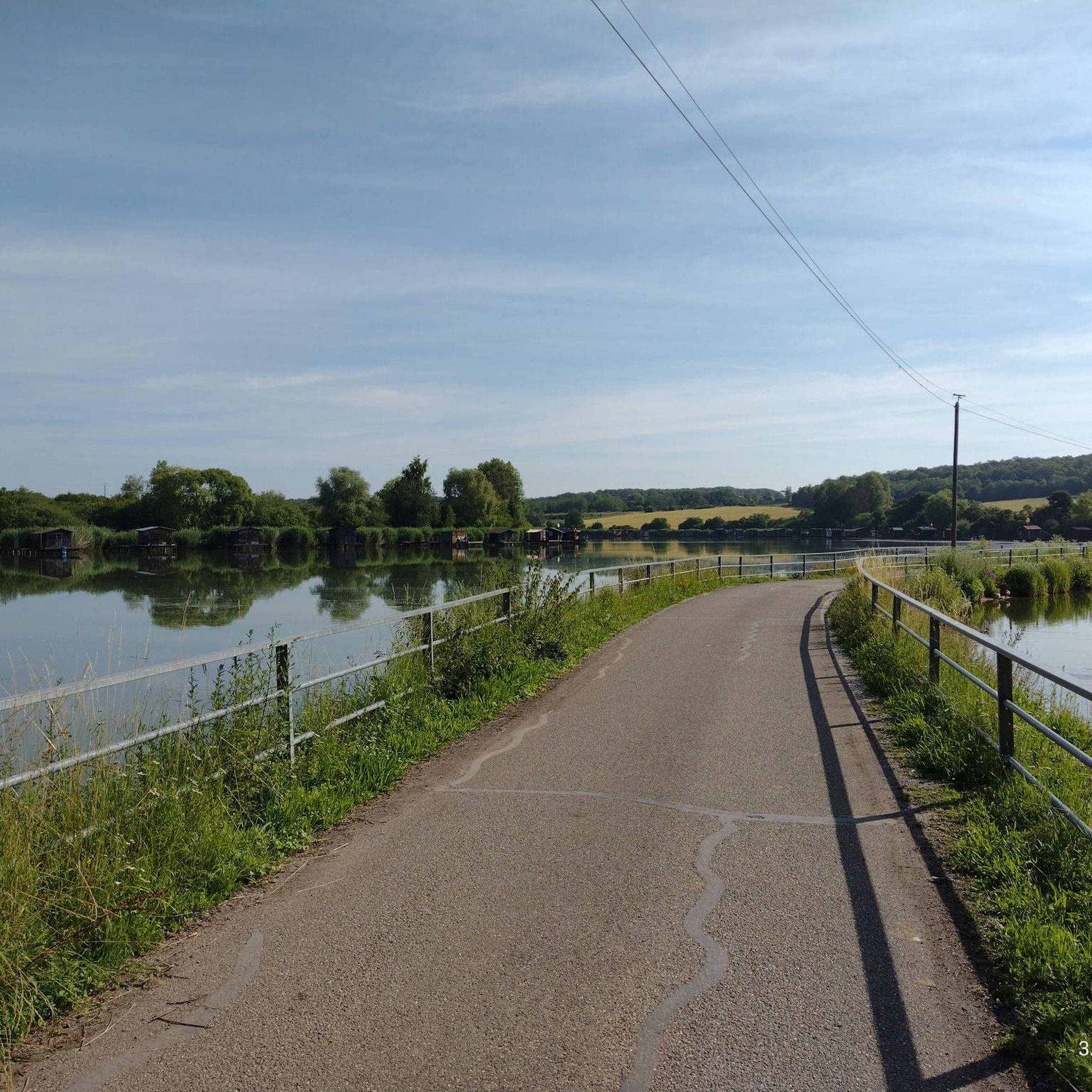
Nicknamed the "Knochenheiler" of Berig: Michel Varis born in Grostenquin on May 14, 1777, a healer who left his mark. Famous for his undisputed gifts as a bone-setter, but also for his great generosity. He treated people and animals out of charity at a time and in a region where doctors were rare. He died on July 13, 1850 in Bérig-Vintrange, and is buried in the municipal cemetery. His epitaph pays tribute to the great man he was.
0
0
Frequently Asked Questions
What historical sites can I visit in the Landorf region?
The Landorf region is rich in history, offering several poignant sites. You can explore the Old Locomotive Roundhouse, an impressive industrial relic from the 1930s with a mysterious atmosphere. Additionally, there are several memorials commemorating wartime events, such as the Stele for Victor and Gilbert near Racrange, and the Russian stele in the Guessling-Hemering Forest, both offering deep historical insights into the region's past.
Are there any unique cultural monuments or local figures commemorated in Landorf?
Yes, the region honors local history and figures. You can visit the Michel Varis commemorative statue, dedicated to a renowned 18th-century local healer known for his generosity. Another historical marker is the Croix Gieneringen, an 18th-century count's cross of justice discovered and restored in 1999 near the Nied.
What kind of outdoor activities can I do near Landorf's attractions?
Landorf's tranquil environment is ideal for outdoor pursuits. You can find numerous routes for gravel biking, running, and cycling. For example, explore the 'Gravel biking around Landorf' guide for challenging routes like the 'Ouvrage de l'Einseling – Silcence Zone loop'. Runners can enjoy trails such as the 'Running loop from Harprich', and cyclists have options like the 'Harprich's storks – Stork valley 😉👍 loop'. You can find more details and routes in the dedicated guides for Gravel biking around Landorf, Running Trails around Landorf, and Cycling around Landorf.
Are there hiking trails suitable for beginners or families in the Landorf area?
While specific 'easy' or 'family-friendly' hiking trails are not explicitly detailed for the attractions themselves, the region is known for its scenic routes and trails suitable for hiking and cycling. Many of the running and cycling routes mentioned in the nearby guides, such as the 'Running loop from Harprich' (4.8 km, easy) or 'Bike loop from Grand Bois' (5.2 km, easy), could be adapted for leisurely walks, offering a chance to enjoy the tranquil surroundings.
What is the best time to visit Landorf for outdoor activities?
Landorf offers a tranquil living environment, making it pleasant for outdoor activities throughout much of the year. Spring and autumn generally provide comfortable temperatures and beautiful scenery for hiking and cycling. While specific seasonal considerations are not detailed, the region's natural beauty suggests that these shoulder seasons would be ideal to avoid extreme temperatures and enjoy the landscape.
Can I bring my dog to the attractions or on trails in Landorf?
The Landorf region is conducive to outdoor pursuits, including hiking and cycling, which often welcome dogs on trails. While specific dog-friendly policies for individual historical sites are not provided, the natural areas and many of the nearby routes are generally suitable for walks with leashed dogs. Always ensure to follow local regulations and clean up after your pet.
What kind of natural features can I expect to see in Landorf?
Landorf is characterized by a tranquil environment with scenic routes and trails. While specific named natural features are not highlighted, the region's landscape supports outdoor activities like hiking and cycling, suggesting the presence of forests, gentle hills, and open countryside. The overall serene atmosphere makes it a pleasant area for enjoying nature.
Are there any hidden gems or less-known spots for outdoor exploration in Landorf?
The Landorf region is described as having 'hidden gems' suitable for hiking and cycling adventures. While not explicitly named, the numerous routes available in the nearby guides for gravel biking, running, and cycling often lead through less-traveled paths and scenic areas, offering opportunities to discover tranquil spots away from crowds. Exploring these routes is a great way to find your own hidden gems.
What makes the Old Locomotive Roundhouse a significant attraction?
The Old Locomotive Roundhouse is a significant attraction due to its historical importance as an industrial monument built around 1930. Its decaying structures and crumbling walls create a unique, mysterious atmosphere, offering a fascinating glimpse into the industrial era and providing excellent opportunities for photography and historical exploration.
Where can I find routes for cycling around Landorf?
You can find a variety of cycling routes around Landorf, catering to different difficulty levels. The Cycling around Landorf guide offers options such as the 'Bike loop from Harprich' (8.5 km, easy) or more challenging rides like the 'Téting 1 – Bunker loop from Adelange' (49.6 km, difficult). These routes allow you to explore the region's landscapes on two wheels.
Are there any running trails available in the Landorf area?
Yes, Landorf offers several running trails. The Running Trails around Landorf guide features routes like the 'Running loop from Harprich' (4.8 km, easy) for a quick jog, or longer, more challenging options such as the 'Grand Bois loop from Racrange' (16.4 km, difficult), allowing you to enjoy the natural surroundings while exercising.
Most popular routes around Landorf

Get inspired with the komoot mobile app


Explore more
Still not found the Highlight you’re looking for? See guides of the top attractions in other regions:
